Turn chicken and rice into a more balanced homemade dog meal with veggies, calcium carbonate, and omega-3s. Includes gram weights, portion guidance, swaps, a...
Article
•
Designer Mixes
When Do Dogs Quit Growing?

Shari Shidate
Designer Mixes contributor
If you have a puppy right now, I know the feeling. One day they fit in the crook of your arm, and the next day they are all legs and paws, eating like a tiny athlete. A very common question I hear as a veterinary assistant is: When do dogs quit growing?
The honest, practical answer is that it depends mostly on size, breed, and genetics. Most dogs finish growing in height before they finish filling out in muscle, chest width, and overall adult body condition. Also, “grown” and “fully mature” are not always the same thing. Many large and giant breeds may look adult-sized before they are physically and mentally mature, which can take closer to 2 to 3 years in some dogs.
Quick answer by size
Here are practical timelines that work well for most dogs, including many designer mixes. Individual dogs can be earlier or later, and some breeds are outliers.
- Toy and small dogs (often under about 20 lb): may stop getting taller around 8 to 10 months. Many finish “filling out” by 10 to 12 months.
- Medium dogs (often about 20 to 50 lb): often finish height growth around 10 to 12 months, with body filling out through about 12 to 15 months.
- Large dogs (often about 50 to 90 lb): commonly grow in height until 12 to 18 months, then continue to fill out until about 18 to 24 months.
- Giant breeds (often 90 lb+): may keep growing until 18 to 24 months, and sometimes finish maturing closer to 24 to 30 months.
Key idea: “Quit growing” can mean two different things. Your dog may stop getting taller, but still gain healthy muscle and adult shape for months afterward.
What is happening in the body
Growth plates
Puppies have soft areas of developing bone called growth plates (physes). As your dog matures, these plates “close,” turning into hard bone. Once a growth plate closes, that bone will not get longer.
In general, smaller dogs’ growth plates close earlier, and larger dogs’ close later. Most growth plates close somewhere around 6 to 18 months depending on breed and the specific bone, and some large and giant breeds can be later. This is one reason large and giant breeds have a longer puppyhood and a longer “be careful” window for joints.
Height first, then filling out
Many dogs:
- hit their adult height first,
- then broaden in the chest,
- then gain muscle and adult head and body proportions.
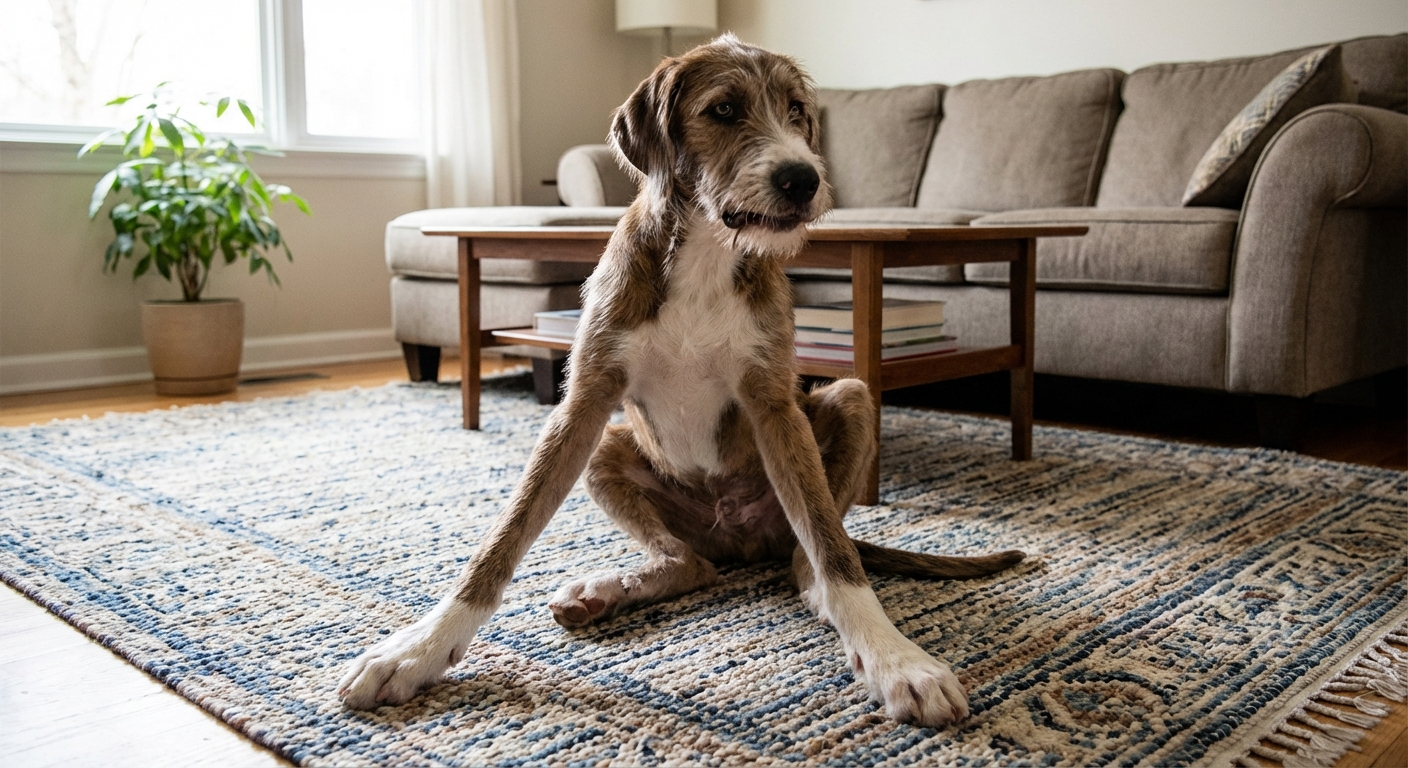
This is especially noticeable in adolescent dogs that look a bit lanky or awkward for a while. It is normal, and it usually resolves with time, good nutrition, and appropriate exercise.
How to tell if your dog is still growing
You do not need fancy tools to get a good sense of growth. Here are common clues I suggest watching at home, plus a simple way to track them.
Clues your dog may still be growing
- Weight is steadily increasing week to week without overeating.
- Your dog seems to “stretch upward” and suddenly looks taller.
- The ribs and hips look a bit prominent during adolescence even with normal energy and appetite.
- They are outgrowing collars and harnesses regularly.
- Paws may look a little oversized compared to the rest of the body, but this is not a reliable way to predict adult size.
Clues your dog may be nearing adult size
- Height and weight trend fairly steady for a while (for example, several weeks) in the context of your dog’s age and size.
- Body condition is consistent and your dog looks more balanced overall.
- Muscle tone improves with normal activity.
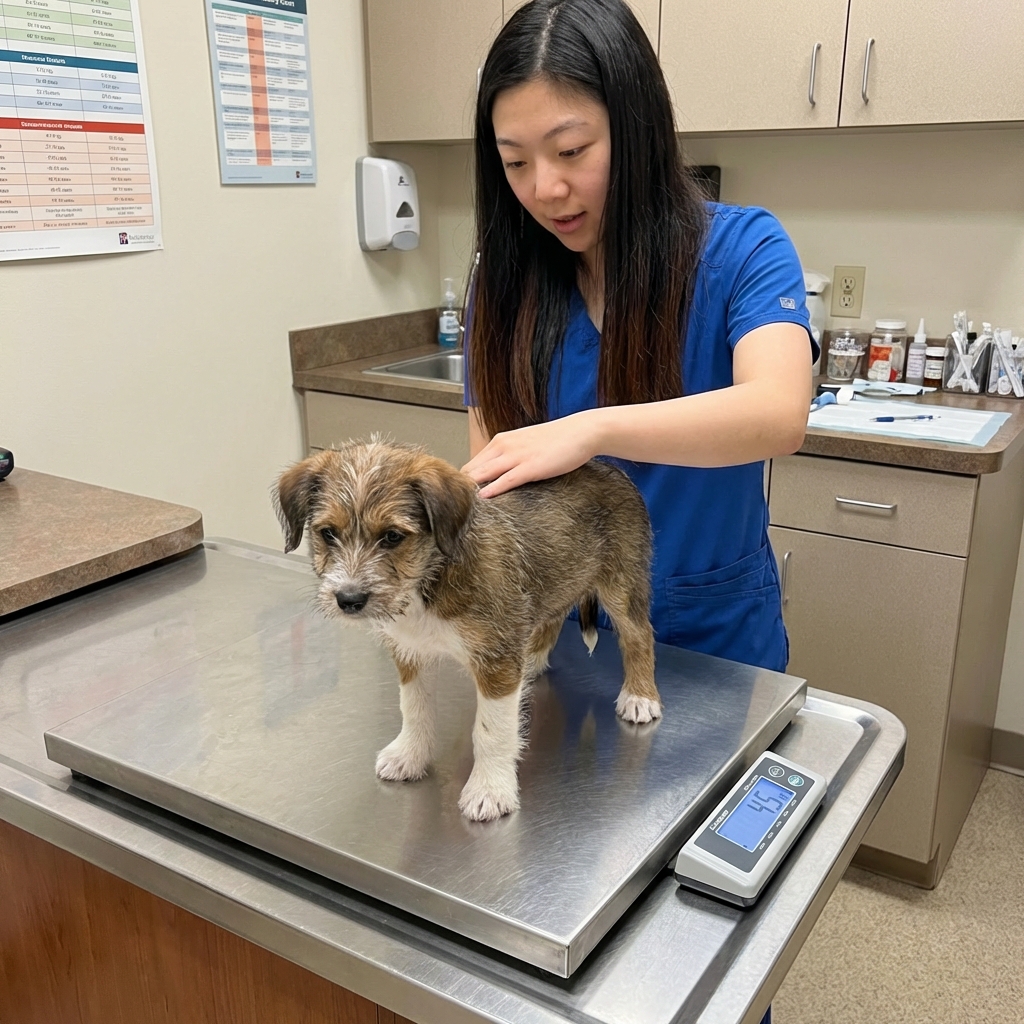
A quick monthly check-in helps a lot: take a photo from the side, weigh your pup on a consistent scale if you can, and jot down appetite and stool quality. If you want a simple “number” to track, measure shoulder height (floor to the top of the shoulders) monthly using the same method each time. Trends matter more than any single measurement.
Designer mixes
With mixed breeds and designer mixes, growth timing can vary more than people expect, even within the same litter. That is because:
- Genes for size can come from either parent and can combine in unexpected ways.
- Some mixes inherit a longer growth window, often from larger-breed lineage.
- Spay and neuter timing, nutrition, and activity can influence body composition during adolescence.
If you know the parents’ sizes, that helps, but it is still an estimate. Your veterinarian can also track your puppy’s growth curve and body condition score to make sure growth is steady and healthy.
Care during the growth phase
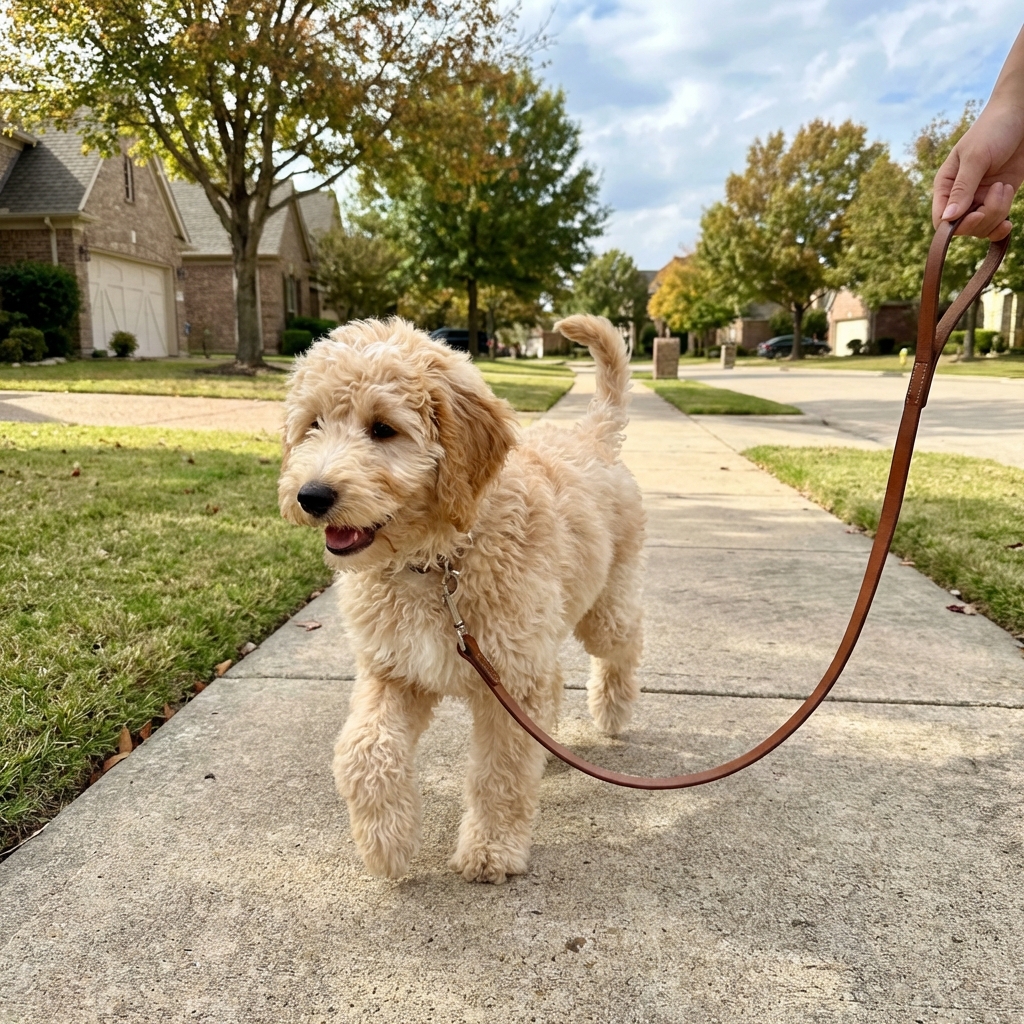
Growing bodies are building bone, muscle, tendons, and healthy metabolism. Here are the big pillars I focus on with puppy owners.
1) Feed for healthy growth
Fast growth is not the goal, especially for large dogs. The goal is steady, appropriate growth that supports joint health.
- Choose a complete and balanced diet that meets AAFCO growth (or “all life stages”) standards.
- For large or giant breeds, consider diets specifically formulated for large-breed puppies to help support safe calcium and energy levels.
- Avoid adding calcium supplements unless your veterinarian tells you to. Extra calcium can be risky, particularly for large-breed puppies.
When to switch to adult food: Many small dogs transition around 10 to 12 months, medium dogs around 12 months, and large or giant breeds often closer to 12 to 24 months. Your best move is to ask your vet what fits your dog’s size, body condition, and diet brand.
2) Protect joints with smart exercise
Puppies need movement for healthy development, but high-impact or repetitive strain can be hard on open growth plates.
- Favor short, frequent play sessions over marathon hikes.
- Limit repetitive jumping (especially off furniture) and intense stair running.
- Use traction-friendly flooring where possible to prevent slips.
- Let your puppy rest. Good sleep supports recovery and healthy development.
3) Keep a healthy body condition
Extra weight adds extra load to developing joints. Ask your vet team to show you how to check a body condition score.
A simple home check: you should be able to feel ribs with light pressure, and your dog should have a visible waist when viewed from above. This is more reliable than trying to guess adult size based on paw size.
4) Prioritize preventive care
- Stay on schedule with parasite prevention and vaccines as recommended by your veterinarian.
- Talk with your vet about spay and neuter timing for your specific dog’s size and lifestyle.
- Ask about dental care early. Puppy teeth issues can affect eating and comfort.
Common questions
Do dogs have growth spurts?
Yes. It is common for puppies to grow in bursts, especially during early adolescence. Appetite may increase during a spurt and then settle again.
Will neutering or spaying affect growth?
It can. Sex hormones play a role in growth plate closure. When done before puberty, some dogs may end up with slightly longer long bones, and in certain breeds there are associations with orthopedic risks. Timing decisions are individual and should be made with your veterinarian, especially for large-breed dogs where joint health is a bigger concern.
My puppy looks skinny. Is that normal?
Many adolescent dogs look lanky. If energy is good and stool is normal, it can be normal development. Still, a quick body condition check with your vet is always a good idea to rule out parasites, diet mismatch, or feeding amounts that need adjusting.
When to call your vet
Please reach out to your veterinarian if you notice any of the following during the growth months:
- Limping, stiffness, or reluctance to play or walk
- Pain when touched along legs, hips, or spine
- Swollen joints
- Sudden weight loss or failure to gain weight
- Chronic diarrhea, vomiting, or a major appetite change
If something feels “off,” trust that instinct. Early support can make a big difference for growing joints and long-term comfort.
The bottom line
Most dogs stop getting taller somewhere between 8 and 18 months depending on size, breed, and genetics, and many continue to fill out until 12 to 24 months. Some large and giant breeds may take closer to 2 to 3 years to fully mature overall. The best thing you can do during that time is keep growth steady with the right nutrition, protect developing joints with smart exercise, and track body condition so your pup grows into a strong, comfortable adult.
If you want a more tailored estimate, bring your dog’s age, current weight, and best guess at adult size (or the parents’ sizes) to your next veterinary visit. It is a great conversation to have alongside diet, exercise, and spay or neuter planning.
References: AAHA puppy care and life stage guidance, WSAVA Global Nutrition Guidelines, and the Merck Veterinary Manual (puppy growth and development basics).