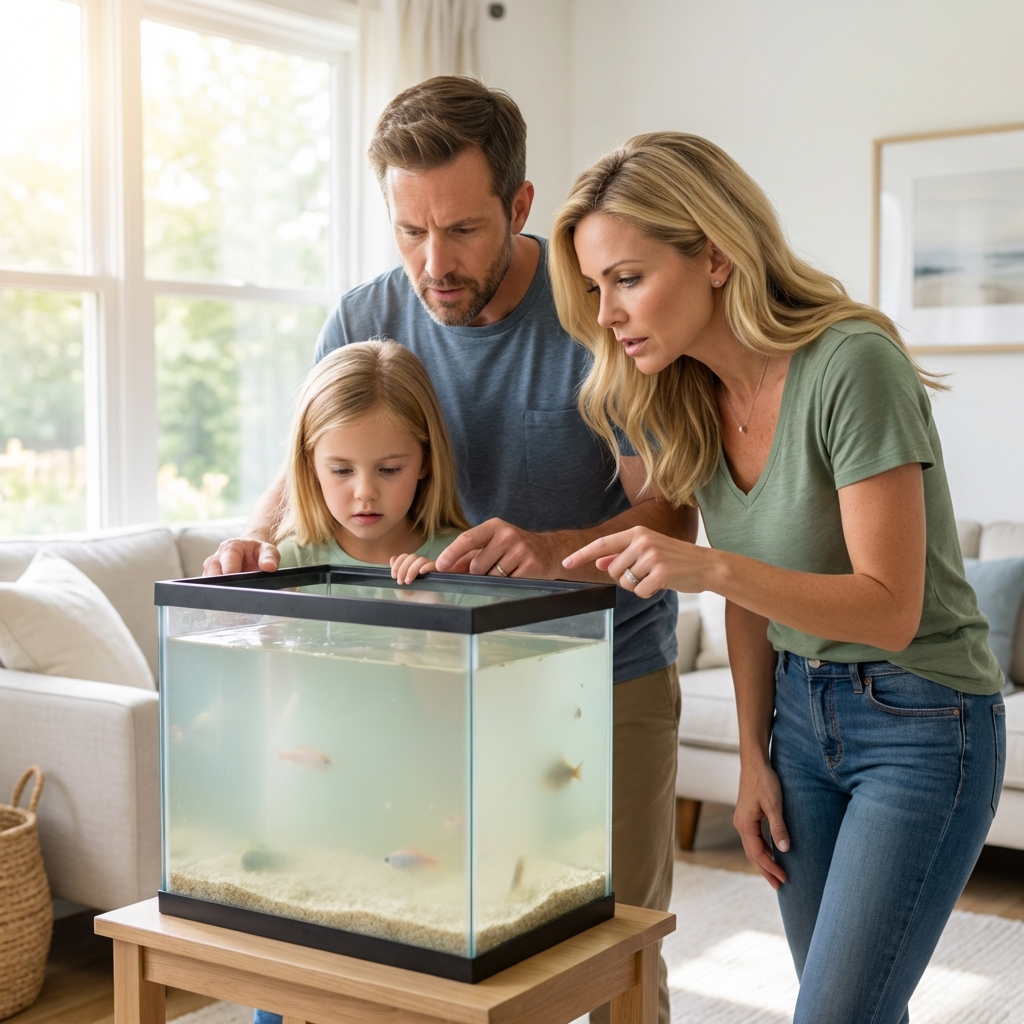
Understand aquarium cycling and the nitrogen cycle: how beneficial bacteria convert ammonia to nitrite to nitrate, how long it takes, and how to cycle fishle...
Article
•
Designer Mixes
What You Need to Start a Saltwater Tank

Shari Shidate
Designer Mixes contributor
Setting up your first saltwater aquarium can feel like a lot, but it does not have to be overwhelming. If you focus on the right equipment, stable water parameters, and a slow, patient timeline, you will set yourself up for a healthy tank that is easier to maintain and far more enjoyable to watch.
Below are the essentials, the nice-to-haves, and the most common early mistakes I see beginners make so you can skip the frustration and get to the fun part: a thriving little ocean at home.
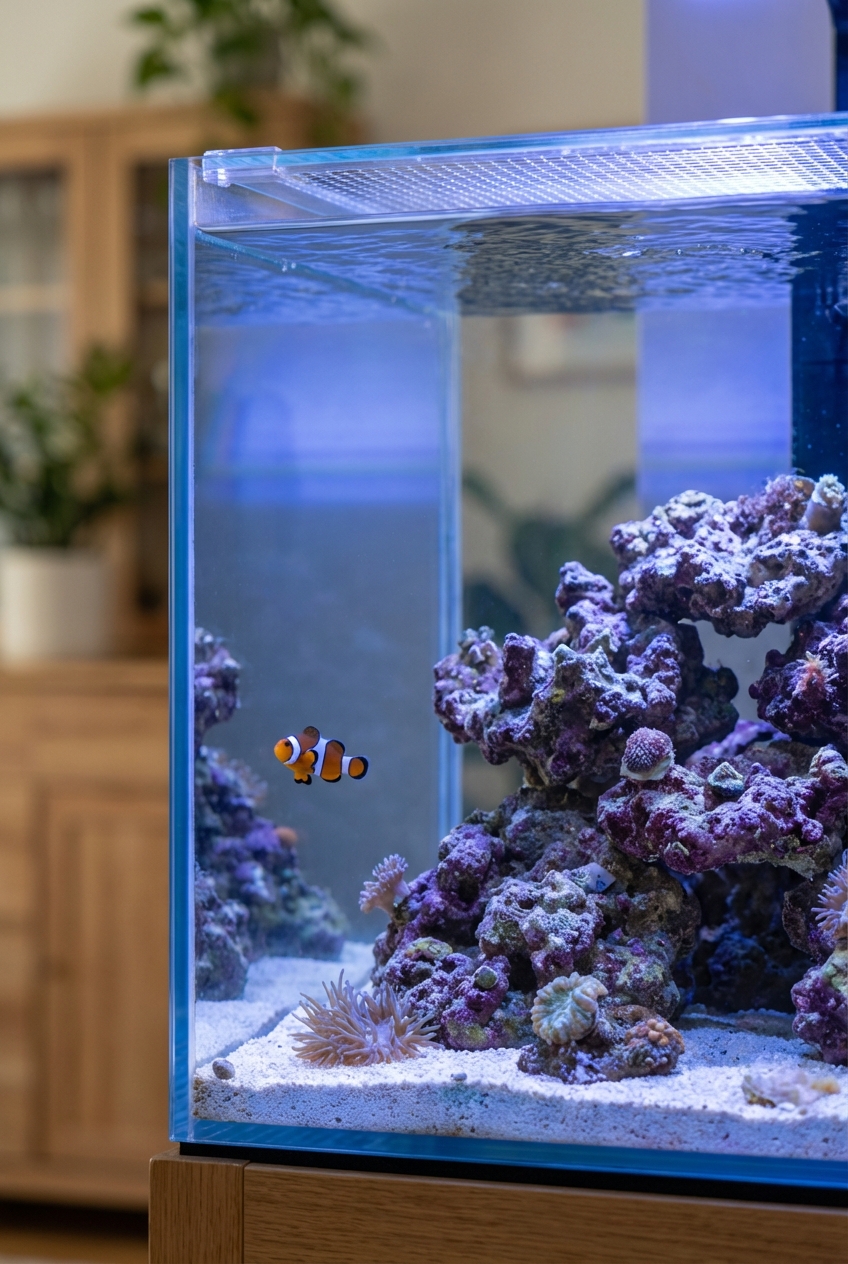
Start with the right tank type
Before you buy equipment, decide what you want to keep. Your livestock choice determines everything from tank size to filtration.
- Fish-only (FO): Saltwater fish, minimal coral. Usually the simplest and most forgiving.
- Fish-only with live rock (FOWLR): Fish plus live rock for natural biological filtration and a more reef-like look.
- Reef tank: Corals and invertebrates. Beautiful, but needs stronger lighting and tighter stability.
Beginner-friendly tip: A 20 to 40 gallon tank is often easier than a tiny nano tank because bigger water volume changes more slowly. That stability is your best friend.
What you must buy
The tank and stand
Choose a quality glass or acrylic aquarium and a stand rated for the weight. Saltwater tanks are heavy. A 40-gallon setup with rock and equipment can easily weigh several hundred pounds.
Heater and thermometer
Most tropical marine fish do well around 76 to 80°F. Use a reliable heater and verify with a separate thermometer. Heaters fail more often than people expect, so monitoring matters.
Powerheads or wavemakers
Saltwater livestock relies on flow for oxygenation, waste removal, and coral health. Even fish-only tanks benefit from good circulation. Aim for enough flow to prevent dead spots where debris settles. Reef tanks typically need higher turnover than fish-only setups, so adjustable flow gives you room to grow.
Filtration
There are a few good paths here, and your tank type helps you choose. Think of filtration in layers: biological (bacteria), mechanical (trapping particles), and chemical (media like carbon).
- Hang-on-back (HOB) filter: Great for smaller beginner tanks. Easy to maintain.
- Sump system: More equipment and planning, but more water volume and flexibility.
- Live rock as biological filtration: Common in FOWLR and reef tanks. It works best when paired with mechanical filtration (to remove crud) and strong flow.
Protein skimmer (highly recommended)
A skimmer removes dissolved and fine particulate organics before they break down into ammonia and excess nutrients (which can later become nitrate and phosphate). Plenty of successful tanks run skimmerless, but for many new hobbyists, a skimmer is the difference between constantly chasing water quality and actually enjoying the tank.
Salt mix and water source
You will need a quality marine salt mix. The bigger decision is your water source:
- RO/DI water: Best choice for consistency and fewer nuisance algae problems.
- Tap water: Sometimes workable, but often introduces phosphate, nitrate, and metals that cause headaches. If you use tap water even temporarily, treat it with a dechlorinator (conditioner) and test your results.
Refractometer (or a quality hydrometer)
Salinity is a cornerstone parameter. A refractometer is a one-time purchase that helps prevent slow, sneaky stress on fish and invertebrates. For reefs, aim for about 1.025 to 1.026 specific gravity (roughly 35 ppt). Fish-only tanks are sometimes kept slightly lower. The key is consistency.
Quick pro tip: Calibrate refractometers with a 35 ppt calibration solution, not freshwater, for the most accurate saltwater readings.
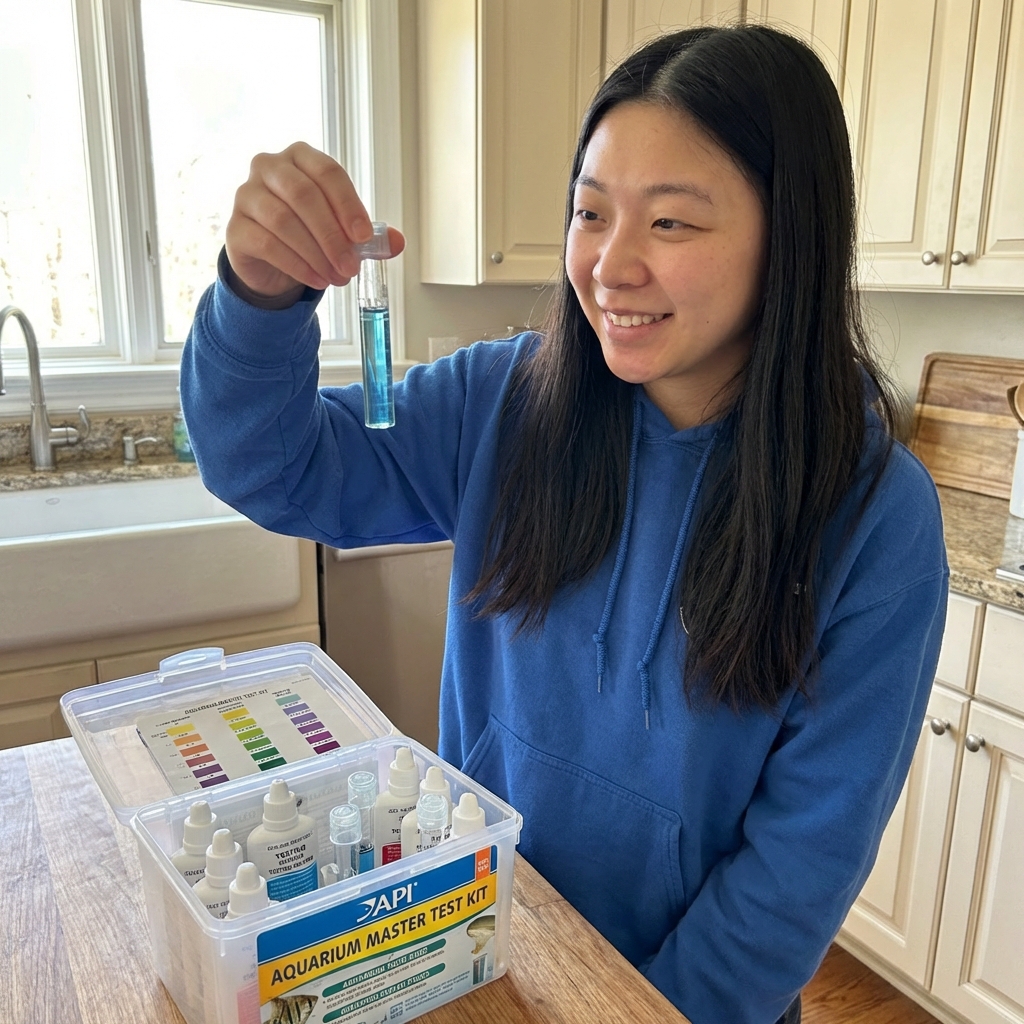
Test kits
At minimum, you want reliable tests for:
- Ammonia
- Nitrite
- Nitrate
For reef tanks, add alkalinity early. It is often more actionable than pH day to day. pH is still useful as a general health signal, especially if something seems off.
If you plan to keep corals, also plan on monitoring calcium and magnesium.
Light
Fish do not need specialty reef lighting, but corals do. If you think you might “upgrade to coral later,” it can be cheaper to choose a reef-capable light now rather than replacing it in six months.
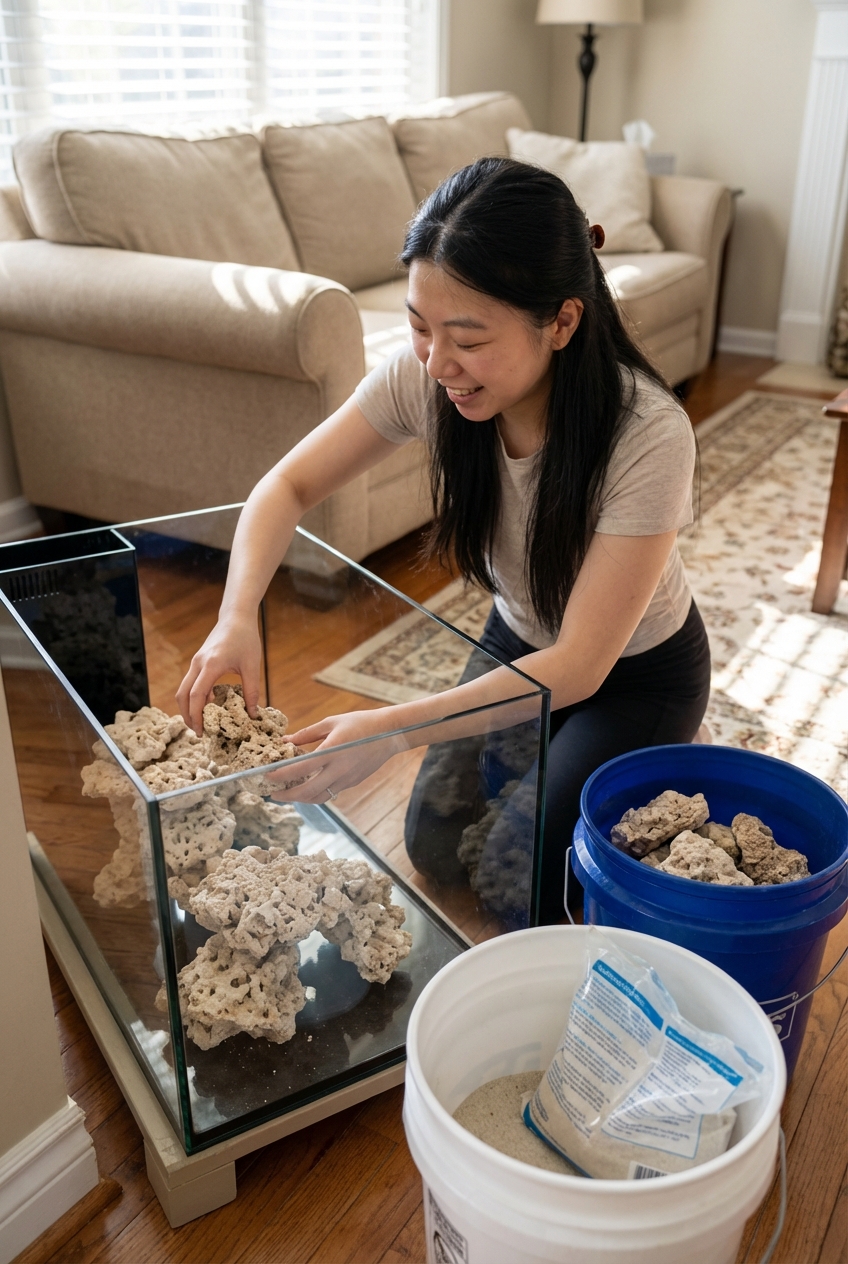
Substrate and rock
- Aragonite sand is common and can contribute minor buffering over time, especially if conditions push it to dissolve.
- Dry rock is budget-friendly and avoids pests, but takes longer to mature.
- Live rock can jump-start biodiversity, but may introduce hitchhikers.
Nice-to-haves
- Auto top-off (ATO): Replaces evaporated water automatically. This helps keep salinity stable, especially in smaller tanks.
- Quarantine tank: A simple separate setup that protects your display tank from parasites and disease.
- Battery backup or air pump: Helpful if you lose power. Oxygenation becomes an emergency quickly in a stocked aquarium.
- Water mixing station: A brute trash can, a small pump, and a heater can make water changes simpler and more consistent.
- Heater safety upgrade: A heater controller or two smaller heaters instead of one large heater can reduce the risk of a single failure overheating the tank.
Setup order that works
If you follow a calm, step-by-step process, you will avoid most of the early heartbreak.
- Place the tank on a level surface away from direct sun and HVAC vents.
- Add sand and rock and make sure the rock is stable.
- Fill with mixed saltwater made with RO/DI water if possible.
- Start heater, pumps, and filtration and let the tank run.
- Cycle the tank before adding fish.
Cycling in plain language
Cycling is the process of growing beneficial bacteria that convert toxic waste (ammonia) into less toxic forms (nitrite, then nitrate). This is essential for animal health.
Best practice: Do a fishless cycle using an ammonia source (or a proven bottled bacteria method) instead of using “hardy” fish to start the tank. It is kinder and more controllable.
Cycles often take 3 to 6 weeks, but it can be shorter with the right approach or longer depending on rock, temperature, and your method. You will know you are close when ammonia and nitrite test at 0 and nitrate is present.
Patience is not just a personality trait in saltwater keeping. It is a piece of equipment.
What to stock first
Good first fish
- Ocellaris clownfish
- Royal gramma
- Firefish (with a tight lid, they jump)
- Many gobies and blennies (species matters)
Maybe not yet
- Tangs: Most need larger tanks and stable conditions.
- Mandarin dragonets: Often starve in young tanks without a mature pod population.
- Many anemones: Usually do better in mature, stable systems.
Stock slowly: Add one fish at a time, then give your tank a couple of weeks to adapt before adding the next. This prevents sudden ammonia spikes and keeps stress lower for everyone in the tank.
Key water parameters
Stable beats perfect. Many issues come from rapid swings, especially in salinity and temperature.
- Temperature: ~76 to 80°F (stable)
- Salinity: reef tanks often ~1.025 to 1.026 (35 ppt)
- Ammonia: 0
- Nitrite: 0
- Nitrate: keep low, especially for reef tanks
If you plan corals, add these to your regular testing routine:
- Alkalinity: roughly 7 to 11 dKH
- Calcium: roughly 380 to 450 ppm
- Magnesium: roughly 1250 to 1350 ppm
Beginner mistakes to avoid
- Rushing the cycle and adding fish too soon.
- Cycling with “sacrificial” fish instead of doing a fishless cycle.
- Overfeeding, which drives nitrate and algae.
- Using untreated tap water, leading to phosphate issues and nuisance algae.
- Skipping quarantine, then battling parasites in the display tank.
- Chasing numbers with too many additives instead of improving consistency and maintenance.
When something looks “off,” slow down and test. Most saltwater tank problems are solvable when you respond early and calmly.
Quarantine basics
A quarantine tank does not need to be fancy. A simple 10 to 20 gallon tank with a heater, a basic filter (a sponge filter works well), and a few PVC pieces for hiding can save your display.
Many common problems, including marine ich and velvet, are much easier to manage in quarantine than once they are in your main tank. Even a short observation period helps you catch issues early.
Maintenance rhythm
A predictable routine keeps your tank healthy and reduces surprise issues.
- Daily: Check temperature, glance at fish behavior, top off evaporated water (or verify your ATO is working).
- Weekly: Test nitrate (and alkalinity for reefs), clean glass, inspect equipment.
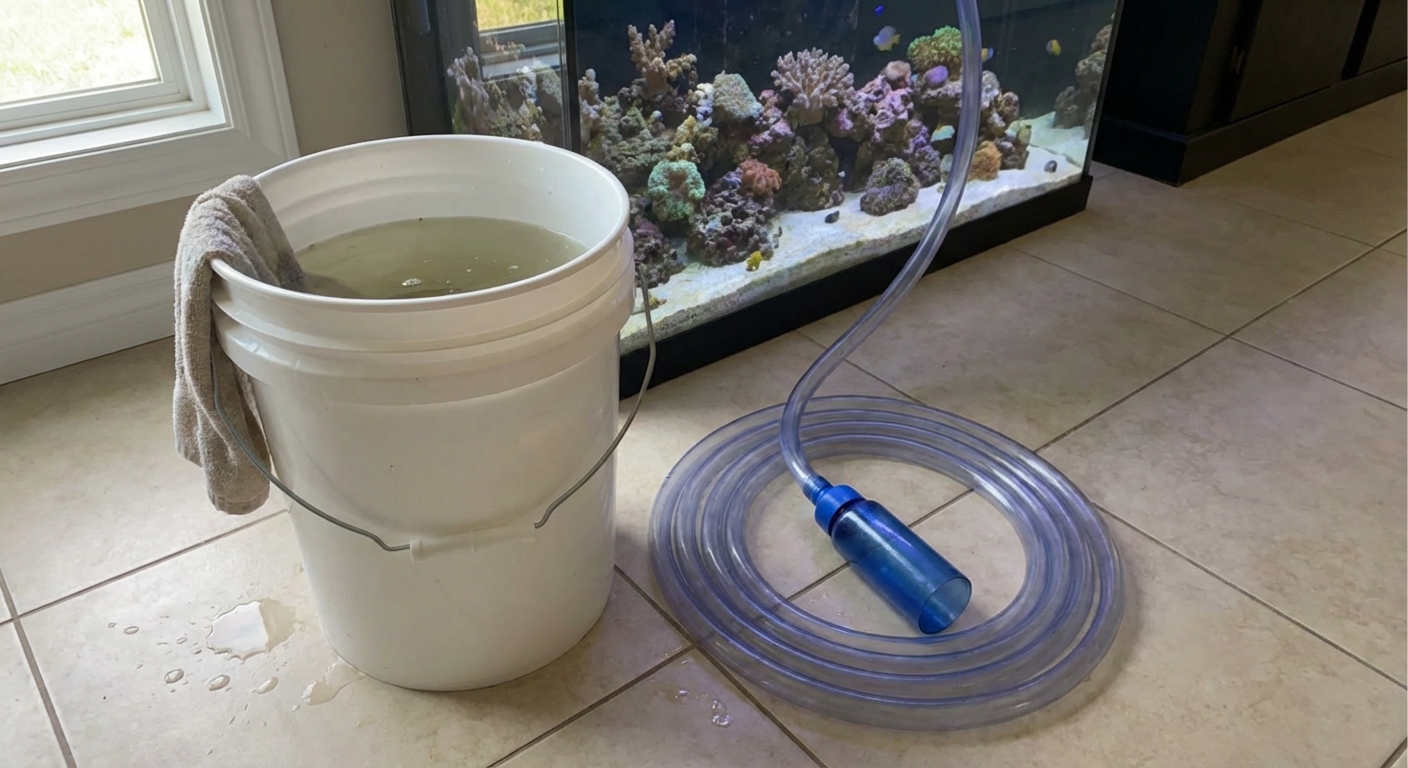
- Every 1 to 2 weeks: Water change (often 10 to 20%, depending on stocking and nutrient levels).
- Monthly: Deeper equipment cleaning, replace filter media as needed.
Quick shopping checklist
If you want a clean starting list, here is the essentials bundle to have on hand:
- Tank and stand
- Heater and thermometer
- Powerhead or wavemaker
- Filter (HOB or sump) and basic media
- Protein skimmer (recommended)
- Salt mix
- RO/DI water source or RO/DI unit
- Refractometer (plus 35 ppt calibration solution)
- Test kits (ammonia, nitrite, nitrate, plus alkalinity for reefs)
- Sand and rock
- Bucket, mixing pump, and basic maintenance tools
- Dechlorinator (if you might ever use tap water)
If you are unsure where to start, pick your tank size and livestock goal first. From there, building the right equipment list becomes much simpler.