Tired of cat poop in your garden? Learn how to identify it, clean safely, and stop repeat visits with humane barriers, digging deterrents, scent options, and...
Article
•
Designer Mixes
What Will Keep Cats Away

Shari Shidate
Designer Mixes contributor
If you are dealing with neighborhood cats digging in your garden, spraying your porch, or turning your yard into their personal litter box, you are not being “too sensitive.” It is stressful, it can be smelly, and it can put your own pets at risk of parasites and infectious disease.
As a veterinary assistant in Frisco, Texas, I like to focus on solutions that are humane, practical, and easy to keep up with. In my experience, the most reliable approach is a layered plan: remove what attracts cats, make the area uncomfortable (not harmful), and block access where you can.
Why cats keep showing up
Most outdoor cats are motivated by just a few things. When you know the “why,” it gets much easier to stop the behavior.
- Food sources: open trash, outdoor feeding stations, bird seed on the ground, compost, or bowls left out for pets.
- Shelter and safety: quiet hiding spots under decks, in shrubs, or behind stored items.
- Bathroom spots: loose, dry soil or freshly mulched beds.
- Territorial behavior: intact males are especially prone to returning to the same areas and urine marking.
- Prey: rodents, rabbits, and birds in the yard.
One important note: if the cat appears sick, injured, or is a very friendly stray, your local animal services or a rescue group may be the safest next call.
Quick fixes that work fast
1) Motion-activated sprinklers
This is one of the most commonly effective, humane deterrents. Many cats dislike sudden movement and water, especially when it happens consistently.
- Place sprinklers near the entry point: gates, fence lines, or the edge of garden beds.
- Aim so it triggers before the cat reaches the “favorite” spot.
- Start with 2 to 3 weeks so cats learn the area is unpleasant, then continue as needed (some cats will test the boundary again later).
Any outdoor deterrent is more effective with consistency. After rain or irrigation, check that devices still trigger properly and are aimed where you need them.
2) Make the soil unpleasant to dig in
If the main issue is cats using garden beds as a litter box, change the texture.
- Pine cones or large decorative gravel: discourages digging while still allowing water through.
- Chicken wire or garden mesh: lay it flat on the soil and cover lightly with mulch, leaving openings for plants.
- Coarse mulch textures: materials like pine bark nuggets or chunky wood chips can feel uncomfortable on paws and reduce digging.
Skip anything sharp or harmful. The goal is “I do not like stepping here,” not injury.

Smells cats may avoid
Cats have a strong sense of smell, so scent-based deterrents can help, especially when combined with barriers. Outdoors, scent deterrents typically need reapplication, especially after rain or lawn watering.
Commercial repellents
Look for products labeled for cats and follow label directions carefully. Efficacy varies by cat and by setting, so consider scent deterrents a helper, not your only strategy.
Vinegar and citrus (simple options)
Vinegar and citrus scents deter some cats, but they are not always long-lasting outdoors.
- Use vinegar-water on hard surfaces like patios, not directly on plants.
- Use citrus peels in garden beds, understanding you will need to replace them often.
Safety note on essential oils
I want to be extra clear here because this comes up a lot: many “natural” oil-based repellents are still essential oils, and essential oils can be risky for cats and some dogs, especially in concentrated DIY mixes or when pets can contact or ingest them. If you have pets who access the treated area, stick to commercial pet-safe products and use them exactly as directed.
What not to do
When people are frustrated, they sometimes reach for harsh options. Unfortunately, many are ineffective, unsafe, or can escalate the problem.
- Mothballs: toxic to pets, wildlife, and children. Not recommended.
- Poison or toxic baits: dangerous, inhumane, and often illegal.
- Cayenne pepper: can irritate eyes and nose. It may deter, but it can also cause suffering and can blow around in wind.
- Ultrasonic devices: mixed results. Some cats ignore them, and placement is very sensitive to obstacles.
If you want humane and dependable, focus on habitat changes, physical barriers, and motion-activated deterrents.
If the problem is spraying
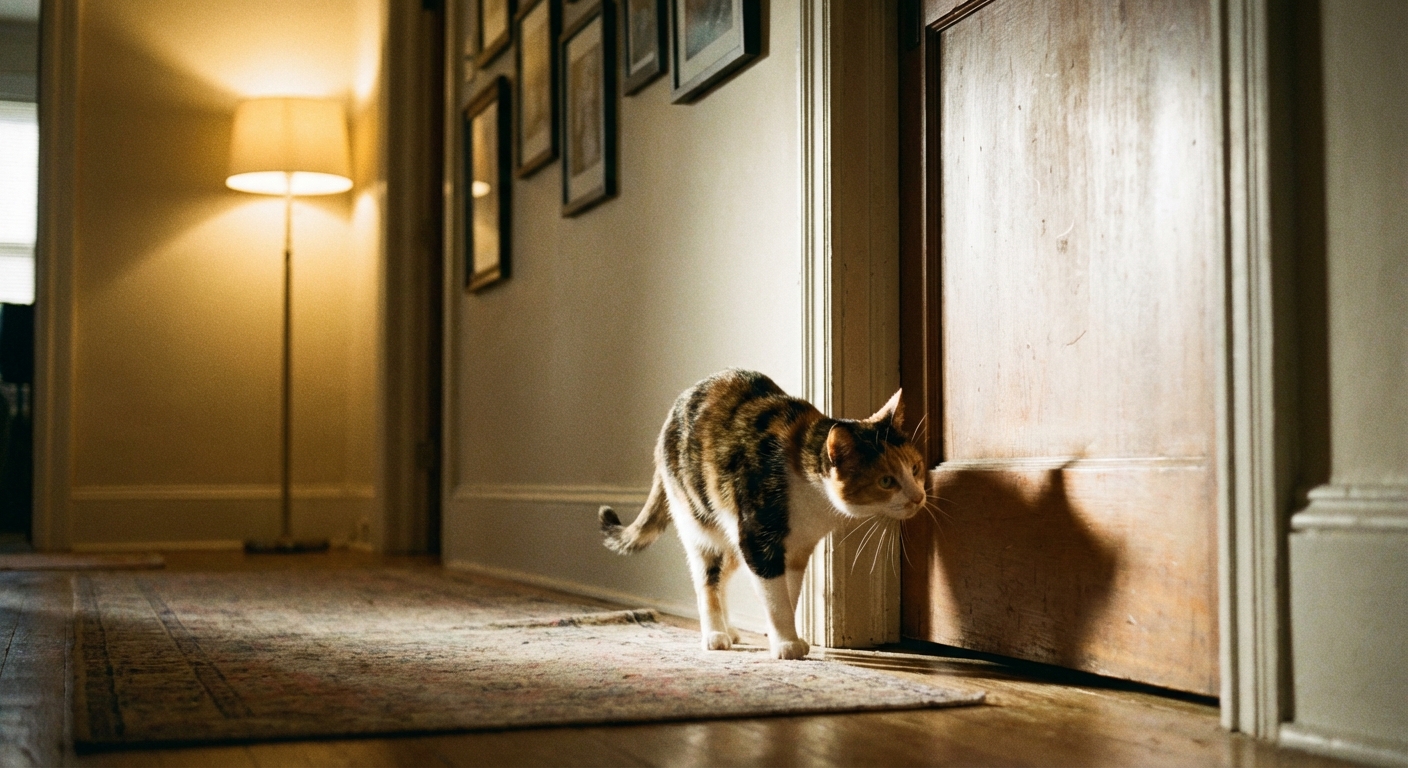
Spraying is urine marking, usually on vertical surfaces like doors, walls, and porch corners. It is typically territorial. The odor can linger, which brings cats back to re-mark the same spot.
Step 1: Clean correctly
Use an enzymatic cleaner designed for pet urine. Many general cleaners do not remove the odor cues cats follow. Avoid ammonia-based cleaners (they can smell urine-like to animals), and do not mix cleaners, especially bleach with anything that could contain ammonia.
Follow the product’s soak time and repeat if needed.
Step 2: Block access
If a cat is spraying a door, wall, or porch corner, use a barrier for a few weeks.
- Temporary lattice or garden fencing
- Move planters to cover favorite corners
- Close off access under porches and decks (after checking no animals are trapped inside). If you suspect kittens, pause and call animal services or a rescue for guidance.
Step 3: Add a deterrent
After cleaning, add a motion sprinkler or a pet-safe repellent to reduce repeat visits.

Make your yard less inviting
This is the “quiet power” strategy. It is not flashy, but it reduces repeat visits.
- Remove food: bring pet bowls indoors, secure trash lids, clean up fallen bird seed.
- Reduce hiding spots: trim dense shrubs near the house, store items neatly, block crawl spaces.
- Address rodents: rodents can attract cats. Consider humane rodent control and sealing entry points.
- Cover loose soil: cover sandbox-like zones when not in use and avoid leaving bare, loose soil.
If songbirds are a big concern, focus on removing what draws cats into the hunting zone (food, cover, and easy access), and consider protective netting over vulnerable garden areas rather than anything that could injure wildlife.
Long-term barriers
If the same cats keep using the same route, longer-term barriers can be a game changer.
- Netting over beds: temporary garden netting can protect freshly seeded areas and new mulch.
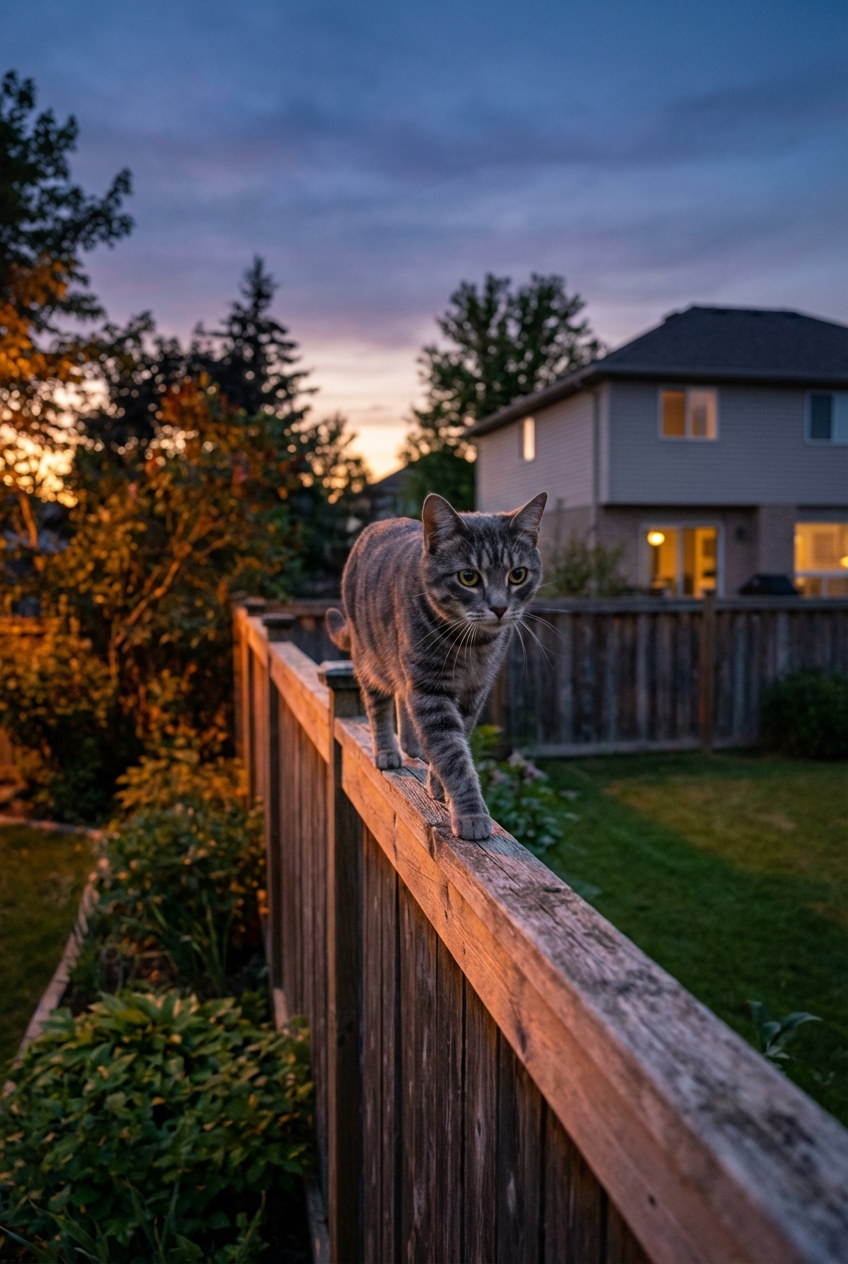
- Fence add-ons: cat-proof fence toppers or rollers can reduce climbing in problem areas.
- Entry-point blocking: patch gaps under gates and fence lines so cats cannot slip through.
Before doing exclusion work around decks, sheds, or crawl spaces, double-check for animals that could be sleeping inside.
If it is multiple neighborhood cats
If multiple cats are coming through daily, deterrents alone can feel like playing whack-a-mole. This is where community solutions help.
Talk with neighbors
You might discover someone is feeding outdoor cats, or there is an unspayed or unneutered cat in the area contributing to territorial behavior.
Support TNR
TNR stands for Trap-Neuter-Return. When done through reputable local programs, and when participation is high (with cats sterilized and ideally vaccinated), it can reduce roaming, fighting, and spraying over time because it stabilizes the population.
If you are not sure where to start, call local animal control or a rescue group and ask about TNR resources in your area.
Simple 7-day plan
- Day 1: Remove food sources and clean any sprayed areas with an enzyme cleaner.
- Day 2: Identify entry points. Watch at dawn or dusk if possible.
- Day 3: Install a motion-activated sprinkler or motion light near the main entry point.
- Day 4: Add digging deterrents in garden beds (mesh, gravel, pine cones, coarse mulch).
- Day 5: Block hiding spots under porches or in dense shrubs.
- Day 6: Apply a pet-safe commercial cat repellent where needed (reapply after rain if the label calls for it).
- Day 7: Reassess. If you still see visits, add a second deterrent at the next most common entry point, or upgrade to a longer-term barrier.
The bottom line is consistency. Cats are creatures of habit, but once a route stops paying off, many will move on.
When to call a professional
Consider help if:
- You suspect a feral colony and need coordinated trapping or TNR.
- The cat seems injured or ill.
- You have repeated spraying that is damaging property.
- You are concerned about disease risk to your pets.
A local animal control office, wildlife removal company (for exclusion work), or a rescue group can often point you to humane, legal options in your county.
One last practical note: local ordinances, HOA rules, and state laws can affect what you are allowed to do, especially around trapping and relocation. In many areas, relocating cats is restricted or not recommended because it can simply shift the problem to someone else and may be unsafe for the animal. If you are considering trapping, start by calling animal services or a local TNR group so you stay on the right side of the rules.