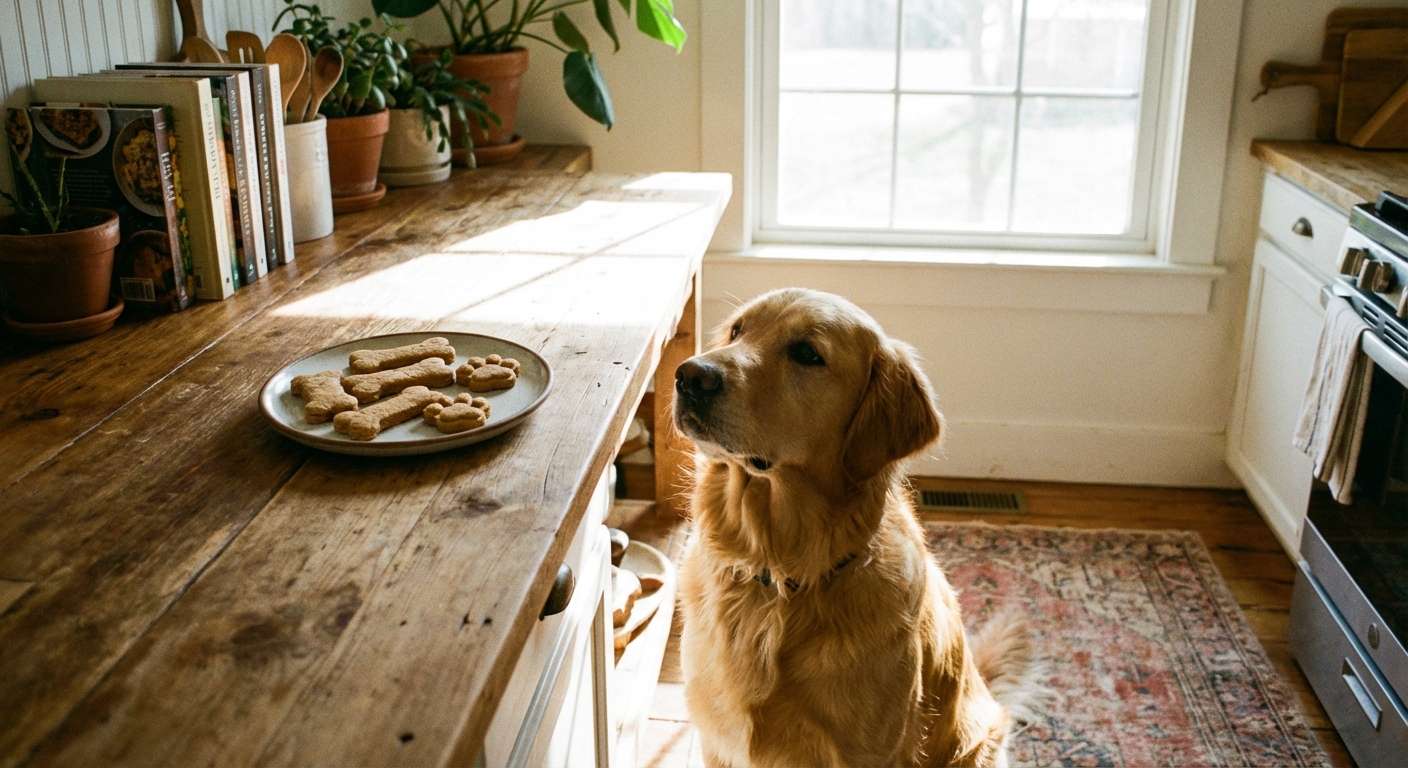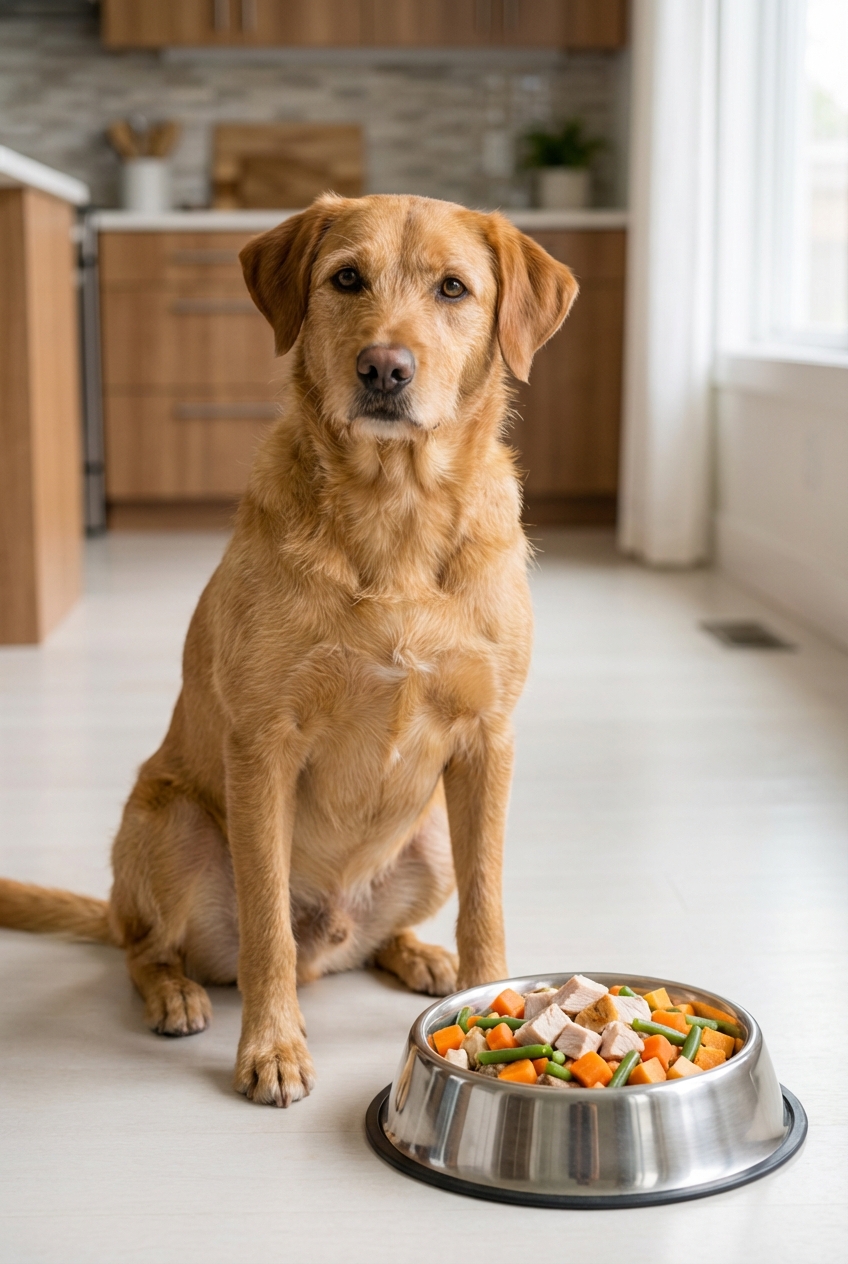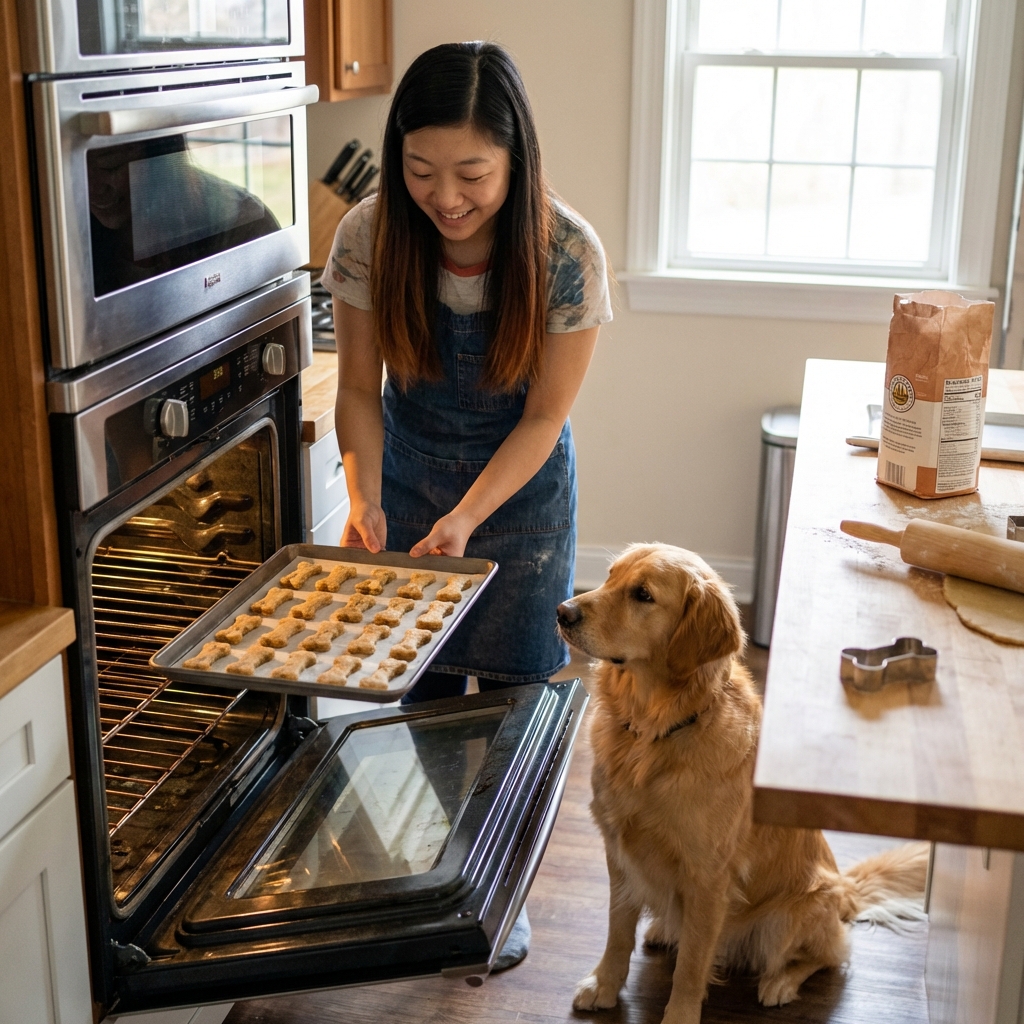
Skip mystery ingredients and bake simple veggie dog treats at home. Learn dog-safe vegetables, easy formulas, and 3 recipes—pumpkin oat crunch, sweet potat...
Article
•
Designer Mixes
What Vegetables Are Safe for Dogs to Eat?
Designer Mixes contributor
Starting your morning right sets the tone for the entire day. I tell my patients the same thing about their dogs, too. Small, consistent choices like adding a spoonful of the right veggie can support digestion, weight management, and overall vitality over time. The key is knowing which vegetables are safe , how to serve them, and which ones to avoid completely.
Important note: This article is for general education, not veterinary advice. If your dog has pancreatitis, kidney disease , diabetes, severe allergies, a history of bladder stones, or is on a prescription diet, check with your veterinarian before adding new foods.
Quick rules for feeding vegetables
- Veggies are treats, not the main meal. Keep all treats, including veggies, to about 10% or less of daily calories. Many veterinarians use this as a simple rule of thumb.
- Plain is best. No butter, oil, salt, garlic, onion powder, sauces, or seasoning blends.
- Go slow. Start with 1 to 2 small bites and watch stool quality for 24 hours.
- Cook when it helps. Light steaming can make certain vegetables easier to digest.
- Cut to prevent choking. Especially for baby carrots, green beans, broccoli florets, and any round pieces. If your dog tends to gulp food or has a short muzzle, go smaller and consider soft, cooked pieces.
- Wash produce. Rinse well to reduce dirt and residue, and remove stickers, ties, toothpicks, and skewers.
Best dog-safe vegetables
These options are widely considered safe for most healthy dogs when served plain and in sensible portions.
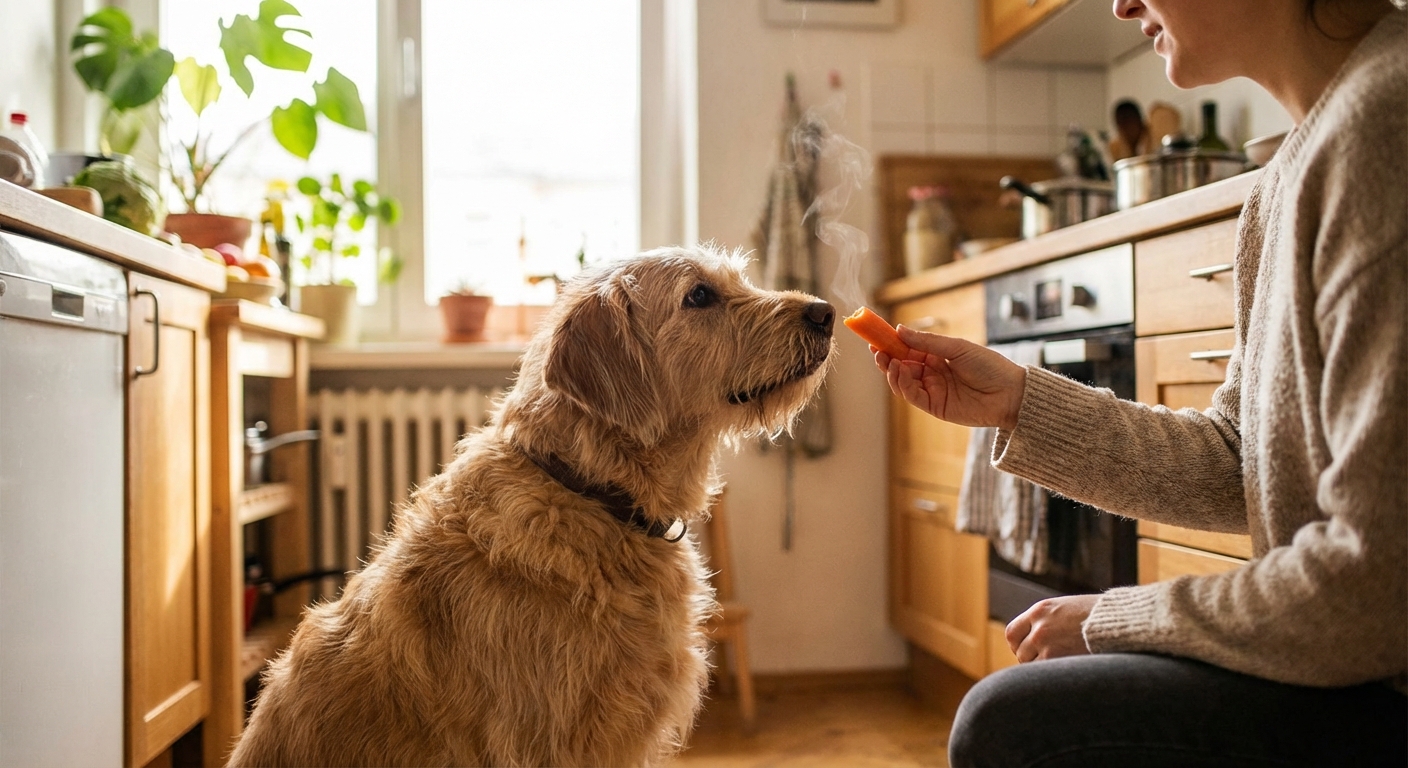
Carrots
Crunchy, low-calorie, and naturally sweet. Many dogs love them as a training reward.
- Serve: Raw sticks or coins for strong chewers, or lightly steamed for sensitive stomachs.
- Tip: Slice lengthwise for small dogs to reduce choking risk.
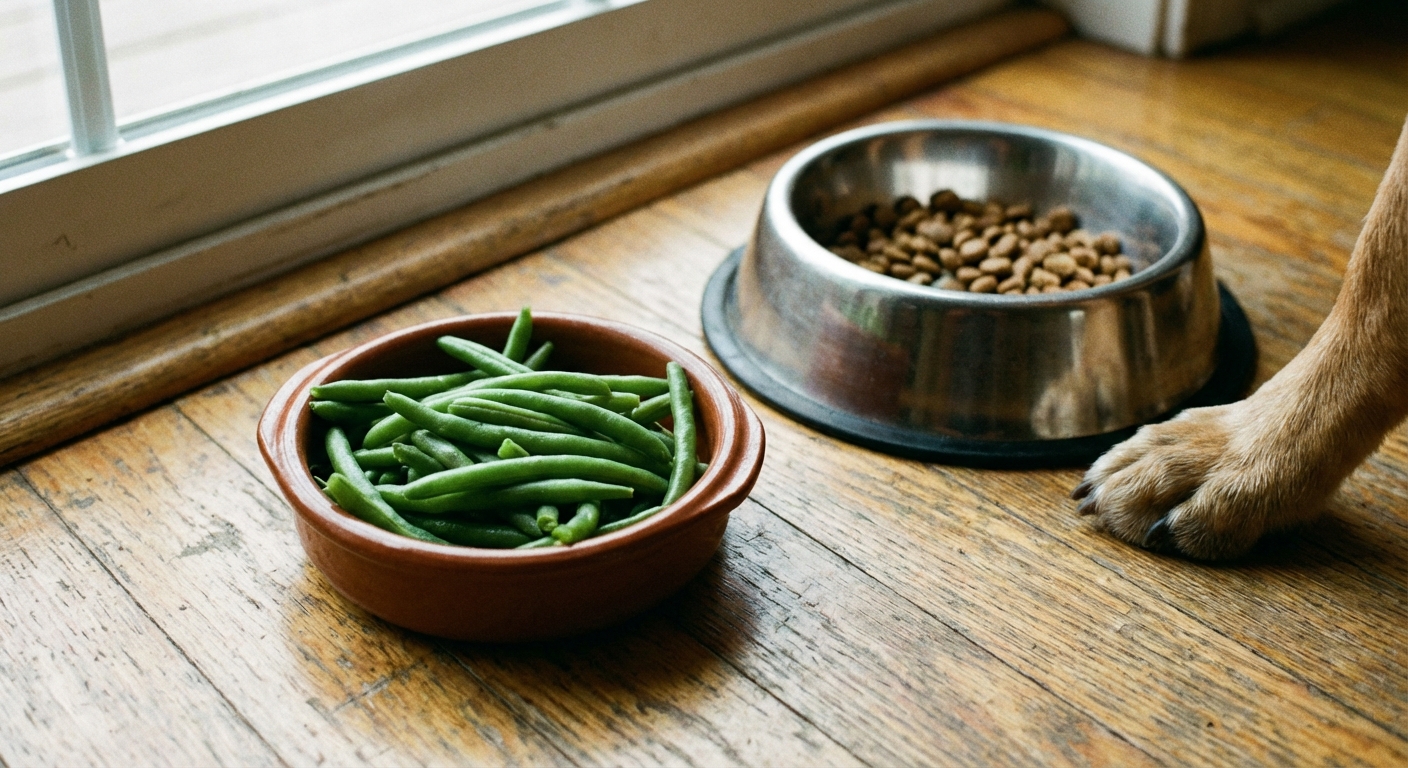
Green beans
A classic high-fiber, low-calorie veggie that works well for dogs who need a little help feeling full.
- Serve: Fresh or frozen, steamed and cooled.
- Avoid: Canned green beans with added salt.
Broccoli (small amounts)
Broccoli offers fiber and micronutrients, but cruciferous veggies can cause gas or GI upset if overfed.
- Serve: Steamed florets, chopped small.
- Keep it small: A few bite-sized pieces are plenty.
Cauliflower (small amounts)
Similar to broccoli, cauliflower can be a good low-calorie option but may also cause gas or bloating.
- Serve: Lightly steamed and chopped.
- Watch for: Bloating or excessive flatulence.
Cucumber
Hydrating and very low in calories, which makes cucumber a nice option for dogs who love to snack.
- Serve: Thin slices or small cubes.
- Best for: Warm days, senior dogs who prefer softer snacks, and weight management plans.
Zucchini
Mild and easy on many stomachs. Zucchini is a great “starter vegetable” for picky eaters.
- Serve: Steamed or raw, diced small.
- Avoid: Zucchini sauteed with oils or spices.
Sweet potato (cooked only)
Rich in fiber and nutrients, but higher in carbohydrates than most vegetables.
- Serve: Baked or steamed, plain, mashed or cubed.
- Portion: Small dogs need only a teaspoon or two.
Pumpkin (plain puree)
Plain pumpkin may help some dogs with digestive regularity because of its soluble fiber, but it is not a cure-all and results vary.
- Serve: 100% pumpkin puree, not pumpkin pie filling.
- Typical amount: 1 teaspoon for small dogs, 1 tablespoon for larger dogs, mixed into food.
Spinach (small amounts)
Spinach contains beneficial nutrients, but it is best served occasionally. It is naturally higher in oxalates, so dogs with a history of kidney or bladder stones should be cautious and check with their veterinarian.
- Serve: Chopped and lightly steamed.
- Best as: An occasional topper, not a daily staple.
Peas (in moderation)
Green peas provide fiber and protein. Some dogs do great with them, others get gassy.
- Serve: Cooked or thawed frozen peas.
- Note: If your dog has a specialized heart or kidney diet, ask your vet first. Research is still ongoing on pulses and certain diet patterns, so individualized guidance matters.
Vegetables to feed with caution
These vegetables are not automatically “bad,” but the preparation matters more, or they are more likely to cause digestive upset.
Corn
- Kernels: Generally fine in small amounts.
- Never give: Corn cobs. They are a common cause of intestinal blockage. Dispose of cobs where dogs cannot access them.
Potatoes
- Cooked, plain potatoes: Can be tolerated, but they are starchy and not necessary for most dogs.
- Never give: Raw potato or green potato skin, which can contain higher levels of naturally occurring toxins.
- Skip: Fries, chips, and buttery mashed potatoes. Too much fat and salt can trigger GI upset and can be risky for some dogs.
Beets
- Serve: Cooked and diced, very small portions.
- Heads up: Can stain, and may change stool color temporarily.
Celery
- Serve: Thinly sliced to reduce choking risk.
- Watch for: Some dogs find the strings difficult to chew and swallow.
Mixed vegetable medleys
- Be careful: Frozen blends, canned mixes, and stir-fry packs often include onion, garlic, sauces, or seasoning. When in doubt, stick to single-ingredient veggies.
Vegetables that are unsafe
Some vegetables and vegetable family members can be toxic or risky even in small amounts. When in doubt, skip it.
Onions, garlic, leeks, chives (all alliums)
These can damage red blood cells and lead to anemia. This includes powdered forms used in seasoning.
Wild mushrooms
Toxicity varies widely, and it is not worth the risk. Even a small bite outdoors can be dangerous.
Rhubarb
Rhubarb contains compounds that can cause digestive upset and more serious issues depending on amount and dog size.
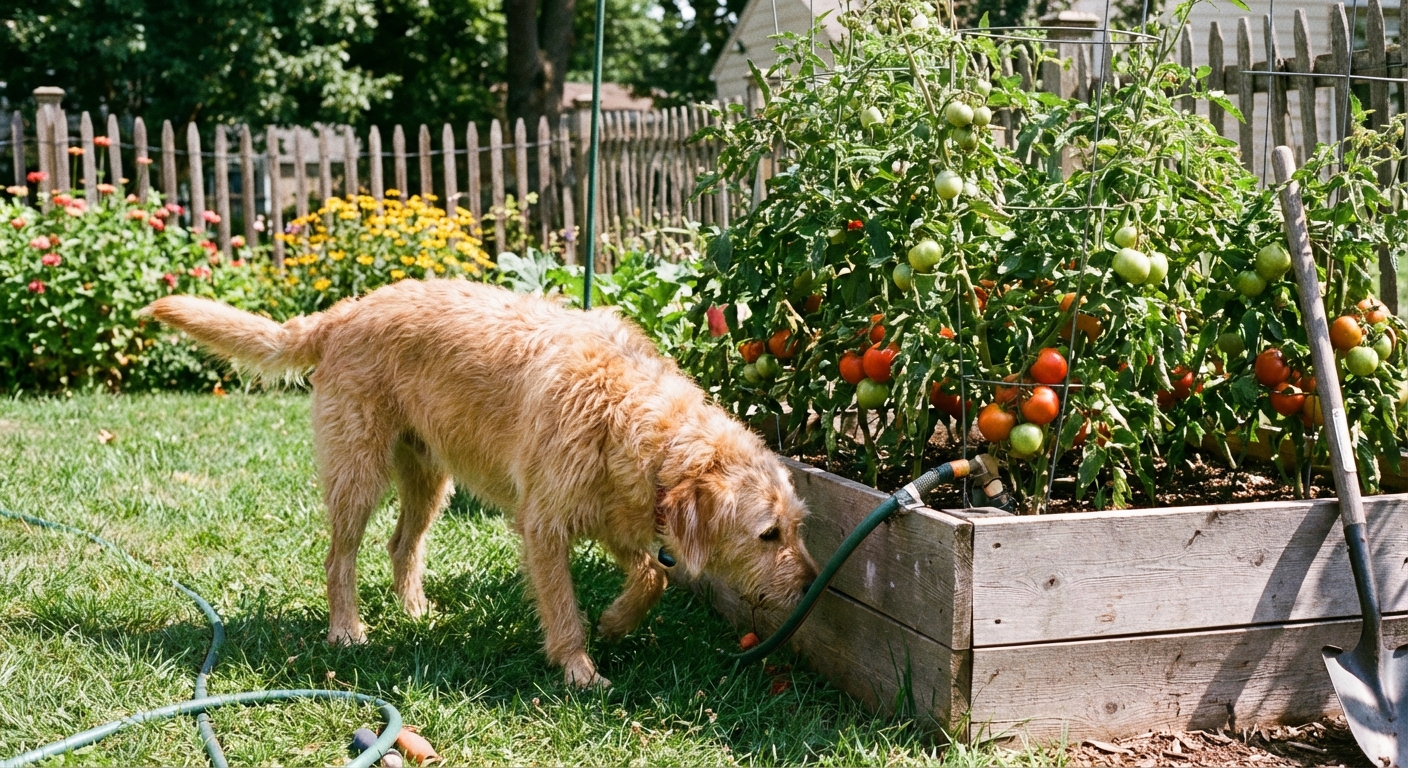
Unripe tomatoes and tomato plant parts
Ripe tomato flesh is typically low risk in very small amounts for most dogs, but green tomatoes, stems, and leaves contain higher levels of solanine-like compounds and should be avoided.
How to prepare vegetables
The same vegetable can be helpful or harmful depending on how it is served. Here are the safest methods I recommend most often:
- Steaming: Softens fiber, improves digestibility, and avoids added fats.
- Baking: Great for sweet potato or squash, served plain.
- Raw: Works well for carrots and cucumber, as long as pieces are appropriately sized.
- Pureeing: Helpful for pumpkin or cooked veggies to mix into kibble.
Avoid: Stir-fries, roasted veggies with oil, seasoned frozen blends, and anything cooked with onion or garlic.
How much to feed
Portion needs vary, but these starter ranges are a practical place to begin. Treats should stay at about 10% or less of daily calories, so adjust down if your dog gets other treats.
- Small dogs (under 20 lb): 1 to 2 teaspoons up to 1 tablespoon total veggies per day.
- Medium dogs (20 to 50 lb): 1 to 3 tablespoons per day.
- Large dogs (over 50 lb): 2 to 4 tablespoons per day, sometimes more if your vet approves.
If your dog is trying vegetables for the first time, start at the low end and increase slowly.
When veggies do not agree
Even safe foods can cause trouble for individual dogs. Stop the veggie and contact your veterinarian if you notice:
- Vomiting or diarrhea
- Excessive gas or abdominal discomfort
- Itching, facial swelling, or hives
- Sudden lethargy
- Repeated gagging, coughing, or trouble swallowing
If you suspect your dog ate onion, garlic, wild mushrooms, or another toxic food, call your veterinarian or a pet poison hotline right away.
Easy ways to add veggies
Consistency is what makes healthy habits stick. Try one of these simple options:
- Training treats: Use tiny carrot cubes or cucumber pieces.
- Meal topper: Mix a spoonful of pumpkin puree into food.
- Frozen snack: Freeze a few green beans for a crunchy, cooling treat.
- Slow feeder boost: Add steamed zucchini or chopped green beans to make meals more satisfying.
When you keep it plain and portioned, vegetables can be a gentle, nutrient-supportive addition to many dogs’ diets. If you share your dog’s age, size, and any health concerns, I can offer general options and starter portions to discuss with your veterinarian.