A practical 24–72 hour diet and hydration plan for mild dog diarrhea, with bland food options, safe add-ons like probiotics, foods to avoid, and clear red ...
Article
•
Designer Mixes
What to Give Dogs With Diarrhea

Shari Shidate
Designer Mixes contributor
Diarrhea is one of the most common reasons dog parents call a vet clinic, and I get it. It is messy, stressful, and it can feel urgent. The good news is that many mild cases improve with simple, supportive care at home. The key is knowing what to give, what to avoid, and when to stop home treatment and call your veterinarian.
Quick note: This is general information and not a substitute for an exam. If you are worried, it is always okay to call your vet.
First, decide if this is an emergency
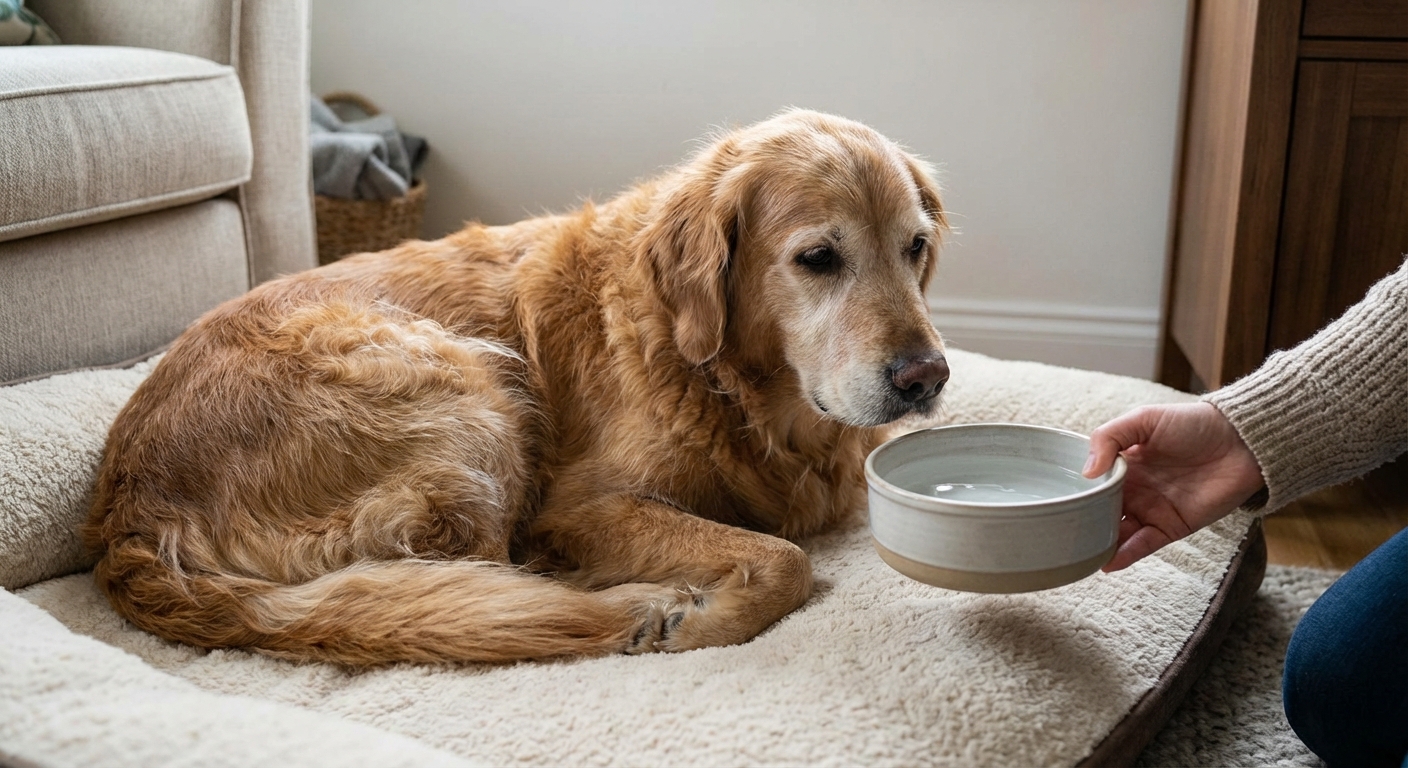
Before we talk food, do a quick safety check. Diarrhea can lead to dehydration fast, and some causes need immediate medical care. When I say your dog is “bright,” I mean alert, responsive, and close to their normal energy level.
Call your vet now if you notice any of these
- Blood in the stool (bright red or black, tarry stool)
- Repeated vomiting, severe lethargy, or your dog seems painful
- A swollen belly, unproductive retching, or signs of bloat
- Possible foreign body or obstruction (known toy, sock, or bone chewing; repeated vomiting; no appetite; straining with little produced)
- Diarrhea that is very frequent, explosive, or large volume watery (especially if it is happening every hour)
- Puppy, senior, pregnant dog, or any dog with chronic illness (kidney disease, diabetes, Addison’s, cancer)
- Possible toxin exposure (human meds, chemicals, xylitol, grapes/raisins, rodent bait)
- Diarrhea plus fever, pale gums, or collapse
- Dehydration signs (same-day urgent): sticky gums, sunken eyes, weakness, skin that stays tented when gently lifted
Call within 24 to 48 hours if your adult dog has mild diarrhea that is not improving, even if they otherwise seem okay. Call sooner if things are worsening, stools are very watery, or your dog is not acting like themselves.
If your dog is otherwise bright, drinking, and the diarrhea just started, supportive home care is often reasonable for a short window.
Common causes
Home care tends to help most when the cause is mild and short-lived, like:
- Diet change or scavenging (trash, table scraps, new treats)
- Stress (travel, boarding, schedule changes)
- Parasites (especially in puppies and newly adopted dogs)
- Infection or “something didn’t agree” stomach upset
- Medication or supplement side effects
- Pancreatitis (more likely with vomiting, belly pain, and fatty foods)
If the pattern does not fit a mild stomach upset, or if your dog looks unwell, it is time to involve your veterinarian.
What to give
1) Water first
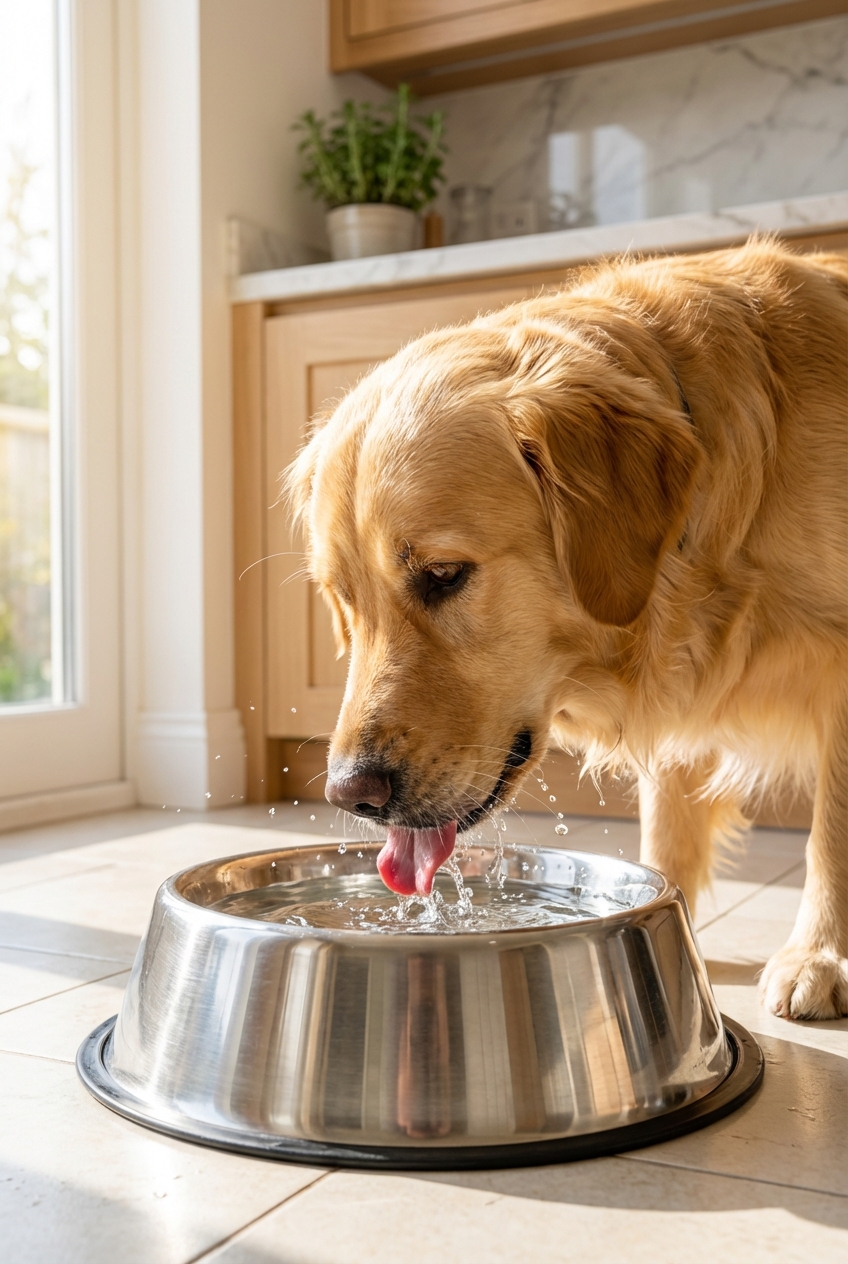
Diarrhea is a fluid-loss problem. Encourage drinking. Offer fresh water and keep the bowl clean. If your dog gulps water and then vomits, offer smaller amounts more often.
Simple hydration tips:
- Offer ice chips for dogs that will not drink (supervise and offer small chips, especially for small dogs)
- Add a splash of low-sodium broth to water for picky drinkers (avoid onion or garlic ingredients, avoid very salty products, and skip anything with added sweeteners like xylitol)
- Ask your vet about an oral rehydration option if stools are frequent or watery
2) Optional short gut rest
For some healthy adult dogs with mild diarrhea and no vomiting, a brief pause from food can reduce irritation. A common approach is 8 to 12 hours, then bland food. This is optional, and it is not right for every dog.
Do not fast puppies, tiny breeds, seniors, or dogs with medical conditions (especially diabetes) unless your veterinarian specifically tells you to. If your dog is vomiting, skip fasting advice and call your vet for next steps.
3) Bland, low-fat meals
The goal is easy-to-digest protein plus a gentle carbohydrate, in small portions.
Good bland options (choose one protein and one carb):
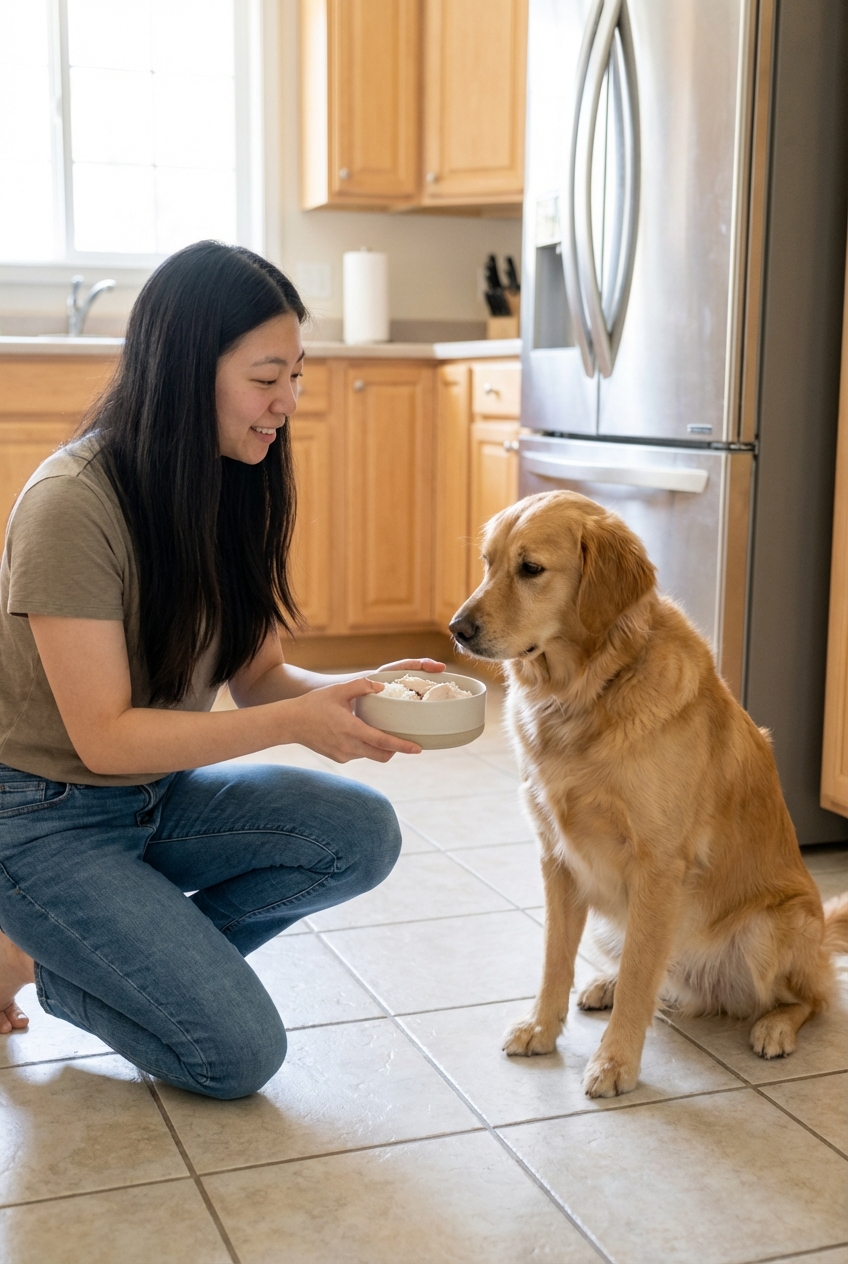
- Boiled, skinless chicken breast + plain white rice
- Boiled lean turkey + white rice
- Boiled lean ground beef (drained well) + plain pasta
- Scrambled egg (no butter, no oil) + white rice
How much to feed: offer small meals (about 4 to 6 per day). Start with a small portion, then increase gradually if stools improve. If diarrhea worsens, or your dog stops eating, stop home treatment and contact your vet.
4) Plain pumpkin
Plain canned pumpkin (not pumpkin pie filling) adds soluble fiber that can help some dogs, but it does not work for everyone. Too much fiber can cause gas or looser stools, so go slow.
Typical starting amounts:
- Small dogs: start with 1 teaspoon
- Medium dogs: 1 to 2 tablespoons
- Large dogs: 2 to 4 tablespoons
Mix it into bland food. If your dog becomes gassy or the stool worsens, discontinue.
5) Probiotics made for dogs
There is some evidence that certain veterinary probiotics can shorten the duration of acute diarrhea. If you want to try one, look for a product made for dogs with clear strain labeling and dosing instructions (for example, some formulations use Enterococcus faecium SF68).
Plain, unsweetened yogurt can be tolerated by some dogs, but many dogs do not digest lactose well, so I usually prefer a canine-specific probiotic.
6) Fiber add-ons (ask first)
In some cases, a small amount of psyllium husk can help absorb water and add bulk. Because dosing depends on size and the cause of diarrhea, check with your veterinarian first, especially if there is any blood, vomiting, or suspected blockage.
What not to give
When your dog has diarrhea, a few well-intended choices can backfire.
- Fatty foods (bacon, sausage, greasy leftovers). These can trigger pancreatitis.
- Milk, cream, cheese in large amounts. Lactose can worsen diarrhea.
- Seasoned foods (onion, garlic, spicy ingredients). These can be toxic or irritating.
- Raw vegetables and high-fiber roughage. These may worsen gas and can be harder to digest during a flare-up.
- Over-the-counter human anti-diarrheals without veterinary guidance. Some can be dangerous, and some dogs (including MDR1-sensitive breeds) can have serious reactions to certain medications.
- Bones or rawhide. These can irritate the GI tract or cause obstruction.
Routine support at home
Diarrhea is not only a food issue. It changes your dog’s routine and stress level. Here is the practical, day-to-day plan that tends to help most families.
Set your dog up for success
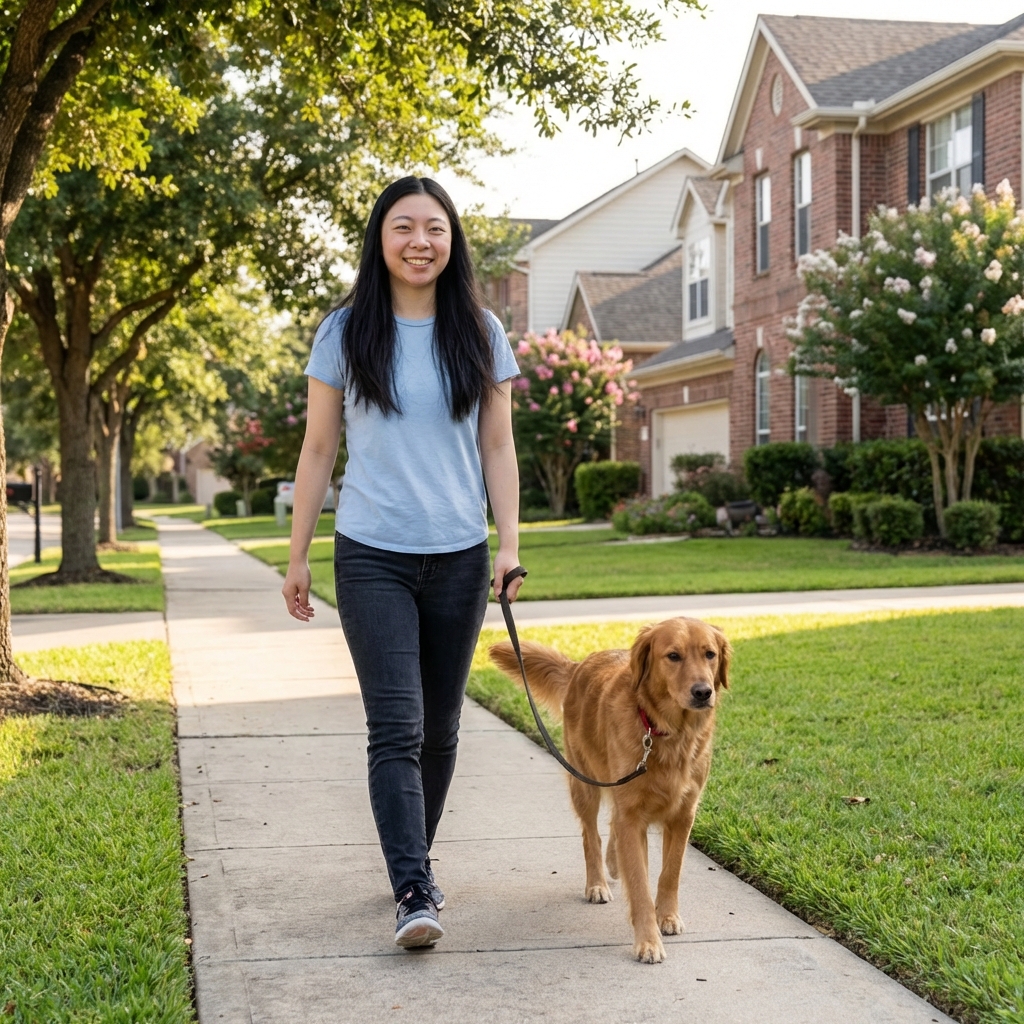
- More potty breaks: take your dog out more frequently to prevent accidents and reduce anxiety.
- Leash walks only: avoid dog parks and communal areas until stools are normal for at least 48 hours. This protects other dogs and reduces reinfection risk.
- Quiet rest: skip intense exercise for 24 to 48 hours. Gentle, short walks are fine if your dog feels up to it.
- Reduce stress: loud environments, guests, boarding, and big schedule changes can worsen gut upset in sensitive dogs.
Track symptoms
Keep quick notes for 24 hours. This makes it easier to decide whether home care is working.
- Number of diarrhea episodes
- Any vomiting (and how often)
- Appetite and energy level
- Stool appearance (watery, pudding-like, mucus, blood)
- Any new foods, treats, chews, scavenging, or stress
Clean up
- Pick up stool promptly in the yard
- Clean indoor accidents with an enzymatic cleaner
- Wash food and water bowls daily
- If parasites are suspected, ask your vet about testing and sanitation steps
How long and how to switch back
If stools start firming up, stay on bland food for 2 to 3 days, then transition back to the regular diet slowly.
Simple transition plan:
- Days 1 to 2: 75% bland food, 25% regular food
- Days 3 to 4: 50% bland food, 50% regular food
- Days 5 to 6: 25% bland food, 75% regular food
- Day 7: back to normal diet
If diarrhea returns during the transition, pause and call your veterinarian. It may signal food intolerance, parasites, or a deeper GI issue that needs treatment.
Special situations
Puppies
Puppies can dehydrate quickly. If a puppy has diarrhea, especially with vomiting or lethargy, contact your vet the same day. Parasites are common and very treatable, but they require proper testing and medication.
Dogs on medications
Some medications and supplements can cause loose stool. Do not stop prescription meds without your vet’s guidance, but do mention any recent changes.
After scavenging or diet change
Many mild cases come from getting into the trash, table scraps, new treats, or sudden food swaps. Once your dog is stable, focus on prevention: secure trash cans, use covered compost bins, and keep treats consistent.
When home care is not enough
Reach out to your veterinarian if:
- Diarrhea is not improving within 24 to 48 hours
- Your dog seems uncomfortable, restless, or painful
- Your dog will not drink water
- Stools are very frequent, explosive, or watery
- You see worms, or suspect parasites
- You suspect a foreign body, toxin exposure, or your dog is worsening at any point
Trust your instincts. If your dog looks “off,” it is always appropriate to call. A quick conversation can prevent a small problem from turning into a bigger one.