Step-by-step vet-approved home care for mild dog diarrhea: water and electrolytes, short fasting, bland meals, pumpkin, probiotics, what not to give, and red...
Article
•
Designer Mixes
What To Give Dogs To Stop Diarrhea

Shari Shidate
Designer Mixes contributor
Diarrhea is a very common reason families call the vet, and I get it. It is messy, stressful, and it can come on fast. The good news is that many mild cases can be managed at home with steps that are commonly vet-recommended, as long as you know what to watch for and when to seek help.
Important note: This article is for otherwise healthy dogs with mild, short-term diarrhea. If your dog is very young, very old, pregnant, has chronic illness, or seems “off” in any way, please call your veterinarian first.
First, check for red flags
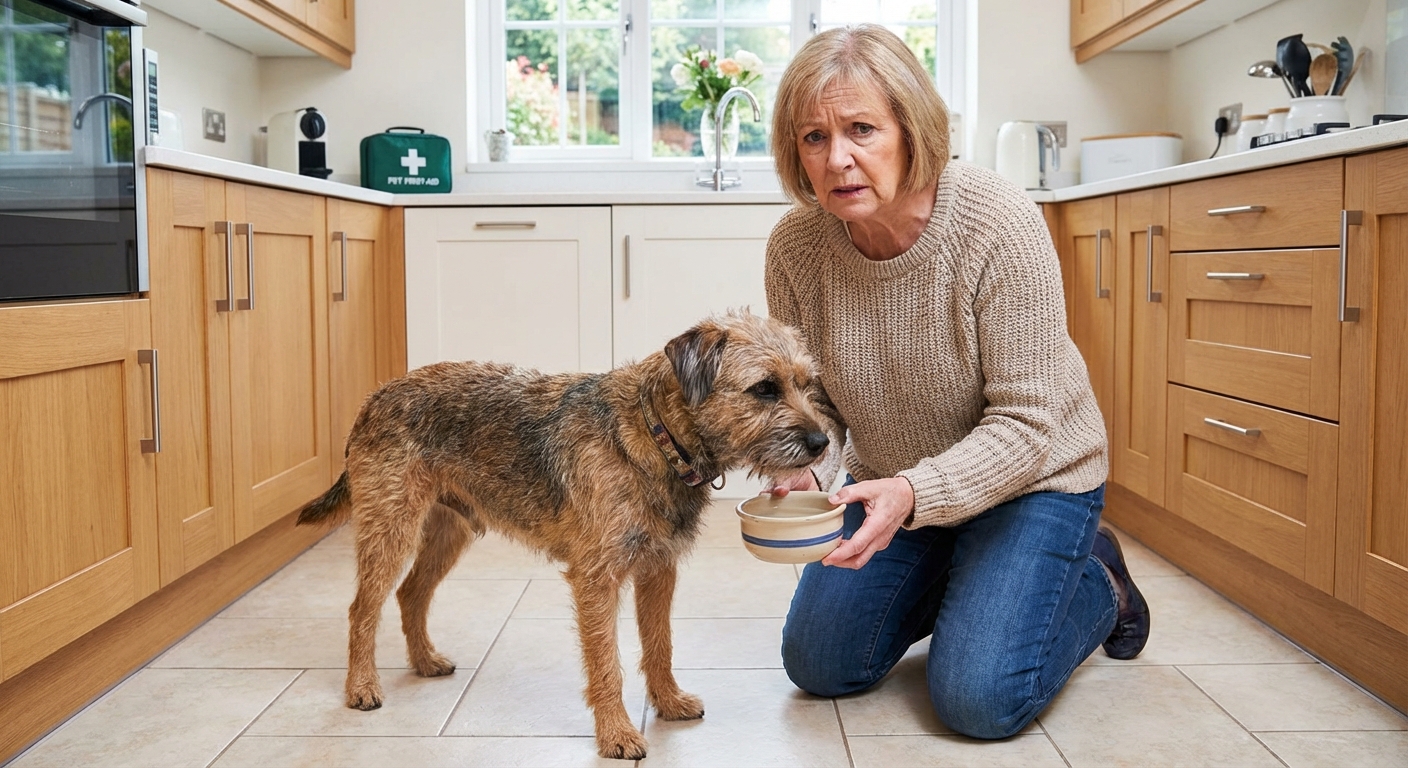
Before you change food or give any remedy, do a quick safety check. Diarrhea can be mild, but it can also be a sign of something that needs treatment quickly.
Call your veterinarian today if you notice:
- Blood in stool (bright red or black, tarry stool)
- Repeated vomiting, refusing water, or signs of dehydration (sticky gums, sunken eyes, weakness)
- Severe lethargy, collapse, pain, or a swollen belly
- Pale gums
- Profuse watery diarrhea, very frequent large-volume diarrhea, or accidents in the house when that is unusual for your dog
- Diarrhea lasting more than 24 to 48 hours in an adult dog
- Puppies, seniors, or dogs with kidney disease, diabetes, Cushing’s, heart disease, or immune issues
- Possible toxin exposure (xylitol, grapes/raisins, medications, rodent bait, THC)
- Suspected foreign body (sock, toy) or straining with very little stool
If your dog is stable and bright, the goal is simple: support hydration, rest the gut, and reintroduce gentle nutrition.
What to give your dog (vet-common options)
1) Water first, plus electrolytes (only if appropriate)
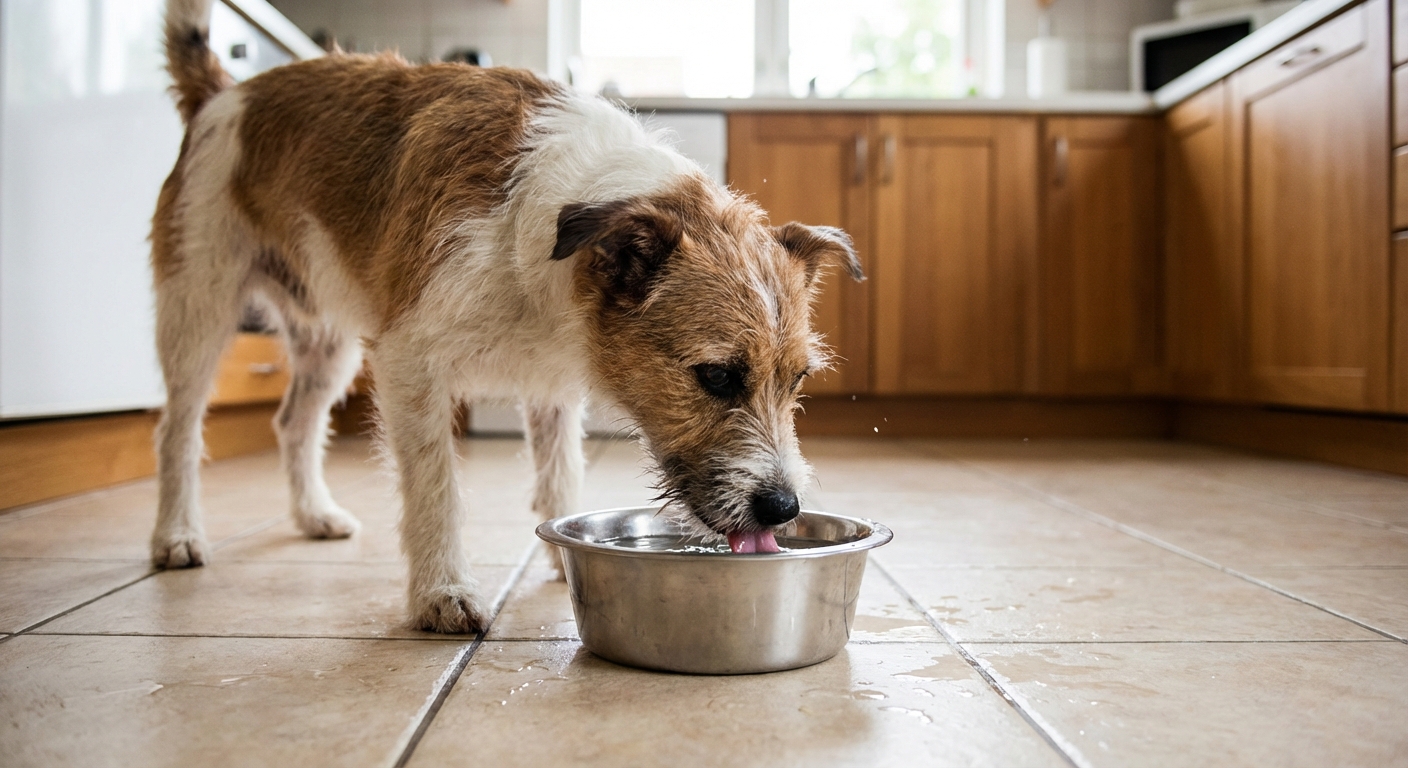
Diarrhea pulls water and electrolytes out of the body. For mild diarrhea, encourage frequent small drinks of water. If your dog is not vomiting and your vet approves, you can also offer a pet-safe electrolyte option.
- Fresh water: offer often, keep it cool and clean.
- Ice chips: helpful for dogs that gulp and then vomit.
- Unflavored Pedialyte: some veterinarians recommend small amounts diluted with water for short-term support. Ask your vet for dosing guidance, especially for small dogs. It may not be appropriate for dogs with heart or kidney disease, or for very small dogs, due to sodium and sugar content.
Skip: sports drinks, bone broth with onion or garlic, or anything with artificial sweeteners.
2) A bland diet for 24 to 72 hours
A bland diet is still one of the most commonly recommended at-home steps for uncomplicated diarrhea. It reduces fat, lowers irritation, and gives the intestinal lining a chance to recover.
Common bland choices:
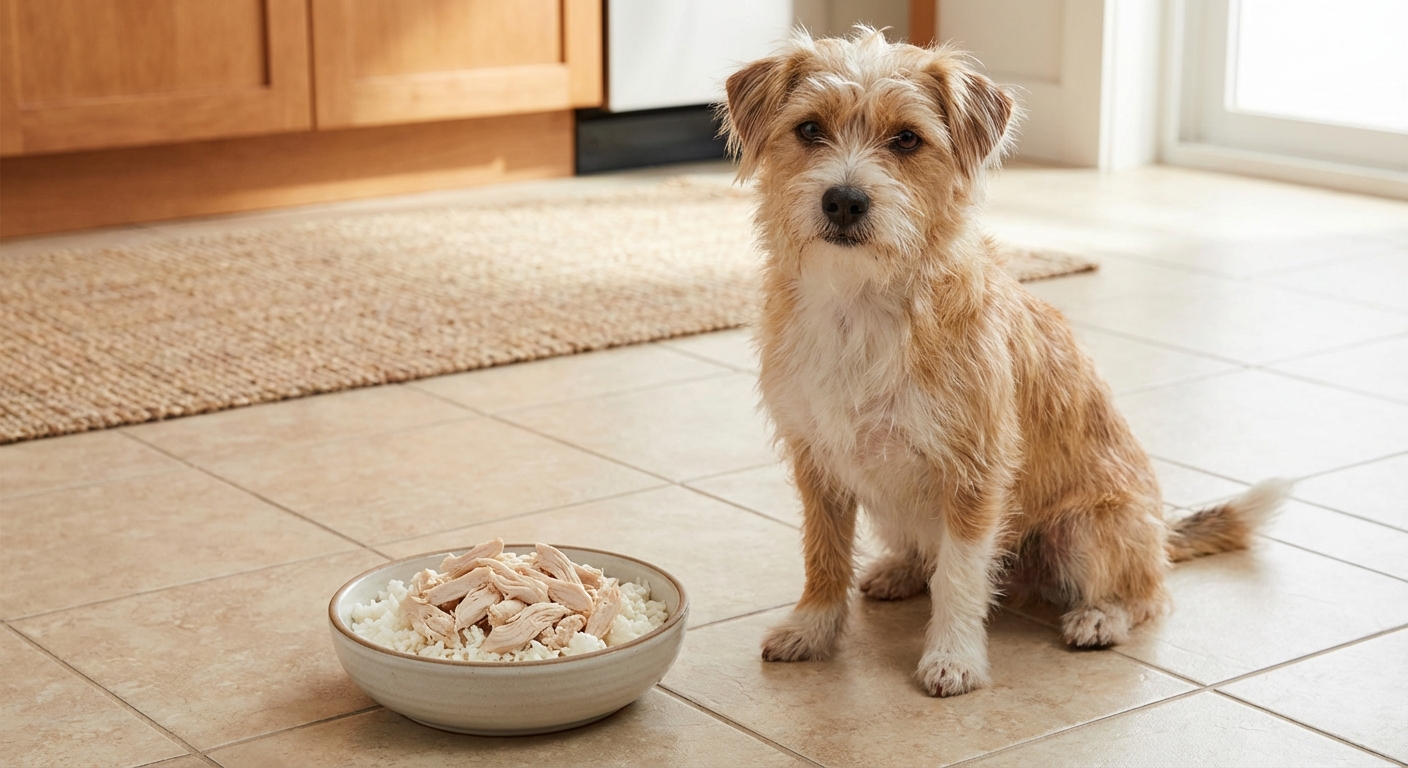
- Boiled skinless chicken breast + white rice
- Lean ground turkey (drained) + white rice
- Scrambled egg (plain) + white rice
Best ratio: For most dogs, aim for about 2 parts rice (or other starch) to 1 part protein. Owners often want to give mostly meat, but when the stomach is upset, too much protein and fat can be a little rich.
How to feed it: serve small meals, 3 to 6 times a day. A typical starting point is 1 to 2 tablespoons for small dogs, 1/4 to 1/2 cup for medium dogs, and 1/2 to 1 cup for large dogs, adjusting based on your dog’s size and appetite. Your vet can help you tailor portions.
As stools improve, gradually transition back to your normal diet over 3 to 5 days by mixing increasing amounts of regular food into the bland food.
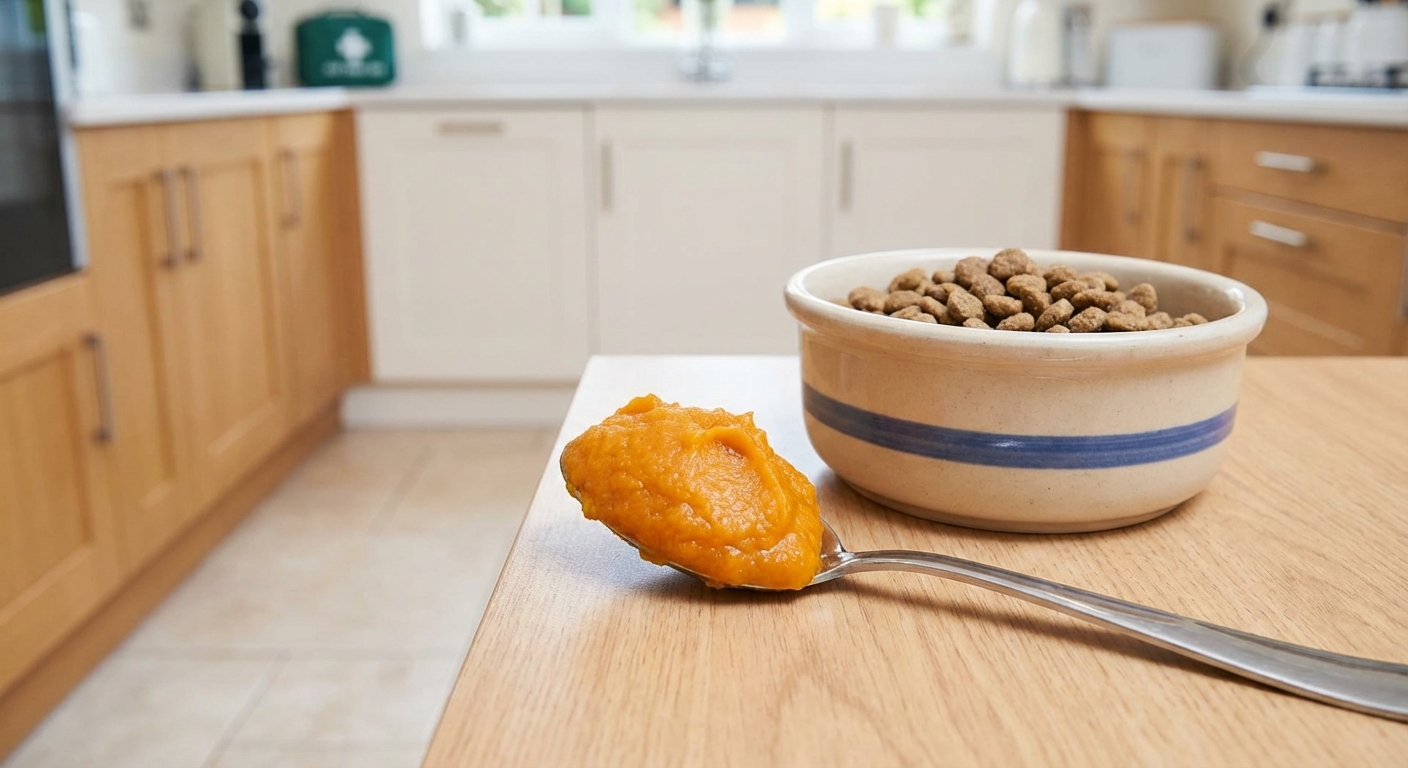
3) Plain canned pumpkin (not pie filling)
Plain pumpkin is a gentle fiber source that can help some dogs by firming stool and supporting more normal gut motility. Many veterinarians recommend it as a first-line add-on for mild diarrhea, but it is not a perfect fit for every dog.
- Small dogs: 1 to 2 teaspoons
- Medium dogs: 1 to 2 tablespoons
- Large dogs: 2 to 4 tablespoons
Mix into the bland diet once or twice daily. Always use 100% pure pumpkin.
Tip: start on the low end and increase only if it is helping. If pumpkin seems to cause gas, bloating, or worse diarrhea, stop and call your veterinarian.
4) Probiotics made for dogs
There is some evidence that certain probiotics may shorten the duration of acute diarrhea by supporting a healthier gut microbiome. Benefits can be strain and product specific, so choose a veterinary probiotic with a clear label and proper storage instructions.
What to look for:
- Products formulated for dogs (not just “human probiotics” repackaged)
- Clearly listed strains and CFUs
- Expiration date and storage directions
Examples commonly recommended in clinics include Purina Pro Plan Veterinary Supplements FortiFlora or Nutramax Proviable. If your dog is immunocompromised, ask your veterinarian before using any probiotic.
5) A veterinary intestinal diet
If your dog’s diarrhea is recurring, stress-related, or triggered by richer foods, a prescription or vet-recommended gastrointestinal diet can be a big help. These diets are designed to be highly digestible and to support stool quality.
Ask your veterinarian about options like Hill’s i/d, Royal Canin Gastrointestinal, or Purina EN, and whether your dog would benefit from a short course or a longer plan.
Should you fast a dog with diarrhea?
Fasting used to be recommended more often. Today, many veterinarians prefer gut rest with small bland meals rather than a long fast, because the intestinal lining benefits from gentle nutrition.
For some adult dogs with mild diarrhea and no vomiting, a brief break from food (like 8 to 12 hours) may be suggested by your vet.
Puppies should not be fasted without veterinary guidance due to low blood sugar risk. Also call your vet before fasting if your dog has diabetes, is a toy breed, or has any chronic medical condition.
What not to give
- Human OTC meds without vet guidance: when in doubt, do not give it. Some products are unsafe for dogs or can hide important symptoms.
- Pepto-Bismol or aspirin products without vet guidance: bismuth and salicylates can be risky for some dogs and can mask bleeding.
- Imodium (loperamide) without a vet’s approval: not safe for certain breeds (especially herding breeds with MDR1 mutation risk) and not appropriate if infection or toxins are possible.
- High-fat “comfort foods”: bacon, greasy hamburger, rich treats can worsen diarrhea and trigger pancreatitis.
- Milk or heavy dairy: many dogs are lactose intolerant, especially during GI upset.
- Chicken broth with onion or garlic: onion and garlic can be toxic to dogs in significant amounts. Because it is hard to judge dose in broths and soups, it is safest to avoid them.
How to tell it is working
With mild cases, many dogs start to improve within 12 to 24 hours after starting a bland diet and hydration support, but it is not guaranteed. Stool typically becomes less frequent, more formed, and easier for your dog to pass.
Track these simple signs:
- Energy: is your dog bright and responsive?
- Hydration: gums moist, normal drinking, normal urination?
- Stool: fewer episodes, better consistency, no blood?
- Appetite: interested in small meals?
If diarrhea is not clearly improving within 24 to 48 hours, it is time to call your veterinarian. Quick care can prevent dehydration and catch parasites, infections, pancreatitis, or dietary intolerance early.
When diarrhea keeps coming back
Recurring diarrhea is a clue that something else is going on. Common causes include intestinal parasites (even in well-cared-for dogs), giardia, dietary intolerance, stress, abrupt food changes, pancreatitis, chronic inflammatory bowel disease, or bacterial imbalance.
If your dog has repeated episodes, bring a fresh stool sample to your vet and ask about:
- Fecal testing and parasite screening
- Diet trial (novel protein or hydrolyzed diet)
- GI-support supplements (probiotic, fiber, digestive support)
- Bloodwork if symptoms persist or appetite is reduced
A gentle take-home plan
If your dog is otherwise acting normal, here is a simple, vet-aligned approach you can start today:
- Hydrate: offer frequent small drinks.
- Feed bland: chicken and white rice in small meals, using about a 2 to 1 rice-to-protein ratio.
- Add fiber: plain pumpkin once or twice daily if it agrees with your dog.
- Support the gut: a canine probiotic for a few days may help.
- Transition slowly: back to regular food over 3 to 5 days once stool normalizes.
You know your dog best. If your gut says “this isn’t normal,” trust that instinct and call your veterinarian. Early support is always kinder and usually less expensive than waiting.