Dog diarrhea is stressful, but many mild cases improve fast with hydration and a short-term bland diet. Get safe food options, portions, foods to avoid, and ...
Article
•
Designer Mixes
What to Give a Dog With Diarrhea

Shari Shidate
Designer Mixes contributor
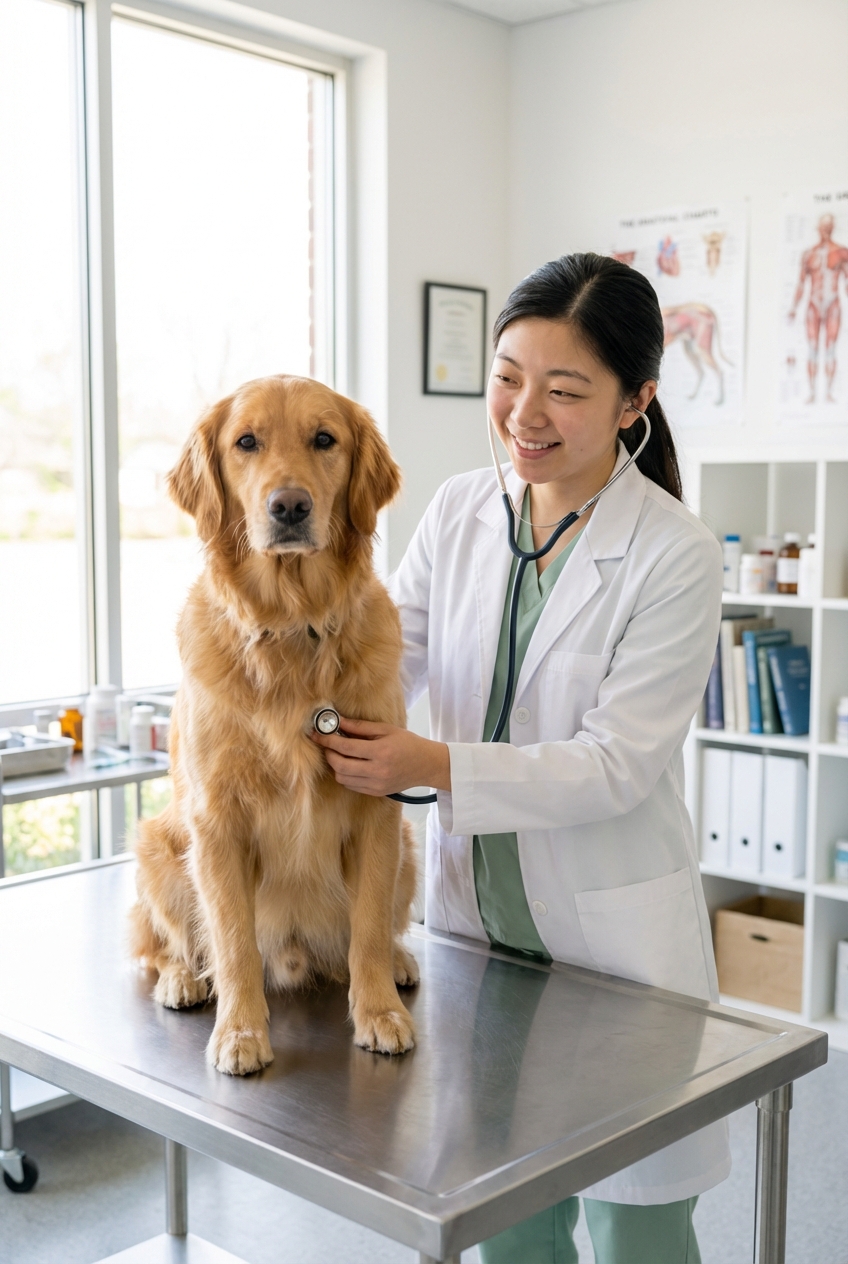
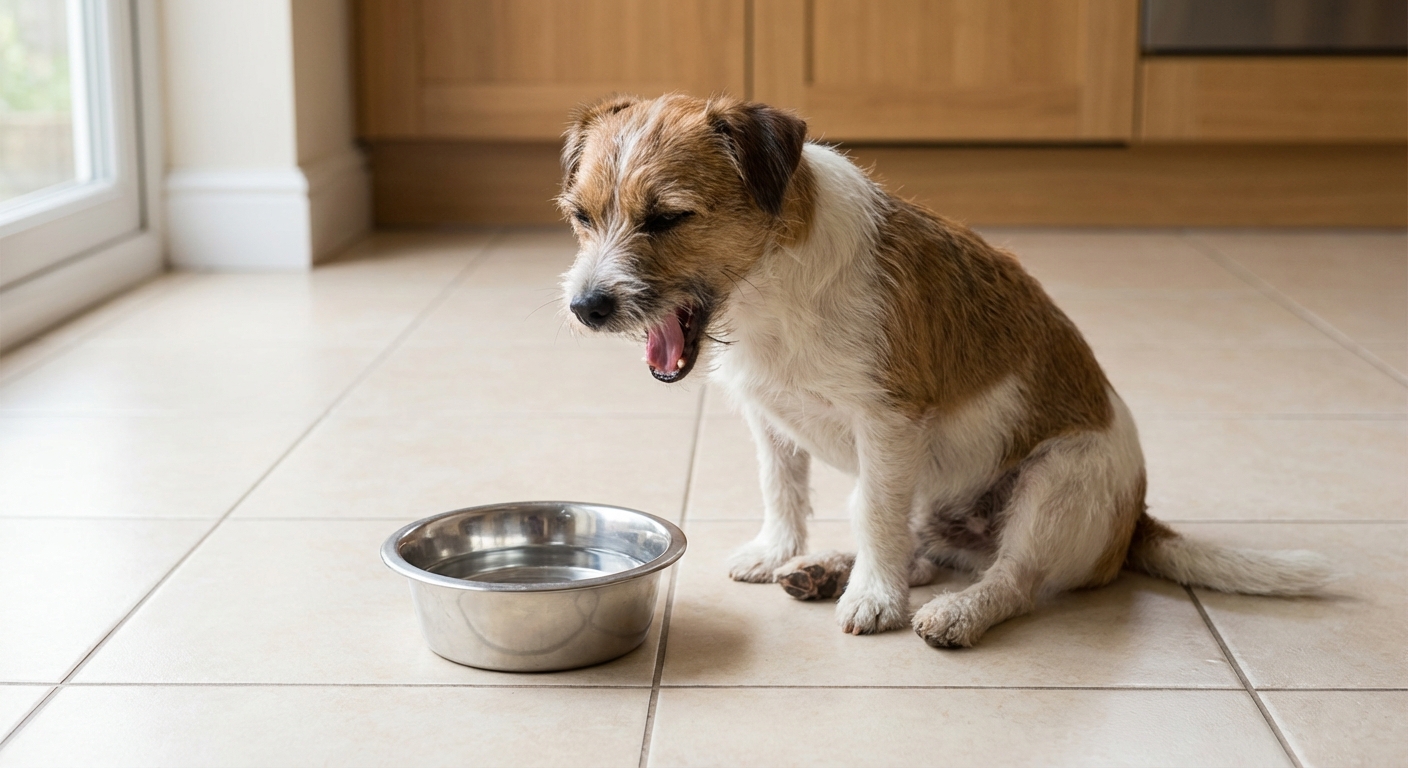
Diarrhea is one of the most common reasons pet parents call a clinic, and I get it. It is messy, stressful, and it can make you worry fast. The good news is that many mild cases can improve within 24 to 48 hours with the right at-home support, especially when your dog is otherwise bright, drinking, and showing no red flags.
This handbook walks you through what to give your dog with diarrhea, what to avoid, how to keep them safely hydrated, and when it is time to call your veterinarian.
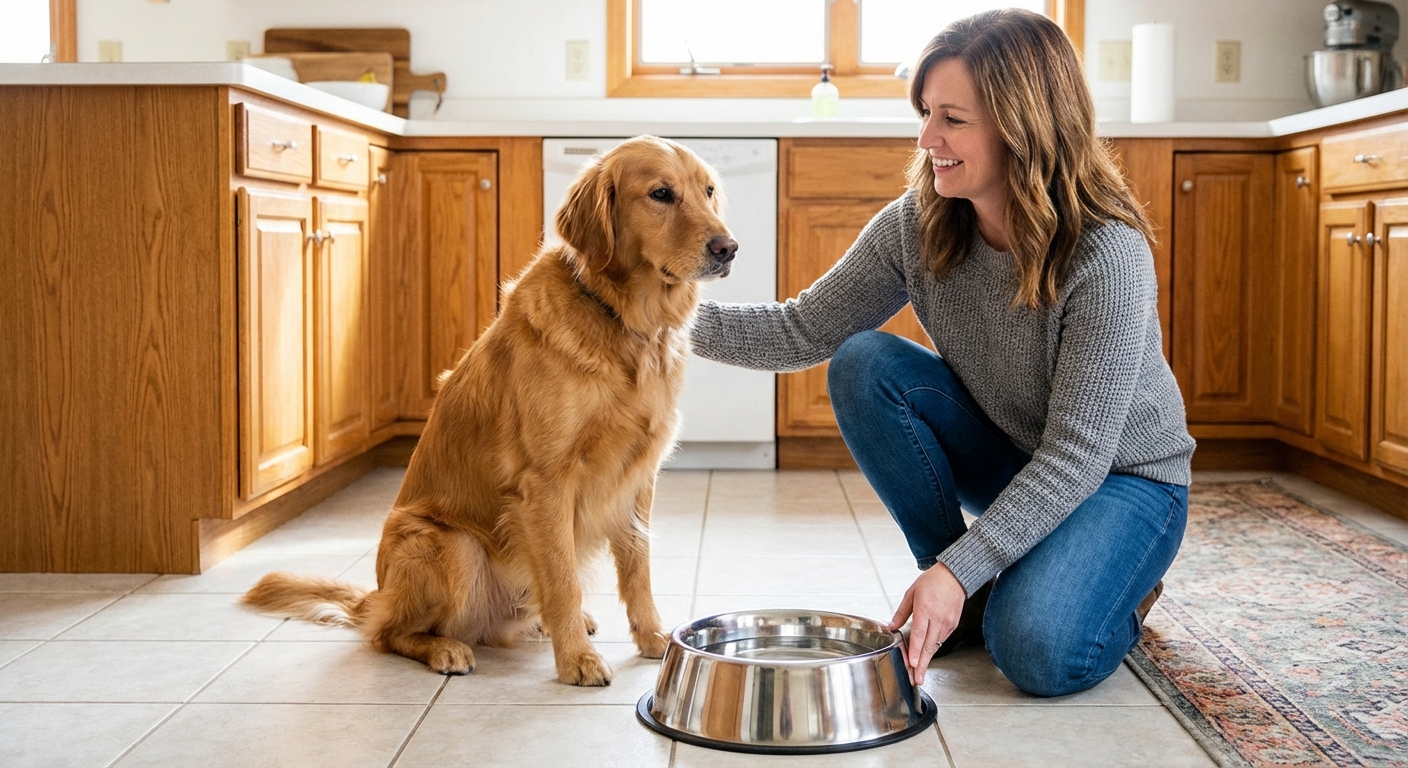
First, check for red flags
Before you change food, take a moment to do a quick safety check. Diarrhea can be mild, but it can also be the first sign of something more serious.
What counts as mild? Your dog has normal or near-normal energy, no repeated vomiting, is still drinking, is still urinating, and has small to moderate amounts of loose stool.
Call your vet urgently or go in today if you see:
- Repeated vomiting, or your dog cannot keep water down
- Bloody diarrhea, black tarry stool, or blood with repeated straining
- Marked lethargy, collapse, pale gums, or obvious abdominal pain
- A swollen belly, unproductive retching, or signs of bloat
- Diarrhea in a puppy, senior, or any immunocompromised dog
- Known toxin exposure (grapes/raisins, xylitol, rodenticides, certain plants, human meds)
- Suspected foreign object chewing (toys, socks, corn cobs, bones)
- Dehydration signs: tacky gums, sunken eyes, weakness, very reduced urination
- Diarrhea lasting more than 48 hours, or recurring episodes
- Copious mucus, especially if it comes with blood, frequent urgency/accidents, significant straining, or repeated episodes
If none of those are happening and your dog is acting mostly normal, eating some, and staying hydrated, supportive care at home may be appropriate.
Hydration comes first
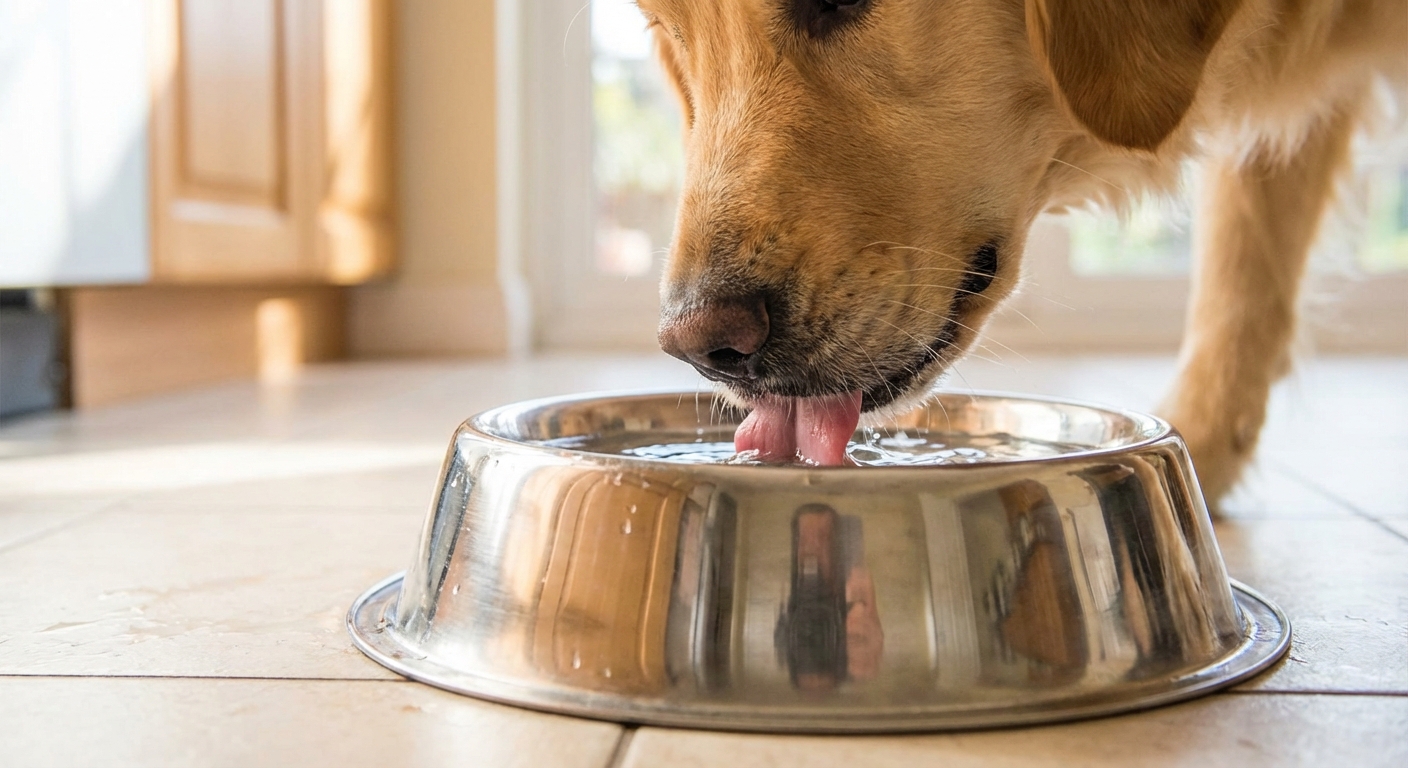
With diarrhea, your dog loses fluid and electrolytes. Dehydration is the main risk, especially for small dogs and puppies.
What to give
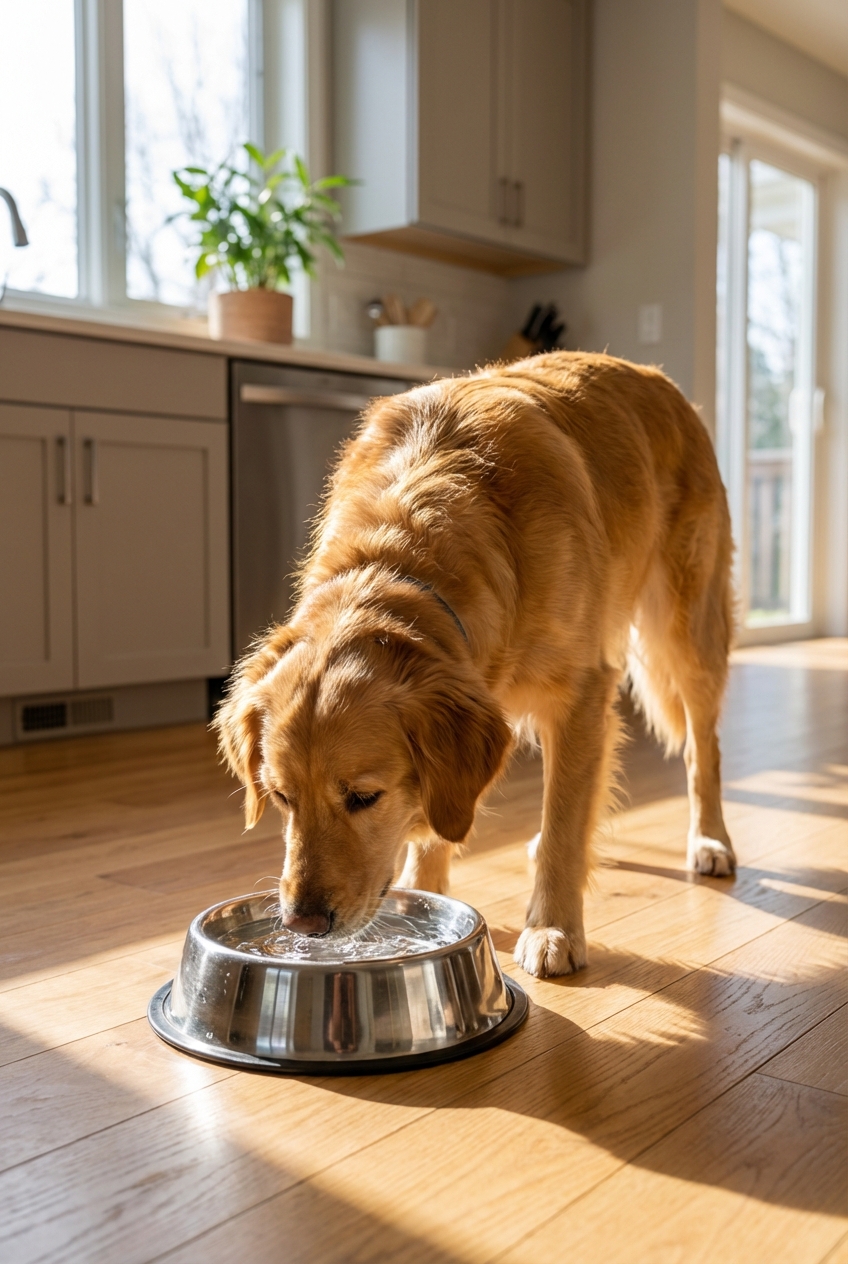
- Fresh water at all times. If your dog gulps and then vomits, offer small amounts more frequently.
- Ice chips can help some dogs take in fluids slowly.
- Pet-safe electrolyte solution if your vet recommends it, especially for small dogs. Choose products made for pets when possible. Some human oral rehydration solutions may be appropriate only under veterinary guidance.
What to avoid
- Sports drinks: often too much sugar and not balanced for dogs.
- Broth with onion or garlic: onion is toxic to dogs. Many store broths contain onion powder.
Simple hydration check: Lift your dog’s lip and touch the gums. They should feel slick, not sticky. You can also do a gentle skin tent, but know this is a rough screen and can be less reliable in overweight dogs, very young puppies, and seniors. A very practical clue at home is whether your dog is still urinating normally. When in doubt, call your veterinarian.
Should you withhold food?
For most adult dogs with mild diarrhea and no vomiting, you do not need a long fast. In many cases, feeding a small bland meal is gentler on the gut and can help stool firm up.
Common clinic guidance: if your adult dog seems nauseated or is not interested in food, a short break from food (often 8 to 12 hours) may be reasonable, but always keep water available. Do not fast puppies unless your veterinarian specifically instructs you to. Puppies can develop low blood sugar quickly.
Best foods to give a dog with diarrhea
The goal is simple: gentle, low-fat, easy-to-digest food in small portions.
Option 1: Bland diet
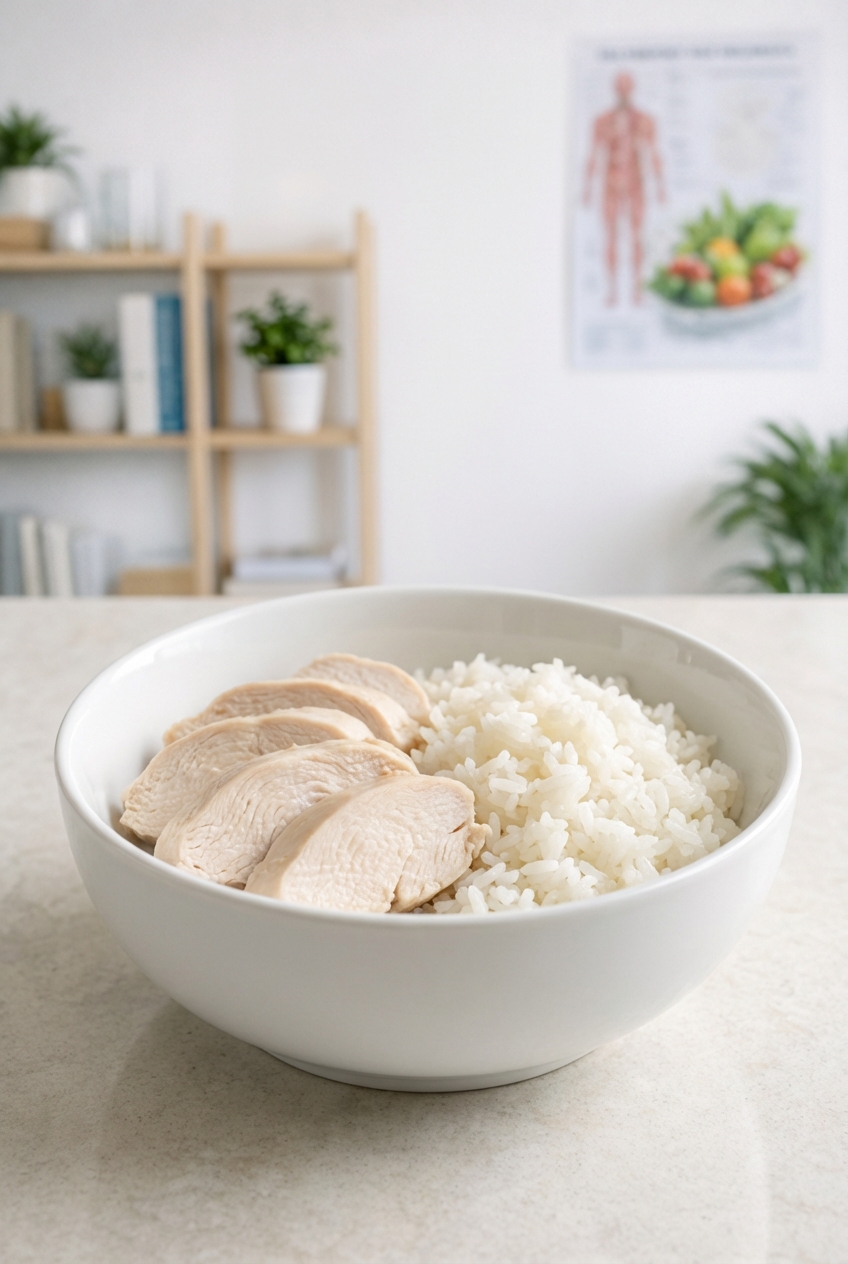
- Boiled skinless chicken breast (no seasoning)
- White rice
Start with a small meal, then offer another small meal in 4 to 6 hours if your dog keeps it down and seems comfortable.
Option 2: Turkey and rice
Lean ground turkey (well-cooked, drained) with white rice can work well for dogs who do not tolerate chicken. Avoid fatty turkey blends.
Option 3: Vet GI diet
If your dog has a sensitive stomach or recurring diarrhea, a veterinary gastrointestinal diet can be a great short-term tool because it is formulated to be highly digestible with controlled fat and added electrolytes. Your vet can guide you on the best choice.
Option 4: Plain canned pumpkin
Plain pumpkin (not pie filling) can help some dogs because its soluble fiber absorbs excess water and supports stool formation.
- Small dogs: 1 to 2 teaspoons
- Medium dogs: 1 to 2 tablespoons
- Large dogs: 2 to 4 tablespoons
Start low and watch stool. Too much fiber can backfire in some dogs. If you are unsure on dosing for your dog, ask your veterinarian.
Option 5: Plain yogurt
A small amount of plain, unsweetened low-fat yogurt with live cultures may help some dogs. Benefit is inconsistent, and many dogs do not tolerate dairy. Skip this if dairy causes gas or loose stool in your dog. Avoid any product sweetened with xylitol.
Helpful add-ons your vet may recommend
These can be very useful, but they are not one-size-fits-all. When in doubt, call your veterinary clinic, especially if your dog is on other medications.
Probiotics for dogs
Evidence supports specific veterinary probiotics for acute diarrhea. They can help restore a healthier gut microbiome and shorten the duration of loose stool for many dogs.
Prebiotic fiber
Some veterinary products include prebiotic fibers that feed beneficial gut bacteria. This can be especially helpful after dietary indiscretion or stress.
Vet-approved stool binders
Some clinics recommend GI binders (such as certain kaolin-pectin products) for short-term relief. Formulas vary, so it is best to use what your vet recommends. Do not use human anti-diarrheal medications unless your veterinarian directs you to.
What not to give
When your dog has diarrhea, the gut is irritated. Many well-meaning foods make it worse.
- High-fat foods like bacon, sausage, greasy leftovers, fried foods
- Dairy for dogs who are lactose intolerant
- Rich treats and chews (especially new ones)
- Spicy foods and anything with heavy seasoning
- Bones, especially cooked bones, which can splinter and cause intestinal injury
- Table scraps and sudden diet changes
- Human medications unless your veterinarian approves. For example, loperamide can cause severe sedation and neurologic signs in some dogs (including certain herding breeds with MDR1 sensitivity), and bismuth subsalicylate can darken stool (masking bleeding) and carries salicylate risk.
How much to feed and how often
Small, frequent meals are easier on the digestive tract than one or two large meals.
- Feed 25 to 33 percent of your dog’s normal meal size
- Repeat every 4 to 6 hours
- Continue for 24 to 48 hours while stools improve
Once stool is formed for a full day, you can gradually transition back to their regular food over 3 to 5 days.
Transition back to normal food
Even if the diarrhea was caused by something simple, switching too fast can restart the problem.
- Day 1: 75% bland diet, 25% regular food
- Day 2: 50% bland diet, 50% regular food
- Day 3: 25% bland diet, 75% regular food
- Day 4: 100% regular food
If stool loosens again, step back to the previous day’s ratio and call your vet if it does not settle.
Special situations
Puppies
Puppies can dehydrate quickly, and parasites are common. If your puppy has diarrhea, especially with vomiting, not eating, or a dull attitude, call your vet promptly. Bring a fresh stool sample if you can.
Dogs with chronic conditions
If your dog has pancreatitis history, inflammatory bowel disease, Addison’s disease, kidney disease, diabetes, or is on steroids or NSAIDs, do not assume diarrhea is “just something they ate.” Check in with your veterinarian early.
Suspected parasites
Giardia and intestinal worms can cause soft stool, mucus, and urgency. A fecal test is often needed, and treatment is specific.
Stress diarrhea
Travel, boarding, new pets, and routine changes can trigger diarrhea. A bland diet plus a veterinary probiotic often helps, but persistent cases still deserve an exam.
Hygiene and spread
Some causes of diarrhea can spread to other pets (and a few can affect people). Until your dog’s stool is back to normal, pick up poop promptly, wash your hands well, clean soiled areas, and consider limiting close dog-to-dog contact, especially in shared yards or dog parks.
When to see the vet
- Diarrhea persists beyond 48 hours
- Diarrhea keeps returning over weeks
- Weight loss, poor appetite, or increased thirst
- Straining, accidents in the house, or waking at night to go out
- Any blood in stool, even small streaks, especially if it repeats
What to expect: with mild diarrhea and supportive care, you should see gradual improvement within 24 to 48 hours. If your dog worsens at any point, seems painful, stops drinking, vomits repeatedly, or becomes weak, do not wait it out.
Bring details if you can: what they ate, any new treats, recent travel, dumpster diving, meds, and a photo of the stool. It genuinely helps your veterinary team triage faster.
If your dog is bright, hydrated, and only mildly loose, supportive care can be very effective. If your dog is weak, vomiting, or has blood in stool, do not wait it out. Your vet would rather talk to you early than see a dehydrated dog later.
Quick home checklist
- Offer water frequently and monitor hydration (and urination)
- Pause rich treats and chews
- Feed small bland meals (lean protein plus white rice)
- Consider plain canned pumpkin in a small amount
- Add a dog-specific probiotic if your vet approves
- Transition back to regular food slowly once stool firms
- Pick up stool promptly and wash hands
- Call your vet if symptoms worsen or do not improve within 48 hours