Chicken and rice can soothe mild stomach upset and help dogs transition back to normal food. Learn safe recipes, portions, how long to feed it, and when to c...
Article
•
Designer Mixes
What to Give a Dog With an Upset Stomach

Shari Shidate
Designer Mixes contributor
When your dog has an upset stomach, it can feel urgent and stressful. As a veterinary assistant in Frisco, Texas, I have seen a lot of tummy troubles, and the good news is that many mild cases improve quickly with the right at-home support.
This quick guide covers safe, evidence-based options you can give your dog, what to avoid, and when it is time to call your veterinarian. This is general information and not a substitute for an exam, especially if symptoms are severe, recurring, or your dog has other health conditions.
First: Check for red flags
Before you try home care, look for signs that suggest something more serious than a simple upset stomach. If you see any of these, contact your vet or an emergency clinic now.
- Repeated vomiting or inability to keep water down
- Blood in vomit or stool, or black, tarry stool
- Severe lethargy, weakness, collapse, or pale gums
- Bloated, hard abdomen, unproductive retching, or obvious abdominal pain
- Suspected toxin exposure (like xylitol, grapes, raisins, rat bait, human medications)
- Foreign body risk (chewed toy pieces, socks, bones, corn cobs), especially string or ribbon
- Dehydration signs like tacky or dry gums, sunken eyes, skin staying tented, low energy
- Puppies, seniors, or dogs with diabetes, kidney disease, or Addison’s disease
- Known pancreatitis history, immunosuppression, recent surgery, or other significant medical history
- Diarrhea lasting more than 24 to 48 hours, or vomiting lasting more than 12 to 24 hours
If your dog is bright, alert, and only mildly nauseated with one or two episodes of vomiting or loose stool, gentle home care is often reasonable.
Quick steps that help fast
1) Rest the stomach (briefly)
For otherwise healthy adult dogs who vomited once or twice and are acting normal, your veterinarian may recommend a short break from food. A common range is about 6 to 12 hours. Always allow access to water unless your vet advises otherwise.
Important: Do not fast puppies, tiny breeds prone to low blood sugar, or dogs with medical conditions unless your veterinarian tells you to.
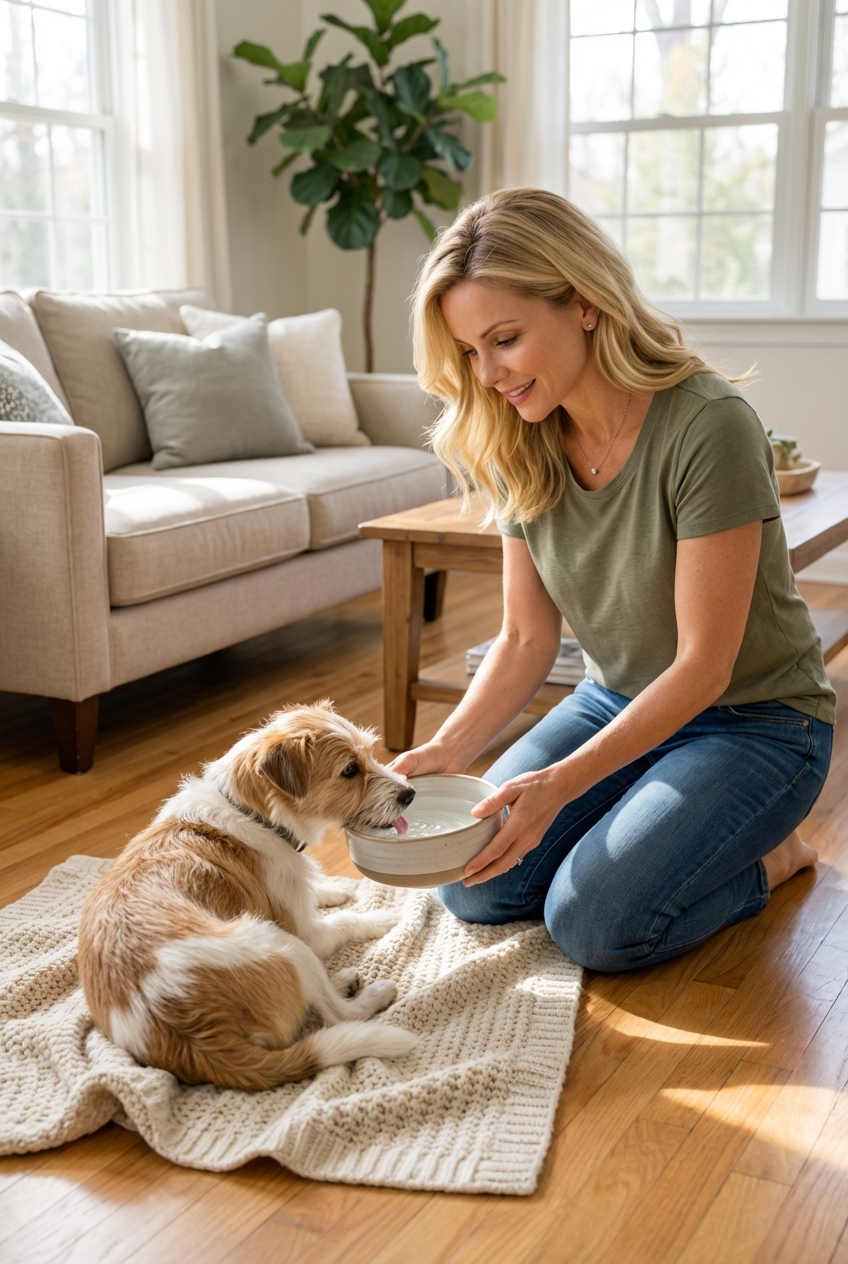
2) Offer water in small, frequent amounts
Dehydration is the biggest risk with vomiting and diarrhea. If your dog just vomited, it can help to wait 30 to 60 minutes before offering water, then start with tiny amounts.
If your dog gulps and vomits, try offering just a few tablespoons every 10 to 15 minutes for an hour, then slowly increase.
- Water: the first choice
- Ice chips: can be easier for some dogs to tolerate
- Oral electrolyte solution: only if your veterinarian OKs it, and never formulas with xylitol
3) Try a bland diet for 24 to 72 hours
Once vomiting has stopped for several hours and your dog wants to eat, a bland diet is usually the quickest, safest next step. Feed small portions 3 to 6 times per day.
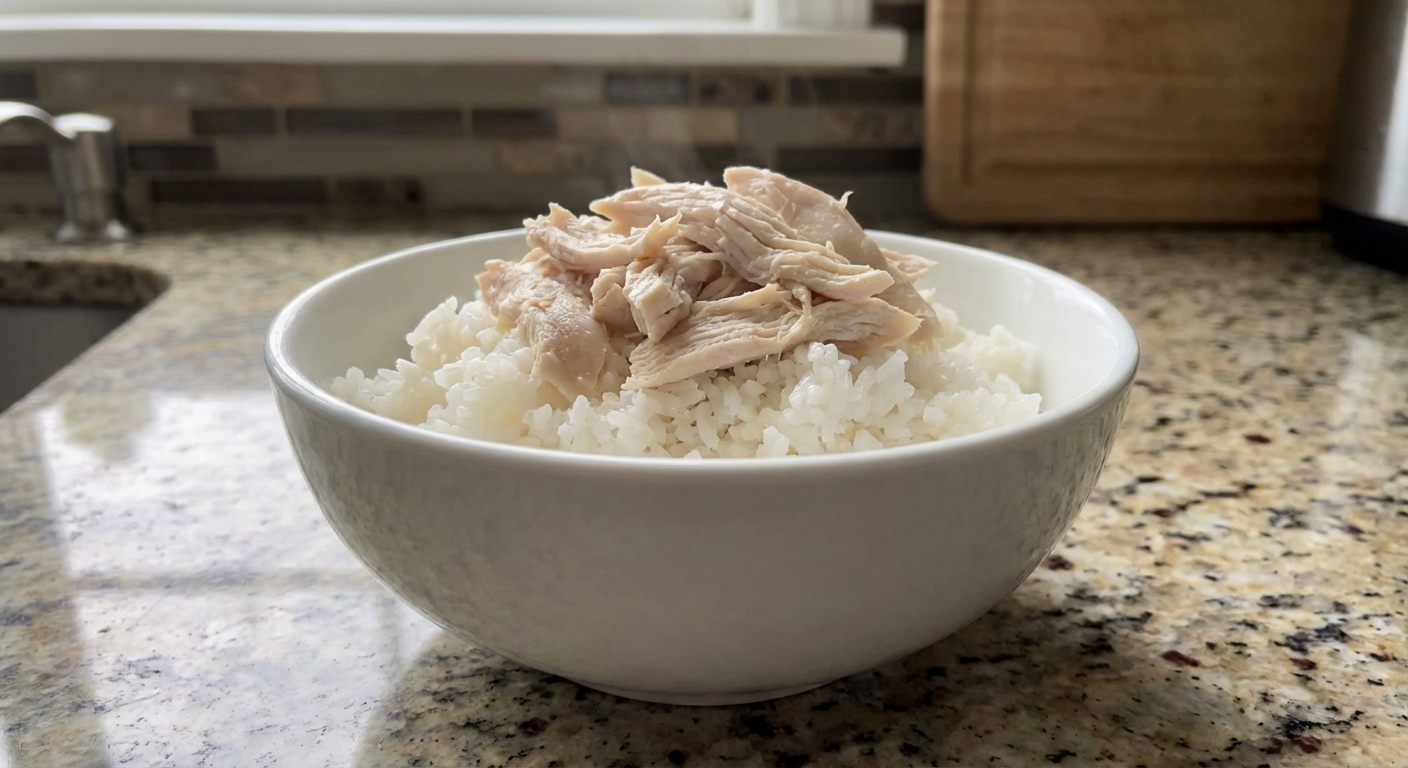
Simple bland diet options
In many cases, a gentle starting point is 2 parts starch to 1 part lean protein (by volume). This helps keep the meal easier on the stomach than a meat-heavy mix.
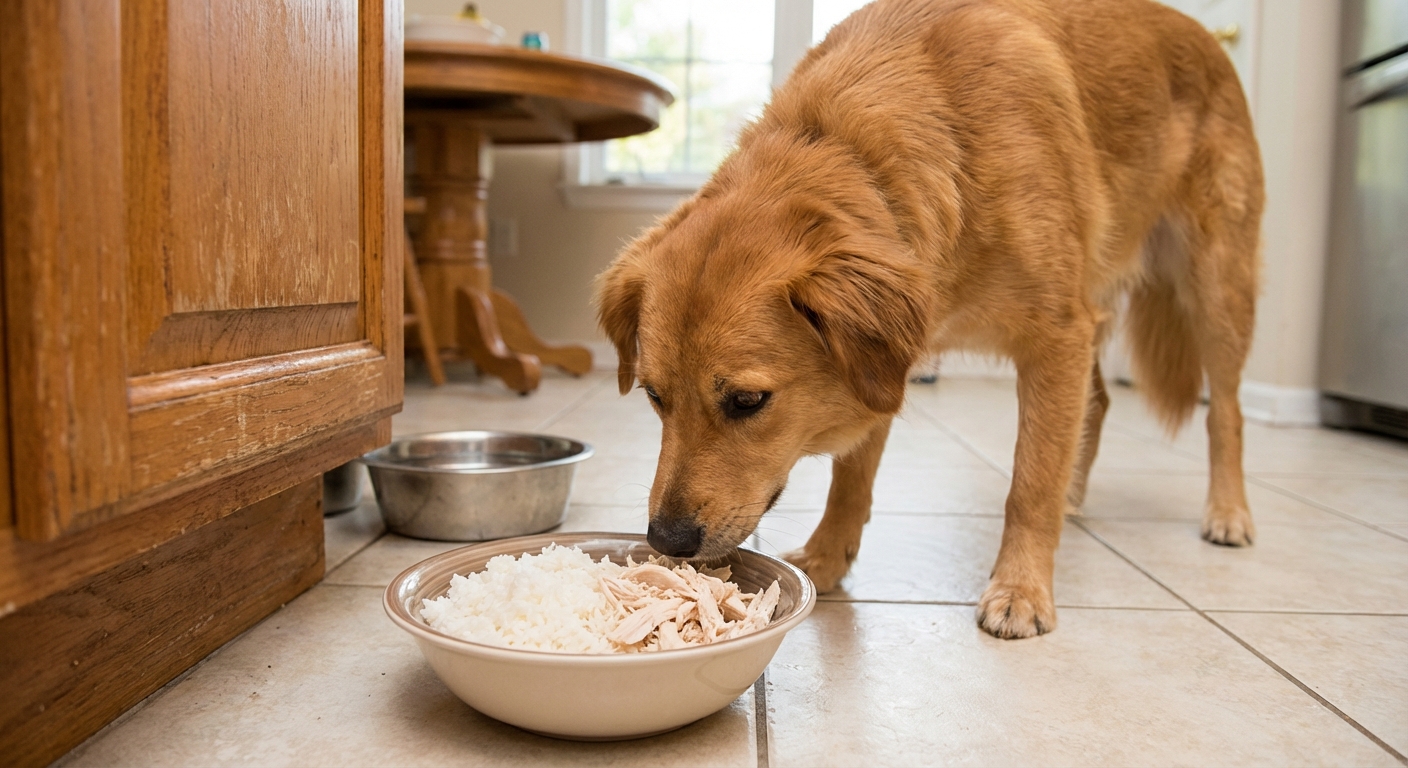
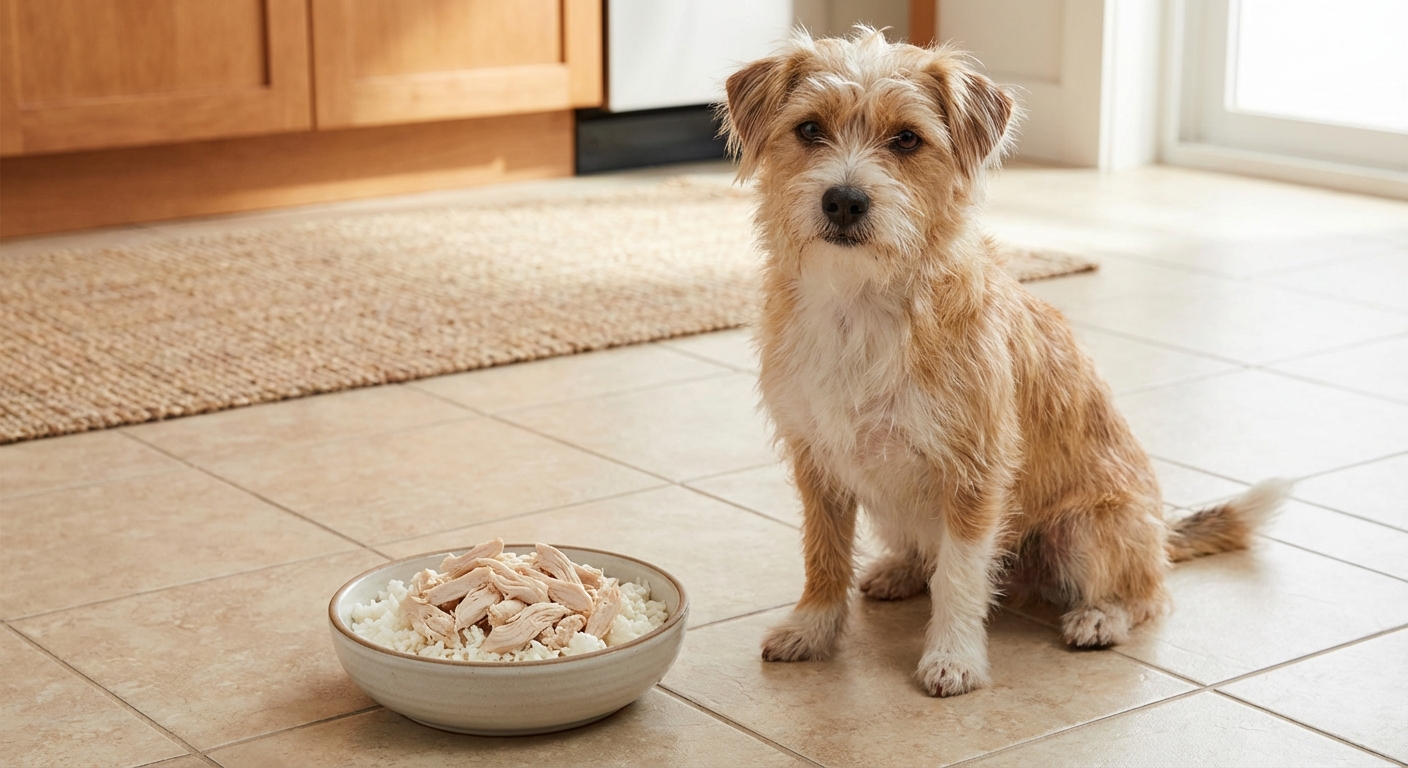
- Boiled skinless chicken breast + white rice (classic and gentle)
- Lean ground turkey + white rice
- Plain scrambled egg (no butter, no milk, no seasoning), paired with rice if tolerated
- Prescription GI diet from your veterinarian (excellent choice, especially for sensitive dogs)
4) Add fiber support if diarrhea is the main issue
For mild diarrhea without repeated vomiting, small amounts of soluble fiber can help firm stools.
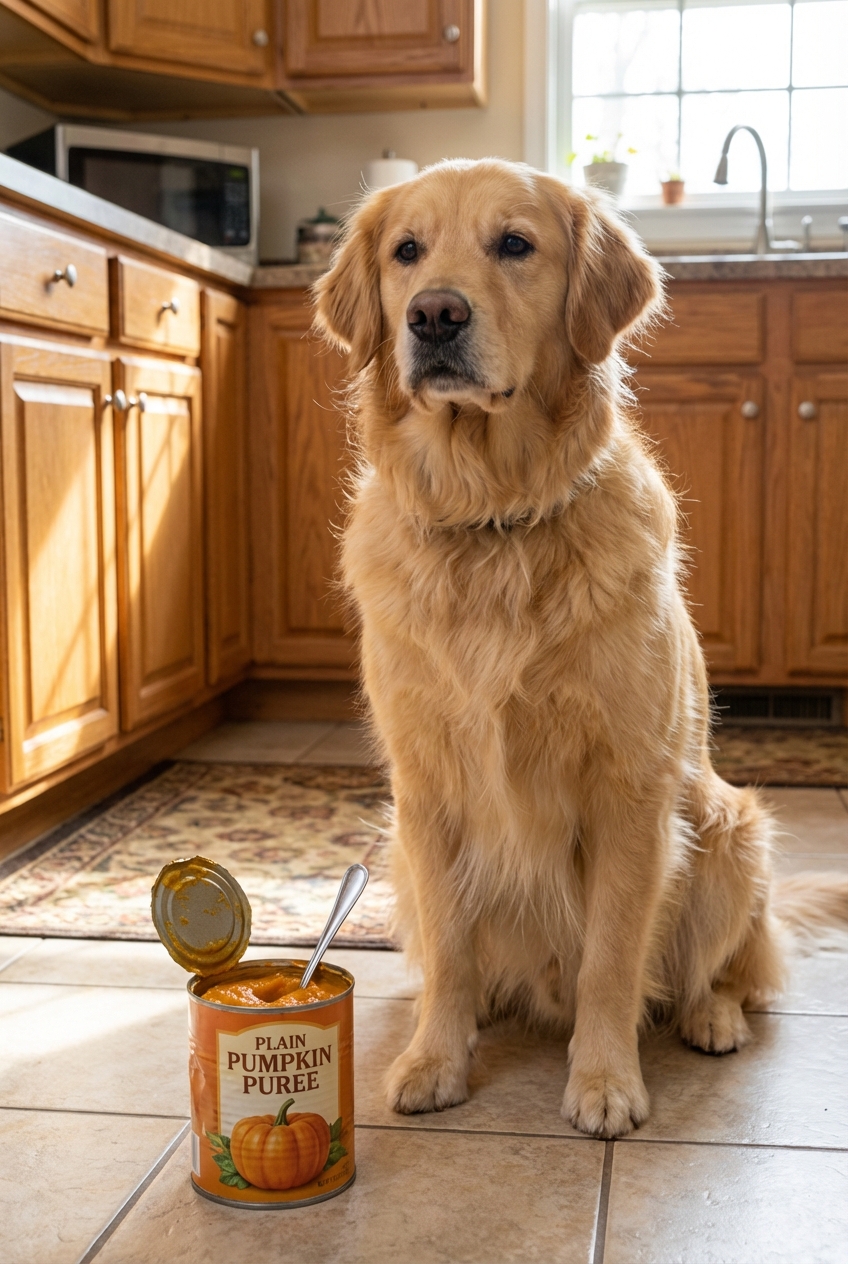
- Plain canned pumpkin (not pie filling): often used for both loose stool and mild constipation
- Unflavored psyllium husk: sometimes recommended by vets for stool quality
Because dosing depends on your dog’s size and symptoms, check with your veterinarian for exact amounts. Too much fiber can worsen gas or diarrhea, so start low and use it thoughtfully.
5) Consider a vet-recommended probiotic
There is evidence that certain veterinary probiotic products and strains can shorten episodes of acute diarrhea and support gut recovery. Look for products made for dogs, ideally one your vet recommends.
What you can give (and what to skip)
Safe options for many dogs
- Water in small, frequent amounts
- Bland foods like chicken and rice (often 2:1 rice to chicken), or a veterinary GI diet
- Plain pumpkin for mild diarrhea (ask your vet about dose)
- Veterinary probiotics designed for dogs
What to avoid
Some common human remedies can be dangerous for dogs, or they can hide symptoms your veterinarian needs to evaluate.
- Pepto-Bismol or bismuth products unless your vet specifically directs you (they can darken stool and make it harder to spot bleeding, and some contain salicylates)
- Imodium (loperamide) without veterinary guidance (can be risky in some illnesses and in MDR1-mutant herding breeds like Collies, Australian Shepherds, and Shelties)
- Human pain meds like ibuprofen, naproxen, or acetaminophen (can be toxic)
- Fatty foods (can trigger pancreatitis)
- Milk and rich dairy (often worsens diarrhea)
- Seasoned broths high in sodium, onion, or garlic powder
- Bones and hard chews during stomach upset
If you are unsure about a specific product in your home, call your veterinarian before giving it. A quick phone call can prevent a big problem.
How much bland food should you feed?
For an upset stomach, think “small and steady” instead of one full meal. A practical approach is to feed about the same volume as your dog normally eats (or a bit less), split into several mini meals.
As a starting example:
- Small dogs: 1 to 2 tablespoons per meal
- Medium dogs: about 1/4 cup per meal
- Large dogs: about 1/2 to 1 cup per meal
Wait 2 to 3 hours between meals at first. If it stays down, repeat and slowly increase toward normal meal volume over the next day. If your dog vomits again, pause food and call your vet.
When to transition back to normal food
Once stools look normal and vomiting has stopped, transition back slowly over 2 to 4 days. Mix a little of your dog’s regular food into the bland diet and increase the regular food each day.
Keep activity calm during recovery, and avoid rich treats or chews until your dog is fully back to normal.
Common causes
Knowing what may have triggered it helps you prevent the next episode.
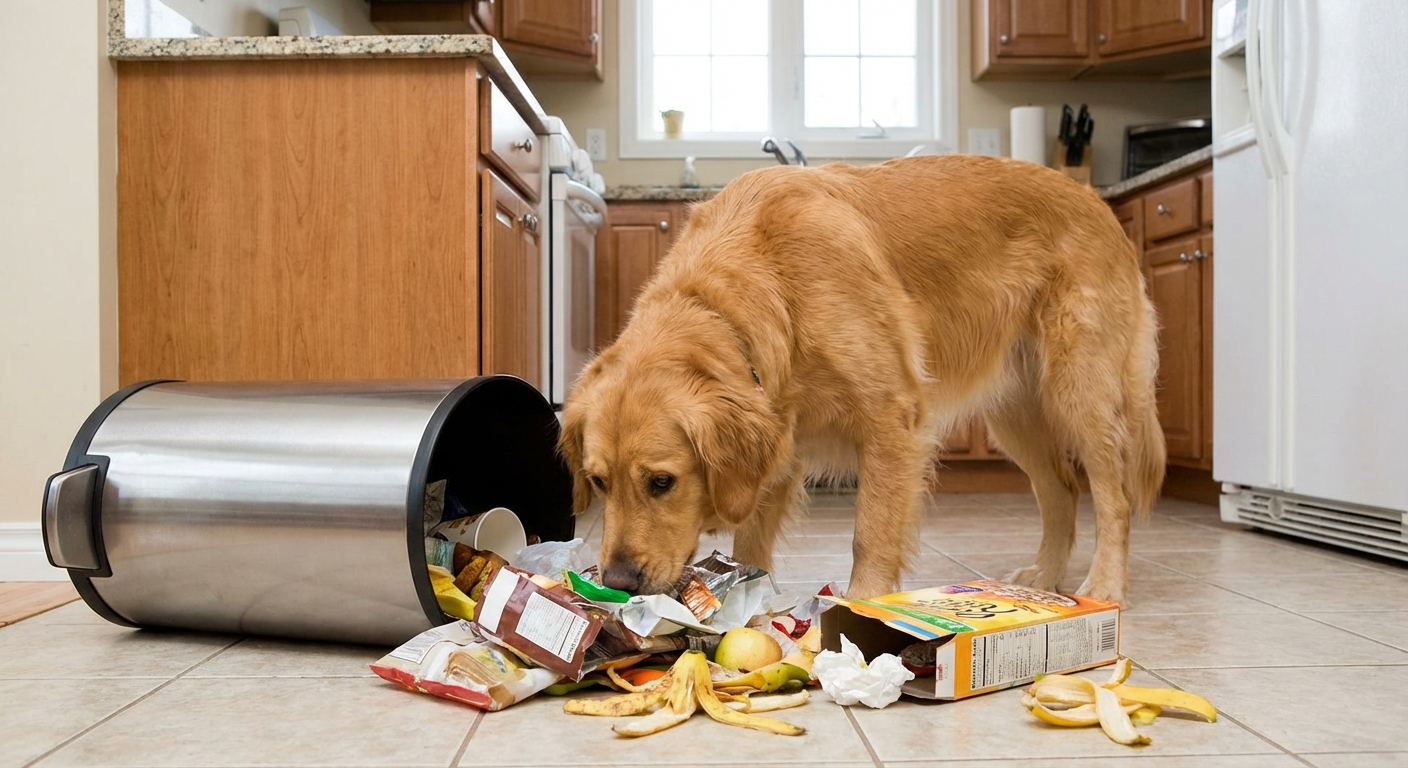
- Dietary indiscretion (trash, table scraps, new treats)
- Sudden food change
- Stress (travel, boarding, new pets)
- Parasites (especially in puppies or dogs who visit dog parks)
- Viral or bacterial GI upset
- Food intolerance or sensitivity
- Pancreatitis (often after fatty foods)
What to track for your vet
If symptoms do not resolve quickly, having a few notes ready can make your vet call or visit much more efficient.
- How many times your dog vomited, and when it started
- Diarrhea frequency and appearance (watery, mucus, any blood, black or tarry)
- Appetite changes
- Water intake and whether water stays down
- Energy level
- Urination (normal, reduced, or none)
- Any possible diet change, trash access, new treats, or foreign material chewed
Next 24 hours checklist
- Use a short food break only if appropriate, then reintroduce bland food in small meals
- Offer small sips of water often, and monitor hydration
- Keep activity calm and avoid rich treats and chews
- Check stool and vomiting frequency, and note any blood
- Call your vet if symptoms worsen or do not improve within 24 to 48 hours
The bottom line: mild upset stomachs often settle with rest, hydration, and a bland diet, but red-flag symptoms should always be treated as urgent.