A practical 24–72 hour diet and hydration plan for mild dog diarrhea, with bland food options, safe add-ons like probiotics, foods to avoid, and clear red ...
Article
•
Designer Mixes
What to Give a Dog for Diarrhea

Shari Shidate
Designer Mixes contributor
Diarrhea is one of the most common reasons pet parents call a clinic, and I get it. It is messy, stressful, and it makes you worry that something serious is going on.
The good news is that many mild cases improve quickly with a simple plan: prioritize hydration, keep things calm and simple for the gut, and use gentle foods that are easy to digest. The key is knowing when home care is safe and when you should call your veterinarian right away.
First, decide if this is an emergency
Before you change food or add any remedies, take 60 seconds to check for red flags. These signs mean it is time to call your veterinarian or an emergency clinic now.
Go to the vet urgently if you notice:
- Blood in the stool (bright red streaks) or black, tarry stool (can mean digested blood)
- Repeated vomiting, severe lethargy, collapse, or obvious pain
- Bloated belly, retching, or unproductive vomiting attempts
- Possible foreign body (your dog ate a toy, sock, bone fragments, corn cob, or anything that could obstruct)
- Diarrhea persisting beyond about 24 hours in a puppy, senior, or medically fragile dog (or sooner if worsening)
- Diarrhea persisting beyond about 24 to 48 hours in a healthy adult dog (or sooner if worsening)
- Signs of dehydration (dry gums, sunken eyes, sticky saliva, weakness)
- Fever, pale gums, or rapid breathing
- Suspected toxin exposure (xylitol, grapes or raisins, chocolate, rodent bait, human medications)
- A very small dog (toy breeds can dehydrate fast)
- Known conditions like Addison’s disease, kidney disease, diabetes, pancreatitis, or immune suppression
If you are unsure, call. A quick phone triage can save you a lot of worry.
One more bit of nuance: a single larger loose stool in an otherwise normal, bright dog can sometimes be watched closely for a short time. If it becomes frequent, watery, or your dog starts acting “off,” that is your cue to escalate.
What to give your dog at home (safe basics)
If your dog is bright, drinking, and otherwise acting fairly normal, you can often start with gentle support for the next 12 to 24 hours.
1) Water and hydration
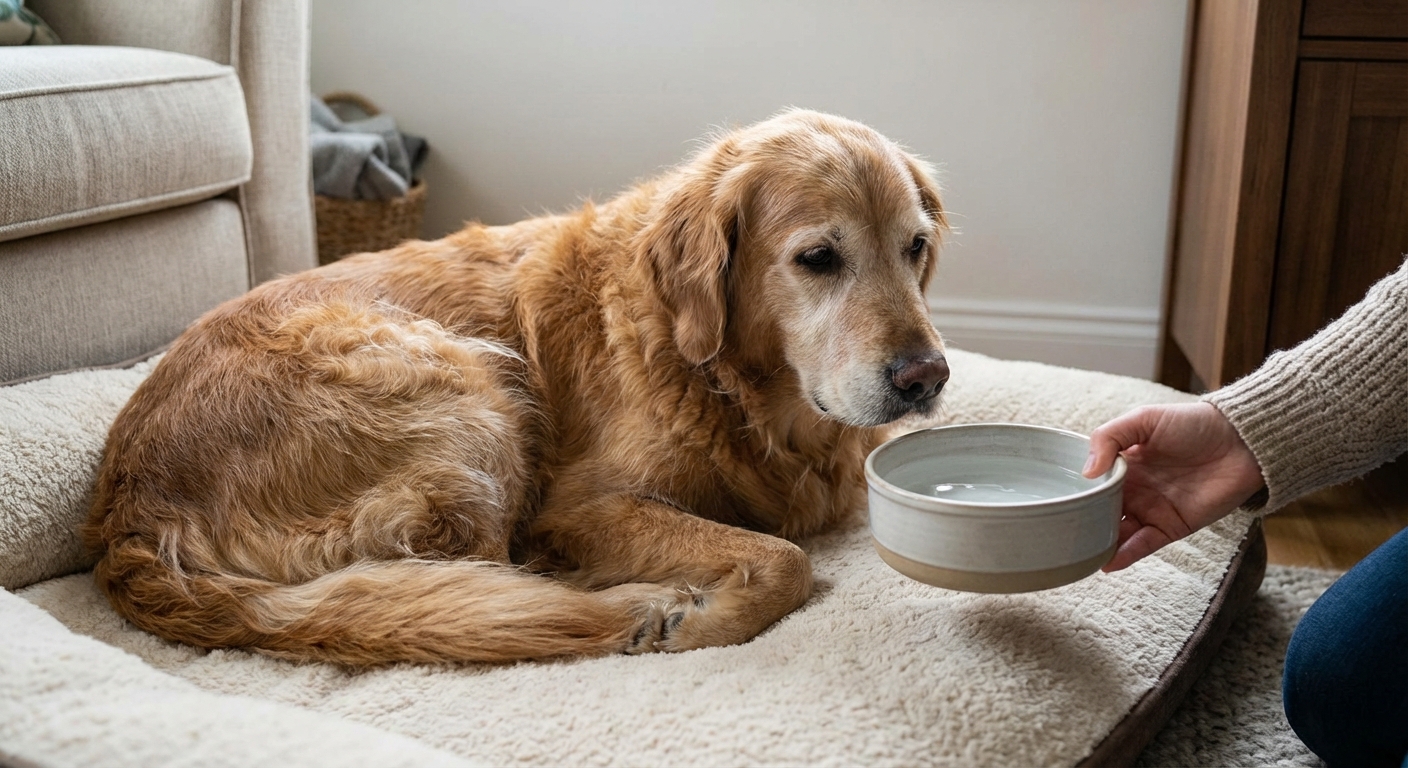
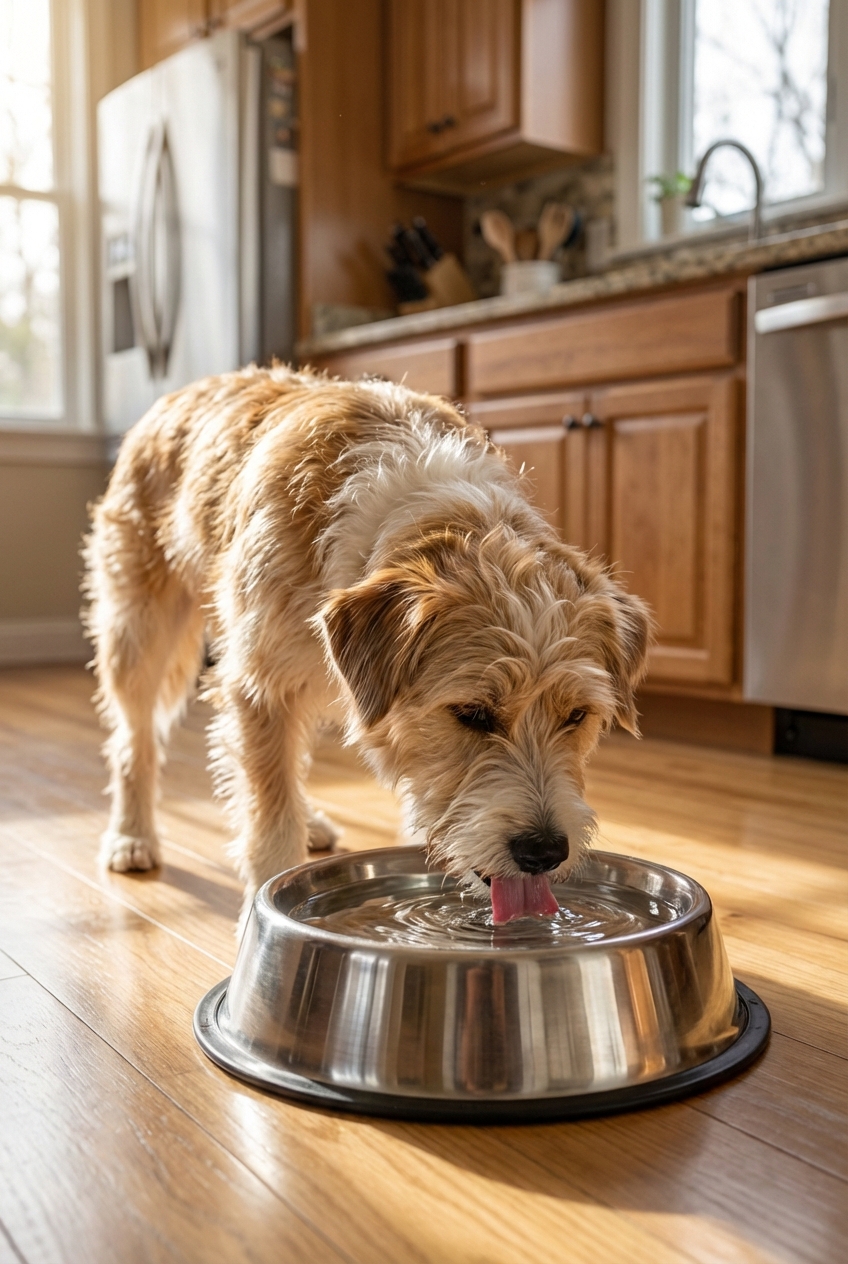
Hydration matters more than food in the first day. Offer frequent small drinks if your dog gulps water or tends to vomit after large amounts.
- Fresh water available at all times.
- If stools are very watery, ask your vet whether a vet-approved oral rehydration option is appropriate for your dog’s size and health status.
- Avoid any electrolyte product with xylitol. Also be cautious with high sodium solutions or flavored products. Your vet can guide you on the safest option and the right amount.
- Ice chips can help some dogs who refuse water.
2) Food pause (optional)
For a healthy adult dog with mild diarrhea and no vomiting, some veterinarians recommend a short break from food (often 6 to 12 hours) to let the gut settle.
That said, many vets now skip fasting and move straight to small, frequent bland meals. If you are not sure which is best for your dog, that is a great question for a quick call to your clinic.
Do not fast these dogs:
- Puppies
- Toy breeds
- Diabetic dogs
- Dogs that are weak, underweight, or elderly
When in doubt, skip fasting and move to small bland meals.
3) Bland diet
A classic approach is a bland diet for 2 to 3 days, then a gradual transition back to normal food.
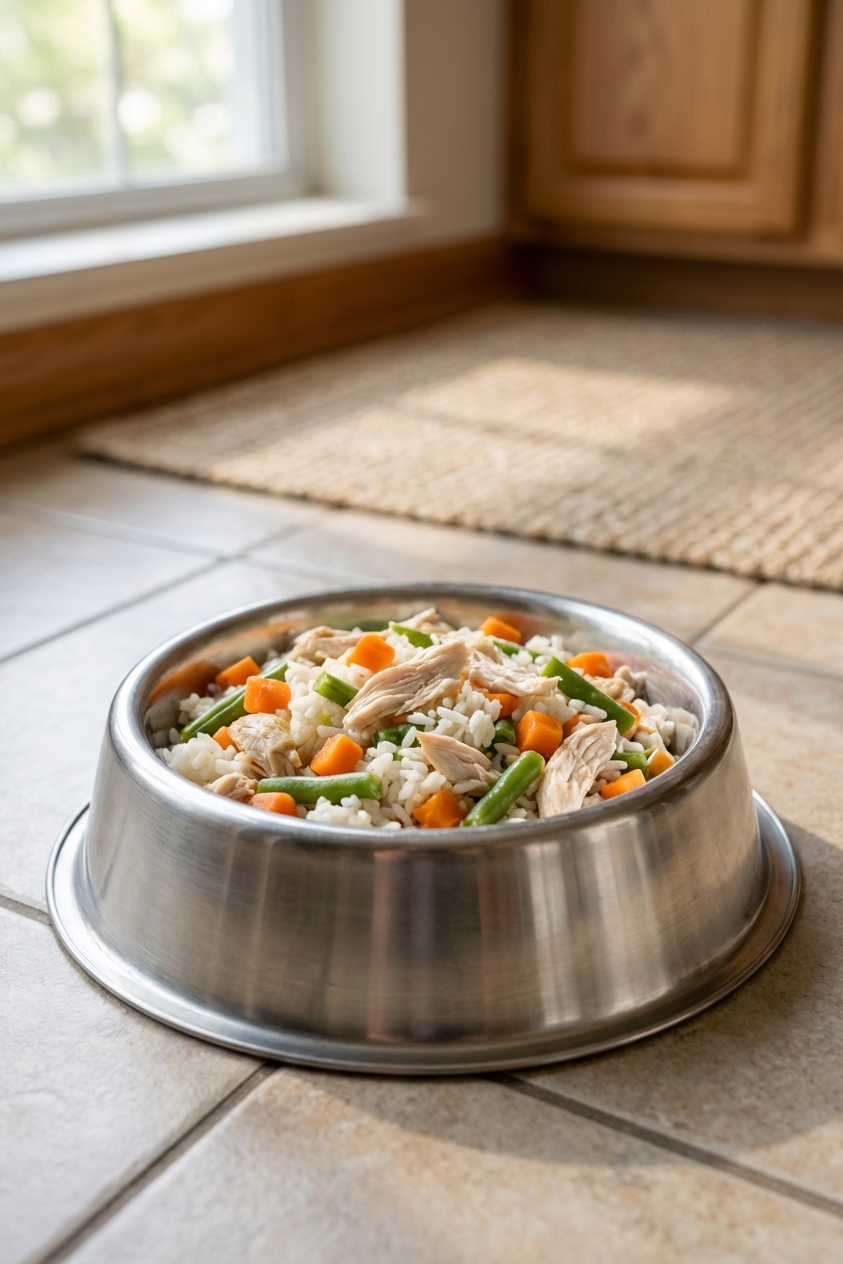
Good bland options (choose one protein and one carb):
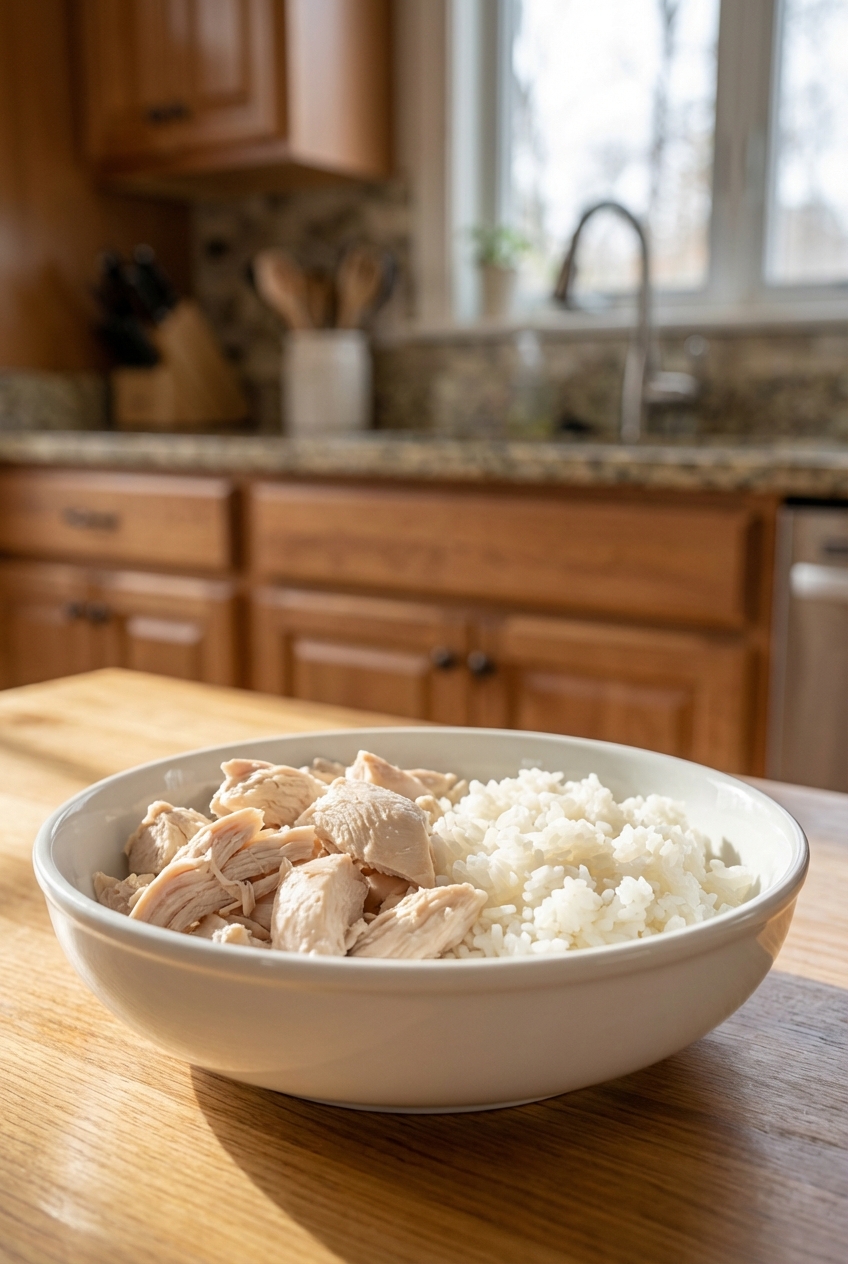
- Boiled skinless chicken breast (no seasoning) + white rice
- Boiled lean ground turkey (drain fat) + white rice
- Cooked egg (scrambled with no butter or oil) + white rice
- Boiled lean beef (well drained) + plain pasta (in some dogs)
Portion and schedule: feed small meals every 6 to 8 hours. A common starting point is 3 to 4 smaller portions in the day instead of one or two big meals.
Important: during the bland-diet window, pause the extras. That means no treats, chews, bones, rawhides, table scraps, rich toppers, or new supplements unless your veterinarian tells you otherwise.
How long: if stools firm up, keep the bland diet for about 24 more hours, then transition slowly back to the normal diet over 3 to 5 days.
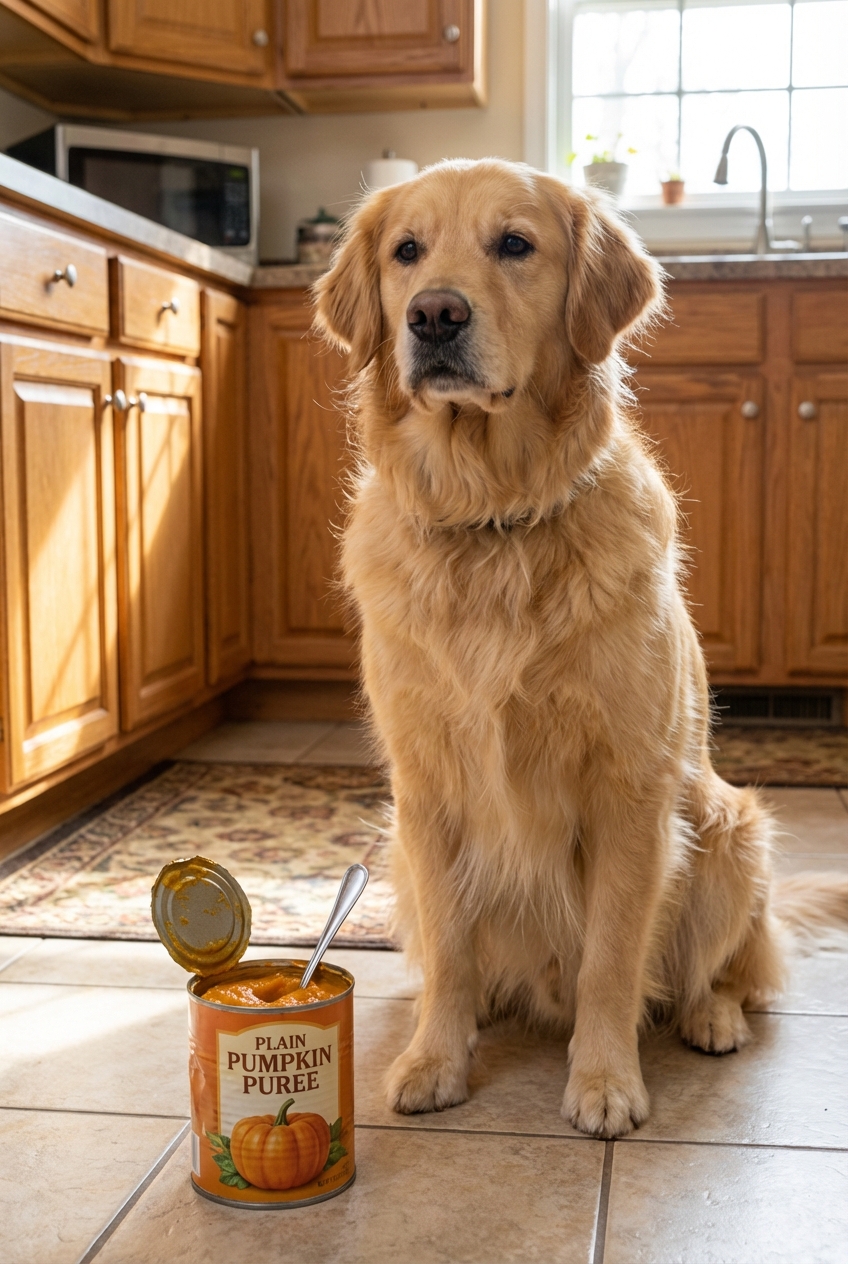
4) Plain canned pumpkin
Plain pumpkin can help some dogs because its soluble fiber supports the gut and can absorb excess water.
- Use 100% plain pumpkin, not pumpkin pie filling.
- Ballpark amounts (mix into food): small dogs 1 to 2 teaspoons per meal, medium dogs 1 to 2 tablespoons per meal, large dogs 2 to 4 tablespoons per meal.
- Start on the lower end and watch stool changes. Too much can cause gas or cramping.
Fiber is helpful for many mild cases, but if your dog’s diarrhea is caused by a parasite, infection, pancreatitis, or dietary intolerance, pumpkin alone will not fix the underlying issue.
5) Probiotics made for dogs
Some canine probiotics (specific strains and well-made products) may help shorten the course of acute diarrhea, especially when it is triggered by stress, diet change, or mild GI upset.
- Choose a canine-specific probiotic from a reputable brand.
- Follow the label dosing, and use it for several days, even after stools look better, unless your vet advises otherwise.
If your dog is immune-compromised or seriously ill, check with your veterinarian before starting any supplement.
6) What about OTC human meds?
This is where I want you to be careful. Some over-the-counter products can be dangerous, especially if your dog has a toxin exposure, infection, dehydration, or a brewing obstruction.
- Do not give bismuth subsalicylate products (like Pepto-Bismol) unless your veterinarian specifically tells you to. It contains a salicylate, can be a problem with bleeding risk or if your dog is on NSAIDs or certain other medications, and it can darken stool, which makes it harder to spot bleeding.
- Never give loperamide (Imodium) without veterinary guidance. It can cause serious side effects in certain breeds and conditions, and it is not appropriate for all types of diarrhea.
- Never give human pain relievers like ibuprofen, naproxen, or acetaminophen. These can be toxic to pets.
Age-by-age guide
Puppies
Puppies dehydrate quickly and are more likely to have parasites or contagious infections. If a puppy has diarrhea, I recommend you call your vet the same day, especially if:
- There is any vomiting
- The stool is very watery or very frequent
- The puppy is not eating or is sleepy
- You see worms, or the puppy has not finished vaccines
What you can do while you wait for guidance: keep water available, offer very small bland meals if your vet approves, and bring a stool sample to your appointment if possible.
Adult dogs
Healthy adults often do well with the hydration plus bland-diet approach when the diarrhea is mild, short-lived, and there are no red flags. Common triggers include:
- Eating something new or rich
- Getting into trash
- Stress (boarding, visitors, travel)
- Sudden food switch
If symptoms persist beyond about 24 to 48 hours, worsen, or keep returning, it is time to investigate parasites, diet intolerance, pancreatitis, inflammatory bowel disease, and other causes.
Seniors
Older dogs can have less physiologic wiggle room and more chronic diseases. For seniors, I recommend a lower threshold for a vet visit, especially if the dog:
- Has weight loss, increased thirst, or decreased appetite
- Has diarrhea that comes and goes
- Is on long-term medications
A senior with diarrhea may need lab work, a stool test, and a nutrition plan that is easier on the gut.
How to tell if it is improving
These practical cues help you decide whether to stay the course or call for help.
Signs it is improving
- Stools are becoming less watery and more formed
- Stool frequency is decreasing
- Appetite is returning and energy is normal
- No vomiting
Signs it is worsening
- Diarrhea is getting more frequent or more watery
- Your dog stops drinking, seems weak, or cannot keep water down
- New vomiting, blood, black stool, or obvious pain
- Anything that triggers your gut feeling that your dog is not right
How to transition back to normal food
When stools are formed and your dog is acting normal, transition slowly to prevent a relapse.
- Day 1: 75% bland diet, 25% regular food
- Day 2: 50% bland diet, 50% regular food
- Day 3: 25% bland diet, 75% regular food
- Day 4: 100% regular food
If diarrhea returns during the transition, go back a step and consider calling your veterinarian.
What not to give
When a dog has diarrhea, the instinct is to try anything. These common choices often make things worse.
- Fatty foods (bacon, sausage, greasy leftovers). These can trigger pancreatitis.
- Dairy (many dogs are lactose intolerant, especially when the gut is irritated).
- Seasoned foods, onions, or large amounts of garlic.
- High-fiber overload (too much pumpkin or bran can cause gas and cramping).
- Raw diets during active diarrhea, unless your veterinarian has you on a specific plan. Raw can increase pathogen exposure for dogs and humans.
- Sudden food switches. Even a healthy food can worsen diarrhea if you change too fast.
When to suspect parasites or infection
Diarrhea is a symptom, not a diagnosis. If you notice any of the following, stool testing is a smart next step:
- Mucus in stool, frequent small stools, or straining
- Foul odor that is unusual for your dog
- Diarrhea after a dog park visit, boarding, daycare, grooming, travel, or swimming
- Multiple pets in the home affected
- Recurring diarrhea every few weeks
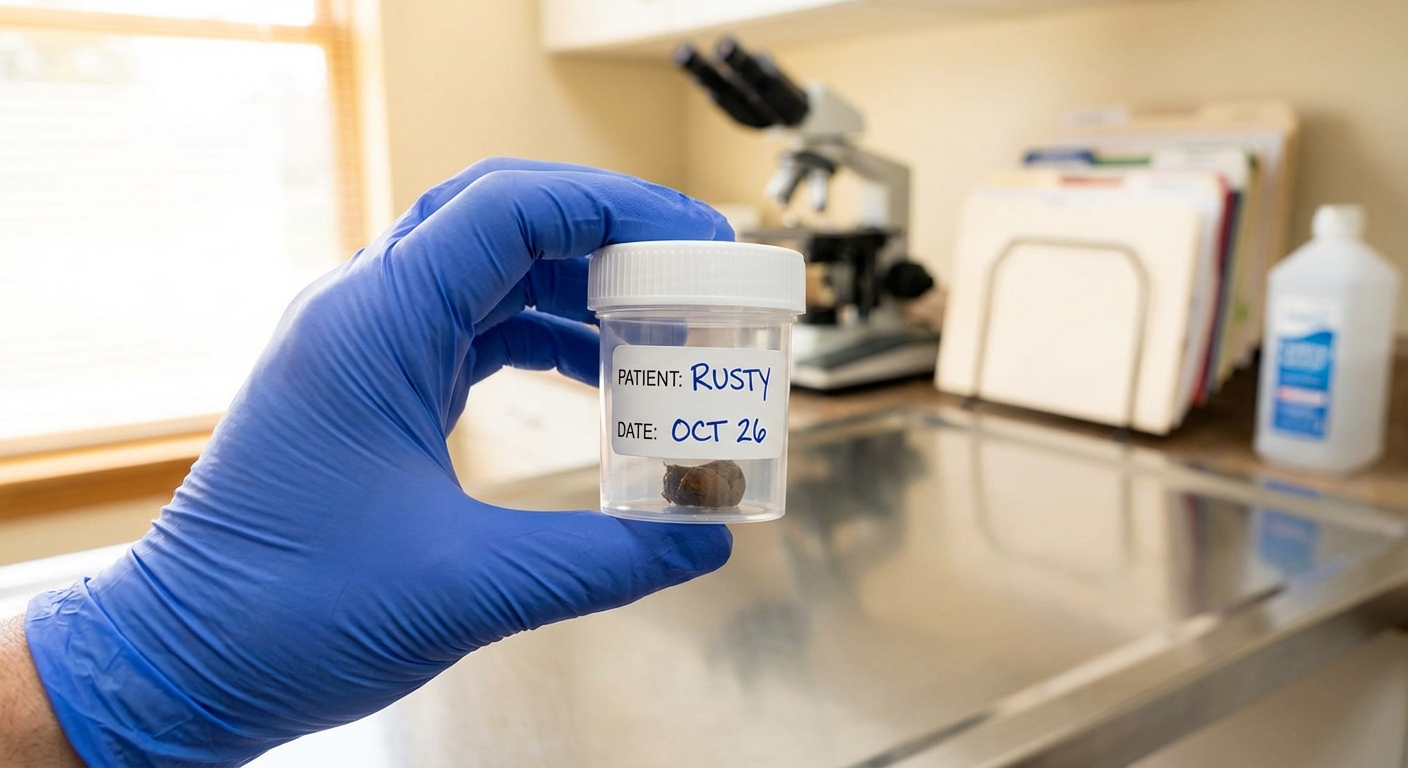
Bring a fresh stool sample to your clinic if you can. Ideally, collect a small amount from a fresh bowel movement, place it in a sealed bag or clean container, and refrigerate it if you cannot get to the clinic right away (most clinics prefer it within about 12 to 24 hours).
If diarrhea is frequent or recurring, the best “home remedy” is a proper diagnosis. Targeted treatment is almost always faster and gentler than guessing.
At-home monitoring checklist
When I am helping a pet parent decide next steps, these are the questions that matter most. Jot them down for your vet if you call.
- How many episodes in the last 12 hours?
- Any vomiting? How many times?
- Any blood or black stool?
- Is your dog drinking and urinating normally?
- Energy level: normal, slightly tired, or very lethargic?
- Any diet changes, new treats, bones, chews, table food, trash?
- Any new meds or supplements?
- Any recent boarding, daycare, dog park, travel, or swimming?
Quick takeaways
- For mild diarrhea in a healthy adult dog, start with hydration, small bland meals, and a canine probiotic.
- Puppies, seniors, and small dogs need faster vet guidance because dehydration can happen quickly.
- Skip fatty foods and avoid human diarrhea meds unless your veterinarian tells you to use them.
- If symptoms last longer than about 24 to 48 hours, keep returning, or include blood, weakness, black stool, pain, or vomiting, get seen.
Your dog’s gut can bounce back beautifully with the right support, and you do not have to figure it out alone. When in doubt, call your veterinarian and bring a stool sample. It can speed up answers and relief.