Vet-informed guide to a short-term bland diet for dogs: chicken and rice 1:2 ratio, daily cup ranges by weight, how many meals to split into, and red flags t...
Article
•
Designer Mixes
What to Give a Dog for Diarrhea

Shari Shidate
Designer Mixes contributor
Diarrhea is one of the most common reasons pet parents call a veterinary clinic. And I get it, it can be scary, messy, and confusing quickly. The good news is that many mild cases often improve within 24 to 48 hours with simple, evidence-based home care, but timing can vary depending on the cause. The key is knowing what to give, what to avoid, and when it is time to call your vet.
First, a quick safety check
Before you change food or give any remedies, assess your dog overall (energy, appetite, hydration). Diarrhea can be mild, or it can be a sign of something that needs treatment.
Call your veterinarian promptly if you notice any of these
- Blood in the stool (red streaks or black, tarry stool). Black, tarry stool can mean digested blood (melena).
- Repeated vomiting, retching, or the dog cannot keep water down
- Lethargy, weakness, collapse, or obvious pain
- Signs of dehydration (dry gums, sunken eyes, sticky saliva, delayed skin return or skin tent)
- Diarrhea in puppies (especially under 6 months), seniors, or dogs with chronic disease
- Diarrhea lasting more than 24 to 48 hours or happening frequently
- Possible toxin exposure (garbage, medications, xylitol, rodent bait, compost, etc.)
- Possible foreign body (toy pieces, socks, bones) or straining with little output
- No appetite that lasts more than a meal or two, or your dog seems “off” in any way
- Diarrhea after starting a new medication (including antibiotics, NSAIDs, or supplements)
If your dog is acting normal, drinking, and the diarrhea is mild, you can usually start supportive care at home.
What to give a dog for diarrhea
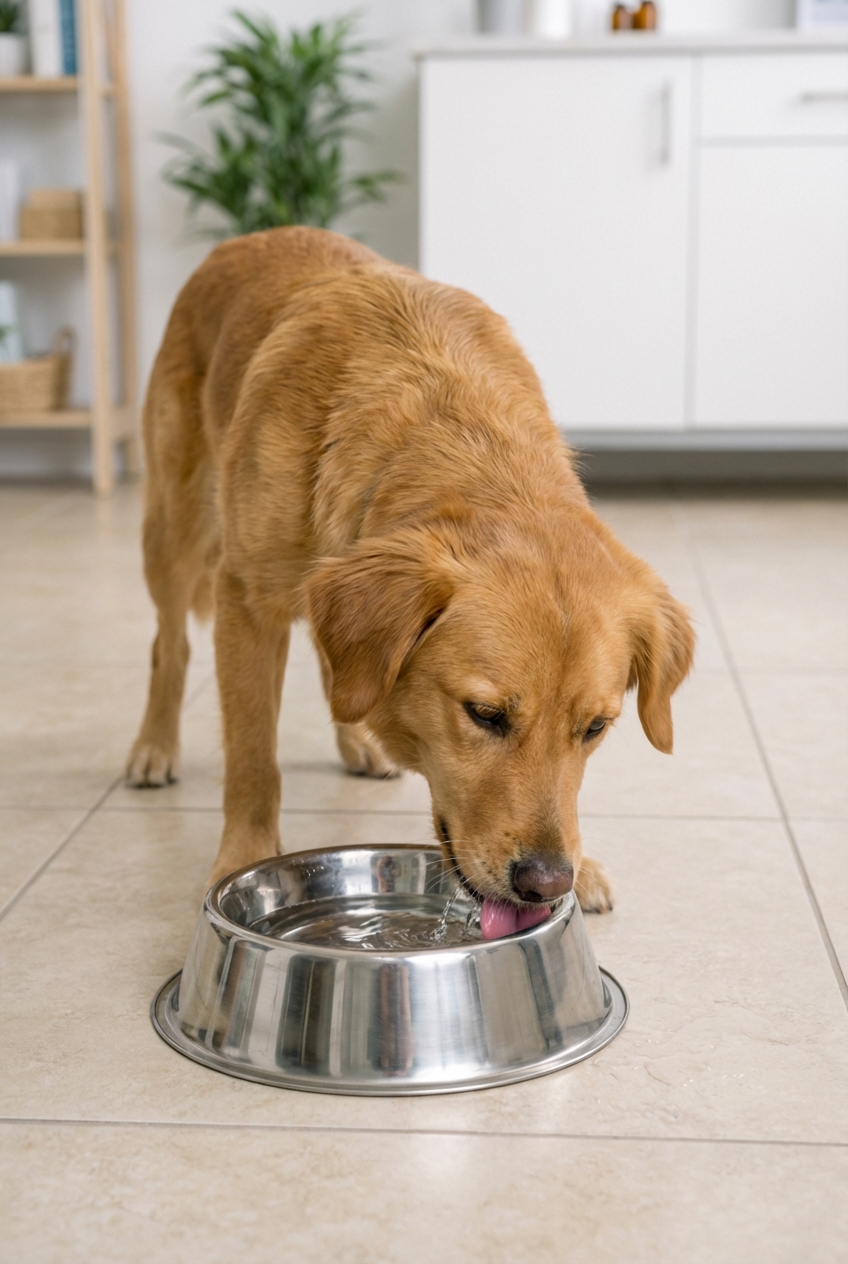
1) Water, plus smart hydration
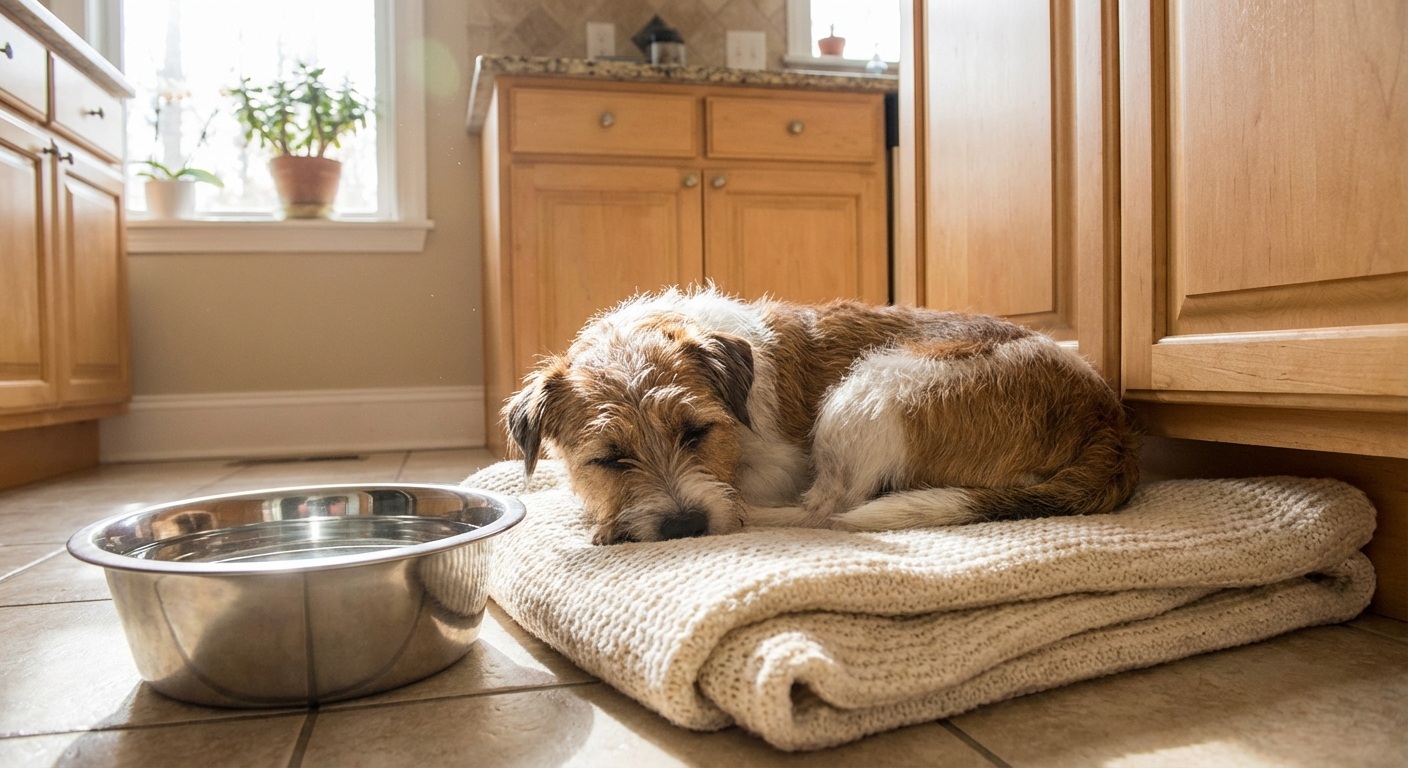
Diarrhea pulls water and electrolytes out of the body. Your first job is hydration.
- Offer fresh water often. Some dogs drink better from a freshly washed bowl.
- Give small, frequent drinks if your dog tends to gulp.
- Consider an unflavored pediatric electrolyte solution (like plain Pedialyte) only if your vet agrees, especially for small dogs. Some dogs should not get extra sodium or sugars. Also, double-check the ingredients for sweeteners and added flavors.
Avoid sports drinks and flavored electrolyte drinks. They often contain too much sugar and unnecessary ingredients. And if your dog seems moderately or severely dehydrated, home electrolyte solutions are not a substitute for veterinary fluids.
2) Food break (optional)
For some healthy adult dogs with mild diarrhea and no vomiting, some veterinarians recommend a brief pause from food (often 8 to 12 hours) to let the gut settle. Other veterinarians prefer skipping fasting and starting small bland meals right away. If you are unsure, call your clinic and ask what they recommend for your dog.
- Do not fast puppies, toy breeds prone to low blood sugar, pregnant dogs, or dogs with diabetes or other medical issues unless your veterinarian instructs it.
- If your dog is vomiting, cannot keep water down, or is acting unwell, call your vet before trying home care.
3) A bland diet
A bland diet is gentle, easy to digest, and gives inflamed intestines a chance to calm down.
Common bland diet options:
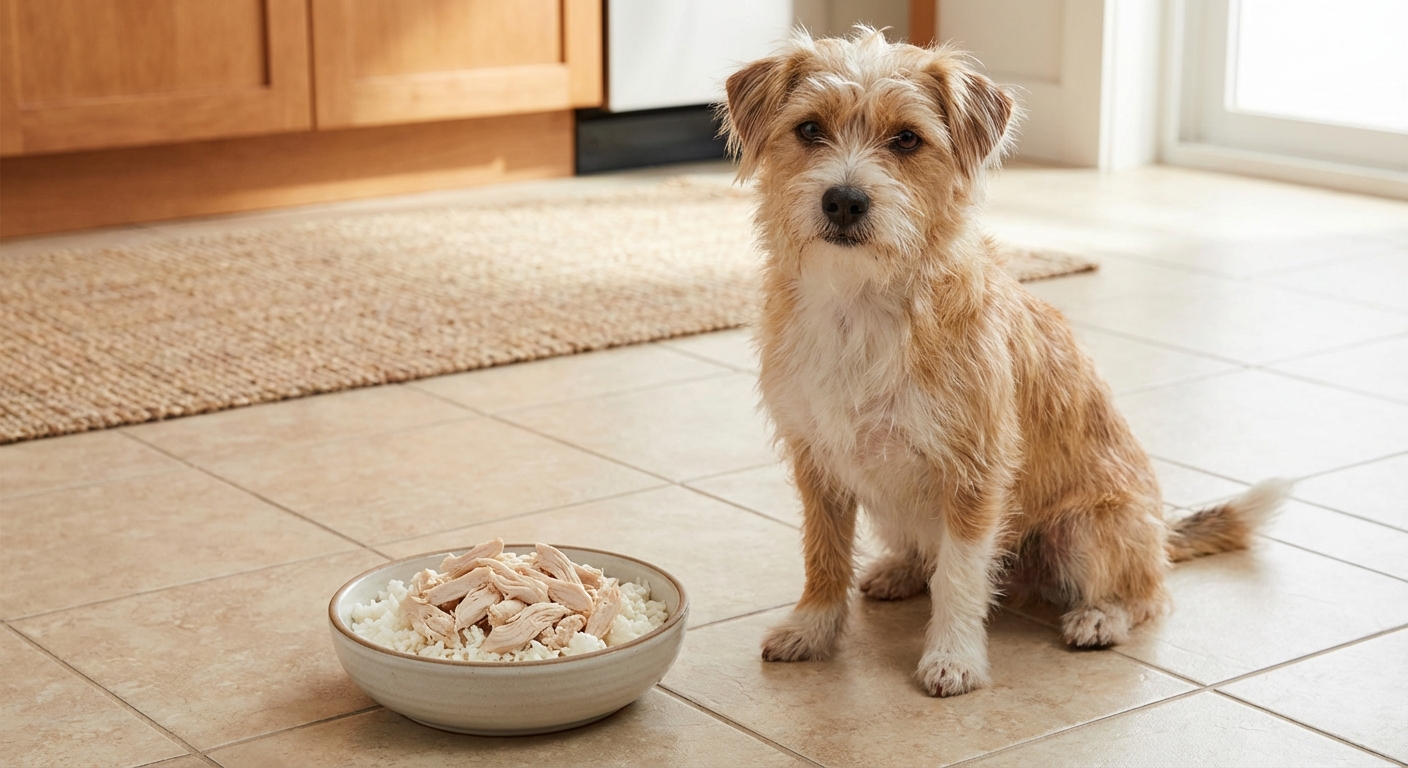
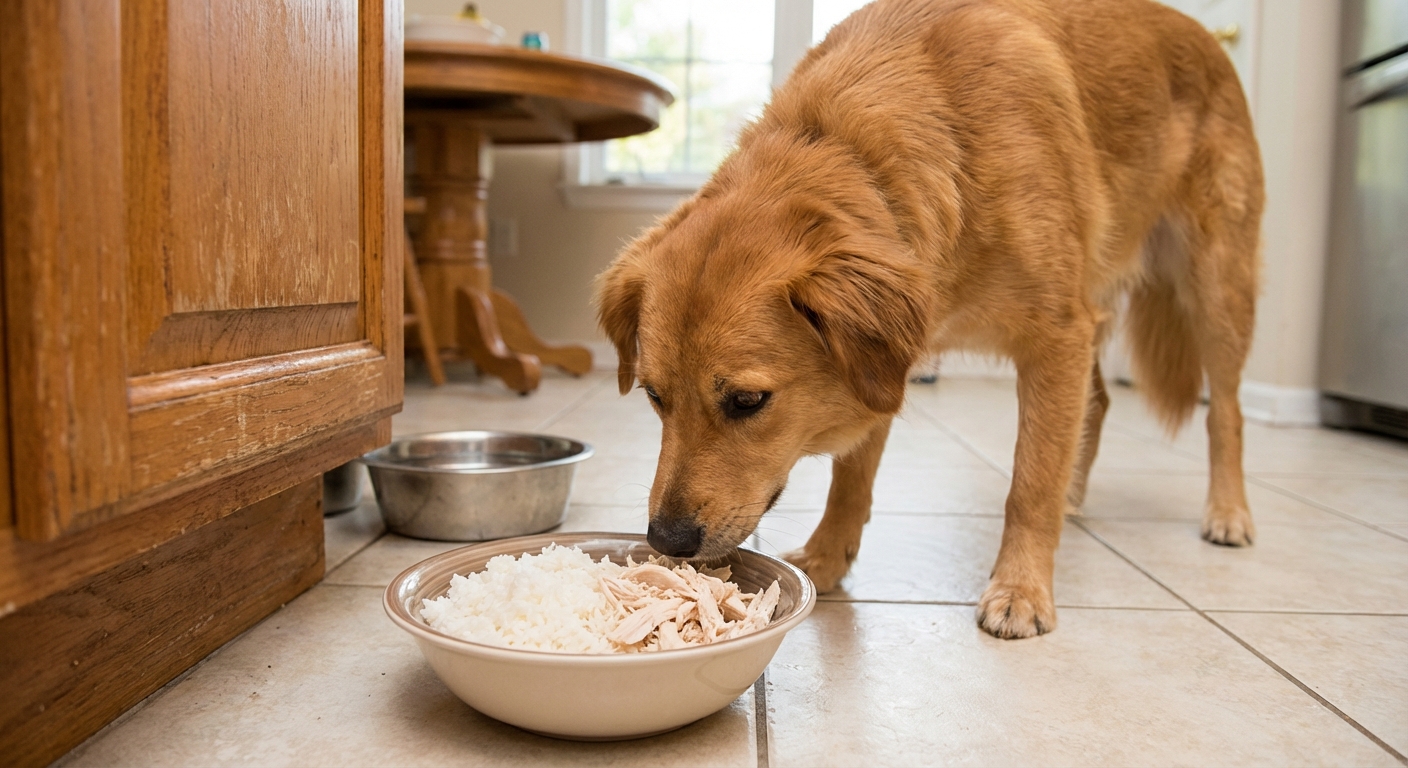
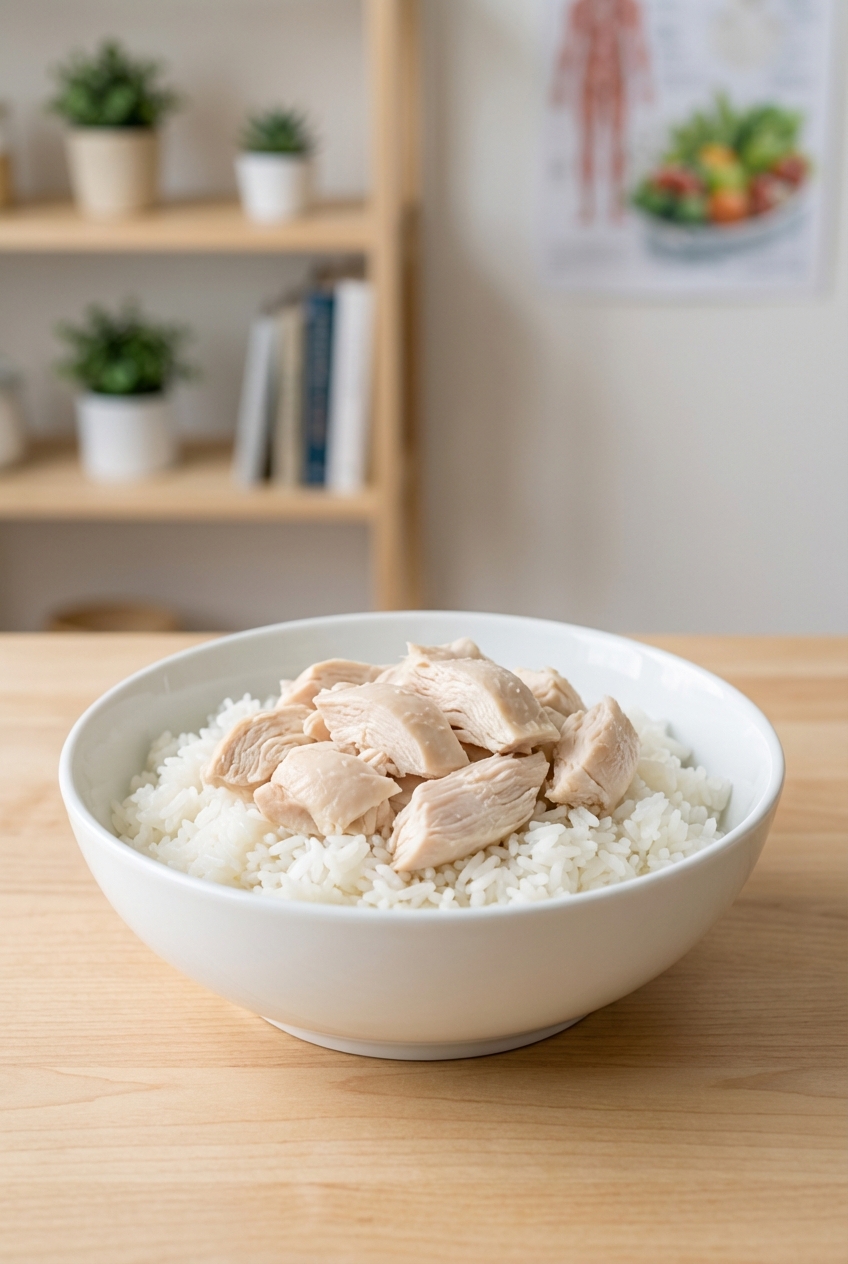
- Boiled skinless chicken breast (or very lean ground turkey) plus white rice
- Boiled lean hamburger (drained well) plus white rice
- Prescription gastrointestinal diets from your veterinarian (these can be wonderful for recurrent cases)
Basic ratio: about 1 part protein to 2 parts carb for a short period.
How to feed it: Offer small meals (4 to 6 per day). A sudden large meal can trigger more diarrhea.
How much to feed: If you need a simple starting point, many dogs do well with about 25 to 50% of their usual daily food amount for the first day, divided into those small meals, then gradually increase as stools improve. If your dog seems hungry and is keeping food down, you can increase slowly. If diarrhea worsens, scale back and call your vet.
How long: Usually 2 to 3 days, then gradually transition back to the normal diet over another 3 to 5 days.
4) Plain canned pumpkin
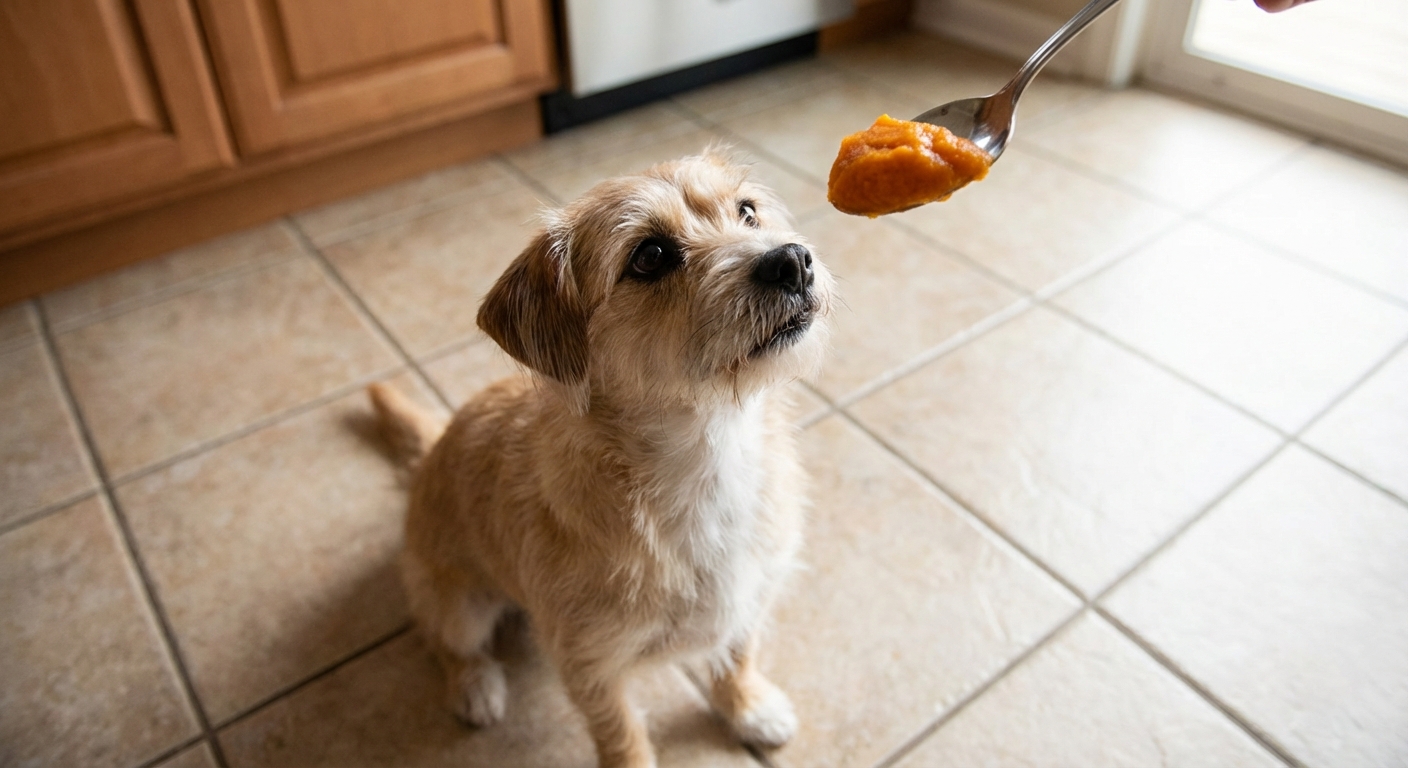
Plain canned pumpkin (100% pumpkin, not pie filling) is a gentle source of soluble fiber. Soluble fiber can help absorb extra water in the bowel and support more normal stool consistency. It does not help every dog, so think of it as an optional add-on.
Approximate total daily amount: Start at the lower end and split it across meals.
- Small dogs: 1 to 2 teaspoons per day
- Medium dogs: 1 to 2 tablespoons per day
- Large dogs: 2 to 4 tablespoons per day
How to use it: Mix a small portion into each bland meal (for example, if your large dog is eating 4 meals, you might split 2 tablespoons total into 1/2 tablespoon per meal). Start small. Too much fiber can backfire and cause gas or looser stool.
5) Probiotics made for dogs
There is some evidence that certain probiotics can shorten the course of acute diarrhea and support the gut microbiome, and results depend on the specific product and strain. The best choice is a veterinary probiotic with clear labeling, storage instructions, and strain information.
- Use the dose on the label, or your veterinarian’s recommended dose.
- Give it for at least 5 to 7 days, and longer if your vet suggests it.
If your dog is on antibiotics, ask your vet when to give the probiotic so it is most effective.
6) A small amount of psyllium (ask first)
Psyllium husk is another soluble fiber that can help some dogs with watery stool. Because dosing depends on size and medical history, it is smart to check with your veterinarian before using it.
What not to give a dog for diarrhea
Some well-meaning remedies can make diarrhea worse or be dangerous.
- Pepto-Bismol unless your veterinarian instructs it. It contains salicylates and can be risky for dogs on certain medications and dogs with bleeding disorders. It is also highly toxic to cats, so keep it out of reach in multi-pet homes.
- Imodium (loperamide) without veterinary guidance. It can be unsafe for certain breeds, including Collies and other herding breeds that may carry the MDR1 gene mutation. It can also be dangerous if there is an infection, suspected obstruction, or toxin involved.
- Milk, cream, fatty treats, greasy leftovers. Fat is a big diarrhea trigger.
- Bones, rawhide, pig ears and other hard-to-digest chews during recovery.
- Human OTC medications in general unless your veterinarian approves the exact product and dose.
Age tips
Puppies
Puppies can dehydrate quickly, and diarrhea can be caused by parasites (like giardia and coccidia), viruses, diet change, or stress. If a puppy has diarrhea, especially with vomiting or low energy, I recommend calling your veterinarian sooner rather than later. Bring a fresh stool sample if you can.
Healthy adult dogs
Most mild cases are caused by diet indiscretion (trash, table scraps), stress, or a sudden food change. Bland diet, hydration, and probiotics are often enough, but keep a close eye on energy level and hydration.
Seniors
Older dogs are more likely to have underlying issues (kidney disease, endocrine disease, pancreatitis, intestinal disease). If a senior dog has diarrhea, I lean toward a quicker veterinary check, especially if appetite is off, energy changes, or weight is changing.
A simple 48-hour home plan
If your dog is bright, alert, and only has mild diarrhea, here is a gentle plan many vets consider reasonable.
Hours 0 to 12
- Offer water frequently.
- Skip treats and table food.
- If your dog is a healthy adult, has no vomiting, and your vet agrees, consider an optional short food break. Otherwise, you can start small bland meals right away.
Hours 12 to 48
- Start small bland meals (chicken and rice).
- Add a veterinary probiotic.
- Consider a small amount of plain pumpkin mixed in (split the total daily amount across meals).
Then transition back slowly
Once stool is improving, mix the normal food back in gradually over 3 to 5 days. A sudden switch back can restart the problem.
Common causes
Diet change or new treats
Go back to simple food, then reintroduce changes slowly. Most dogs do best with gradual transitions over 7 to 10 days.
Stress diarrhea
Stress can affect gut motility. Keep routines calm, offer quiet rest, and use a bland diet for a day or two.
Parasites, infections, pancreatitis, foreign body
These are not do-it-yourself situations. If diarrhea is severe, frequent, bloody, or paired with vomiting and pain, your vet will likely recommend a fecal test, possible deworming, and supportive medications.
How to know if your dog is improving
- Stool becomes less frequent and more formed
- No straining or urgency
- Normal energy and interest in food
- Normal hydration and urination
If you see improvement, keep things simple for a few days. The gut likes consistency.
When to go to urgent care
Please do not wait if:
- Your dog is lethargic, painful, bloated, or weak
- There is repeated vomiting, especially with diarrhea
- There is significant blood, black stool, or diarrhea like water every hour (even large dogs can dehydrate fast)
- Your dog may have eaten a toxin, bones, or a foreign object
- Your dog is a puppy, very small, or medically fragile
Your instincts matter. If you feel like something is off, call your veterinarian or an emergency clinic. It is always okay to ask.