Vet-informed guide to a short-term bland diet for dogs: chicken and rice 1:2 ratio, daily cup ranges by weight, how many meals to split into, and red flags t...
Article
•
Designer Mixes
What to Give a Dog for Diarrhea

Shari Shidate
Designer Mixes contributor
Diarrhea in dogs is common, and it can be anything from a simple diet mistake to a sign of infection, parasites, pancreatitis, or something more serious. The goal is to keep your dog safe, prevent dehydration, and gently calm the gut while you watch for red flags that need a veterinarian right away.
As a veterinary assistant in Frisco, Texas, I always tell families the same thing: treat diarrhea like a symptom, not a diagnosis. Most of what I see day to day is diet related (trash raiding, table scraps, a new treat), but I also never want an owner to miss something urgent. You can support your dog at home in mild cases, but you also want a clear plan for when to call your vet.
Step 1: Check for an emergency
Before you change food or add supplements, do a quick safety check. If any of the items below apply, contact your veterinarian or an emergency clinic now.
Go urgently if you see:
- Blood in the stool (red streaks or black, tarry stool)
- Repeated vomiting, or your dog cannot keep water down
- Signs of dehydration (tacky or sticky gums, sunken eyes, weakness). Panting can happen with dehydration, but it is not specific and can also be pain, stress, or heat.
- Severe lethargy, collapse, or obvious abdominal pain
- Bloated belly or unproductive retching (possible bloat in deep-chested breeds)
- Diarrhea in a puppy, senior dog, or immunocompromised dog
- Known toxin exposure (human medications, xylitol, rodent poison, grapes or raisins, compost, etc.)
- Suspected foreign body (toy pieces, socks, bones) or your dog is straining with little output
- Diarrhea that lasts more than 24 to 48 hours or is frequent and watery, even if your dog seems okay
If none of these apply and your dog is bright, alert, drinking, and only has mild diarrhea, you can try the steps below.
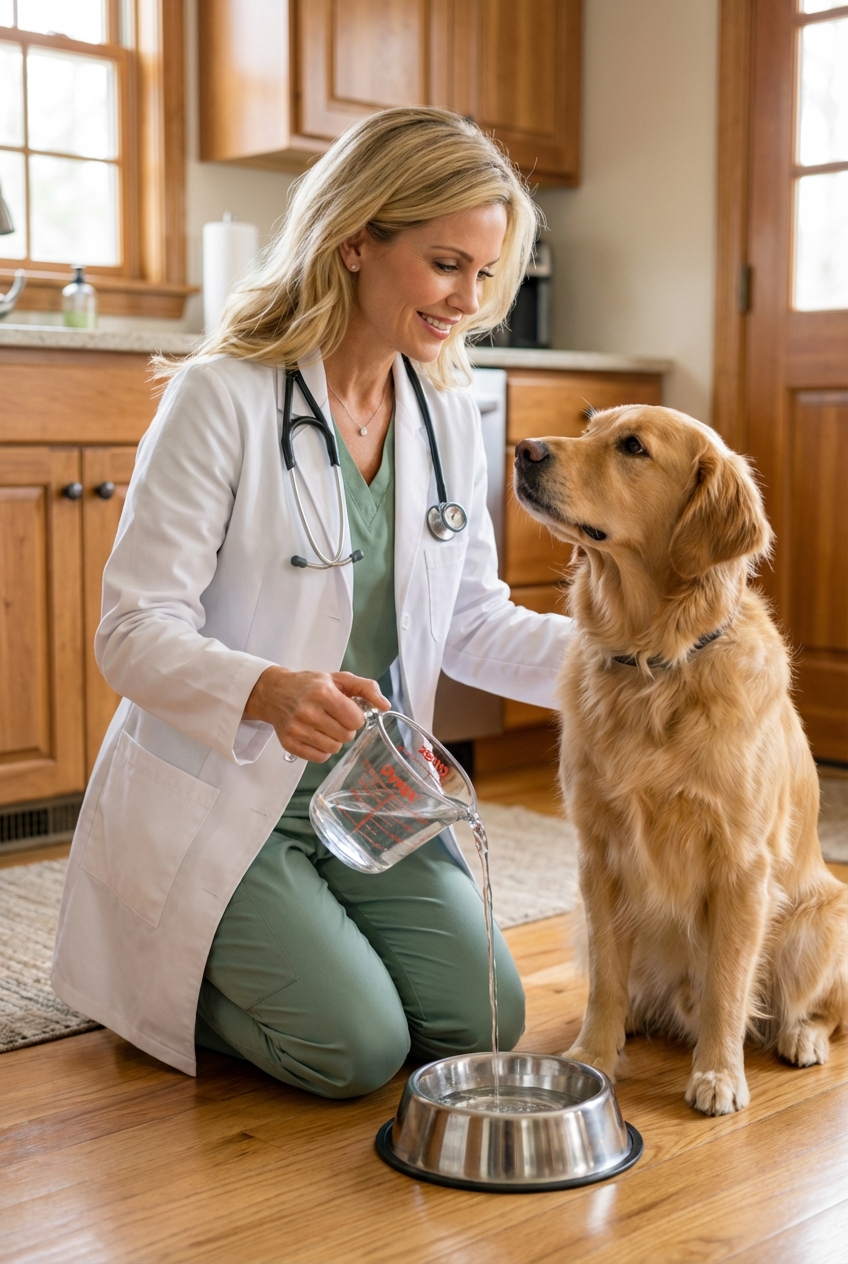
Step 2: Focus on hydration
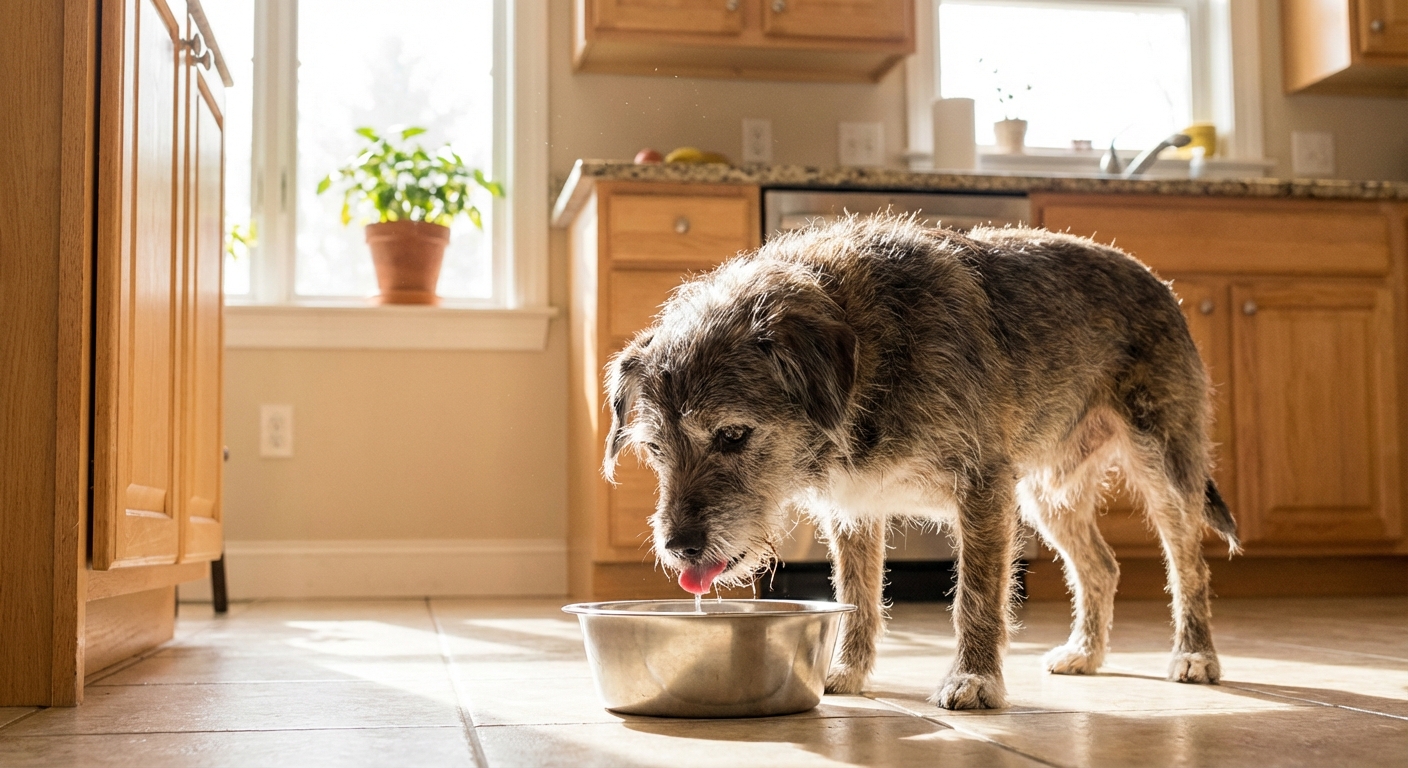
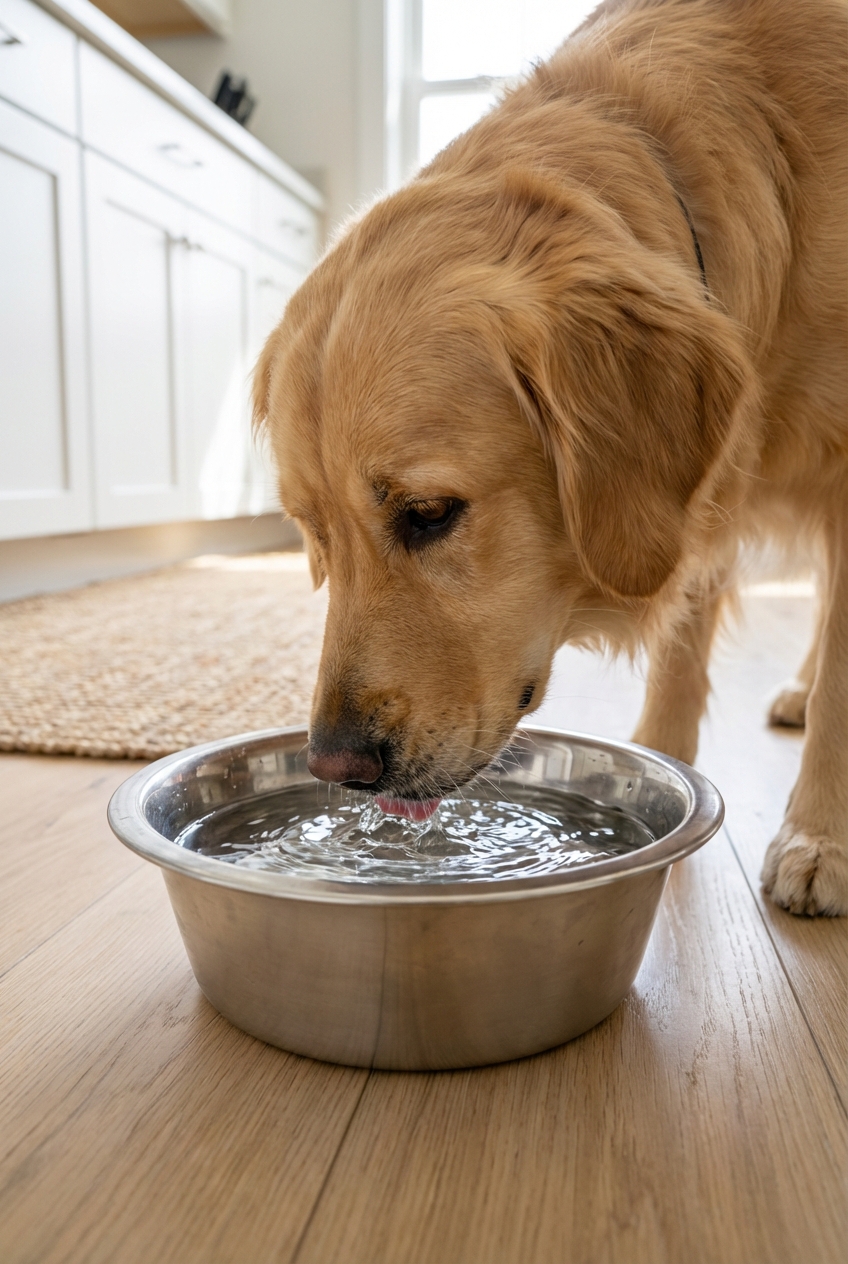
With diarrhea, the biggest immediate risk is fluid loss. Your dog needs easy access to clean water.
What to do
- Offer fresh water at all times and refresh it often.
- If your dog is hesitant, offer small amounts frequently. A simple starting point is a few tablespoons every 10 to 15 minutes for the first hour, then increase as tolerated.
- You can flavor water with a small splash of low-sodium chicken broth if it encourages drinking.
When home hydration is not enough
If your dog is vomiting, refusing water, acting weak, or showing worsening dehydration signs, dehydration can escalate quickly. That is a vet visit.
Step 3: Stop rich extras
Many diarrhea episodes start with something simple: a new treat, fatty table scraps, a sudden diet change, or trash raiding. For the next few days, remove anything that is not part of the recovery plan.
- No fatty meats, bacon, or greasy leftovers
- No new treats or chews
- No dairy unless your vet has specifically recommended it
- No bones or high-fat dental chews
Step 4: Fasting is optional
In some adult dogs with mild diarrhea and no vomiting, some veterinarians may recommend a short break from food (often 8 to 12 hours). Other vets prefer starting small bland meals right away. If you are unsure, or if your dog has any health conditions, it is best to ask your veterinarian first or skip fasting and go straight to small bland meals.
Do not fast:
- Puppies (they can crash blood sugar quickly)
- Toy breeds prone to low blood sugar
- Dogs with diabetes or other medical conditions
- Any dog that is vomiting, weak, or painful
Step 5: Feed a bland diet
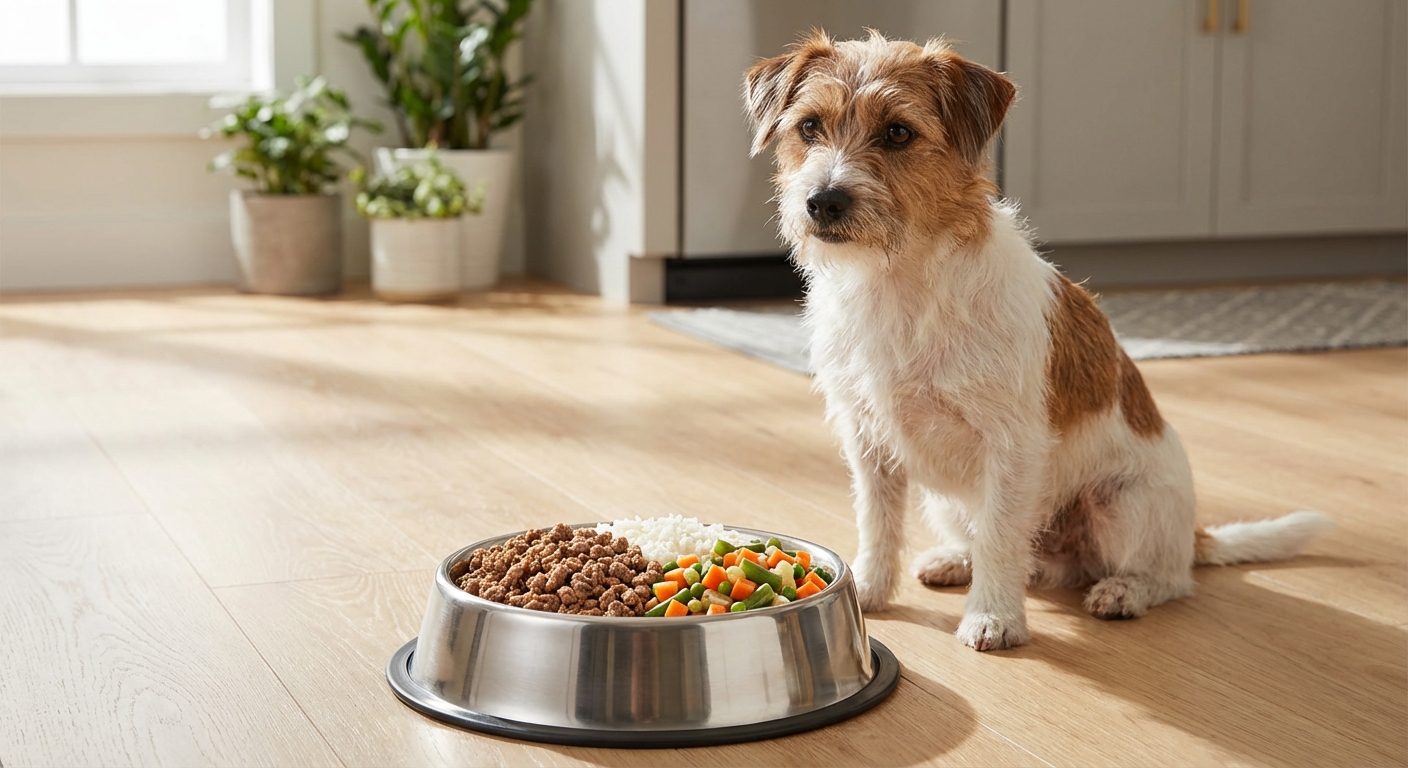
A bland diet gives the intestines a break. Think simple, low-fat, and easy to digest.
Bland options (pick one)
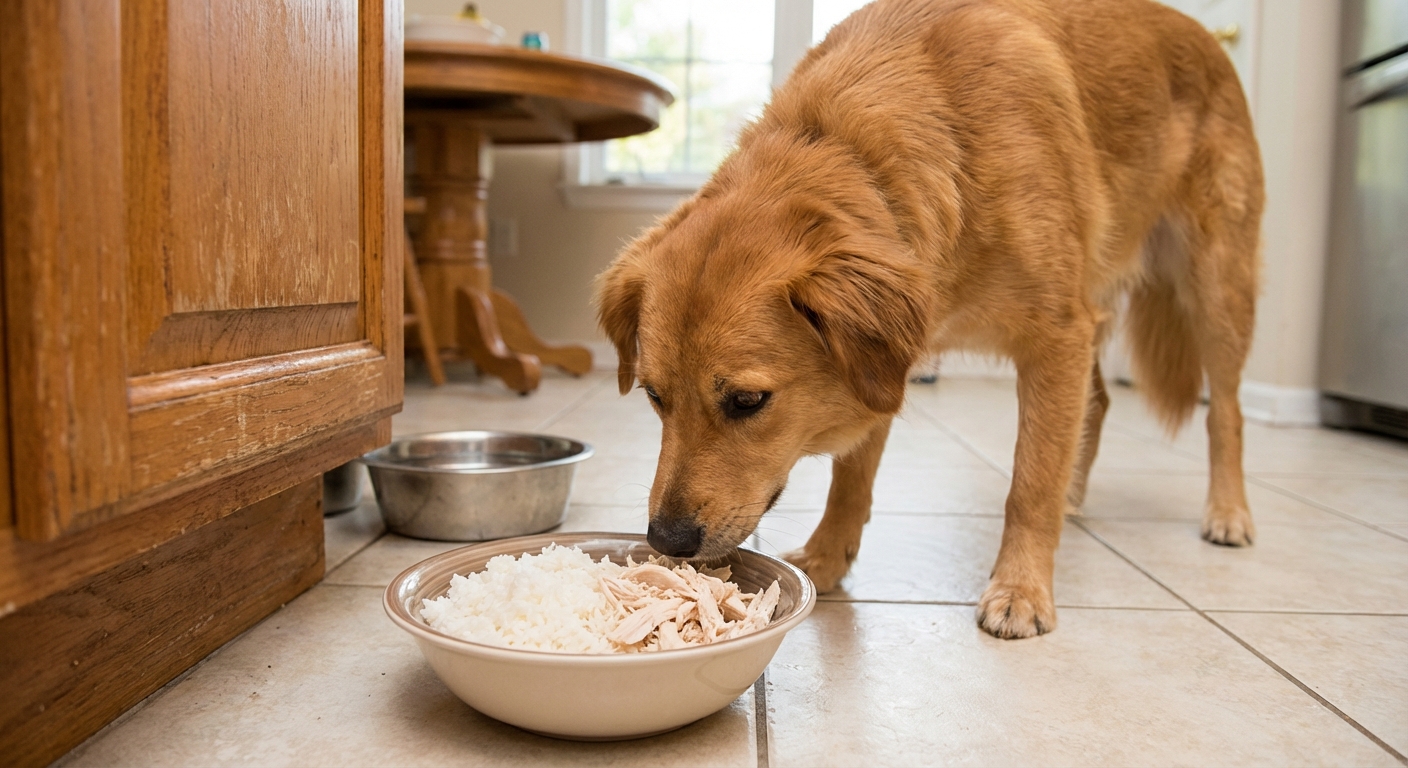
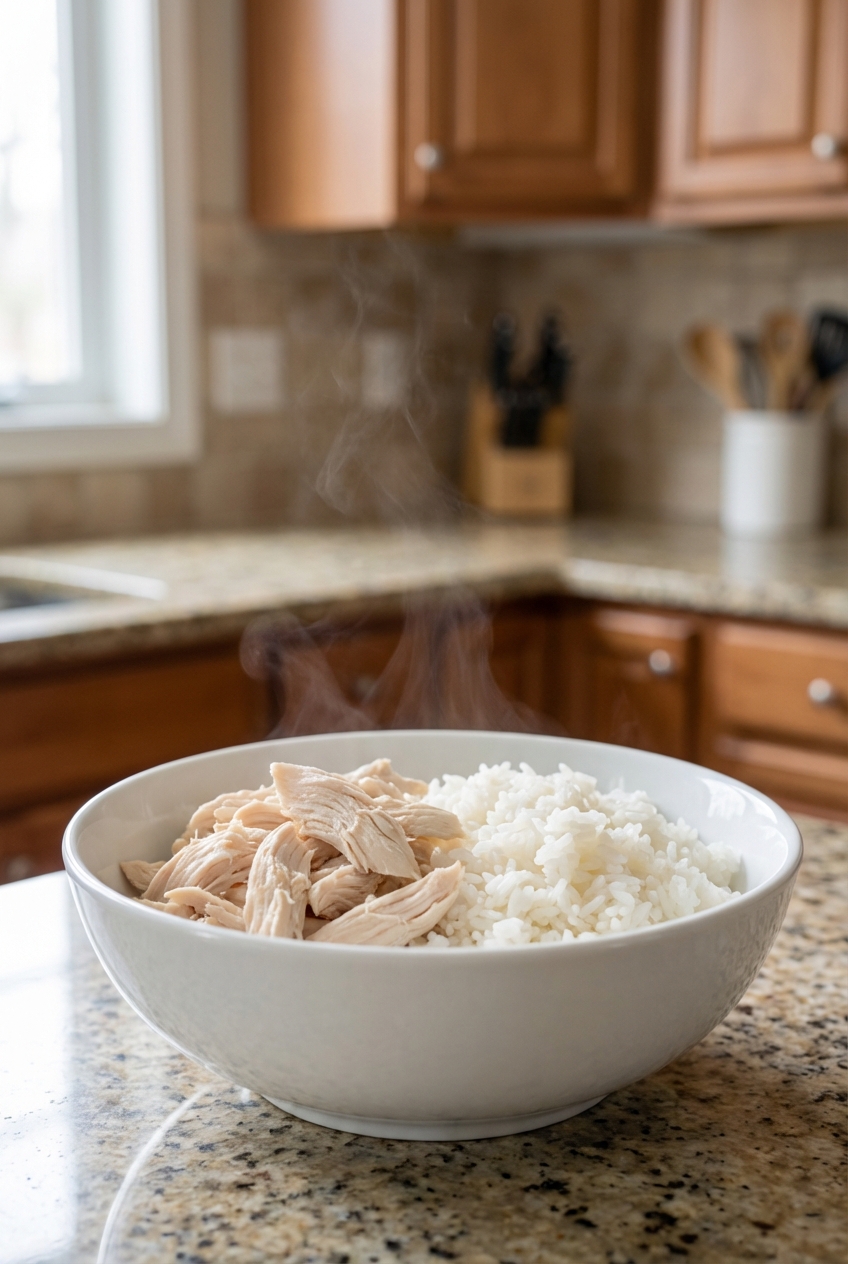
- Boiled chicken breast (no skin, no seasoning) + white rice
- Boiled lean ground turkey (drained well) + white rice
- Veterinary gastrointestinal prescription diet (if you already have it from your vet). If your dog is on a prescription diet for an ongoing condition, do not change it without your vet’s guidance.
How much and how often
Offer 3 to 4 small meals per day. Start with about one-quarter to one-half of your dog’s normal meal size total for the day, divided into those small meals. If stool improves over 24 hours, gradually increase toward normal portions.
How long
Most mild cases improve in 24 to 48 hours. Continue the bland diet for 2 to 3 days after stools normalize, then transition back to the regular diet slowly.
Step 6: Add a probiotic
Some veterinary probiotics are supported by evidence for acute diarrhea in dogs, especially alongside a bland diet. This tends to be strain and product specific, so choose carefully.
What to look for
- A dog-specific probiotic from a reputable brand
- Clear labeling of strains and CFUs
- Proper storage (some need refrigeration)
- Ideally, strains that have been studied in dogs (for example, some products use Enterococcus faecium SF68)
Use the product’s dosing instructions or your veterinarian’s guidance. If your dog gets very gassy or stools worsen, stop and call your vet.
Step 7: Use pumpkin correctly
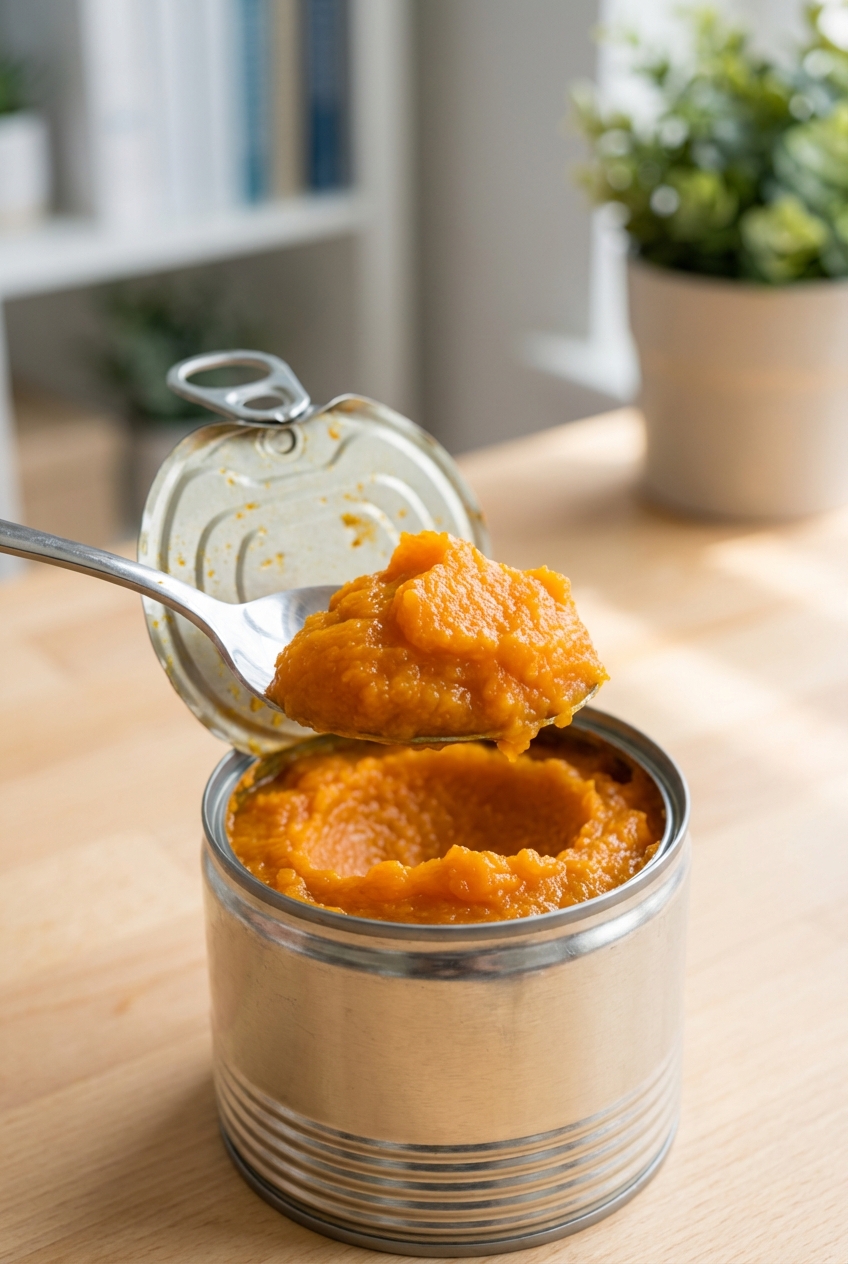
Plain pumpkin can help firm stool because it adds gentle soluble fiber. A little goes a long way, and too much can cause gas or looser stools in some dogs.
Pumpkin checklist
- Use plain canned pumpkin only
- Do not use pumpkin pie filling (it contains sugar and spices)
- Start small and adjust slowly
Starting amounts
- Very small dogs: 1/2 to 1 teaspoon
- Small dogs: 1 teaspoon
- Medium dogs: 1 tablespoon
- Large dogs: 1 to 2 tablespoons
Mix it into the bland meal once or twice daily. If diarrhea is watery and frequent, pumpkin alone may not be enough, so keep monitoring closely.
Step 8: Avoid risky quick fixes
I know it is tempting to grab something from the medicine cabinet, but a few well-meaning choices can cause harm.
Be cautious with:
- Human anti-diarrheal meds (like loperamide) unless your vet tells you to use them. It can be risky in herding breeds with the MDR1 (ABCB1) mutation (Collies, Aussies, Shelties, and related breeds), and it may be a poor choice if infectious diarrhea is suspected.
- High-fat foods “to tempt appetite,” which can worsen diarrhea or trigger pancreatitis.
- Sudden diet swaps between multiple foods. Frequent changes can prolong the problem.
- Raw diets during active diarrhea, as they can increase bacterial exposure and irritate an already inflamed gut.
- Over-the-counter pet stomach products (kaolin or pectin, bismuth, antidiarrheals) without checking with your vet first. Some are appropriate in certain cases, but dosing and safety depend on your dog and the cause.
Step 9: Track stool details
Keep a simple log for 24 to 48 hours:
- How many episodes per day
- Watery vs. pudding-like vs. formed
- Mucus present or not
- Any blood (red) or black or tarry stool
- Vomiting, appetite, energy, and water intake
- Any diet changes, new treats, trash access, daycare, travel, or stress
Helpful clue: Large-bowel diarrhea often looks like frequent small amounts with mucus and straining. Small-bowel diarrhea is more likely to be larger volume and may be linked with weight loss over time. Either can be serious, but describing it clearly helps your veterinarian.
If you end up calling your veterinarian, this information speeds up decision-making and often saves you time and money.
Step 10: Transition slowly
Once stools are normal for 48 hours, transition gradually over 3 to 5 days:
- Day 1: 75% bland, 25% regular
- Day 2: 50% bland, 50% regular
- Day 3: 25% bland, 75% regular
- Day 4 to 5: 100% regular
If diarrhea returns during the transition, step back to the last ratio that worked and call your vet if it does not improve quickly.
When to call the vet
- Diarrhea persists beyond 24 to 48 hours, or sooner if it is frequent, watery, or worsening
- Diarrhea keeps coming back every couple of weeks
- Weight loss, increased thirst, or appetite changes
- New accidents in the house with urgency
- You recently adopted your dog, your dog goes to daycare often, or you do not know parasite history
Your veterinarian may recommend a fecal test for parasites (including Giardia), which is especially important for puppies and newly adopted dogs. They may also recommend a diet trial or supportive medications tailored to your dog’s health history.
If your gut is telling you something is off, trust that instinct. Mild diarrhea can often be managed at home, but early veterinary care is always the safest choice when signs are worsening or not improving.