Vet-informed guide to a short-term bland diet for dogs: chicken and rice 1:2 ratio, daily cup ranges by weight, how many meals to split into, and red flags t...
Article
•
Designer Mixes
What To Give a Dog for an Upset Stomach

Shari Shidate
Designer Mixes contributor
When your dog has an upset stomach, it can feel stressful fast. I see this a lot as a veterinary assistant here in Frisco, Texas: a perfectly happy pup is suddenly licking their lips, eating grass, refusing breakfast, or having soft stool. The good news is that many mild stomach upsets can be supported at home with a few gentle, practical steps.
That said, there are times when an upset stomach is not “just a tummy ache.” In this guide, I will walk you through what to give a dog for an upset stomach, what to avoid, and when it is time to contact your veterinarian.
First, decide: mild or urgent?
Before you change food, do a quick check-in. Home care is most appropriate when your dog is still fairly bright, alert, and hydrated, and symptoms are mild.
Helpful definitions: “Soft stool” is formed but mushy. “Watery diarrhea” is liquid, frequent, and harder to control. Watery diarrhea dehydrates dogs faster.
Contact your veterinarian promptly if you notice:
- Repeated vomiting, especially more than 2 to 3 times in a day
- Vomiting with blood, or stool that is black and tar-like
- Bloated belly, unproductive retching, or obvious abdominal pain (this can be bloat or GDV, which is an emergency)
- Profuse watery diarrhea, or diarrhea lasting more than 24 to 48 hours
- Lethargy, collapse, pale gums, or trouble breathing
- Signs of dehydration: tacky or dry gums, sunken eyes, weakness, reduced urination, or skin that tents and stays up
- Puppies, seniors, or dogs with chronic illness (kidney disease, diabetes, Addison’s, etc.)
- Possible toxin or foreign object exposure (trash, toys, socks, bones, xylitol, grapes)
If your dog might have eaten something dangerous, do not wait. Timing matters.
What to give for an upset stomach
For uncomplicated tummy troubles, the goal is simple: support hydration and reduce digestive workload with easy-to-digest food. You may have heard the phrase “rest the GI tract.” In home care, I usually mean gentle, bland, small meals rather than a full fast. Some veterinarians do recommend a short food break for certain adult dogs after vomiting, but it is not appropriate for every dog, and it is not a DIY step I suggest for puppies, tiny dogs, or dogs with medical conditions.
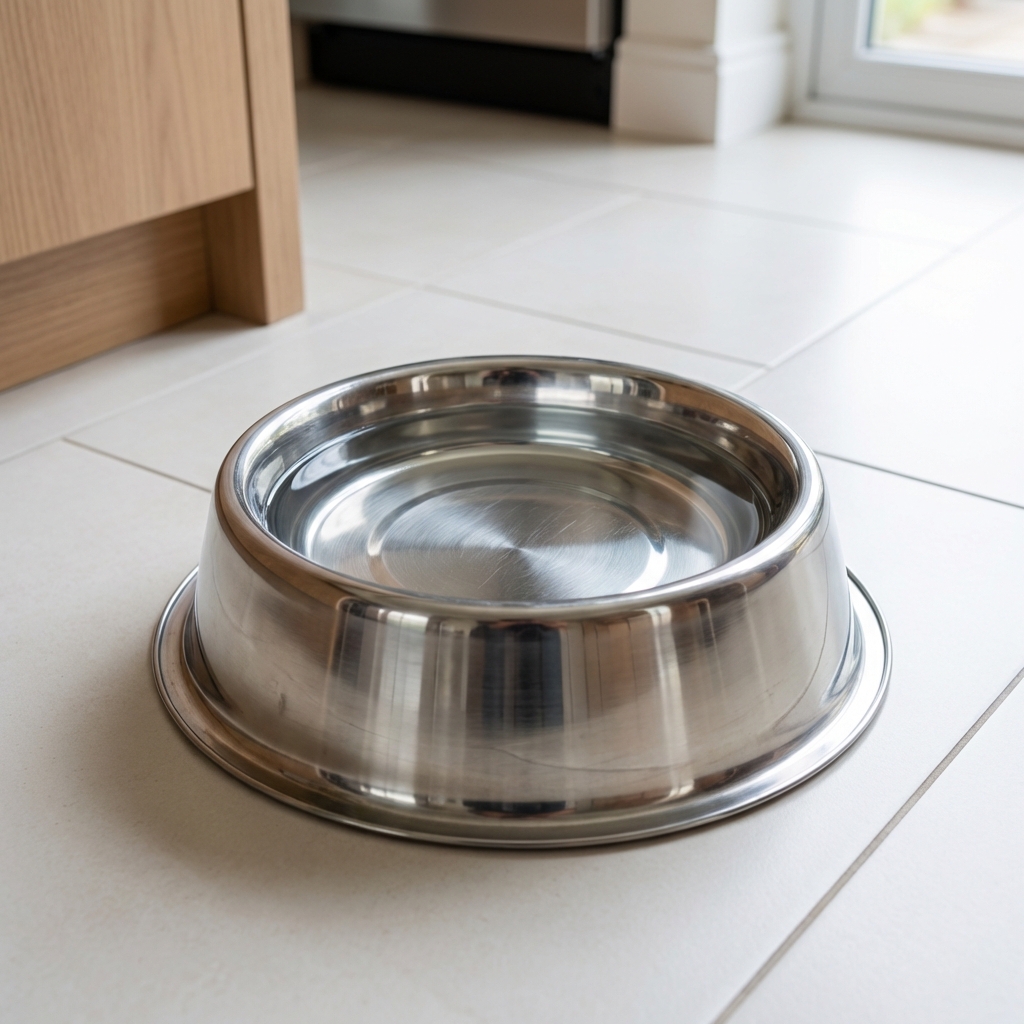
1) Water first
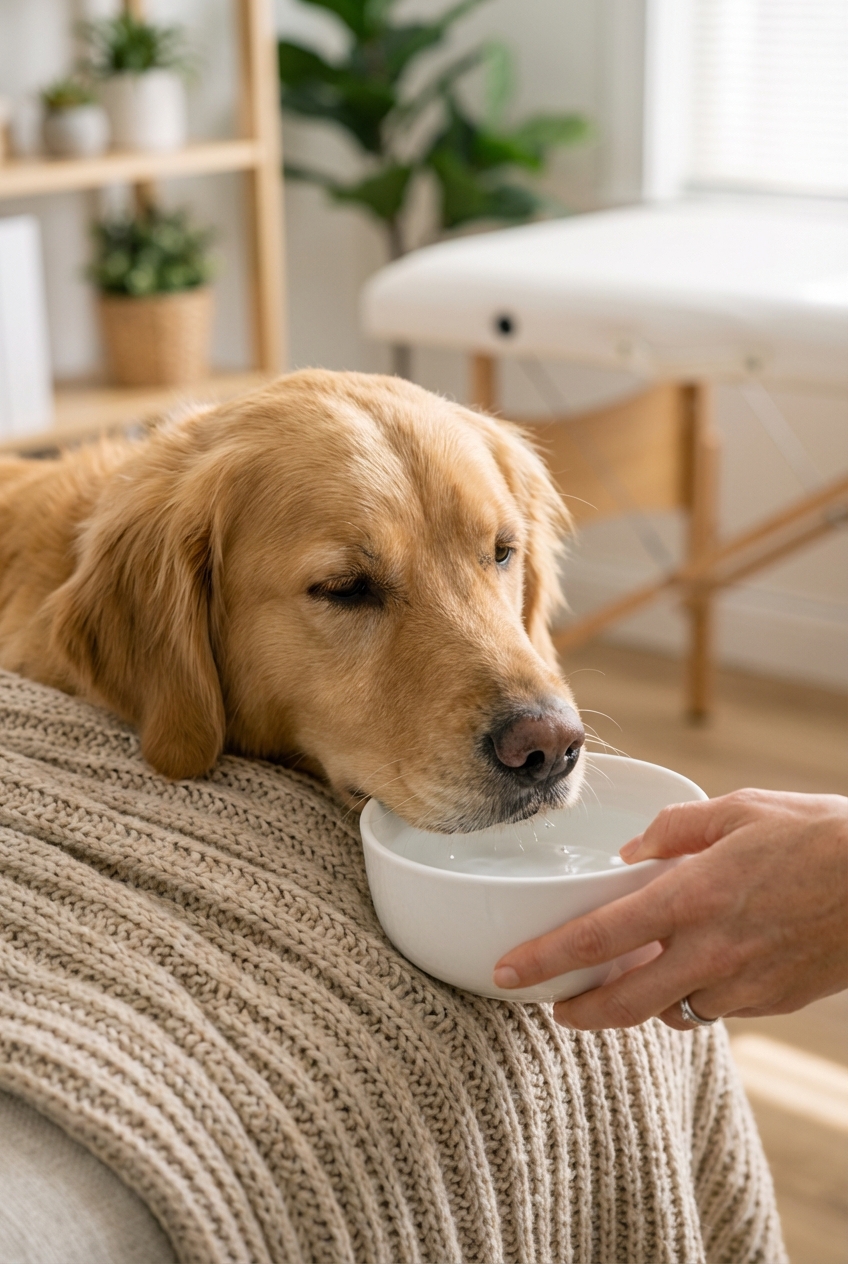
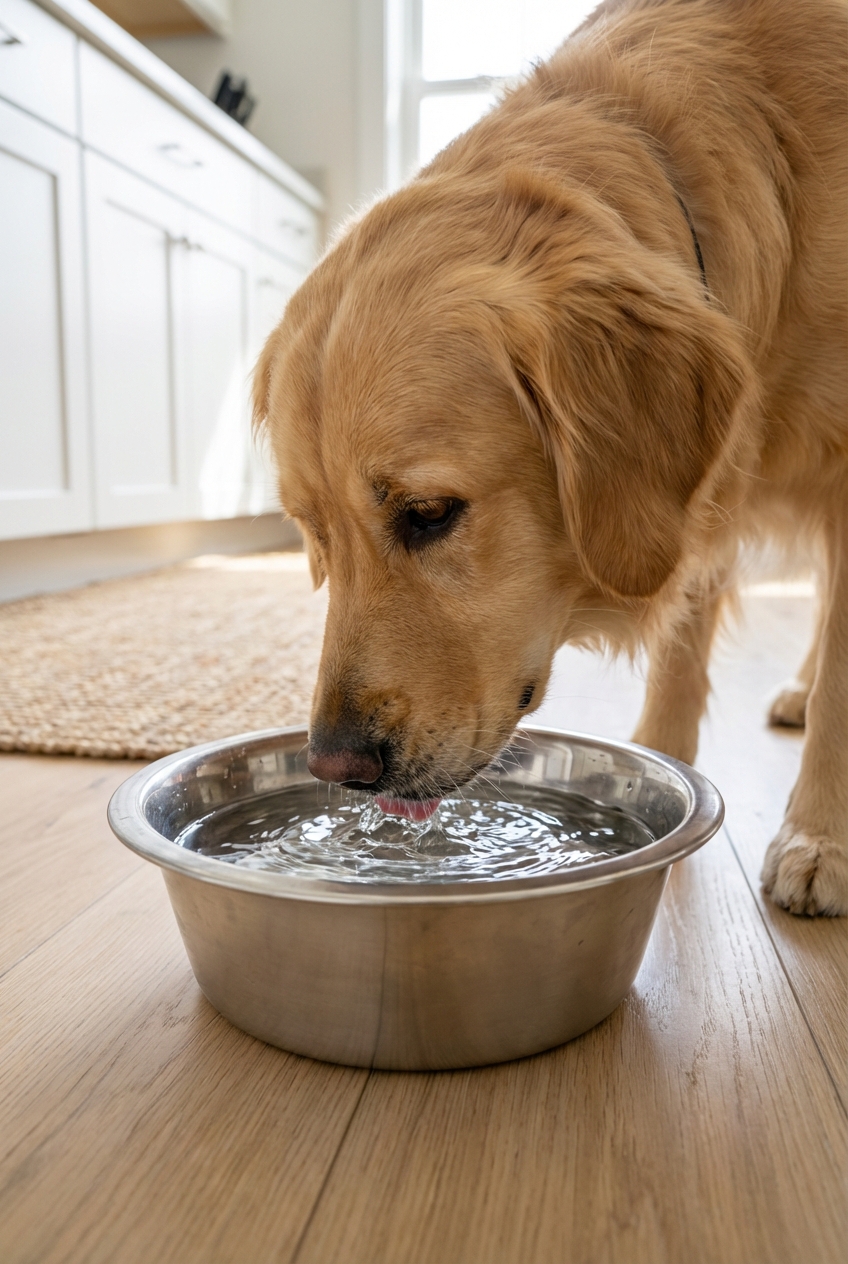
Hydration is priority number one. Offer fresh water and encourage small sips. If your dog gulps and vomits, remove the bowl for 20 to 30 minutes, then offer a small amount again.
- Ice chips can be easier than a full bowl for some dogs.
- Pet-safe electrolyte solutions can be helpful for diarrhea. Avoid sports drinks due to sugar and additives.
- Unseasoned broth can tempt picky drinkers, but it must be onion-free and garlic-free, low sodium, and not fatty.
2) Bland food for a few days
Many veterinarians recommend a bland diet for 2 to 3 days for mild GI upset. In some cases, a veterinary prescription GI diet is an even better option, especially if your dog has a sensitive stomach or symptoms keep recurring.
Two go-to bland options are:
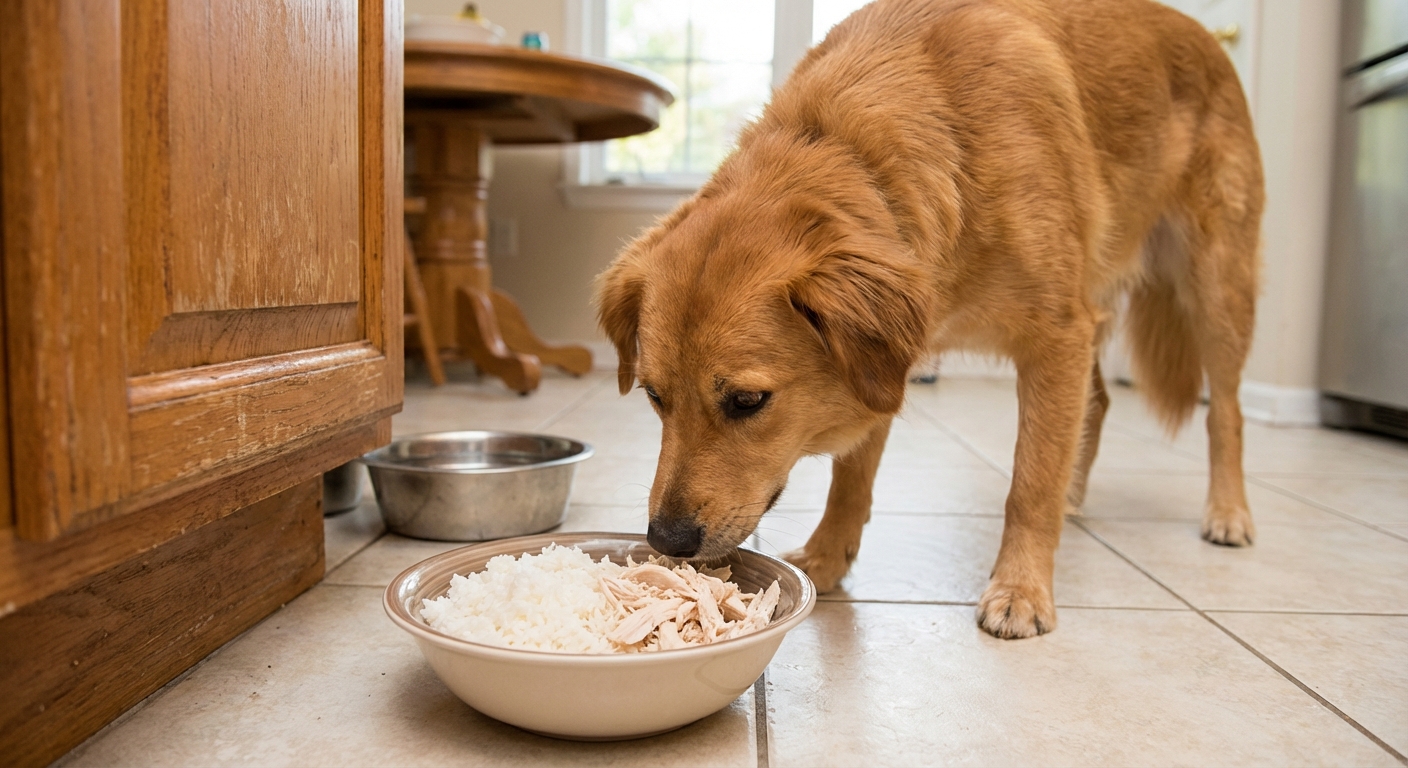
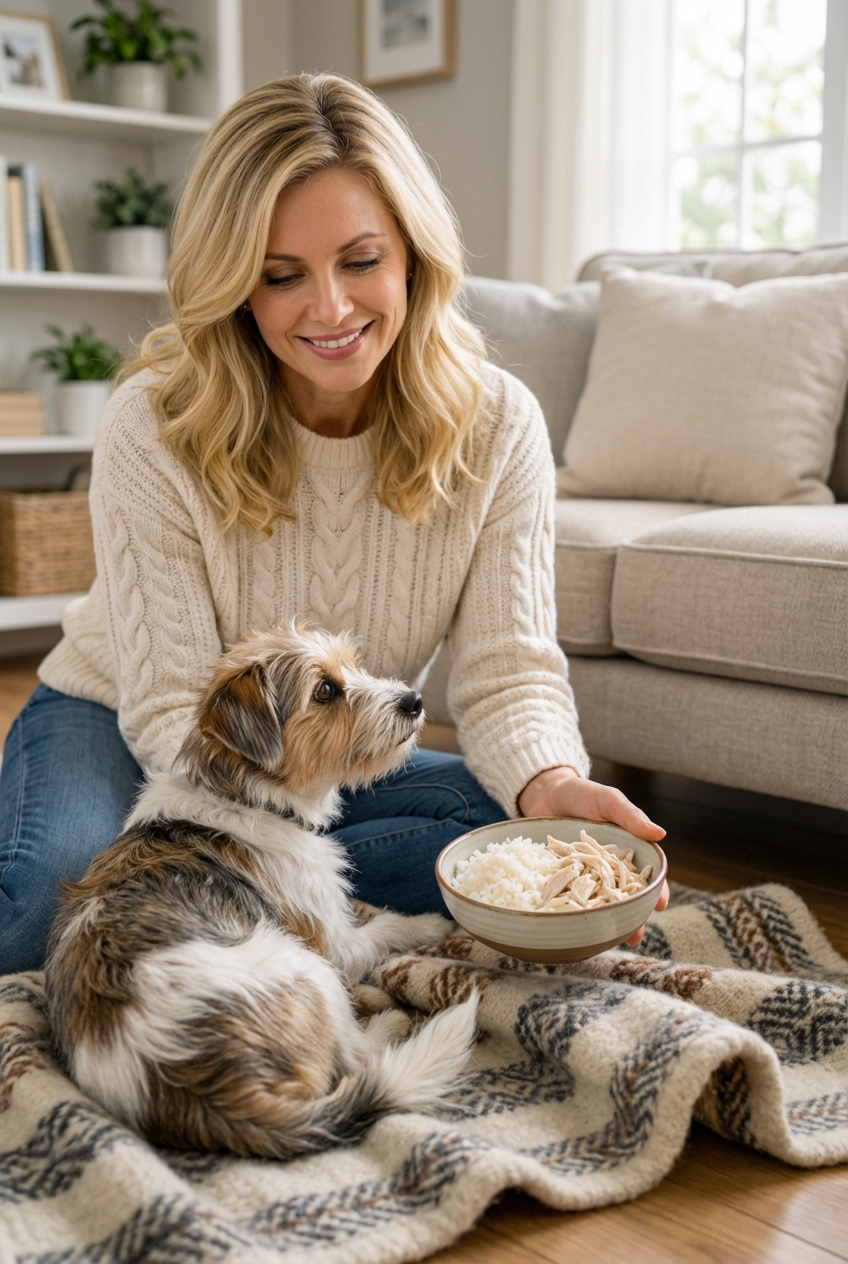
- Boiled, skinless chicken breast (or turkey), shredded, with plain white rice cooked soft
- Lean cooked ground turkey with plain pasta
Keep portions small and frequent. Think 3 to 6 small meals a day instead of one or two big meals. Big meals can trigger more nausea.
Typical bland ratio: about 1 part protein to 2 parts carb for a day or two, then gradually shift back to your dog’s normal balanced food.
How much to feed: if you are unsure, start with smaller-than-normal portions (often around 25 to 50 percent of their usual amount for the first day), then increase as appetite and stool improve. If your dog has other health issues or you have a very small dog, ask your clinic for a specific plan.
If your dog is doing well, transition back slowly over 3 to 5 days by mixing increasing amounts of regular food into the bland diet.
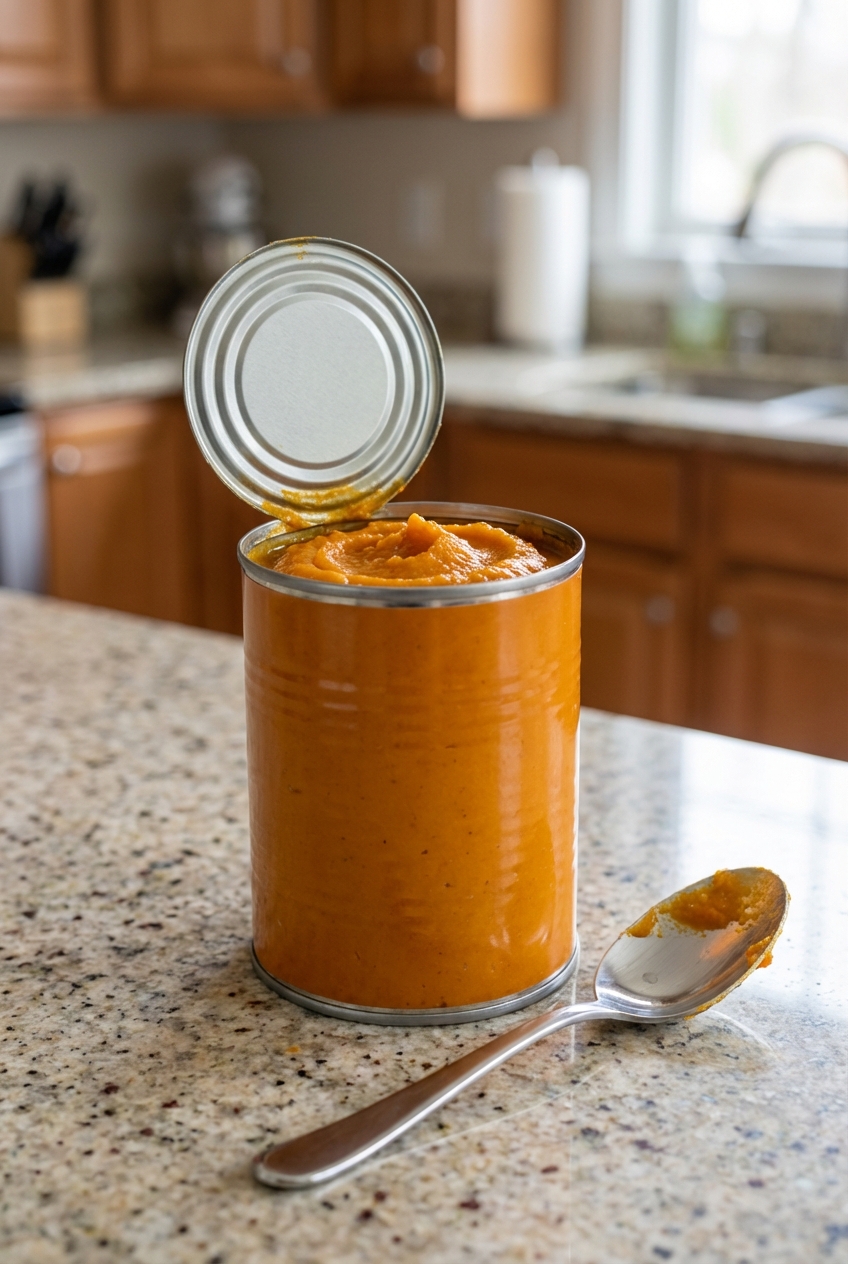
3) Plain pumpkin for stool support
Plain pumpkin (not pie filling) is a gentle source of soluble fiber that can help firm up mild diarrhea and can also help with mild constipation. Start small since too much fiber can cause gas or worsen loose stool in some dogs.
- Small dogs: start with 1 teaspoon
- Medium dogs: start with 1 to 2 tablespoons
- Large dogs: start with 2 tablespoons
Mix it into the bland diet and watch stool quality. If diarrhea is significant, worsening, or watery, skip the pumpkin and seek veterinary advice.
4) Probiotics can help
Probiotics may support the gut microbiome and may shorten the duration of some types of diarrhea. Evidence is strongest for specific, quality-controlled veterinary products, so I recommend dog-specific probiotics with clear labeling from reputable manufacturers. If your dog is on antibiotics, probiotics are especially worth asking your veterinarian about.
A practical tip: introduce one new supplement at a time. If you add three things and your dog worsens, it is hard to know what caused it.
5) Rest and a calm routine
Stress and overstimulation can worsen GI upset. Keep exercise gentle, offer a quiet resting spot, and keep the schedule predictable. If your dog eats too fast, a slow feeder or puzzle feeder may help reduce regurgitation and stomach upset in some dogs.
What not to give
These are the things I see well-meaning pet parents try, and they can backfire.
- Fatty foods (bacon, greasy leftovers): can trigger pancreatitis and make nausea worse.
- Milk or cream: many dogs are lactose intolerant, which can worsen diarrhea.
- Seasoned foods: onion and garlic are toxic; spicy foods irritate the stomach.
- Bones (cooked or raw): risk of obstruction, GI irritation, and constipation.
- Pepto-Bismol, Imodium, or other human meds without veterinary guidance: dosing and safety depend on the cause, your dog’s size, and underlying health.
If you are tempted to use a human medication, pause and contact your veterinarian first. The safest “quick fix” is often hydration plus a bland diet while you monitor closely.
How long should it last?
Mild dietary indiscretion often improves within 24 hours, especially with small bland meals and good hydration.
- If vomiting continues past 12 to 24 hours, contact your veterinarian.
- If diarrhea lasts more than 24 to 48 hours, contact your veterinarian.
- If your dog worsens at any point, seek veterinary care and do not wait.
And trust your gut too. If your dog “just isn’t acting right,” it is okay to get help early.
Extra care for puppies
Puppies and small dogs can dehydrate quickly. They also have less reserve if they stop eating. If your puppy is vomiting, has diarrhea, or seems weak, it is safer to contact your veterinarian the same day.
Prevent the next upset
Some stomach upsets are random, but many are preventable with a few habits:
- Make diet changes slowly over 7 to 10 days.
- Limit rich treats and keep people food consistent and simple.
- Secure trash and keep counters clear. “Garbage gut” is very real.
- Slow down fast eaters with slow feeders or puzzle feeders.
- Ask about parasites if soft stool keeps happening, especially in dogs who visit parks, daycare, or boarding. A fecal test is often the next practical step.
If your dog has recurring stomach issues, it is worth discussing food sensitivities, pancreatitis risk, inflammatory bowel disease, and appropriate long-term nutrition with your veterinarian.