Vet-assistant guidance for mild cat diarrhea: fluids, bland meals, cat-specific probiotics, pumpkin, stress tips, hygiene, what to avoid, and when to see you...
Article
•
Designer Mixes
What to Give a Cat With Diarrhea

Shari Shidate
Designer Mixes contributor
Diarrhea in cats is common, and many mild cases pass quickly. Still, it should be monitored closely and not brushed off. As a veterinary assistant in Frisco, Texas, I have seen everything from simple diet slip-ups to dehydration that turns serious in a hurry. The good news is that many mild cases improve with smart, supportive care at home. The key is knowing what is safe to give, what to avoid, and when it is time to call your veterinarian.
What counts as “mild” diarrhea? Think soft or loose stool with only 1 to 2 extra trips to the litter box, with normal energy and a cat who is still eating and drinking.
First: check for red flags
Before you change food or try home care, take 60 seconds to assess your cat. If you see any of the signs below, skip the home remedies and contact your veterinarian or an emergency clinic.
- Kitten (under 6 months), senior, or cat with a chronic condition (kidney disease, diabetes, hyperthyroidism, IBD)
- Blood in stool, black tarry stool, or lots of mucus
- Vomiting repeatedly, refusing food, or acting painful
- Lethargy, weakness, hiding more than usual
- Dehydration signs like sticky or dry gums, sunken eyes, or a sudden drop in energy. Skin tenting can be misleading in cats (age and body condition affect it), so do not rely on that alone.
- Diarrhea lasting over 24 to 48 hours. Use 24 hours as your cutoff for kittens and higher-risk cats, and 48 hours for stable adults if symptoms are mild and improving.
- Very frequent watery stools or accidents outside the litter box
- Possible toxin exposure (plants, human meds, rodent bait) or string or foreign object risk
If your cat has diarrhea plus vomiting and will not keep water down, that is urgent. Cats dehydrate quickly.
What to give at home
For otherwise healthy adult cats with mild diarrhea and good energy, the goal is simple: support hydration, reduce gut irritation, and feed a gentle, highly digestible diet for a short window.
1) Water and hydration support
Diarrhea pulls water and electrolytes out of the body. Hydration is your number one job.
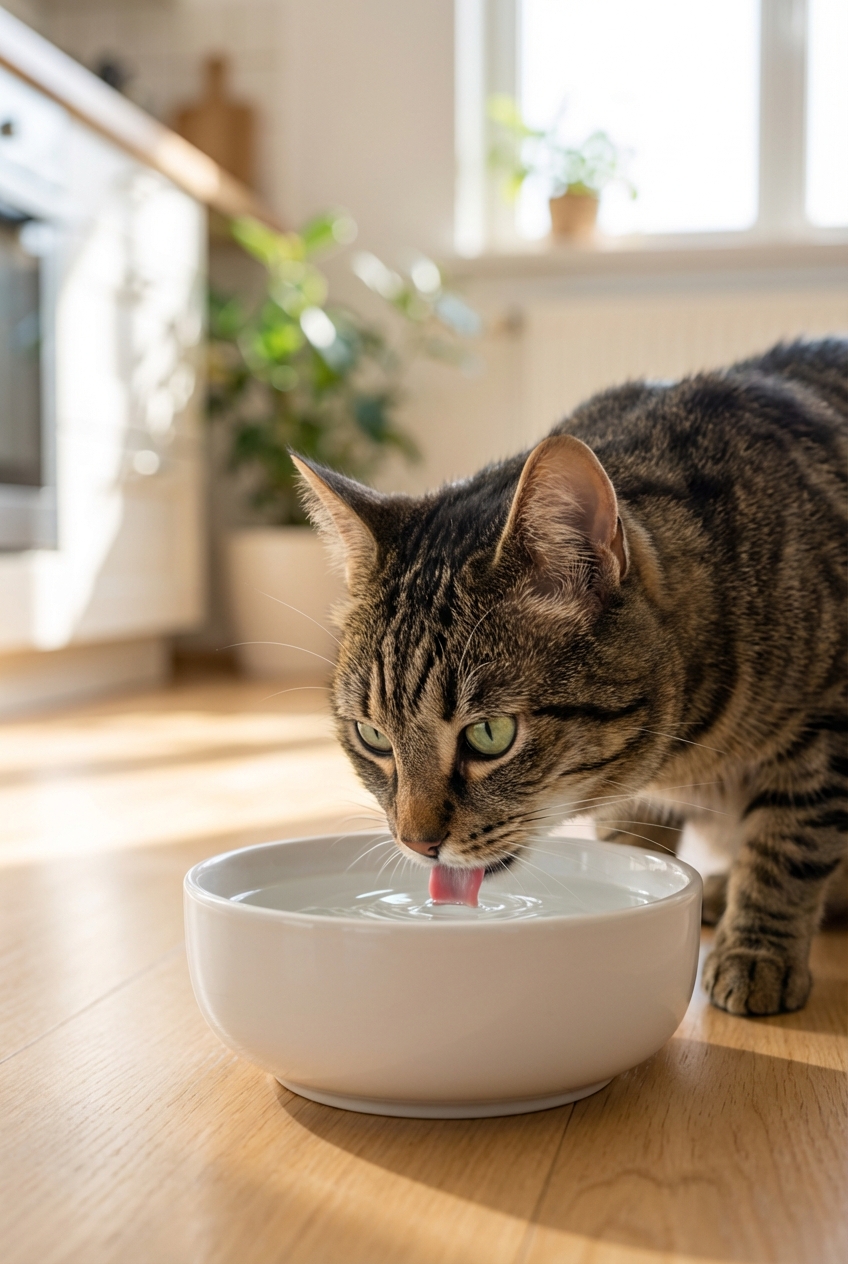
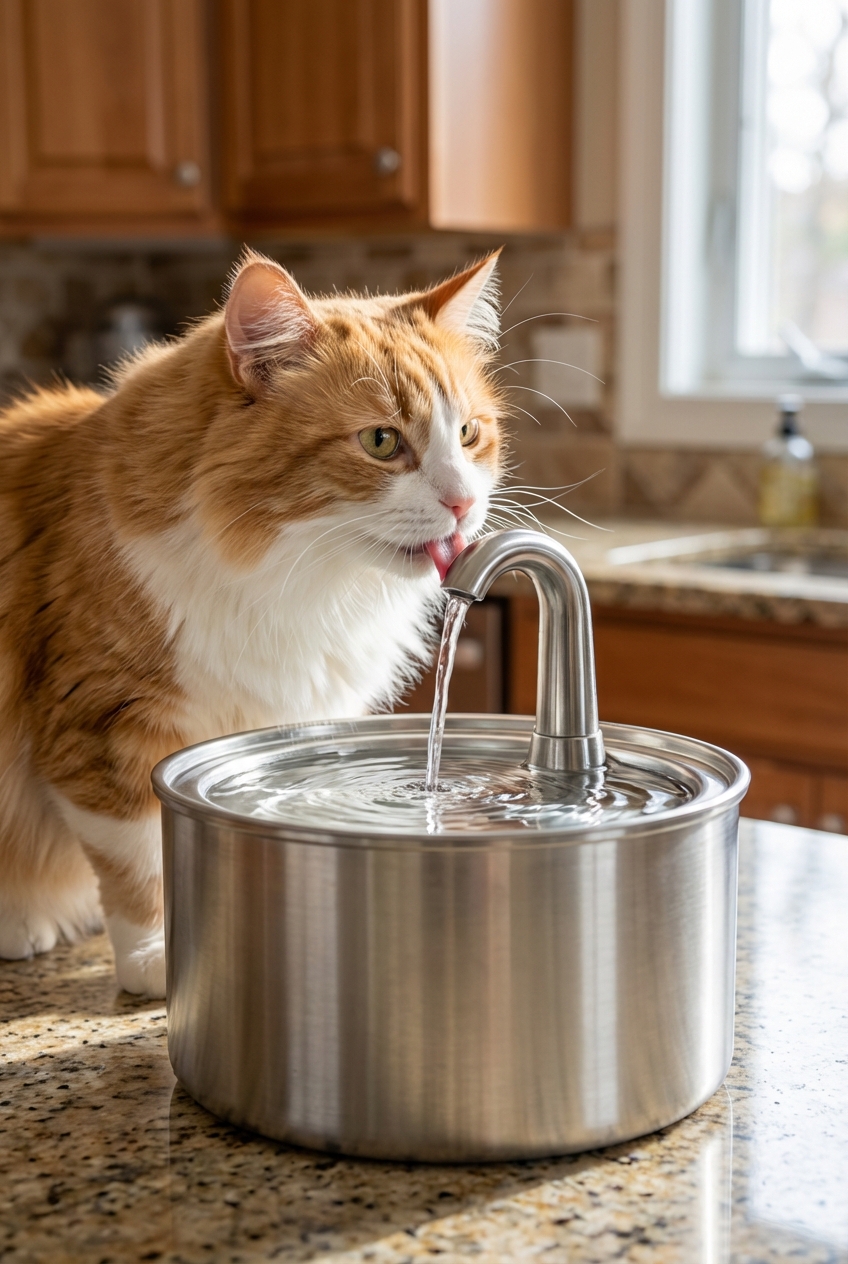
- Fresh water in multiple spots. Many cats drink more from a wide, shallow bowl.
- Cat water fountain if your cat prefers moving water.
- Unflavored, low-sodium broth (no onion, no garlic). Offer a few tablespoons as a hydration bonus. Read labels carefully because onion or garlic powder can sneak in, including in some bone broth products.
- Wet food instead of dry for a day or two, if your cat will eat it.
Avoid: sports drinks, sweetened electrolyte drinks, or anything with xylitol. Do not force water with a syringe unless your vet has instructed you, because aspiration is a real risk.
2) A short-term bland diet
The most reliable “what to feed” option is a veterinary gastrointestinal diet (your clinic may carry it, or you can often find it through veterinary pharmacies). If you need something from the grocery store for 24 to 48 hours, keep it simple and protein-forward.
- Plain cooked chicken breast (no skin, no seasoning, no butter)
- Plain cooked turkey (lean, unseasoned)
Important: Plain chicken or turkey is not a complete and balanced diet. Use it short-term only (about 24 to 48 hours) unless your veterinarian tells you otherwise.
Portion tip: Offer small meals, like 4 to 6 mini-meals per day. A crowded stomach can worsen urgency.
Cat note: Cats are not little dogs. Many bland diet plans online include rice. Cats do not need rice, and while a tiny amount may be tolerated by some, it may not help and can bother sensitive cats. If you try a small amount for stool binding, keep it minimal and temporary.
Do not fast your cat. Cats should not go long periods without food. If your cat will not eat, call your veterinarian.
3) Canned pumpkin (small amount)
Plain pumpkin can help some cats by adding soluble fiber that supports stool quality. Use 100% plain pumpkin, not pumpkin pie filling.
- Start with 1/2 teaspoon mixed into food once or twice daily for small cats
- Up to 1 teaspoon once or twice daily for larger cats
If it worsens gas or stool, stop. Fiber is helpful for some cats and irritating for others. For some cats, your vet may prefer a different fiber such as psyllium.
4) A cat-specific probiotic
There is decent evidence that probiotics can help shorten some types of diarrhea, especially stress-related or antibiotic-associated diarrhea. Use a product made for cats (not a random human probiotic). Some veterinary probiotics have published research support, so ask your clinic what they recommend.
- Follow label dosing closely
- Give for several days, then reassess
If your cat is immunocompromised or on chemotherapy, ask your veterinarian before starting any supplement.
5) Vet support when needed
If diarrhea is more than mild, keeps coming back, or your cat has other symptoms, your veterinarian may recommend diagnostics and targeted treatment such as:
- Fecal testing for parasites and protozoa (giardia is common)
- Vitamin B12 (cobalamin) evaluation or supplementation for chronic cases
- Prescription GI diets or hydrolyzed protein diets
- Medication to reduce nausea or intestinal inflammation when appropriate
- Antibiotics only when there is a clear reason to use them
What helps one cat can harm another, which is why chronic or recurrent diarrhea really deserves a vet plan.
Common causes
Diarrhea is a symptom, not a diagnosis. Some common causes include:
- Diet change, treats, table food, or trash snacking
- Stress (moves, visitors, new pets, schedule changes)
- Parasites or protozoa
- Food intolerance or food allergy
- Viral or bacterial illness
- Chronic conditions like IBD, hyperthyroidism, or pancreatitis
This is why persistent, severe, or recurring diarrhea should be checked, even if your cat seems mostly fine.
What not to give
This is where well-meaning pet parents can accidentally make things worse.
- No Pepto-Bismol or bismuth products unless your veterinarian explicitly directs it. Cats are sensitive to salicylates.
- No Imodium (loperamide) unless your veterinarian instructs you. It can cause dangerous side effects in cats, including severe constipation, sedation, and toxic reactions.
- No human pain relievers (ibuprofen, naproxen, acetaminophen). These can be life-threatening.
- No milk or dairy to soothe the tummy. Many cats are lactose intolerant.
- No fatty foods (bacon, greasy meats). Fat can trigger pancreatitis and worsen diarrhea.
- No onion or garlic in broths or “chicken soup.” These are toxic to cats.
- No sudden diet changes unless you are doing a short, intentional GI reset. Abrupt switches often cause diarrhea.
Prevent repeat episodes
Diarrhea is often triggered by stress, diet changes, parasites, or litter box issues. A few practical habits can prevent a lot of mess and worry.
Slow food changes
If you are switching foods, do it gradually over 7 to 10 days.
- Days 1 to 3: 75% old, 25% new
- Days 4 to 6: 50% old, 50% new
- Days 7 to 9: 25% old, 75% new
- Day 10+: 100% new if stool stays normal
Litter box setup
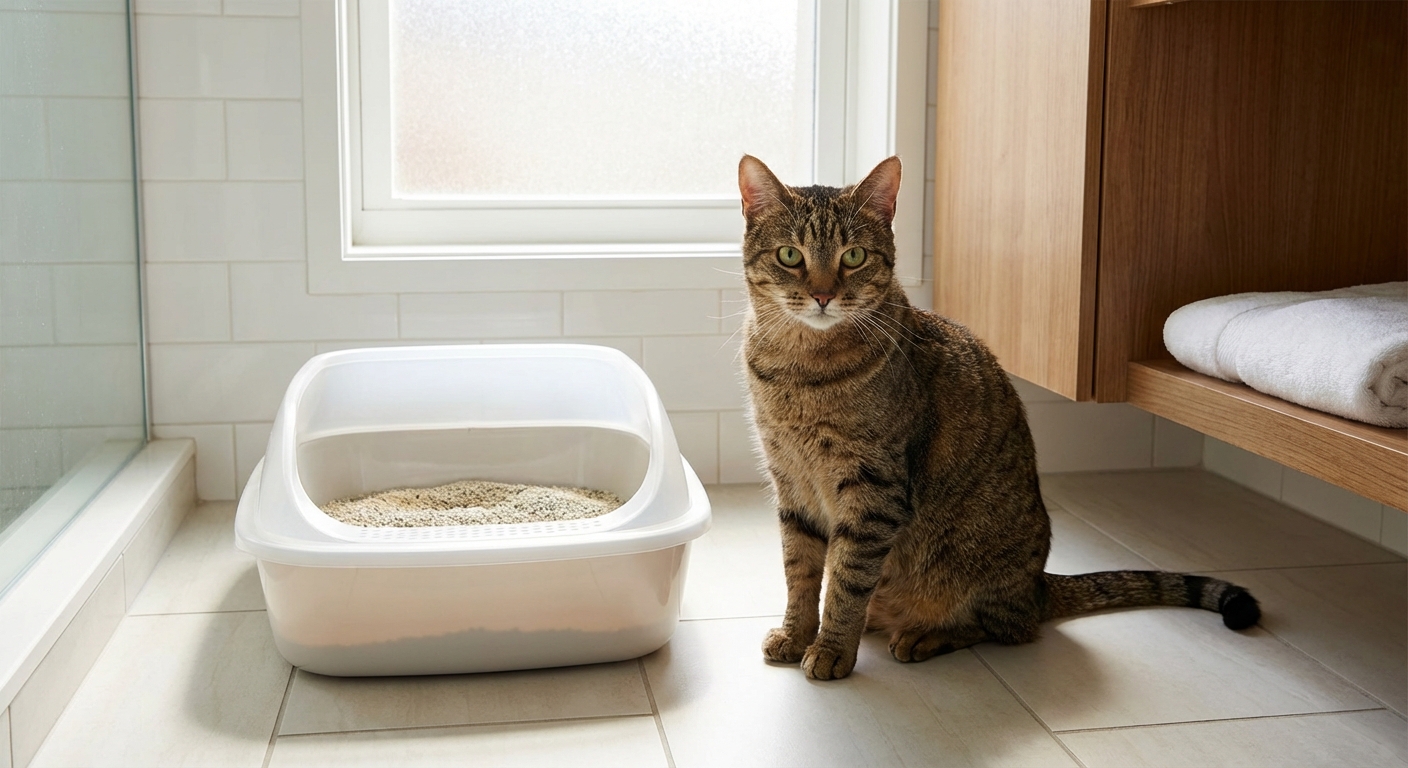
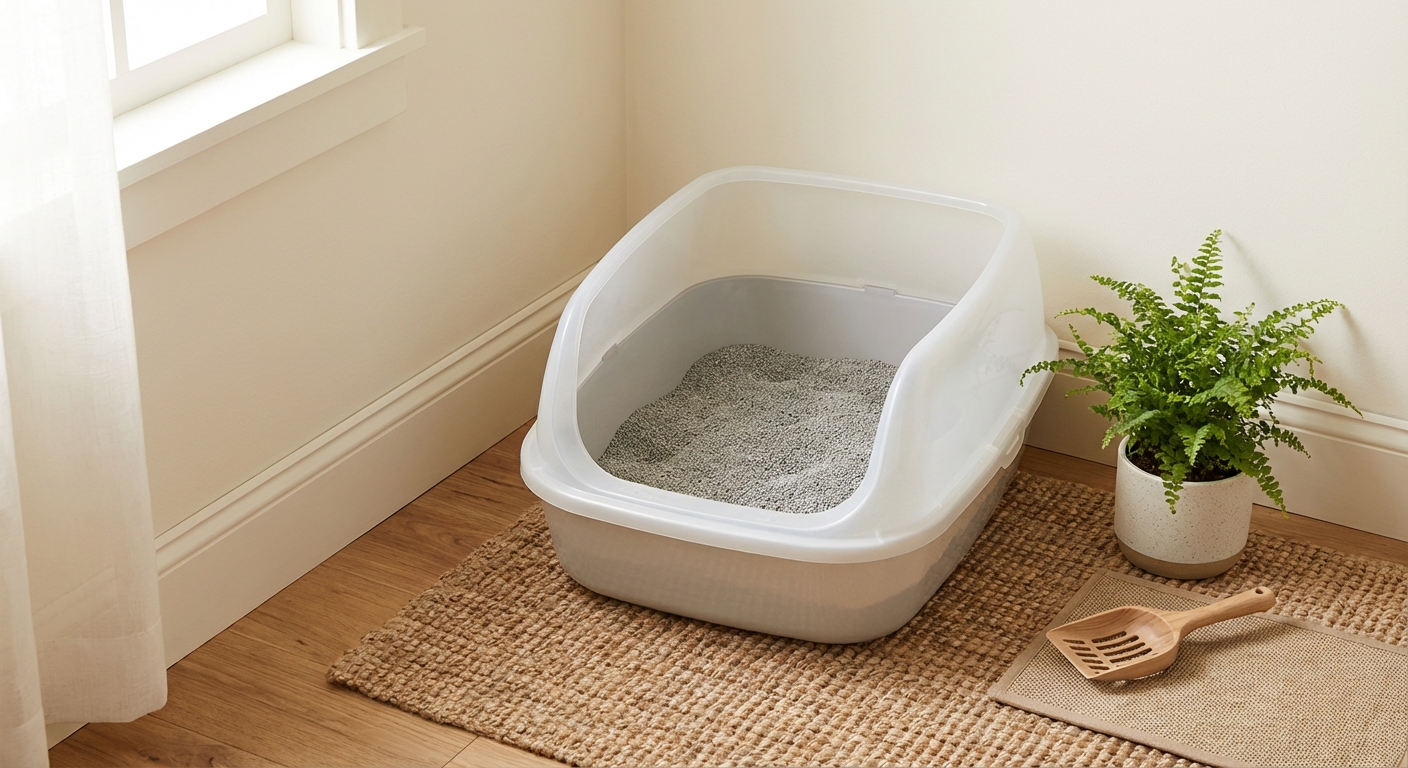
When stool is loose, cats can start associating the box with discomfort and avoid it. You can reduce that risk with smart setup.
- One box per cat, plus one extra
- Scoop at least once daily (more during diarrhea)
- Use unscented litter and avoid sudden litter changes
- Place boxes in quiet, easy-to-reach areas
Reduce stress
Stress diarrhea is real, especially with moves, new pets, visitors, or schedule changes.
- Keep feeding times consistent
- Offer daily play sessions (5 to 10 minutes, two times a day)
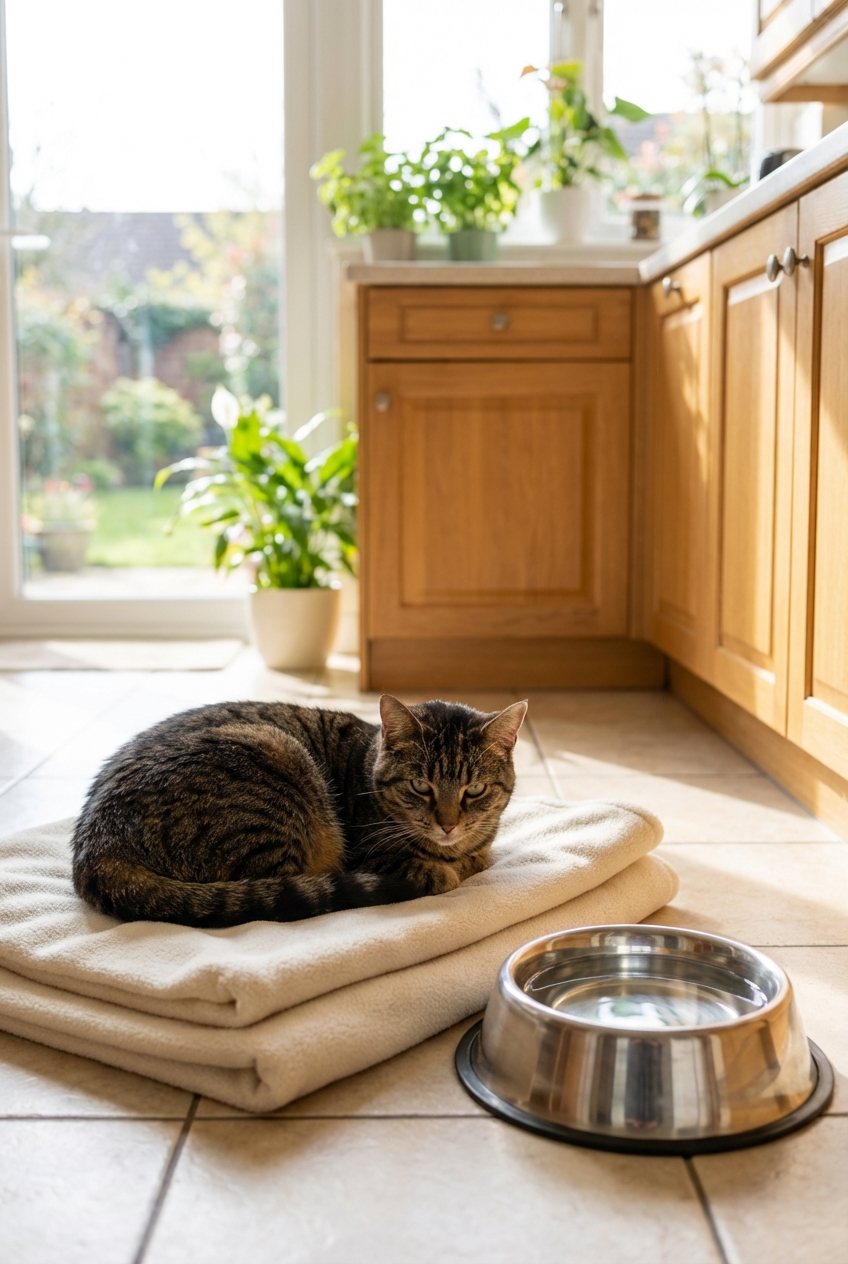
- Provide a safe hideaway bed or covered cat condo
- Ask your vet about pheromone diffusers if your cat is anxious
Parasite prevention and hygiene
Even indoor cats can get parasites. Fleas can transmit tapeworms, and protozoa can spread through contaminated surfaces.
- Keep your cat on veterinarian-recommended parasite prevention
- Clean accidents with an enzymatic cleaner
- Wash bedding on hot if accidents occur
- Schedule fecal testing for recurrent diarrhea
Multiple cats at home
If you have more than one cat and one develops diarrhea, treat it like it might be contagious until proven otherwise.
- Scoop promptly and disinfect litter box surfaces regularly
- If possible, give the sick cat a separate box
- Wash hands after cleanup
How to monitor
Simple tracking can help you and your veterinarian make faster decisions.
- Stool frequency: How many times per day?
- Stool appearance: watery, pudding-like, formed but soft, mucus, blood?
- Appetite: normal, reduced, refusing?
- Energy: bright and social or hiding and quiet?
- Hydration: gum moisture and water intake
Stool sample tip: If you can safely collect a fresh sample, your vet may be able to test it. Aim for a sample that is less than 12 to 24 hours old. Avoid litter contamination (a clean container, plastic wrap over litter, or non-absorbent litter can help). Double-bag it, refrigerate it, and bring it in as soon as you can.
When to call the vet
If your cat’s diarrhea is not clearly improving within 24 hours (or within 48 hours for a stable adult with mild signs), or if it returns repeatedly, a veterinary visit is the safest next step. Cats are masters at acting “fine” until they are not. A quick exam and fecal test can save you days of guessing and can protect your cat from dehydration and weight loss.
Action step: If you are unsure, call your clinic and describe your cat’s age, symptoms, stool appearance, and how long it has been going on. That information helps the team triage you appropriately.
Quick checklist
- Do: offer water, wet food, small bland meals, cat-safe probiotics, and a calm routine
- Do: monitor stool, appetite, and energy closely
- Do not: give human anti-diarrheals or pain meds
- Call the vet: if blood, vomiting, dehydration, lethargy, kitten or senior, chronic illness, or diarrhea lasts over 24 to 48 hours
With gentle support and the right timing on veterinary care, most cats get back to normal quickly. You are not overreacting by paying attention. You are being the kind of cat parent your cat needs.