Vet-assistant guidance for mild cat diarrhea: fluids, bland meals, cat-specific probiotics, pumpkin, stress tips, hygiene, what to avoid, and when to see you...
Article
•
Designer Mixes
What to Give a Cat for Diarrhea

Shari Shidate
Designer Mixes contributor
Diarrhea in cats can be messy, stressful, and sometimes serious. The good news is that many mild cases improve quickly with the right at-home care. The not-so-good news is that certain “quick fixes” can make things worse, especially in young kittens and older cats. This guide walks you through what you can do right now, what to avoid, and when it is time to call your vet.
First, check for red flags
Before you try home care, take a moment to scan for signs that diarrhea could be urgent. If any of the items below are true, call your veterinarian or an emergency clinic right away.
- Young kitten (especially under 4 to 6 months): they can dehydrate fast and parasites are common
- Diarrhea with vomiting or your cat cannot keep water down
- Blood in stool (bright red or black, tarry stool)
- Severe lethargy, weakness, collapse, or a painful belly
- Not eating at all or acting significantly “off”
- Repeated watery diarrhea (very frequent, large volume, or accidents outside the box)
- Signs of dehydration: sticky gums, sunken eyes, skin “tents” when gently lifted
- Known toxin risk (plants, human meds, rodent bait, spoiled food)
- Foreign body risk (string, ribbon, toys, or other chewable items)
- Chronic disease (kidney disease, diabetes, hyperthyroidism) or your cat is very senior
- Diarrhea lasting more than 24 to 48 hours, even if they seem okay (some adult cats may be able to wait closer to 48 to 72 hours, but checking in earlier is safer)
As a veterinary assistant, I have seen “just diarrhea” be an early sign of more serious disease (including pancreatitis) or progress to dehydration quickly in some cats. If your gut says something is off, it is absolutely okay to get help sooner.
Quick home steps that are generally safe
1) Keep water available and encourage drinking
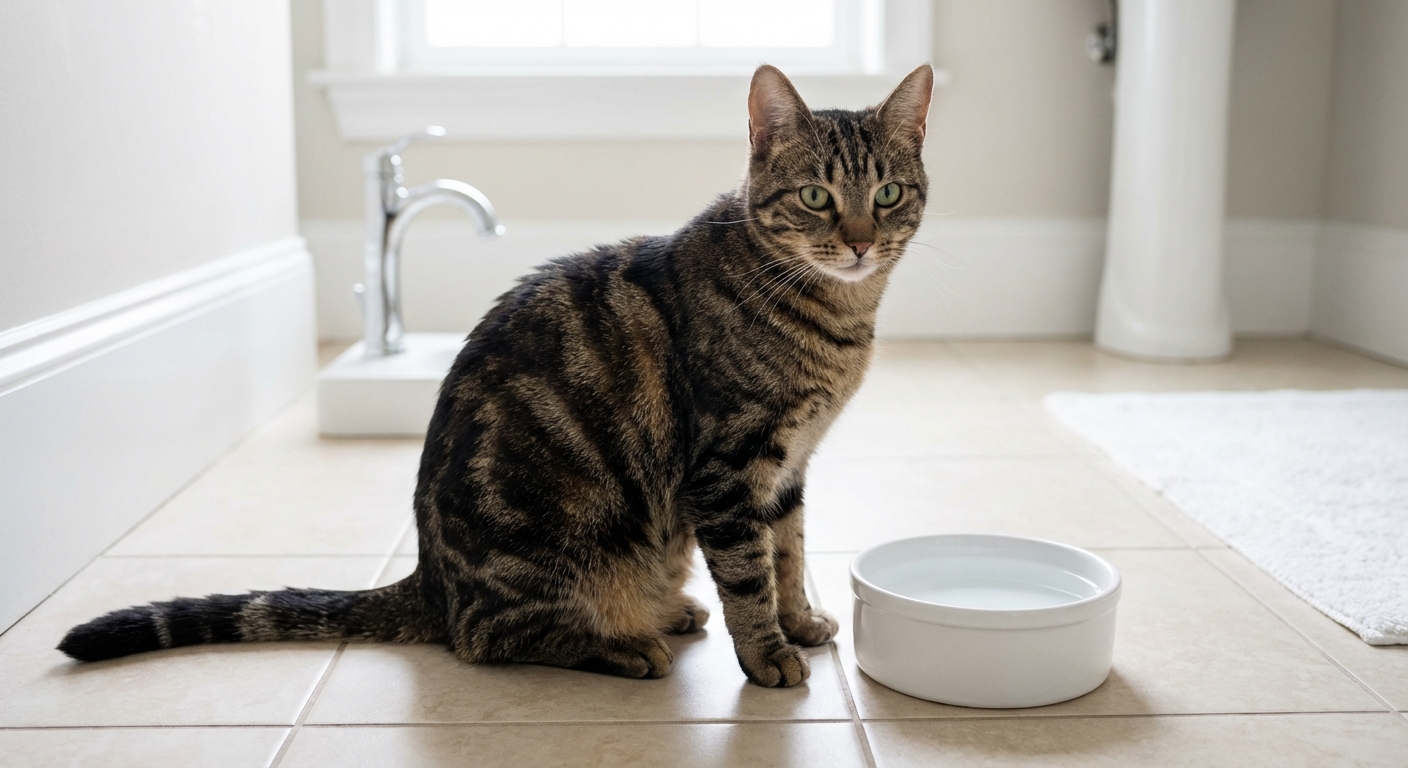
The biggest risk with diarrhea is fluid loss. Keep fresh water out, and consider a cat fountain if your cat prefers running water. You can also offer a small amount of unseasoned, low-sodium broth as a topper (make sure it is onion and garlic free). Broth should be a supplement, not the main fluid source.
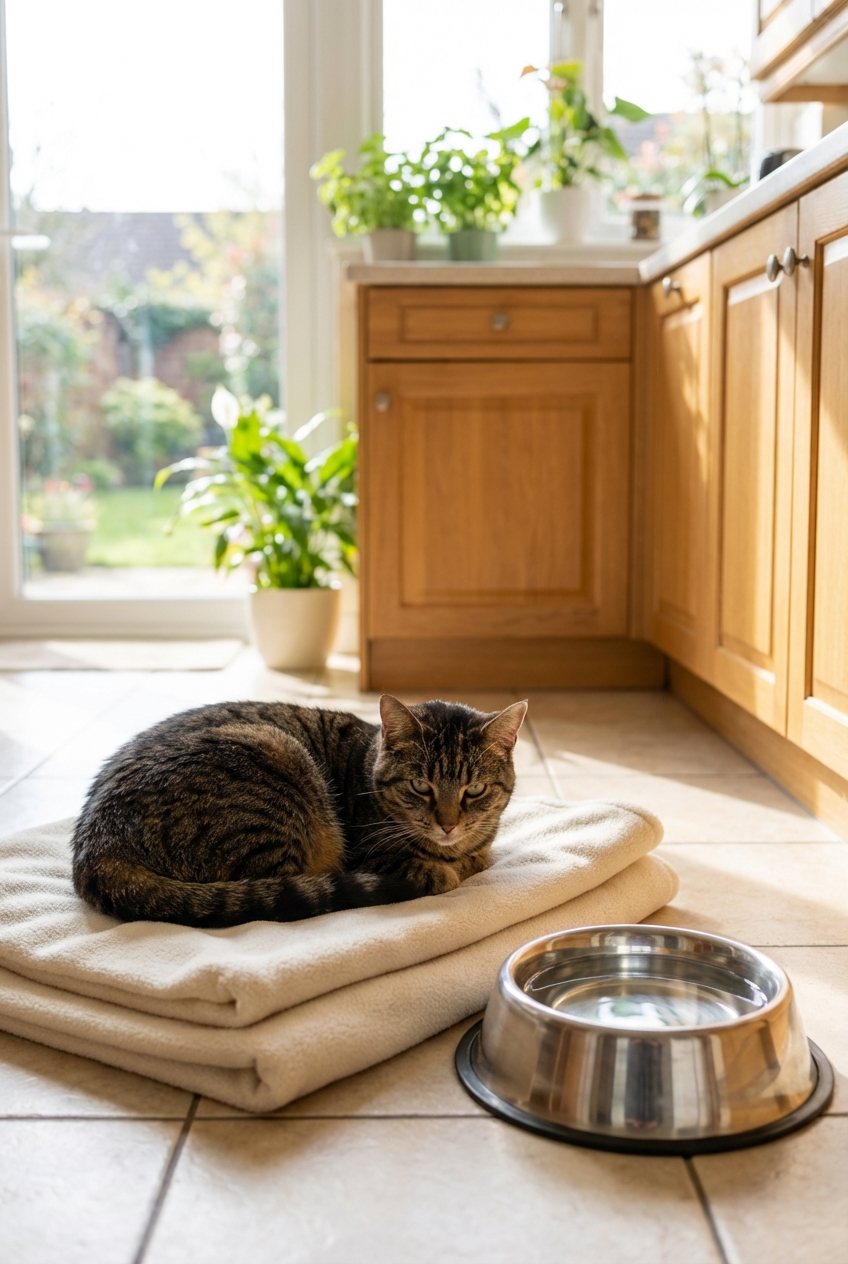
- Refresh water bowls often and place one near your cat’s resting spot.
- If your cat likes wet food, offering extra wet food can boost fluid intake.
2) Feed small, bland meals for 24 to 48 hours
Most cats do better with small portions of gentle food rather than large meals. In general, do not fast your cat unless your veterinarian tells you to. Cats can be prone to hepatic lipidosis if they stop eating.
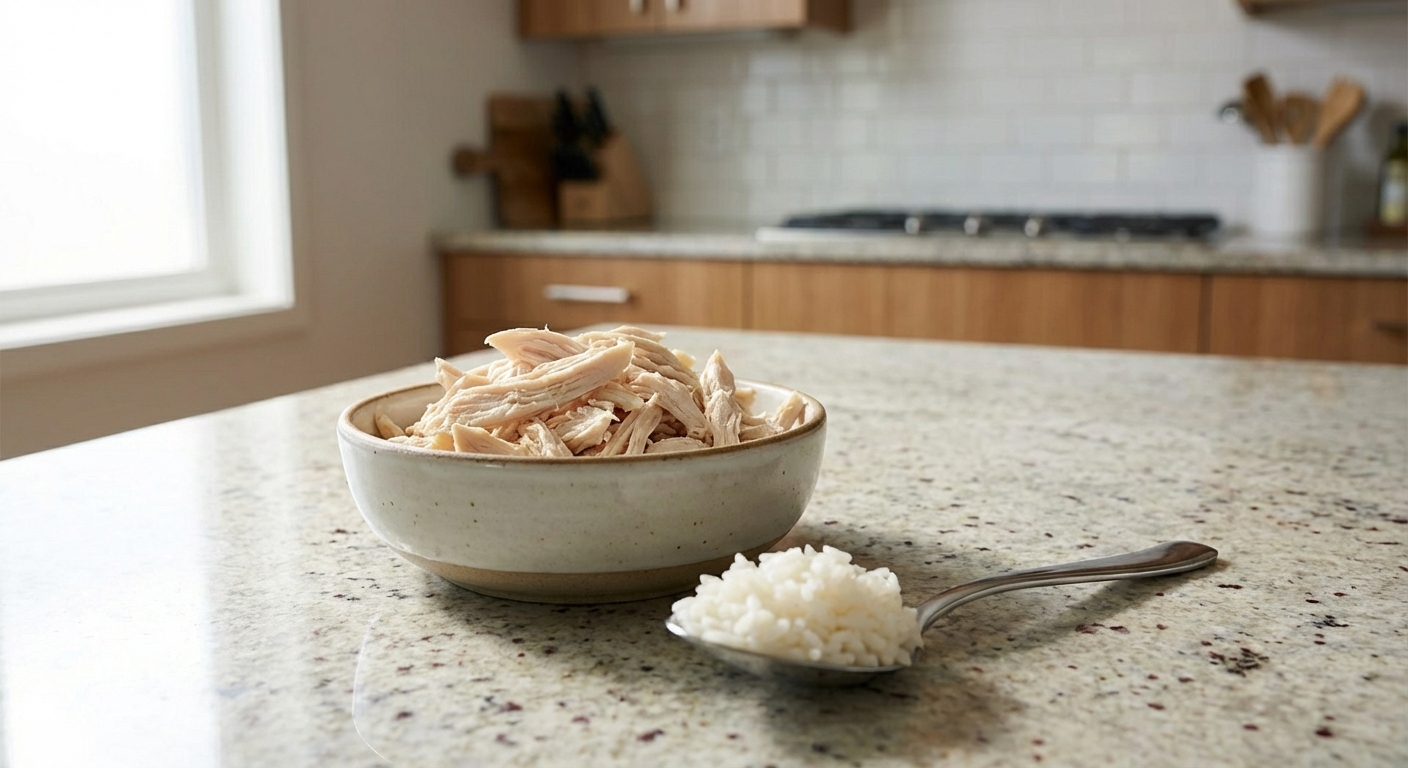
For a short-term bland diet, a common option is:
- Plain cooked chicken breast (no skin, no seasoning)
- Plain cooked white rice in small amounts (cats are obligate carnivores, so keep rice limited)
If you already have a veterinarian-approved gastrointestinal diet (canned), that is often an even better choice than home recipes because it is formulated to be gentle and balanced.
Also important: stop treats, table scraps, and any new foods while you are troubleshooting diarrhea.
3) Add a cat-specific probiotic
There is some veterinary support for using probiotics to help certain cases of acute diarrhea, especially mild stress-related digestive upset. Choose a product made for cats (or cats and dogs) and follow the label directions. Examples you may see recommended by vets include FortiFlora or Proviable, but any reputable cat-specific option can be reasonable.
- Probiotics may help support a healthier gut microbiome and stool quality.
- They are generally safe, but they are not a substitute for vet care if your cat is sick.
4) Reduce stress and keep the litter box extra clean
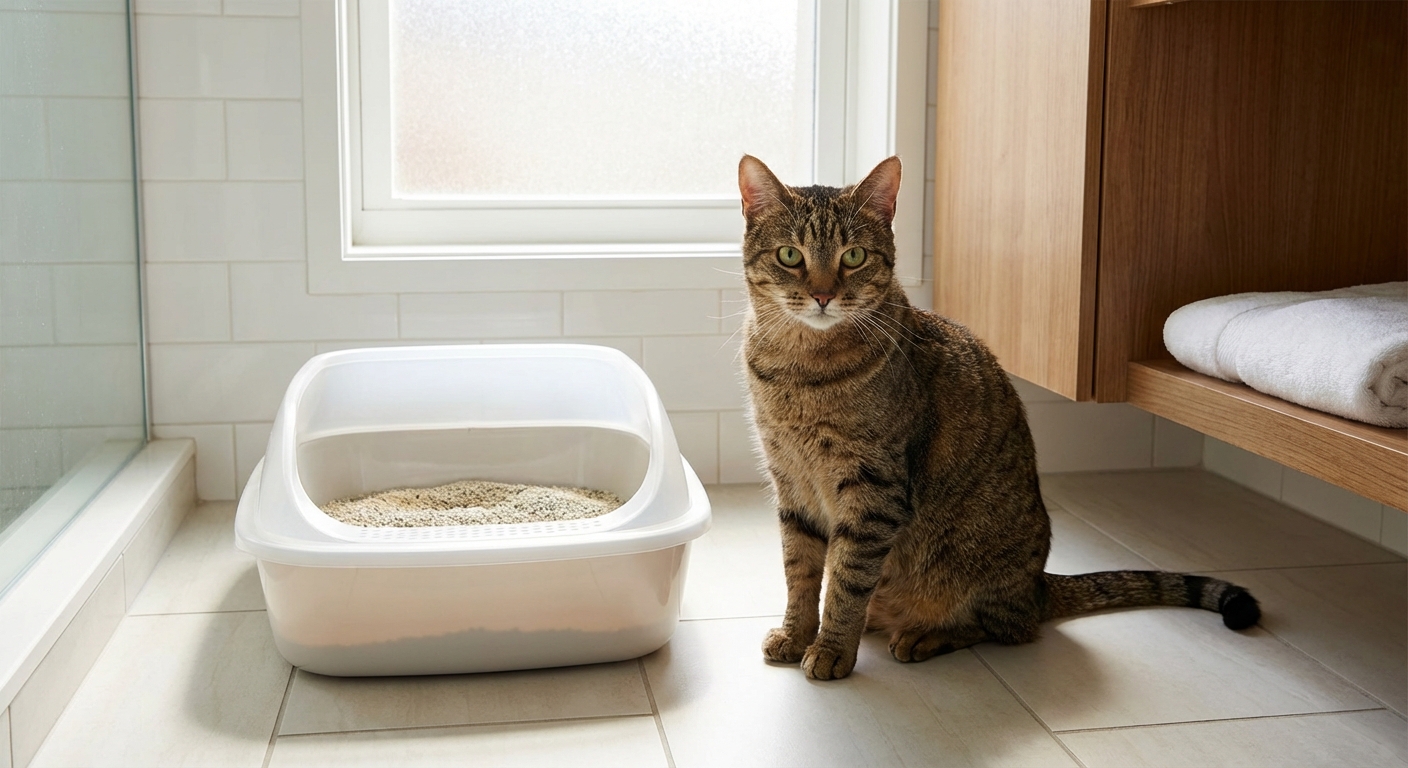
Cats are sensitive creatures. Stress can contribute to loose stools. Keep your cat in a calm, quiet space, and scoop frequently so you can monitor stool changes.
- Wash hands after cleaning the litter box, and consider keeping your cat separate from other pets until stools are normal (some causes of diarrhea are contagious).
What you can give and what to avoid
Safe options to consider
- Veterinary GI canned diet if you have it available.
- Bland food in small meals (as above).
- Cat-specific probiotic (follow label).
Use caution and ask your vet first
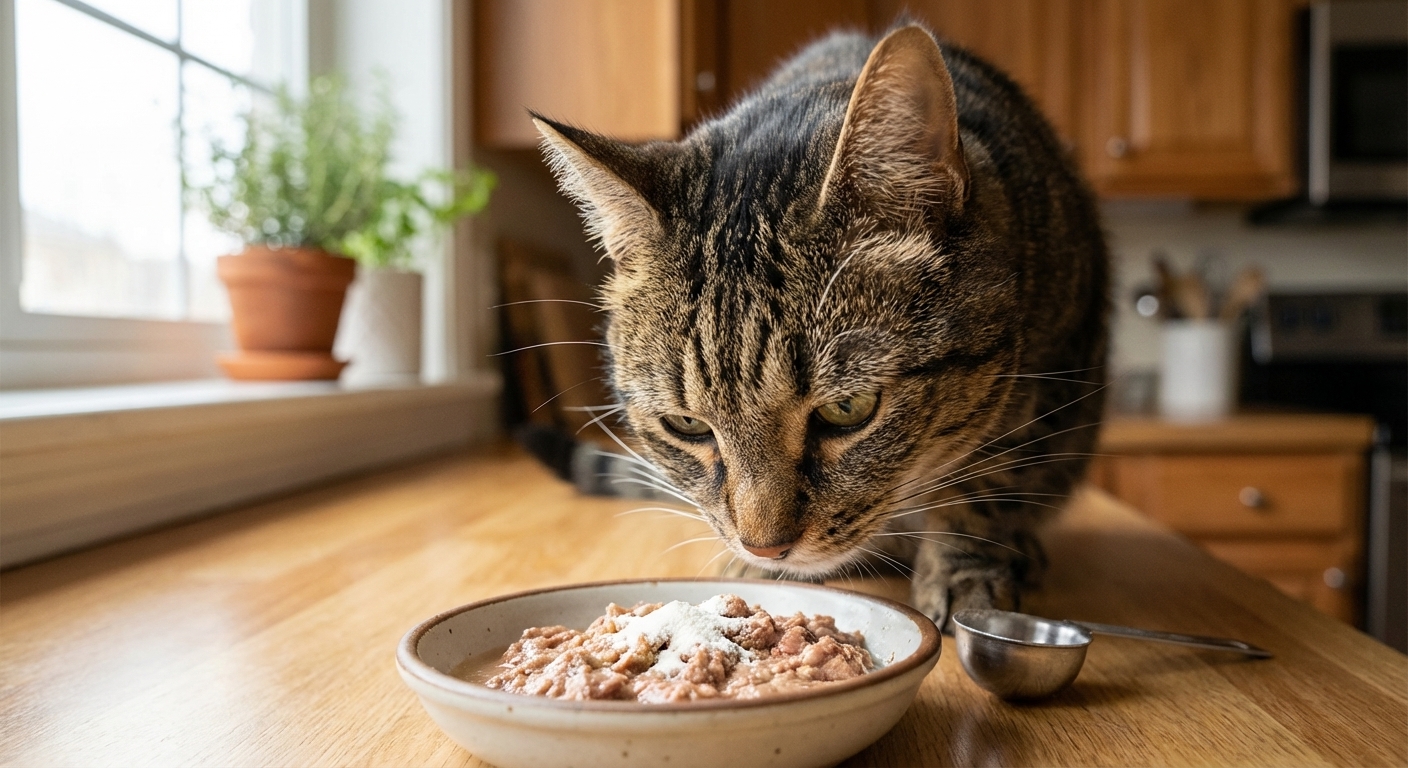
- Pumpkin: Plain canned pumpkin (not pie filling) can help some pets due to its fiber, but cats vary a lot. If your vet okays it, start tiny (for many cats, about 1/2 to 1 teaspoon mixed into food). Too much fiber can backfire.
- Electrolyte solutions: Many human electrolyte drinks have sweeteners or additives that are not ideal for cats. Ask your vet before offering any.
Do not give these without veterinary guidance
- Human anti-diarrheal medications such as loperamide (Imodium). In cats, dosing errors and side effects can be serious, and these medications can be risky if an infection, toxin, or blockage is involved.
- Pepto-Bismol or products with salicylates. These can be harmful to cats.
- Leftover antibiotics or any medication not prescribed for your cat’s current issue.
- Milk or cream: many cats are lactose intolerant and it can worsen diarrhea.
- Fatty foods or rich treats: these can trigger more GI upset.
- Onion, garlic, or seasoned broths: toxic risk and stomach irritation.
How long to try home care
If your adult cat is bright, eating at least a little, drinking, and has no red flags, you can typically try supportive care for about 24 hours. If stools are not improving by 24 to 48 hours, or your cat worsens at any point, it is time to call the vet. Some otherwise well adult cats may improve within 48 to 72 hours, but it is still smart to check in sooner if you are unsure.
For kittens, seniors, and cats with underlying health conditions, it is safest to call the same day.
Switching back to normal food
Once stools are improving, transition back to your cat’s normal diet gradually over 2 to 3 days. Abrupt switches can trigger another flare-up.
What your vet may check
Diarrhea is a symptom, not a diagnosis. If it persists, your veterinarian may recommend testing to find the root cause.
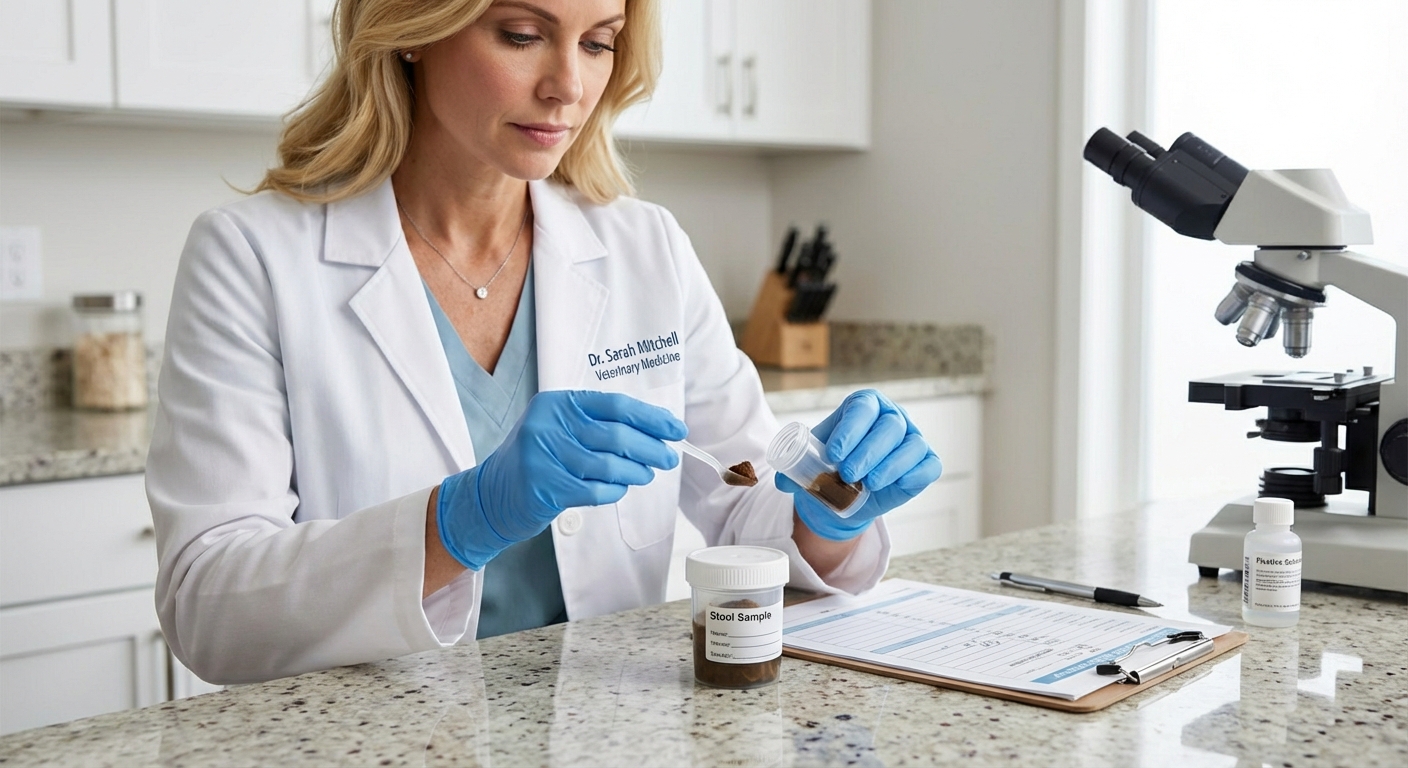
- Fecal test to check for intestinal parasites (even indoor cats can get them, and kittens commonly do).
- Giardia testing if the stool is watery, foul-smelling, or recurring.
- Bloodwork to evaluate dehydration, inflammation, kidney values, and other organ function.
- Diet review for food intolerance, recent changes, treats, or table foods.
If you can, ask your clinic whether they would like you to bring a fresh stool sample (usually collected the same day).
Simple monitoring checklist
These little details can really help your vet if you end up needing an appointment.
- How many loose stools in 24 hours?
- Is it soft, pudding-like, or fully watery?
- Is there mucus or blood?
- Any vomiting, appetite change, or hiding?
- Any recent diet changes, new treats, people food, or scavenging?
- Any new pets, boarding, visitors, moving, or stressful events?
- Deworming history and whether you have a multi-cat household
- Is your cat still urinating normally?
Bottom line
If your cat has mild diarrhea and otherwise seems normal, start with hydration support, small bland meals, and a cat-safe probiotic. Avoid human anti-diarrheal medications unless your veterinarian specifically tells you to use them. And please do not wait if you see blood, vomiting, marked lethargy, dehydration, or if you are caring for a young kitten.
When in doubt, call your vet. A quick phone triage can save you money and help your cat feel better faster.