A vet-assistant guide to cat constipation: how to spot symptoms, boost hydration, use pumpkin and gentle fiber, improve litter box comfort, and recognize eme...
Article
•
Designer Mixes
What To Give a Cat for Constipation

Shari Shidate
Designer Mixes contributor
Constipation in cats is one of those issues that can look “minor” until it suddenly is not. As a veterinary assistant, I have seen cats go from mildly uncomfortable to truly distressed in a short window of time. The good news is that many mild cases respond well to safe, veterinarian-approved home steps, as long as you know what to do and when to stop and call your vet.
Quick note: This guide is for general education and is not a substitute for a veterinary exam or diagnosis.
This handbook walks you through what you can give a cat for constipation, what to avoid, and the red flags that mean your cat needs medical care.
First, confirm it is constipation
Many people think their cat is constipated when the real problem is a urinary blockage, which is an emergency. Before you try home care, do a quick reality check with the litter box.
What to look for in the litter box
- Stool: Hard, dry, small pieces, or fewer stools than normal.
- Urine: Check for urine clumps or wet spots. With some litters, urine can look like a small damp patch rather than a clump.
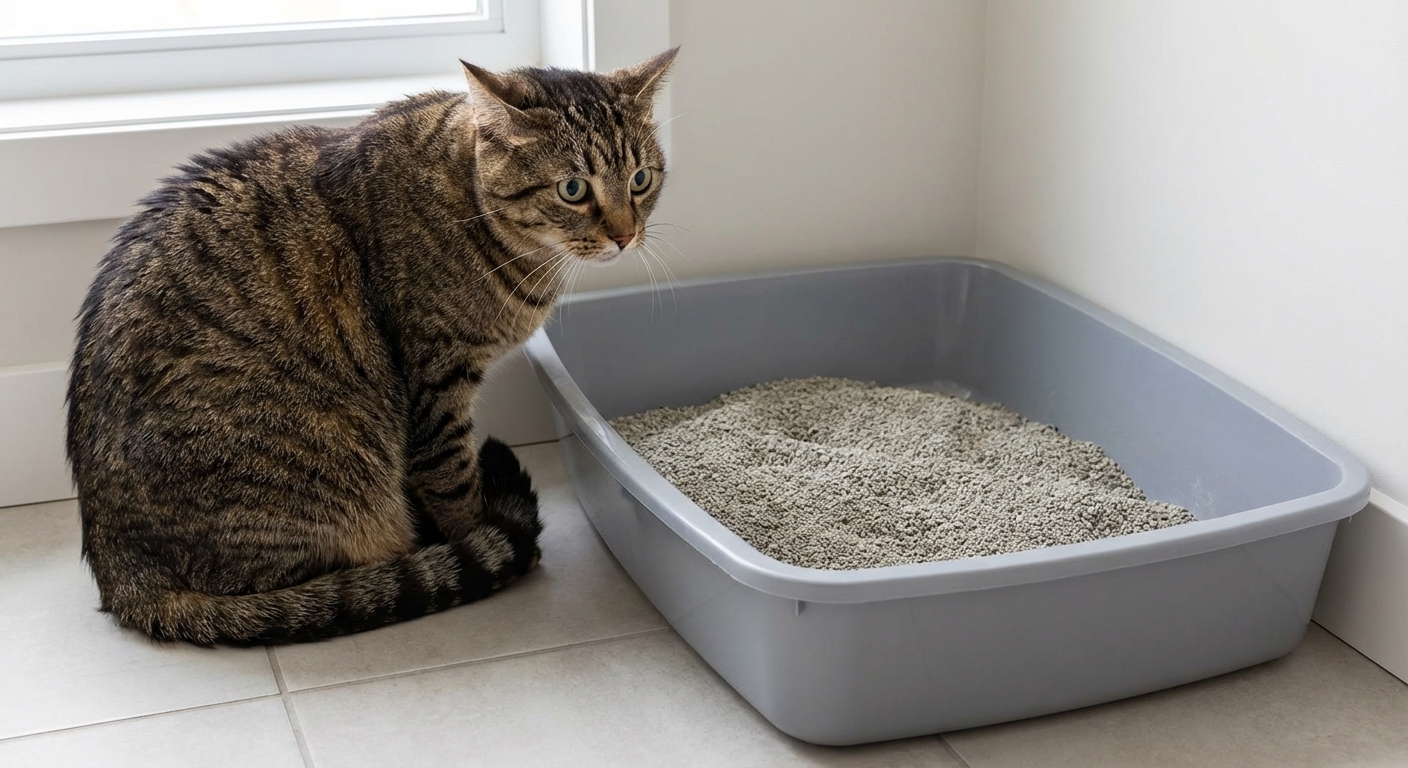
- Effort: Straining with little output is a concern, no matter what you think is coming out.
Common signs of constipation
- Small, hard, dry stools or fewer stools than normal
- Straining in the litter box with little or no stool produced
- Long litter box visits and discomfort
- Reduced appetite or mild nausea
- Hiding or acting “off”
Signs it may be urinary, not constipation (emergency)
- Frequent trips to the litter box with little or no urine
- Crying out, restlessness, or licking the genital area
- A firm or painful belly
- Vomiting, collapse, or severe lethargy
If your cat is straining and you are not sure whether stool or urine is coming out, assume it could be urinary and contact an emergency vet.
Also important: Repeated unproductive straining can be a sign of constipation, but it can also point to an intestinal blockage or foreign material. If your cat keeps trying and nothing comes out, treat it as urgent.
Why cats get constipated
Constipation is usually a symptom, not a diagnosis. Understanding the “why” helps you choose the safest fix.
- Low water intake: Cats that do not drink much, cats eating mostly dry diets, hot weather, or illness that increases fluid loss can all contribute. The key factor is total water intake and hydration status.
- Dehydration from medical issues: Kidney disease, diabetes, and other conditions can play a role.
- Hair and grooming: Hair ingestion can contribute to firm stools.
- Pain or arthritis: Older cats may avoid the box if climbing in hurts.
- Obesity and low activity: Slower gut movement.
- Stress or litter box aversion: Cats may hold stool.
- Diet: Low moisture, low fiber, or sudden diet changes.
- Medical issues: Megacolon, pelvic injury, neurologic problems, electrolyte issues (like high calcium), or certain medications.
- Medications: Opioid pain medications are a common example. Some other drugs can contribute too, depending on the cat.
What to give a cat for constipation
Below are options veterinarians commonly recommend for uncomplicated constipation. The safest plan is to start with hydration and diet tweaks first, then move to supplements or medications with your veterinarian’s guidance.
1) Water and moisture first
For many cats, constipation improves when we increase total water intake. This is the foundation.
- Switch to canned food or add even one canned meal per day.
- Add water or low-sodium broth to meals to make a “gravy.”
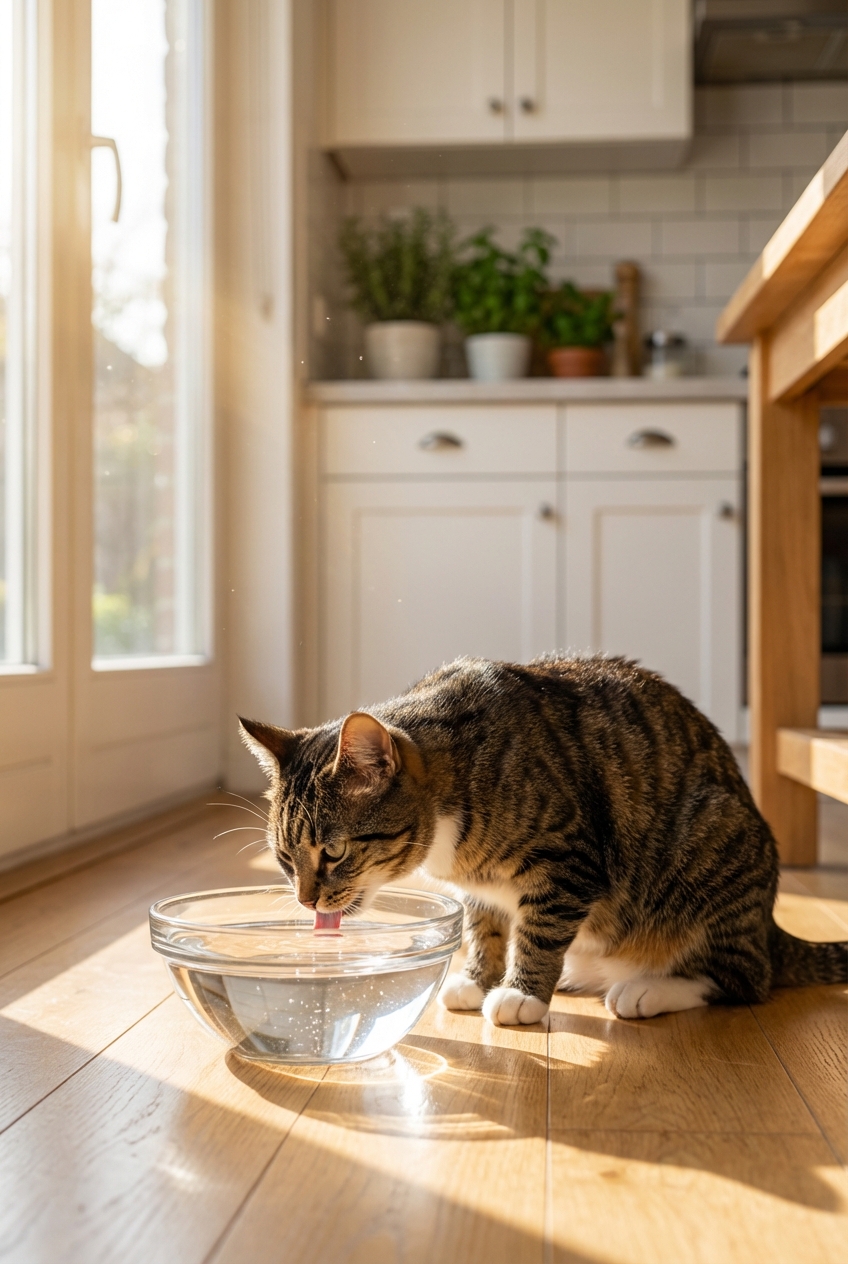
- Use a cat water fountain, and place multiple bowls in quiet spots.
- Offer wide, shallow bowls to reduce whisker stress.
2) Pumpkin (plain, not pie filling)
Plain pumpkin may help some cats because it contains a mix of fibers that can help hold water in the stool. It is gentle, inexpensive, and often a first step for mild constipation.
- Use 100% plain pumpkin with no spices or sweeteners.
- Mix it into canned food.
How much? Many vets suggest starting with a small amount, often around 1 to 2 teaspoons mixed into food once daily. Some cats do better with less. If you are unsure, ask your veterinarian for a starting amount for your cat.
Tip: If your cat refuses pumpkin, some cats accept a small amount mixed with a strong-smelling wet food like salmon.
3) Psyllium husk (fiber supplement)
Psyllium can help stools retain moisture and move more comfortably. It is not right for every cat, especially if dehydration is part of the problem.
- Only use with plenty of water intake.
- Ask your veterinarian for a cat-appropriate dose based on your cat’s size, diet, and medical history.
4) Cat-safe stool softeners and laxatives (vet guidance)
These are common in veterinary medicine, but dosing matters and depends on your cat’s health.
- Polyethylene glycol 3350 (PEG) is frequently prescribed for feline constipation and chronic cases. Your vet will tell you the right amount and schedule.
- Lactulose is another veterinary laxative option, often used when more stool-softening is needed.
These work best when paired with hydration and a diet plan, not as a one-time fix.
5) Probiotics (supportive)
Probiotics can support gut health and stool quality in some cats, especially if constipation is intermittent or linked to diet changes. They are not a fast-acting rescue solution, but they can be a helpful part of a plan.
6) Hairball support (when hair is a factor)
If your cat is a heavy groomer or you are seeing hair in stool or vomit, your vet may recommend:
- More frequent brushing
- A veterinarian-recommended hairball remedy or diet
- Reviewing for underlying skin issues or stress grooming
Note: Some hairball gels and lubricants are not the same. Avoid giving anything oil-based unless your veterinarian specifically recommends that product for your cat.
7) Exercise and routine changes
Movement stimulates gut motility. For indoor cats, small changes add up.
- Two short play sessions daily using wand toys
- Food puzzles or scattered feeding for “hunting”
- Weight management if needed
What not to give
Some home remedies are popular online but can be dangerous for cats.
- Human enemas: Many contain sodium phosphate and can be toxic to cats.
- Mineral oil by mouth: Aspiration risk, which can lead to severe pneumonia.
- Castor oil: Can cause cramping and dangerous GI upset.
- Human laxatives without veterinary guidance: Risk of dehydration, electrolyte imbalance, or making an obstruction worse.
- Examples to avoid unless your vet tells you to use them: docusate products, bisacodyl, senna, and magnesium-based laxatives.
- Essential oils: Some are toxic to cats. Avoid use unless specifically vet-directed. Examples of oils that can be dangerous include tea tree, eucalyptus, and peppermint.
When in doubt, treat constipation like a medical symptom, not a DIY project. Cats are small, and dosing mistakes can turn serious quickly.
At-home plan for mild constipation
If your cat is bright, eating at least a little, and not vomiting, these steps are reasonable while you monitor closely. If your cat is straining hard, in pain, or not producing anything, do not wait.
Step-by-step
- Increase moisture: Add water to wet food and offer extra water stations.
- Consider plain pumpkin: Mix an appropriate small amount into food if your cat tolerates it.
- Encourage movement: Short play sessions.
- Optimize the litter box: Clean, quiet location, easy entry, unscented litter.
- Call your vet if there is no improvement within 24 to 48 hours, or sooner if your cat seems uncomfortable.
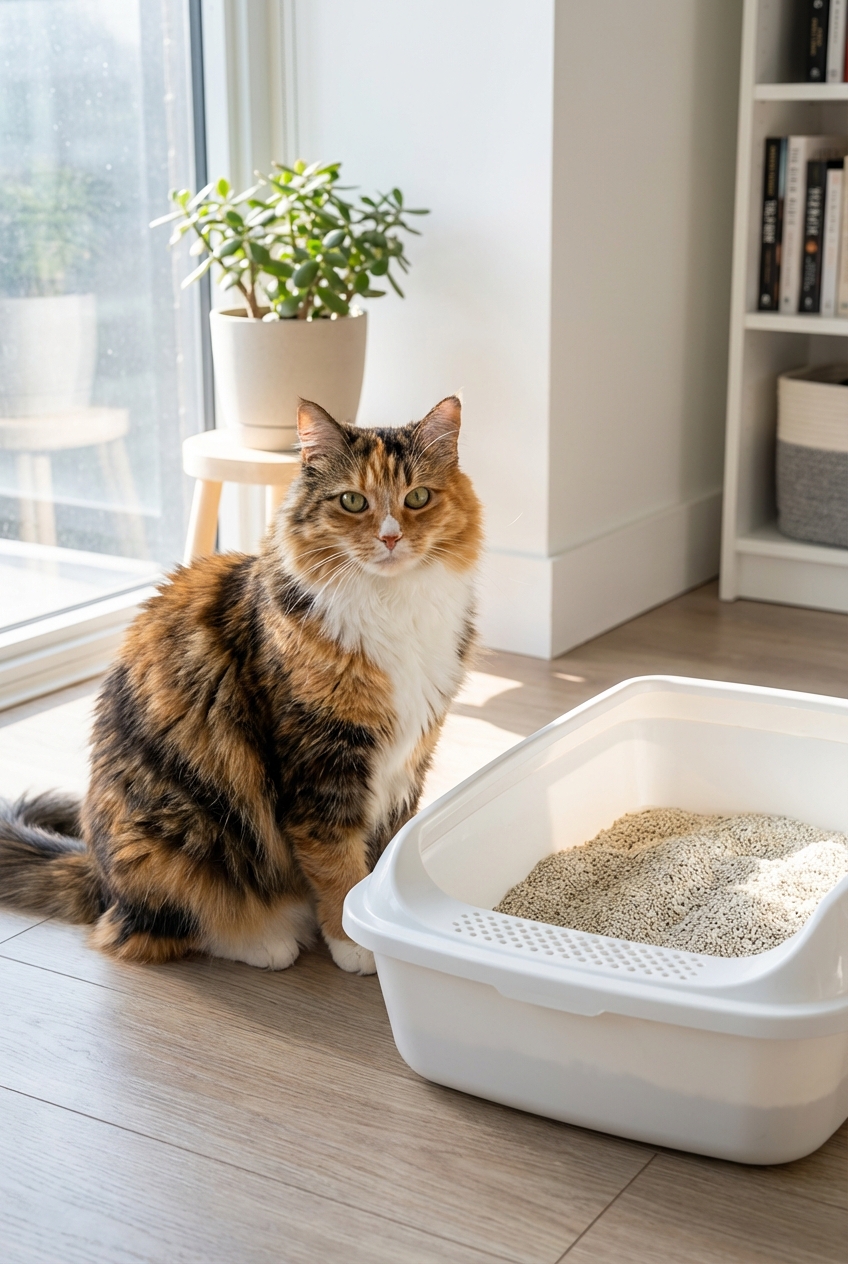
Litter box setup matters
- One box per cat, plus one extra
- Low sides for seniors or arthritic cats
- Separate from noisy appliances and busy areas
When to call the vet
Please do not wait it out if you see any of the following. Constipation can be linked to obstruction, severe dehydration, pain, or megacolon.
- No stool for 24 to 48 hours, especially with straining or discomfort
- Repeated unproductive straining or crying in the litter box
- Vomiting, refusing food, or significant lethargy
- Distended or painful abdomen
- Blood in the stool or around the anus
- Known ingestion of string, bones, toys, or other foreign material
- Repeated litter box visits with little output and you are unsure if it is urine
- History of megacolon or recurrent constipation
What your veterinarian may do
Depending on severity and your cat’s history, your vet may recommend:
- Exam and abdominal palpation
- X-rays to check stool load and rule out obstruction
- Fluids for dehydration
- Prescription laxatives or motility medications
- Enema performed safely in-clinic
- Manual deobstipation under sedation for severe cases
Long-term prevention
If constipation happens more than once, prevention is where you win.
Moisture-forward feeding
- Prioritize wet food or a mixed wet and dry routine.
- Add extra water to meals if your cat accepts it.
Diet and fiber balance
Some cats do well with added fiber. Others do better with highly digestible, lower-residue diets. This is individualized. Your vet can help choose a plan based on stool consistency, body condition, and underlying disease.
Grooming and hair control
- Brush regularly, especially long-haired cats.
- Ask your vet about hairball diets or supplements if hair is a clear trigger.
Support seniors
For older cats, constipation can be tied to arthritis, kidney disease, or both. Consider:
- Low-entry litter boxes
- Pain management discussion with your vet
- Routine lab work to check kidney values and electrolytes
Quick FAQ
How long can a cat go without pooping?
Many cats poop daily, but some healthy cats may skip a day. If it has been more than 24 to 48 hours or your cat is straining, uncomfortable, vomiting, or not eating, call your vet.
Is milk a good remedy?
No. Most adult cats are lactose intolerant. Milk can cause diarrhea and stomach upset, and it does not solve the underlying issue.
Can I give my cat an enema at home?
This is not recommended. Many over-the-counter enemas can be toxic to cats, and improper technique can cause injury. If an enema is needed, it should be done under veterinary guidance.
Will pumpkin work for every cat?
No. Pumpkin helps some cats, but if dehydration or an obstruction is involved, fiber alone may not fix it and can sometimes worsen discomfort. If your cat does not improve quickly, call your vet.
The bottom line
If your cat seems mildly constipated but otherwise well, start with moisture, a gentle fiber option like plain pumpkin, and a calmer, more accessible litter box setup. But if your cat is straining hard, repeatedly producing nothing, vomiting, lethargic, not eating, or you are unsure whether they are passing urine, treat it as urgent and get veterinary help.
Your cat deserves relief, and you deserve clear steps you can trust.