Worried about a vomiting dog? Learn when vomiting is an emergency, how to offer small sips safely, and the best bland foods (chicken/rice, turkey, pumpkin, e...
Article
•
Designer Mixes
What To Feed a Vomiting Dog (And When to Call the Vet)

Shari Shidate
Designer Mixes contributor
Watching your dog vomit can be unsettling, and it is completely normal to wonder what to do next. In many mild cases, the stomach simply needs a short reset, followed by gentle foods that are easy to digest and unlikely to irritate the gut. In other cases, vomiting is a warning sign that needs urgent veterinary care.
This guide walks you through what to feed a vomiting dog, how to reintroduce food safely, and the red flags that mean you should skip home care and call your veterinarian.
Quick note: Vomiting usually involves active heaving and produces partially digested food or fluid. Regurgitation is more passive and often brings up undigested food soon after eating. Repeated regurgitation can signal a different issue, so call your vet if it happens more than once or your dog seems unwell.
First: Is home feeding safe?
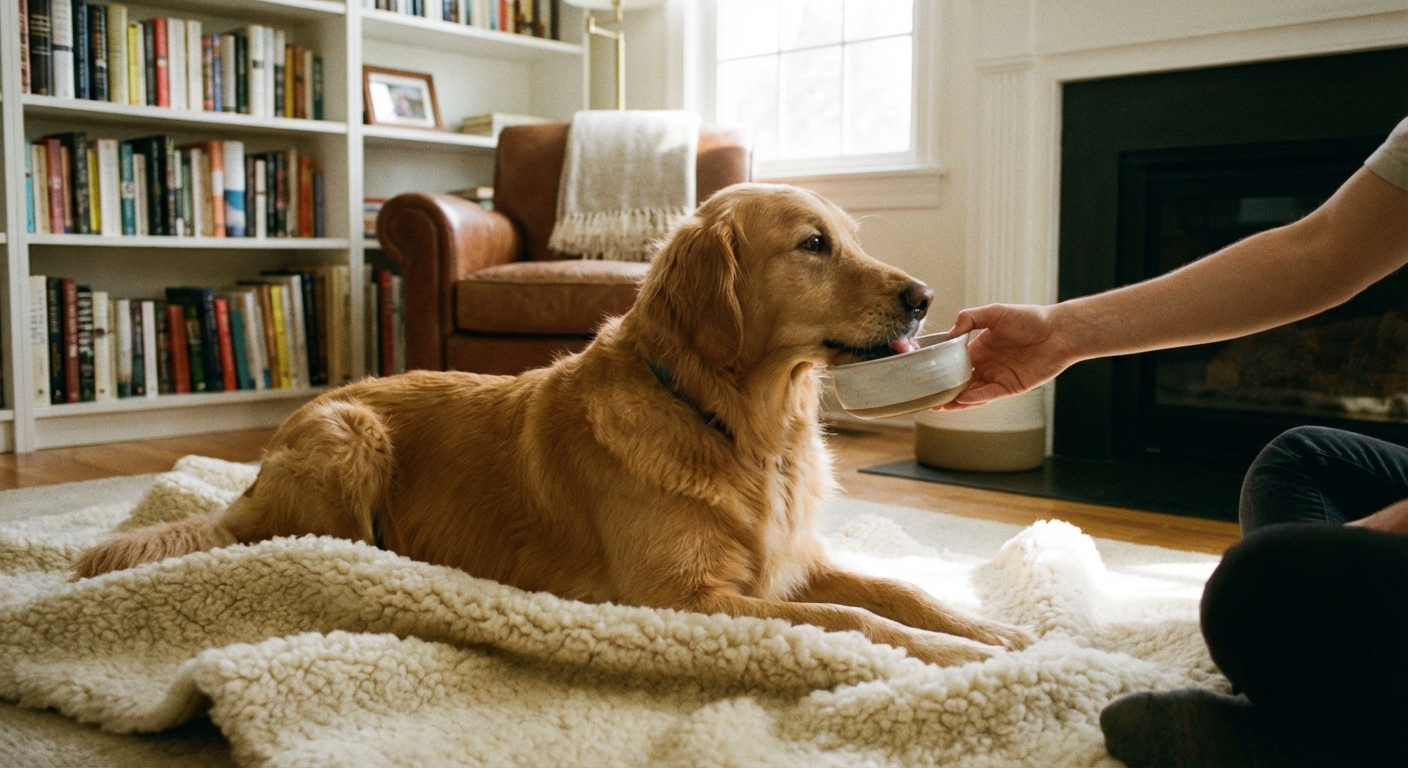
Food can help once nausea settles, but feeding too soon can trigger more vomiting. Start by checking your dog’s overall condition and the vomiting pattern.
Home care is often reasonable if
- Your dog is bright, alert, and willing to drink small amounts of water.
- Vomiting happened once or twice, then stops.
- No blood is present.
- Stool is normal or only mildly soft.
- You suspect a simple cause like eating too fast, a new treat, or mild stomach upset.
Call a vet urgently if you notice any of these
- Repeated vomiting, especially more than 2 to 3 times in a few hours, or vomiting that continues beyond 12 to 24 hours.
- Blood in vomit (red or dark coffee-ground appearance) or black, tarry stool.
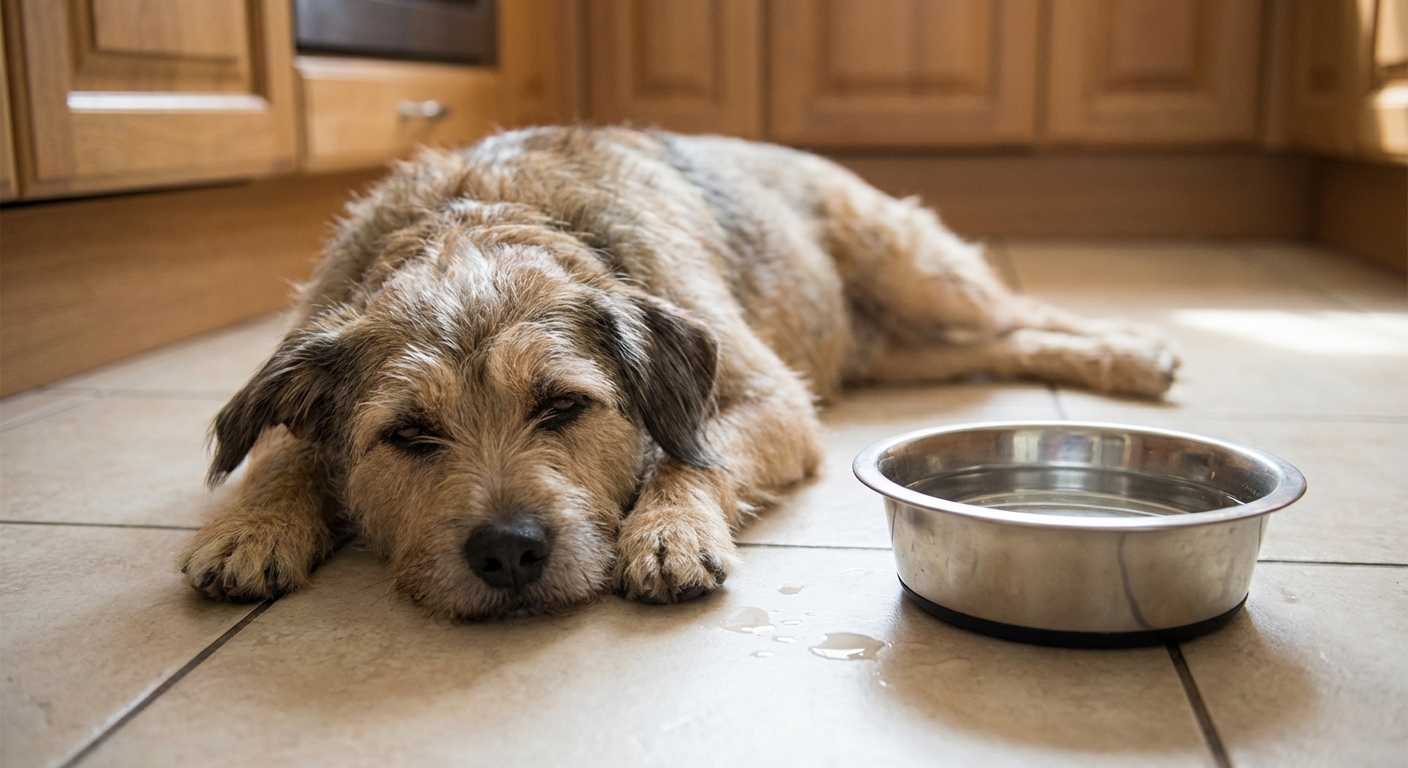
- Signs of dehydration: dry gums, sunken eyes, weakness, sticky saliva, or your dog cannot keep water down.
- Abdominal swelling, repeated unproductive retching, or obvious pain (can be a sign of bloat). Bloat can happen in any breed, though risk is higher in large, deep-chested dogs.
- Lethargy, collapse, fever, pale gums, or trouble breathing.
- Suspected toxin exposure (medications, chocolate, xylitol, grapes and raisins, rodenticides, household chemicals).
- A puppy, senior dog, pregnant dog, or a dog with diabetes, kidney disease, Addison’s disease, or other chronic illness.
- Possible foreign object ingestion (toy pieces, socks, corn cobs, bones).
Quick rule: If your dog is acting “off,” cannot keep water down, or the vomiting is persistent, it is safest to call your veterinarian before offering food.
Do not feed at home if
- You suspect a foreign object, toxin, or medication exposure.
- Your dog is repeatedly retching, has a swollen belly, or seems painful.
- Water will not stay down.
Step 1: Start with hydration
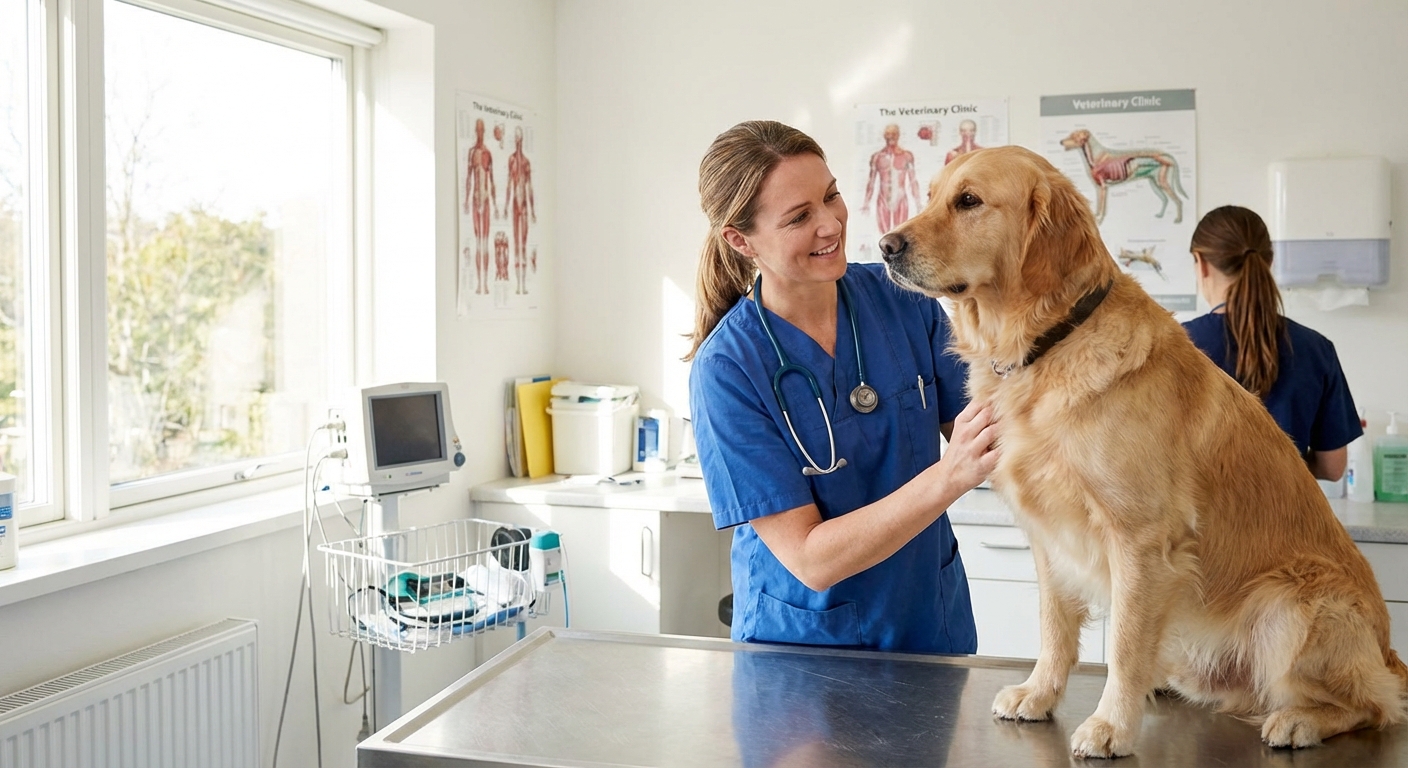
The biggest immediate risk with vomiting is dehydration. Before focusing on meals, focus on small, frequent sips of water, only if your dog can keep it down.
- Offer small amounts of water every 15 to 30 minutes if tolerated.
- If your dog gulps and vomits, try ice chips or a few teaspoons of water at a time.
- Ask your vet about an unflavored electrolyte solution if vomiting has been frequent, especially in small dogs.
If your dog vomits water repeatedly, do not keep forcing fluids. That is a common sign they need medical support, such as anti-nausea medication and fluids.
Step 2: When to offer food
If vomiting has stopped and your dog seems comfortable, many veterinarians recommend waiting a short period before re-feeding. Exact timing varies by dog and by suspected cause, so follow your vet’s guidance when in doubt.
- Adult dogs: Often, food can be offered after about 6 to 12 hours without vomiting, as long as your dog is drinking and stable.
- Puppies and toy breeds: They can become dehydrated or hypoglycemic faster. Call your veterinarian for timing guidance. Your vet may recommend earlier, tiny feedings depending on the situation.
The goal is to restart digestion gently. Think small portions, low fat, and easy-to-digest carbohydrates plus lean protein.
Best foods for a vomiting dog
The most reliable approach is a bland diet for 24 to 48 hours, then a gradual transition back to normal food.
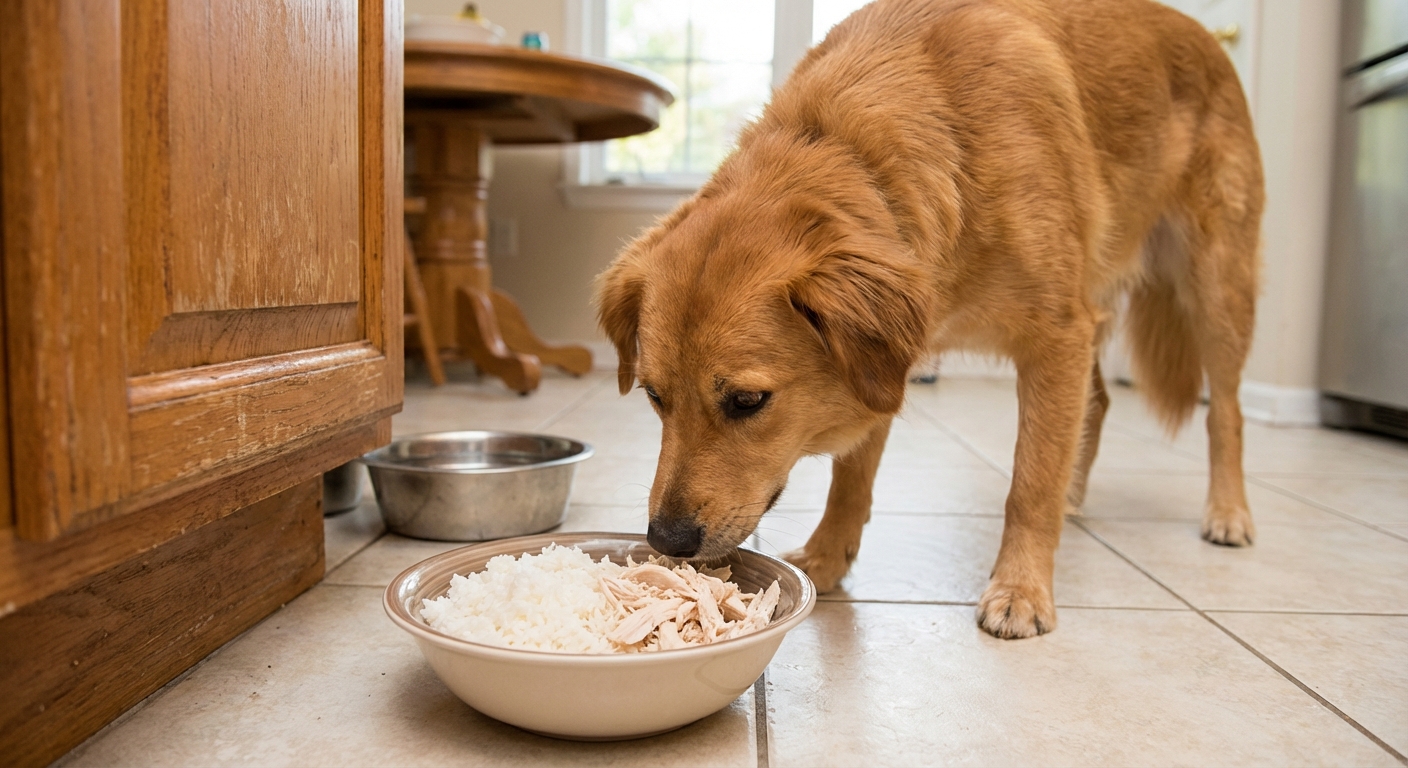
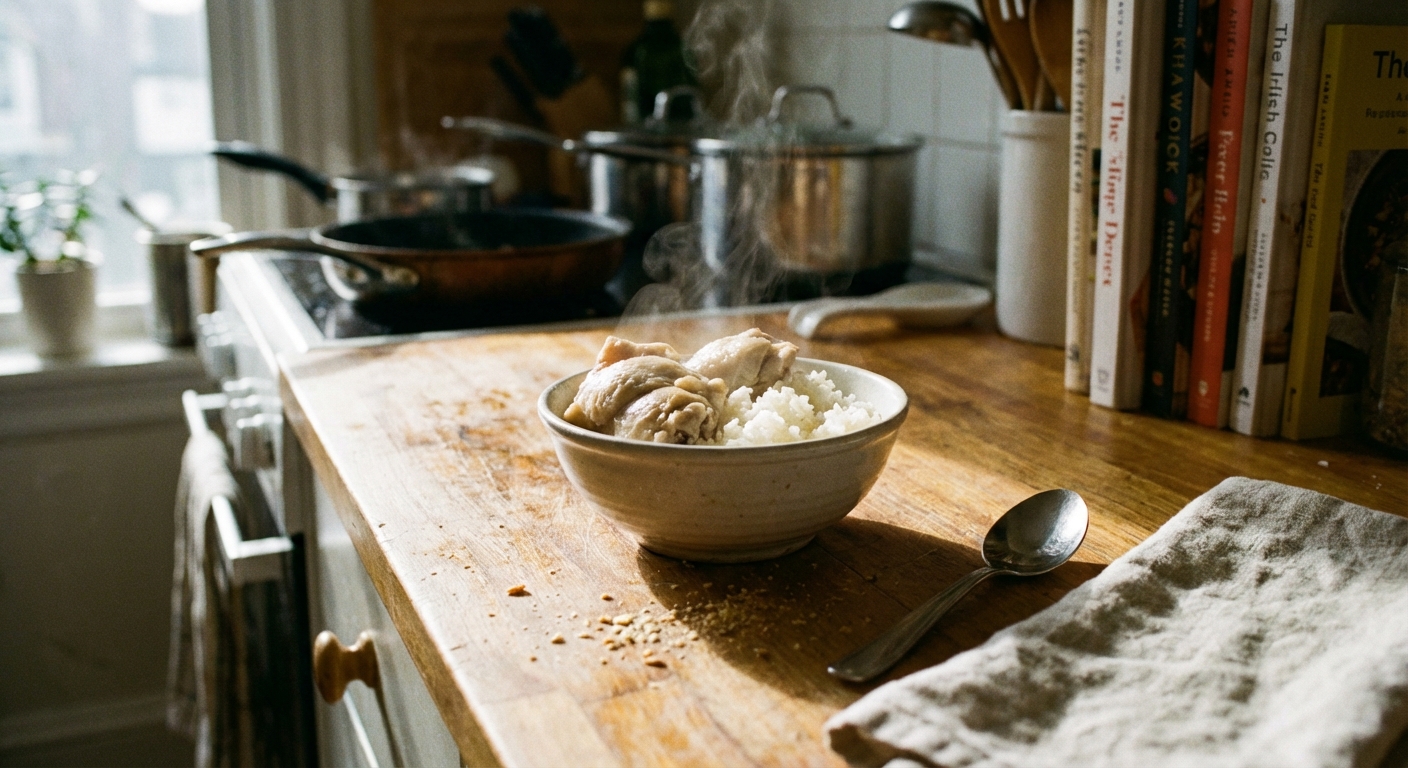
1) Boiled chicken and white rice
This is the classic bland diet for a reason. It is low in fat and gentle on the stomach.
- Use skinless chicken breast, boiled, with no seasoning.
- Use plain white rice, well-cooked.
- Typical ratio is 1 part chicken to 2 parts rice (more rice can be easier early on).
2) Lean ground turkey with rice
A good option if chicken does not agree with your dog. Choose very lean turkey, drain well, and avoid oils.
3) Plain canned pumpkin (not pie filling)
Pumpkin can help some dogs with mild digestive upset due to its soluble fiber. It is not a cure for vomiting, and it does not help every dog.
- Offer a small amount mixed into bland food after vomiting has stopped.
- Make sure it is 100% pumpkin with no spices or sweeteners.
- Skip it if it seems to worsen loose stool, gas, or belly discomfort.
4) Plain scrambled egg (small amount)
Egg is easy to digest for many dogs when prepared simply, but it can be richer than chicken breast.
- Scramble with no butter, oil, salt, or milk.
- Use as a small protein portion alongside rice.
- Avoid if pancreatitis is suspected, your dog has had pancreatitis before, or your vet has recommended a low-fat diet.
5) Prescription GI diets
If your dog vomits easily, has a history of pancreatitis, or struggles with recurring stomach issues, your veterinarian may recommend a therapeutic GI diet. These are designed to be highly digestible and consistent, which often reduces flare-ups.
How much to feed
Portion size matters as much as food choice. After vomiting, the stomach is sensitive and can be triggered by volume.
Simple portion rule
- Start with about 10% to 20% of your dog’s usual meal size.
- Feed every 2 to 3 hours on day one.
- If your dog keeps that down, gradually increase portions over 24 to 48 hours while reducing frequency.
Example starting portions
- Toy dogs: 1 to 2 teaspoons
- Small dogs: 1 to 2 tablespoons
- Medium dogs: 2 to 4 tablespoons
- Large dogs: 1/4 to 1/2 cup
These are starting points, not perfect prescriptions. Your dog’s normal meal size, breed, and medical history matter. When in doubt, start smaller and increase slowly.
Transition back to normal food
Once your dog has been stable for a full day on bland food, slowly reintroduce their regular diet.
- Day 1: 75% bland, 25% regular
- Day 2: 50% bland, 50% regular
- Day 3: 25% bland, 75% regular
- Day 4: 100% regular if no vomiting returns
If vomiting comes back during the transition, pause and contact your veterinarian. It may signal dietary intolerance, pancreatitis risk, parasites, infection, or another underlying issue.
Foods to avoid
Some foods commonly suggested online can worsen nausea, trigger diarrhea, or increase pancreatitis risk.
- Fatty foods: bacon, sausage, fried foods, greasy meat drippings.
- Dairy: milk, cheese, ice cream (can worsen GI upset and diarrhea).
- Seasoned foods: anything with garlic, onion, heavy spices, or rich sauces.
- Broth with additives: many store-bought broths contain onion and excess sodium.
- Bones and rawhide: choking and obstruction risks.
- Table scraps: unpredictable ingredients and fat content.
Important: Never give human anti-nausea medications or pain relievers unless your veterinarian tells you to. Common pain relievers like ibuprofen and naproxen can be dangerous for dogs, even in small amounts.
Special situations
Yellow foam
Yellow foam is often bile and can happen when the stomach is empty or irritated. If your dog is otherwise acting normal and the vomiting is occasional, your vet may recommend smaller, more frequent meals once stable. However, repeated bile vomiting can also point to pancreatitis, intestinal disease, or other conditions, so check in if it persists.
Eating too fast
This is common and often looks like regurgitation or undigested food soon after a meal. Once your dog is stable, prevention helps.
- Use a slow feeder bowl or scatter feeding.
- Divide daily food into 3 to 4 smaller meals.
- Limit intense activity right after eating.
Vomiting with diarrhea
Mild stomach bug symptoms may improve with bland food and hydration, but diarrhea increases dehydration risk. If diarrhea is severe, bloody, or your dog becomes weak, call your veterinarian promptly. Some dogs can worsen quickly, even before the 12 to 24 hour mark, so use the red-flag list as your guide.
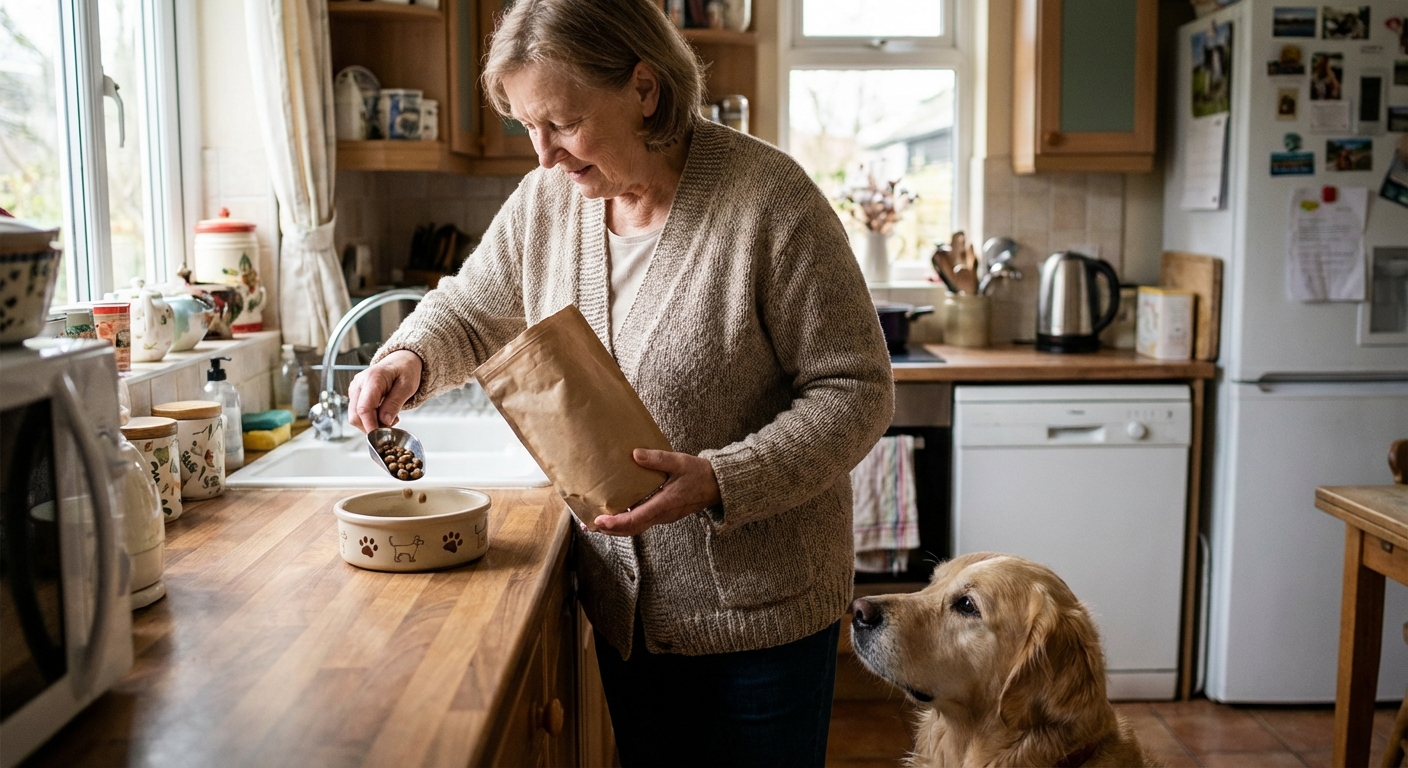
Simple 24-hour plan
If your dog has gone several hours without vomiting and can keep water down, here is a gentle approach you can discuss with your vet.
- Morning: Small portion of boiled chicken and rice
- Midday: Small portion of chicken and rice (optional small spoon of plain pumpkin if it has helped your dog before)
- Afternoon: Repeat small portion
- Evening: Slightly larger portion if no vomiting returns
- All day: Fresh water offered frequently in small amounts, only as tolerated
Keep meals boring for a day or two. A calm stomach today is the fastest path back to a normal diet tomorrow.
When to follow up
Sometimes vomiting resolves but returns a few days later. Consider calling your veterinarian if:
- Vomiting episodes repeat more than once a month.
- Your dog is losing weight, eating less, or seems nauseated frequently.
- There is ongoing lip-licking, gulping, drooling, or grass-eating.
- You recently changed foods, started a new medication, or added supplements.
If vomiting is recurrent, your vet may recommend diagnostics such as a fecal test, bloodwork, and imaging to look for parasites, pancreatitis, GI inflammation, obstruction, and other underlying problems.
Bottom line
For many dogs, the best food after vomiting is a bland, low-fat meal in very small portions, only after vomiting has stopped and your dog can keep water down. Boiled chicken and rice is a dependable starting point, and a gradual transition back to regular food helps prevent relapse.
If your dog seems unwell, cannot hold down water, vomits repeatedly, or shows any red-flag symptoms, trust your instincts and call your veterinarian. Getting help early is often the simplest way to prevent a minor stomach upset from becoming a bigger problem.