Vet-assisted guide to puppy diarrhea: emergency red flags, bland diet options, pumpkin and probiotics, hydration support, foods to avoid, feeding schedule, a...
Article
•
Designer Mixes
What to Feed a Puppy With Diarrhea

Shari Shidate
Designer Mixes contributor
When your puppy has diarrhea, it can feel scary and urgent. As a veterinary assistant here in Frisco, Texas, I want you to know two things can be true at once: many cases are mild and pass quickly, and puppies can also get dehydrated fast. The “secret” is not a magic food. It is knowing when to call the vet, how to protect hydration, and which gentle foods support recovery without making the gut work harder.
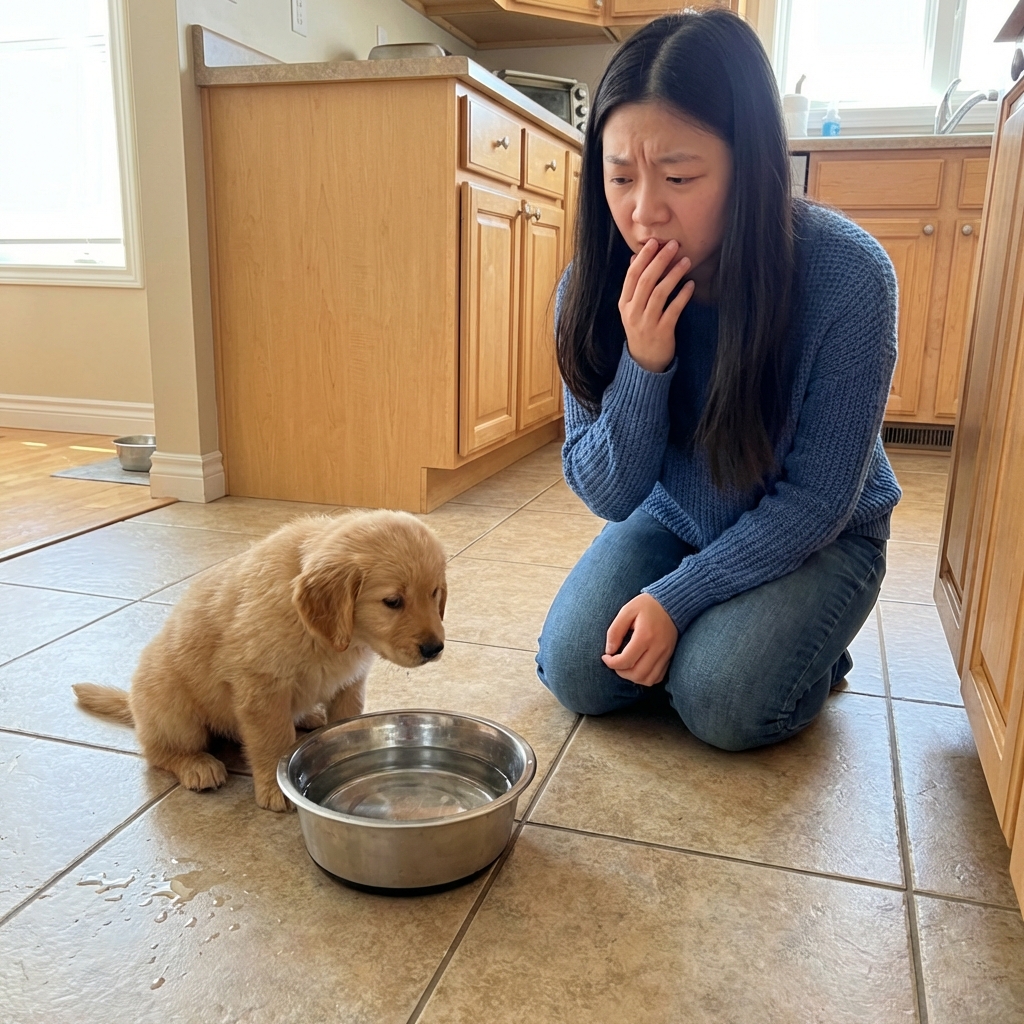
Important note: This article supports, but does not replace, care from your veterinarian. If your puppy is very young, very small, not fully vaccinated, or acting sick, please call your clinic right away.
If it seems mild: a safe 12 to 24 hour plan
By “mild,” I mean your puppy is bright and alert, still drinking, no repeated vomiting, and the stool is soft or loose but not constant watery diarrhea.
- Prioritize hydration and keep water available at all times.
- Pause treats and rich foods and switch to a bland, low-fat diet in small meals.
- Watch closely for red flags below. If anything changes, call your vet.
First: red flags that need a vet today
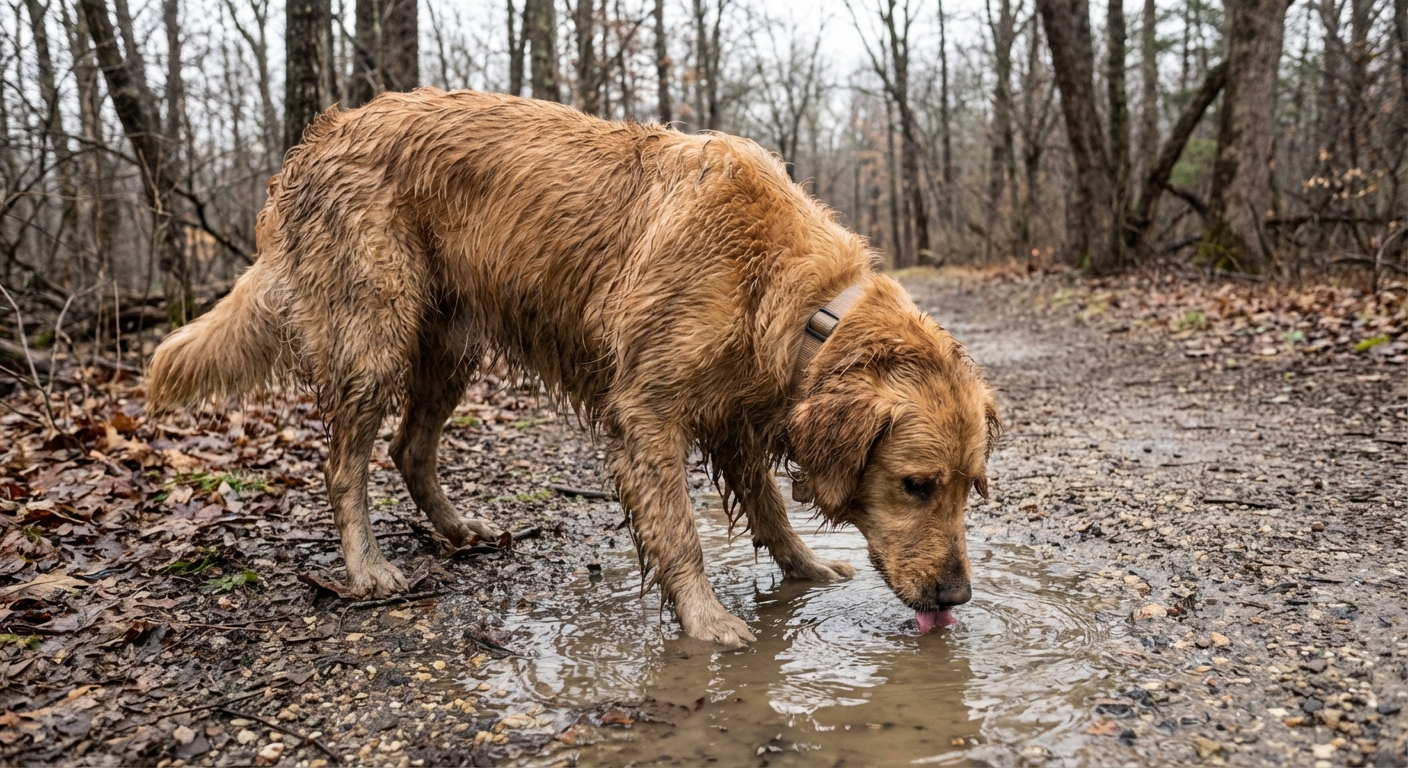
Diarrhea is a symptom, not a diagnosis. In puppies, common causes include parasites (like roundworms or giardia), dietary indiscretion (getting into the trash), sudden food changes, stress, infections, and sometimes viruses.
Contact a veterinarian now if you notice any of the following:
- Blood in the stool (bright red or black, tarry stool)
- Vomiting repeatedly or unable to keep water down
- Lethargy, weakness, collapse, or obvious belly pain
- Dehydration signs: tacky or sticky gums, sunken eyes, marked tiredness, reduced urination, slow skin “snap back”
- Fever (or puppy feels unusually hot) or shivering
- Very young age (especially under about 12 weeks), or toy and small breeds
- Suspected toxin exposure (medications, xylitol gum, chocolate, grapes/raisins, rodent bait)
- Watery and frequent diarrhea, worsening frequency, or diarrhea lasting more than 24 to 48 hours (sooner if very young or small)
- Your puppy is not fully vaccinated, or you are worried about parvo
If you are ever unsure, call. I would rather you feel overcautious than miss early dehydration or a serious infection like parvo.
The real priority: hydration before food
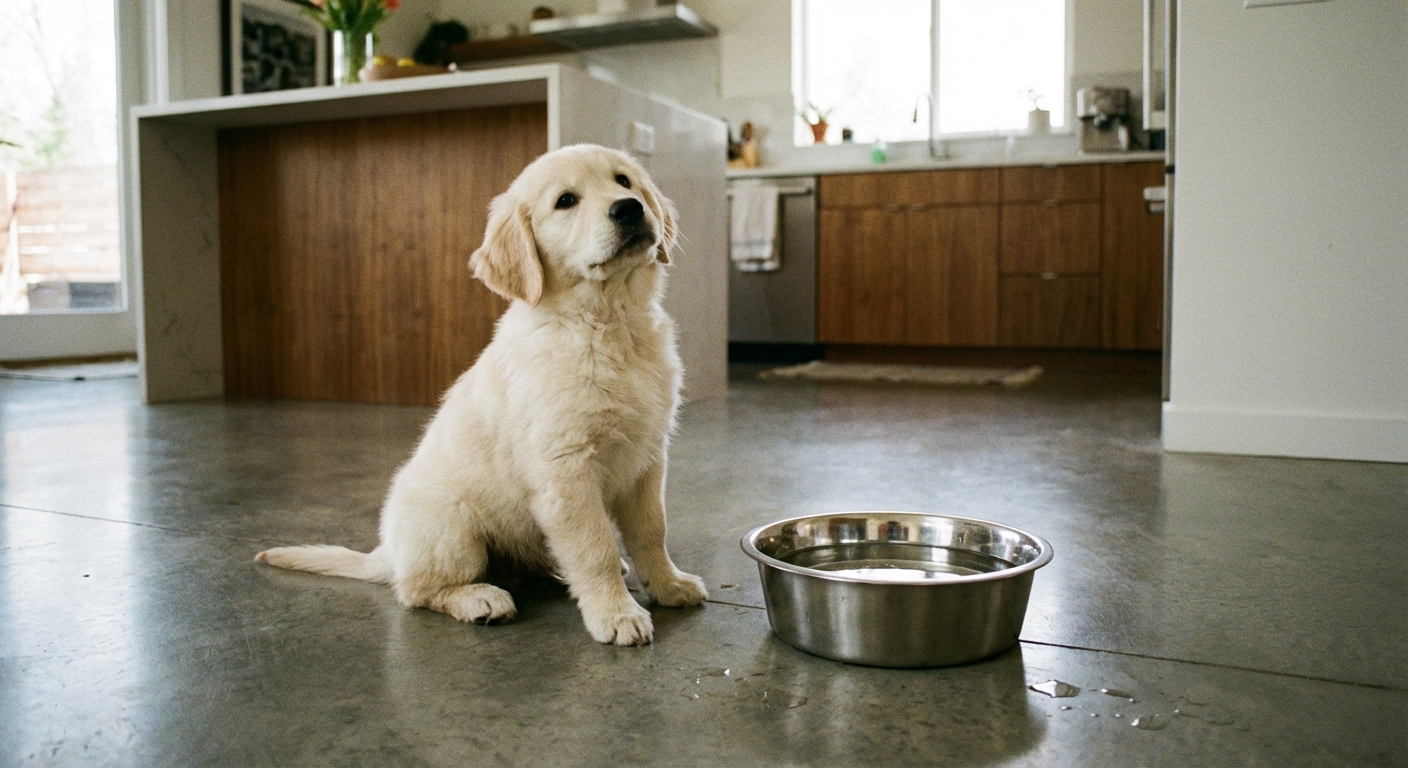
The biggest danger with puppy diarrhea is fluid loss. Even if you temporarily reduce food, you still want hydration moving in the right direction. Do not withhold water.
What you can do at home
- Offer fresh water frequently. Some puppies drink better from a wide bowl.
- Small, frequent sips can be easier than a full bowl if the stomach is touchy.
- Ask your vet if an oral electrolyte solution is appropriate for your puppy’s age and size, and what amount. Avoid DIY mixes because the salt and sugar balance matters.
- Monitor urination: fewer wet spots or darker urine can suggest dehydration.
- Straining to pee is different. It can signal urinary discomfort or blockage risk, and it deserves prompt vet advice even if you are not sure it is related to diarrhea.
If your puppy will not drink, vomits water, or seems weak, this needs a vet visit. Puppies can require subcutaneous or IV fluids quickly, and home rehydration is not enough when vomiting is in the mix.
What to feed: gentle reset foods
For many mild cases, a short-term bland diet helps the gut rest while still providing calories. The goal is simple, low-fat, easy-to-digest food in small portions. If your vet prefers a commercial GI diet (especially for tiny puppies), that is often the most consistent option.
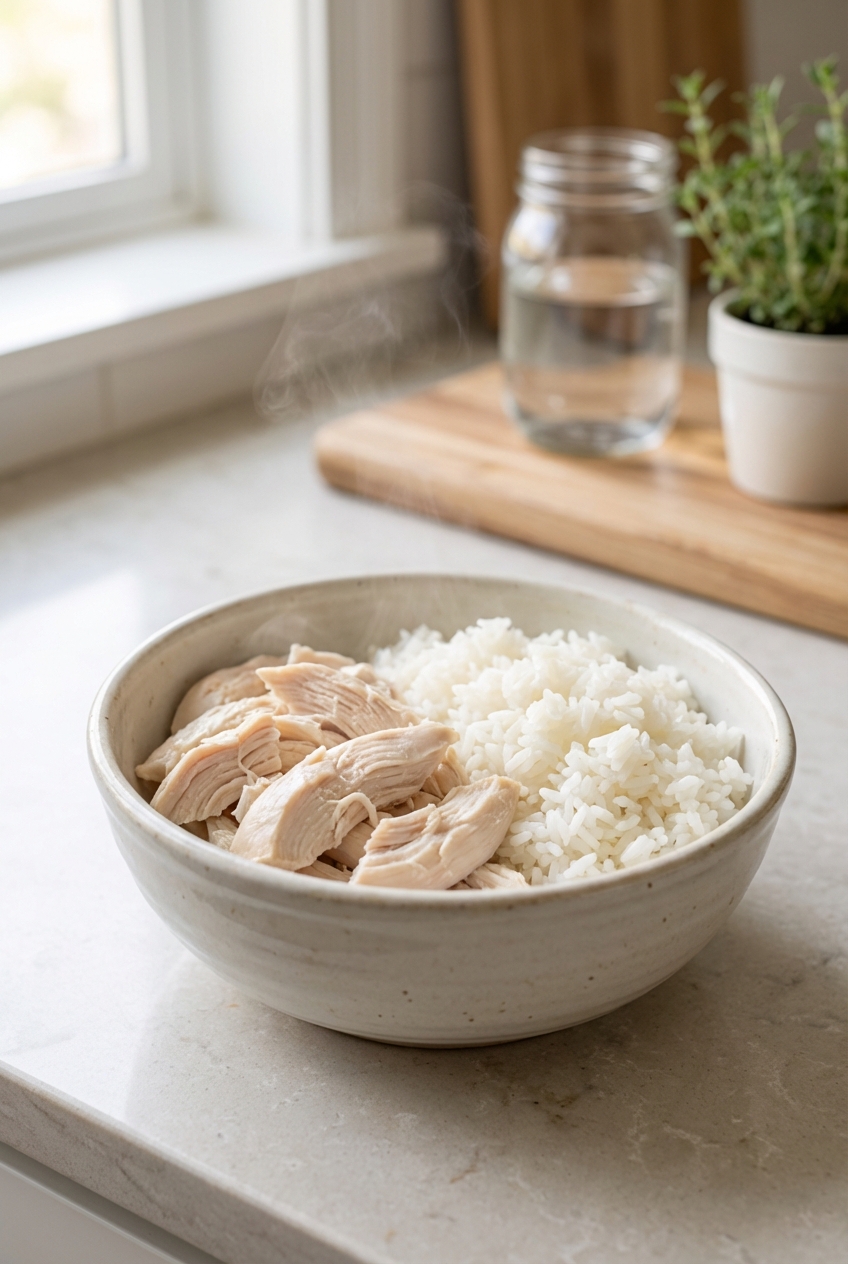
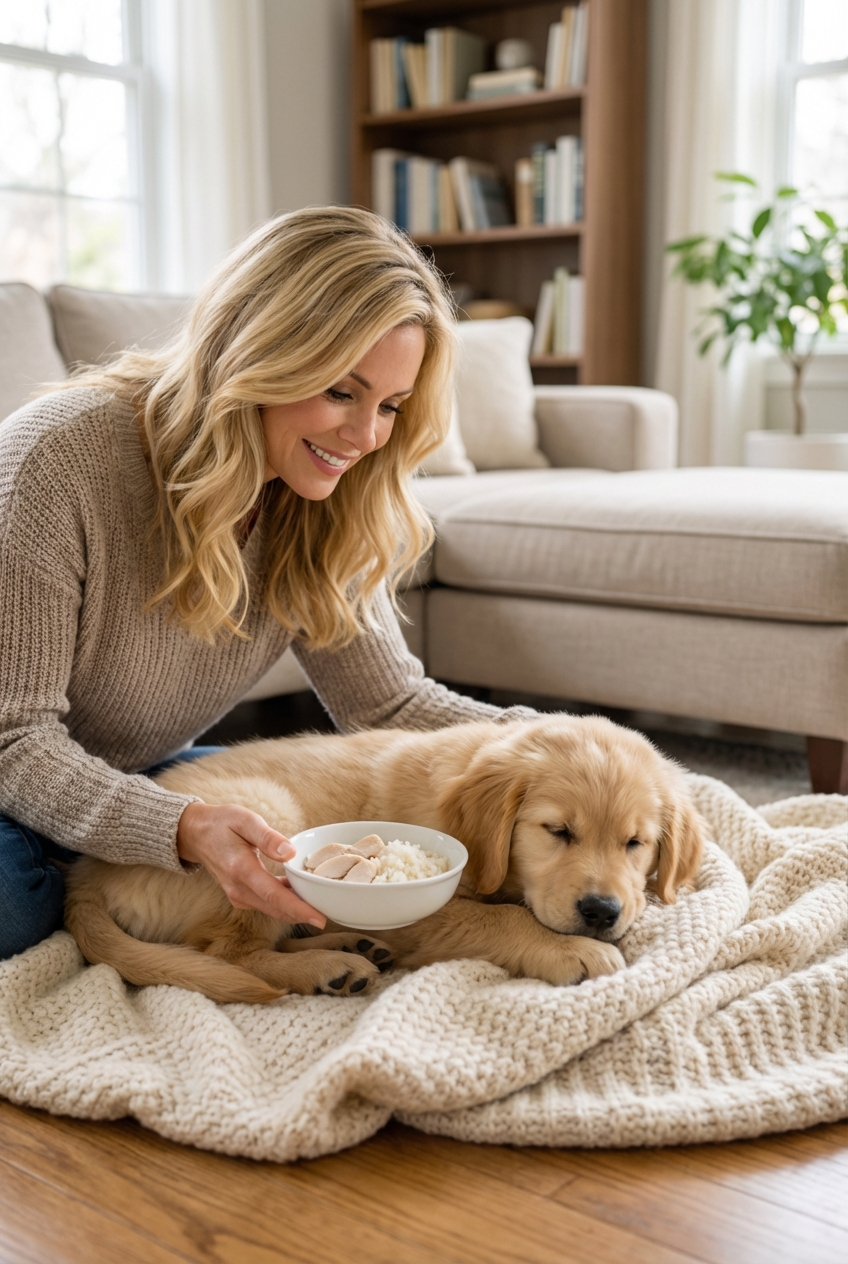
Option A: boiled chicken and white rice
This is a classic because it is gentle and usually well tolerated.
- Chicken: boiled, skinless, boneless, no seasoning
- Rice: plain white rice, cooked soft
- Ratio: often about 1 part chicken to 2 parts rice for a short period, but your vet may adjust (some puppies do better with a different balance or a veterinary GI diet)
Option B: lean ground turkey and rice
Cook turkey thoroughly, drain any fat, and mix with soft white rice.
Option C: pumpkin, used correctly
Plain canned pumpkin (not pie filling) can help some puppies because its soluble fiber can firm stool. Use a small amount mixed into the bland food, especially for tiny puppies. Fiber can also make some cases worse, so if you see more gas, discomfort, or looser stool, stop and call your vet.
Option D: veterinary GI puppy diet
If your puppy has a sensitive stomach, recurring diarrhea, or you want the most predictable option, ask your vet about a prescription gastrointestinal puppy diet. These diets are formulated to be highly digestible and support recovery while avoiding the nutritional imbalance that can happen with home bland diets if used too long.
How much and how often?
Instead of 1 or 2 large meals, offer small meals every 3 to 4 hours during the first day or two, then gradually return to a normal schedule as stools improve.
Stop the bland diet once stool normalizes, then transition back to the regular puppy food slowly over about 3 to 5 days to avoid re-triggering diarrhea.
What makes feeding work
1) Keep fat low
High-fat foods can worsen diarrhea. Skip bacon, sausage, greasy table scraps, cheese-heavy treats, and fatty meat trimmings while your puppy recovers.
2) Avoid sudden food changes
Even if your puppy seems better, a rapid return to the normal diet can restart the cycle. Mix bland food with regular puppy food gradually.
3) Parasites are common, even in clean homes
Many puppies have intestinal parasites. A fecal test is often the turning point, because the correct dewormer or giardia treatment changes everything. Even puppies who have had routine deworming can still have giardia or other parasites that require specific testing and medication. If diarrhea repeats, ask for a fecal exam and discuss giardia testing if it fits your puppy’s situation.
4) Probiotics can help, but choose the right kind
Some evidence supports specific veterinary probiotics for acute diarrhea in dogs. Use a product recommended by your veterinarian, especially for young puppies. Avoid random human probiotics, which can be hit-or-miss for dogs.
5) Treats can sabotage progress
During recovery, keep treats minimal or use tiny portions of the bland diet as treats. Even one rich chew can undo a full day of improvement.
Foods to avoid
These are common culprits that can prolong symptoms or create new problems:
- Milk and ice cream (many puppies do not tolerate lactose well)
- Spicy or seasoned foods (onion and garlic powder are especially risky)
- High-fiber cleanse foods in large amounts (too much fiber can increase stool volume)
- Raw diets during active diarrhea (higher pathogen risk and harder to manage safely)
- Grapes/raisins, chocolate, xylitol, macadamia nuts
- Over-the-counter human anti-diarrheals unless your vet specifically tells you to use them
Easy home monitoring
I always tell puppy families: your observations are powerful data for your vet.
- Frequency: How many episodes in 24 hours?
- Consistency: pudding-like, watery, or formed with mucus?
- Color: normal brown, yellow, green, black or tarry?
- Energy: playing normally or subdued?
- Appetite: interested in food or refusing?
- Hydration: drinking normally, less, or not at all?
- Exposure: dog parks, boarding, new treats, chews, plants, trash, new medication?
If you can safely bring a fresh stool sample to your vet, it can speed up diagnosis. Fresh is best. If you need to store it briefly, seal it well and refrigerate it, then follow your clinic’s specific timing instructions. Do not freeze unless your clinic tells you to.
Switching back to regular food
Once stools are improving for about 24 hours and your puppy is acting normal, begin mixing regular puppy food back in:
- Days 1 to 2: 75% bland + 25% regular
- Days 3 to 4: 50% bland + 50% regular
- Days 5: 25% bland + 75% regular
- Day 6: 100% regular (if stools stay normal)
If diarrhea returns at any stage, pause and contact your veterinarian.
A gentle pep talk
You are not failing if your puppy gets diarrhea. Puppies explore the world with their mouths, their immune systems are still learning, and their digestion is more sensitive than an adult dog’s. With quick attention, a smart bland diet, and guidance from your veterinarian when needed, most puppies bounce back beautifully.
If your puppy looks sick, is very young, or the diarrhea is severe, skip the internet guessing game and call your vet. Early care is the best secret of all.