Step-by-step home care for mild dog diarrhea and vomiting: short food break, small sips of water, bland diet, pumpkin, probiotics, dehydration checks, and ur...
Article
•
Designer Mixes
What to Feed a Dog With an Upset Stomach

Shari Shidate
Designer Mixes contributor
As a veterinary assistant here in Frisco, Texas, I hear this question constantly: “What should I feed my dog when their stomach is upset?” The good news is that most mild tummy troubles improve with a short, gentle reset and the right foods. The key is knowing when it is safe to manage at home and when you should call your vet.
Quick note: This is general education and not a substitute for veterinary care. If you are worried, it is always okay to call your clinic.
First, is it an emergency?
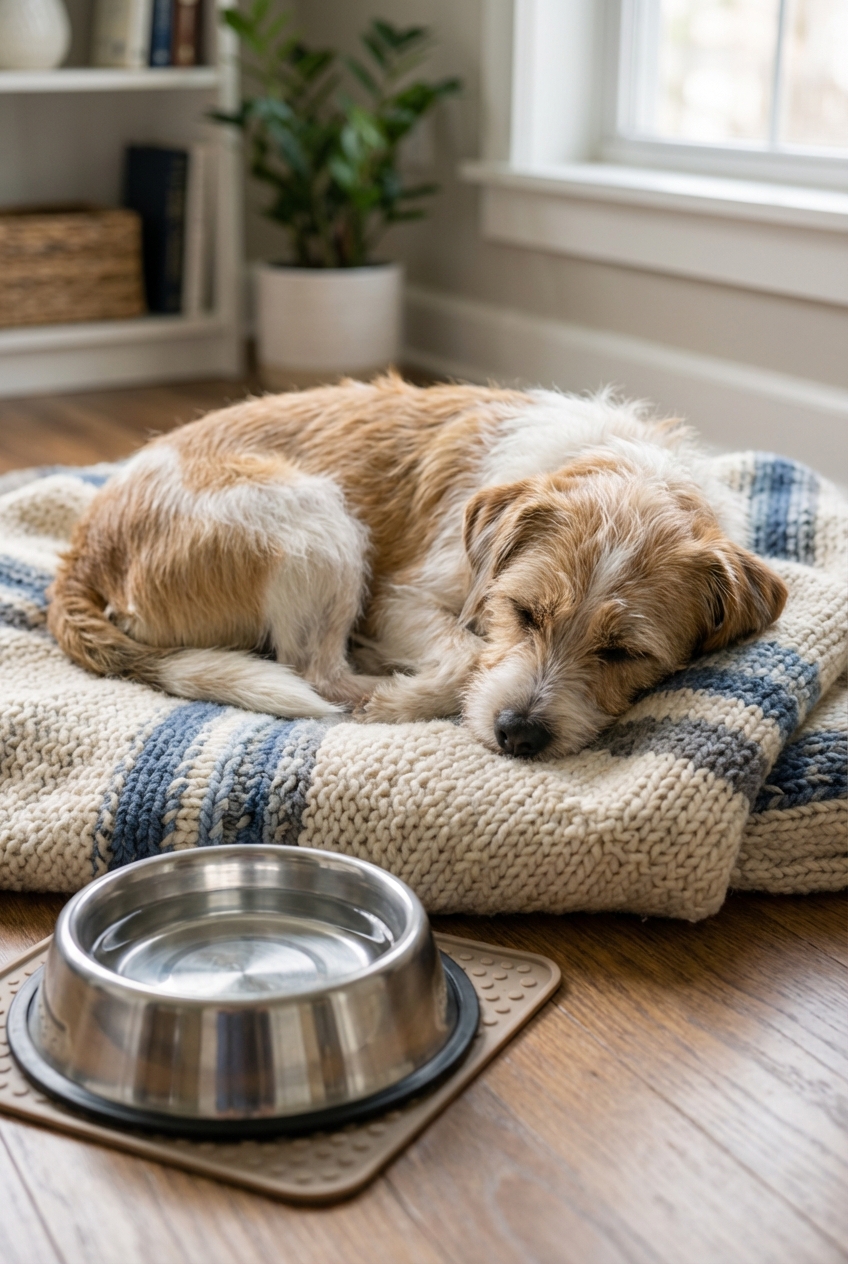
Before we talk food, let’s make sure your dog is safe. Upset stomach can mean mild indigestion, but it can also signal pancreatitis, an obstruction, toxin exposure, or an infection.
Call your veterinarian urgently if you notice:
- Repeated vomiting or vomiting that will not stop
- Blood in vomit or stool, or black tarry stool
- A painfully bloated belly, repeated dry heaving, or restlessness (possible bloat)
- Severe lethargy, collapse, pale gums, or trouble breathing
- Suspected foreign body (chewed toy, sock, corn cob) or toxin exposure
- Fever, dehydration, or your dog cannot keep water down
- Puppies, seniors, or dogs with diabetes, kidney disease, Addison’s disease, or other chronic conditions
If your dog seems generally bright, has mild diarrhea or a couple of vomits, and is still interested in water, home care may be reasonable for 12 to 24 hours while you monitor closely.
Step 1: Give the stomach a short break
Some vets recommend a brief pause from food for adult dogs with vomiting to let the stomach settle. For many healthy adult dogs, that may mean about 6 to 12 hours without food, while still offering small amounts of water. Other vets prefer a shorter break or no fasting at all, depending on the cause. If vomiting continues, your dog seems painful, or you are unsure, contact your veterinarian.
If your dog is a puppy, tiny breed, or has medical conditions, do not fast without veterinary guidance.
Hydration matters more than food at first
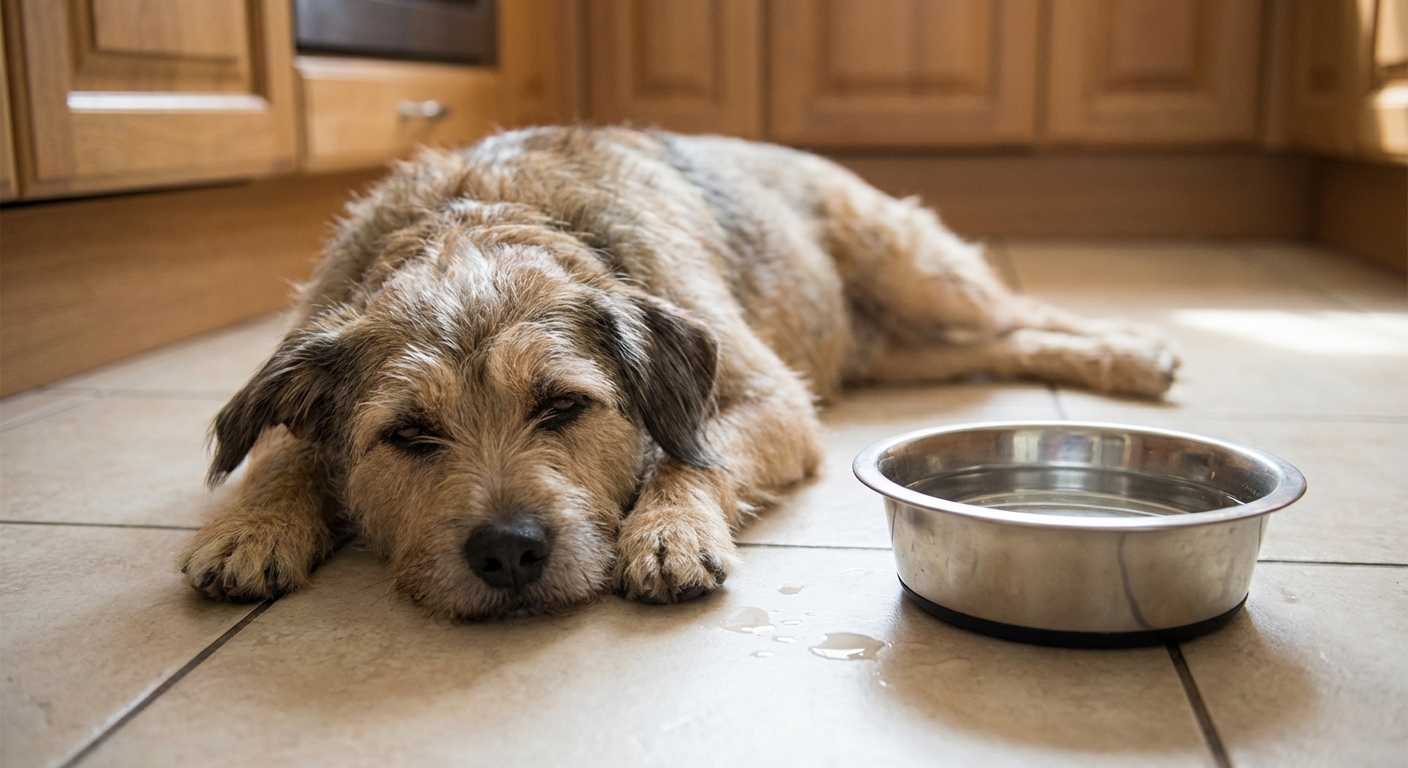
Dehydration can happen quickly with vomiting and diarrhea. Offer:
- Small, frequent sips of water
- Ice chips for dogs that gulp water and vomit
- Unseasoned broth (no onion, no garlic, low sodium) if your vet says it is okay
Simple hydration checks at home: gums should feel moist (not tacky or dry), and the skin over the shoulder blades should spring back quickly when gently lifted. If you see dry or sticky gums, sunken eyes, marked weakness, or your dog will not drink, call your vet.
Tip: If your dog drinks a full bowl fast and vomits, offer a few tablespoons every 15 to 30 minutes instead.
Step 2: Bland diet basics
When your dog is ready to eat again, think: simple, low fat, easy to digest. A bland diet is not meant to be forever. It is a short-term tool to calm the gut.
Best bland foods for most dogs
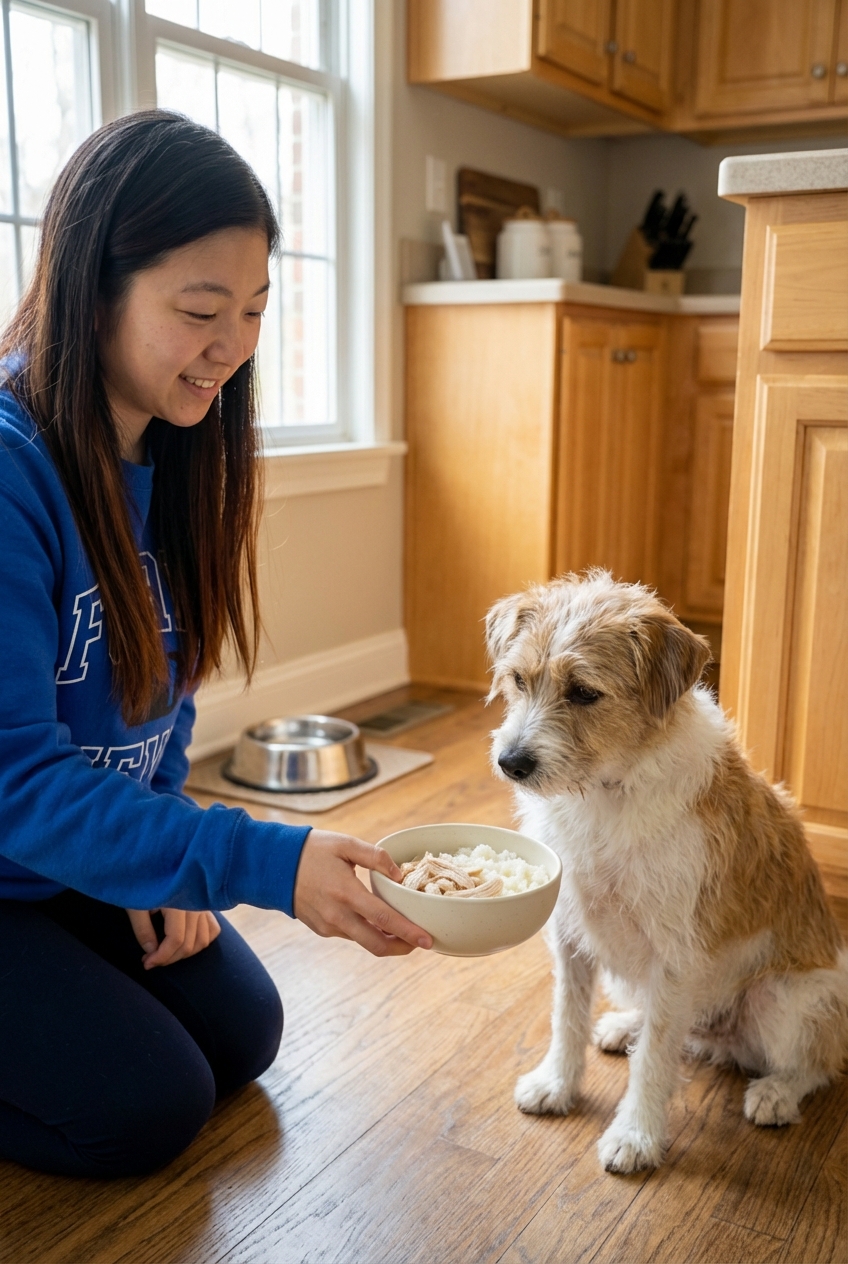
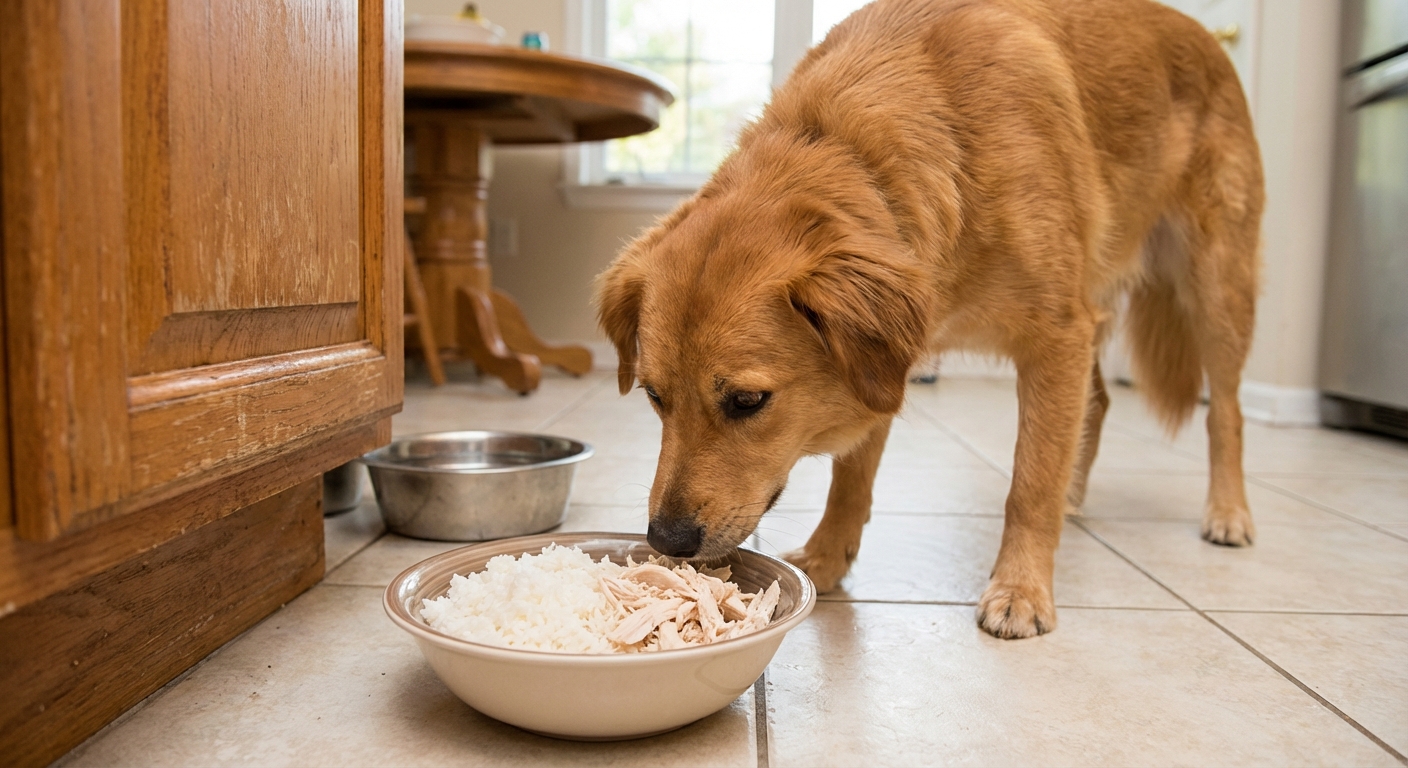
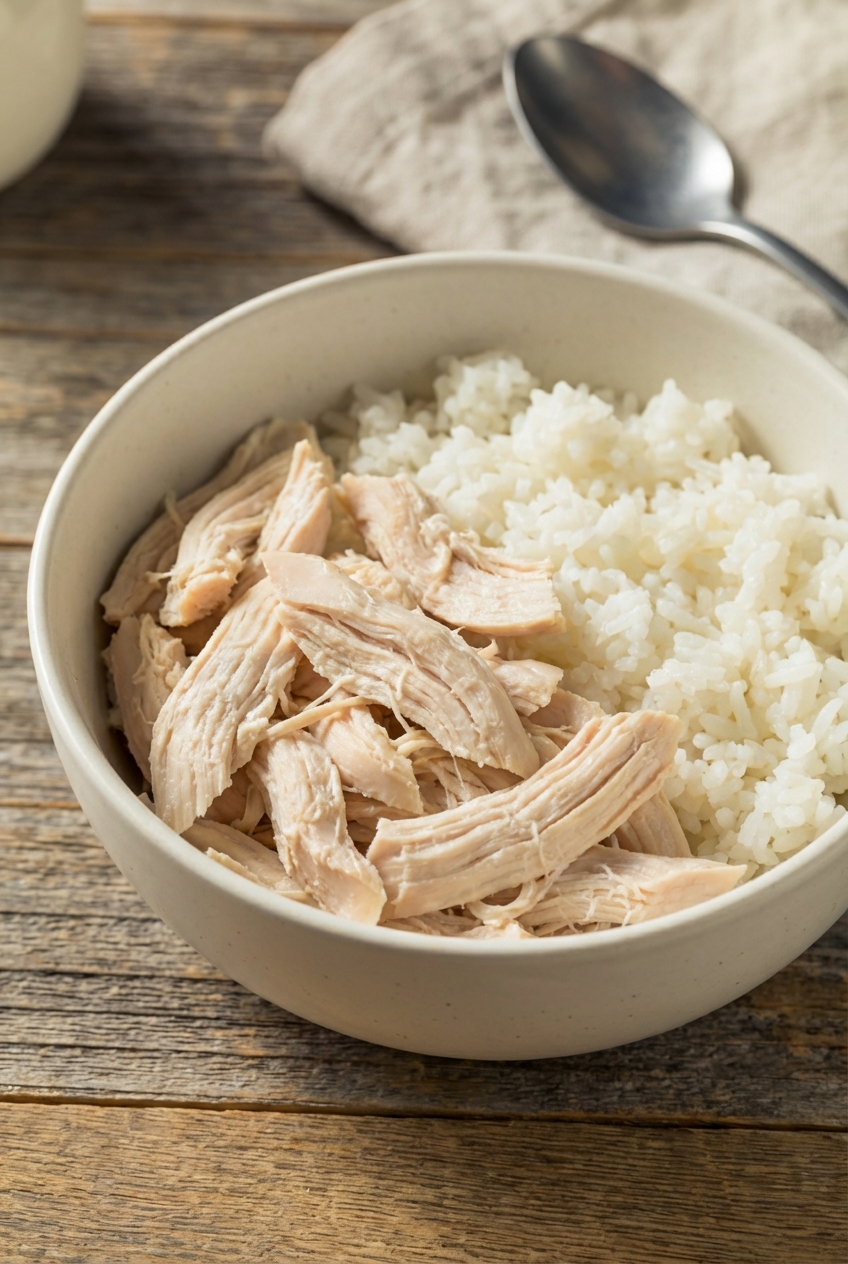
- Boiled skinless chicken breast (shredded, no seasoning)
- Lean ground turkey (well cooked and drained)
- White rice (well cooked, slightly soft)
- Plain canned pumpkin (not pie filling)
- Boiled potato (plain, no butter or dairy) as an alternative carb
Typical ratio
One common starting point is about 2 parts carbohydrate to 1 part lean protein. Some dogs do better closer to 1:1, and your vet may recommend a different balance based on your dog’s needs. If your veterinarian has given you directions, follow those.
How much and how often?
Smaller meals are gentler on the stomach. Aim for 3 to 6 small meals per day for 1 to 3 days.
Portion cue: Start with roughly 10 to 25% of your dog’s usual meal size. If they keep that down for a few hours, you can gradually increase the amount.
Vomiting vs. diarrhea
If vomiting is the main issue
- Start with water only in small amounts
- Then try a very small bland meal
- Keep meals low fat and modest in size
If diarrhea is the main issue
- Bland meals are often helpful
- Pumpkin can support stool consistency for some dogs
- Ask your vet about a probiotic made for dogs
Important note: If diarrhea is severe, watery, frequent, or your dog is straining, uncomfortable, or having accidents overnight, it is time to check in with your vet. Parasites and infections are common and very treatable, but they need the right plan.
Foods to avoid
Even if your dog begs, these can worsen symptoms or trigger pancreatitis.
- Fatty foods like bacon, sausage, greasy meat, skin from chicken
- Dairy (many dogs are lactose intolerant, especially when sick)
- Rich treats, table scraps, chews, and new foods
- Spicy or heavily seasoned foods
- Raw, rough, gassy veggies (for example, lots of raw broccoli, cauliflower, cabbage, or big salads) which can be hard on an irritated gut
- Toxic foods like onions, grapes/raisins, xylitol, macadamia nuts, alcohol, chocolate
Gentle add-ins
These can be useful once vomiting has stopped and your dog is keeping bland meals down. Always introduce slowly.
Plain pumpkin
Many dogs do well with about 1 teaspoon per 10 pounds mixed into food as a starting point. Dosing varies by product and goal, and too much fiber can worsen diarrhea or cause constipation, so start small and adjust with your veterinarian’s guidance.
Dog-specific probiotics
There is evidence that some canine probiotics can shorten the course of acute diarrhea, but results are strain- and product-dependent. Your vet can recommend a reputable option and a dose that fits your dog.
Prescription GI diets
If your dog gets frequent stomach upset, a veterinary therapeutic gastrointestinal diet may be a better choice than repeated home bland food. They are designed to be highly digestible and nutritionally complete.
Common meds to avoid
Many well-meaning owners reach for human over-the-counter medications. Do not give these unless your veterinarian specifically instructs you to:
- Pepto-Bismol or other bismuth products
- Imodium (loperamide)
- NSAIDs like ibuprofen, naproxen, or aspirin
Some can be toxic, and others can mask symptoms or be unsafe with certain infections, breeds, or medical conditions.
How long should the bland diet last?
Most dogs stay on a bland diet for 2 to 3 days once symptoms improve. After stools are normal for about 24 hours, begin transitioning back to their regular food.
Easy transition schedule
- Day 1: 75% bland food, 25% regular food
- Day 2: 50% bland food, 50% regular food
- Day 3: 25% bland food, 75% regular food
- Day 4: 100% regular food
When can treats and chews come back? Once your dog is fully back on their regular meals with normal stools for 2 to 3 days, reintroduce treats slowly. Stick to familiar, low-fat options, and avoid rich chews for at least a week if your dog is prone to flare-ups.
If symptoms return during the transition, slow down and contact your veterinarian.
Special situations
Suspected pancreatitis
Pancreatitis often needs a vet visit. Food choices must be very low fat, and your dog may need medications for nausea and pain.
Food allergies or sensitive stomachs
If your dog has recurring GI flare-ups, it may be time for a structured elimination diet trial with your vet instead of rotating many proteins at home.
Puppies and small dogs
They are more prone to low blood sugar and dehydration. If your puppy is vomiting or has diarrhea, do not wait long to call your vet.
Quick home checklist
- Check energy, gum color, belly comfort, and hydration
- Offer water in small, frequent amounts
- Use bland, low-fat foods in small meals
- Stop all treats and chews temporarily
- Track vomiting and diarrhea frequency
- Contact your vet if symptoms persist longer than 24 hours, worsen, or you see red flags
Trust your instincts. You know your dog best. If something feels off, call your veterinarian. It is always okay to ask.