Cat diarrhea can clear up fast with the right care. Learn safe at-home steps for hydration, bland meals and probiotics, plus red flags, what to avoid, and wh...
Article
•
Designer Mixes
What to Feed a Cat With Diarrhea

Shari Shidate
Designer Mixes contributor
When your cat has diarrhea, it is normal to feel worried and a little helpless. The good news is that many cases improve quickly with the right support at home. The key is knowing what to feed, what to avoid, and when to call your veterinarian, especially for kittens and senior cats.
As a veterinary assistant in Frisco, Texas, I always tell pet parents this: diarrhea is a symptom, not a diagnosis. Food can help soothe the gut, but we also want to stay alert for dehydration, parasites, infections, food intolerance, or underlying illness.
Quick note: This article is for general education and is not a substitute for a veterinary exam and diagnosis.
First, check for urgent red flags
Before changing food, do a quick safety check. Call your vet promptly or seek urgent care if you notice any of the following:
- Blood in the stool (bright red) or black, tarry stool
- Repeated vomiting, refusal to eat, or severe lethargy
- Signs of dehydration (dry or tacky gums, sunken eyes, weakness, hiding, acting “not themselves”)
- Very watery diarrhea, diarrhea that is happening much more frequently than normal, or frequent small volumes of diarrhea with straining or discomfort
- Diarrhea lasting longer than 24 hours in kittens, seniors, or cats with chronic disease (kidney disease, diabetes, IBD, hyperthyroidism, etc.)
- Recent antibiotic use, known pancreatitis or IBD, or any condition that weakens the immune system
- Possible toxin exposure, string ingestion, foreign object risk, or recent access to trash
Kittens can crash fast. If your kitten has diarrhea, it is safer to call your vet the same day.
For a healthy adult cat who is bright, eating, and drinking, a mild diarrhea episode can sometimes be monitored at home for 24 to 48 hours while you do supportive care. If you are unsure, call your vet. That is always appropriate.
How to tell if it is mild
Not all diarrhea is the same. Here is a practical way to think about it at home:
- Milder: soft stool that still has some shape, normal energy, normal appetite, no vomiting, and your cat is still drinking.
- More concerning: watery stool, accidents outside the litter box, going much more often than usual, straining, a strong foul odor that is new, or any vomiting, appetite drop, or listlessness.
While you monitor, keep notes on: how often they go, whether vomiting occurs, appetite, water intake, urination, and overall energy level. These details really help your veterinarian if you end up needing a visit.
Hydration is the priority
Diarrhea pulls water and electrolytes out of the body. Even if your cat is eating, dehydration can sneak up quickly.
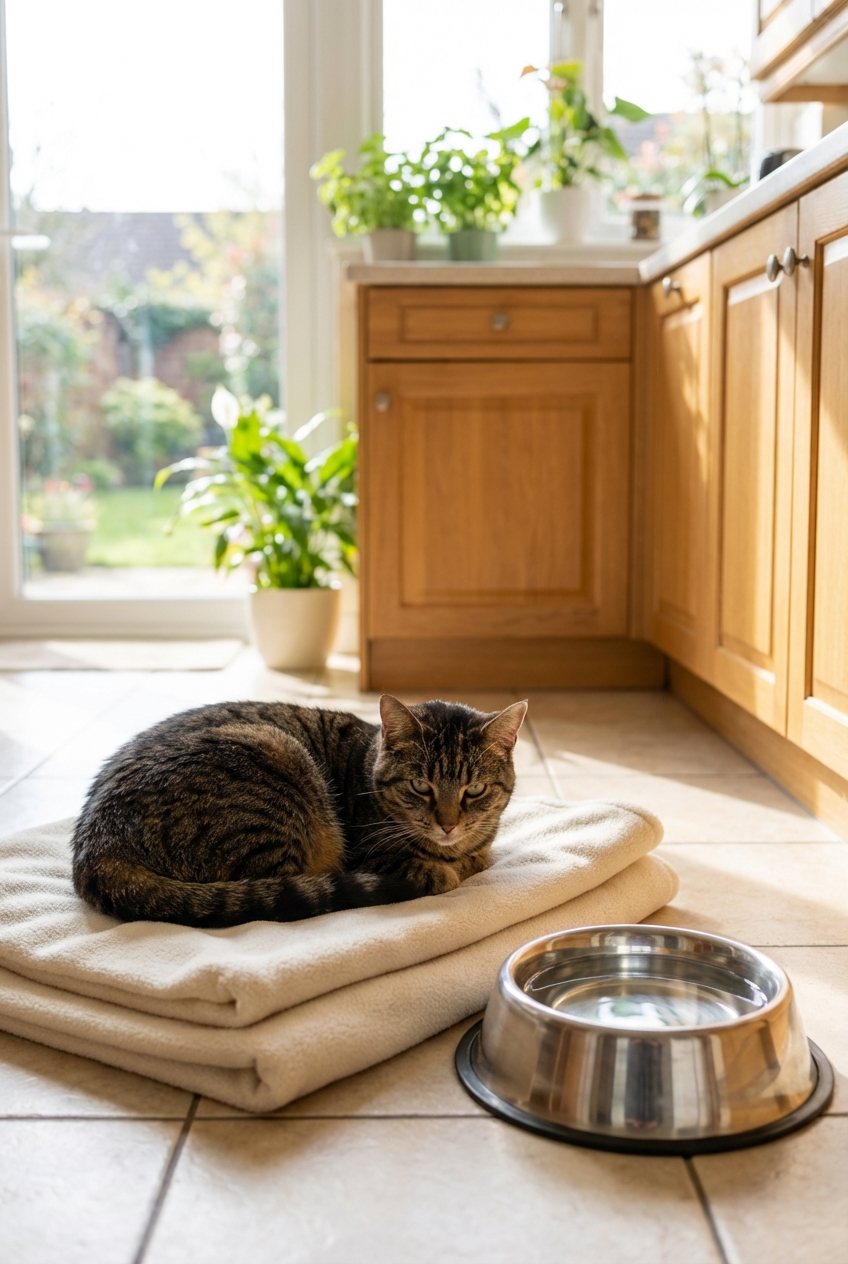
- Offer fresh water in multiple spots.
- Use a cat water fountain if your cat prefers moving water.
- Feed wet food rather than dry kibble during recovery, if your cat will eat it.
- Ask your vet before using electrolyte products. Some human electrolyte drinks are not cat-safe due to sweeteners, high sodium, or additives. Use veterinary-approved options when recommended.
What to feed: gentle diet options
A gentle diet is designed to be easy to digest and lower in fat, while still providing protein. There is no single perfect food for every cat, but these are options veterinarians commonly recommend.
Option 1: Veterinary GI diets
If you can access them quickly, veterinary gastrointestinal diets are often the best choice because they are formulated to be highly digestible and nutritionally complete.
- Look for vet-recommended GI formulas (wet versions can be helpful for hydration).
- These diets often include prebiotic fibers to support stool quality.
If your cat has frequent episodes of diarrhea, this is a great conversation to have with your veterinarian because chronic diarrhea usually needs more than a temporary food fix.
Option 2: Simple, temporary home bland food (short term only)
If you cannot get a veterinary GI diet right away, a short-term bland option can help some cats. Keep it simple and avoid seasoning.
- Boiled, skinless chicken breast (plain, no oils, no garlic, no onion)
- Plain cooked turkey (lean, unseasoned)
Important: Cats are obligate carnivores. Unlike dogs, we often do not rely heavily on rice or other grains for feline diarrhea. That said, some veterinarians may recommend a small amount of easily digestible carbohydrate or specific fiber depending on the cause, so follow your vet’s guidance for your individual cat.
Use home bland food for 24 to 48 hours unless your veterinarian advises otherwise. It is not balanced for long-term feeding.
Simple portion starting point: offer small amounts every 4 to 6 hours (for many cats, starting with 1 to 2 tablespoons per meal is reasonable, then adjust based on size and appetite). The goal is small, frequent meals without overloading the gut.
Avoid bones, skin, broth made with onion or garlic, and deli meats (too salty and often seasoned).
Option 3: Back to basics (for mild cases)
If diarrhea is mild and your cat is acting normal, sometimes the best move is to:
- Stop all treats and table food
- Feed a measured amount of your cat’s regular food
- Offer smaller, more frequent meals
This works well when diarrhea is caused by overfeeding, too many treats, a minor stress event, or a recent small diet change.
What to avoid during diarrhea
Some foods make diarrhea worse by adding fat, lactose, or irritating ingredients.
- Milk, cream, cheese (many cats are lactose intolerant)
- Fatty meats (bacon, sausage, poultry skin)
- Rich foods, including some fish-based meals, especially if they are oily or high-fat
- High-fiber people foods unless your vet suggests them
- Any foods with onion, garlic, chives (toxic to cats)
- New treats or switching brands and flavors repeatedly
If your cat got into something unusual, bring that information to your veterinarian. It can save time and guide treatment.
How to feed: amounts and timing
For many cats, the goal is to reduce digestive workload while still providing calories, because cats can develop serious issues if they stop eating for too long.
- Offer small meals every 4 to 6 hours.
- Keep portions modest. Overloading the gut can trigger another loose stool.
- If vomiting is happening too, contact your vet. Do not try to push food through an upset stomach.
Do not fast cats the way some people fast dogs. Cats can run into complications if they stop eating, especially overweight cats.
Kittens, adults, and seniors
Kittens
Kittens are at higher risk for dehydration and are more likely to have diarrhea from parasites (like roundworms, hookworms, or coccidia) or viral illness.
- Call your veterinarian early.
- Do not switch formulas frequently if the kitten is on a specific kitten diet.
- Bring a fresh stool sample to your appointment if possible.
Healthy adult cats
Adults often develop diarrhea from dietary indiscretion, stress, abrupt food changes, antibiotic side effects, or intolerance. Many mild cases improve within a day or two with supportive care and gentle feeding. If diarrhea is very watery, frequent, or paired with vomiting or appetite loss, get help sooner.
Senior cats
In older cats, diarrhea can be tied to chronic conditions like inflammatory bowel disease, hyperthyroidism, kidney disease, or certain cancers. Seniors deserve a lower threshold for a veterinary visit, especially if there is weight loss or appetite change.
Helpful add-ons (ask your vet first)
These can be useful in some cases, but the right choice depends on your cat’s age, cause of diarrhea, and medical history.
Cat-specific probiotics
Veterinary probiotics can support the gut microbiome and help firm stool. Choose a product formulated for cats and follow dosing directions.
Fiber support
Fiber can help some cats, but it can also worsen others. Diarrhea is not one-size-fits-all. Your vet can tell you if fiber is appropriate and how much to use.
Prescription anti-diarrheals
Do not give human anti-diarrheal medications unless your veterinarian explicitly instructs you to. Some can be dangerous to cats.
Home management and hygiene
Because some diarrhea causes are infectious (like Giardia or coccidia), a little extra cleanup protects both pets and people.
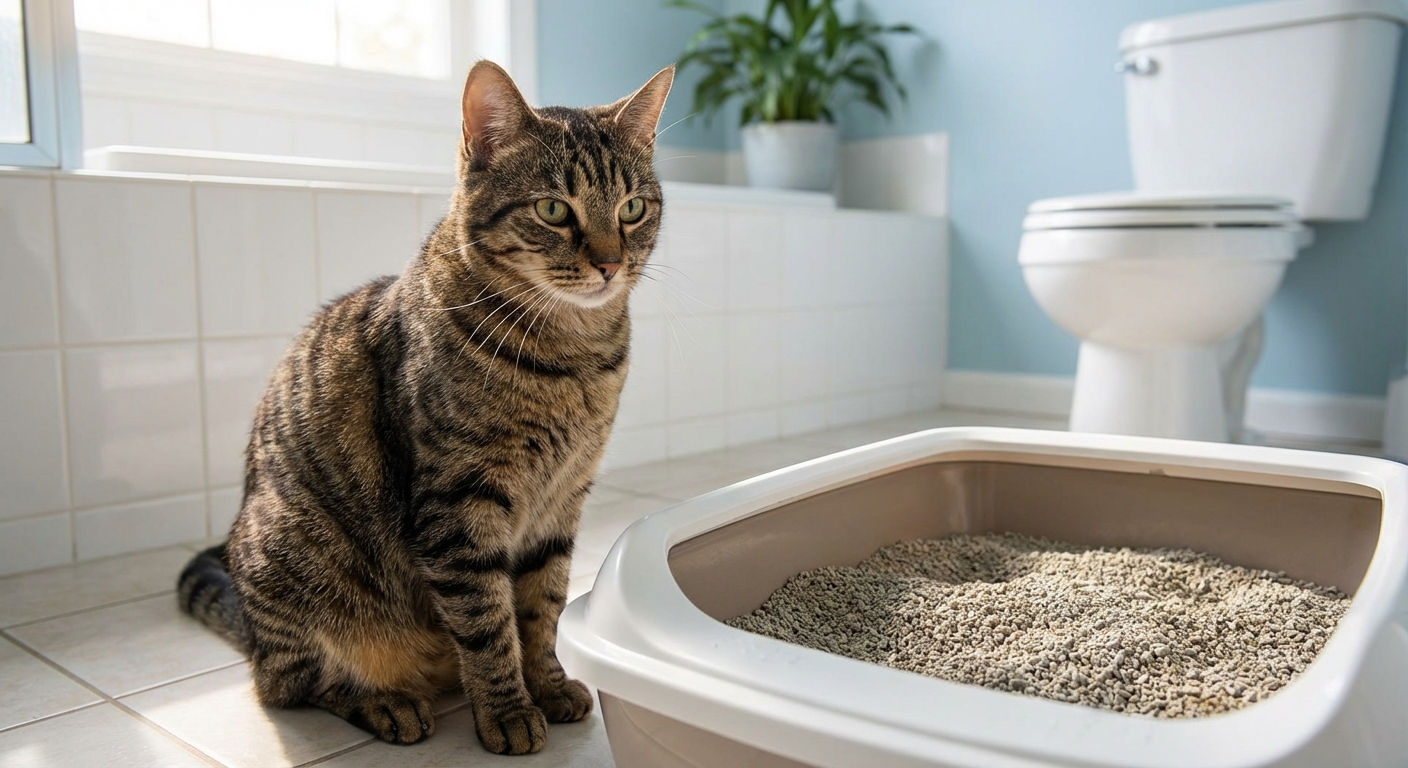
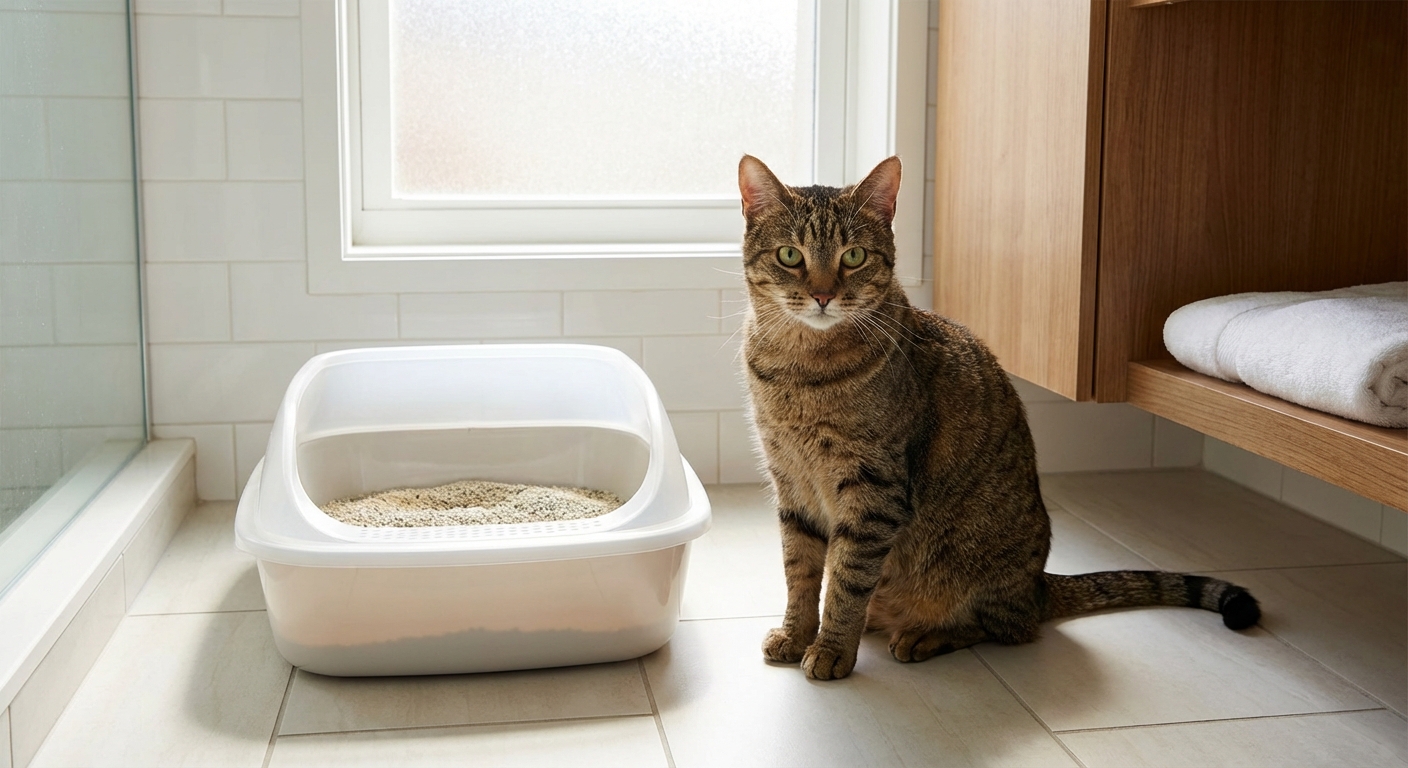
- Scoop litter more often, and clean the box with hot soapy water regularly.
- Wash hands after litter box cleaning.
- If you have multiple cats, consider separating litter boxes and monitoring each cat’s stool until things improve.
Transition back to normal food
Once stools are improving and your cat is bright, alert, and eating, transition slowly back to the normal diet over 3 to 5 days.
- Day 1: 75% gentle diet, 25% regular food
- Day 2: 50% gentle diet, 50% regular food
- Day 3: 25% gentle diet, 75% regular food
- Day 4 to 5: 100% regular food
If diarrhea returns during the transition, pause and call your veterinarian. That pattern can be a clue for food intolerance or a deeper GI issue.
What your vet may check
It can feel frustrating when diarrhea happens out of nowhere, but a veterinary workup often finds a treatable cause.
- Fecal testing for parasites and protozoa
- Diet history and treat review
- Physical exam for dehydration, abdominal pain, fever
- Bloodwork in recurring cases or seniors
- Food trial for suspected allergies or IBD
Bring details if you can: when it started, how often, any vomiting, what foods were offered, recent medications (especially antibiotics), and photos of stool if that helps you explain consistency.
Bottom line
If your cat has diarrhea, start with hydration and a simple, gentle feeding plan, and watch closely for red flags. Mild cases in healthy adult cats often improve within 24 to 48 hours. Kittens, seniors, and cats with ongoing symptoms should be seen sooner rather than later, because the safest plan is always based on the cause.
Action step: If your cat is still having diarrhea after 24 to 48 hours, or seems unwell at any point, schedule a veterinary visit and bring a stool sample.