Spot sudden stroke-like signs in dogs—head tilt, wobbliness, one-sided weakness, nystagmus, confusion, collapse or seizures. Learn what to do fast, how vet...
Article
•
Designer Mixes
What To Do When A Dog Has A Stroke

Shari Shidate
Designer Mixes contributor
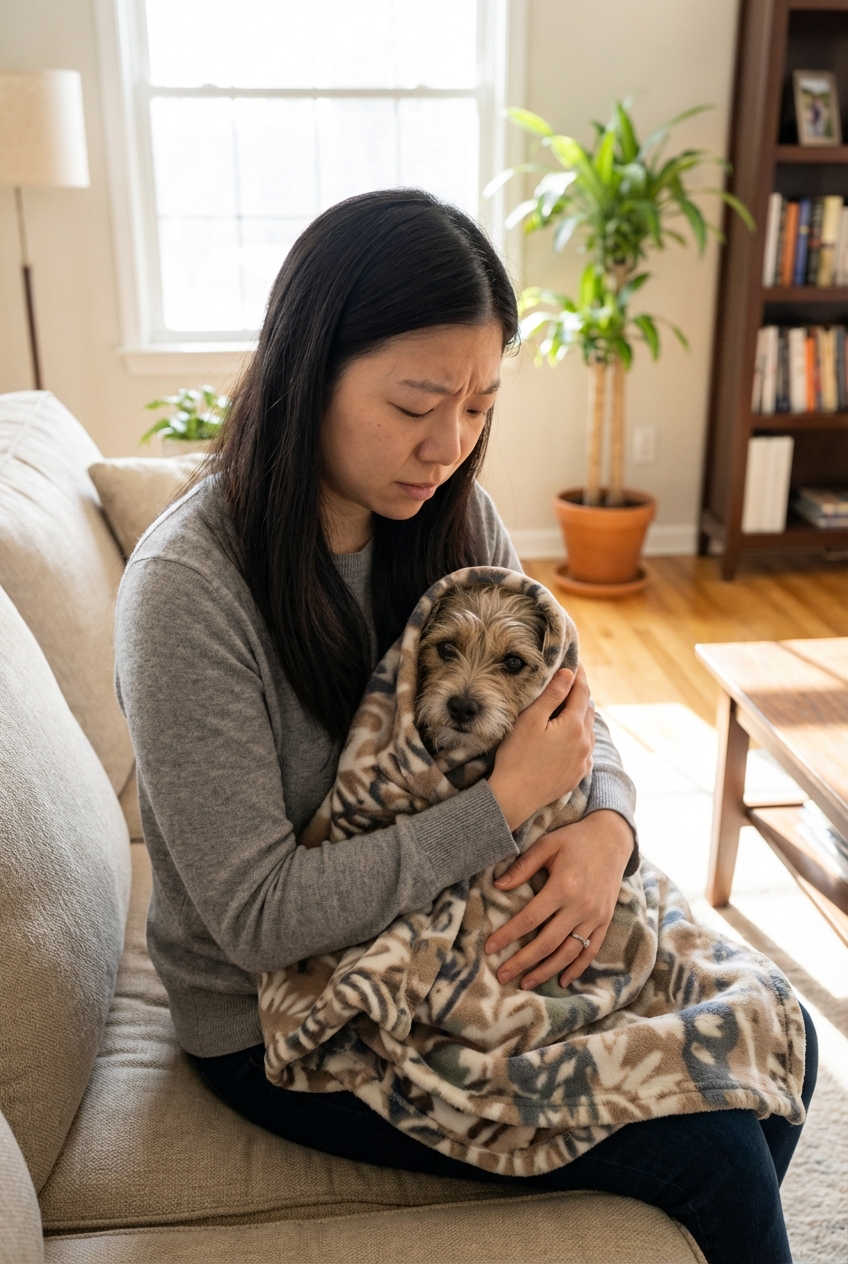
Seeing a dog suddenly lose balance, tilt their head, or seem confused can be scary for adults and kids alike. While not every sudden “episode” is a stroke, stroke-like symptoms should be treated as an emergency until a veterinarian says otherwise. The kindest and safest plan is simple: stay calm, keep your dog safe, and get veterinary help fast.
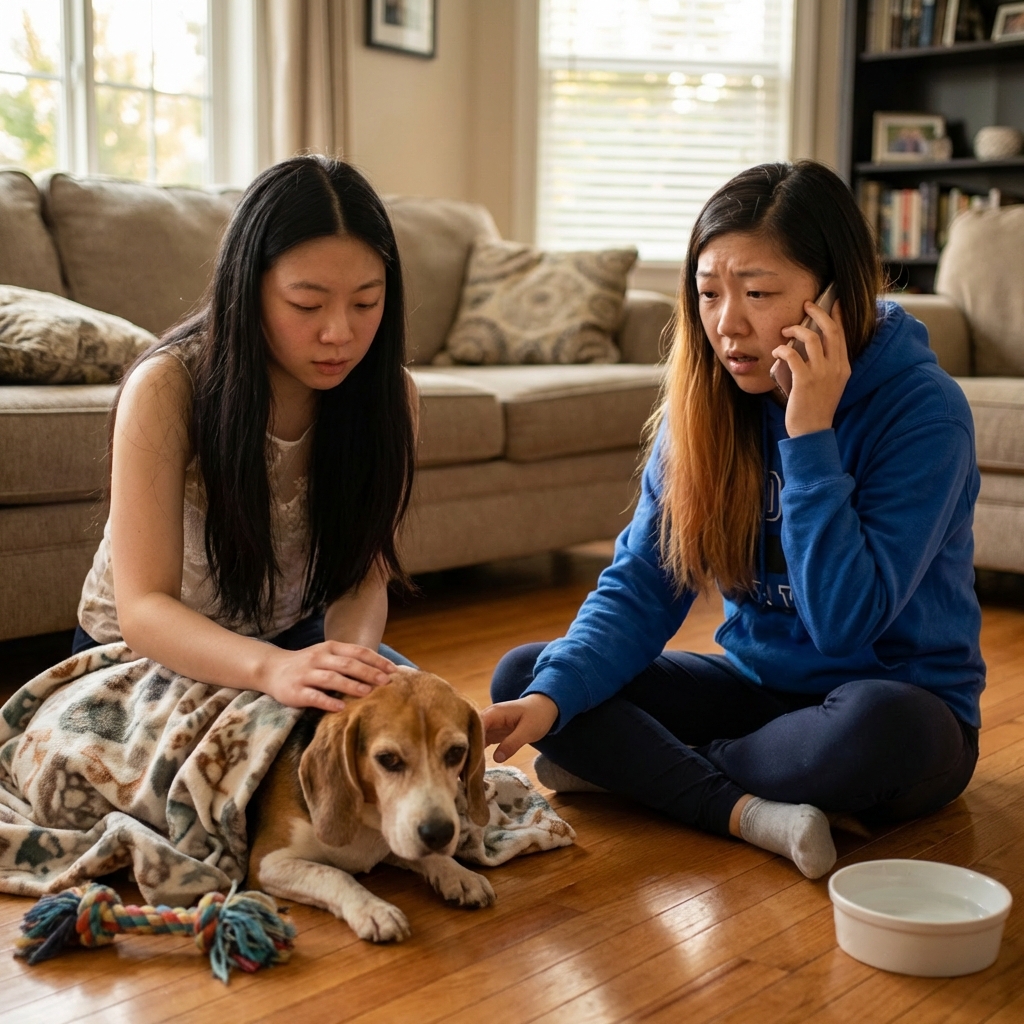
If you think your dog might be having a stroke, treat it like an emergency and contact a veterinarian or emergency clinic right away.
What is a stroke in dogs?
A stroke happens when part of the brain is damaged because blood flow is blocked (ischemic stroke) or because of bleeding in the brain (hemorrhagic stroke). Dogs can have strokes, but many other problems can look similar, including vestibular disease (a balance disorder), seizures, toxin exposure, low blood sugar, heat stroke, ear infections (otitis media or interna), inflammatory brain disease (meningoencephalitis), brain tumors, severe low blood pressure (hypotension), anemia, and certain infections.
That is why the goal at home is not to diagnose. The goal is to stabilize, prevent injury, and get professional care.
Stroke warning signs in dogs
Symptoms can appear suddenly and may be mild or dramatic. Call a vet right away if you notice any of the following:
- Sudden loss of balance or falling over
- Head tilt
- Walking in circles or pacing
- Weakness on one side of the body
- Confusion, disorientation, or seeming “not present”
- Abnormal eye movements (eyes flicking side-to-side, also called nystagmus)
- Sudden blindness or bumping into objects
- Trouble standing, knuckling over, dragging a paw
- Collapse, unresponsiveness, or seizure activity
Important: If your dog is actively seizing, unconscious, struggling to breathe, or you suspect poisoning, go to an emergency clinic immediately.
What to do right now
1) Stay calm and make the area safe
Dogs pick up on our energy. Calm voices help. Clear the area of hazards and block stairs. Turn off loud TV or music.
- Move sharp-edged objects and clear pathways so your dog cannot stumble into things.
- Dim bright lights if your dog seems dizzy or panicky.
- Keep other pets away to reduce stress.
2) Hold off on food and water until you talk to a vet
Stroke-like events can affect swallowing, especially if your dog is very wobbly, drooling, vomiting, or “not quite themselves.” Offering food or water too soon can raise the risk of choking or aspiration (inhaling fluid into the lungs). If your dog seems only mildly affected, your veterinarian can advise you over the phone on what is safest in your specific situation.
3) Call your veterinarian or the nearest emergency clinic
Describe what you see and when it started. If possible, take a short video of the walking, eye movements, or head tilt. Videos are incredibly helpful for the veterinary team.
- Note the time symptoms began.
- Share any medications and supplements your dog takes.
- Report possible toxin exposures (human meds, edible THC products, rodent bait, xylitol, alcohol, etc.).
4) Prevent falls and injury
If your dog is wobbly, support their chest and hips with a towel sling (like a soft stretcher). Avoid pulling on the neck. A harness is usually safer than a collar for unsteady dogs.
During any movement or transport, try to keep your dog’s head and neck in a neutral, comfortable position. Do not force the head to one side.

5) Transport safely
For small dogs, use a carrier with a towel for padding. For larger dogs, use a blanket as a two-person stretcher if needed.
- Keep your dog warm and quiet.
- Drive carefully. Sudden stops can worsen dizziness and fear.
- If your dog might bite due to panic or pain, keep hands away from the mouth. You can wrap a blanket loosely around the body like a “burrito” to reduce thrashing while you lift, but do not restrict the neck or chest and do not cover the nose.
- Do not muzzle a dog that is vomiting or having breathing trouble.
If you are alone and your dog is large: Slide a blanket under them and gently drag the blanket short distances rather than trying to lift. Call a neighbor or friend for help if you can, and ask the clinic if someone can meet you at the car.
What not to do
- Do not give human medications (including aspirin, ibuprofen, acetaminophen). These can be dangerous and may complicate treatment.
- Do not “wait it out” if symptoms are new, severe, or worsening. Even when the cause is not life-threatening, your dog still needs prompt veterinary assessment.
- Do not force your dog to walk if they are falling or distressed.
- Do not assume it is “just old age”. Sudden neurologic changes always deserve a vet visit.
Helping kids feel safe
Kids often blame themselves or get frightened by the way a dog looks when dizzy. Give them a simple job and a clear script.
What to say
“Our dog’s brain and balance might not feel right. The vet is the helper for this. We are going to keep them safe and get help.”
Safe jobs for kids
- Bring a soft blanket or towel.
- Find the dog’s leash or harness.
- Stand quietly nearby and talk softly (no hugging or crowding).
- Help an adult remember the time symptoms started.
Safety note: Ask kids not to put their face near the dog’s face. Even sweet dogs can snap when scared or disoriented.
Stroke vs vestibular disease
Many dogs with sudden dizziness actually have vestibular disease, which affects balance. It can look dramatic, but it is not the same thing as a stroke. Because the signs overlap, the safest approach is to get evaluated quickly.
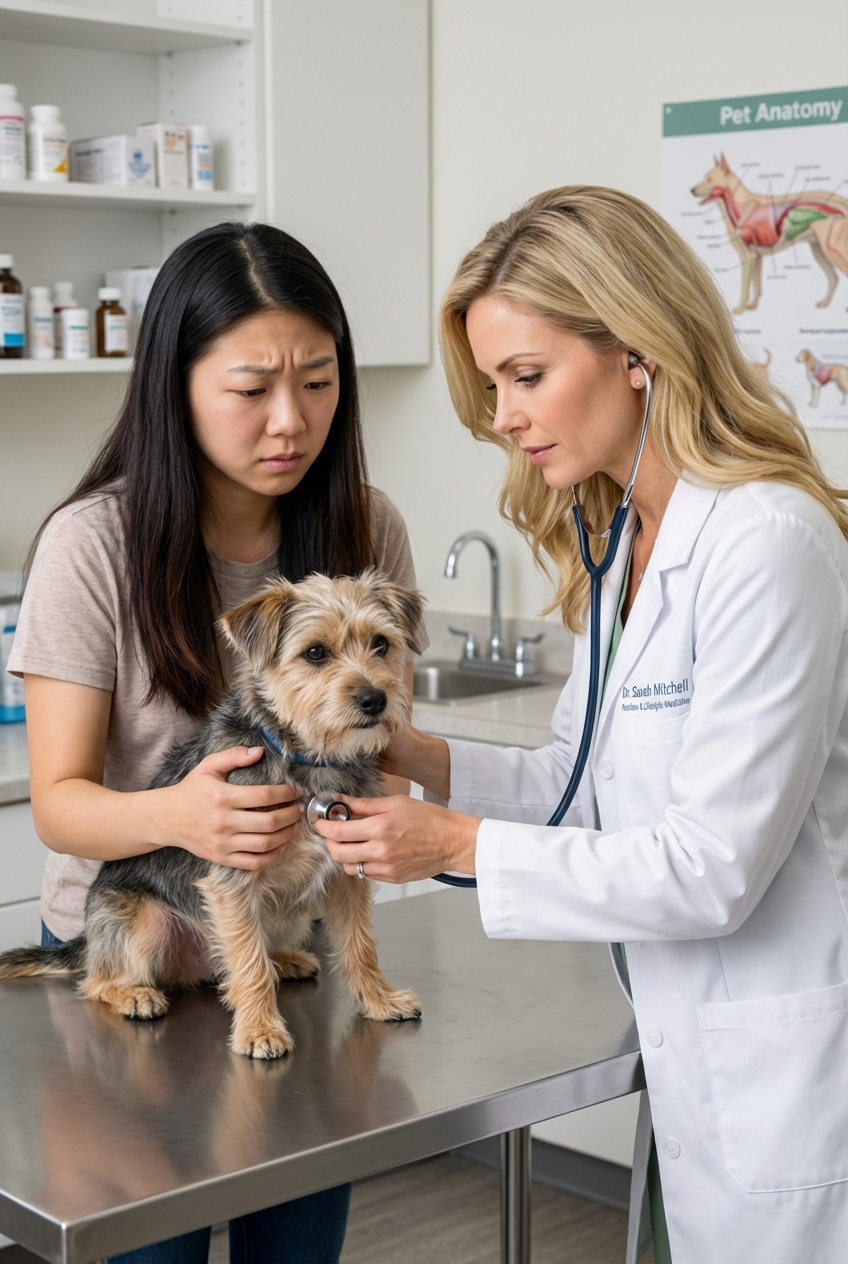
Your vet may use a neurologic exam to help “localize” the problem (brain vs inner ear), check for signs of ear disease, and recommend imaging when needed. In some dogs, advanced imaging (CT or MRI) is the clearest way to confirm whether the brain has had a vascular event.
What the vet may do
Your veterinarian will focus on stabilizing your dog and figuring out what is causing the neurologic signs. Depending on your dog’s condition, testing may include:
- Physical and neurologic exam
- Bloodwork, blood sugar testing, and blood pressure check
- Urinalysis
- Ear exam, especially if vestibular signs are present
- MRI or CT (often the most helpful tests to evaluate the brain)
- Chest or abdominal X-rays or ultrasound to look for contributing conditions (these do not evaluate the brain directly)
Treatment depends on the cause and may include IV fluids, anti-nausea medication, supportive care, oxygen, and hospitalization. If the signs are from vestibular disease rather than a true stroke, the plan may still look similar at first because safety and comfort come first.
Recovery and home care
Recovery looks different depending on the cause. Many dogs with idiopathic vestibular disease improve significantly over days to weeks. Dogs recovering from a true stroke can also improve, but prognosis varies based on the type of stroke, where it occurred, and any underlying disease. Your vet will tailor instructions, but these gentle strategies often help:
Create a recovery zone
- Use a small room or playpen with non-slip rugs or yoga mats.
- Keep the bed low and cushioned.
- Block stairs and furniture jumping.

Assist with mobility
- Use a harness or towel sling for short potty trips.
- Keep walks brief and slow, focusing on safe footing.
Support eating and drinking safely
Follow your vet’s advice about when and how to offer food and water. Once your dog is stable and swallowing normally, some dogs do better with:
- Small, frequent meals
- Soft food during early recovery if chewing seems difficult
- Bowls raised slightly to reduce bending if balance is poor
Track symptoms
- Appetite and water intake
- Bathroom habits
- Ability to stand and walk
- Head tilt, circling, eye movements
- Any new episodes or worsening signs
Consider rehab support
Some dogs benefit from veterinary rehabilitation, including guided exercises, underwater treadmill therapy, and balance work. Ask your veterinarian if rehab is appropriate for your dog.
Go back right away if
Contact your veterinarian or an emergency clinic right away if you notice:
- Symptoms worsening instead of improving
- New seizures, collapse, or repeated episodes
- Trouble breathing
- Inability to keep food or water down
- Extreme lethargy, crying, or signs of pain
- Gums that look very pale, blue, or gray
Can strokes be prevented?
You cannot prevent every stroke, but you can lower risk by supporting whole-body health and catching underlying issues early.
- Keep regular veterinary exams, especially for senior dogs.
- Ask your vet about blood pressure screening for at-risk dogs.
- Manage chronic conditions like kidney disease, diabetes, and Cushing’s disease with your vet.
- Discuss other risk factors with your veterinarian, such as hypothyroidism, heart disease, clotting disorders, and cancer. Causes vary, and not every dog will have an identifiable trigger.
- Maintain a healthy weight and steady daily activity.
- Keep toxins locked up, including human medications and THC edibles.
A gentle nutrition note: A balanced diet matters because the brain is fueled by the body. If you are considering adding fresh foods to your dog’s routine, go slowly and talk to your veterinarian, especially if your dog has medical conditions.
Quick checklist
- Stay calm, quiet, and safe
- Block stairs and remove hazards
- Hold off on food and water until you have spoken with a vet
- Call your vet or ER, take a short video
- Transport with padding and gentle support, keep head and neck neutral
Warm reassurance
If you are reading this with a worried heart, you are doing the right thing by learning what to do. Stroke-like symptoms feel urgent because they deserve prompt attention, but many dogs can improve with fast veterinary care and supportive nursing at home. Focus on the next right step: keep your dog safe and get help.