Worried your dog ate a chicken bone? Follow the first-5-minutes checklist, avoid unsafe home tricks, know cooked vs raw risks, and spot red-flag symptoms tha...
Article
•
Designer Mixes
What to Do If Your Dog Eats Chicken Bones

Shari Shidate
Designer Mixes contributor
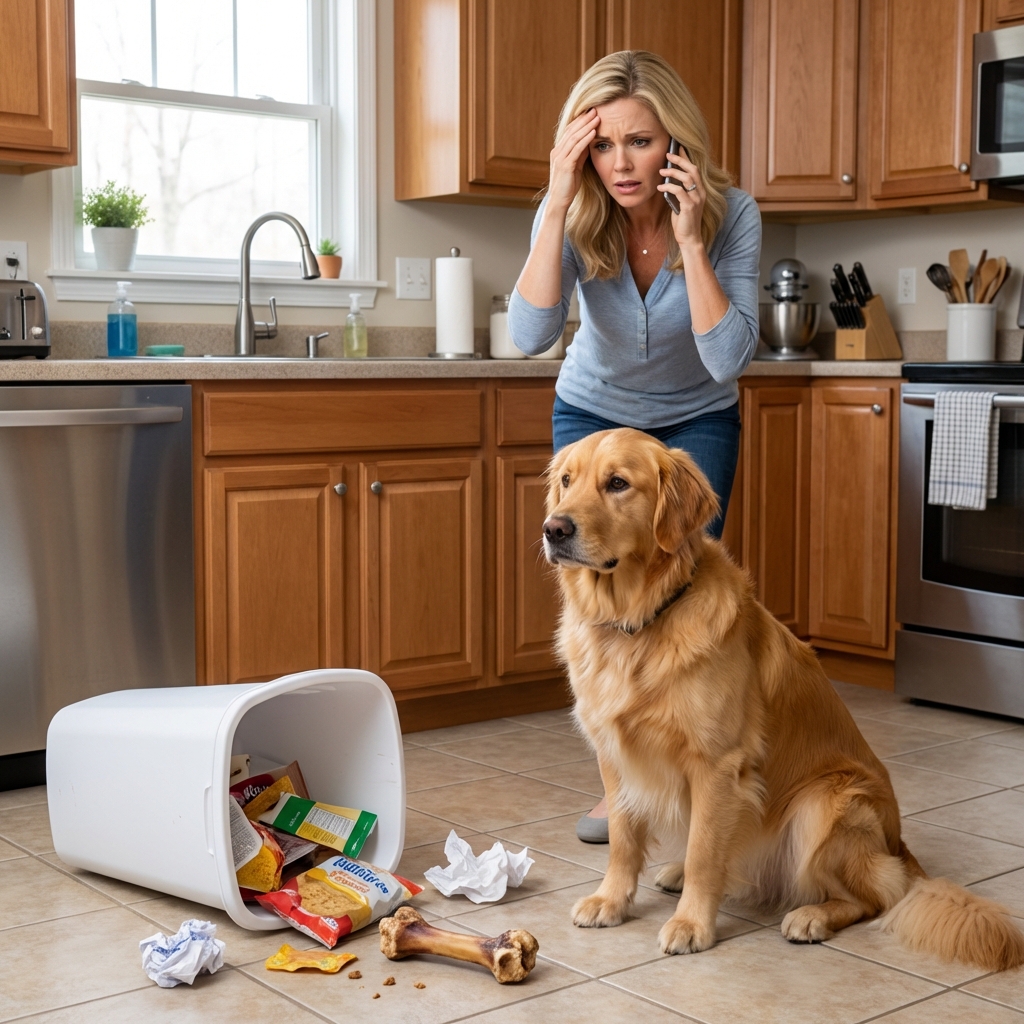
If your dog just ate chicken bones, take a breath. I know that heart-drop moment. As a veterinary assistant, I have seen plenty of “I grabbed the trash for two seconds” emergencies, and the good news is that many dogs do okay. The key is responding calmly, watching for the right warning signs, and knowing when to head straight to the ER.
This guide walks you through what to do step by step, what not to do, and how veterinarians decide on the safest next move.
Quick note: This is general information, not a substitute for veterinary advice. If you are worried, call your vet or an emergency clinic.
First: What kind of bone was it?
Not all “chicken bones” are equal. Risk depends on whether the bones were cooked, how much your dog ate, and your dog’s size and chewing style. Puppies, small dogs, and seniors can have a harder time with dehydration, constipation, and obstruction, so it is worth calling sooner rather than later.
Cooked chicken bones (highest risk)
Cooked bones, including baked, roasted, fried, grilled, and smoked bones, can splinter into sharp pieces. Those shards can irritate or injure the mouth, throat, esophagus, stomach, or intestines.
Raw chicken bones (still risky)
Raw bones are less likely to splinter the same way, but they are not “safe” by default. They can still cause choking, constipation, obstruction, or GI upset. Raw poultry also carries bacterial contamination risk (like Salmonella or Campylobacter), especially for immunocompromised pets and humans handling the stool or vomit.
Small, thin bones vs. larger pieces
- Thin, brittle bones (wings, ribs) are more likely to crack and create sharp edges.
- Larger chunks can lodge and cause blockage, especially if swallowed whole.
What to do right now
Use this checklist as your immediate action plan.
1) Remove access and check for more
Secure the trash, pick up any remaining bones, and make sure no other pets can get into them.
2) Do a quick mouth check if it is safe
If your dog is calm and allows handling, gently look for obvious bone pieces stuck between teeth or on the roof of the mouth.
- Do not put your fingers deep in your dog’s mouth.
- If you see something lodged and your dog resists, stop. A painful mouth can lead to a bite.
3) Call your veterinarian or an ER line with details
Have this information ready:
- Your dog’s weight, breed, and age
- When the bones were eaten (rough time)
- Cooked vs. raw, and how they were prepared
- Amount eaten (one wing, a drumstick, “unknown” from the trash)
- Current symptoms (if any)
- Any medical history (GI issues, pancreatitis, surgeries, meds)
If your dog got into the trash and you do not know how many bones were eaten, assume a larger amount and call immediately. Early intervention (including endoscopy in some cases) is sometimes possible before material moves farther into the intestines.
If it is after hours, call an emergency veterinarian. Time matters for certain interventions.
4) Do not try to make your dog vomit unless a vet directs you
This is important. Inducing vomiting can bring sharp bone fragments back up through the esophagus and throat, increasing the risk of injury. In clinic, a veterinarian may still recommend vomiting in very specific situations, but it is a medical decision, not a DIY step.
5) Offer water and keep activity calm
Let your dog drink normally and keep them quiet. Skip rough play and intense exercise while you monitor.
What not to do
- Do not induce vomiting at home with hydrogen peroxide unless your veterinarian specifically instructs you and gives a dose.
- Do not give OTC laxatives or stool softeners unless directed by a veterinarian. The wrong product or dose can worsen dehydration, mask worsening signs, or complicate a possible obstruction.
- Do not give bread “to cushion the bones” as a guarantee. Some vets may recommend a bulky meal in certain cases, but it is not a universal fix and is not safe for every dog (especially dogs with pancreatitis history or those prone to GI issues).
- Do not wait out serious symptoms. If you see red flags, go in.
When in doubt, a quick call to a veterinary team beats guesswork every time.
Go to the ER now
If your dog is choking right now (cannot breathe normally, collapses, turns blue, or has relentless gagging or retching), go to the nearest emergency veterinarian immediately. If you cannot transport safely, call an emergency clinic for real-time guidance.
Seek urgent veterinary care if you notice any of the following:
- Choking, gagging, repeated retching, or trouble swallowing
- Excessive drooling, pawing at the mouth, or sudden distress
- Vomiting (especially repeated), or vomiting with blood
- Abdominal pain (tense belly, “praying” position, crying when picked up)
- Refusing food or water, or lethargy that is unusual
- Bloody stool, black tarry stool, or straining to poop
- No bowel movement plus discomfort or repeated attempts to defecate
- Swollen abdomen, weakness, collapse, pale gums
Trust your instincts. If your dog “just isn’t right” after eating chicken bones, it is worth an urgent exam.
What to watch for later
Some problems happen fast (choking, esophageal issues). Others can develop over hours to days as fragments move through the GI tract.
Monitoring timeline
- First 2 to 6 hours: watch for choking, gagging, repeated swallowing, vomiting.
- 6 to 24 hours: watch appetite, energy, vomiting, belly pain.
- 24 to 72 hours: watch poop quality, straining, blood, constipation, discomfort.
Many dogs pass ingested material within 1 to 3 days, but it can take longer depending on your dog’s size, diet, and gut motility. If your dog seems normal, is eating, drinking, and pooping without pain, that is reassuring. Still, keep an eye out for subtle changes.
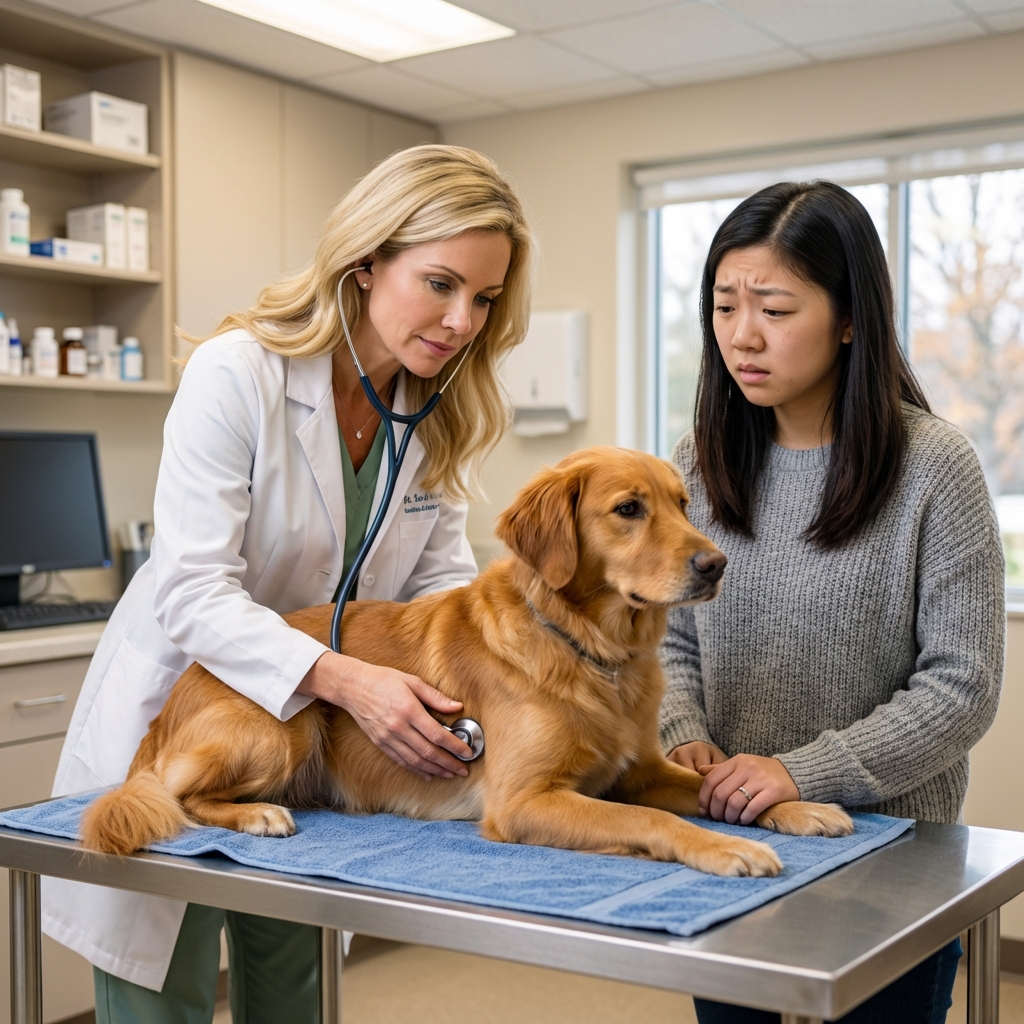
What the vet may do
Veterinary teams decide the safest option based on symptoms, bone type, and where the bones likely are in the digestive tract.
Exam and imaging
- Physical exam: mouth and throat check, abdominal palpation, hydration status.
- X-rays: many bones are radiopaque to some degree, but small fragments, overlap, and positioning can make them hard to see clearly. X-rays are still very useful for looking for obstruction patterns, abnormal gas, and other warning signs. An obstruction can exist even if fragments are not obvious.
- Other imaging: ultrasound, contrast studies, or endoscopy may be recommended depending on the situation.
Possible treatments
- Endoscopic removal: if bones are in the stomach or upper GI and accessible, this can avoid surgery.
- Supportive care: anti-nausea meds, pain control, stomach protectants, fluids.
- Hospitalization: for monitoring if there is concern for blockage or dehydration.
- Surgery: if there is an obstruction, perforation, or severe injury.
The earlier you call, the more options you may have.
At-home monitoring tips
If a veterinary professional recommends monitoring at home, here are practical ways to do it safely.
Keep a simple “bone log”
- Time eaten
- Meals and water intake
- Vomiting episodes (time, frequency, any blood)
- Stool frequency and appearance
- Energy level
Check stools carefully
You may see small white flecks or crumbly, chalky stool if bone passes. Straining, hard pebble-like stool, pain, or blood are reasons to call.
Feed only what your vet recommends
Some dogs may be advised to eat a normal meal or a bland diet. Others should not have extra food if there is a concern for obstruction. This is why a quick call matters.
Simple hygiene matters with raw poultry
- Wash hands after handling vomit or stool.
- Keep kids and immunocompromised people away from stool or vomit cleanup.
- Clean contaminated surfaces promptly.
Why chicken bones are dangerous
The main risks fall into a few categories:
- Choking: bone fragments can lodge in the throat.
- Esophageal injury: sharp pieces can scrape or puncture the esophagus.
- GI obstruction: bones can form a blockage, especially if swallowed in larger chunks.
- GI perforation: in severe cases, sharp fragments can puncture the stomach or intestines.
- Constipation: bone can create very hard stool that is painful to pass.
- Pancreatitis risk: if the chicken was greasy or fatty (fried skin, drippings), some dogs flare with vomiting and abdominal pain.
These are not meant to scare you, but to help you understand why veterinarians take cooked bones seriously.
Prevention that works
Most chicken bone incidents happen during busy moments: guests over, kids eating, grilling, or taking out the trash. A few simple systems can prevent a repeat.
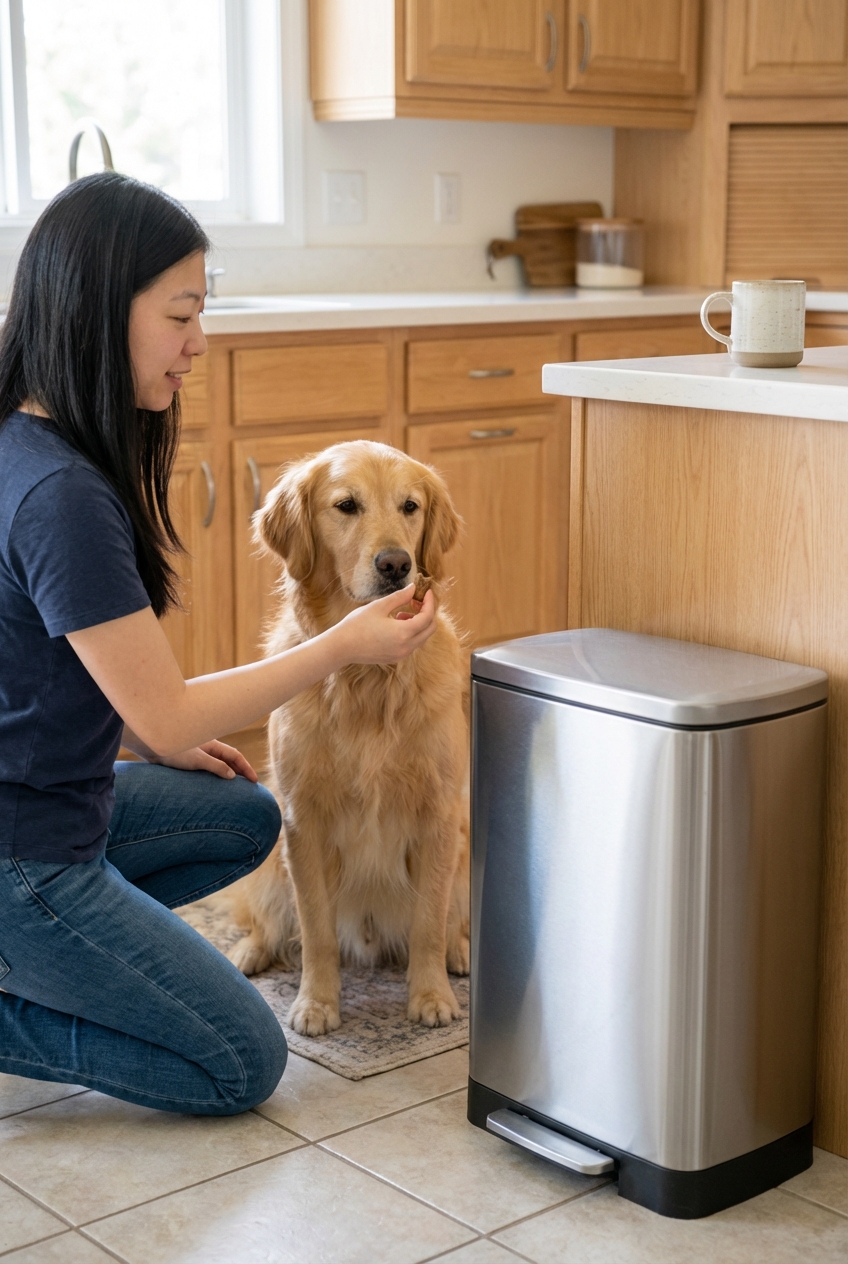
- Use a lidded, heavy trash can or keep trash behind a closed door.
- Pick up plates quickly and wrap bones before disposal so they smell less tempting.
- Teach “leave it” and practice with safe items.
- Crate or gate your dog during meals and parties.
- Choose safer chew options and supervise all chews.
If you intentionally feed bones as part of a raw diet, talk it through with your veterinarian. Raw feeding and bones can be a complicated, individual-risk decision, and it helps to have a plan that fits your dog.
FAQ
Should I feed bread or rice to wrap the bones?
Sometimes a veterinarian may recommend a bulky meal, but it is not universally appropriate. If your dog has a history of pancreatitis, GI disease, is very small, or you are unsure how much bone was eaten, call your vet first.
How long until my dog passes the bones?
Many dogs pass ingested material within 1 to 3 days, but it can take longer. The most important thing is not the clock, it is whether your dog remains comfortable, eating, drinking, and passing stool without pain.
My dog seems fine. Can I ignore it?
Feeling fine right away is a good sign, but not a guarantee. Continue monitoring, and contact a veterinarian if anything changes.
The bottom line
If your dog ate chicken bones, your safest next step is a quick call to your veterinarian or an emergency clinic with details about the bones, your dog’s size, and any symptoms. Avoid inducing vomiting unless a vet directs you. Monitor closely for the red flags we covered, and do not hesitate to seek care if something feels off.
You are doing the right thing by getting informed quickly. A calm plan and fast communication with a veterinary team can make all the difference.