Vet-informed guide to a short-term bland diet for dogs: chicken and rice 1:2 ratio, daily cup ranges by weight, how many meals to split into, and red flags t...
Article
•
Designer Mixes
What to Do If Your Dog Eats Chicken Bones

Shari Shidate
Designer Mixes contributor
It happens fast. One second your dog is sniffing the kitchen trash, the next they are crunching a chicken bone like it is a prize. As a veterinary assistant, I can tell you this is one of the most common panic calls we get. The good news is that many dogs do okay, but chicken bones can be dangerous, especially cooked bones that splinter.
This guide will help you stay calm, take the right next steps, and know exactly when it is time to call your veterinarian or head to the emergency vet.
Why chicken bones are risky
Chicken bones can cause problems in a few different ways. Risk depends on the type of bone, your dog’s size, chewing style, and medical history.
Cooked bones are often the biggest concern
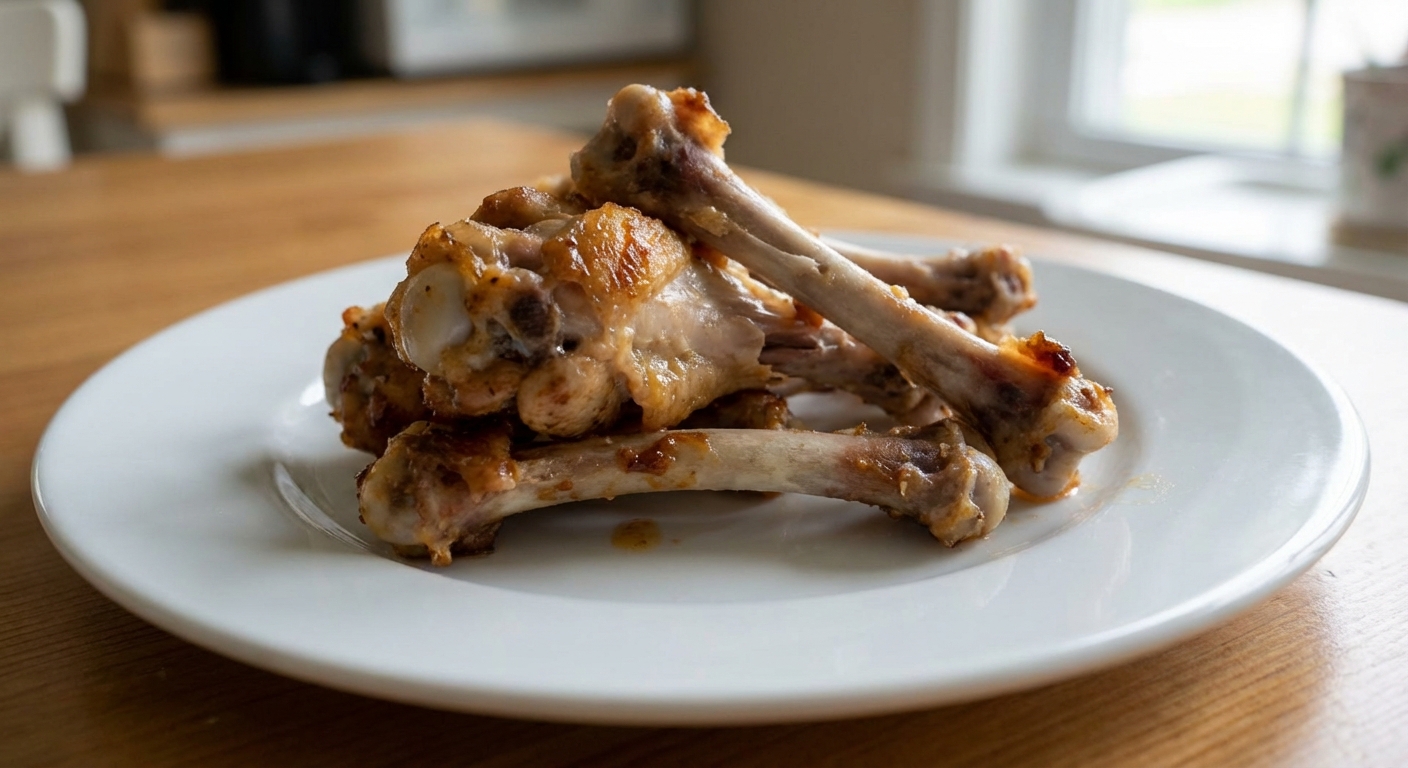
Cooked chicken bones dry out and become brittle. They can splinter into sharp shards that may:
- Scratch or puncture the mouth, throat, esophagus, stomach, or intestines
- Get stuck and cause an obstruction
- Cause painful constipation or straining
Raw bones still have real risks
Some dogs handle raw poultry bones without issue, but raw bones are not automatically “safe.” Risks include choking, obstruction, tooth fractures, and bacterial contamination (like Salmonella or Campylobacter). Healthy adult dogs may show mild or no symptoms, but people in the household can be exposed through saliva, surfaces, and stool. This can be especially concerning if anyone at home is very young, elderly, pregnant, or immune-compromised.
Higher-risk dogs: small dogs, brachycephalic breeds (short-nosed dogs), dogs that swallow without chewing, and dogs with a history of GI disease or pancreatitis tend to have less margin for error.
First steps
Your goal is to prevent more damage and gather the details your veterinarian will ask about. In most cases:
1) Remove remaining bones
- Do not pry your dog’s mouth open if they are guarding. You can get bitten.
- If your dog will “trade,” offer a high-value treat and gently remove what you can.
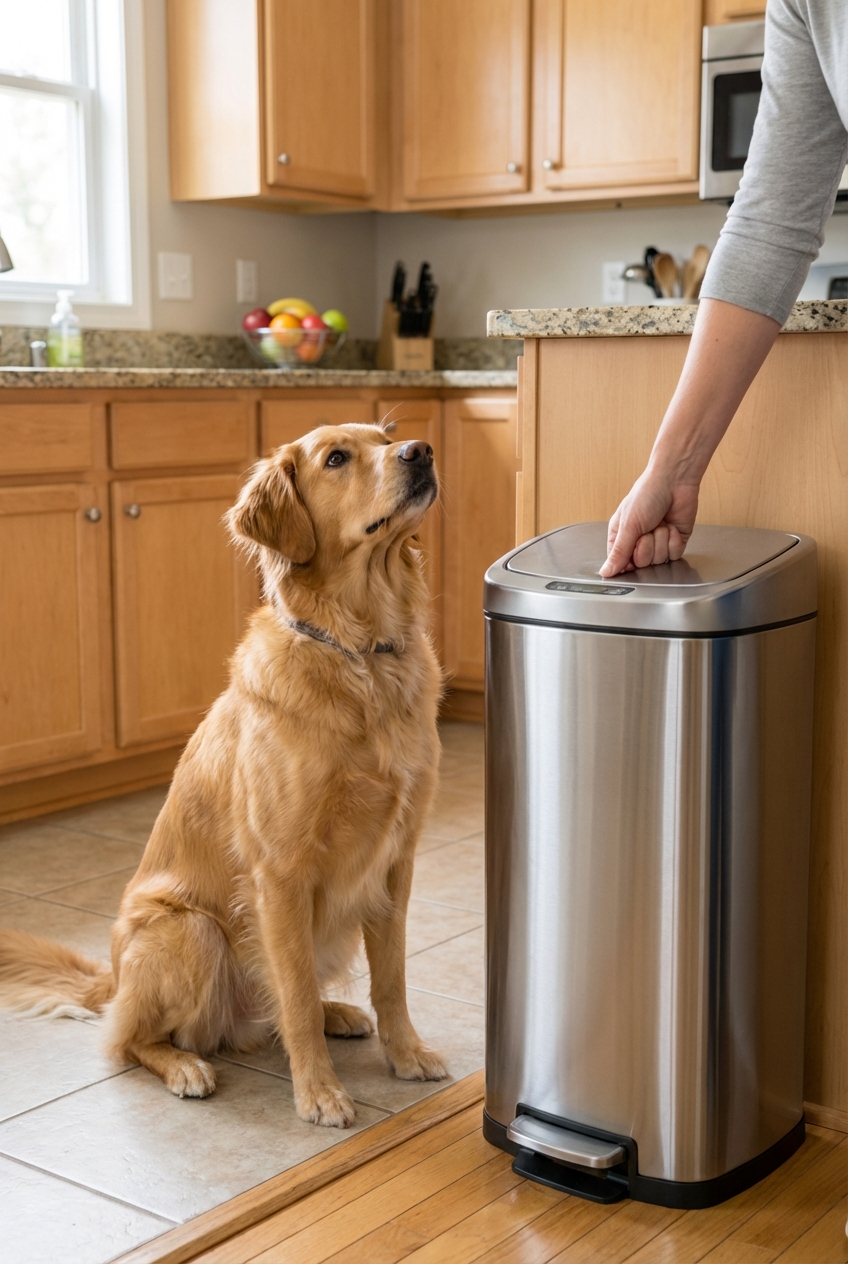
- Pick up any pieces on the floor and secure the trash can.
2) Do not improvise
These well-meant “fixes” can make things worse:
- Do not induce vomiting unless a veterinarian tells you to
- Do not give hydrogen peroxide unless directed by a veterinarian
- Do not feed bread, rice, or bulky meals to “cushion” or “push it through”
- Do not give laxatives, oils, or stool softeners unless directed
- Do not wait overnight if your dog is vomiting, lethargic, painful, choking, or struggling to poop
3) Figure out what they ate
Write down:
- Were the bones cooked or raw?
- What part: wing, drumstick, thigh, carcass, rib?
- How many pieces and roughly how big?
- When did it happen?
- Did they chew thoroughly or swallow quickly?
- Your dog’s weight and age
- Any current meds and medical history (especially GI issues or pancreatitis)
4) Check for choking or mouth injury
Look for signs that need urgent care now:
- Gagging, retching, pawing at the mouth
- Excess drooling, blood in saliva, crying when swallowing
- Labored breathing, bluish gums, collapse
If you suspect choking and your dog cannot breathe normally, go to an emergency vet immediately.
5) Call your vet or an emergency vet
Even if your dog seems fine, it is worth calling, especially if the bones were cooked or your dog swallowed large pieces. If this just happened and you suspect a large, sharp cooked bone was swallowed, call right away. Quick action can sometimes prevent a much bigger problem.
If you are unsure, call. A quick phone conversation can prevent a much bigger emergency later.
Should you make your dog vomit?
In many cases, do not attempt to make your dog vomit at home after chicken bone ingestion unless a veterinarian specifically instructs you to. Vomiting can bring sharp fragments back up through the esophagus and throat, potentially causing more injury.
Your veterinarian will decide based on timing, bone type, size of pieces, and your dog’s health history. Sometimes they may recommend monitored vomiting at the clinic. Other times they may recommend imaging and endoscopic removal instead.
What to watch for next
Some problems show up quickly, while others take time. Watch closely over the next few days (often 72 hours, sometimes longer depending on the amount and size of bone and whether it was cooked). Keep your dog calm and avoid rough play for a bit.
Red flags
- Repeated vomiting or trying to vomit without producing anything
- Not eating or refusing treats, especially if that is unusual for your dog
- Abdominal pain (tense belly, “prayer position,” reluctance to move)
- Lethargy, weakness, fever, or acting “off”
- Difficulty swallowing, drooling, coughing, gagging
- Repeated unproductive straining to poop, crying when defecating, or obvious constipation (especially if your dog has a constipation history)
- Blood in vomit or stool, or black, tarry stool
- Bloated or distended abdomen
What might be normal
Some dogs have mild stomach upset, softer stool, or pass small bone fragments without issue. Still, do not assume “fine” means “safe.” If anything worries you, trust your gut and call your veterinarian or an emergency vet.
What your vet may do
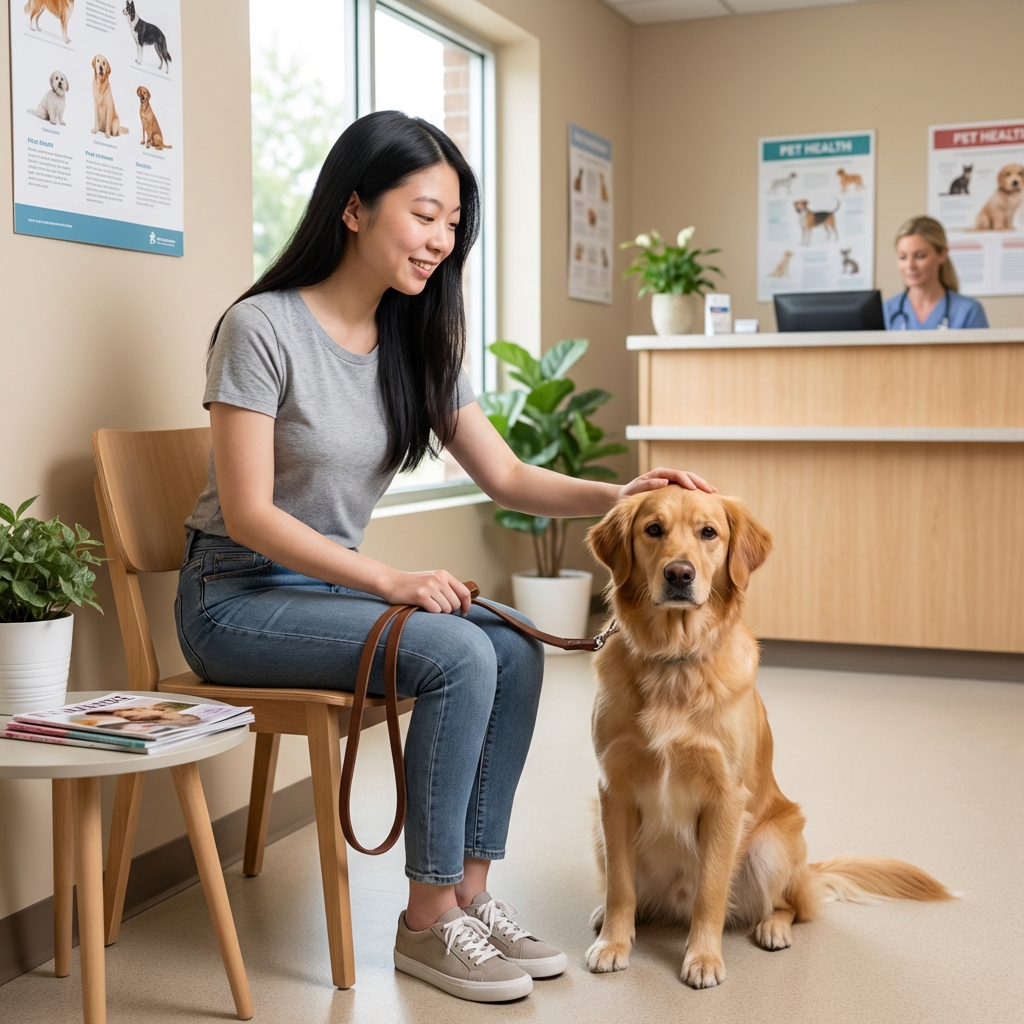
The best treatment depends on where the bone is and whether it is causing injury or obstruction. Your veterinarian may recommend:
- Physical exam to check hydration, abdominal pain, and mouth or throat injury.
- X-rays to look for bone material and signs of obstruction (like abnormal gas patterns). Bones may or may not be clearly visible depending on size and location, but X-rays often still provide critical clues.
- Endoscopy to retrieve bones from the esophagus or stomach without surgery when appropriate.
- Surgery if there is an obstruction, perforation, or high concern for intestinal damage.
- Supportive care such as nausea medication, pain relief, GI protectants, fluids, and diet guidance.
Home care if monitoring
If your veterinarian advises home monitoring, follow their plan closely. Ask exactly what symptoms would change the plan and what timeframe matters.
Food and water
- Provide fresh water at all times.
- Ask your vet before offering a meal if your dog swallowed large or sharp cooked bone pieces. Many owners feed right away to “push it through,” and that is not always the safest move.
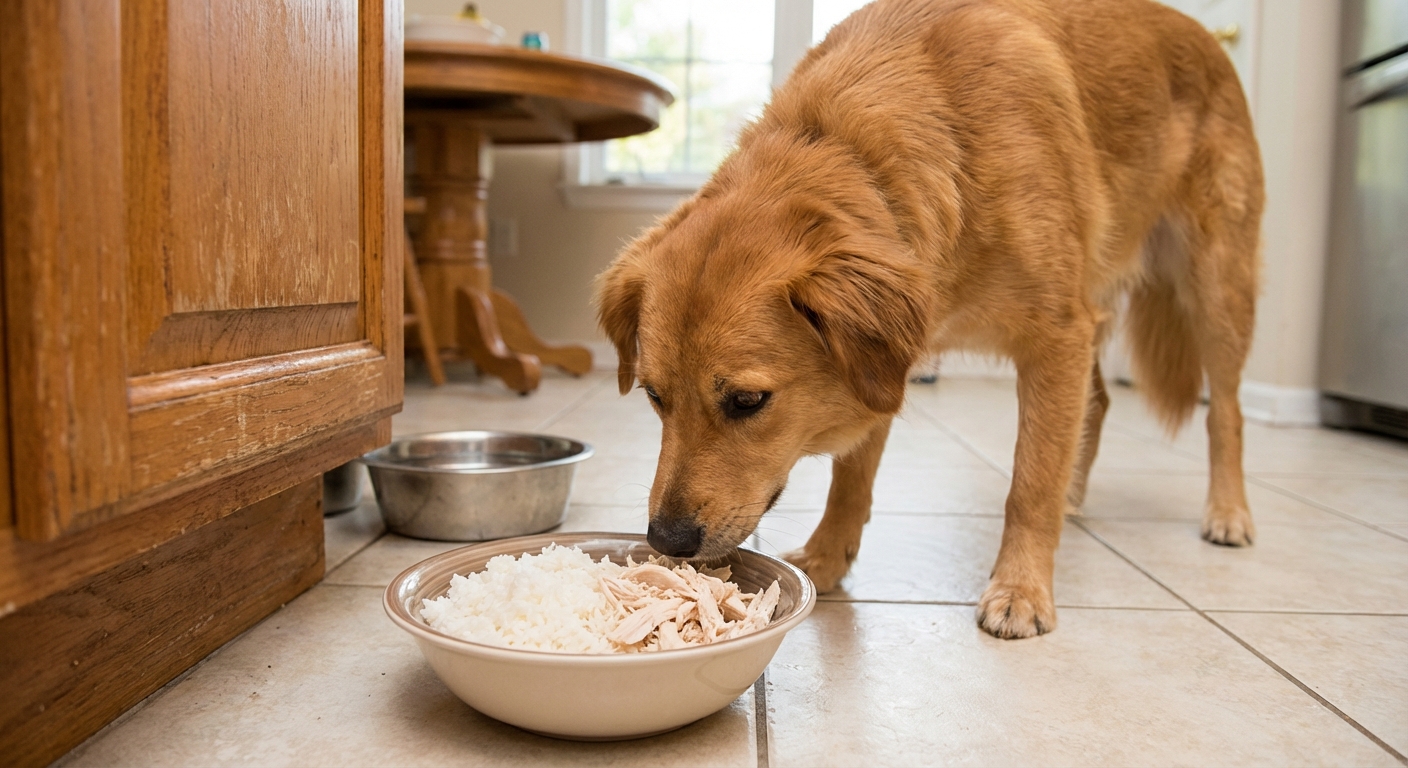
- Only feed what your veterinarian recommends. In some cases they may suggest a bland diet for a day or two.
- Do not give laxatives, bread “bone cushions,” or other home remedies unless your veterinarian recommends it for your specific dog.
Poop checks
Yes, this is the unglamorous part of loving a dog. Check stool for:
- Bone fragments
- Blood or black coloration
- Obvious pain, repeated straining, or very dry stool
Some dogs do not poop every day, so focus on discomfort, repeated unproductive straining, or a clear change from your dog’s normal pattern. If your dog strains or seems painful, call your vet promptly. Constipation can escalate quickly when bone is involved.
Prevention that works
The best emergency is the one that never happens. A few simple habits and cues can drastically reduce the odds of future bone incidents.
Trash setup
- Use a lidded, heavy trash can, ideally with a locking mechanism.
- Take poultry trash out immediately, especially after parties.
- Keep plates out of reach and do not leave wing baskets on coffee tables.
Teach “Leave it”
Start small with low-value items and reward heavily for compliance. Work up to real-world scenarios. Keep sessions short and upbeat.
Teach “Drop it”
Many dogs guard items because they think you are going to take everything away. Practice swapping a toy for a treat, then give the toy back. This builds trust and makes it more likely your dog will release a dangerous object later.
Safer chews
If your dog loves to crunch, ask your vet about safer chew options that match your dog’s chewing style and dental health. What is “safe” for one dog can be a dental disaster for another, especially power chewers.
Quick checklist
- Remove remaining bones safely and prevent access to more.
- Do not induce vomiting or try home fixes unless your vet directs you to.
- Identify cooked vs raw and approximate amount swallowed.
- Check for choking, breathing issues, swallowing pain, or bleeding.
- Call your veterinarian or an emergency vet for case-specific advice.
- Monitor over the next few days (often 72 hours, sometimes longer) for vomiting, pain, lethargy, straining, or blood.
- Train “leave it” and “drop it,” and secure the trash going forward.
Sources
- Merck Veterinary Manual: Gastrointestinal Foreign Bodies (overview of obstruction, diagnostics, and treatment)
- American Veterinary Medical Association (AVMA): Pet first aid guidance and when to seek emergency veterinary care
- FDA: Advice to pet owners about Salmonella and handling raw pet food (relevant to raw poultry exposure and household risk)
- ASPCA Animal Poison Control Center: General emergency guidance (note: bone ingestion is typically a foreign-body or injury issue, not a toxin issue)