Is your cat yowling, restless, and trying to escape? Learn the signs and length of heat, calming care strategies, training tips, what to avoid, and why spayi...
Article
•
Designer Mixes
What To Do If Your Cat Is in Heat

Shari Shidate
Designer Mixes contributor
If your cat is in heat, you are not doing anything wrong. You are seeing a normal reproductive cycle called estrus. It can be loud, restless, and exhausting for both of you. The good news is there are safe, practical steps you can take right now to keep your cat comfortable and prevent an accidental pregnancy.
Quick signs your cat is in heat
Unspayed female cats typically go into heat once they reach puberty. It can happen as early as 4 to 6 months, commonly around 5 to 9 months, and sometimes later (up to about 12 months), depending on factors like breed, body condition, and season. Heat cycles are often more common during longer daylight seasons, although indoor cats exposed to artificial light may cycle year-round.
- Excessive vocalization (yowling or calling), especially at night
- Extra affectionate, rubbing on furniture, rolling on the floor
- “Presenting” posture: front end low, rear end raised, tail to the side
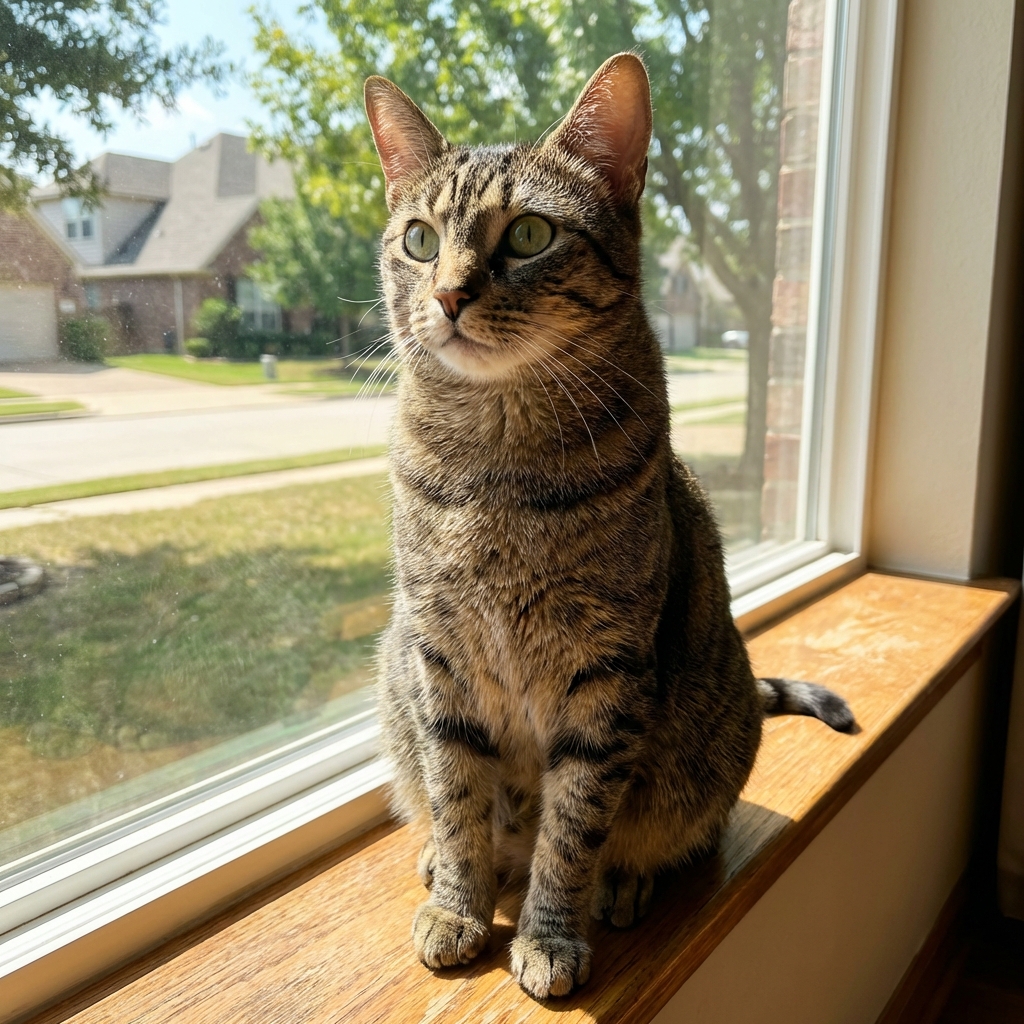
- Restlessness and pacing, trying to dart out doors or windows
- Increased attention to windows or doors where outdoor cats may be nearby
- Reduced appetite in some cats
Some cats have quieter or “silent” heats with subtler signs, so behavior can vary.
Unlike dogs, cats in heat usually do not have noticeable vaginal bleeding. A small amount of clear discharge can happen, but if you see blood, foul-smelling discharge, straining to urinate, marked lethargy, vomiting, or she seems very sick, that is a veterinary call. Blood can also be related to urinary issues, so it is worth getting checked.
How long does a heat cycle last?
Heat commonly lasts about 4 to 10 days, though it can be shorter or longer. If your cat is not bred or spayed, cycles can repeat every 1 to 3 weeks during breeding season (and sometimes year-round for indoor cats).
One of the most important takeaways: heat is temporary, but the risk of pregnancy is real and can happen fast.
Cats are induced ovulators, which means mating can trigger ovulation. That is one reason an accidental pregnancy can happen quickly if an intact male gets access to her.
What to do at home right now
1) Keep her indoors and secure
A cat in heat can become an escape artist. This is prevention step number one.
- Check window screens for gaps and make sure doors latch fully.
- Use a separate room when guests come and go.
- If you have a balcony or patio, do not assume she will stay put.
2) Reduce stimulation from outside cats
Smells and sounds from neighborhood cats can intensify behaviors.
- Close curtains at night or when outdoor cats are nearby.
- Use a white-noise machine or fan to mask outdoor sounds.
- Do not let her meet intact male cats, even briefly. Keep intact males away even through a cracked door or flimsy screen, since contact can happen fast.
3) Offer comfort and distraction
Heat is driven by hormones, so you cannot “train it away.” But you can help her feel safer and less keyed up.
- Play therapy: 10 to 15 minutes of interactive play, 2 to 3 times a day (wand toys are great).
- Enrichment: food puzzles, treat hunts, paper bags, or a new cardboard box.
- Extra affection: if she seeks it, offer gentle petting and brushing.
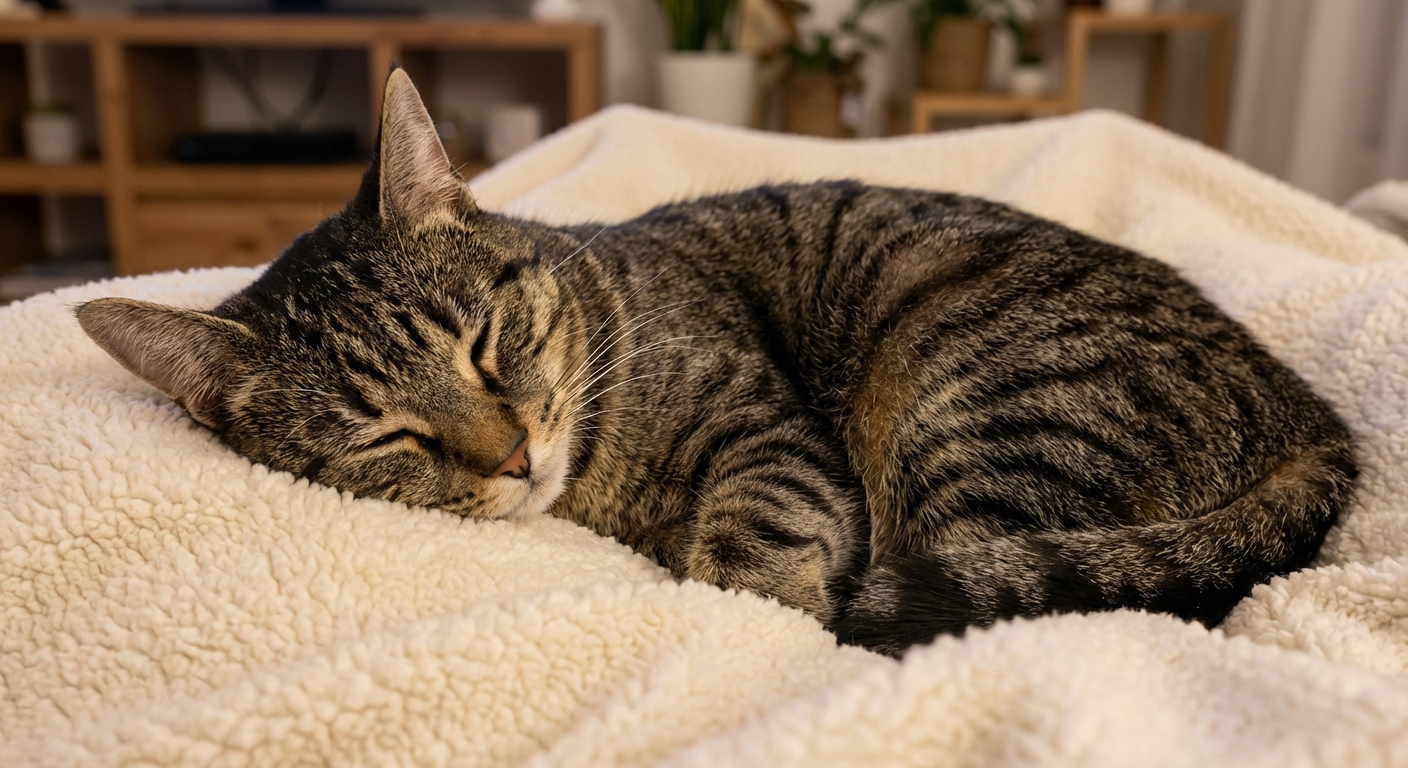
- Warmth: a warm (not hot) heating pad under a blanket can help some cats relax. Use a low setting, supervise when possible, and always make sure she can move away.
4) Support calm behavior
Some cats may respond to feline pheromones. These products do not sedate your cat. They mimic calming scent signals and may help take the edge off for some cats, although results vary.
- Consider a pheromone diffuser in the room where she spends the most time.
- Keep her routine steady: feeding times, play, and sleep cues.
5) Expect litter box changes and protect your home
Some cats in heat may urinate more frequently or spray. Spraying is a communication behavior, not spite.
- Clean accidents with an enzymatic cleaner designed for pet urine.
- Add an extra litter box temporarily if your home has multiple floors.
- Keep the box extra clean to encourage use.
If she may have mated
If you suspect she escaped or had contact with an intact male, call your veterinarian as soon as you can. Do not wait to “see what happens.” Your vet can discuss time-sensitive options and next steps based on when the possible mating occurred and your cat’s health.
What not to do
- Do not punish or yell. Your cat is responding to hormones, and punishment increases stress.
- Do not let her “have one litter.” Pregnancy and birth carry real risks, and shelters are already full.
- Do not use human medications or leftover sedatives. Many are toxic to cats, even in small doses.
- Do not use essential oils on or around your cat unless your veterinarian has specifically approved them. Cats can be very sensitive to many oils.
When to call the vet
Heat itself is not an emergency, but these situations deserve a call:
- She seems to be in pain, weak, feverish, or stops eating for more than 24 hours
- You see vaginal discharge, especially if it is bloody, thick, or foul-smelling
- She is straining to urinate, going in and out of the litter box, or you see blood (this can be a urinary problem)
- Her abdomen looks swollen or she is vomiting repeatedly
- You suspect she escaped and may have been bred
Your vet can also discuss safe timing for spaying and how to manage the interim period if she is cycling frequently.
The best long-term solution: spaying
Spaying prevents heat cycles and prevents pregnancy. It also reduces the risk of serious health issues, including pyometra (a potentially life-threatening uterine infection) and lowers the risk of mammary tumors. The protective effect against mammary tumors is strongest when spaying is done before the first heat, and it decreases after subsequent heats.
Many clinics recommend spaying before the first heat when possible, but cats can be spayed even if they have already cycled. If your cat is currently in heat, some veterinarians prefer to wait until the cycle ends, while others can spay during heat depending on the case and clinic protocols. The safest plan is to ask your veterinarian what they recommend for your cat.
Frequently asked questions
Can my cat get pregnant during her first heat?
Yes. Cats can become pregnant as soon as they are sexually mature.
Will a bath calm her down?
Usually no, and it can increase stress. Comfort measures like play, routine, and a calm environment are better.
Why is she so loud at night?
Calling is designed to attract mates. Nighttime can be quieter, so the behavior stands out more. White noise and an evening play session can help everyone sleep a little better.
Is it normal for her to roll around and raise her rear end?
Yes. That posture is typical of estrus behavior.
A simple plan you can follow today
- Lock it down: keep her fully indoors, double-check doors and screens.
- Lower triggers: close curtains, reduce outside cat contact, add white noise.
- Use energy wisely: schedule play sessions and enrichment daily.
- Keep it calm: maintain routine, consider pheromones, offer warm cozy spots.
- Make a spay appointment: ask your vet about timing based on her cycle.
Heat cycles can feel intense, but you and your cat will get through it. With safety first and a little extra comfort, most cats settle better until the cycle passes.