Vet-assisted guide to puppy diarrhea: emergency red flags, bland diet options, pumpkin and probiotics, hydration support, foods to avoid, feeding schedule, a...
Article
•
Designer Mixes
What To Do For A Puppy With Diarrhea

Shari Shidate
Designer Mixes contributor
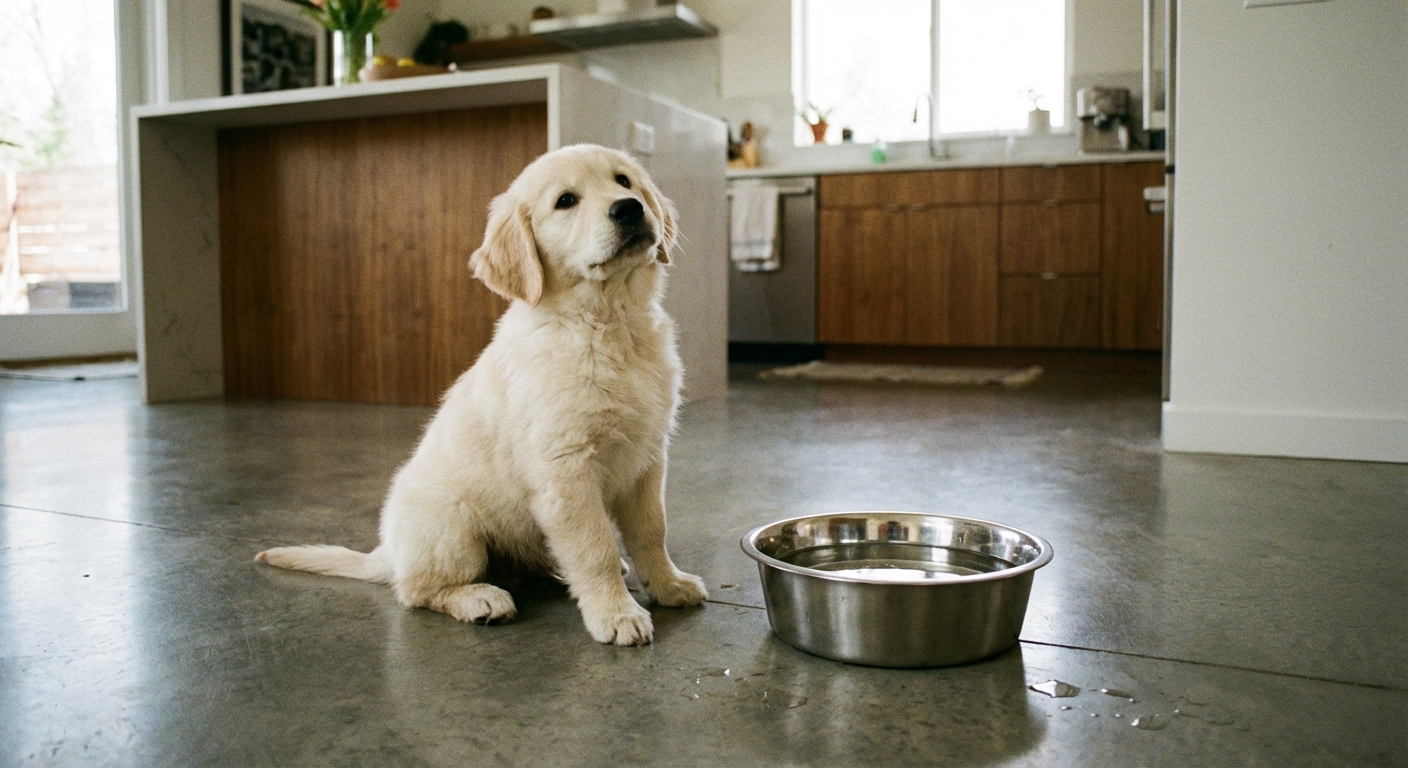
Diarrhea in puppies is common, but it is never something to ignore. Puppies dehydrate faster than adult dogs, and diarrhea can be your first clue that something is irritating the gut, stressing the body, or causing an infection. The good news is that many mild cases improve quickly with simple, safe steps at home.
As a veterinary assistant in Frisco, Texas, I always tell families to focus on two things first: hydration and watching for red flags. This guide walks you through what to do, what not to do, when to call your veterinarian, and how to prevent repeat episodes.
Quick note: This is general education and not a substitute for veterinary care. When in doubt with a puppy, it is always safest to call your clinic.
First: How urgent is it?
Start by checking your puppy’s overall condition. A puppy who is bright, alert, drinking water, and only has a few loose stools can often be managed short-term at home. A puppy who is weak, vomiting, painful, or refusing water needs veterinary help sooner.
Call your vet right away if you notice any of these
- Blood in the stool (bright red or black, tarry stool)
- Vomiting more than once, or vomiting plus diarrhea together
- Lethargy, weakness, collapsing, or acting “not themselves”
- Refusing water or unable to keep water down
- Signs of dehydration (dry gums, sticky saliva, sunken eyes, skin that doesn’t snap back quickly)
- Fever or very painful belly
- Swollen belly, repeated unproductive retching, or obvious abdominal discomfort
- Very young or tiny puppies (especially under 12 weeks or toy breeds)
- Not fully vaccinated or unknown vaccine status
- Known toxin exposure (human medications, xylitol, grapes/raisins, rodent bait, etc.)
- Diarrhea lasting about 24 hours even if mild (or sooner for very young, small, or higher-risk puppies)
Trust your instincts. If your puppy looks “off,” it is safer to call. Puppies can go downhill fast.
What it can look like
Diarrhea is a symptom, not a diagnosis. It can range from soft-serve stool to watery stool, and it may happen once or many times.
Common causes in puppies
- Diet change (switching foods too quickly, new treats, rich table foods)
- Stress (new home, travel, daycare, training changes)
- Parasites (roundworms, hookworms, whipworms, giardia, coccidia)
- Viral illness (including parvovirus in unvaccinated puppies)
- Bacterial enteritis (less common than diet, stress, or parasites, but possible)
- Food intolerance or sensitivity
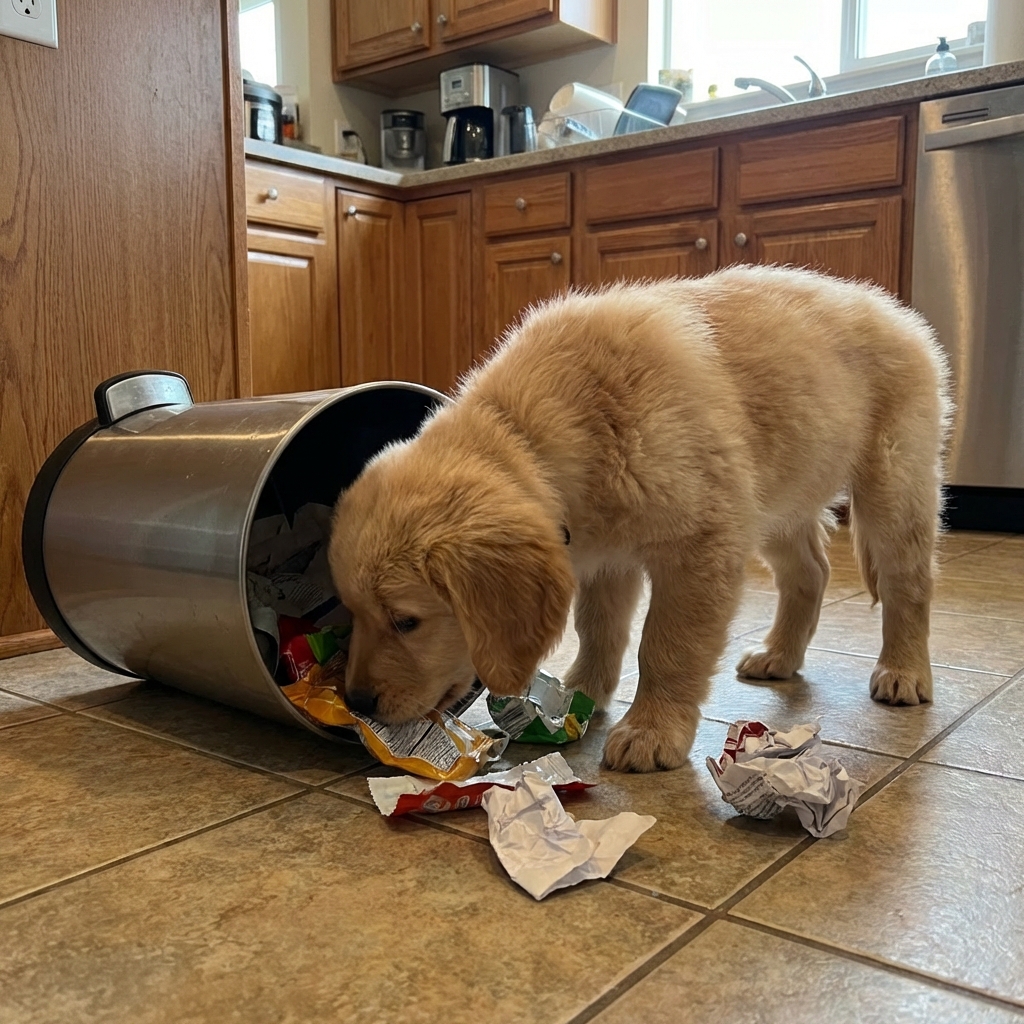
- Eating something they should not (trash, sticks, toys, compost), which can also raise concern for a foreign body if vomiting or belly pain shows up
What to do at home
If your puppy is otherwise acting normal and you are not seeing red flags, you can take supportive steps for the next 12 to 24 hours while monitoring closely.
1) Hydration first
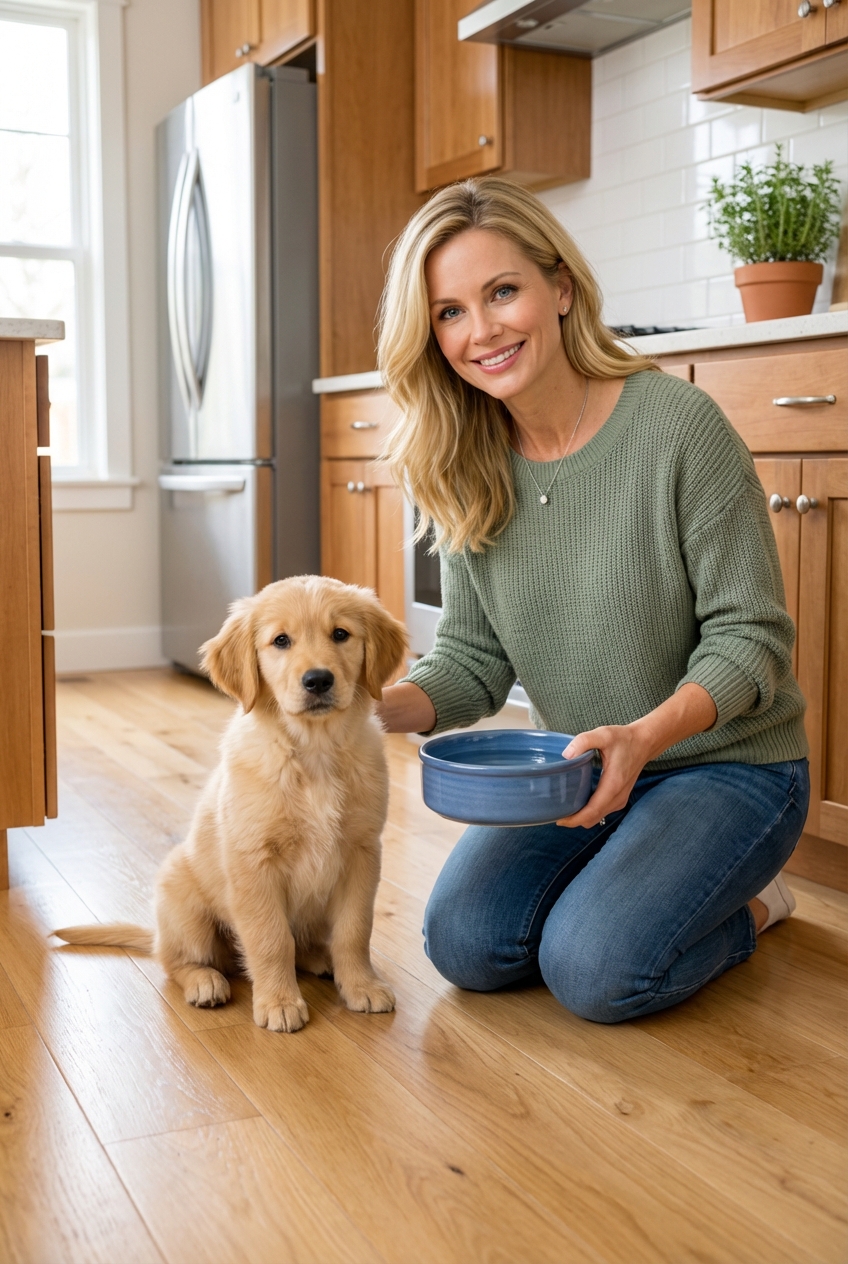
Offer frequent access to fresh water. If your puppy is hesitant to drink, you can:
- Offer water in a different bowl (some puppies dislike deep bowls)
- Add a small amount of water to their food
- Ask your veterinarian if an electrolyte solution is appropriate for your puppy’s size and situation
Electrolyte caution: Do not assume human products are safe, even if they are labeled “unflavored.” Sodium and sugar levels can be inappropriate for puppies. Use only what your veterinarian recommends, with clear dosing.
Do not force water. If your puppy cannot keep fluids down, that is a vet visit.
2) Bland, gentle meals
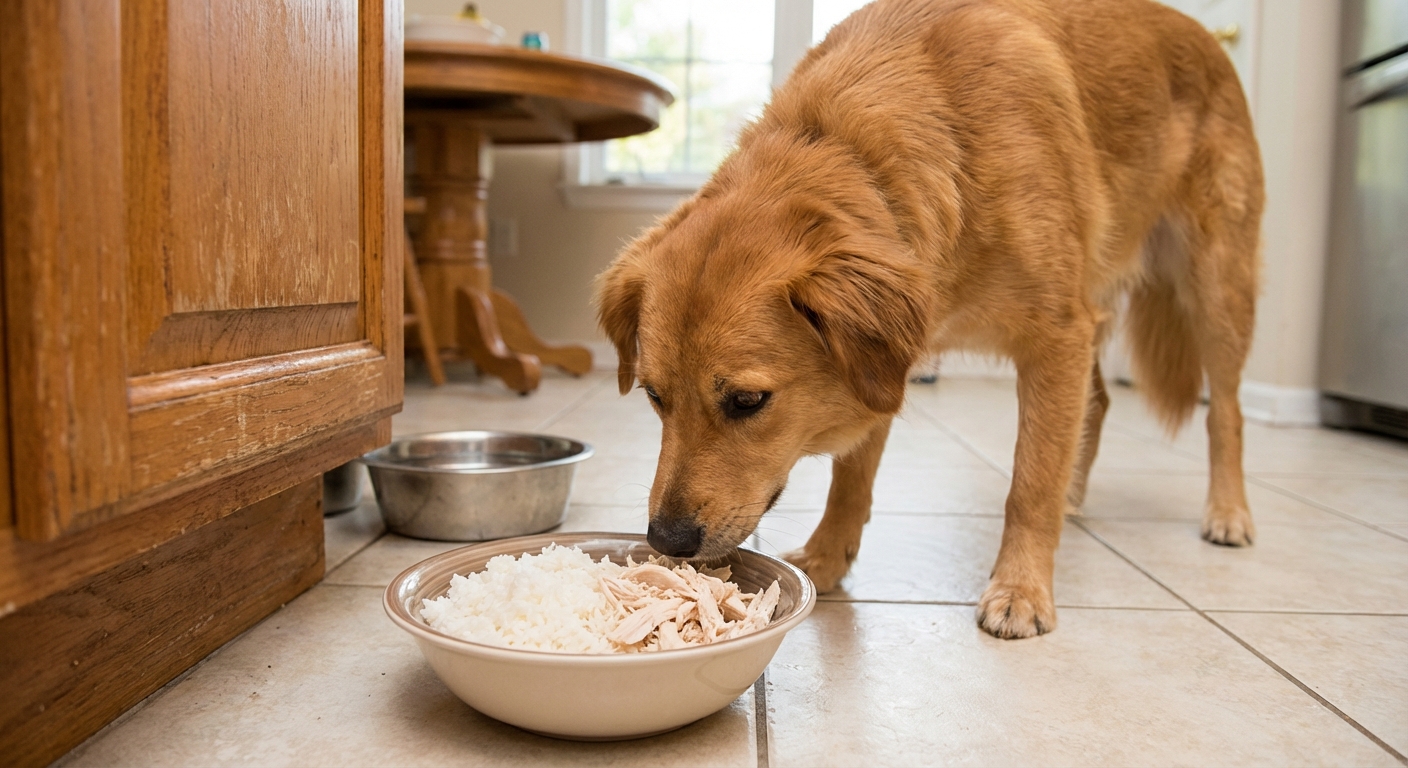
For many mild cases, a short bland diet helps the gut reset. Typical options include:
- Boiled skinless chicken breast (or lean turkey)
- Plain white rice
- Plain canned pumpkin (100% pumpkin, not pie filling) in small amounts
Feed small meals, more often. Think “snack size” portions every 4 to 6 hours.
Important: Puppies still need calories for growth, so avoid long fasts unless your veterinarian specifically instructs it. For very young puppies, skipping meals can cause low blood sugar.
Pumpkin note: A little can help some puppies, but too much fiber can worsen stool in others. If you use it, keep it to a small amount and stop if stool gets worse.
3) Pause extras
Stop all new treats, chews, bully sticks, table scraps, and rich rewards for now. If you need training treats, use tiny pieces of the bland food you are feeding.
4) Vet-approved probiotic
Some probiotics can help support stool quality, especially after stress or diet changes. Use a product made for dogs, and follow label directions or your vet’s guidance.
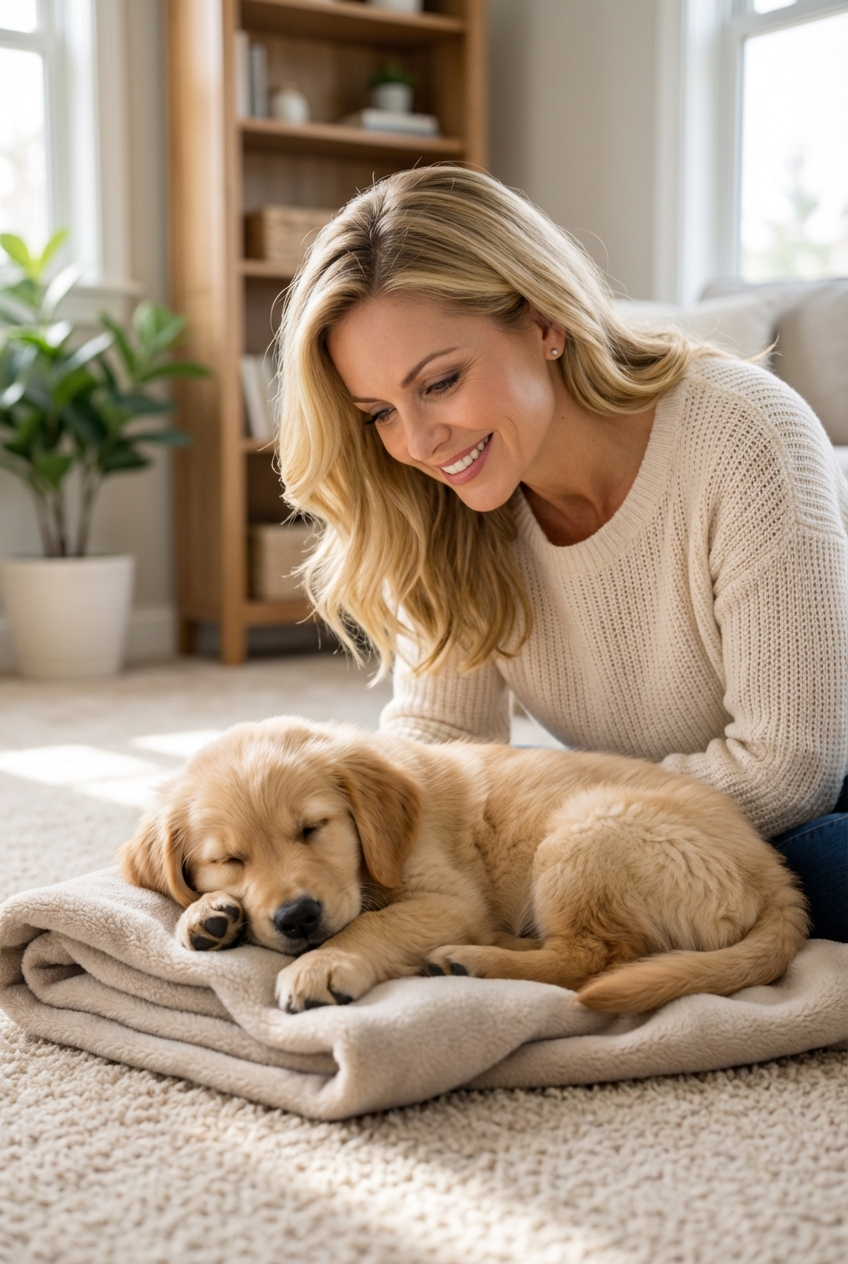
5) Rest and reduce stress
Keep activity calm. Excitement and vigorous play can worsen tummy upset. Short potty breaks, quiet time, and a predictable routine help more than you might think.
What not to do
These are common mistakes that can make a puppy worse.
- Do not give human anti-diarrhea medications (like loperamide/Imodium) unless your veterinarian tells you to. Some dogs are sensitive due to the MDR1 gene mutation, including many Collies, Australian Shepherds, Shetland Sheepdogs, and related breeds.
- Do not switch foods repeatedly trying to “find one that works.” Constant change irritates the gut.
- Do not use fatty foods (hamburger grease, bacon, cheese) to tempt appetite. Fat can trigger pancreatitis.
- Do not assume deworming covers everything. Routine dewormers do not always treat giardia or coccidia, which is one reason fecal testing still matters.
Monitoring checklist
When you call a veterinary clinic, specific details help them triage your puppy. Keep notes on:
- Frequency: How many episodes in the last 6 to 12 hours?
- Consistency: Soft, pudding-like, watery?
- Color: Brown, yellow, green, black/tarry?
- Mucus: Slimy coating can indicate inflammation
- Blood: Any streaks or clots?
- Vomiting: Yes or no, how many times?
- Appetite: Normal, reduced, none?
- Energy: Playful or tired?
- Exposure risks: Dog parks, daycare, new dogs, chewing toys, trash access
- Vaccines and deworming: Dates if you know them
Stool sample tips
If your veterinarian recommends a fecal test, a good sample can speed things up.
- Collect a fresh sample (ideally within 12 hours).
- Use a clean bag or container and seal it well.
- Refrigerate if you cannot bring it in right away. Do not freeze.
- Bring it to your appointment as soon as possible, and tell the clinic if your puppy is on any medications or supplements.
When it is time for the vet
Even a puppy who seems comfortable should be seen if:
- Diarrhea continues beyond 24 to 48 hours
- There are repeated accidents and urgency (straining, frequent squatting)
- Stool becomes watery and frequent
- Your puppy is not gaining weight normally
- You suspect parasites (many are not visible to the naked eye)
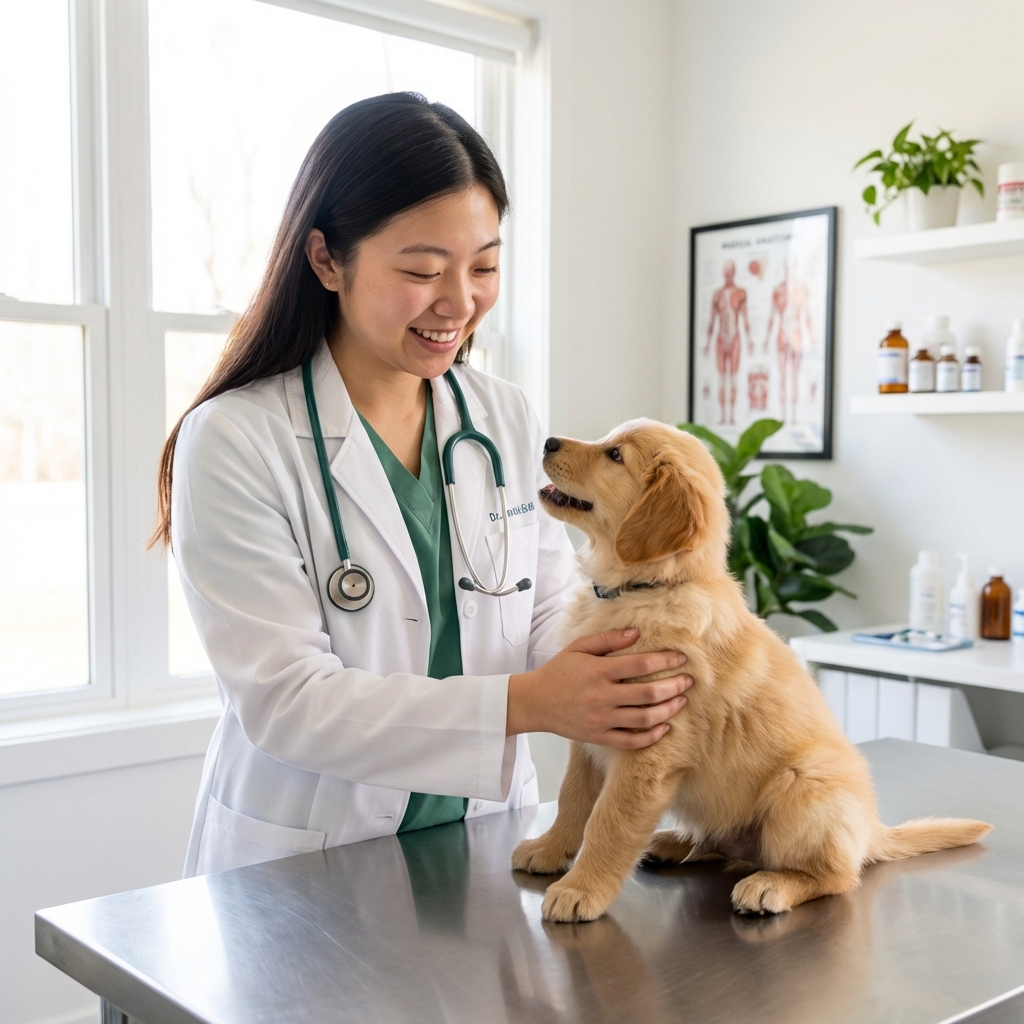
Your veterinarian may recommend a fecal test for parasites like giardia or coccidia, supportive care, a dewormer, fluids, or a prescription diet depending on what they find.
Accidents without stress
Diarrhea often comes with urgency, and puppies are still learning. Accidents are not disobedience. They are a sign your puppy physically could not hold it.
Make potty success easier
- Take your puppy out more frequently (every 1 to 2 hours during active diarrhea)
- Use the same door and same potty spot to build a clear routine
- Reward with calm praise and a tiny bland “treat” after they go
- Clean accidents with an enzymatic cleaner to remove odor cues
Watch for early signals
Many puppies show subtle cues right before an urgent bowel movement: sudden sniffing, circling, heading to a corner, leaving play abruptly, or looking back at their belly. If you see it, go outside immediately.
Preventing diarrhea next time
You cannot prevent every tummy upset, but you can dramatically reduce the odds.
- Transition foods slowly: Mix old and new over 7 to 10 days
- Limit variety for young puppies: too many treats can overwhelm digestion
- Keep up with fecal tests and deworming as advised by your vet
- Practice safe socialization: avoid high-risk areas until vaccines are complete
- Puppy-proof: block trash, cords, small toys, plants, compost
- Choose chews wisely: avoid very rich chews or anything that splinters
Quick FAQ
Should I withhold food?
For many puppies, especially young ones, a long fast is not recommended. Instead, feed small portions of a bland diet and call your vet for personalized guidance.
How do I switch back to normal food?
Once stool is normal for about 24 to 48 hours, start mixing your puppy’s regular food back in gradually over 3 to 5 days. If diarrhea returns, stop the transition and call your veterinarian.
Is pumpkin always the answer?
Pumpkin can help some dogs by adding gentle fiber, but it is not a cure-all. If diarrhea is caused by parasites, parvovirus, an obstruction, or a toxin, pumpkin will not fix the underlying problem.
Could it be parvo?
Parvo is a serious concern in unvaccinated or partially vaccinated puppies. Classic signs include lethargy, vomiting, loss of appetite, and foul-smelling, watery diarrhea that may contain blood. If you suspect parvo, seek emergency care immediately.