Confused about mouse-repelling smells? See what may work (peppermint, clove), what usually fails (vinegar, dryer sheets), and what to avoid for pet safety—...
Article
•
Designer Mixes
What Smell Do Mice Hate The Most? (And What Actually Works)

Shari Shidate
Designer Mixes contributor
Small home-maintenance habits set the tone for a pest-free week, just like a good routine sets the tone for your day. When it comes to mice, little steps repeated consistently add up to a home that is far less inviting.
If you are here because you want the simple answer: the smell most often mentioned is peppermint . The more helpful answer is a little more nuanced. Strong scents may deter mice temporarily, but results are inconsistent in real homes. What reliably reduces mouse activity is sealing entry points and removing food.
The smell mice hate most
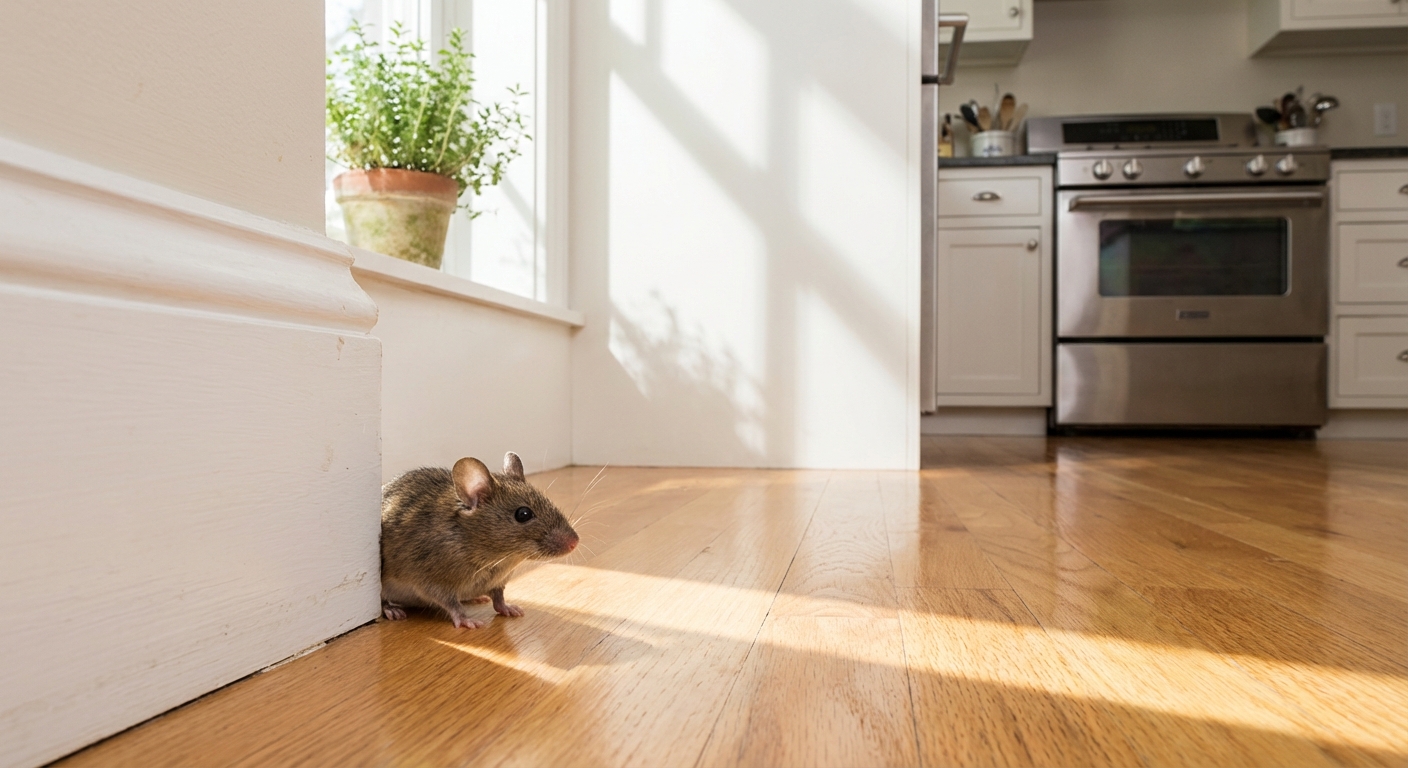
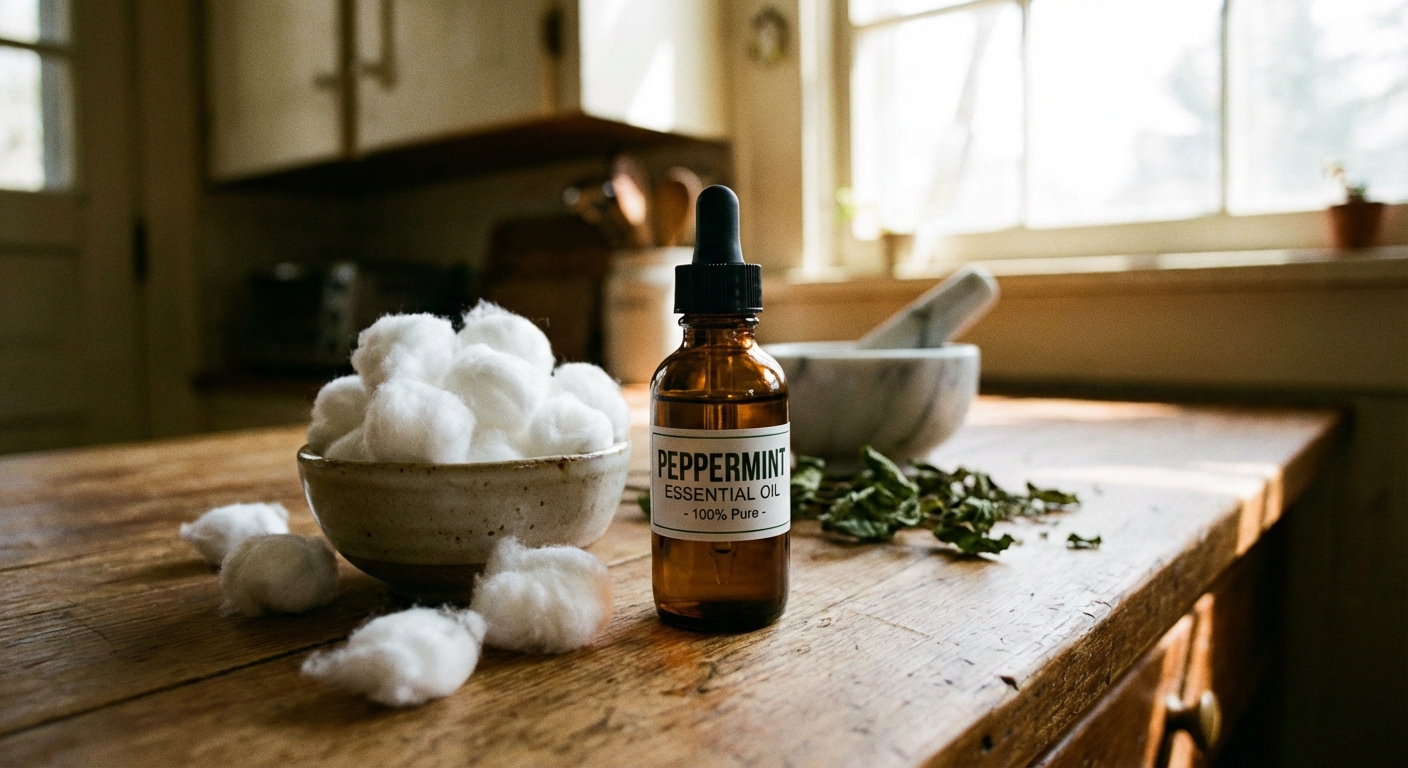
Peppermint oil is the top scent people try as a mouse deterrent. Mice have a very sensitive sense of smell, and strong aromatic odors can be irritating or overwhelming, which may make an area less appealing for a short time.
Still, treat scent deterrents as short-term pressure, not a complete fix. If a mouse has easy access to food, warmth, and nesting materials, it can tolerate unpleasant smells surprisingly well, especially once the scent fades.
Other smells that may repel mice
These are commonly used options. Results vary based on airflow, the size of the problem, and whether mice have other strong reasons to stay.
- Clove (eugenol): A sharp, spicy aroma that some pests avoid.
- Cinnamon: Strong scent that may help in small, contained areas.
- Ammonia : Sometimes suggested anecdotally, but it is a harsh irritant and not recommended for typical home use. It can also be unsafe around kids and pets.
- Vinegar : Strong odor that can disrupt scent trails, though it rarely solves an active infestation.
- Eucalyptus: Another intense essential oil scent sometimes used in deterrent blends.
How to use peppermint oil
If you want to try peppermint, the key is using it in a way that is strong enough to notice and easy to maintain. Think of this as a practical starting point, not a proven protocol.
Option 1: Cotton ball method
- Add 10 to 20 drops of peppermint essential oil to 2 to 3 cotton balls.
- Place them near suspected entry points and activity zones: behind the stove, under the sink, in pantry corners, along baseboards, near garage doors.
- Replace every 2 to 3 days at first, then weekly once activity decreases.
Practical note: Fresh scent matters. If you can barely smell it, mice probably can, but any deterrent effect is often strongest right after you reapply. Also, essential oils can stain or irritate some surfaces, so test a small hidden spot and keep oil off painted trim, finished wood, and fabrics.
Option 2: Simple spray
- Mix 10 to 15 drops peppermint oil with 1 cup water plus a small splash of mild dish soap to help disperse the oil.
- Lightly spray along baseboards and around gaps (avoid food prep surfaces).
- Reapply every few days, especially after cleaning.
Why smells rarely solve mice
Mice are motivated by survival. If they have consistent food and shelter, they may simply move a few feet away from the odor or travel when the scent fades. Essential oils also evaporate quickly, especially in ventilated spaces like kitchens and garages.
In real-world home settings, scent repellents work best when you pair them with the evidence-based steps below.
The 3-step approach
1) Remove the food
- Store dry goods in hard containers (thick plastic, glass, or metal).
- Clean crumbs under appliances and inside drawers.
- Do not leave pet food out overnight.
- Use lidded trash cans and empty them regularly.
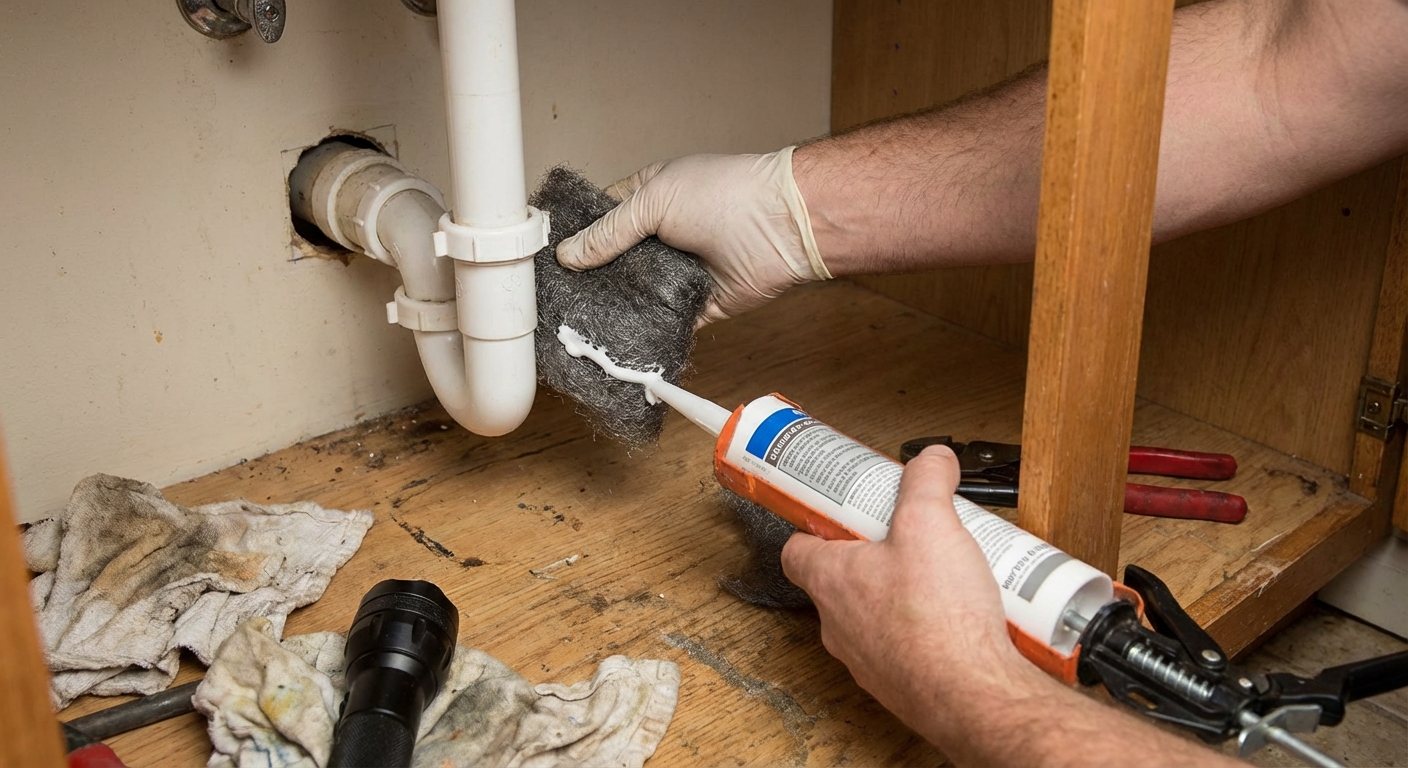
2) Seal entry points
Most mice can squeeze through openings about 1/4 inch (6 mm), roughly the width of a pencil. Walk the perimeter of your home and look for gaps near pipes, vents, the garage, and foundation edges.
- Use steel wool plus caulk for small gaps.
- Use hardware cloth for larger openings.
- Add door sweeps and repair torn screens.
3) Trap strategically
For an active mouse problem, traps are typically more reliable than repellents.
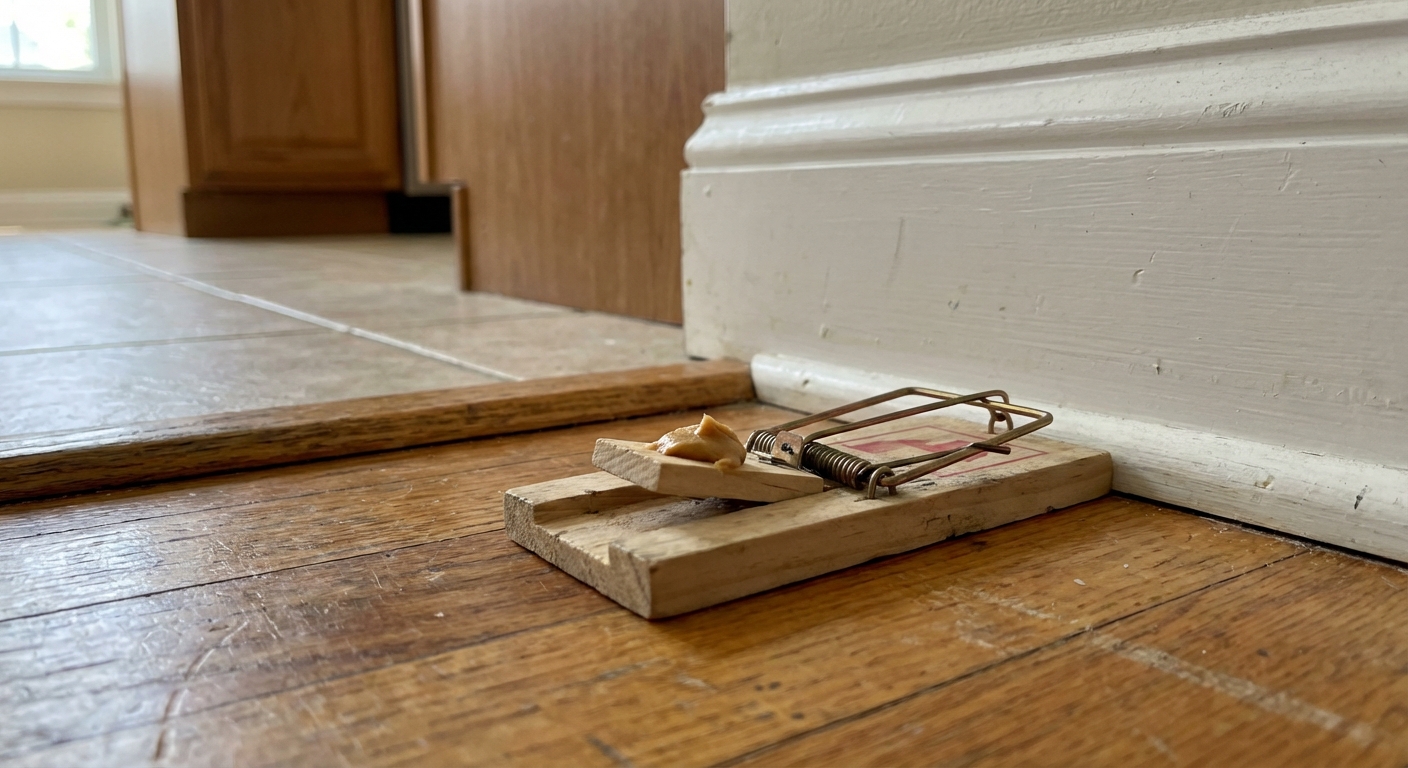
- Place traps along walls where droppings or rub marks appear.
- Set traps perpendicular to the wall, with the bait end closest to the wall.
- Use multiple traps, spaced a few feet apart.
- Good baits include a small dab of peanut butter or chocolate.
- Keep traps away from kids and pets, and check daily.
When to take it seriously
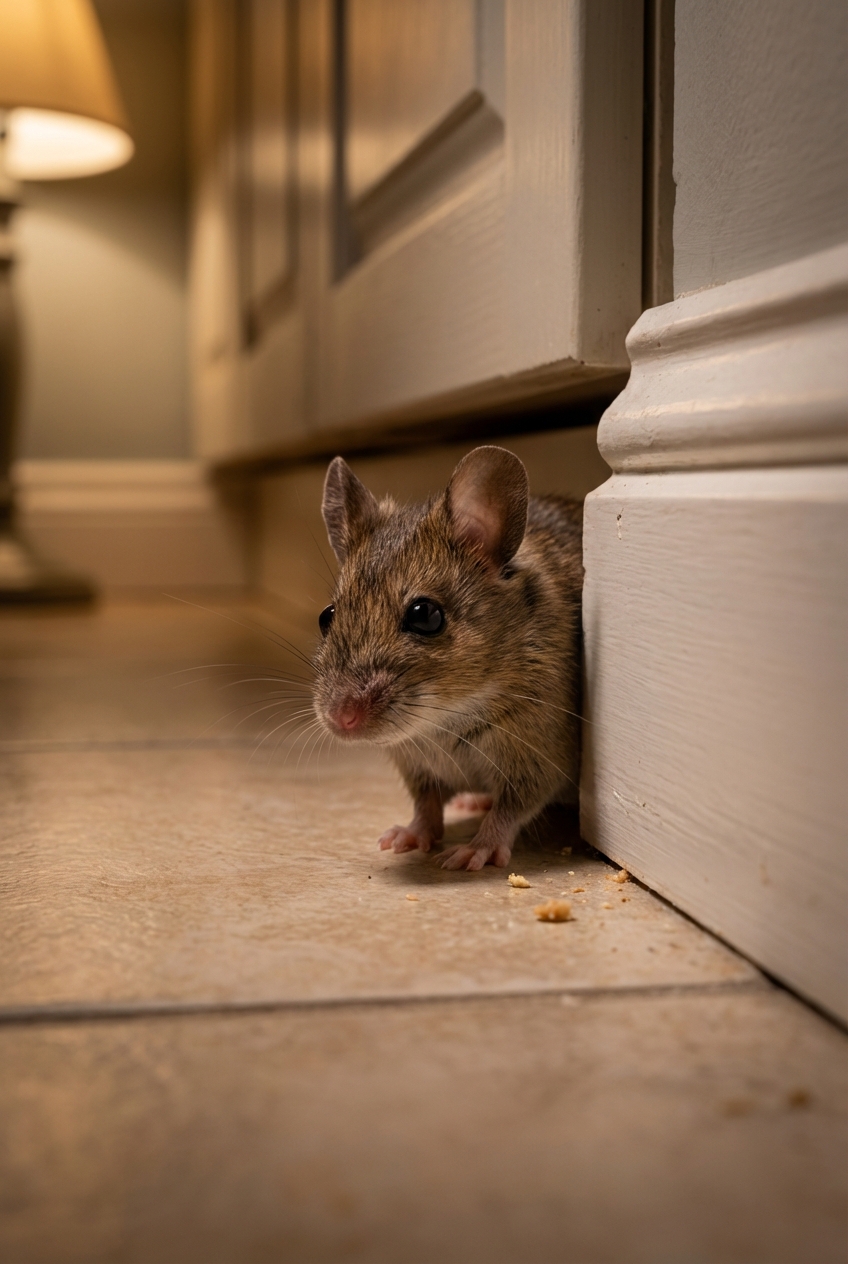
If you are seeing repeated signs, it is worth moving quickly. Mice reproduce fast, and droppings and nesting materials can create health risks.
- Escalate if you hear scratching most nights, see droppings daily, find nesting material, or spot mice during daylight.
- Extra caution is smart in households with young children, older adults, or anyone immunocompromised. Consider calling a licensed pest professional sooner rather than later.
Quick ID tip: Mouse droppings are usually small (about 1/8 to 1/4 inch) and pointed at the ends. Rat droppings are larger and more blunt. If you suspect rats, use rat-rated traps and consider professional help.
Essential oil safety
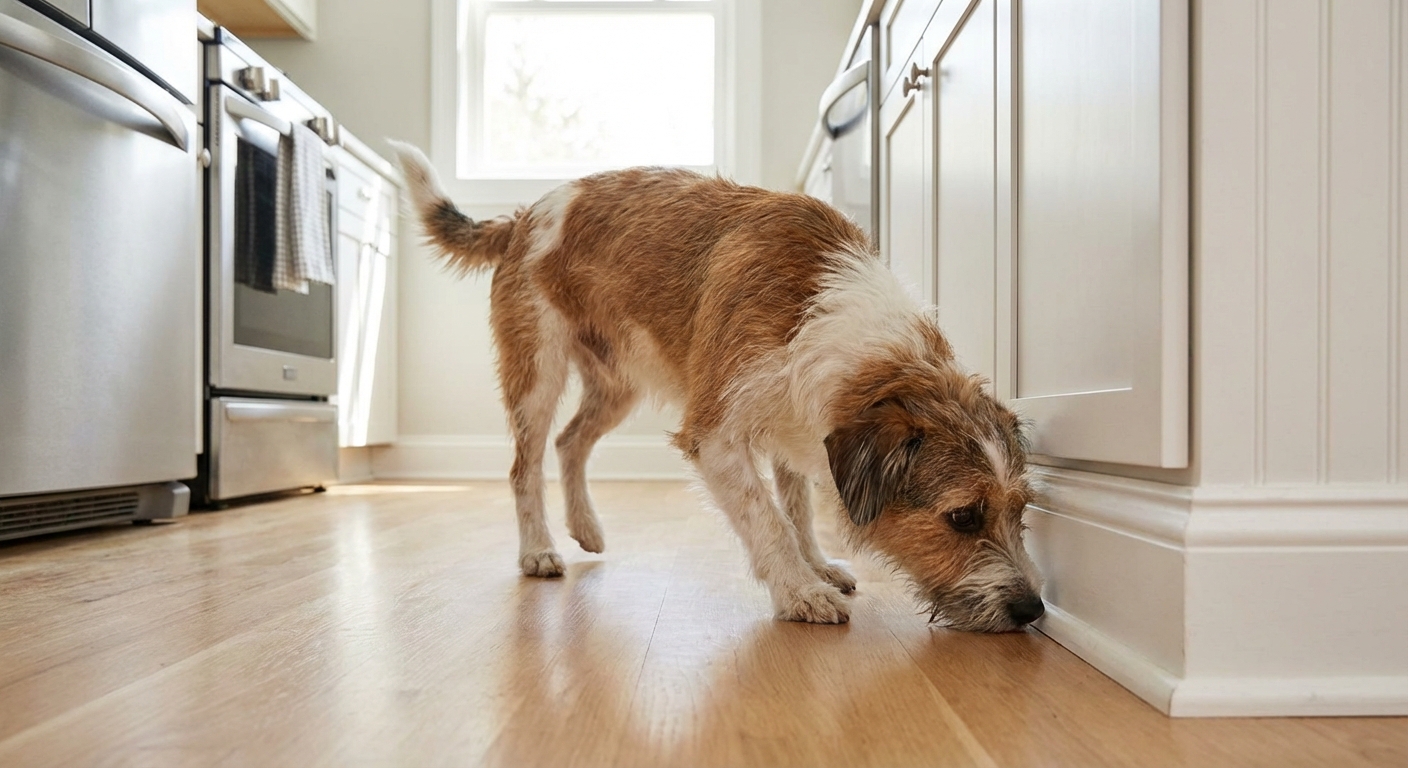
Because this is a pet-focused site, this part matters. Essential oils are concentrated plant compounds and can be irritating or harmful if inhaled in high amounts, licked, or absorbed, especially for cats and small animals.
- Keep oils and soaked cotton balls out of reach.
- Avoid using essential oils in areas where pets sleep, groom, or eat.
- Do not diffuse oils continuously in enclosed spaces.
- If a pet seems drooly, lethargic, wobbly, or vomits after exposure, contact your veterinarian or a pet poison helpline promptly.
Quick FAQ
Do mothballs repel mice?
Mothballs are pesticides and can be toxic to people and pets when misused. Using them off-label indoors is not recommended and may be illegal depending on where you live.
Will peppermint oil drive mice out of the house?
It may push mice away from specific spots temporarily, but it usually does not eliminate an infestation on its own.
What is the fastest way to stop mice?
Seal entry points, remove accessible food, and use properly placed traps. If activity continues after a week or two of consistent trapping and exclusion, consult a licensed pest professional.
Bottom line
If you want the single most common answer, peppermint is the scent many people try because mice may avoid it. For real, lasting results, treat scent repellents as a bonus and focus on the fundamentals: clean up food sources, seal gaps, and trap strategically.
If the problem feels stubborn or you cannot find the entry points, a licensed pest professional can help you identify access routes and set up a plan that actually holds.