Confused about “daily dog vaccines”? Get the truth on core vs non-core shots, puppy booster timing, rabies and DHPP intervals, side effects, titers, and ...
Article
•
Designer Mixes
What Shots Do Dogs Need Yearly?

Shari Shidate
Designer Mixes contributor
As a veterinary assistant here in Frisco, Texas, I hear this question all the time: “What shots does my dog need every year?” The honest answer is: it depends on your dog’s age, lifestyle, location, and health history. The good news is that once you understand the difference between core and non-core vaccines, your dog’s plan gets a whole lot clearer.
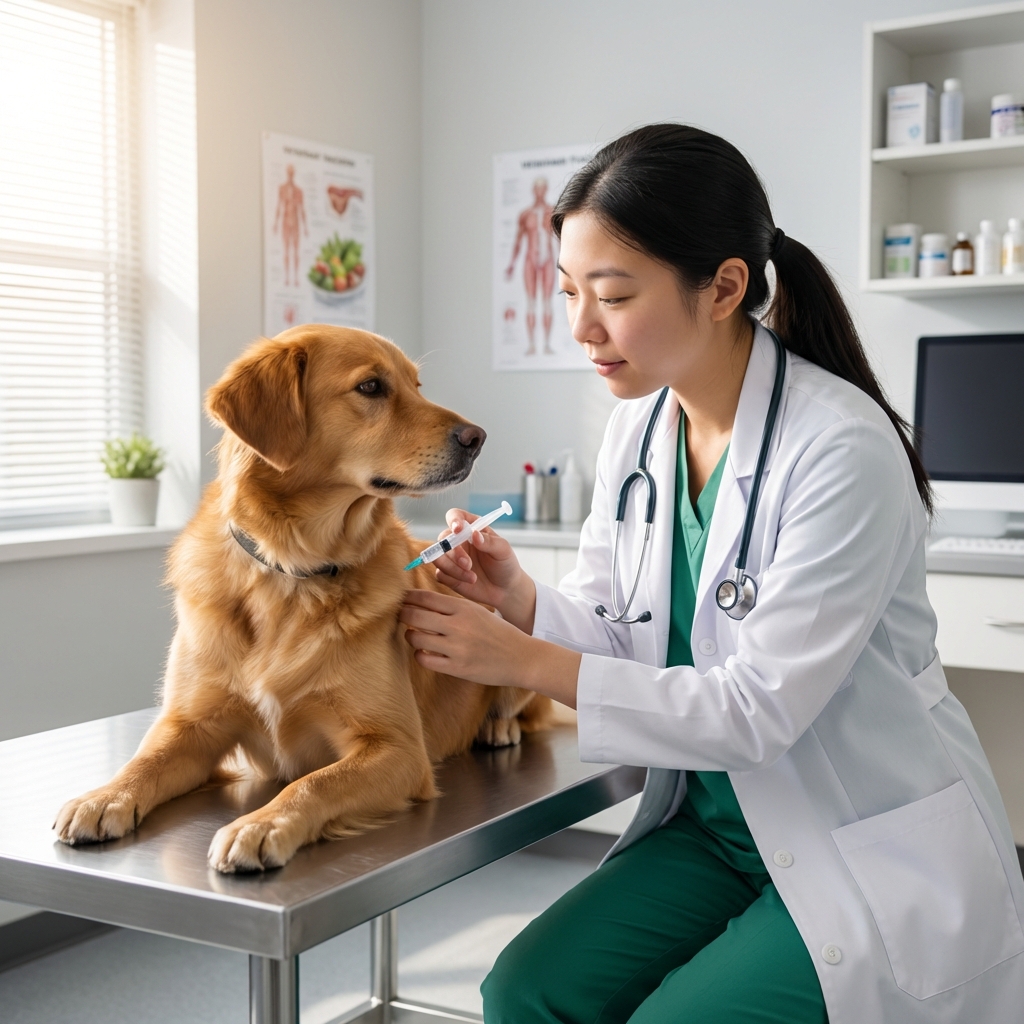
One more helpful point up front: many clinics (including ours) still recommend an annual wellness visit even when a core vaccine is not due that year. The visit is where we review risks, confirm what is legally required, and decide what is truly needed.
This guide walks you through the vaccines most dogs need, what is truly annual versus risk-based, and how to talk with your veterinarian about a plan that protects your dog without overdoing it.
Core vs non-core vaccines
Core vaccines are recommended for nearly every dog because they protect against serious, widespread diseases. Non-core vaccines are optional and depend on risk. Think: boarding, grooming, dog parks, hiking near standing water, hunting, travel, and local outbreaks.
Most modern vaccine guidelines (including widely used veterinary standards) support tailoring vaccination schedules, especially after the initial puppy series and the first adult booster.
The shots most dogs need
Rabies (core and legally required)
Rabies is required by law in most U.S. locations. Timing depends on your local rules and the vaccine product label, but a common schedule is:
- First rabies vaccine: usually around 12 to 16 weeks of age (varies by law and product label).
- Booster: 1 year later.
- Then: every 1 or 3 years depending on the vaccine used and local regulations.
Texas note: many Texas jurisdictions require rabies vaccination by about 4 months of age. If you are unsure, your vet clinic can tell you what your county requires and help you stay compliant with the correct documentation.
DHPP or DAPP (core combo vaccine)
You may hear this called DHPP or DAPP. Clinics often use the names interchangeably. The “P” can refer to parainfluenza in some products, and many combination vaccines include it.
This combination vaccine typically covers:
- Distemper
- Adenovirus (CAV-2, which helps protect against infectious hepatitis caused by CAV-1)
- Parvovirus
- Parainfluenza (often included)
Is this yearly? Not usually. Many dogs receive this vaccine:
- As a puppy series (multiple doses)
- Then a booster at about 1 year old
- Then typically every 3 years (based on many vaccine labels and common veterinary schedules)
Your veterinarian will confirm what your specific product label and your dog’s vaccine history support.
Common “yearly” shots (risk-based)
Many people use “yearly shots” to mean the vaccines we discuss at the annual visit. That annual visit still matters even if a core vaccine is not due.
Bordetella (kennel cough)
Bordetella is a non-core vaccine that is commonly required by boarding facilities, daycares, groomers, and training centers. Depending on the vaccine type, route (oral, nasal, or injection), your dog’s exposure risk, and facility rules, it may be given every 6 to 12 months.
Real-world tip: many boarding and daycare facilities require a Bordetella booster within the last 6 months, even if a veterinarian might otherwise be comfortable with an annual schedule.
Also worth knowing: Bordetella is part of the broader canine infectious respiratory disease complex. Vaccination can reduce severity and spread, but it does not guarantee your dog will never cough.
Canine influenza (dog flu)
Canine influenza is non-core and highly outbreak and region dependent. It is often recommended for dogs with high social exposure during times of local activity or when facilities require it. Many dogs need an initial two-dose series, then boosters based on risk and product guidance, often annually when continued.
Leptospirosis (often recommended in many areas)
Leptospirosis is a bacterial disease spread through the urine of infected wildlife and dogs, often via contaminated soil or water. It can be severe, and it can affect humans too (it is zoonotic).
In many parts of Texas and across the U.S., vets recommend lepto for dogs who:
- Go hiking, camping, or spend time around creeks, ponds, or standing water
- Have exposure to wildlife (raccoons, skunks, rodents)
- Live in areas where leptospirosis has been diagnosed locally
Lepto is commonly boosted yearly after the initial series, but your vet will advise what fits your dog.
Lyme disease
Lyme vaccination is typically recommended based on tick exposure and regional risk. Lyme is more common in parts of the Northeast and Upper Midwest than it is here in Texas, so in our area it often comes up most for dogs who travel to higher-risk regions or have heavy tick exposure. If used, it is often boosted annually.
Even when Lyme vaccine is not a fit, tick prevention and regular tick checks are still a big part of staying protected.
Puppies vs adults vs seniors

Puppies
Puppies need a series because maternal antibodies can interfere with early vaccines. Most puppy plans include multiple DHPP doses spaced a few weeks apart until at least 16 weeks of age. In higher-risk situations, some veterinarians may recommend continuing to 18 to 20 weeks.
Adult dogs
Adults typically shift from “many appointments for vaccines” to maintenance. That may mean rabies on a legal schedule, DHPP less frequently, and non-core vaccines based on lifestyle.
If your adult dog is overdue, do not panic. What happens next depends on which vaccine it is, how long it has been since the last dose, and the product label. Some situations call for a single booster, while others may require a repeat series. Your vet can review your records and make the safest plan.
Senior dogs
Senior dogs still need protection, but they also benefit from a careful, individualized plan, especially if they have immune system issues, cancer history, organ disease, or are on long-term medications. Some seniors (and pets with chronic conditions) do best with wellness visits more often than once a year, even when vaccines are not due.
Yearly visit basics
Even if your dog is not due for a vaccine, the annual (or more frequent for many seniors) wellness visit is where we catch problems early.
- Nose-to-tail exam: eyes, ears, skin, joints, teeth, heart and lungs
- Parasite screening: fecal testing is common, especially for dogs with GI issues or exposure risk
- Heartworm test: commonly recommended yearly for dogs on prevention (timing can vary by veterinarian preference and regional risk)
- Flea and tick plan: year-round is often recommended in many climates
- Nutrition and weight check: small changes now can prevent big problems later
A helpful mindset: vaccines are one tool. A yearly exam is the bigger safety net.
How to choose vaccines
If you want a simple way to think about it, ask yourself these questions and share the answers with your veterinarian:
- Does my dog go to daycare, boarding, grooming, or training?
- Do we visit dog parks or have frequent dog-to-dog contact?
- Does my dog drink from puddles, creeks, or explore areas with wildlife?
- Do we travel to other states or regions?
- Has my dog ever had a vaccine reaction or serious allergy history?
Your vet can then match risk to protection. That is how we avoid both under-vaccinating and over-vaccinating.
If you use boarding, daycare, grooming, or training services, ask what they require ahead of time. Many facilities want proof such as a current rabies certificate and Bordetella given within a specific time window.
Vaccine safety
Most dogs do great after vaccines. Mild sleepiness or tenderness at the injection site can happen. Call your vet right away if you notice:
- Facial swelling, hives, intense itching
- Vomiting, diarrhea, weakness
- Labored breathing or collapse
These reactions are uncommon, but they are important to treat quickly. If your dog has had a reaction before, your veterinarian can plan a safer approach for future vaccines.
Quick checklist
Use this as a conversation starter with your vet:
- Rabies: on a legal schedule (often 1 or 3 years, not always yearly)
- DHPP/DAPP: often every 3 years after the first adult booster
- Bordetella: commonly every 6 to 12 months if exposure risk or facility requirement
- Leptospirosis: often yearly in at-risk dogs and regions
- Canine influenza: non-core, often yearly for dogs with high social exposure when recommended or required
- Lyme: non-core, often yearly if tick exposure and regional risk (often travel-related from Texas)
If you are ever unsure, bring your dog’s vaccine record to your next visit and ask your vet clinic to print a due dates list. It takes the guesswork out of it.
Final word
Vaccines are one of the kindest, most practical ways we protect the dogs we love. If you’re feeling overwhelmed, start with two steps: schedule the wellness exam, and be honest about your dog’s lifestyle. From there, your veterinarian can build a plan that fits your dog, not just a generic calendar.