Build healthier homemade dog meals with a simple cooked-food ratio, plus tips to avoid common gaps like calcium, omega-3s, and key vitamins/minerals. Include...
Article
•
Designer Mixes
What Seasonings Can Dogs Eat

Shari Shidate
Designer Mixes contributor
If you have ever looked up from your cutting board and caught your dog giving you that hopeful stare, you are not alone. In my work as a veterinary assistant here in Frisco, Texas, I hear this question all the time: What seasonings can dogs safely eat and which ones are a hard no?
The good news is that dogs can enjoy small amounts of certain herbs and mild spices, and they can make bland meals more enticing. The catch is that a few common kitchen seasonings can be dangerous even in modest amounts. This guide will help you season smartly, with safety first.
First, a few safety rules
Before we get into specific herbs and spices, these simple rules prevent most seasoning-related problems.
- Less is more. Dogs do not need heavily seasoned food. Use pinches, not spoonfuls.
- Avoid blends unless you can verify every ingredient. Taco seasoning, chili seasoning, bouillon, rubs, and “all-purpose” mixes often contain onion, garlic powder, too much salt, or spicy peppers.
- Skip salt and high-sodium flavor boosters. This includes table salt, seasoned salt, soy sauce, and many broths.
- Introduce one new seasoning at a time. If your dog gets itchy, gassy, or has loose stool, you will know what caused it.
- Puppies, seniors, and dogs with kidney, heart, GI disease, or pancreatitis need extra caution. When in doubt, ask your veterinarian.
Fresh vs dried matters
One quick tip that saves a lot of stomach upset: dried herbs and spices are more concentrated than fresh. If you swap fresh for dried, start with even less than you think you need.
Avoid oils and extracts
Please skip DIY “drops” and concentrated products. Essential oils, extracts, and highly concentrated powders are not the same as sprinkling a culinary herb, and they can be much more irritating or outright unsafe for dogs.
Dog-safe herbs (best choices)
These herbs are generally considered dog-friendly in small amounts when used as simple seasonings on food. They are not a substitute for medical care, but they can be a gentle way to add aroma and variety.
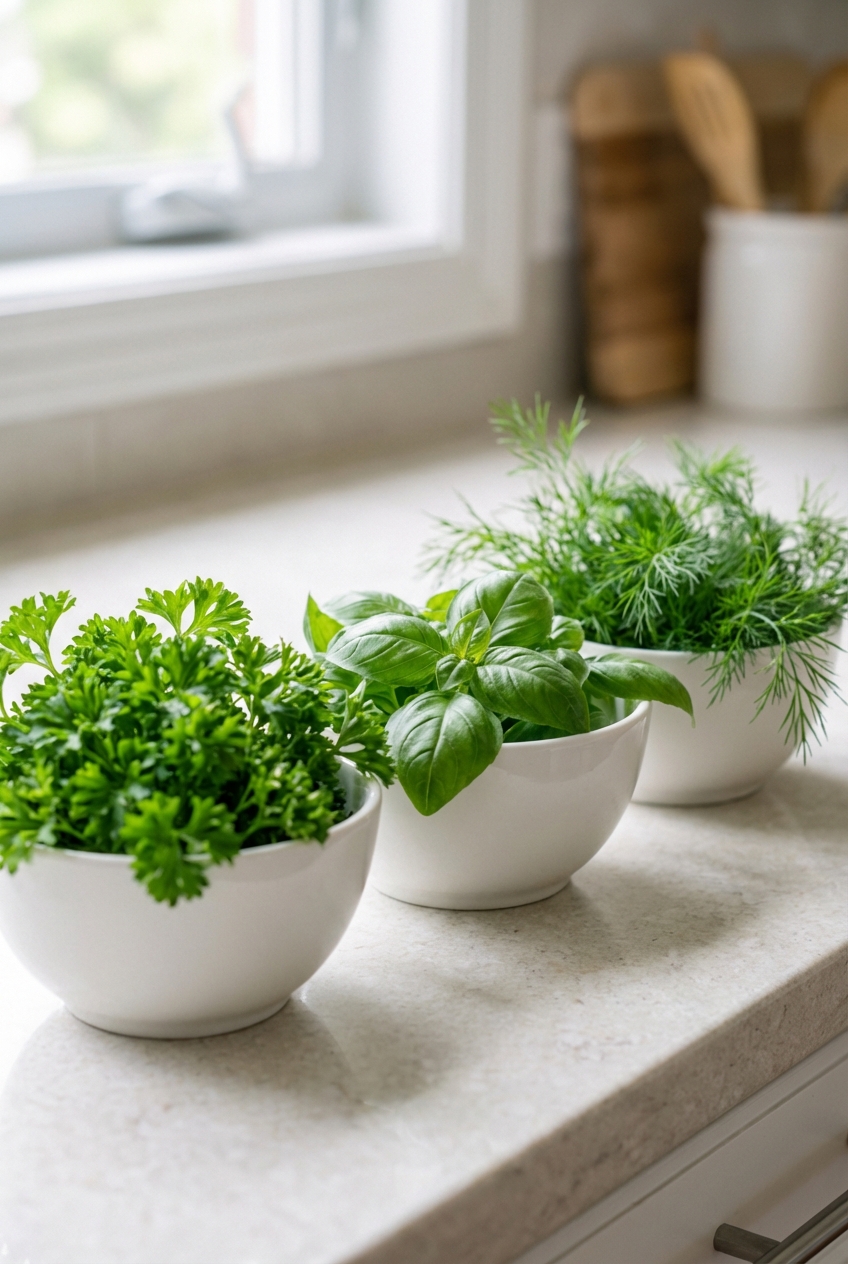
Parsley
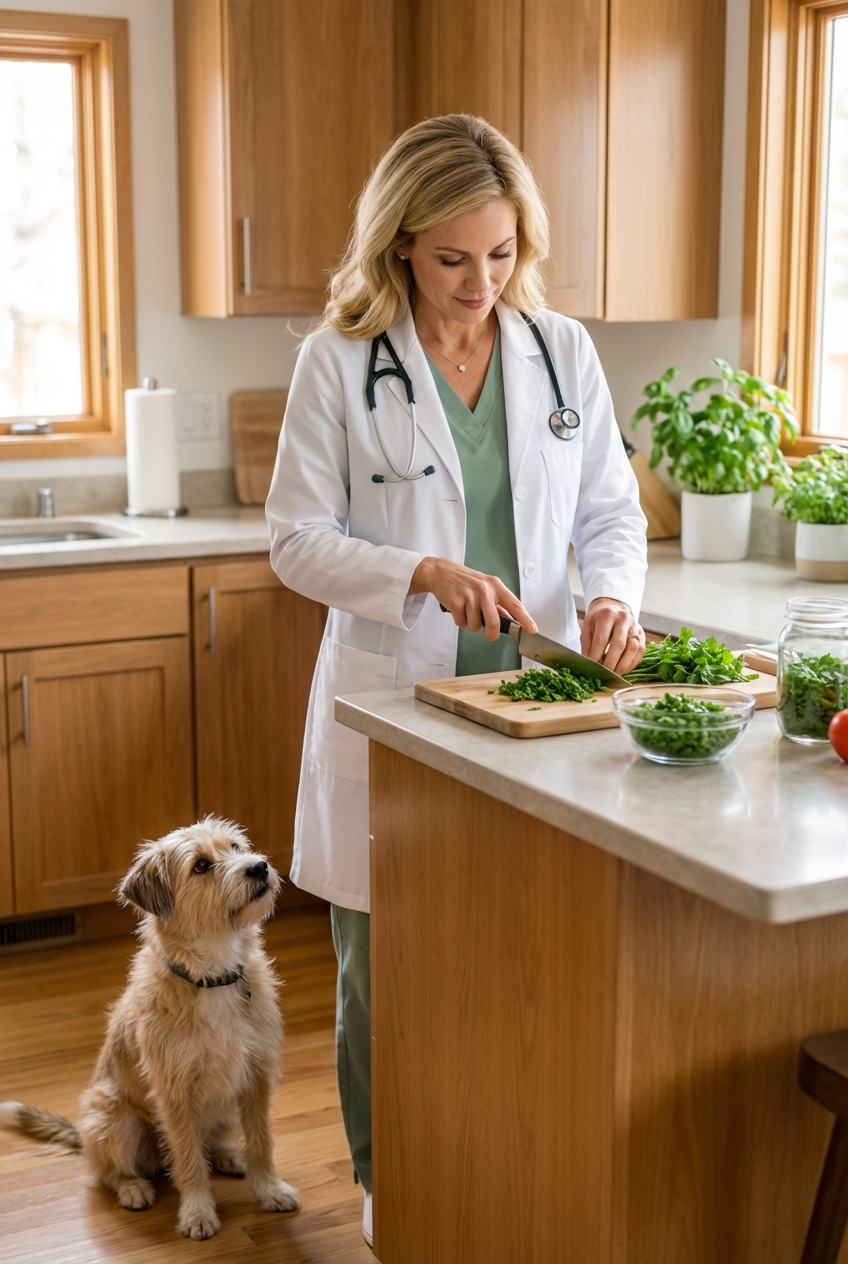
Flat-leaf parsley is commonly used as a fresh topper. It adds a bright flavor and can freshen breath. Use small amounts. Important note: there are different parsley types, and some (like spring parsley) are more concerning, especially in large quantities. For everyday seasoning, keep it minimal and stick to small, culinary amounts.
Basil
Basil is mild and usually easy on the stomach. A tiny sprinkle of chopped fresh basil can make plain chicken or turkey more appealing.
Rosemary
Rosemary is frequently found in dog foods and treats. It is aromatic and generally safe in culinary amounts. Some veterinarians recommend extra caution with rosemary in dogs with seizure disorders, so if your dog has a seizure history, check in with your vet before using it regularly.
Thyme
Thyme is another gentle herb that pairs well with simple proteins. A pinch goes a long way.
Oregano (light use)
Oregano is strong and can cause stomach upset if you overdo it. If you use it, use a very small pinch.
Dill
Dill is often well tolerated and can be a fun change of pace on fish or eggs, especially for picky eaters.
Dog-safe spices (mild options)
When people hear “spices,” they think heat. For dogs, think gentle, warming, and tiny amounts.
Turmeric
Turmeric is popular for its antioxidant properties, but it can also cause GI upset in some dogs, especially if you use too much. Start with a tiny pinch mixed into food. Turmeric can also interact with certain medications and conditions (for example, some blood thinners and some diabetes medications), and it may not be a good fit for dogs with gallbladder issues. If your dog is on meds or has a chronic condition, use turmeric only with veterinary guidance.
Ginger
Ginger may be soothing in small amounts for mild nausea, but it is potent. Use just a tiny amount of fresh grated ginger or a pinch of dried ginger. If vomiting continues, do not mask it with seasonings. Call your vet.
Cinnamon (use carefully)
A small sprinkle can be fine for many dogs. The biggest practical issues are GI upset and irritation if the powder gets inhaled and triggers coughing. Avoid cinnamon essential oil. If you use cinnamon, keep it minimal and do not let your dog snort a cinnamon cloud. (Ceylon vs cassia is mainly a concern with frequent or higher-dose use.)
Cardamom (rare, tiny amounts)
Cardamom is not commonly used for dogs. In very small culinary amounts, it is not typically flagged as a common toxin, but data is limited and it can cause stomach upset in some dogs. Use it rarely and sparingly, if at all.
Black pepper (very small amounts)
Black pepper is not toxic, but it can be irritating. If a recipe has a tiny bit already, most dogs will be fine. I do not recommend adding extra pepper to a dog’s bowl.
Seasonings to avoid completely
These seasonings show up in everyday cooking and can cause serious health issues for dogs.
Onion, chives, scallions, leeks (all forms)
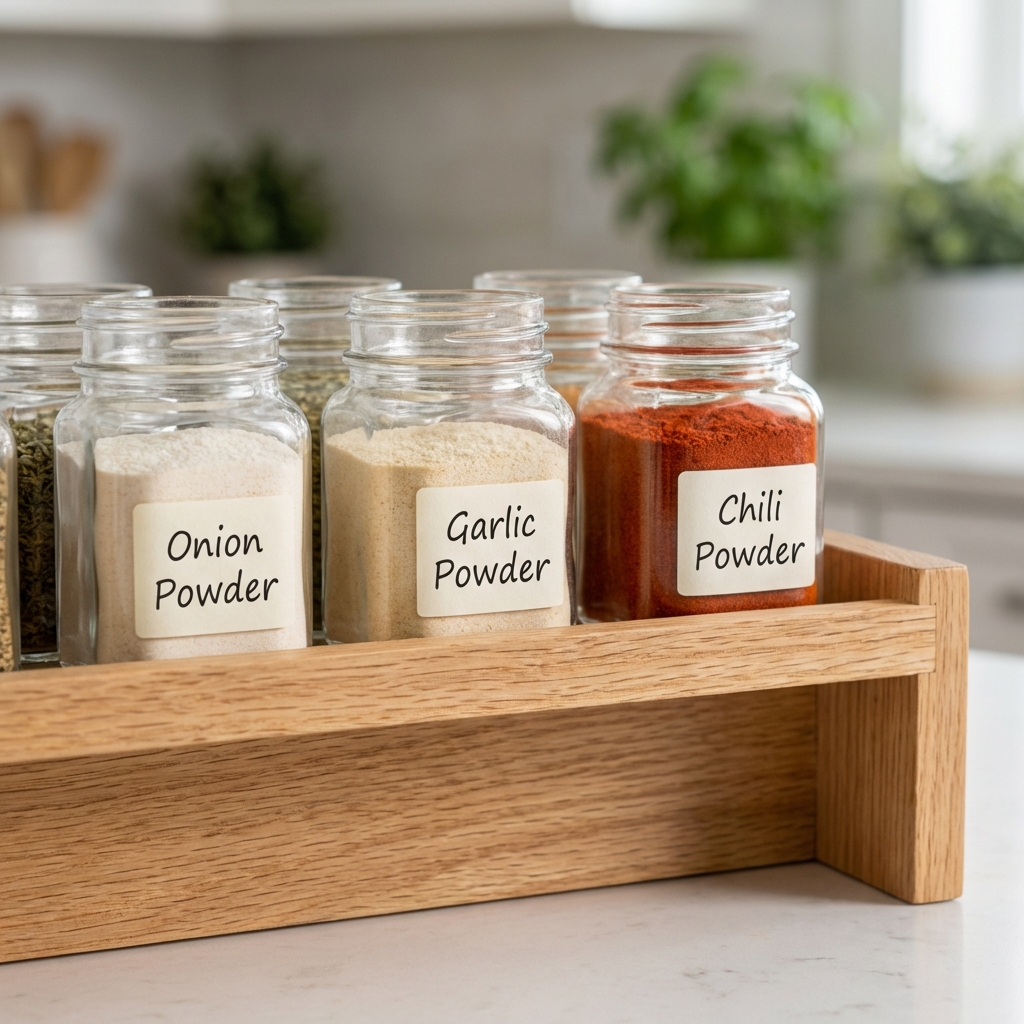
Allium plants can damage red blood cells and lead to anemia. This includes raw, cooked, dehydrated forms, and powders. Watch for onion powder, onion soup mix, onion salt, and anything labeled with chives or “green onion.”
Garlic (especially powders and concentrated forms)
Garlic is in the same family as onion and is a common ingredient in spice blends. While you may see debate online, in real-world households the biggest risk comes from accidental overexposure via powders, rubs, and “seasoned” foods. For safety, I recommend avoiding garlic in home-prepared dog meals unless your veterinarian specifically advises otherwise for your dog.
Chili powders and hot peppers
Cayenne, crushed red pepper, hot paprika, jalapeño seasoning, and spicy blends can cause mouth and stomach irritation, vomiting, diarrhea, and a miserable night for everyone.
Nutmeg
Nutmeg can be toxic and cause neurological signs at higher doses. It is not worth the risk.
Cocoa and cacao powder
Chocolate toxicity is not just candy bars. Cocoa and cacao powder can be even more concentrated and should be kept away from dogs.
Salt-heavy seasonings
Seasoned salt, meat rubs, bouillon, “flavor packets,” and salty marinades can push sodium too high. Excess sodium can cause increased thirst, vomiting, diarrhea, and in severe cases sodium ion poisoning.
Everything bagel seasoning
This is a frequent “sprinkle” people forget about. It often contains onion, garlic, and a lot of salt, which makes it a no for dogs.
Xylitol-containing products
This is not a “seasoning,” but it sneaks into sugar-free products, peanut butter, and some baked goods. Xylitol can cause dangerous low blood sugar and liver injury in dogs. There is evolving research about risk by formulation and dose, but the safest home guidance is still: avoid it and call for help right away if your dog gets into it.
Common seasoning blends
Many pet parents assume a little “taco seasoning” or “Italian seasoning blend” is harmless. The issue is not the concept of a blend. The issue is what is inside.
- Garlic powder and onion powder are extremely common in savory blends.
- Salt is often the first or second ingredient in seasoning packets.
- Spicy peppers may be included even when a blend does not taste very hot to us.
- Natural flavors can be vague and may include ingredients you would rather avoid.
If you want the convenience of a blend, the safest approach is to make your own mini blend from dog-safe single-ingredient herbs like parsley, basil, and thyme.
How to season dog food safely
If you are transitioning to fresher food or cooking at home, seasoning can help picky dogs enjoy new textures and proteins. Here is a simple, safe method.
Step 1: Start with a plain base
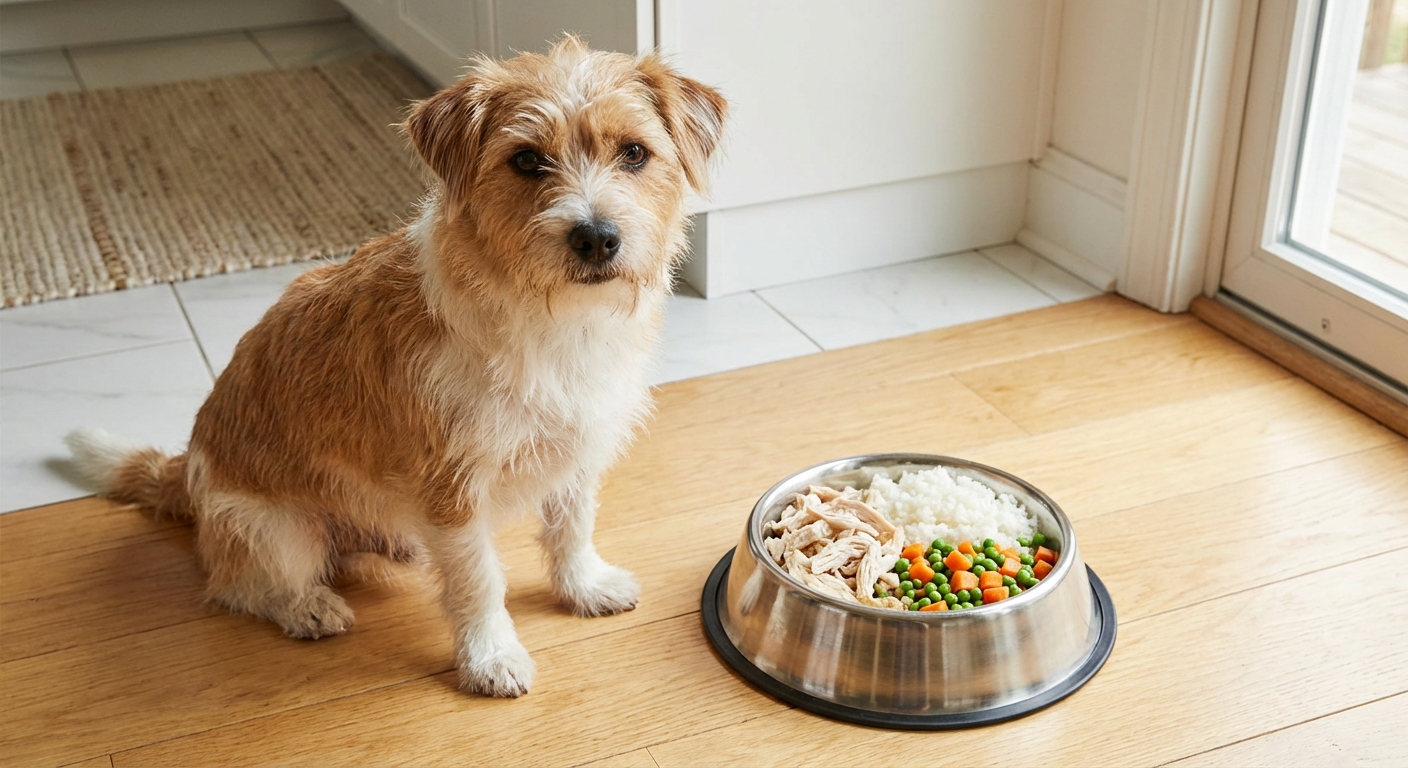
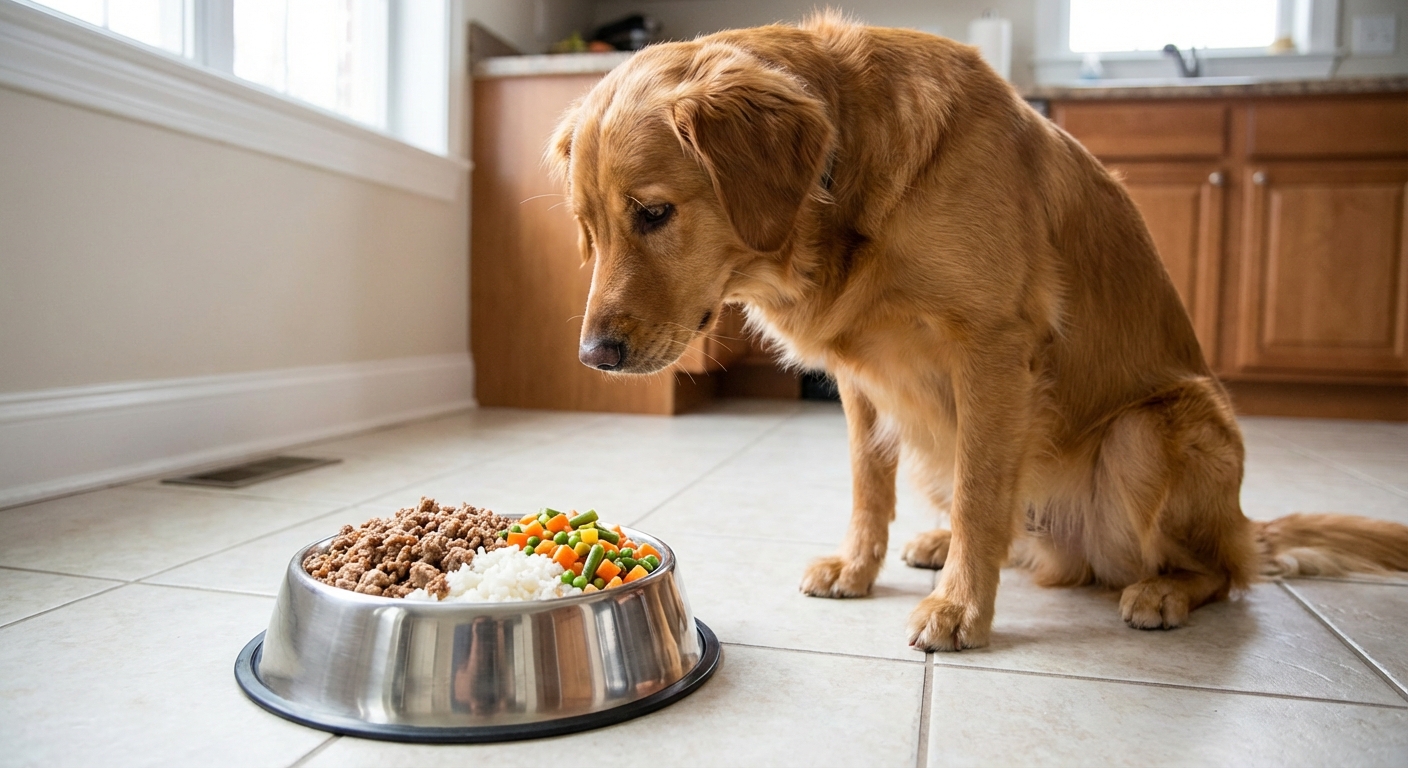
Use a simple protein like cooked chicken, turkey, lean beef, or fish, and pair it with dog-appropriate carbs and cooked vegetables if your plan includes them.
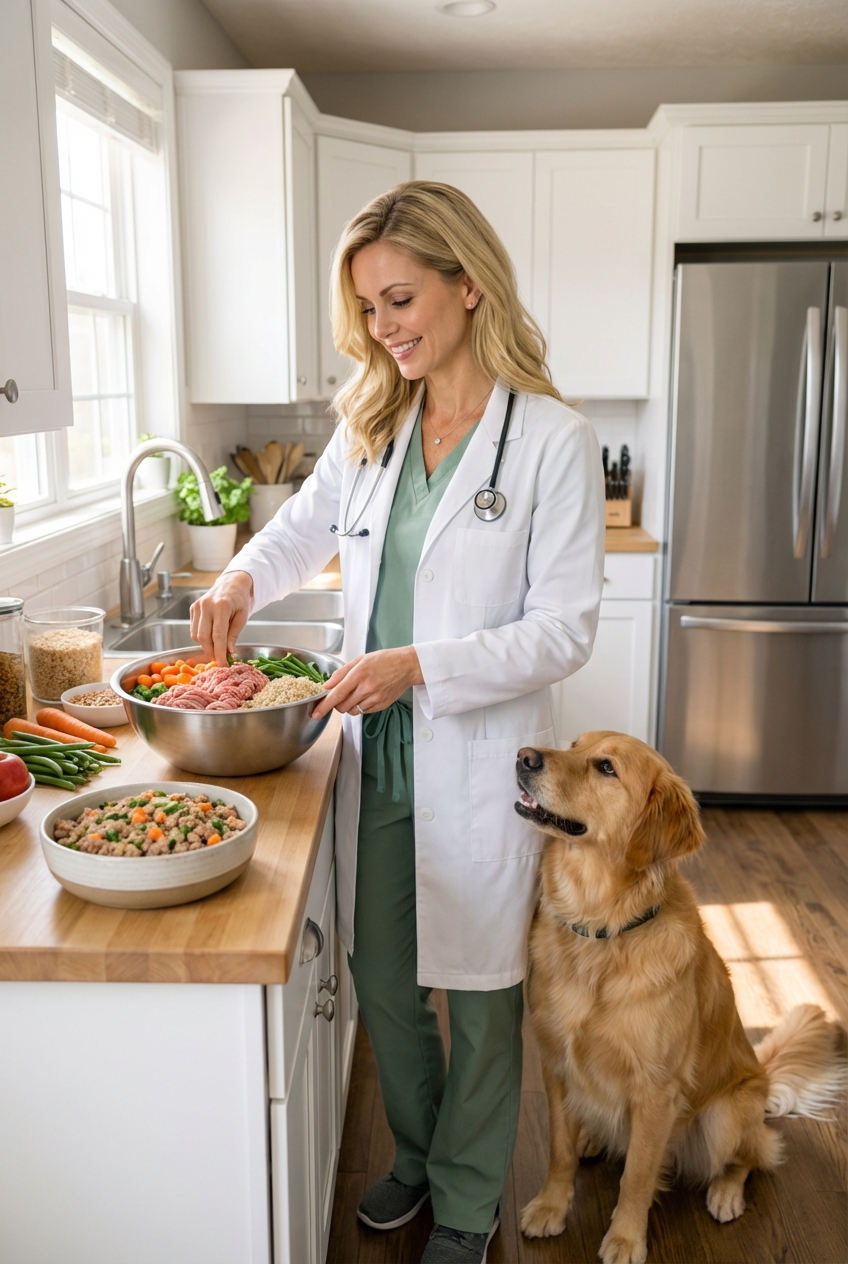
One important note: if you are cooking at home long-term, seasoning does not make a diet complete. Dogs need the right balance of calcium, vitamins, and minerals. Work with your veterinarian or a board-certified veterinary nutritionist for a properly balanced recipe.
Step 2: Add one herb at a time
Start with a tiny pinch of chopped fresh parsley or basil. For most medium dogs, think less than 1/8 teaspoon at first. For small dogs, even less. If you are using dried herbs, start smaller than that.
Step 3: Watch stool and skin
Loose stool, extra gas, vomiting, scratching, or ear irritation can be clues that something did not agree with your dog.
Step 4: Keep “human plate” seasonings separate
One of my favorite habits is seasoning the dog portion after you remove it from the pan, before you add onion, garlic, hot spices, or heavy salt for the human meal.
Quick FAQ
Can dogs eat Italian seasoning?
Sometimes. If it is a simple blend of basil, oregano, thyme, and rosemary with no onion or garlic, small amounts may be okay. Many store blends contain garlic or “spices” that are not clearly listed, so check carefully.
Can dogs have paprika?
Sweet paprika in a tiny amount is not typically considered toxic, but it can be irritating and is easy to overdo. Hot paprika should be avoided. Also watch out for smoked paprika blends and rubs, which often include onion, garlic, and salt.
Can dogs have cumin?
Cumin is not known as a common toxin, but it can upset the stomach in some dogs and often appears in blends with onion and garlic powders. If you use it, use a tiny amount and only as a single ingredient, not a seasoning packet.
What about MSG?
MSG is not considered a classic dog toxin, but foods that contain it are often processed and high in sodium or other additives. From a practical standpoint, it is best to skip it and keep dog meals simple.
What if my dog ate seasoned meat?
It depends on what was on it and how much your dog ate. If it contained onion, garlic, a lot of salt, spicy peppers, cocoa, or xylitol, call your veterinarian or a pet poison helpline right away. Save the ingredient list or packaging, and estimate how much your dog ate and your dog’s current weight.
When to call the vet
Please seek veterinary guidance promptly if your dog got into unsafe seasonings, especially onion, garlic, salt-heavy foods, cocoa powder, or xylitol products. Call sooner rather than later if you notice:
- Repeated vomiting or diarrhea
- Extreme thirst or urination
- Weakness, collapse, or tremors
- Pale gums or rapid breathing
- Abdominal pain or a swollen belly
- Any behavior that feels “not like your dog”
If your clinic is closed, you can also contact a pet poison resource (for example, ASPCA Animal Poison Control or Pet Poison Helpline). Fees may apply. Your vet may recommend one over the other, so keep your clinic number handy.
If you are ever unsure, it is completely okay to call your veterinary clinic and ask. That quick phone call can prevent a long, expensive emergency later.
A simple seasoning idea
If you want one easy, gentle place to start, try this:
- Cooked plain chicken or turkey
- Lightly steamed carrots or green beans
- A tiny pinch of chopped parsley or basil
- A spoonful of unsalted, dog-safe broth if you need extra aroma (check the label for onion and garlic)
Keep it simple, keep it consistent, and rotate proteins and veggies over time for variety.