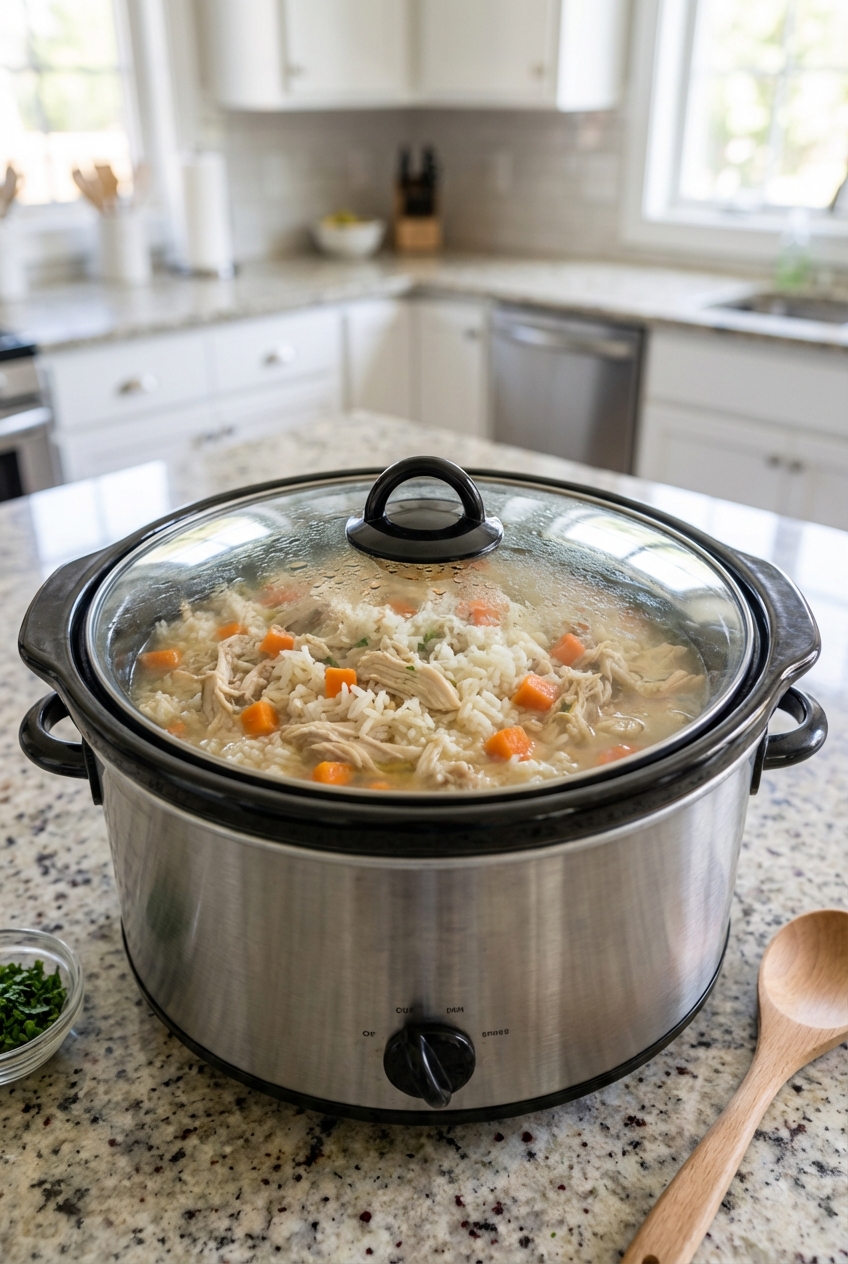
Chicken and rice can soothe mild stomach upset and help dogs transition back to normal food. Learn safe recipes, portions, how long to feed it, and when to c...
Article
•
Designer Mixes
What Seasonings Can Dogs Eat?

Shari Shidate
Designer Mixes contributor
If you have ever looked at your dog with those hopeful eyes while you are cooking, you are not alone. As a veterinary assistant here in Frisco, Texas, I get this question all the time: what seasoning can dogs eat safely?
The honest answer is that many seasonings are fine in tiny amounts, but a few common kitchen staples can cause real harm. The goal is not to make your dog’s food taste like ours. The goal is to add flavor without upsetting the stomach, triggering pancreatitis, or exposing your pup to toxic ingredients.
Quick note: This article is for general guidance. It is not a substitute for veterinary advice, especially if your dog has a medical condition or is on medication.
Quick safety mindset
Dogs process certain compounds differently than we do. Seasonings also tend to be concentrated, and many blends hide risky ingredients like onion or garlic powder. Before you share any seasoned food, keep these simple rules in mind.
- Avoid blends first. Use single-ingredient herbs and spices until you are sure what your dog tolerates.
- Start small. A pinch in a whole batch is plenty for most dogs.
- Avoid salty or oily seasoning mixes. Many mixes come with lots of sodium, sugar, “butter” flavoring, or added oils that can trigger digestive upset.
- Know your dog’s risks. Dogs with pancreatitis history, kidney disease, heart disease, allergies, or GI sensitivity should stay extra simple and vet-guided.
Dog-safe seasonings (small amounts)
These are commonly used seasonings that are generally considered dog-friendly when used lightly. Think: a sprinkle on plain cooked meat, rice, eggs, or homemade dog food.
Gentle herbs
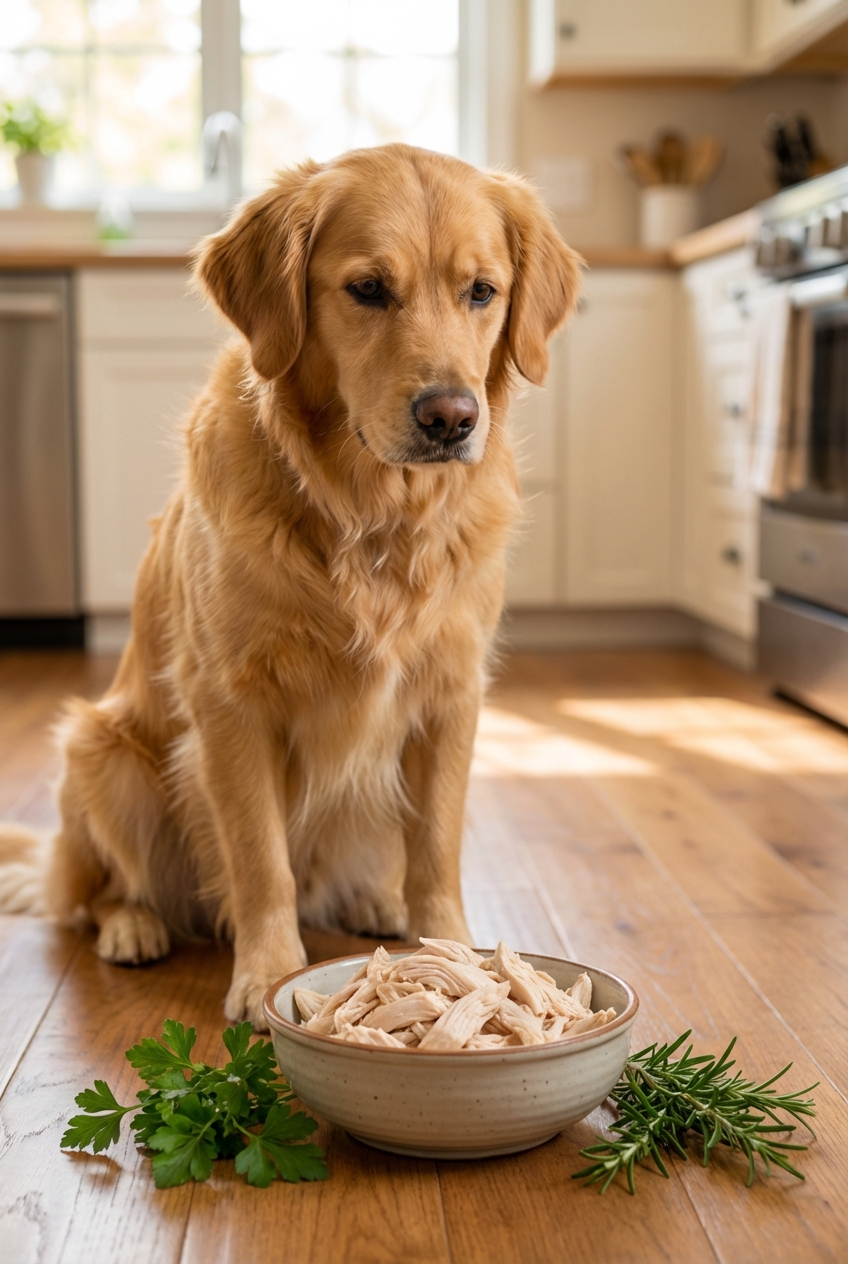
- Parsley (culinary parsley): Adds mild flavor and can freshen breath for some dogs. Use small amounts and avoid look-alike ornamental plants. If your dog is pregnant or has kidney issues, check with your vet before using it regularly.
- Basil: Mild and typically easy on the stomach.
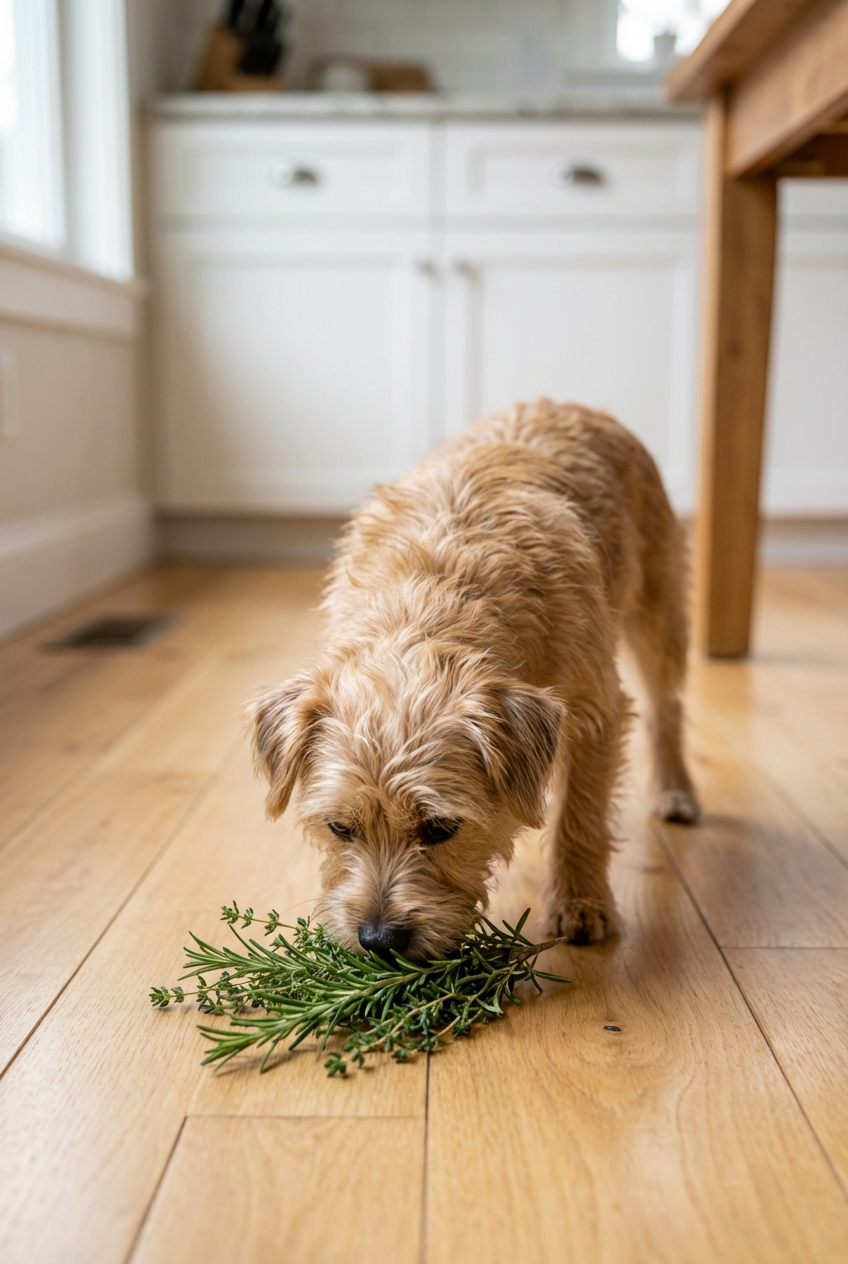
- Rosemary: Common in pet foods. Dried or fresh is usually fine used lightly. Avoid concentrated rosemary oil or extract, and if your dog has a seizure history, ask your vet before using it.
- Thyme: A little goes a long way, but it is typically well tolerated.
- Oregano: Use a tiny pinch only. It is strong and can cause stomach upset if overdone.
- Dill: Mild herb that many dogs do fine with in small amounts.
Mild spices
- Turmeric: May have anti-inflammatory effects, but it is not a cure-all. Use small amounts, and talk to your vet if your dog is on medications or has gallbladder issues.
- Ginger: Often helpful for nausea in tiny amounts. Too much can irritate the stomach.
- Cinnamon (Ceylon preferred): A small sprinkle can be okay. Avoid big amounts and avoid essential oils. Cassia cinnamon in larger amounts can be more irritating and may affect some dogs with blood sugar or clotting concerns.
- Cardamom: Mildly aromatic and typically safe in tiny amounts, though not necessary.
Tip: If you want to use herbs for homemade dog meals, mix them into the food after cooking. High heat can reduce the aroma and encourage people to add more than necessary.
Seasonings that are not safe
These are the seasonings I recommend treating as a hard no. Some are toxic, and others are frequent triggers for gastrointestinal problems.
All onion and garlic forms
Onion and garlic are part of the allium family and can damage red blood cells in dogs, potentially leading to anemia. This includes the “small amounts are healthy” claims you may see online about garlic. In real life, it is not worth the risk, especially because powders are so concentrated.
Also avoid other alliums, including chives, leeks, shallots, and scallions.
- Onion powder
- Garlic powder
- Granulated onion or garlic
- Soup base and bouillon powders
- Many rubs, taco seasonings, and meat marinades
Spicy heat and peppers
- Chili powder, cayenne, crushed red pepper: Can cause vomiting, diarrhea, and mouth irritation.
- Hot sauces: Often combine spicy peppers with salt, vinegar, garlic, and sugar.
Too much salt and salty blends
Excess sodium can contribute to dehydration and can be dangerous for dogs with certain medical conditions. Avoid:
- Seasoned salt
- Meat tenderizers and rubs that list salt first
- Cheese powders
- Jerky seasoning packets
Nutmeg
Nutmeg contains myristicin, which can be toxic to dogs in larger amounts and may cause neurologic signs. Skip it.
Other common irritants
- Mustard powder: Often irritating to the stomach.
- Clove: Not a common dog exposure, but larger amounts are best avoided.
Artificial sweeteners and seasoning packets
Some flavored seasonings and “light” products may contain xylitol, which is highly toxic to dogs. It is less common in classic spices, but it does show up in certain processed foods, drink mixes, and flavored products. Always scan labels.
What about black pepper?
This one is common. Black pepper is not typically toxic, but it can be irritating to many dogs’ stomachs and noses. If your dog has a sensitive gut, I recommend skipping it. If your dog is healthy, a tiny pinch in a full batch of food is usually fine, but it is not a seasoning I reach for first when cooking for pups.
Common blends to avoid
Even when a blend smells amazing, it is often the sneaky powders that get dogs into trouble. Avoid sharing foods seasoned with:
- Taco seasoning (often contains onion, garlic, chili powder, salt)
- BBQ rubs (often high salt, paprika, onion, garlic, sugar)
- Italian seasoning blends (may be fine on paper, but commonly paired with garlic-heavy dishes and easy to cross-contaminate)
- Curry blends (varies widely, can be spicy, can upset digestion)
- Everything bagel seasoning (often contains onion and garlic)
- Seasoning packets for rice, noodles, soups, or gravies (usually high sodium and alliums)
If you are ever unsure, keep it simple: plain cooked protein plus dog-safe veggies, and a measured supplement plan recommended by your veterinarian.
How to season dog food safely
If you are adding flavor to homemade meals, here is a gentle approach that works well for many families.
Go for aroma
Dogs experience food heavily through smell. A small pinch of a fragrant herb can be plenty.
Try a simple herb mix
For a large batch of homemade dog food (several meals), mix together:
- 1 to 2 teaspoons dried parsley or a small handful of fresh chopped culinary parsley
- 1/2 teaspoon dried basil
- 1/4 teaspoon dried thyme
Mix well and use lightly. If your dog is new to herbs, start with half of this amount.
Use toppers instead of spices
- A spoonful of plain pumpkin puree
- A little plain goat milk or plain yogurt (if your dog tolerates dairy)
- Low-sodium bone broth that contains no onion or garlic
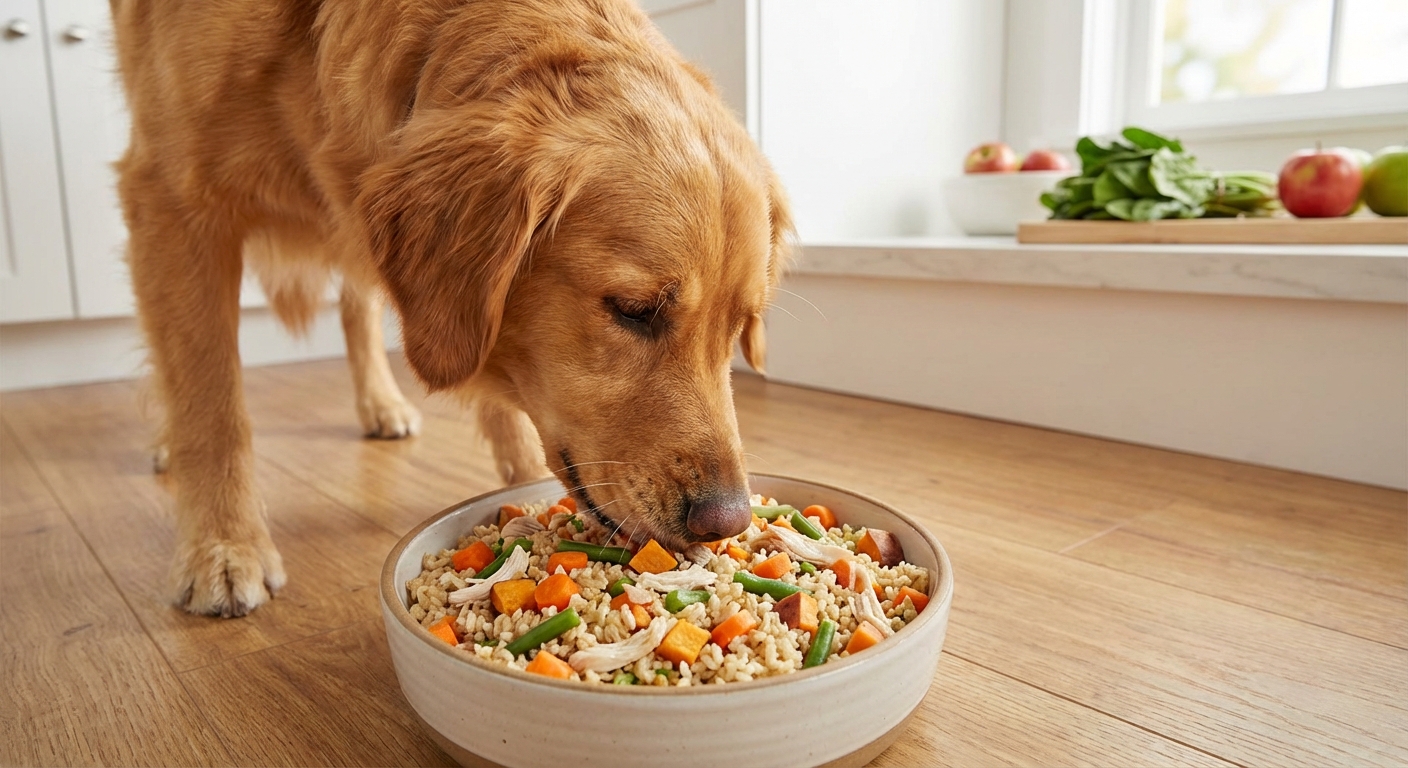
- Steamed and mashed carrots or sweet potato
One more homemade-food reminder: seasoning is the easy part. Homemade diets still need to be balanced for calcium, vitamins, and minerals. If you are cooking long-term, ask your vet about a complete recipe or referral to a veterinary nutritionist.
How much is too much?
For most herbs and mild spices, think in terms of a pinch, not a shake. Dogs do not need heavily seasoned food, and over-seasoning is one of the fastest ways to cause loose stool.
As a general rule of thumb, start with a pinch per several servings, and introduce only one new ingredient at a time so you can clearly see what your dog tolerates.
Signs a seasoning did not agree
Call your veterinarian if you notice:
- Vomiting or diarrhea that lasts more than 24 hours
- Repeated vomiting, weakness, or signs of pain
- Excessive drooling, pawing at the mouth, or agitation after spicy foods
- Very pale gums, lethargy, or rapid breathing (possible anemia risk with alliums)
- Tremors or unusual behavior (possible toxin exposure)
If you suspect your dog ate onion, garlic, xylitol, or a large amount of a risky seasoning, contact your veterinarian or an animal poison hotline immediately. Quick action matters.
The bottom line
When you are wondering what seasoning can dogs eat, the safest path is simple: stick to mild, single-ingredient herbs like parsley, basil, rosemary, and thyme, and use them lightly. Avoid onion and garlic in all forms (including chives, leeks, and shallots), skip spicy seasonings, and be cautious with salty blends.
Your dog will still be thrilled with a warm, fresh meal. Often, that loving effort is the best ingredient of all.