Pet-safe ways to deter and remove mice: seal entry points, eliminate food sources, avoid risky “natural” products, use enclosed traps, and clean dropping...
Article
•
Designer Mixes
What Scents Keep Mice Away Safely

Shari Shidate
Designer Mixes contributor
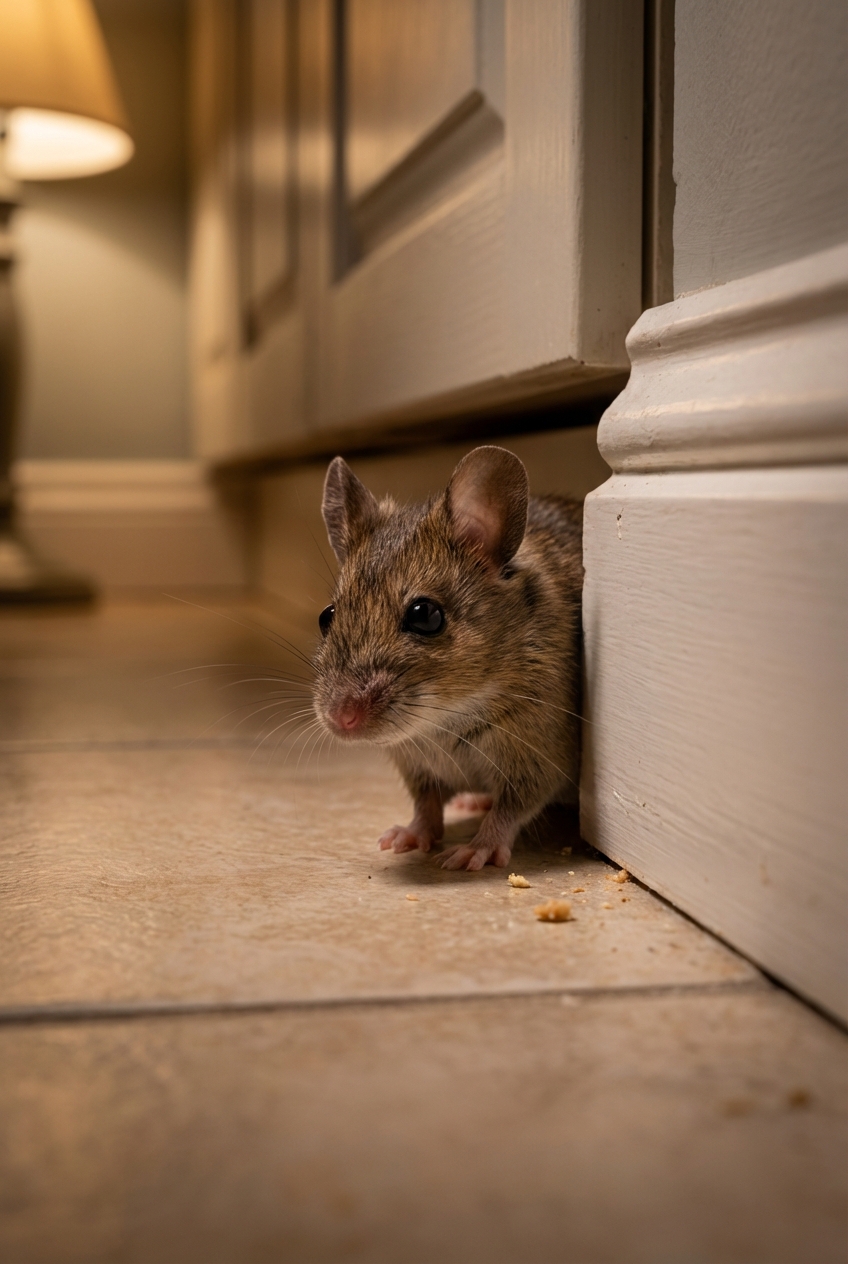
Mice are tiny, determined, and surprisingly good at squeezing into our homes through gaps as small as about 1/4 inch (pencil-width). If you are looking for a safe, low-tox way to discourage them, scent can help, but it works best as part of a bigger plan. Think of scents as a “make this place less appealing” tool, not a magic force field.
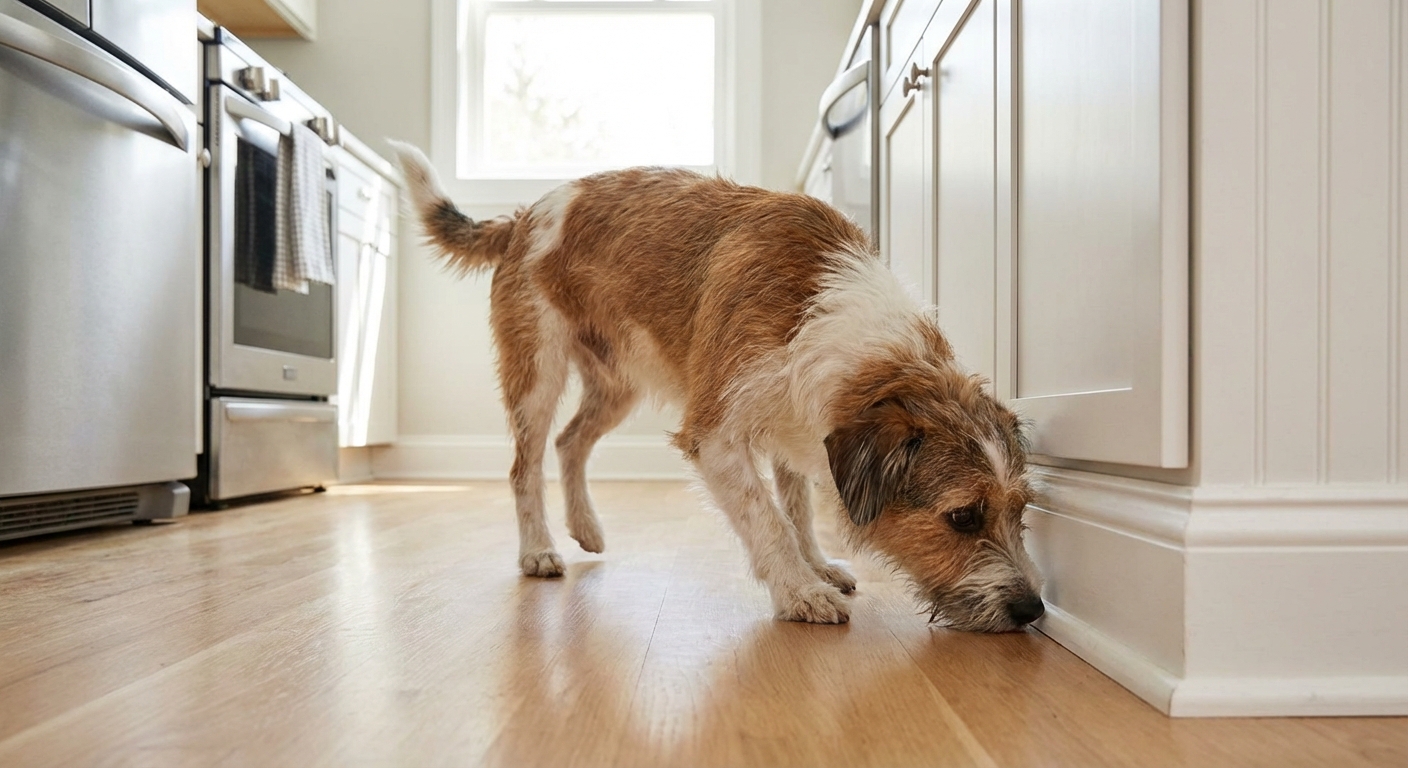
As a veterinary assistant here in Frisco, Texas, I also want to say this clearly: many strong-smelling products people reach for can be unsafe for pets when used the wrong way. The goal is to repel mice while keeping your family, dogs, and cats safe.
Do scents repel mice?
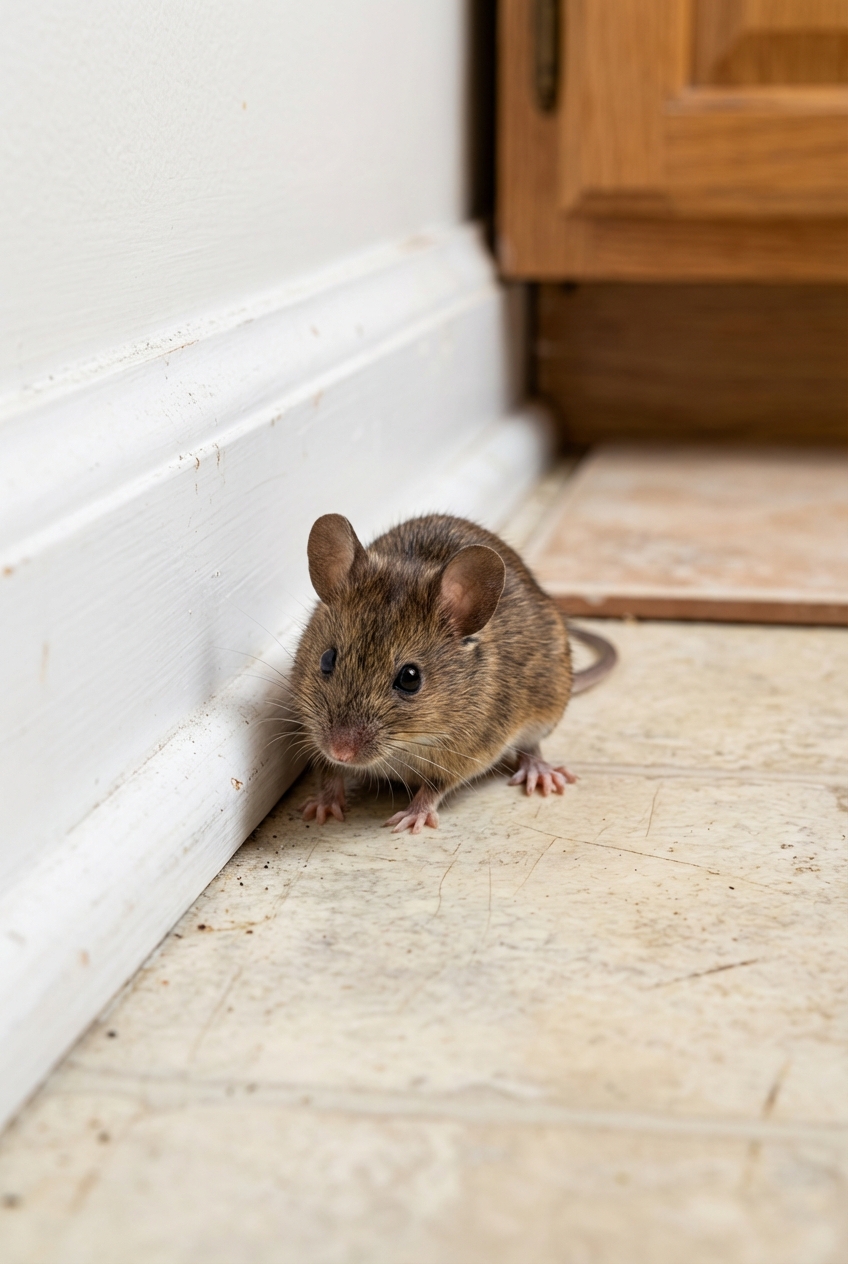
Sometimes, but results vary and the evidence for many “natural” mouse scents is mixed. Mice rely heavily on scent to navigate and find food, so certain odors can make an area less comfortable for them. The catch is that scent deterrents typically help most with early activity or light, occasional visitors. If you have an established infestation, mice often tolerate unpleasant smells if food and shelter are still available.
For best results, pair scents with:
- Exclusion (sealing entry points)
- Sanitation (removing food sources)
- Trapping (quickly reducing the population)
Safest scent options
1) Peppermint (use carefully)
Peppermint is the most commonly recommended scent for mice. It may help in small, localized situations, but it is not proven to eliminate an infestation on its own.
How to use it safely:
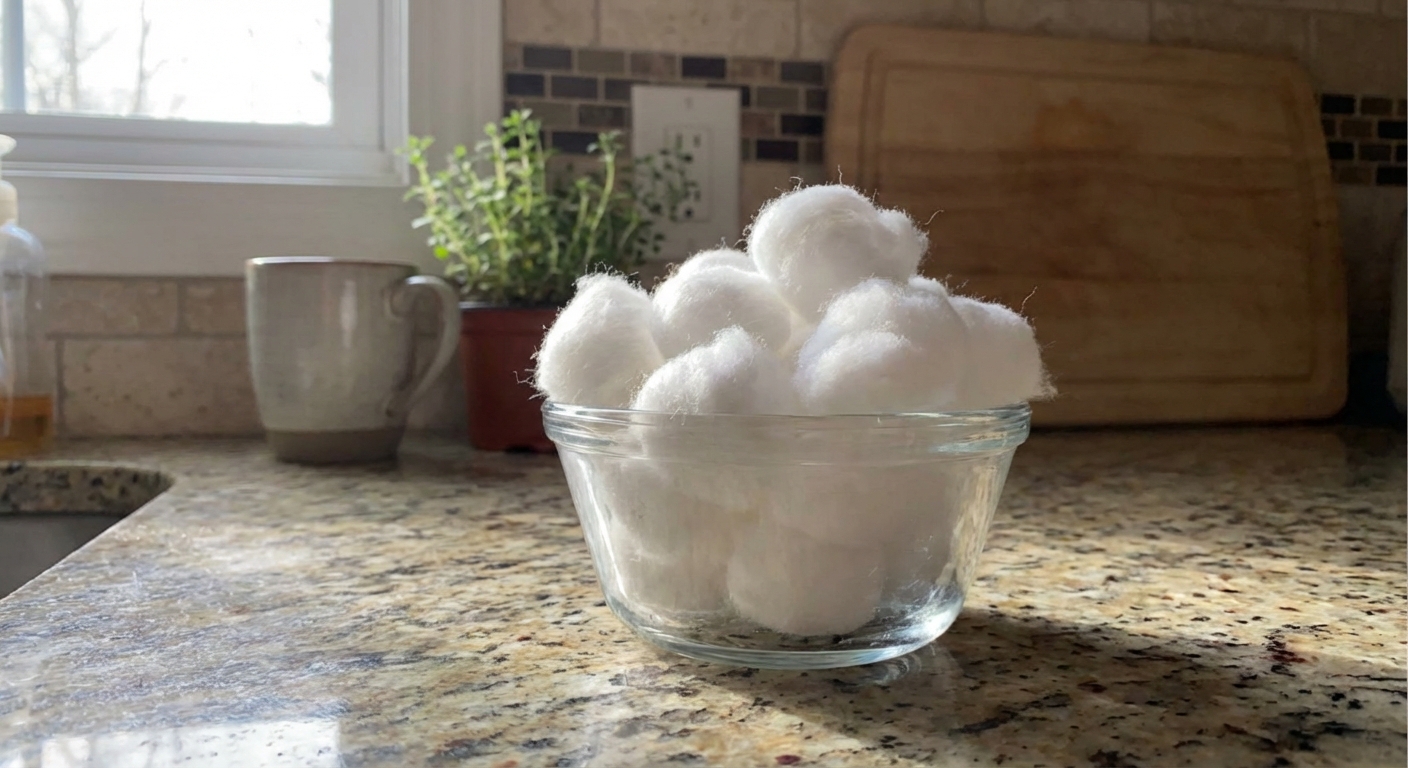
- Add 2 to 3 drops of peppermint essential oil to a cotton ball.
- Place cotton balls in pet-inaccessible locations, for example: behind a heavy appliance with no access gap, inside a locked or latched utility area, or in a secured back corner under the sink where pets cannot reach.
- Replace every 2 to 4 days as the scent fades.
Pet note: Essential oils can cause irritation or worse if licked, inhaled heavily in a small space, or spilled on fur. Avoid diffusing oils into the air, and never apply oils to your pet’s coat or bedding. If your pet may have been exposed, call your veterinarian. You can also contact ASPCA Animal Poison Control (fees may apply).
2) Vinegar (low risk)
White vinegar has a sharp odor and may help reduce or confuse scent trails, especially when used as part of routine cleaning. It is not a guaranteed repellent, but it is a good cleaning plus deterrent option.
How to use:
- Mix equal parts white vinegar and water in a spray bottle.
- Wipe down areas where mice travel: along baseboards, under sinks, inside empty cabinets.
- Let it dry fully before allowing pets back into the area.
Pet note: Vinegar is generally safer than essential oils, but prevent pets from licking wet surfaces.
3) Cinnamon (mild option)
Cinnamon has a strong aroma that some people use as a gentle deterrent. Like other scent approaches, it may help a little, but it is not reliable as a stand-alone fix.
How to use:
- Use cinnamon sticks in cabinets or drawers (not loose powder that can be inhaled).
- Place them in breathable sachets, and keep them away from curious pets.
4) Clove (use extra caution)
Clove has a potent smell and is sometimes suggested for rodents. However, clove essential oil is strong and can be irritating. If you try clove, keep it simple and low risk.
Safer approach: Use whole cloves in a sachet rather than diffusing or spraying essential oils.
Pet note: Avoid clove oil around cats and small dogs, especially in enclosed spaces.
Scents to avoid
- Mothballs: Toxic fumes. Unsafe for homes with children or pets.
- Ammonia: Harsh respiratory irritant and can be dangerous when mishandled.
- Bleach mixtures: Not a repellent strategy and risky if combined with other cleaners. Never mix bleach with ammonia or vinegar.
- Essential oil diffusers: Continuous airborne exposure can irritate pets’ lungs, especially cats, brachycephalic dog breeds, seniors, and animals with asthma or airway disease.
Safety rule of thumb: if a product makes your eyes water or your throat burn, it can stress your pet’s respiratory system too.
Best placement spots
Mice tend to travel along edges, not across open rooms. Focus on their “mouse highways”:
- Behind the stove and refrigerator
- Under the kitchen sink
- Along pantry baseboards
- In garage corners and storage areas
- Near suspected entry points (around pipes, gaps under cabinets)
Important: Place deterrents where pets cannot access them, and do not block ventilation for appliances.
Do not skip sealing
Even the best scent will not matter if mice can still stroll in for a snack. Take one afternoon and do a quick “mouse-proofing sweep.”
Common entry points
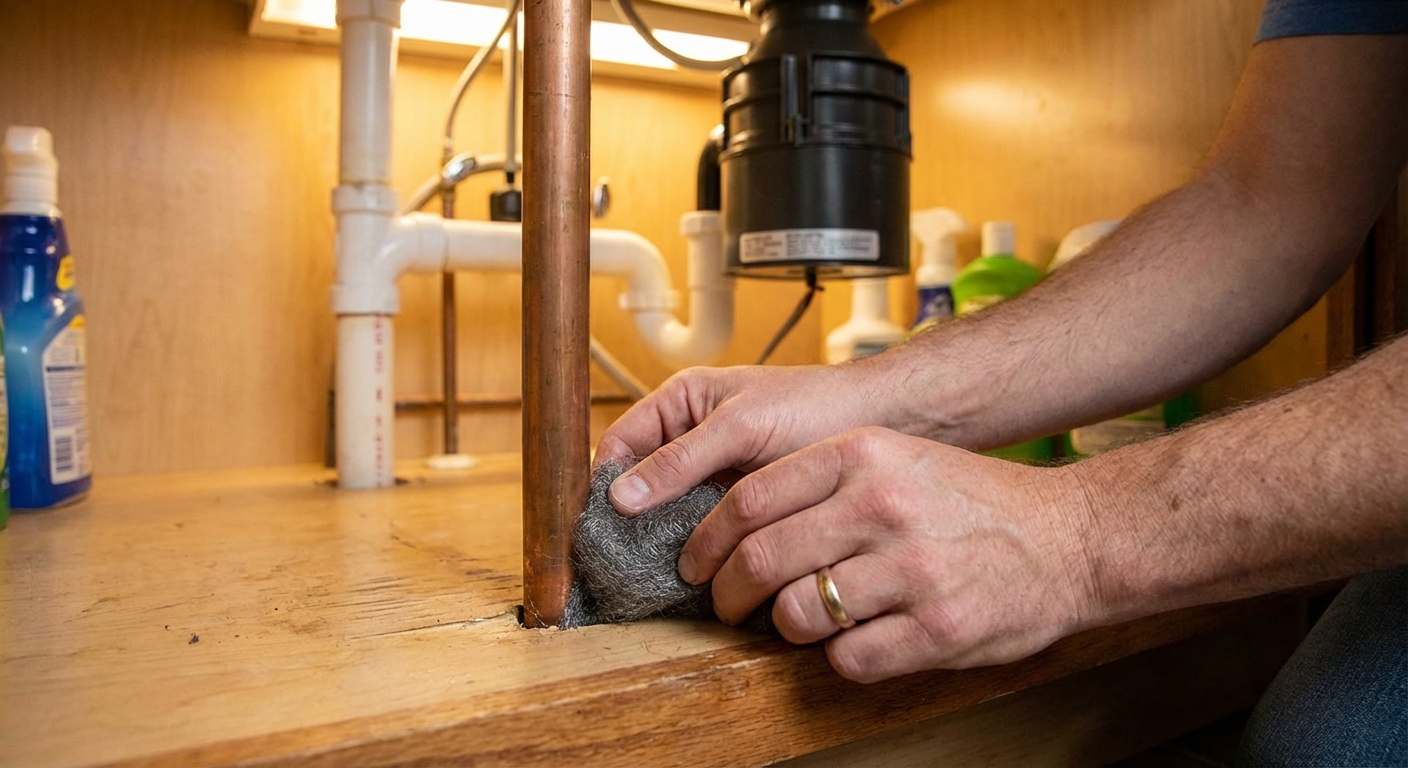
- Gaps around pipes under sinks
- Cracks at the foundation line
- Garage door corners and worn weather stripping
- Openings around dryer vents
Rule of thumb: If you can fit a pencil into the gap (about 1/4 inch), a mouse may be able to get in.
Materials that work well: steel wool plus caulk, copper mesh (a good alternative that resists rusting), hardware cloth, or expanding foam rated for pest blocking.
If you already have mice
If you are hearing scratching at night, seeing droppings, or finding chewed packaging, scents alone usually are not enough. Here is a safe, straightforward plan:
- Remove food access: store dry goods in sealed containers, clean crumbs daily, secure pet food.
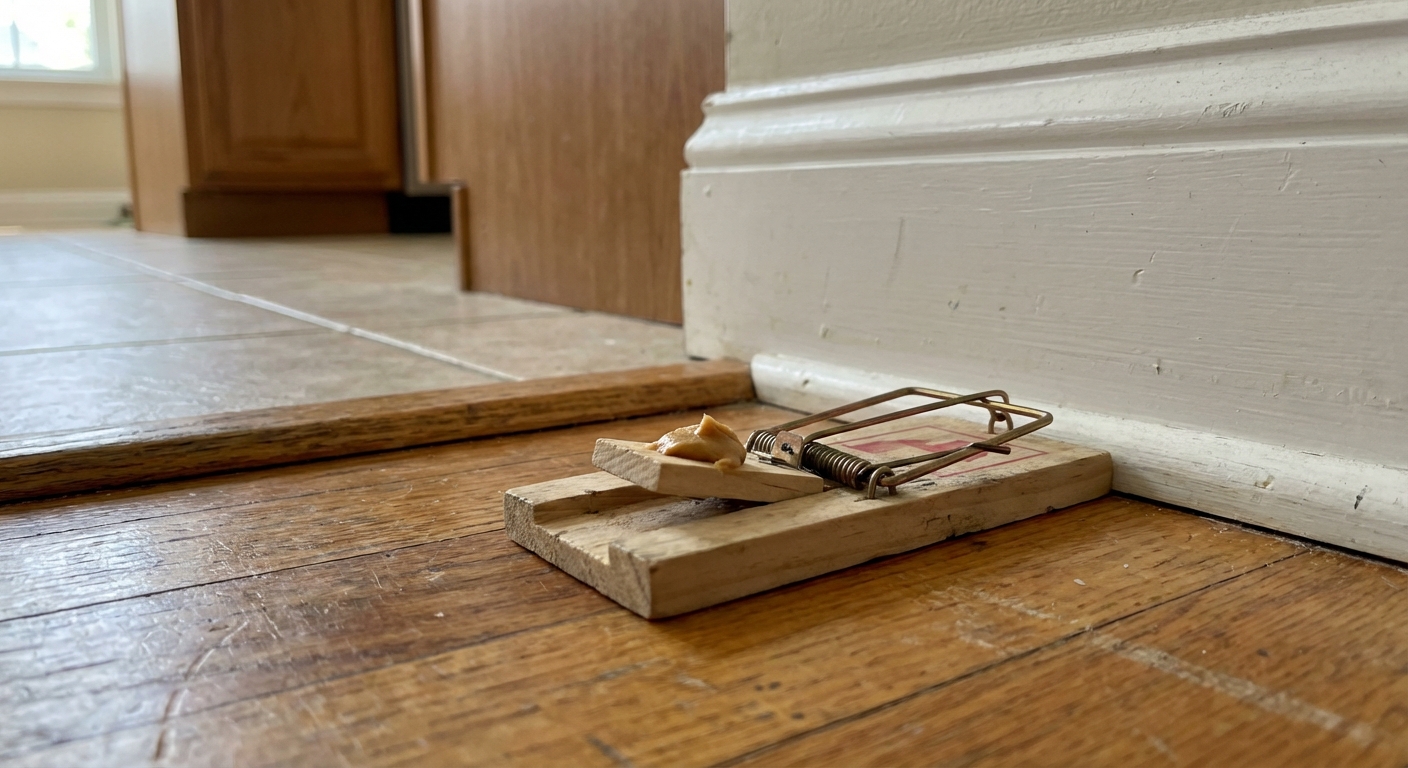
- Trap promptly: snap traps can be humane when used correctly and checked frequently. Place traps along walls (not in the middle of a room) where mice travel. Baits that often work well include a tiny dab of peanut butter, or a small smear of chocolate spread.
- Use safe placement: place traps in pet-proof boxes or behind appliances where pets cannot reach.
- Check traps at least daily: more often is better, especially in active areas.
- Skip glue boards: they are widely considered inhumane and can also catch non-target animals.
- Avoid rodenticides if pets are in the picture: they can create serious risks for pets and wildlife through direct exposure or secondary poisoning.
- Clean up safely: do not sweep or vacuum droppings dry. Wear gloves, ventilate the area, spray droppings and nesting material with disinfectant or a bleach solution, let it soak for several minutes, then wipe up with paper towels and discard in a sealed bag. Follow CDC guidance for rodent waste cleanup whenever possible.
If activity continues after 7 to 10 days of trapping and sealing, call a licensed pest professional. It is often cheaper than repairing recurring damage.
Call a pro now
- Heavy droppings or a strong urine odor
- Daytime mouse sightings (often suggests a larger population)
- Chewed wiring or suspected fire risk
- Repeated activity despite sealing and a week of trapping
- Household members who are immunocompromised, very young, elderly, pregnant, or medically fragile
Quick FAQ
How fast do scent deterrents work?
If they help, you may notice reduced activity within a few days, but only if food sources are controlled and entry points are limited.
Will peppermint oil harm my dog or cat?
It can if your pet can lick it, if it is spilled, or if it is diffused heavily in a closed space. Use tiny amounts on cotton balls, place out of reach, and skip diffusers. If exposure happens, contact your veterinarian or ASPCA Animal Poison Control.
What is the safest overall approach?
Seal, clean, trap, then use scents as a supportive layer. That combination is both effective and pet-conscious.
This article is general information and is not a substitute for veterinary advice.
Bottom line
If you want a safe scent-based approach, start with vinegar cleaning and careful, limited peppermint on cotton balls placed where pets cannot access. Then do the work that really changes the game: seal entry points (think pencil-width gaps) and remove food temptations. Small steps add up, and you do not need harsh chemicals to make your home less inviting to mice.