Why does your dog lick your face? Learn the most common causes, when it’s normal vs. a stress or health signal, safety guidance, and kind training steps fo...
Article
•
Designer Mixes
What It Means When Your Dog Licks Your Face

Shari Shidate
Designer Mixes contributor
As a veterinary assistant here in Frisco, Texas, I get asked this all the time: “Why does my dog lick my face?” The sweet answer is that face-licking is often a normal social behavior. The more helpful answer is that it can mean several different things depending on context, your dog’s body language, and how intense the licking is.
Let’s walk through the most common reasons dogs lick faces, what’s normal, what’s not, and how to respond in a way that supports both good manners and good health.
Why dogs lick faces
1) Affection and bonding
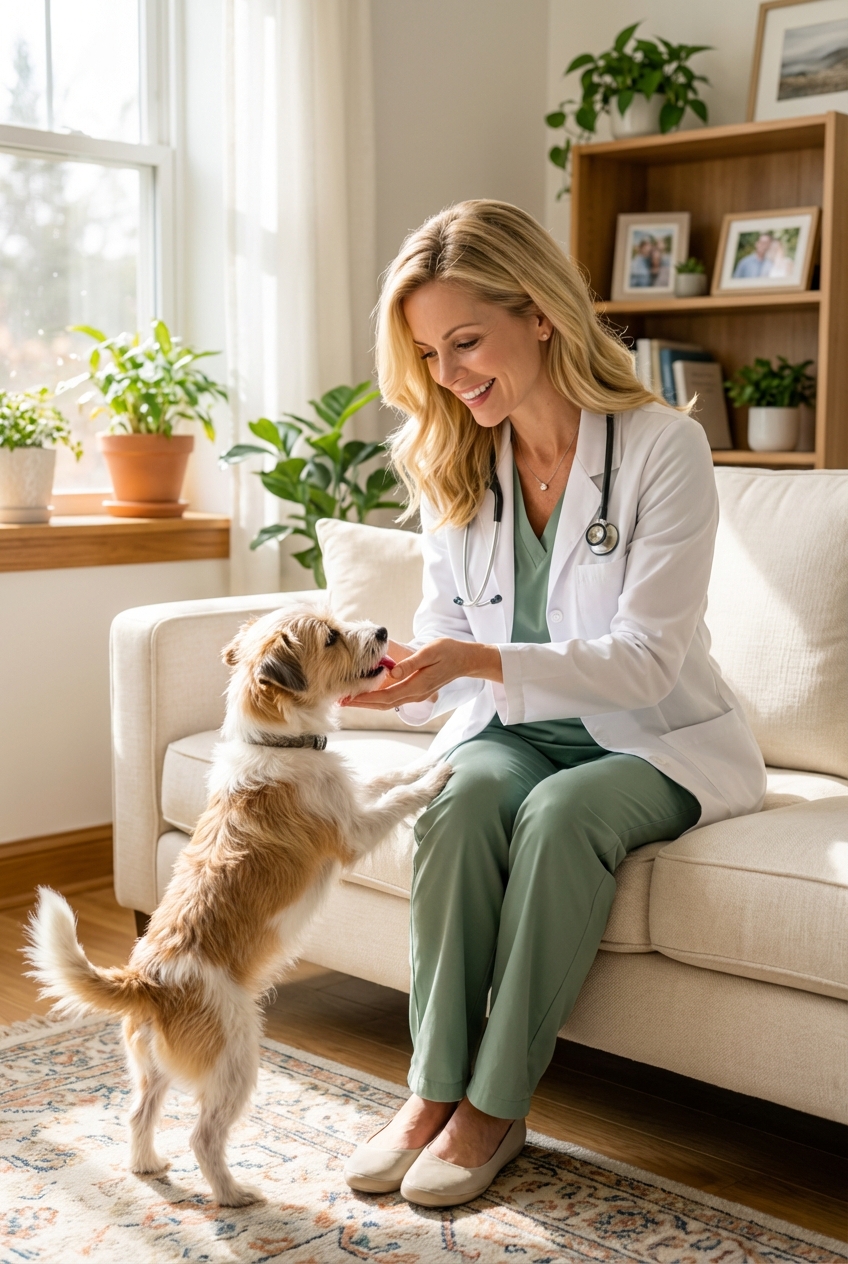
Many dogs lick the faces of trusted humans as a friendly, affiliative behavior. Think of it as a canine version of saying, “You’re my person.” Dogs that lick in a soft, relaxed way often show other comfortable body language too: loose posture, gentle eyes, and a wiggly tail.
2) Greeting and appeasement
Face-licking can also be a social signal. In canine communication, licking around the mouth is commonly seen during greetings and can function as appeasement, basically “I come in peace.” You might notice it when you come home, when you lean over your dog, or when your dog is feeling unsure and trying to keep things calm.
Quick note: people often mix up face licking (your dog licking you) with lip licking (your dog licking their own lips). Lip licking, especially when no food is involved, is more often discussed as a stress or nausea signal. Face licking can be affection or greeting, but context matters.
3) Your face tastes interesting
This is less poetic, but very real. Skin can taste salty from sweat, skincare products, or traces of food. Some dogs are simply enthusiastic “taste testers,” especially if they have learned that licking gets attention.
4) Attention-seeking
If licking makes you laugh, talk, pet, or even push your dog away, your dog may learn: “Licking causes a reaction.” For some dogs, any attention is rewarding, even negative attention.
5) Stress or uncertainty
Sometimes licking is a self-soothing behavior or a sign that your dog is uncomfortable. You may see it paired with other stress signs like yawning when not tired, lip licking without food present, turning the head away, pinned-back ears, or a stiff body.
Normal vs. red flags
Usually normal
- Brief licking during greetings
- Gentle, occasional licks when you are cuddling
- Licking that stops easily when redirected
Worth a closer look
- Sudden increase in licking behavior
- Compulsive licking that seems hard to interrupt
- Licking paired with pacing, panting, trembling, or restlessness
- Licking that escalates into mouthing or nipping when you try to stop it
When licking becomes intense or new, it can be linked to anxiety, nausea, pain, skin irritation, or other medical issues. If you’re seeing a big behavior change, it is smart to loop in your veterinarian.
One common medical example: GI upset (including nausea or reflux) can show up as increased licking, lip smacking, drooling, or repeated swallowing. If that is part of the picture, a vet visit is worth it.
Is it safe?
Most healthy adults tolerate an occasional lick just fine, but a few common-sense cautions apply. The overall risk is low, but it is not zero.
Health considerations
- Avoid mouth, nose, eyes, and open wounds. Dog saliva can carry bacteria, and broken skin raises infection risk.
- Be extra careful with kids. Children are more likely to get licks directly on the mouth or eyes.
- Higher-risk households should avoid face-licking: people with weakened immune systems, chemotherapy patients, transplant recipients, or anyone with significant chronic illness. Rare infections (for example, Capnocytophaga) are uncommon but can be serious in these groups.
- If your dog has diarrhea, is eating stool, or has a mouth infection, skip face contact and talk with your vet.
If you love the affection but want to be cautious, aim for “kisses” on your hands or forearms instead of the face, and wash up afterward. If you are immunocompromised or you have concerns, it is also reasonable to ask your physician and your veterinarian what they recommend for your specific situation.
How to manage licking
You do not have to choose between boundaries and bonding. Dogs thrive when the rules are clear and consistent.
Step 1: Pick a rule
Is face-licking allowed sometimes, never, or only after you invite it? Pick a rule everyone can follow. Inconsistent rules can confuse dogs and often keep the behavior going.
Step 2: Redirect
- Ask for a sit and reward with a treat or petting
- Reinforce four paws on the floor during greetings
- Offer a toy to hold in the mouth when guests arrive
- Teach a hand target (nose to palm) as a friendly alternative to jumping and licking
- Teach “kiss” (lick hand) and “all done” (move away, then reward calm)
Step 3: Stop rewarding the licking
If your dog is licking to get attention, try not to reward the licking itself.
- Turn your head and stand up calmly
- Cross your arms and become boring for a moment
- The second your dog stops licking, reward with attention for calm behavior
Avoid punishing the licking (yelling, pushing, or scolding). It can increase anxiety in sensitive dogs, and it can also accidentally reinforce attention-seeking if your dog just wants a reaction.
Step 4: Build calmer greetings
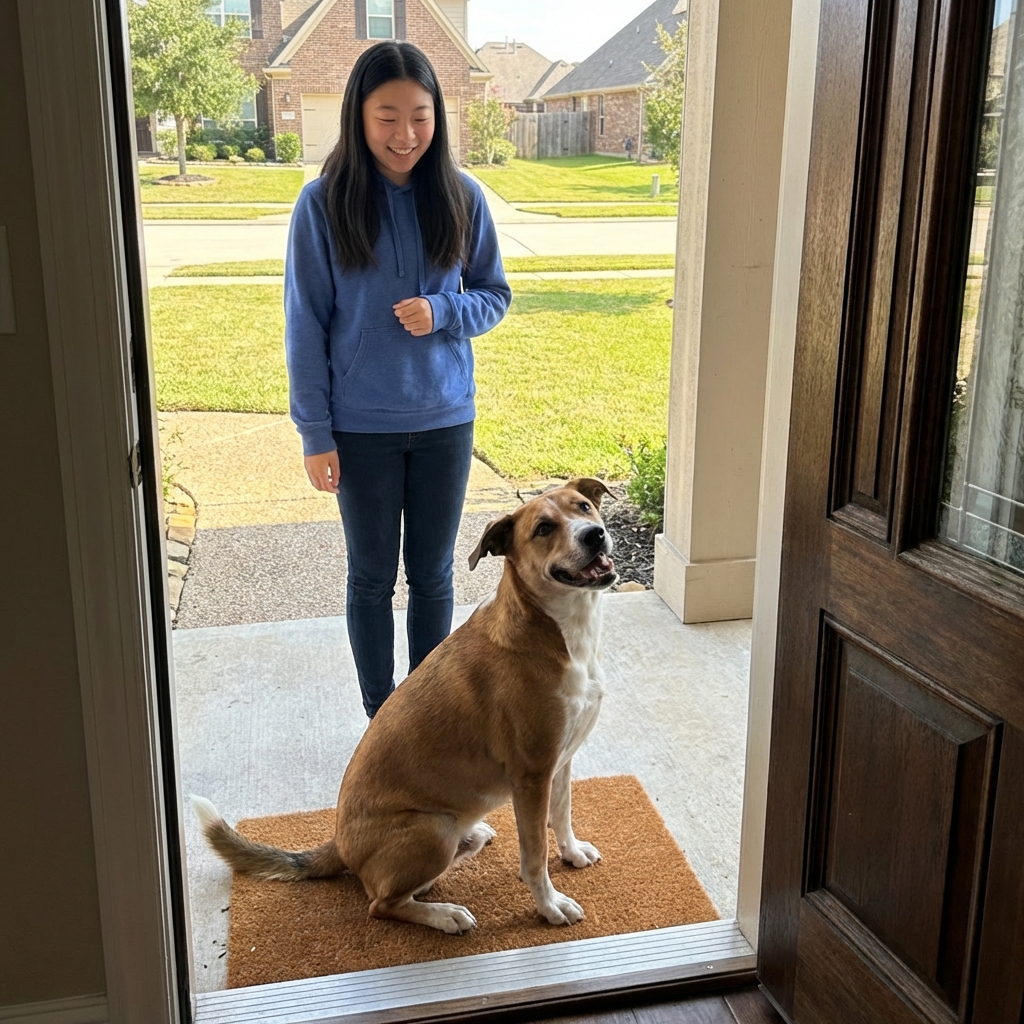
Many “face-lickers” are overexcited greeters. A simple routine helps: leash on, ask for sit (or a hand target), reward, then say hello. You can also use a baby gate to create calmer arrivals.
When to call your vet
Reach out to your vet if you notice any of the following:
- Licking behavior that starts suddenly or becomes intense
- Drooling, lip smacking, repeated swallowing, vomiting, diarrhea, or other signs of nausea
- Bad breath, pawing at the mouth, bleeding gums, or trouble eating
- Skin redness, itchiness, or recurrent ear infections
- New anxiety signs like panting at rest, trembling, hiding, or clinginess
In my clinic experience, a quick check of the mouth, GI health, and skin can uncover issues you would never see at home.
Sources you can trust: these interpretations align with common guidance from veterinary behaviorists and general practice teams, but any sudden change in behavior deserves an individualized medical check.
Quick takeaways
- Most face-licking is normal and often means affection, greeting, or appeasement.
- It can also be attention-seeking or a sign of stress, especially if paired with tense body language.
- For safety, avoid licks to the mouth, eyes, nose, and open cuts, and be extra cautious with kids or immunocompromised family members.
- Use redirect, rewards, and consistency to keep the behavior sweet and polite.
If you want, tell me your dog’s age, breed mix, and when the licking happens most (greetings, cuddles, after meals, bedtime), and I can help you narrow down what it likely means in your specific situation.