Discover what plain pumpkin can do for your dog’s digestion, how much to serve by weight, what to avoid, when to call the vet, and easy pumpkin meal ideas ...
Article
•
Designer Mixes
What It Means When Dogs Drag Their Bum

Shari Shidate
Designer Mixes contributor
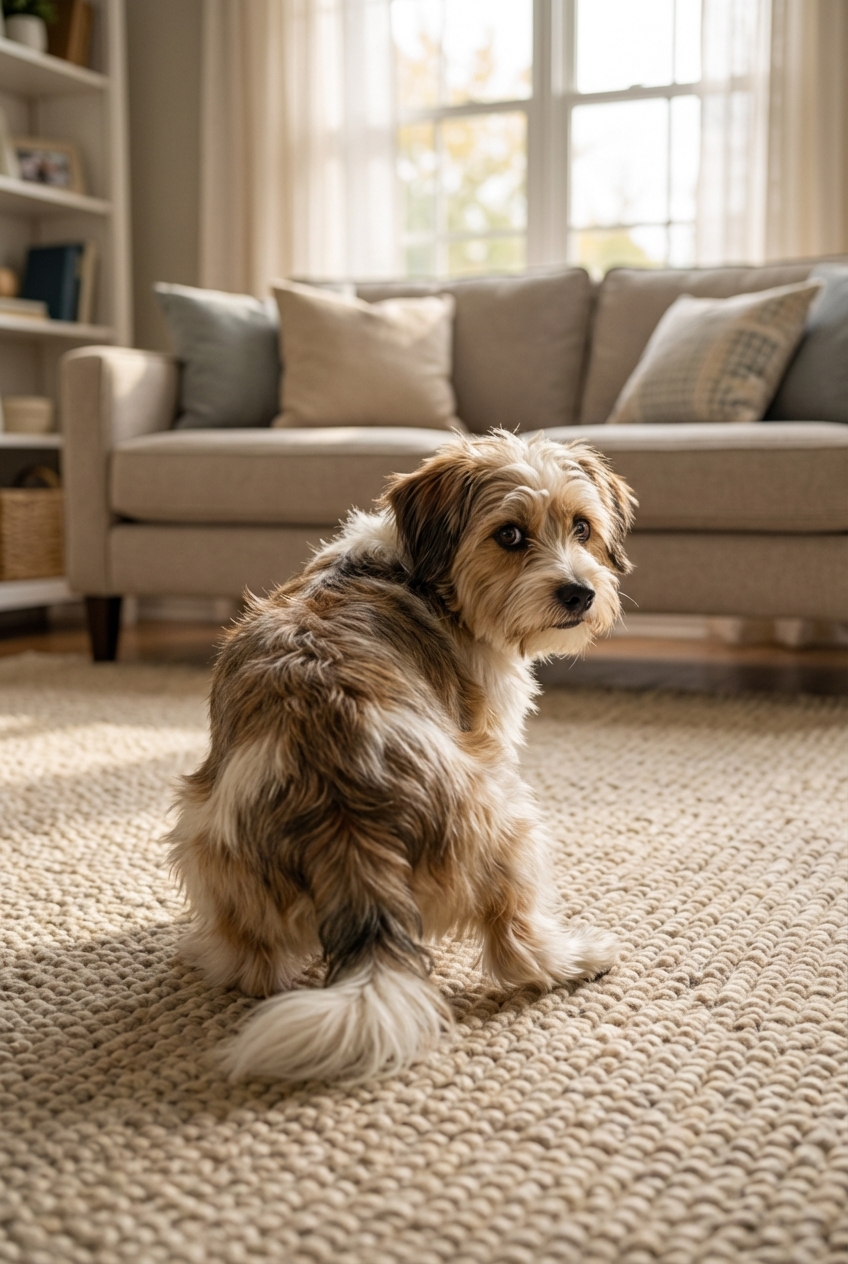
If you have ever seen your dog suddenly sit down and scoot their rear end across the carpet, you are not alone. In veterinary medicine, we call this “scooting,” and while it can look silly, it is usually your dog’s way of saying, “Hey, something back here feels itchy, uncomfortable, or full.” The good news is that most causes are treatable once you pinpoint what is going on.
What is bum dragging (scooting)?
Bum dragging is when a dog sits and pulls themselves forward with their front legs, rubbing the skin around the anus against the floor. Dogs typically scoot because of:
- Itching (skin irritation, allergies, parasites)
- Pressure or fullness (often anal gland issues)
- Pain (inflammation, infection, injury)
- Something stuck (matted fur, debris, stool)
Scooting occasionally can happen. Frequent scooting, licking, or a sudden change in comfort level is your cue to investigate. Because the causes range from simple hygiene issues to infections, it helps to know the common culprits and the red flags that mean you should call your vet.
The most common reasons dogs scoot
1) Full or irritated anal glands
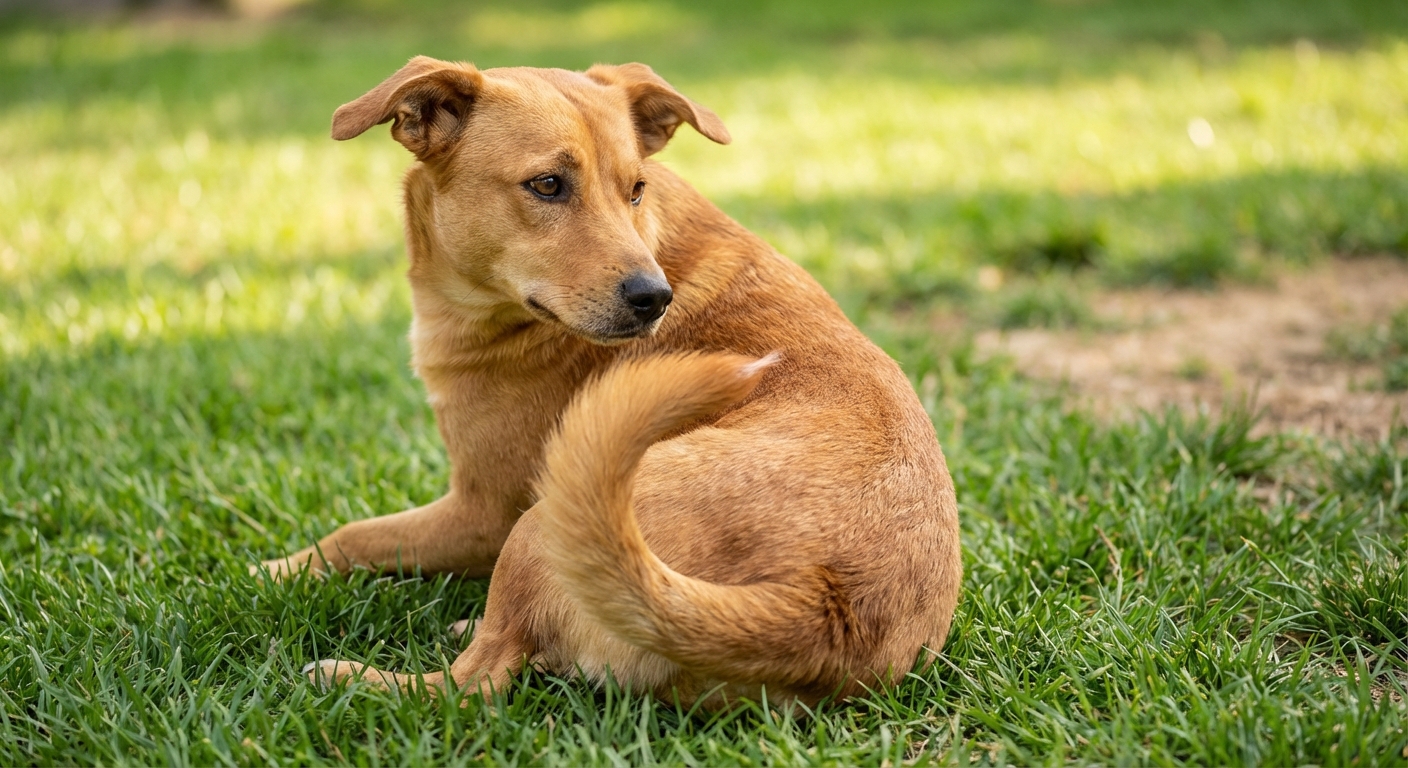
This is the classic cause. Dogs have two small scent glands near the anus (roughly around the 4 o’clock and 8 o’clock positions). In many dogs, a firm bowel movement helps express a small amount of fluid. When that does not happen well, the glands can become overfull, impacted, or inflamed, and your dog may scoot to relieve pressure.
Clues you might notice:
- Strong fishy odor
- Licking the rear end
- Scooting that comes and goes
- Discomfort when sitting
2) Allergies and skin irritation
Environmental allergies (like pollen or dust mites) and food sensitivities can cause itchy skin anywhere, including around the anus. Dogs may scoot, lick their paws, rub their face, or have recurrent ear issues.
Clues: seasonal flare-ups, red skin, recurrent ear infections, or chronic itching.
3) Parasites, especially tapeworms
Tapeworm segments can look like tiny grains of rice near the anus or in the stool. The irritation can trigger scooting. Fleas are a common source of tapeworm infection, so parasite prevention matters.
Other intestinal parasites (like roundworms, hookworms, and whipworms) are more likely to cause diarrhea, weight loss, or a dull coat than scooting, but your vet may still recommend a fecal test if symptoms fit.
Clues: “rice” segments, increased itching, or flea exposure.
4) Stool problems: diarrhea, constipation, or soft poops
Soft stool and diarrhea can inflame the area and also fail to naturally express anal glands. Constipation can create straining and discomfort. Either way, your dog’s bottom may feel irritated.
Clues: change in stool consistency, straining, mucus, or frequent trips outside.
5) Matted fur, debris, or hygiene issues
Long-haired dogs and curly-coated mixes can trap stool, burrs, or dried debris around the rear end. That tugging sensation can feel like itching or burning.
Clues: visible matting, stool stuck in fur, or a sudden scoot after a bowel movement.
6) Painful issues that need a vet
Scooting can also happen with issues like perianal infections, abscessed anal glands, rectal inflammation, or masses. These are not “wait and see” situations.
Less commonly, dogs may scoot or sit oddly when they are uncomfortable for other reasons, like urinary tract irritation (straining, frequent small pees) or orthopedic pain that makes sitting feel awkward. If you are seeing changes in urination, mobility, or energy, it is worth mentioning to your vet.
When to call the vet (do not wait)
Please schedule a veterinary visit promptly if you notice any of the following:
- Blood in the stool or around the anus
- Swelling, an open sore, or a draining wound near the anus
- Severe pain, yelping, or refusing to sit
- Constant scooting or intense licking that does not stop
- Strong odor plus redness or heat (possible infection)
- Diarrhea lasting more than 24 to 48 hours, or any diarrhea in a puppy
- Worms or suspected parasites
- Trouble peeing, frequent straining, or accidents (possible urinary issue)
Anal gland abscesses can worsen quickly. Early treatment is kinder and usually less expensive.
What you can do at home (safe first steps)
Check and clean the area
- Take a quick look for stuck stool, burrs, or matting.
- If your dog allows it, gently wipe with a pet-safe unscented wipe or a soft cloth with warm water.
- For long-haired mixes, consider a sanitary trim with a groomer to prevent recurring irritation.
Please skip DIY creams unless your vet tells you otherwise. Human hemorrhoid creams, steroid creams, and essential oils can irritate skin, be unsafe if licked, and can delay treatment for infections or abscesses.
Support healthy stools
Firm, well-formed stools help many dogs naturally express anal glands.
- If your vet approves, a small amount of plain canned pumpkin (not pie filling) can help normalize stools in some dogs.
- Make sure your dog has fresh water and consistent exercise.
- If your dog is on a diet that regularly causes soft stool, ask your vet about a gradual diet adjustment.
Stay current on parasite prevention
Consistent flea and intestinal parasite prevention reduces the risk of tapeworms and itch-triggering infestations. Ask your vet what is appropriate for your dog and your area, since needs vary by region and lifestyle.
Should you express anal glands at home?
This is a common question. As a veterinary assistant, I always encourage pet parents to be cautious here. Expressing anal glands incorrectly can cause pain, inflammation, or even injury, and if the gland is infected or abscessed, squeezing can make things worse.
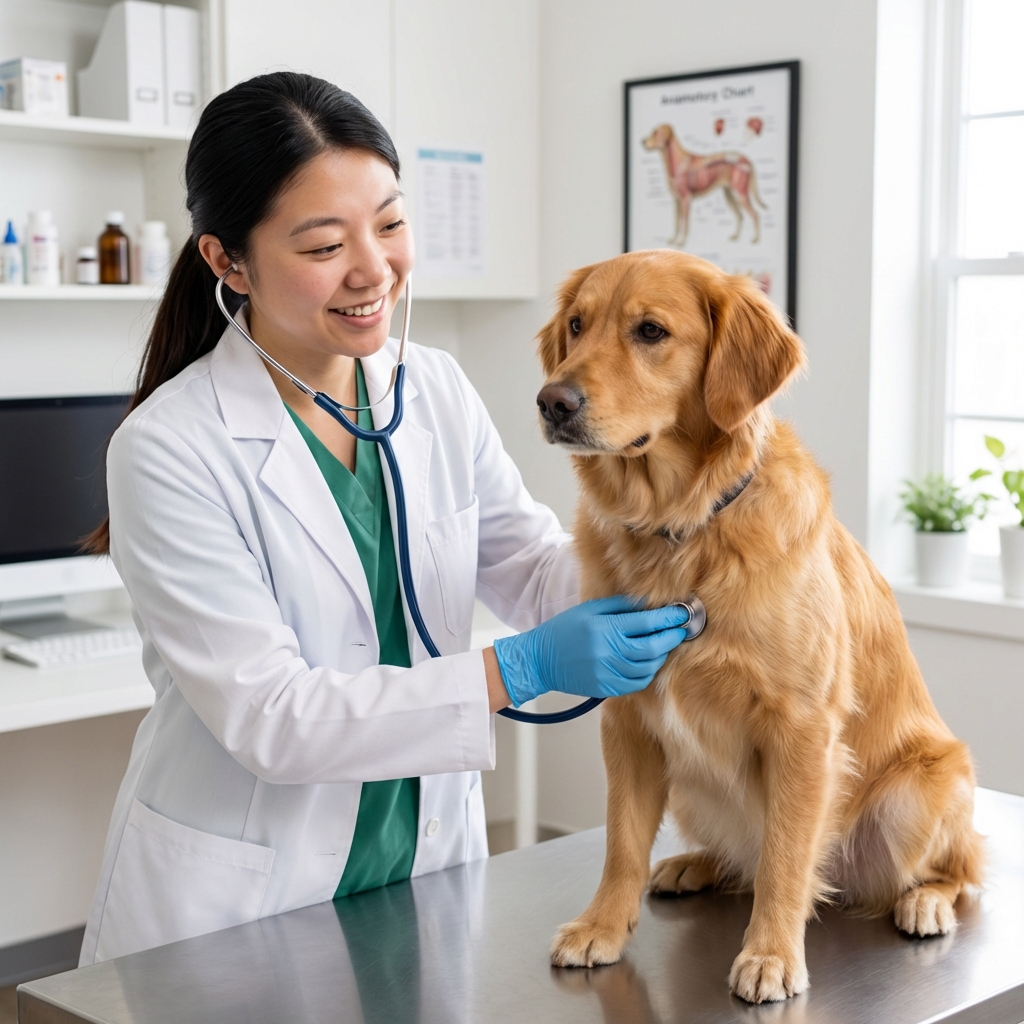
My best evidence-based advice: if you suspect anal gland trouble, schedule a vet appointment for an evaluation and safe expression. Some groomers do offer anal gland expression, but if your dog has recurring scooting, pain, blood, swelling, or a strong odor, a veterinary exam is the safer choice to rule out infection, abscess, or a mass.
What to expect at the vet
If you are feeling anxious about the visit, here is what usually happens:
- A quick history about diet, stool quality, flea prevention, and timing of scooting
- An exam of the skin around the anus and a check of the anal glands
- A fecal test if parasites are possible (bringing a fresh stool sample helps)
- If allergies are suspected, a plan that may include diet trials, itch control, and ear or skin treatment
The goal is relief now and a plan to prevent repeat flare-ups.
Fun facts about dog scooting
- It is not a “bad behavior.” Scooting is communication. Your dog is trying to solve a problem.
- Small dogs are overrepresented in anal gland issues, but any breed or mix can have them.
- Soft stool is a big trigger. Even a high-quality diet can cause loose stools in some dogs if it is not the right fit for their gut.
- Stress-related rubbing can happen in some dogs, but medical discomfort is far more common. Rule out physical causes first.
Prevention tips that actually help
- Prioritize stool quality: aim for firm, easy-to-pass stools most days.
- Keep up with grooming: especially for fluffy designer mixes that collect debris around the rear.
- Address allergies early: if your dog also has itchy paws, red ears, or chronic licking, talk to your vet about allergy management.
- Use parasite prevention consistently: ask your vet what is appropriate for your region and your dog’s lifestyle.
- Do not ignore the smell: a strong fishy odor can be a clue that anal glands need attention.
If scooting is frequent, new, or paired with licking, odor, swelling, or soft stool, it is worth a quick vet visit. Comfort is health.
Bottom line
When dogs drag their bum, it usually means something is irritating or uncomfortable around the anus, most commonly anal gland fullness, allergies, tapeworm irritation, stool problems, or something stuck in the fur. A quick check at home plus timely veterinary help when needed will keep your dog comfortable and help prevent small issues from turning into painful ones.