Wondering why your cat licks you? Learn the most common reasons—affection, scent mixing, stress relief, boredom—and when to worry, plus safety tips and v...
Article
•
Designer Mixes
What It Means When a Cat Licks You

Shari Shidate
Designer Mixes contributor
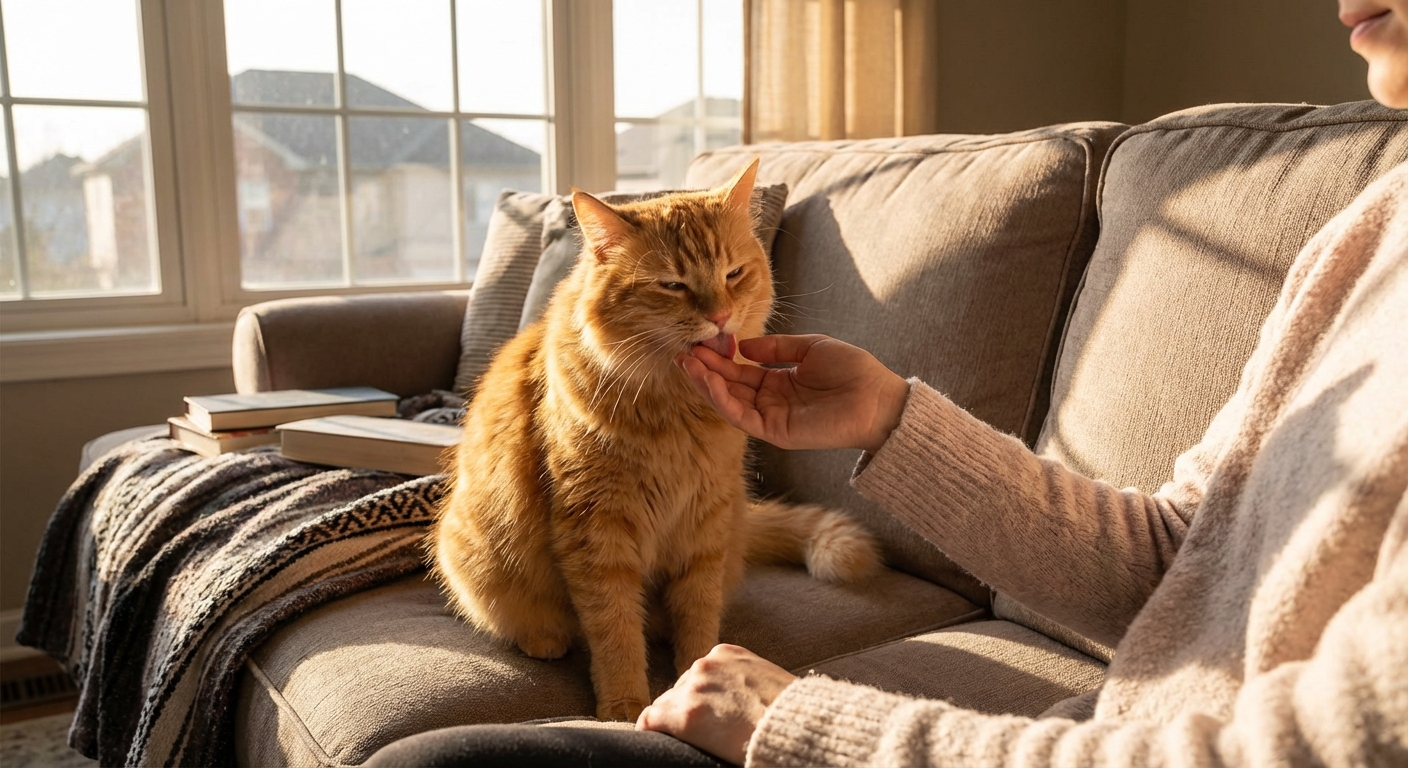
If you have ever been sitting quietly and felt a rough little tongue on your hand, you are not imagining it. Cat licking is communication. Sometimes it is affection, sometimes it is stress relief, and sometimes it is your cat trying to “fix” something they think is off, like a salty spot on your skin or a new lotion scent.
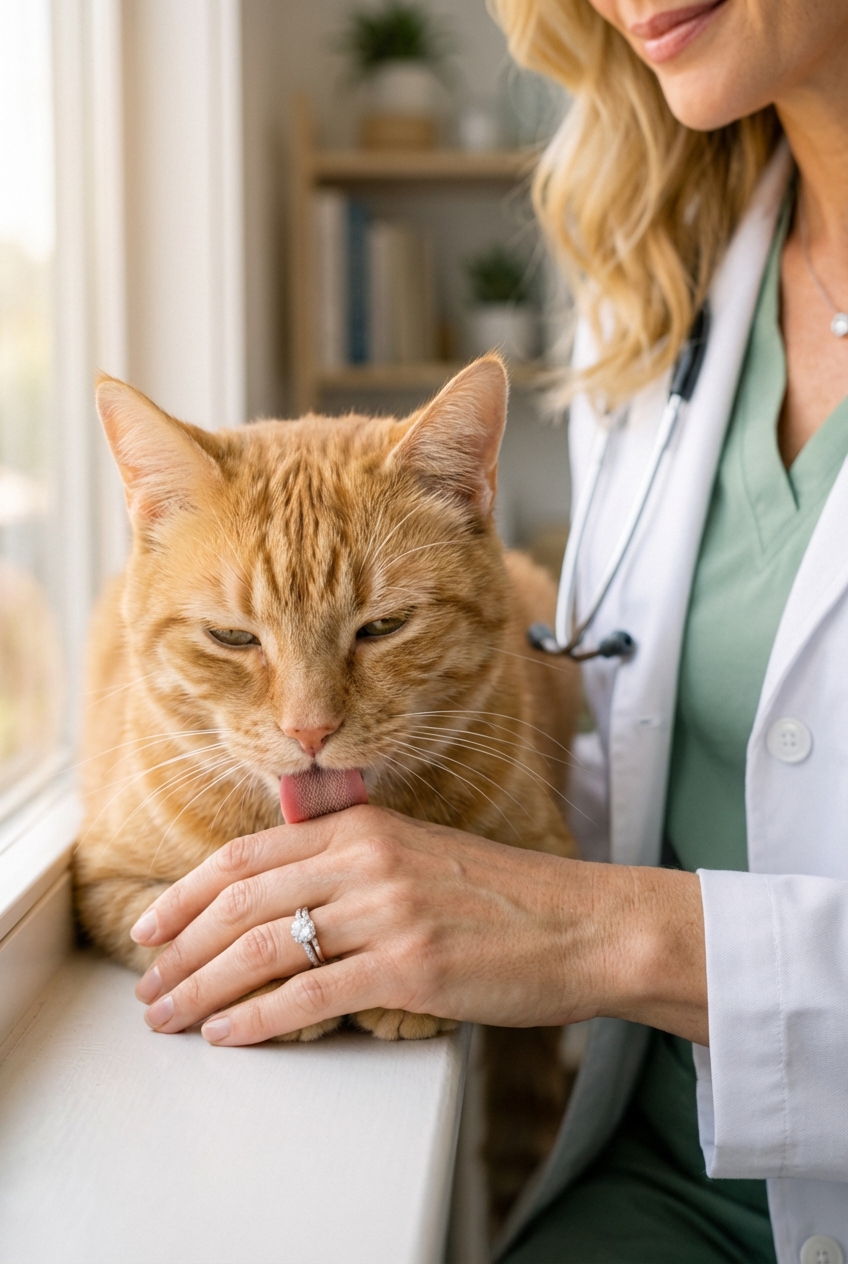
As a veterinary assistant, I like to look at licking the same way we look at other behaviors in the clinic. It is rarely random. The goal is to notice the context, your cat’s body language, and whether the licking is gentle and brief or intense and repetitive.
The quick answer
When a cat licks you, they may be:
- Grooming you as a social bonding behavior
- Showing affection and seeking closeness
- Self-soothing because they feel anxious or overstimulated
- Exploring taste and scent, especially salt on skin or food smells
- Asking for something, like attention, play, or food
- Reacting to irritation on your skin or something on it, like lotion
Most of the time it is normal. The “how-to” part is learning which category your cat fits into and what to do next.
Why cats lick people
1) Social bonding and allogrooming
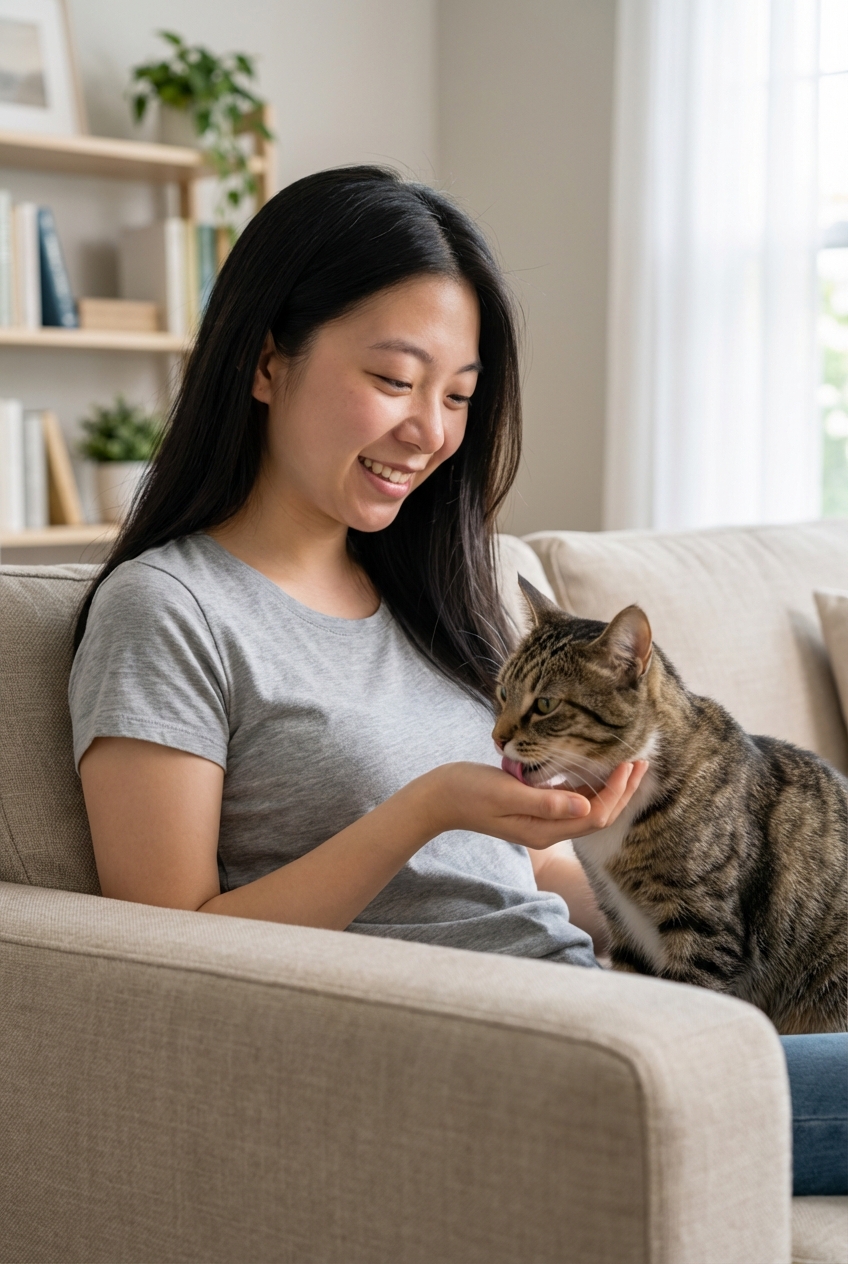
Cats groom each other to strengthen social bonds. This is called allogrooming, and it is common in cats that feel safe together. When your cat licks you, they may be treating you like family.
Clues this is what is happening:
- Your cat looks relaxed and may knead with their paws
- Purring, slow blinking, or leaning into you
- The licking is gentle and stops on its own
2) Affection and familiarity
Cats have scent glands around the face, and cheek rubbing is the classic way they “mark” familiar, safe things. Licking can be part of that same comfort routine too, mixing their saliva and your scent and reinforcing, “You are safe with me.”
3) Stress relief and self-soothing
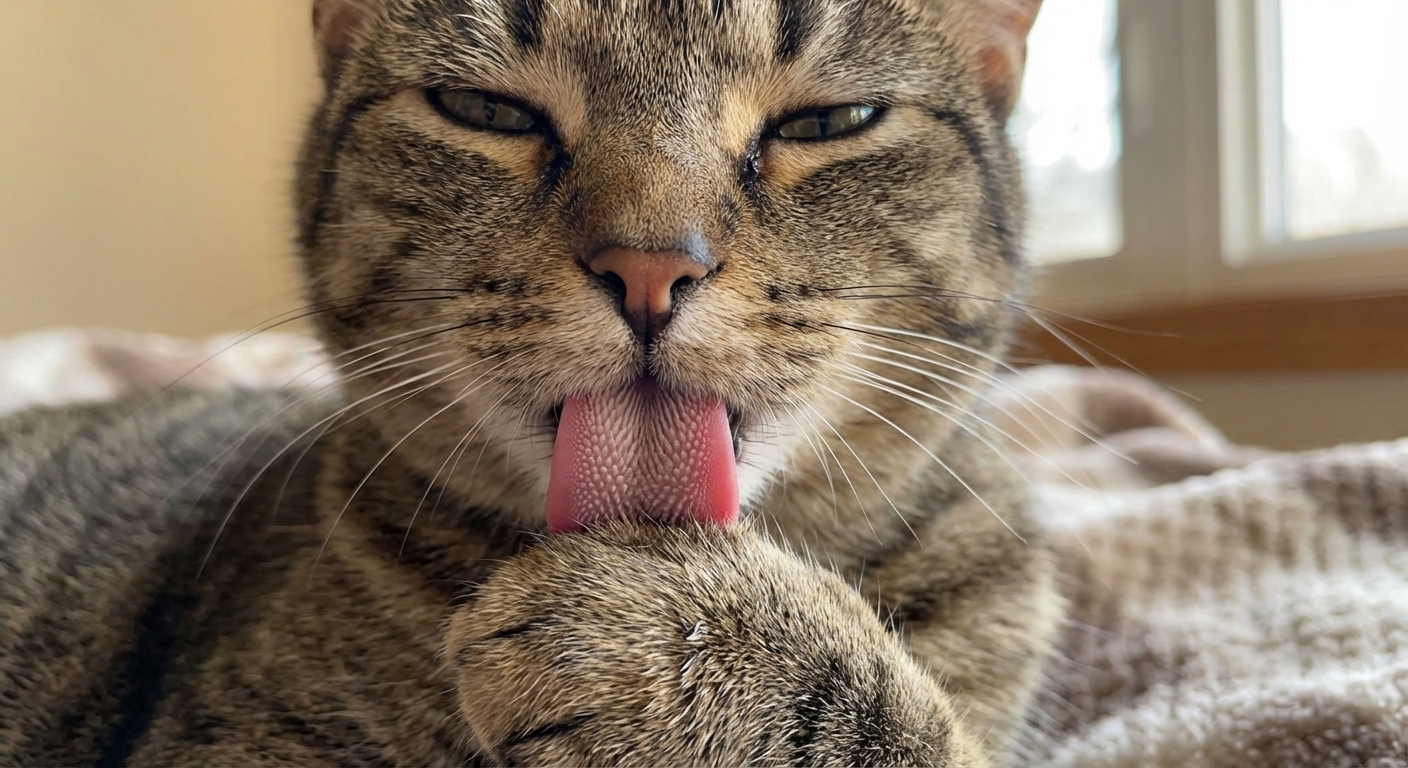
Licking can be self-soothing for some cats, especially when they are anxious, bored, or dealing with a change in routine. In veterinary behavior, repetitive licking can also be a displacement behavior, meaning your cat is unsure what to do and defaults to licking.
Clues stress is involved:
- Licking becomes intense or frequent, especially at certain times (guests over, loud noises)
- Other stress signs like hiding, dilated pupils, swishing tail, crouching posture
- Additional overgrooming of their own body
4) Taste, salt, and interesting smells
Human skin often tastes mildly salty, especially after sweating. Your cat might also be licking:
- Food residue from cooking or snacks
- Skin-care products that smell appealing
- Hair products, especially those with oils
Important: Some topical products can be irritating or toxic if ingested, depending on the ingredient and the dose. A few that raise concern more often include essential oils (especially tea tree oil), topical pain creams, and products containing salicylates. If your cat becomes obsessed with licking after you apply something, switch to a fragrance-free option and check with your veterinarian about what is safe.
5) Attention-seeking and learned behavior
Cats are excellent at learning what works. If licking makes you pet them, talk to them, or get up and fill the bowl, the licking can become a reliable strategy.
6) Overstimulation and a nip warning
Sometimes licking is the calm before the storm. A cat may lick, then suddenly nip or bite if they become overstimulated. This is not “mean,” it is a boundary.
Clues overstimulation is happening:
- Tail starts flicking, skin ripples, ears rotate sideways
- Your cat stops purring and becomes stiff
- Licking speeds up or becomes focused and intense
How to tell what it means
Step 1: Look at the body language
- Relaxed (soft eyes, loose body, slow blinks): likely bonding or affection
- Tense (wide eyes, stiff posture, tail flicks): could be stress or overstimulation
Step 2: Track timing and triggers
Ask yourself:
- Does it happen at the same time daily (before dinner, bedtime)?
- Does it happen after you shower or apply lotion?
- Does it increase during changes in the home?
Step 3: Watch the intensity
- Brief and gentle: usually normal
- Long, repetitive, hard-to-interrupt: could be anxiety, habit, or a medical issue (including nausea or pain)
Step 4: Check your skin and their mouth
If licking is focused on one spot, look for:
- Salt, sweat, or residue
- New fragrances
- Skin irritation
Also watch your cat for signs of oral discomfort like drooling, pawing at the mouth, bad breath, or reduced appetite. Dental disease is common in adult cats and can change licking behaviors.
Step 5: Consider age
Kittens often lick more as an exploratory behavior. Adult cats are more likely to lick with a clear “reason,” like bonding, attention-seeking, stress, or a health issue.
What to do next
If it is affectionate grooming
- Let it happen briefly if you enjoy it.
- Offer a gentle pet or slow blink back.
- End the interaction before overstimulation, especially if your cat tends to nip.
If it is attention-seeking
- Decide what you want to reinforce. If licking always leads to food, it will likely increase.
- Try rewarding calm behavior instead. For example, when your cat sits quietly, then offer attention or play.
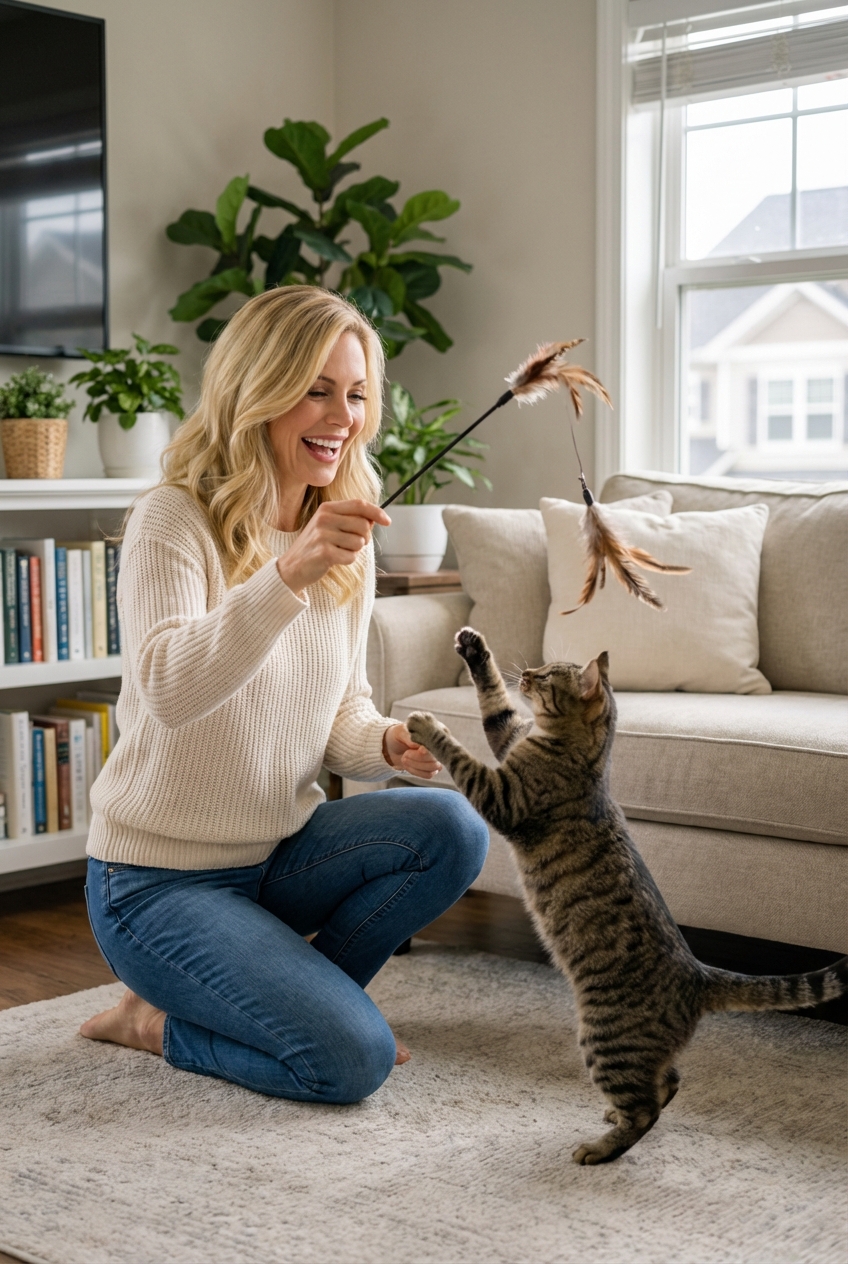
- Add predictable play sessions. A 10-minute wand-toy routine can reduce “demand” behaviors.
If it seems stress-related
- Increase enrichment: puzzle feeders, window perches, and short daily play.
- Keep routines consistent, especially feeding and bedtime.
- Consider pheromone support in the home, and talk to your veterinarian about anxiety if you see other stress behaviors.
If it is overstimulation
- Shorten petting sessions.
- Pet areas many cats tolerate better (cheeks, under the chin) and avoid sensitive areas (belly, lower back) if your cat reacts.
- When licking speeds up or tail flicking starts, calmly pause and give space.
If it is taste or product-related
- Wash your hands after applying products, and avoid letting your cat lick freshly applied lotions or ointments.
- Switch to fragrance-free options if licking spikes.
- If your cat licks after contact with essential oils, topical pain creams, medicated ointments, or unusual substances, call your veterinarian for guidance.
Is it safe?
For most healthy adults, a brief lick on intact skin is generally low risk. That said, it is smart to be cautious because cats carry bacteria in their mouths like all animals do.
Avoid letting your cat lick you if:
- You have an open cut, healing wound, or fresh tattoo
- You are immunocompromised (or living with someone who is)
- Your cat has visible mouth issues, drooling, or a known infection
If you have allergies, asthma, or sensitive skin, you may also prefer to avoid licking and stick with petting and play for bonding.
Simple hygiene tip: If your cat has been licking you for a while, wash the area before touching your face or eyes.
If a cat bite breaks the skin, treat it seriously and seek medical advice promptly. Cat bites can cause deep infections even when the puncture looks small.
When to worry
Behavior is important, but so is a health check. Consider a veterinary visit if licking is new, intense, or paired with other symptoms.
Red flags include:
- Sudden increase in licking people or objects
- Compulsive or hard-to-interrupt licking
- Overgrooming, hair loss, scabs, or skin inflammation
- Weight loss, vomiting, diarrhea, or appetite changes
- Bad breath, drooling, pawing at the mouth, or trouble eating
- Increased hiding, aggression, or other big behavior shifts
Possible underlying issues can include pain, dental disease, nausea, allergies, stress, or cognitive changes in senior cats. Your veterinarian can help rule out medical causes first, which is always step one before labeling a behavior as “just behavioral.”
How to stop it gently
You never have to “punish” licking. In most cases, you can redirect and teach a different habit.
- Move calmly: Slowly pull your hand away rather than jerking, which can trigger chasing or nipping.
- Offer an alternative: A toy, a kicker, or a lickable treat on a mat can give your cat a better outlet.
- Reinforce what you want: Petting, praise, or a treat when your cat sits calmly instead of licking.
- Create a routine: Many cats lick most at predictable times. Add play or feeding enrichment right before that time.
Bonding behaviors are wonderful, but you are allowed to set boundaries. Your cat can learn them best when you are consistent and calm.
Common questions
Why does my cat lick me and then bite me?
This often happens with overstimulation. Your cat may enjoy contact, then suddenly hit their threshold. Watch for tail flicking, stiffening, and faster licking. Keep sessions shorter and stop before the bite.
Why does my cat lick my hair?
Hair holds scent and oils, and some cats treat it like grooming another cat. If it becomes excessive, check whether hair products are attracting your cat and avoid letting them ingest styling products.
Why does my cat only lick one person?
Cats bond differently with different people. One person may smell familiar, respond predictably, or be calmer and therefore safer in your cat’s eyes.
Takeaway
A cat licking you usually means one thing: your cat is interacting with you in a purposeful way. With a little detective work, you can tell whether it is affection, grooming, a request for attention, or a sign your cat needs support for stress or health concerns.
If you ever feel unsure, especially if licking suddenly escalates or comes with changes in appetite, grooming, or mood, your veterinarian can help you sort out what is normal and what deserves a closer look.