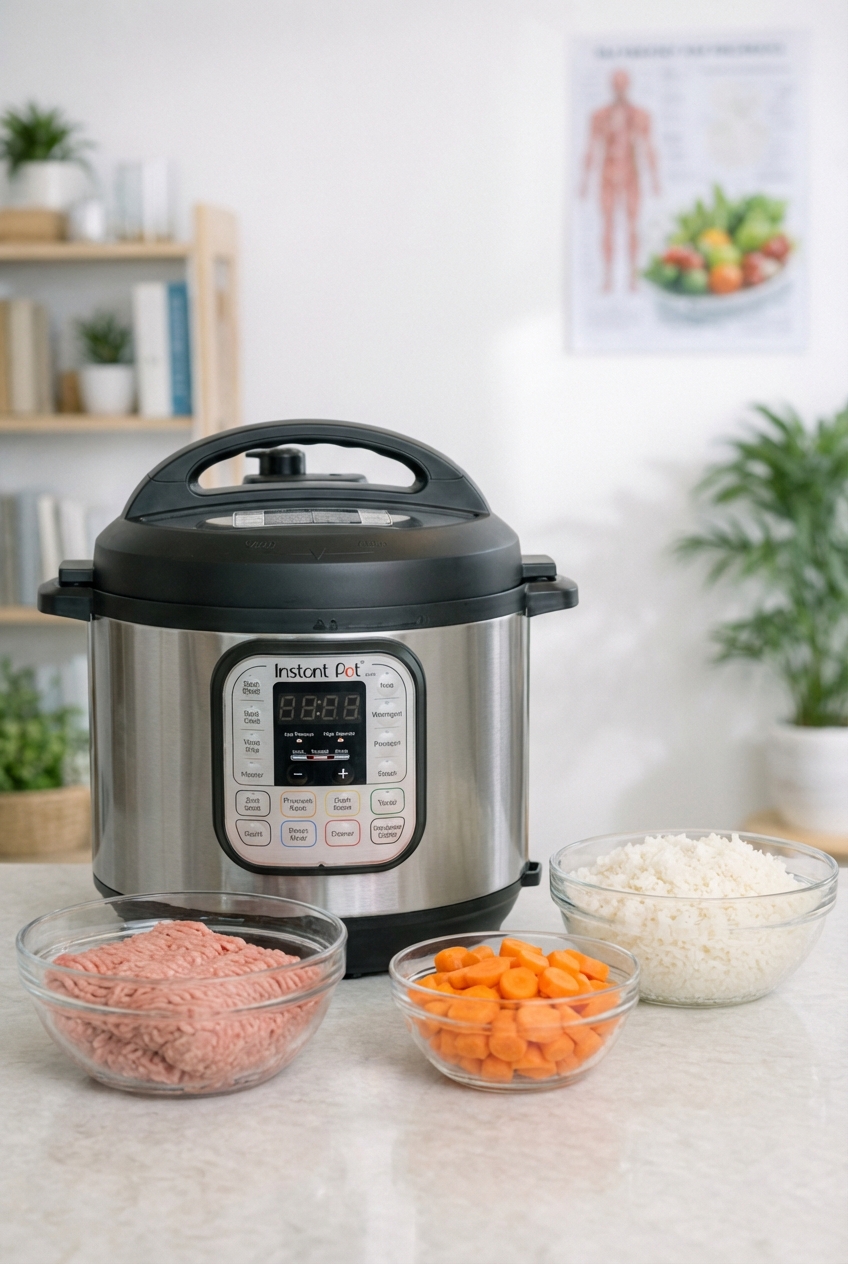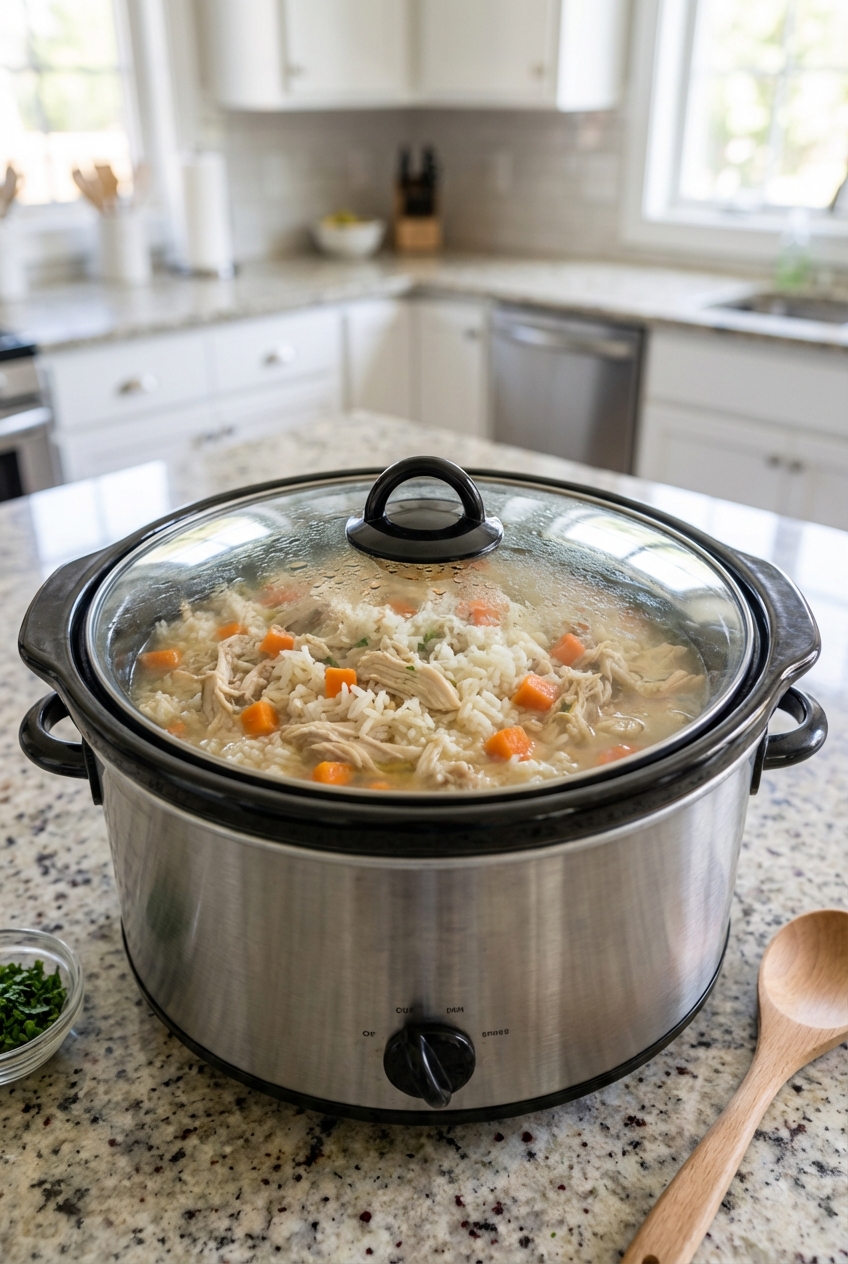
Hands-off slow cooker dog food for busy owners: 3 easy recipes (chicken/rice, turkey/sweet potato, beef/pumpkin) plus calcium guidance, safe ingredients, por...
Article
•
Designer Mixes
What Human Food Is Good for Dogs

Shari Shidate
Designer Mixes contributor
As a veterinary assistant here in Frisco, Texas, one of the most common questions I hear is: “What human food can I safely share with my dog?” The answer is encouraging. Many everyday foods can be healthy for dogs when served in the right form and portion.
This guide walks you through must-know dog-safe human foods for puppies, adult dogs, and seniors, plus what to avoid, how to serve foods safely, and how to build a balanced bowl over time.
The first rule: safety and balance
Dogs are omnivores, which means they can benefit from a variety of foods. But their digestive systems and nutrient needs are different from ours. A food can be “healthy” and still cause trouble if it is served raw, seasoned, too fatty, or given in large amounts.
Before you share any food, do this quick check
- Skip seasonings: no onion/garlic powder, heavy salt, spicy rubs, or sauces.
- Avoid fatty cuts: high fat increases pancreatitis risk, especially in small breeds and seniors.
- Cook it safely: fully cook meats and eggs; avoid bones and gristle.
- Start small: new foods should begin as a teaspoon or two, then slowly increase if stools stay normal.
- Keep treats under control: as a general rule, extras and treats should stay under about 10% of daily calories.
Important: If your dog has kidney disease, pancreatitis history, diabetes, food allergies, IBD, or is on a prescription diet, check with your veterinarian before making changes.
Best dog-safe human foods
Here are evidence-supported, widely vet-approved options that work for many dogs. The “best” food is the one your dog tolerates well and that fits their life stage and health needs.
Lean proteins
Protein supports muscle, immune function, healing, and healthy skin and coat. For many dogs, protein should be the largest portion of a homemade meal.
- Chicken or turkey (cooked, skinless): easy to digest for many dogs.
- Lean ground beef (cooked, drained): flavorful and calorie-dense, great for picky eaters.
- Salmon (cooked, boneless): omega-3 fats can support skin, coat, and inflammation.
- Sardines (in water, no salt added): omega-3 boost; use as a topper.
- Eggs (fully cooked): protein plus nutrients like selenium and B vitamins.
Serving tip: Keep it plain. Most dogs do best with simple cooking methods like baking, boiling, steaming, or pan-cooking without oil.
Dog-friendly carbs
Carbohydrates are not “bad.” In moderation, they can support energy, digestion, and stool quality. Whole-food carbs are usually better tolerated than highly processed ones.
- White or brown rice (cooked): commonly used for sensitive stomachs.
- Oats (cooked): gentle fiber; use plain, not flavored packets.
- Quinoa (cooked): offers protein and minerals; rinse well before cooking.
- Sweet potato (baked or steamed): fiber plus beta-carotene; serve plain.
- Potato (baked): only cooked; never serve raw potato.
Vegetables
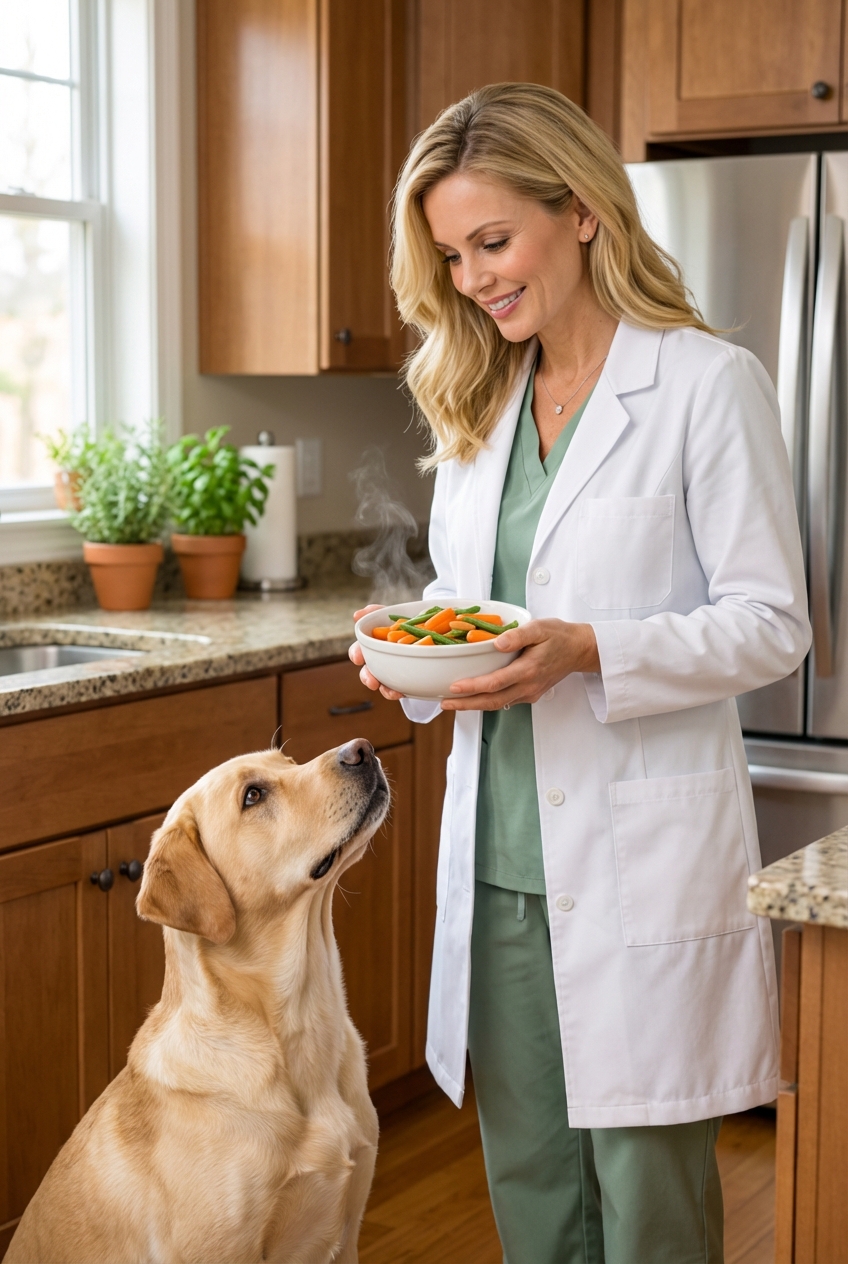
Many dogs benefit from vegetables a few times per week. Light cooking improves digestibility because dogs do not break down raw plant cell walls as efficiently as we do.
- Carrots (steamed or raw sticks): crunchy, low calorie, and great as a treat.
- Green beans (steamed): fiber-rich, often used in weight management plans.
- Broccoli (lightly steamed): nutrient-dense; keep portions small.
- Spinach or kale (lightly cooked): vitamins and antioxidants; small servings are best. If your dog is prone to bladder stones (especially calcium oxalate stones), ask your vet before offering spinach since it is higher in oxalates.
- Pumpkin (plain canned pumpkin): helps many dogs with mild constipation or loose stools.
- Zucchini (steamed): gentle and low calorie.
Fruits
Fruit is optional, but it can be a fun, nutrient-rich treat. Keep portions small because fruit contains natural sugars.
- Blueberries: antioxidant-rich and easy to portion.
- Apples (no seeds, no core): crisp treat with fiber.
- Banana: soft treat; best in small slices.
- Strawberries: rinse well; offer a few pieces.
- Watermelon (seedless): hydrating; remove rind.
Healthy fats and toppers
- Fish oil: often used for skin and joints, but dose matters. Ask your vet for the right amount for your dog’s weight.
- Plain yogurt or kefir: may support gut health for dogs that tolerate dairy.
- Bone broth (onion-free): helps picky eaters and hydration, but watch sodium.
What to feed by age
Puppies
Puppies need higher calories, more protein, and very careful calcium and phosphorus balance for proper bone development. This is one reason veterinarians often recommend a complete and balanced puppy food as the “base,” even if you add wholesome toppers.
- Best add-ons: small amounts of cooked chicken, cooked egg, plain pumpkin, steamed carrots.
- Use caution: avoid heavy homemade feeding without professional formulation, especially for large-breed puppies.
- Go slow: puppies can get diarrhea easily with sudden changes.
Adult dogs
Adult dogs often do great with a mix-and-match approach: a trusted commercial diet plus fresh whole-food add-ons. The key is consistency and watching your dog’s weight and stool.
- Great staples: lean proteins, cooked vegetables, and a moderate amount of whole-food carbs.
- Best habit: rotate proteins and veggies over time for variety, unless your dog has allergies.
Senior dogs
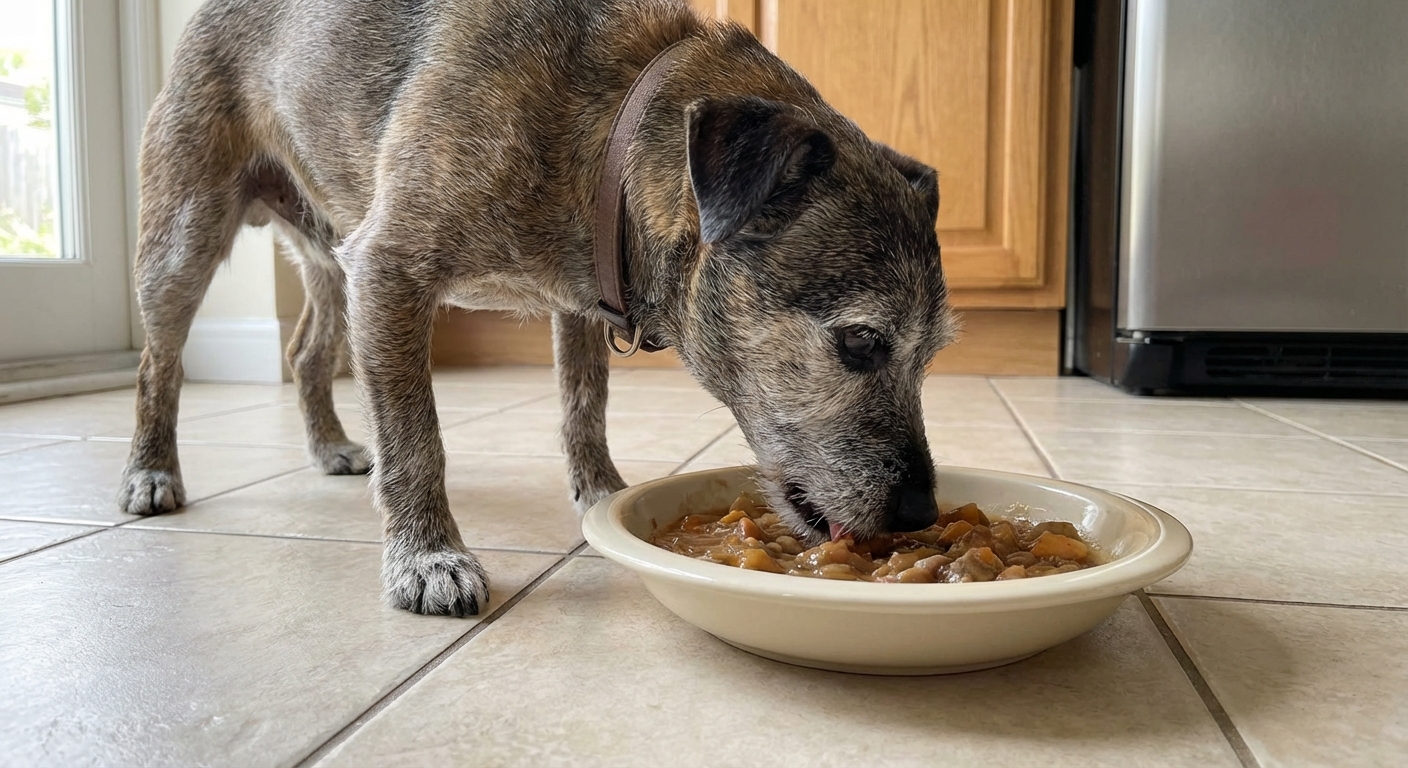
Older dogs can thrive with softer textures, slightly higher quality protein, and anti-inflammatory nutrients. Many seniors also need fewer calories, so portions matter.
- Helpful options: cooked salmon, lean turkey, pumpkin, steamed green beans, plain yogurt if tolerated.
- Make it easy to chew: shred meats, mash sweet potato, and steam vegetables well.
- Ask your vet first: seniors with kidney or heart disease may need specific protein or sodium limits.
Foods that are NOT safe
These are common household foods that can be toxic or cause serious digestive issues.
- Grapes and raisins (kidney failure risk)
- Onions, garlic, chives, leeks (can damage red blood cells)
- Chocolate (theobromine toxicity)
- Xylitol (common in sugar-free gum, candies, peanut butter; can cause dangerous low blood sugar and liver injury)
- Alcohol
- Macadamia nuts
- Cooked bones (splintering and obstruction risk)
- Fatty table scraps (pancreatitis risk)
- Raw dough with yeast
If you think your dog ate a toxic food, contact your veterinarian or an animal poison hotline immediately. Time matters.
How to add human foods
Whether you are adding toppers to kibble or trying a new single ingredient, slow changes are kinder to your dog’s gut. In this article, the goal is usually toppers and treats, not replacing a complete diet.
A simple topper rollout
- Day 1: start with 1 to 2 teaspoons of one new food mixed into the usual diet.
- Next 24 to 48 hours: watch stool, vomiting, itching, ear debris, and gassiness.
- If all looks good: slowly increase the portion over several days, keeping extras under about 10% of daily calories.
- Add one new item at a time: this makes it much easier to spot what does or does not agree with your dog.
Note: A “25% to 100% transition schedule” is appropriate only when you are switching from one complete-and-balanced food to another, or when you are moving to a properly formulated homemade diet created with your veterinarian or a board-certified veterinary nutritionist. Feeding 100% unbalanced human ingredients long-term can lead to serious nutrient deficiencies.
Simple meal ideas
You do not have to be fancy to feed fresh. Here are a few simple combinations many dogs love.
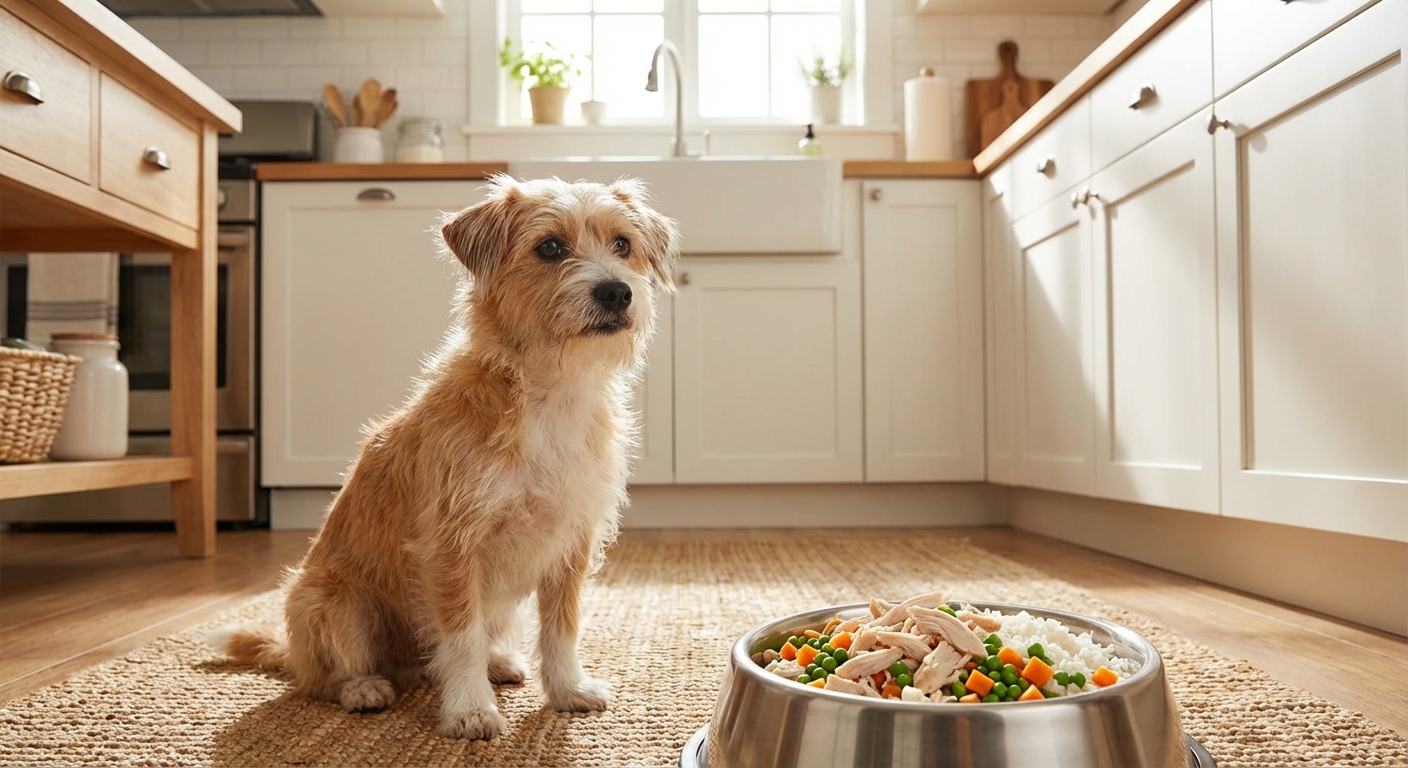
Starter bowl
- Boiled or baked chicken (plain)
- Steamed carrots
- Cooked rice
- A spoonful of low-sodium, onion-free broth (optional)
Three-ingredient comfort meal
- Turkey (cooked and drained)
- Mashed sweet potato (plain)
- Steamed spinach (chopped fine, small amount)
Frozen treat
- Plain yogurt or kefir (if tolerated)
- Blueberries
- Banana slices
Freeze in a silicone mold and serve as a small, cooling snack.
Quick FAQ
Can dogs eat peanut butter?
Many can, but only if it is xylitol-free and ideally unsalted. Use small amounts because it is calorie-dense.
Do dogs need vegetables every day?
Not necessarily. Many dogs do well with vegetables a few times per week. Light cooking and small portions are the sweet spot for most.
Can I feed 100% homemade food?
Yes, but balanced nutrition matters. Long-term homemade feeding should be formulated with your veterinarian or a qualified canine nutritionist to make sure key nutrients like calcium, essential fatty acids, and trace minerals are correct.