Make meals more tempting and nutritious with simple dog food toppers: bone broth, cooked eggs, sardines, pumpkin, and steamed veggies—plus portions, storag...
Article
•
Designer Mixes
What Human Food Can Dogs Eat?

Shari Shidate
Designer Mixes contributor
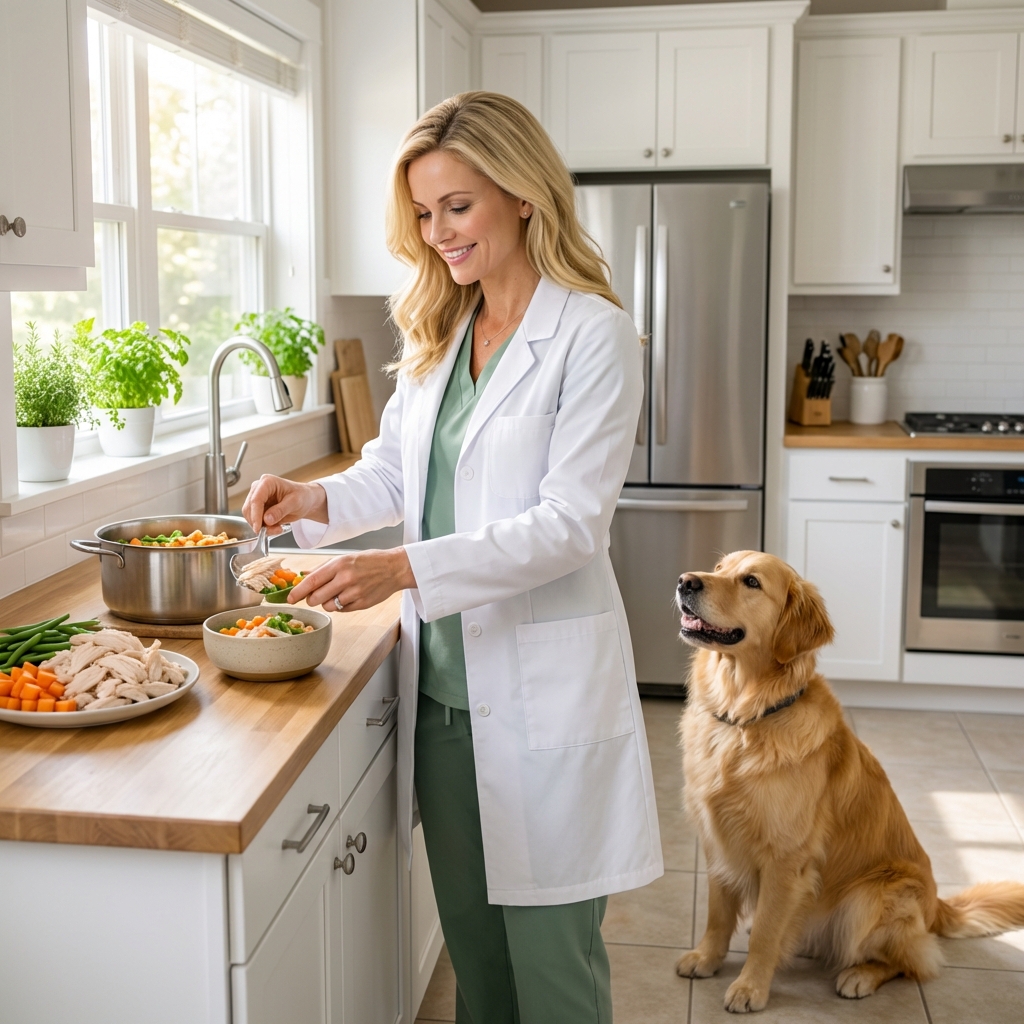
As a veterinary assistant here in Frisco, Texas, I hear this question almost every week: What human food can dogs eat? The encouraging news is that many everyday foods can be safe and even nourishing for dogs when you choose the right items, prepare them simply, and serve reasonable portions.
This guide gives clear, evidence-based answers, plus a practical way to add human foods as toppers and treats without upsetting your dog’s stomach.
Important note: This article is primarily about safe add-ins. If you want to feed a fully home-cooked diet long term, it needs a recipe formulated to be complete and balanced (including calcium, vitamins, and trace minerals). Please ask your veterinarian for a referral to a board-certified veterinary nutritionist. A simple mix like chicken, rice, and carrots is not balanced for daily feeding.
Quick rules before you share
- Keep it plain: Avoid added salt, sugar, butter, oils, sauces, onions, and garlic.
- Go slow: Introduce one new food at a time for 2 to 3 days so you can spot itchiness, ear flare-ups, vomiting, or diarrhea.
- Small pieces: Cut food into bite-size portions to reduce choking risk, especially for small dogs and enthusiastic eaters.
- Cook smart: Cook meats thoroughly. Lightly cook or puree many vegetables to improve digestibility.
- Calories count: Treats and toppers should generally stay under 10 percent of daily calories unless your vet gives a different plan.
Safe human foods for dogs (with simple serving tips)
1) Lean proteins
Protein works well as a topper for most dogs, but it needs to be prepared plainly.
- Chicken or turkey: Cooked, unseasoned, skin removed. Shred for easy chewing.
- Lean beef: Cooked and drained. Skip fatty cuts to reduce pancreatitis risk.
- Fish: Cooked salmon or whitefish, no bones. Avoid raw fish.
- Eggs: Fully cooked (scrambled or hard-boiled), plain.
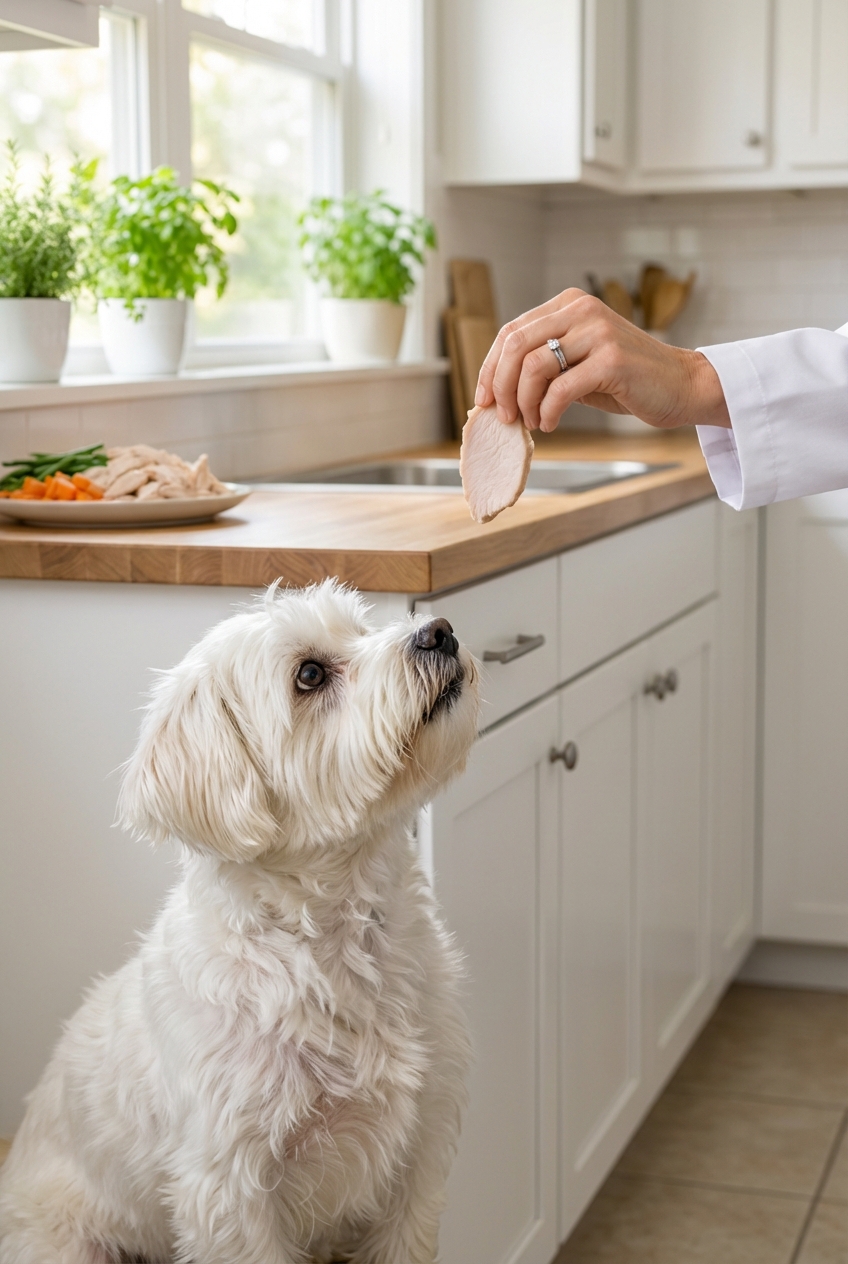
2) Dog-friendly vegetables
Many dogs do best with vegetables that are steamed, lightly cooked, or pureed.
- Carrots: Crunchy raw sticks for some dogs, or steamed coins for easier digestion.
- Green beans: Plain, steamed or canned with no salt added.
- Broccoli and cauliflower: Small amounts, cooked. Too much can cause gas.
- Sweet potato: Baked or steamed, no butter or spices.
- Pumpkin: Plain canned pumpkin (not pie filling) is often helpful for stool consistency.
- Spinach or kale: Cooked, small amounts. Avoid or ask your vet first if your dog has a history of bladder stones (oxalates).
3) Fruits (as small treats)
Fruit is best as a little bonus, not the bulk of a meal.
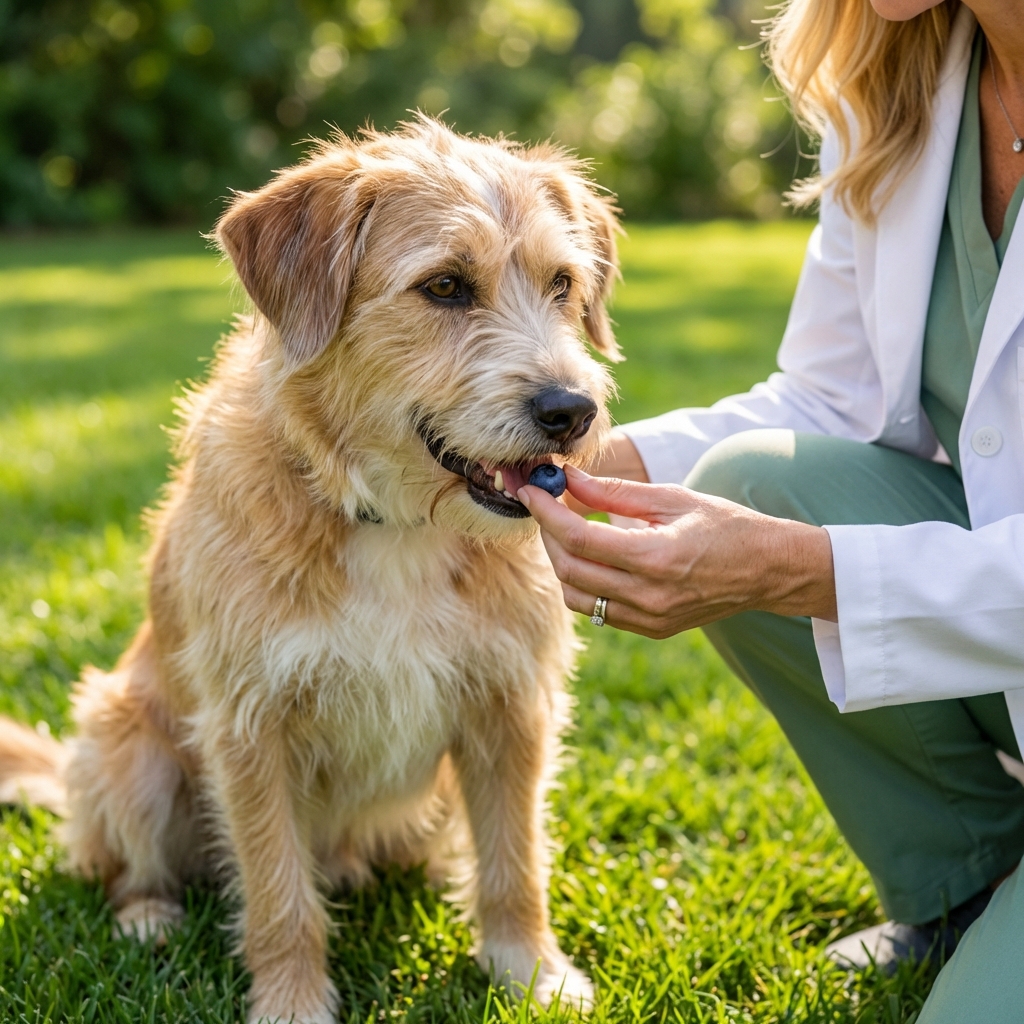
- Blueberries: Easy antioxidant-rich training treat.
- Apples: No seeds, no core.
- Banana: Small slices due to sugar content.
- Watermelon: Seedless and rind removed.
- Strawberries: Fresh or frozen, sliced for small dogs.
4) Carbs and grains (often fine in moderation)
Despite trendy marketing, many dogs can handle grains well. The key is moderation and simple preparation.
- Rice: Plain cooked white or brown rice.
- Oatmeal: Plain cooked oats, no sweeteners.
- Quinoa: Cooked and rinsed well.
- Plain pasta: Small portions, fully cooked.
5) Dairy (only if tolerated)
Some dogs are lactose sensitive, so start tiny.
- Plain yogurt: A spoonful of unsweetened yogurt can be a nice topper.
- Cottage cheese: Small amounts, choose lower sodium if possible.
Human foods that are NOT safe for dogs
If you remember nothing else, remember this list. These are common causes of pet emergencies.
- Grapes and raisins: Can cause kidney failure.
- Onions, chives, and garlic: Can damage red blood cells.
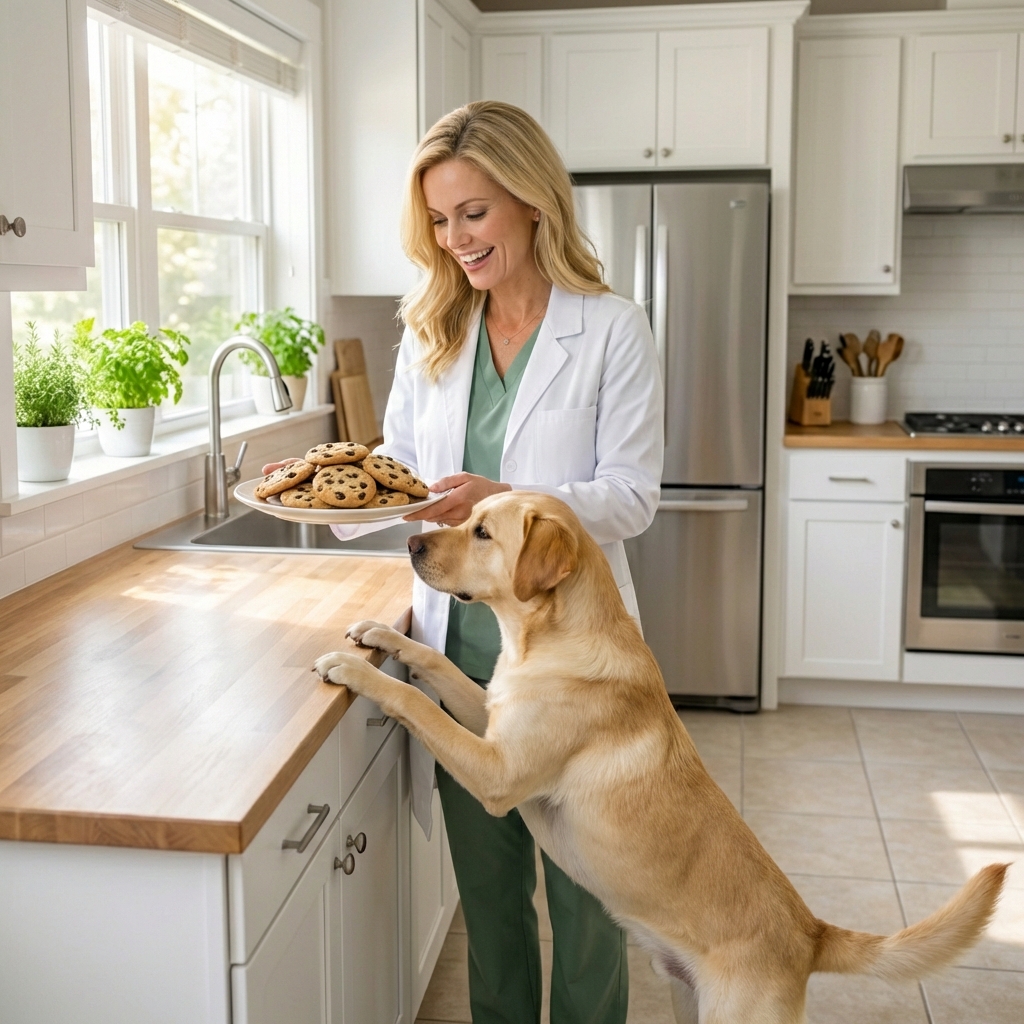
- Chocolate: Especially dark chocolate and baking chocolate.
- Xylitol: A sweetener found in many sugar-free gums, candies, peanut butters, and baked goods.
- Alcohol and raw bread dough: Dangerous and potentially life-threatening.
- Macadamia nuts: Toxic in dogs.
- Cooked bones: Can splinter and cause internal injury or obstruction.
- High-fat foods: Bacon, greasy leftovers, fried foods can trigger pancreatitis.
How to build a simple topper bowl
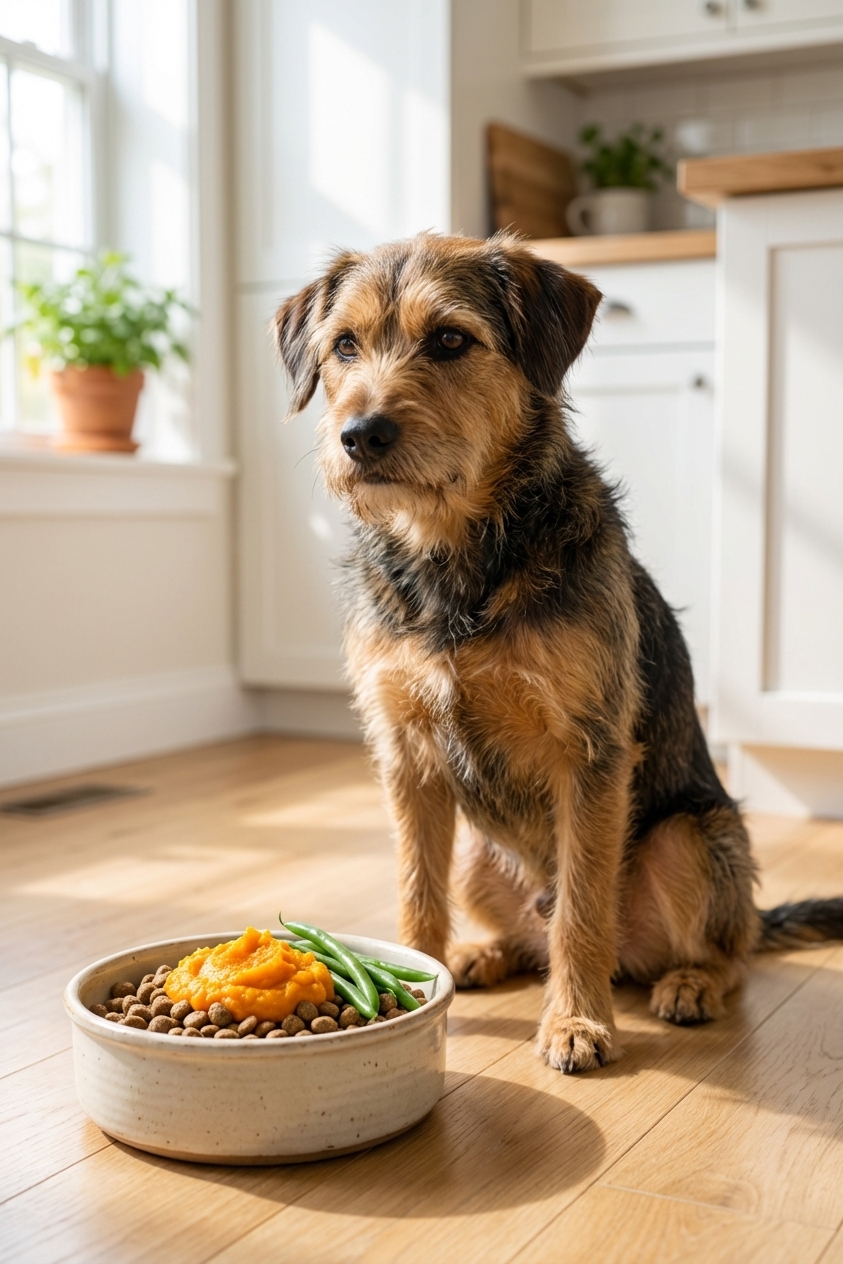
If you want a realistic starting point, think in small add-ons, not a full replacement meal:
- Protein: a spoonful or small handful as the main topper
- Vegetables: a little add-on (often 1 to 2 tablespoons for medium to large dogs)
- Carb (optional): a small scoop like rice or oats
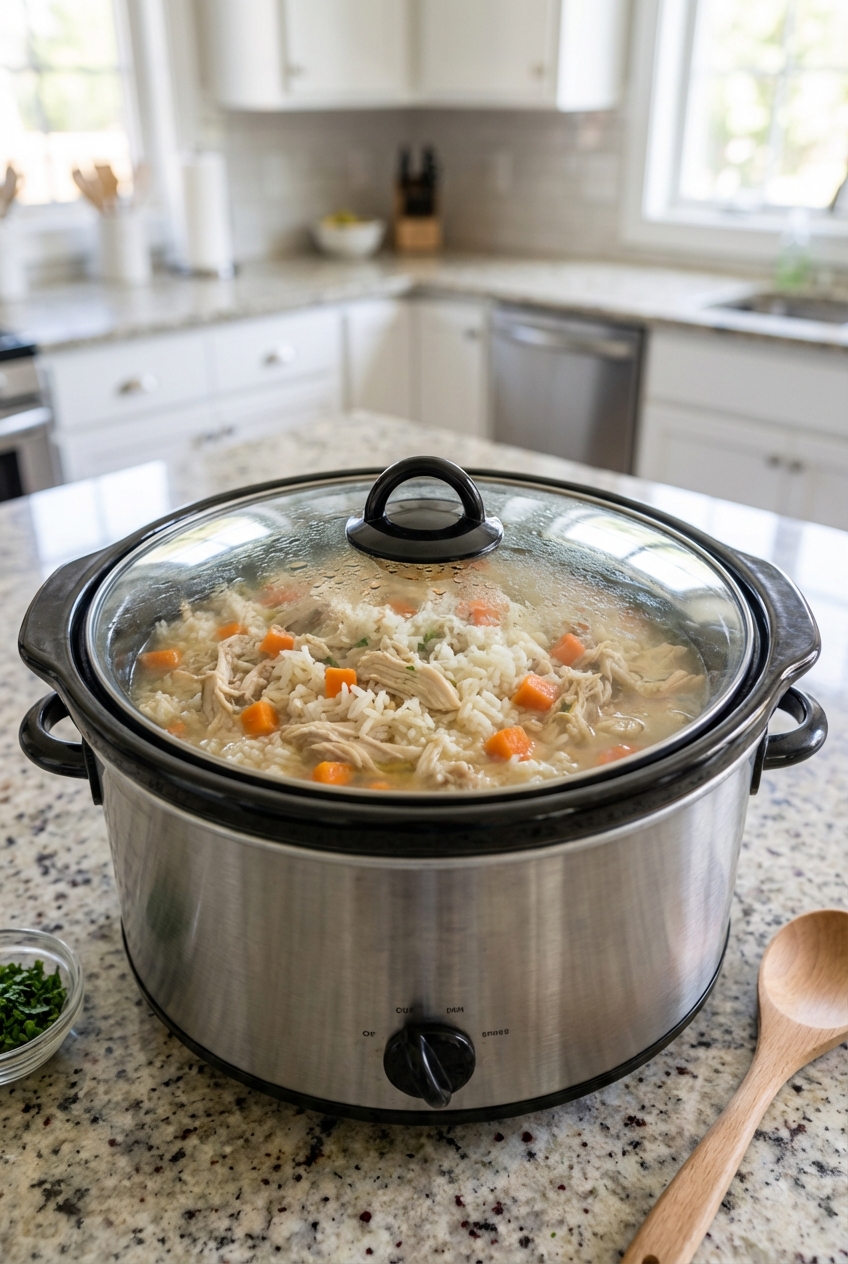
Easy combo idea: a little plain cooked chicken + steamed carrots + a spoon of cooked brown rice. Add a teaspoon of plain pumpkin if stools run soft.
If you are trying to cook 100 percent of your dog’s diet: please do not rely on simple combos long term. Dogs need the right balance of calcium and phosphorus, plus vitamins and trace minerals. Ask your veterinarian about a complete and balanced home-cooked recipe or a referral to a veterinary nutritionist, especially for puppies, seniors, and dogs with medical conditions.
For dogs with health issues like kidney disease, pancreatitis history, diabetes, food allergies, bladder stones, or a sensitive stomach, talk with your veterinarian before adding new foods regularly.
How to add human food safely
A gentle approach is often the difference between success and diarrhea. For most dogs, you can add toppers slowly like this:
- Days 1 to 3: very small taste (about 1 teaspoon for small dogs, 1 tablespoon for medium to large dogs)
- Days 4 to 6: small topper portion once daily if stools stay normal
- After day 6: keep toppers and treats under 10 percent of daily calories
If you are changing your dog’s main diet (for example, switching kibble brands or moving to a veterinary-prescribed diet), follow your veterinarian’s transition plan.
Watch appetite, energy, skin and ears, and especially stool quality. Your dog will tell you what is working.
When to call your vet right away
Get medical advice promptly if your dog eats a known toxin (like grapes or raisins, xylitol, chocolate, onions, chives, garlic), or shows:
- Repeated vomiting or diarrhea
- Bloated belly, unproductive retching, or signs of pain
- Weakness, tremors, collapse, or unusual lethargy
- Pale gums or difficulty breathing
If you are unsure, it is always safer to call. You are never bothering us. It is what we are here for.