A compassionate guide to deciding when it’s time to euthanize your cat. Learn key signs of decline, a quality-of-life checklist, questions for your vet, an...
Article
•
Designer Mixes
What Happens When a Cat Is Put to Sleep

Shari Shidate
Designer Mixes contributor
As a veterinary assistant, I have sat with many families during one of the hardest decisions they will ever make. If you are here because you are considering euthanasia for your cat, or you recently scheduled an appointment, I want you to know this: it is normal to feel scared, unsure, and heartbroken all at once.
This article walks you through what typically happens when a cat is put to sleep (euthanized), what your cat may feel, what you may see, and how to prepare so the experience is as peaceful as possible.
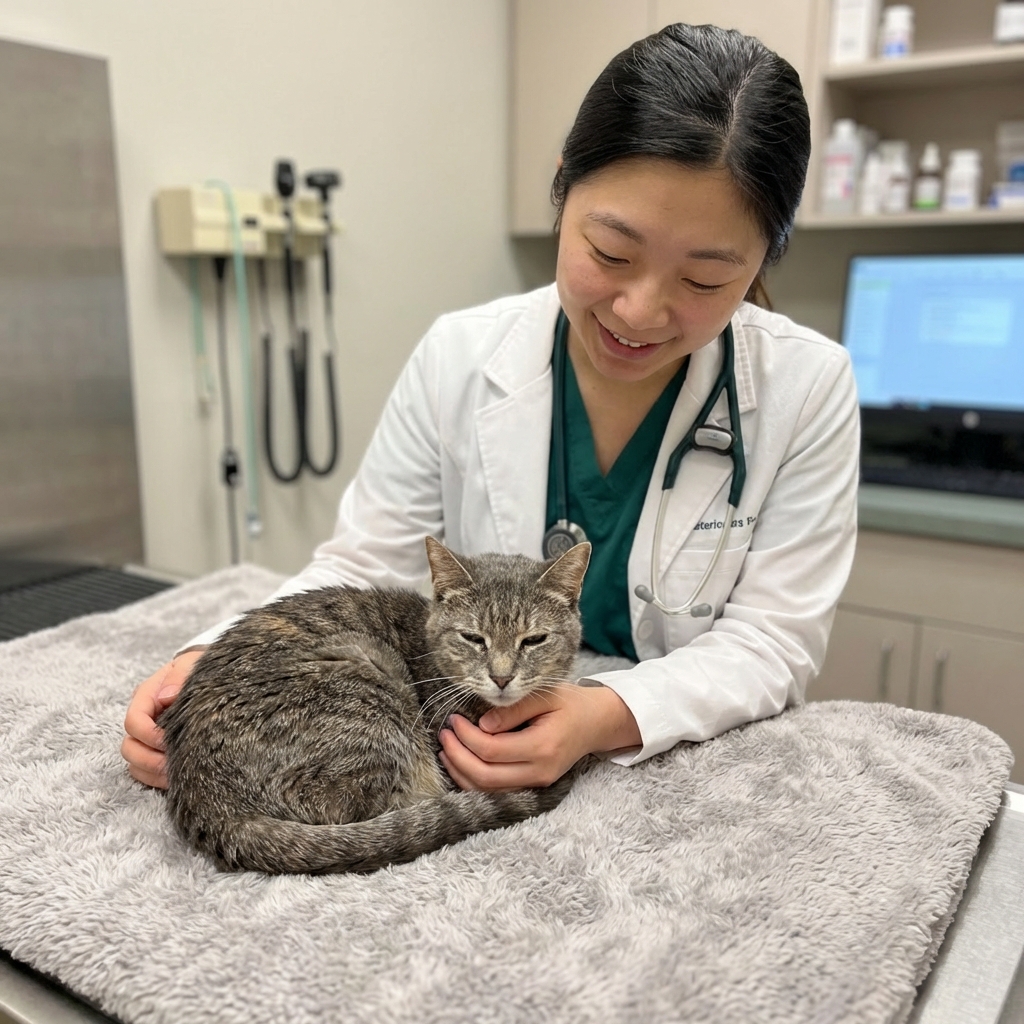
What “put to sleep” means
“Putting a cat to sleep” is a common phrase for euthanasia, a medical procedure veterinarians use to end suffering in a humane, controlled way. The goal is comfort. Protocols vary by clinic and by your cat’s condition, but it often includes:
- Relaxation and heavy sedation so your cat becomes very sleepy or fully asleep.
- A final medication that causes rapid, deep unconsciousness, then breathing stops, and the heart stops soon after.
When euthanasia is done properly, your cat is not aware of the final step. They are asleep in the way pets are for surgery.
How vets decide it is time
This decision is deeply personal, but veterinarians often guide families using quality-of-life markers. You may hear questions like:
- Is pain controlled with medication, or is pain breaking through?
- Is your cat eating enough to maintain strength?
- Can they drink and stay hydrated, or are they frequently dehydrated?
- Are they able to use the litter box without distress?
- Are there more bad days than good days?
- Are they hiding, withdrawn, or no longer engaging in normal “cat” behaviors?
If you are unsure, ask your vet for a quality-of-life scale and talk through your cat’s specific situation. When families choose euthanasia, it is often because they are preventing a crisis, like respiratory distress, uncontrolled pain, or a traumatic final night at home.
What happens at the appointment
1) A quiet room and a plan
Most clinics place you in a private room. A team member usually explains what will happen and asks a few gentle questions, such as whether you want to be present, whether you want private time before and after, and what aftercare option you prefer (more on that below).
A practical tip: if you can, ask to handle payment and paperwork at the beginning. Many clinics are happy to do this so you can leave directly afterward without stopping at the front desk while you are emotional.
If your cat is anxious at the vet, ask ahead of time about a quiet entry, waiting in your car, or pre-visit calming medication.
2) Sedation for comfort
In many practices, the first medication is a sedative or anesthetic injection. (Sedation is heavy relaxation and sleepiness. Anesthesia is a deeper, fully unconscious state like surgery.) This is commonly given under the skin or into a muscle. Within several minutes, most cats become sleepy, then fully asleep. Breathing may become slower and deeper. Some cats purr, some relax their face and paws, and many simply look like they are finally resting.
At this point, most cats are much less aware and more comfortable. If your cat is very sick, in severe pain, or has poor circulation, the team may adjust the approach, give more medication, or take a little longer to keep things gentle and smooth.
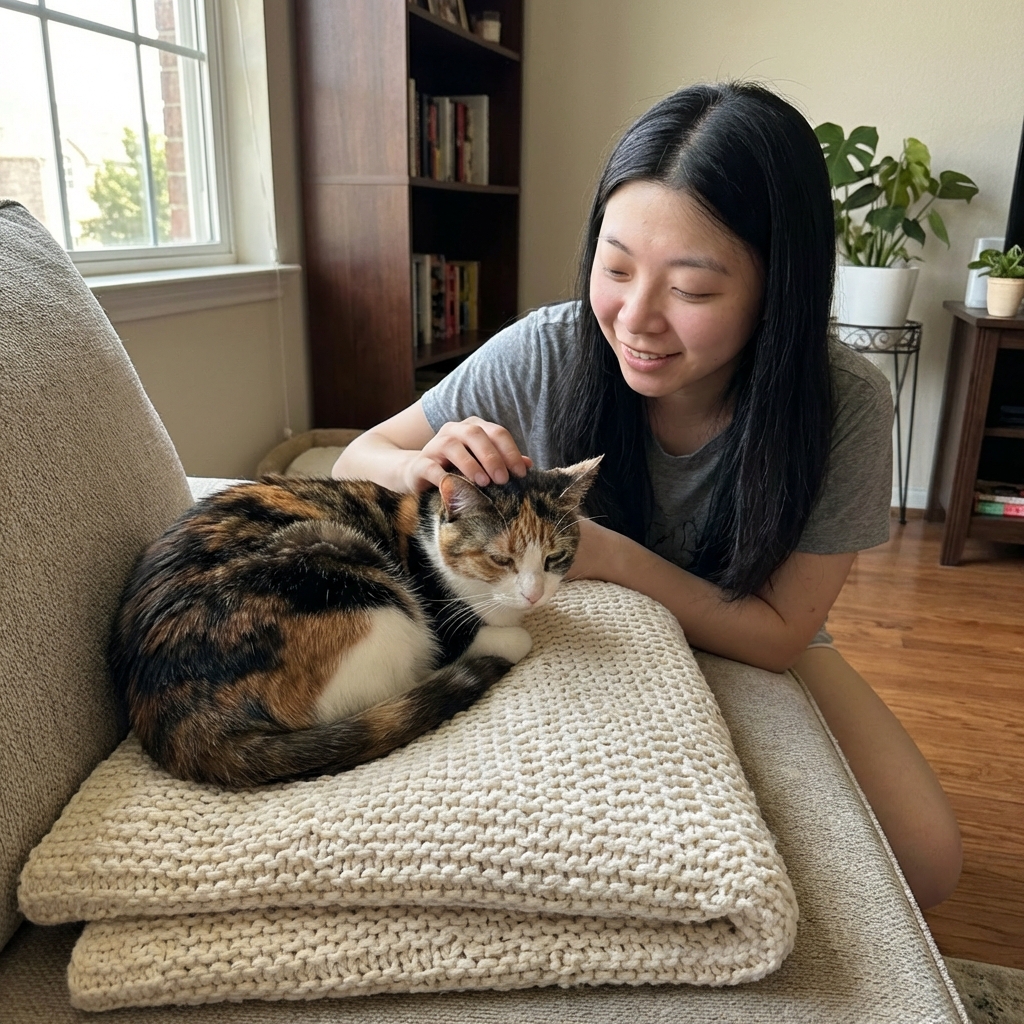
3) Placement of an IV catheter (often)
Once your cat is deeply sedated, the staff may place a small IV catheter, usually in a front leg. This helps the final medication work quickly and smoothly. Some clinics place the catheter before sedation, but many prefer to place it after your cat is already sleepy to reduce stress.
4) The final medication
The euthanasia solution is typically an overdose of an anesthetic medication (often a barbiturate). It works quickly in most cats. After it is given, your cat becomes fully unconscious (if not already), then breathing stops, and the heart stops soon after. This often happens within seconds to a couple of minutes, but in some very ill cats with poor circulation it can take longer. If that happens, it does not mean your cat is suffering. It just means the medication is taking a slower path through the body.
Your veterinarian will listen with a stethoscope and gently confirm when your cat has passed.
5) Time with your cat afterward
You can usually spend as much time as you need in the room afterward. Many families talk to their cat, hold them, pray, sing, or simply sit quietly. There is no “right” way.
If you choose not to be present for the final step, you are not doing anything wrong. You can say goodbye beforehand, and a staff member will stay with your cat and keep them comfortable.
What your cat may feel
This is the question I hear most: “Will my cat feel pain or be scared?”
With appropriate sedation, many cats experience:
- Relief as anxiety and pain ease
- Drowsiness similar to drifting into deep sleep
- Unconsciousness before the final medication takes full effect
If you are worried about distress, tell your veterinarian. You can request deeper sedation first, and you can ask the team to explain how they confirm your cat is fully asleep before proceeding. If your cat shows any sign of awareness, the team can pause and give more medication.
What you might see
Even when a passing is peaceful, the body can do a few things reflexively. Knowing this ahead of time can prevent panic in the moment.
- Eyes may stay open. Cats do not always close their eyes after death.
- Breathing changes. Before passing, breathing may become slow or irregular.
- Small twitches or stretches. These are reflexes, not signs of pain.
- A final big breath. This can happen as the body relaxes, even after unconsciousness.
- Urination or defecation. Muscles relax after death.
- Vocalization. Rare, but it can happen if a cat is disoriented during sedation or if their body reacts to handling or underlying illness. It does not automatically mean pain. If it happens, the team can pause, adjust medication, and keep things calm.
If anything worries you, ask in the moment. Veterinary teams expect questions and will walk you through what you are seeing.
In-home vs. in-clinic
In-home
In-home euthanasia can be calmer for cats who fear travel or the clinic. Your cat can be on a favorite blanket, bed, or sunny spot. If you choose this option, ask the provider what they bring, how long the visit typically takes, and what aftercare they offer.
In-clinic
In-clinic euthanasia is often more accessible and may be best if your cat needs urgent relief, oxygen support, or if a mobile veterinarian is not available. Many clinics do an excellent job creating a quiet, private experience.
Aftercare options
Clinics usually offer several choices. Availability varies by location and local regulations.
- Private cremation: Your cat is cremated individually. Ashes are returned to you.
- Communal cremation: Multiple pets are cremated together. Ashes are not returned.
- Home burial: Allowed in some areas. Ask about depth requirements and safety considerations, especially to protect wildlife and other pets.
- Pet cemetery or memorial garden: Some families prefer a dedicated place for visitation.
If you want a paw print, fur clipping, or a memorial item, ask ahead of time so the team can prepare.
How to prepare
- Ask about cost: fees vary by location and by aftercare choice. It is completely okay to ask for an estimate in advance.
- Handle paperwork early: if possible, take care of payment and forms at the beginning so you can leave quietly afterward.
- Bring comfort items: a blanket that smells like home, a favorite toy, or a sweatshirt with your scent.
- Plan your goodbyes: decide who will be present and whether children should attend. If children are involved, use simple, honest language.
- Consider a last “yes day”: a bit of tuna, a sunny nap outside (supervised), extra brushing, or quiet cuddles.
- Ask about food: some clinics encourage favorite treats beforehand, while others prefer an emptier stomach depending on the sedation plan. A quick call can prevent stress on the day.
- Ask about timing: request an appointment at a quieter time of day if possible.
- Drive safely: you may be emotional afterward. If you can, have someone come with you.
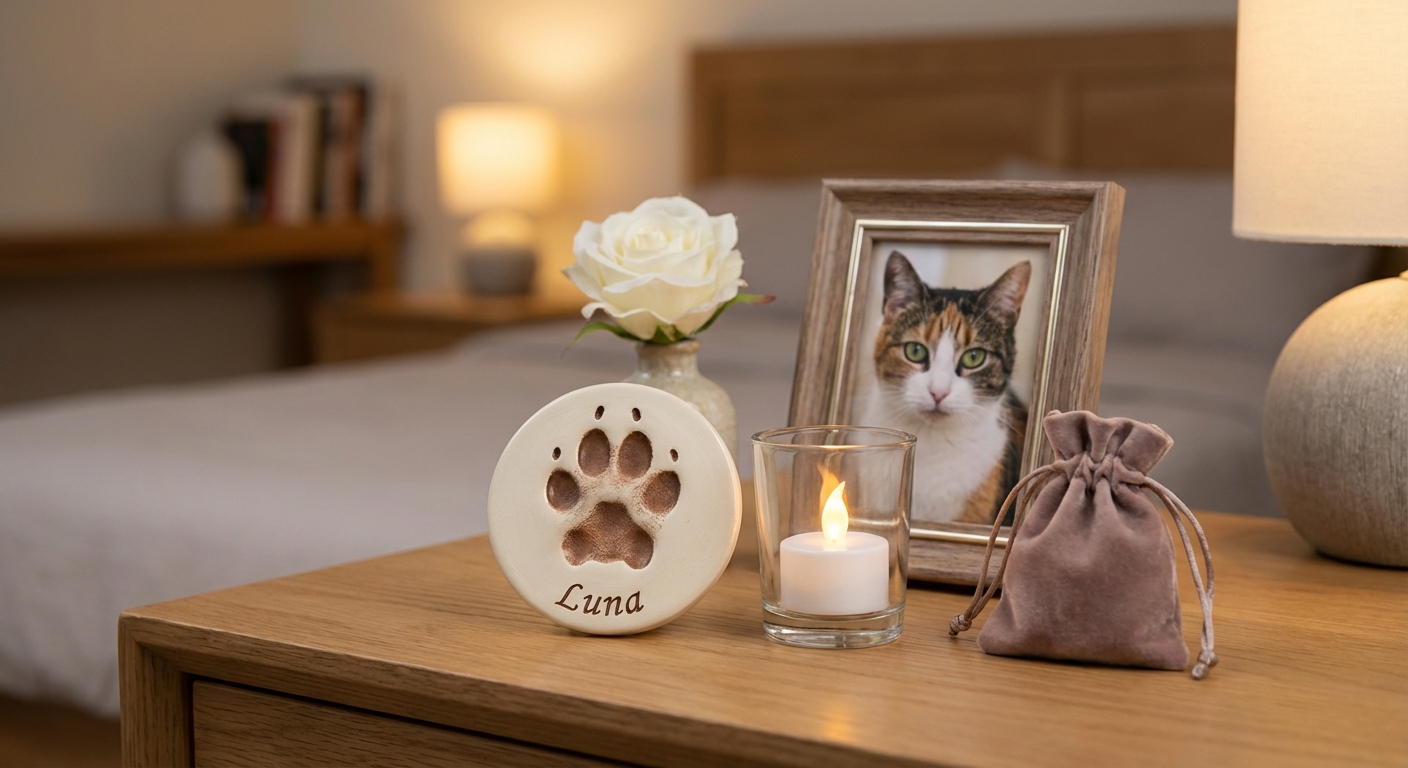
Grief after euthanasia
Grief can show up as sadness, guilt, numbness, or even relief that suffering has ended. All of it is normal. Many people replay the decision over and over. If that is you, try to return to the reason you chose euthanasia: love and protection.
When you get home, go gently with yourself. Some people put away bowls and bedding right away. Others keep everything the same for a while. There is no correct timeline. If you have other pets, you may notice searching, clinginess, or changes in appetite. Extra routine and reassurance can help.
If you are struggling, consider a pet loss support group, a therapist familiar with grief, or a veterinary school pet loss hotline. Your veterinary clinic may also have local recommendations.
When to call your vet
If you are debating timing, call your vet promptly if your cat has:
- Open-mouth breathing, severe respiratory effort, or blue or pale gums
- Uncontrolled pain (crying, panting, hiding, unable to rest)
- Repeated vomiting with inability to keep water down
- Collapse, seizures, or profound weakness
- No urination, straining, or a blocked urinary tract (especially male cats)
These situations can become emergencies quickly, and your veterinarian can help you choose the safest, kindest next step.
A gentle closing thought
If you are making this decision, it is because you love your cat and you are trying to prevent suffering. A peaceful euthanasia is, in many cases, one of the kindest gifts we can offer at the end of a life well loved.
If you want, tell your veterinarian what matters most to you, such as a calm room, extra sedation, more time, handling paperwork early, or specific memorial options. We truly want to help you and your cat through this with as much comfort and dignity as possible.