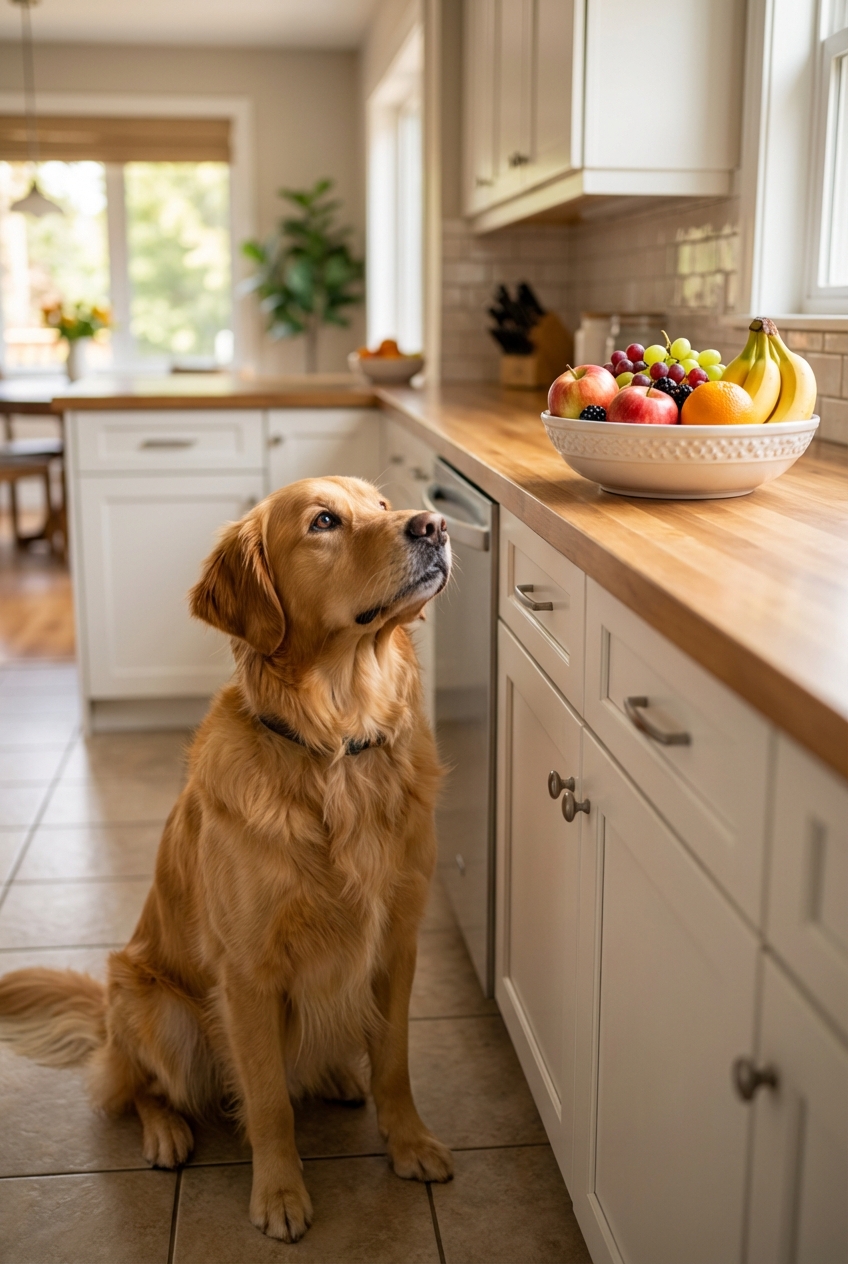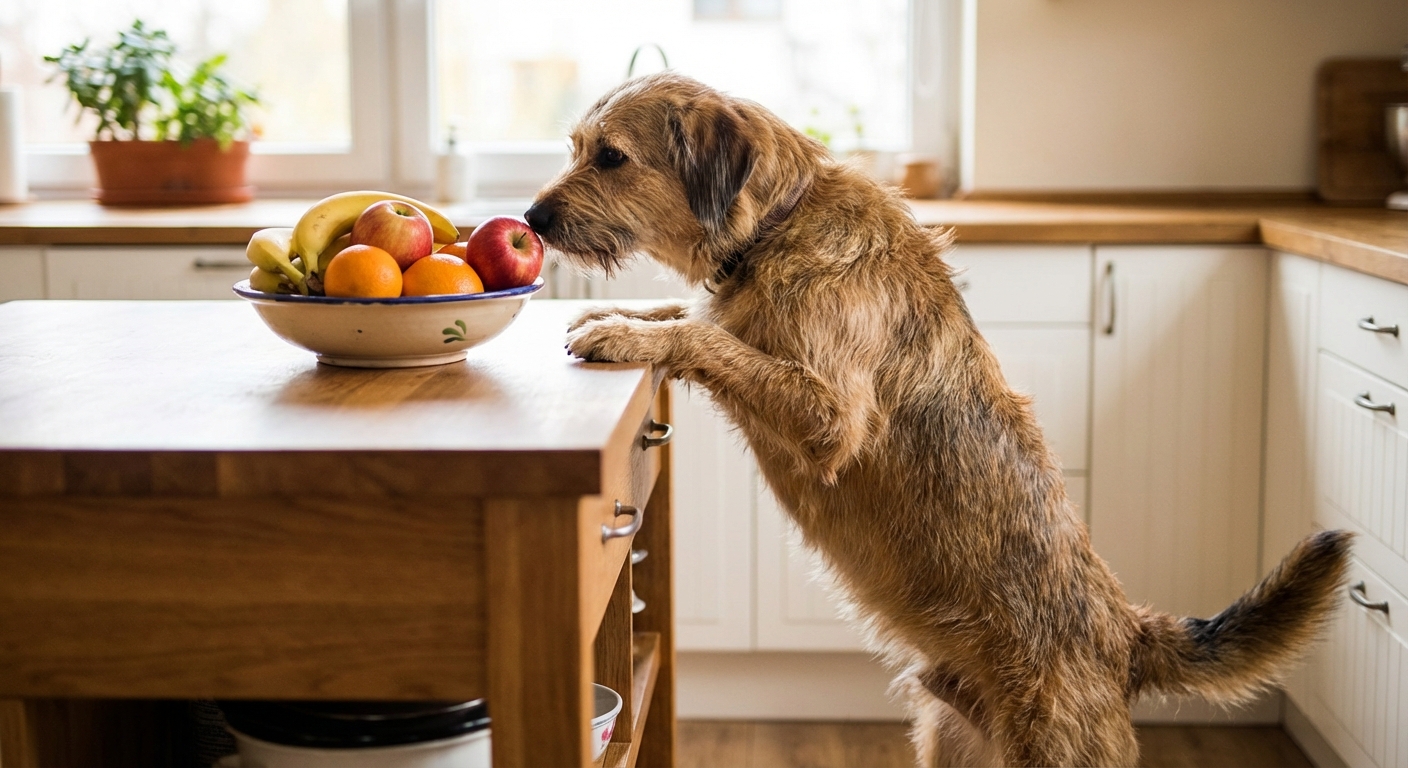
A practical guide to dog-safe fruits with portion sizes for tiny to large dogs, smart prep steps (remove pits, seeds, rinds), and urgent avoid list: grapes, ...
Article
•
Designer Mixes
What Fruits Can Dogs Have

Shari Shidate
Designer Mixes contributor
As a veterinary assistant here in Frisco, Texas, I hear this question all the time: “What fruits can my dog have?” The encouraging answer is that many fruits can be a healthy addition to your dog’s diet when you choose the right ones, serve them safely, and keep portions small.
Fruit is not a “must” for every dog, but it can be a smart way to add hydration, fiber, antioxidants, and variety, especially if you are trying to replace processed treats with whole foods. Just remember that fruit (and all treats) should not replace a complete and balanced diet, and dogs on prescription diets should get the green light from their veterinarian first.
Quick rules for feeding fruit safely
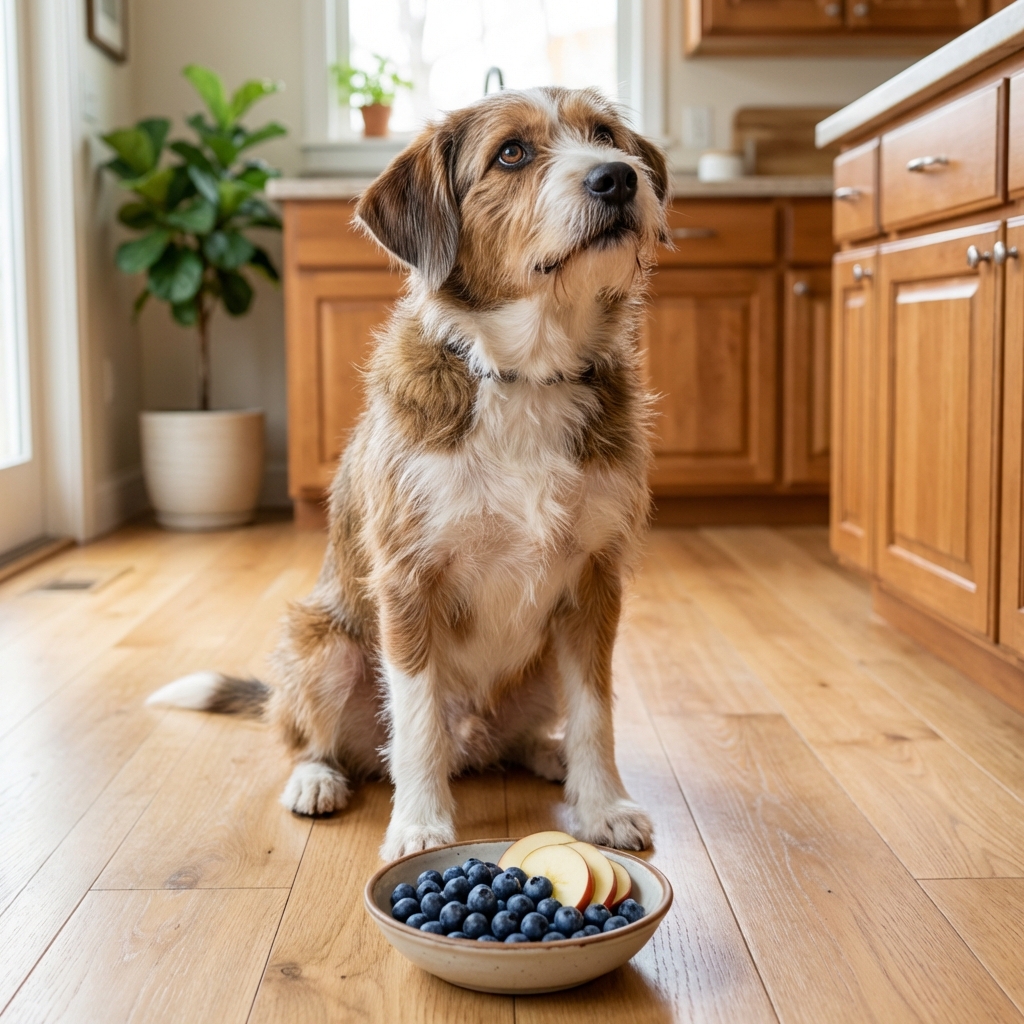
Before we get to the fruit list, these basic rules prevent most problems I see in clinic.
- Keep treats (including fruit) to 10% or less of daily calories. This is a common veterinary nutrition guideline for treats overall. Too much fruit can cause diarrhea, gas, or unwanted weight gain.
- Introduce one new fruit at a time. Start with a small bite and watch for any new stomach upset, itching, or ear changes over the next few days. If anything flares, stop and check in with your vet.
- Cut it small. Round, firm fruits are a common choking hazard, especially for fast eaters and small dogs.
- Remove pits, seeds, and cores. They can be choking hazards, irritate the gut, or contain compounds that are unsafe. Choose seedless pieces whenever possible.
- Skip added sugar and “fruit flavored” products. Dried fruit, fruit cups in syrup, and baked goods are usually sugar-heavy and can cause GI upset. Also avoid “sugar-free” items. Some contain xylitol, which is extremely toxic to dogs.
- When in doubt, ask your vet. This is especially important for dogs with diabetes, a pancreatitis history, food allergies, kidney disease, or dogs taking long-term medications.
Best fruits for dogs
These are generally dog-friendly choices when served plain and in appropriate portions.
Apples (no core or seeds)
Apples are crisp, hydrating, and a nice source of fiber. Slice thin for small dogs and always remove the core and seeds. The core can be a choking risk and may upset the stomach if swallowed in bigger pieces.
Blueberries
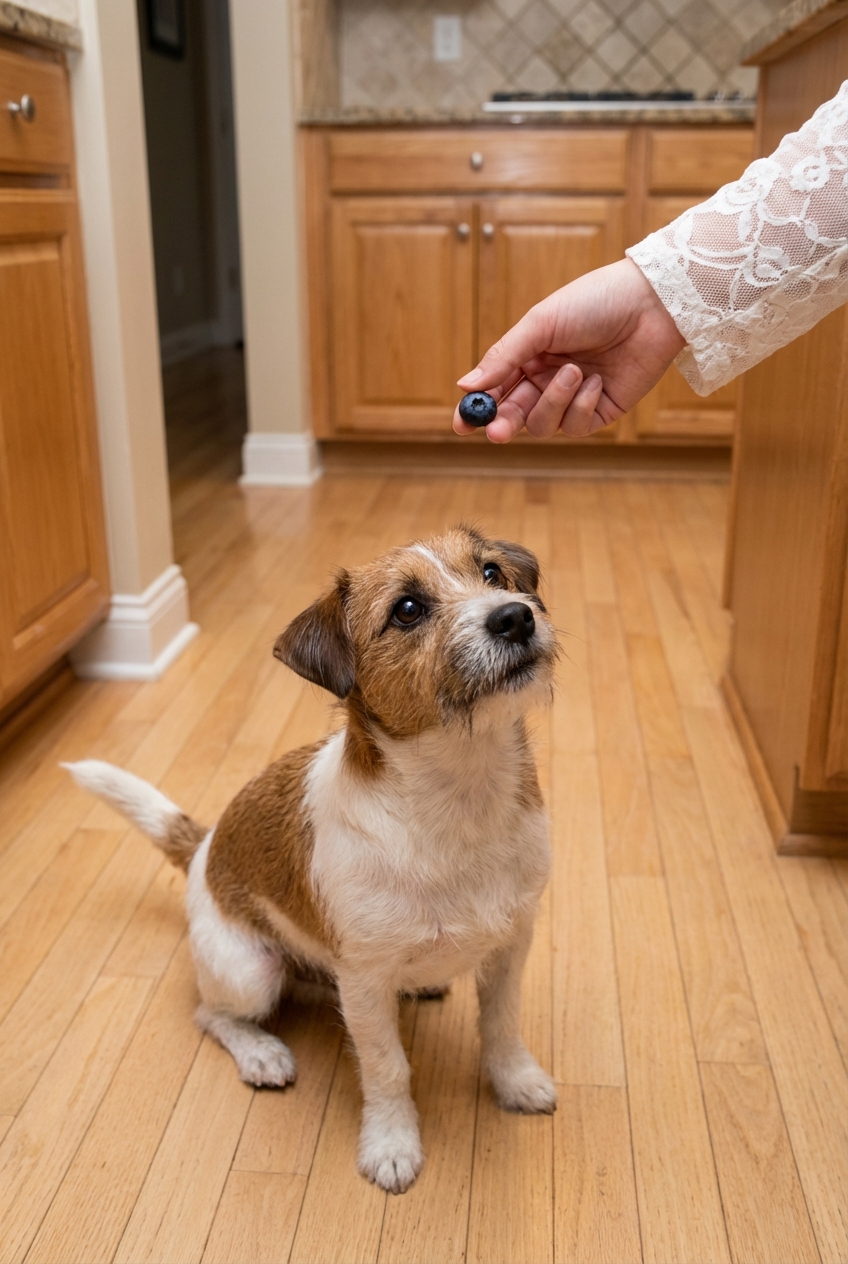
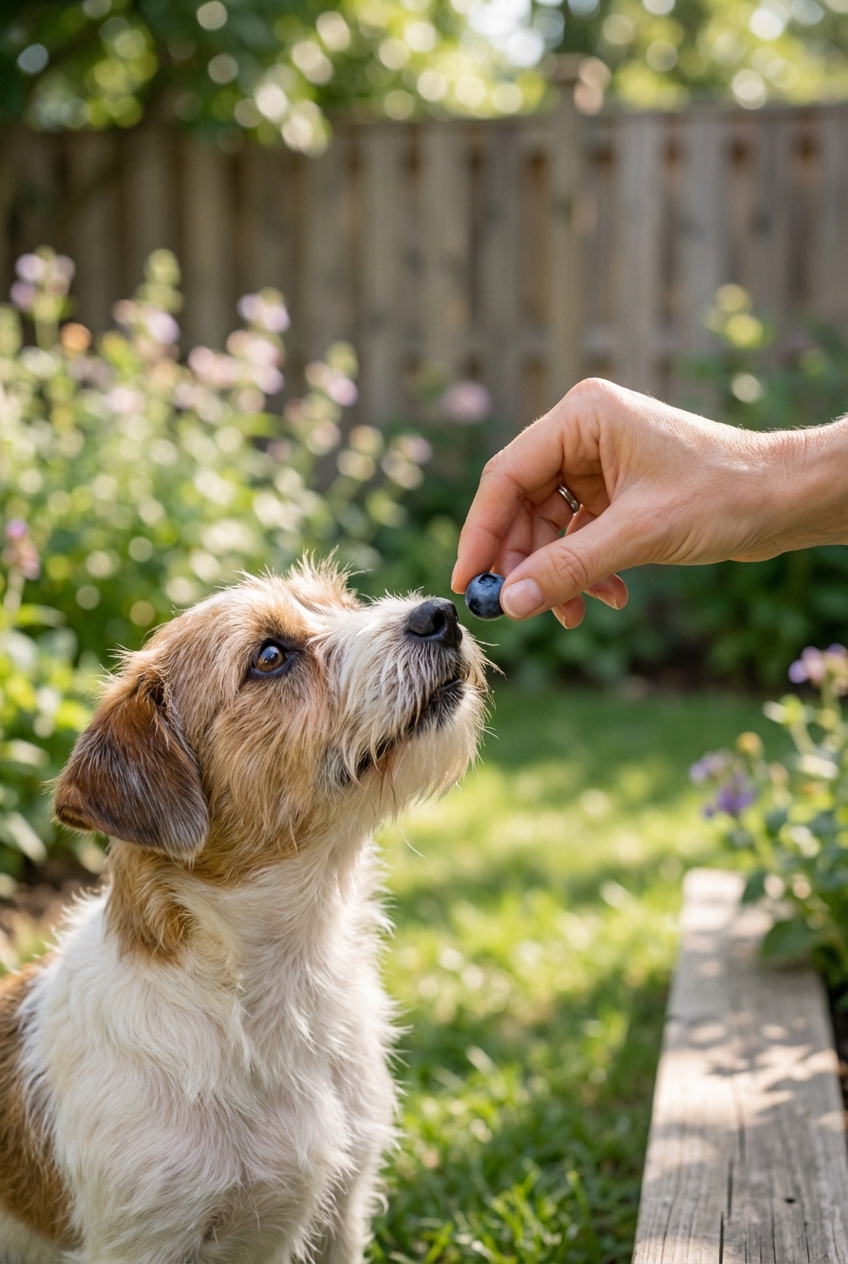
Blueberries are one of my favorite training treats. They are small, low-calorie, and packed with antioxidants.
Strawberries (no stems)
Strawberries add vitamin C and fiber. Wash well and remove stems. If your dog is sensitive, start with a small amount because the fiber can loosen stools at first.
Bananas (small amounts)
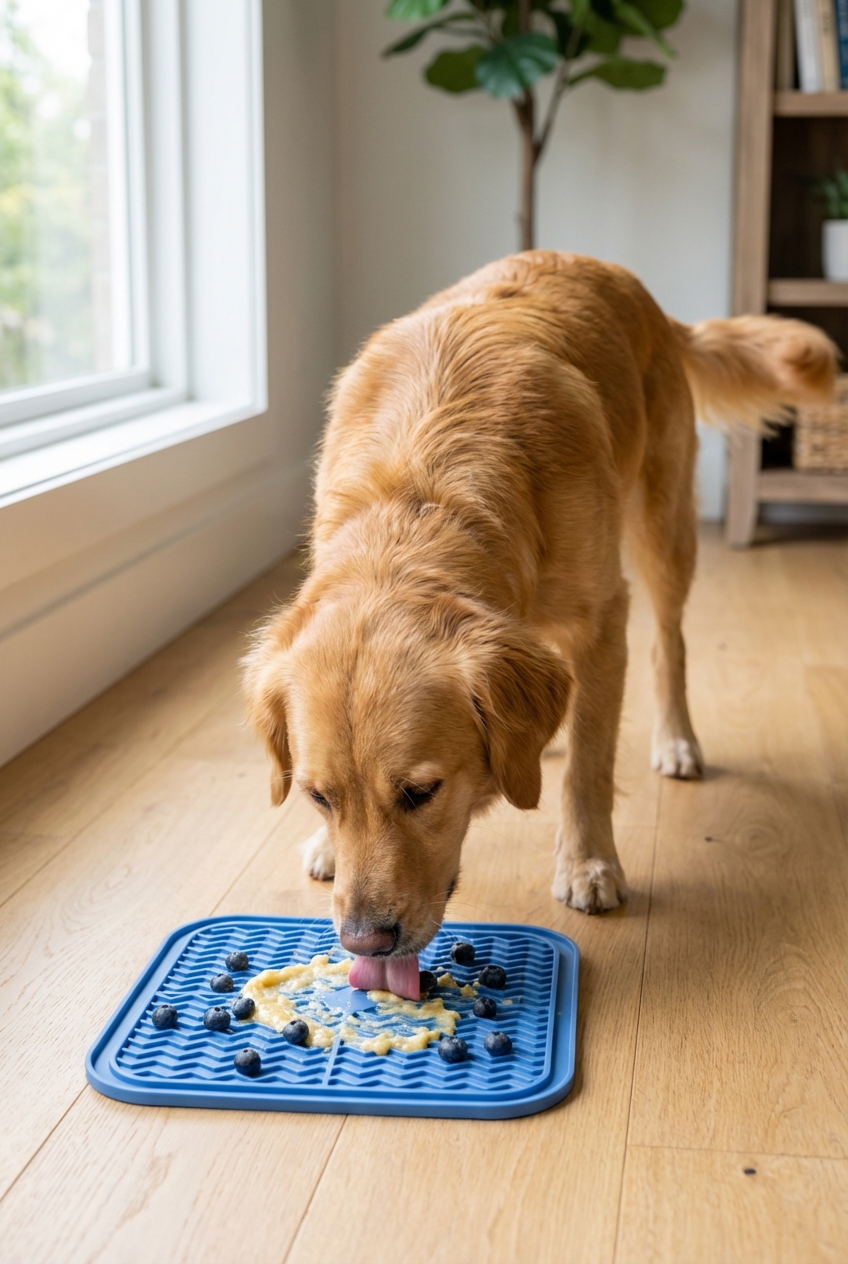
Bananas are higher in sugar and starch, so think “tiny treat,” not a bowlful. Great for stuffing a lick mat or mixing into homemade frozen treats.
Watermelon (no rind, no seeds)
Watermelon is fantastic for hydration in warm Texas weather. Remove the rind and seeds to avoid GI upset or blockage.
Cantaloupe and honeydew
These melons are also hydrating. Because they are sweet, keep portions modest, especially for dogs that gain weight easily.
Pears (no seeds)
Soft, easy to chew, and gentle for many dogs. Remove seeds and serve in small cubes.
Mango (no pit, peeled)
Mango is nutrient-dense but rich. Offer a small cube or two and skip the pit and skin.
Peaches and nectarines (no pit)
The flesh is typically fine in small amounts, but the pit is a serious hazard. Do not give canned versions in syrup.
Pineapple (small amounts)
Fresh pineapple can be fine in small bites. It is acidic, so some dogs get tummy upset if they eat too much.
Raspberries, blackberries, cranberries (small amounts)
Berries are generally a great choice. Cranberries are tart, so many dogs only tolerate them mixed into something else. Avoid sweetened dried cranberries.
Fruits dogs can have in small amounts
These fruits are not automatically “bad,” but they are common troublemakers if served too much or without prep.
- Oranges and mandarins: A few segments are usually fine, but the acidity and sugar can trigger GI upset. Remove peel and seeds.
- Kiwi: Small amounts are typically okay, but the fuzzy skin can irritate some dogs. Peel it and offer a small slice.
- Cherries: The pits and stems are the big concern. Many store-bought cherries are hard to pit safely, and swallowing multiple pits can cause choking or an intestinal blockage. If you cannot guarantee pit-free fruit, skip cherries entirely.
- Tomatoes: Technically a fruit. Ripe tomato flesh in small amounts is usually okay, but avoid unripe green tomatoes and the plant parts (stem and leaves), which contain solanine and tomatine.
Fruits dogs should never eat
These are the big “no” items I want every pet parent to remember.
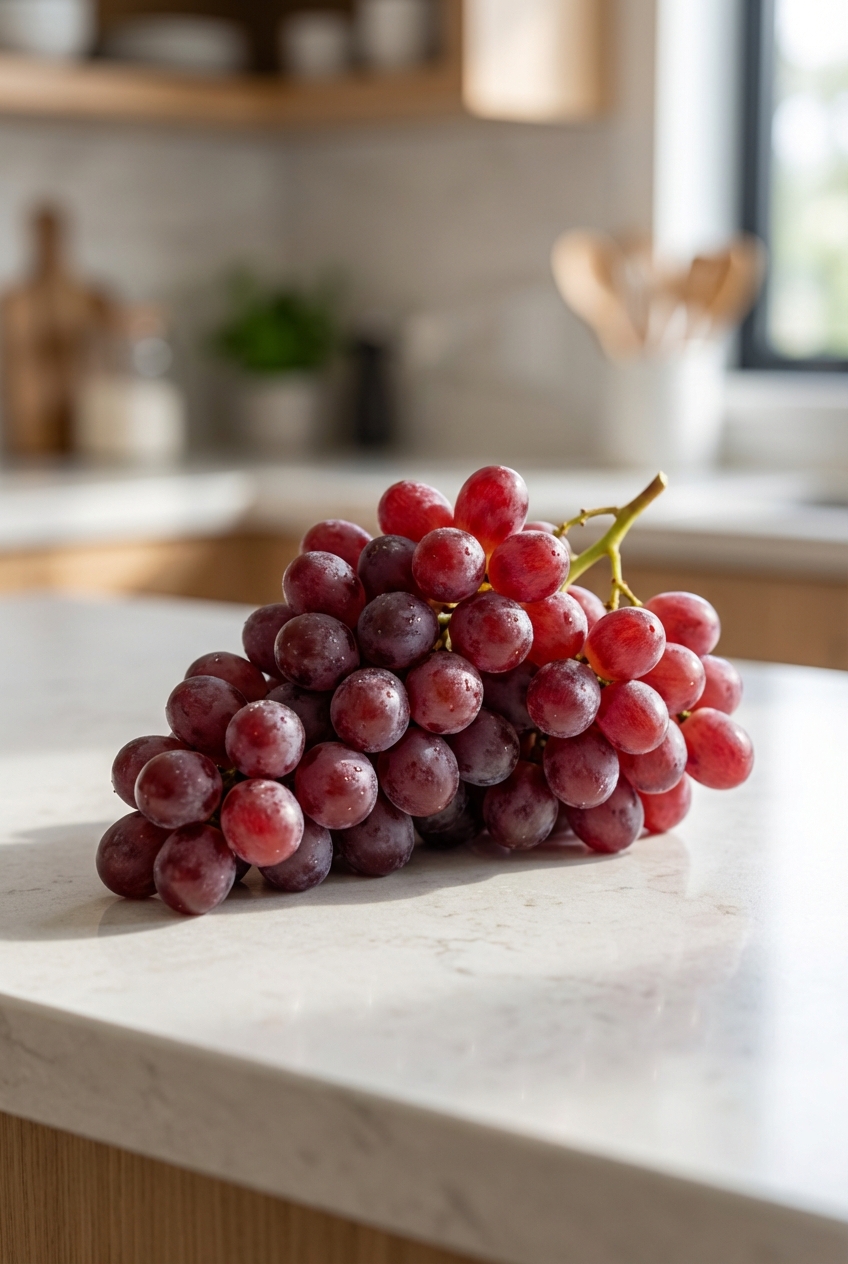
- Grapes and raisins: Can cause acute kidney failure in some dogs, and we still cannot predict which dogs will be affected or by how much. Treat this as an emergency.
- Currants (including Zante currants): Often grouped with raisins in toxicity concerns. Avoid.
- Avocado: Avocado is not consistently “toxic” to dogs the way grapes are, but it is still not a fruit I recommend. It is fatty (which can trigger GI upset and may be risky for dogs prone to pancreatitis), and the pit is a dangerous choking and obstruction hazard.
- Star fruit (carambola): Limited data in dogs, but it has been associated with serious problems in people with kidney disease. Out of caution, it is best avoided, especially for dogs with kidney issues.
If your dog eats grapes or raisins, call your veterinarian or an animal poison hotline immediately. Do not “wait and see.”
How much fruit can a dog have?
Portion size depends on your dog’s size, activity level, and health. Here are practical starting points for healthy dogs.
- Tiny dogs (under 10 lb): 1 to 2 small bites total
- Small dogs (10 to 25 lb): 2 to 4 small bites total
- Medium dogs (25 to 60 lb): a small handful (think 4 to 8 blueberries or a few small cubes of melon)
- Large dogs (over 60 lb): a handful max (for example, 8 to 12 blueberries or 4 to 6 small melon cubes), still treat-sized, not a side dish
If your dog has diabetes, fruit may need to be limited or chosen carefully. If your dog has had pancreatitis, focus on simple, low-fat treats and talk with your veterinarian before adding new foods.
Best ways to serve fruit
Fruit can be more than a snack. These options keep it fun and help prevent overfeeding.
Fresh, chopped, and plain
Simple is best. Wash thoroughly, remove seeds and pits, and cut into bite-sized pieces.
Frozen fruit treats
Frozen blueberries or a few frozen strawberry slices can be soothing and slow your dog down. Super helpful for dogs that inhale treats.
Mix into meals carefully
If you feed homemade or fresh food, fruit can be part of the “extras” category. Just remember, too many extras can unbalance the overall diet. If your dog is on a prescription diet, check with your vet before adding toppers.
Easy frozen snack idea
Blend plain goat milk or plain yogurt (no xylitol, no artificial sweeteners) with a small amount of banana and strawberries, then freeze in silicone molds. Offer as an occasional treat.
Signs a fruit is not agreeing with your dog
Even safe fruits can cause issues in individual dogs. Stop the fruit and check with your vet if you notice:
- Vomiting or diarrhea
- Gas, belly discomfort, or straining
- Itchy skin, paw licking, or recurrent ear redness
- Behavior changes like restlessness or lethargy after eating
And of course, if your dog eats a toxic fruit (like grapes or raisins) or shows severe symptoms, seek veterinary care right away.
Fruit checklist you can save
Usually safe
- Apples (no seeds, no core)
- Blueberries
- Strawberries (no stems)
- Bananas (small amounts)
- Watermelon (no rind, no seeds)
- Cantaloupe, honeydew
- Pears (no seeds)
- Mango (no pit, peeled)
- Peach or nectarine (no pit)
- Pineapple (small amounts)
- Raspberries, blackberries (small amounts)
Never
- Grapes
- Raisins
- Currants
- Avocado
- Star fruit
Fruit not listed? Do not guess. Check with your veterinarian or contact a pet poison resource before offering it.