A vet assistant’s guide to safe fruit treats for dogs: 20 dog-friendly fruits, simple prep rules (no pits/seeds), portion tips by size, and a quick list of...
Article
•
Designer Mixes
What Fruits Can Dogs Eat Safely?

Shari Shidate
Designer Mixes contributor
As a veterinary assistant here in Frisco, Texas, I get this question constantly: “Can my dog have some of my fruit?” The answer is often yes, but with a few important rules. Some fruits are wonderful, whole-food treats packed with fiber, antioxidants, and hydration. Others can cause choking, stomach upset, or even life-threatening toxicity.
Below is a practical, evidence-based guide to help you choose safe fruits, serve them the right way, and avoid the ones that are dangerous.
Quick fruit safety rules
- Fruit is a treat, not a meal. Keep treats (including fruit) to about 10% or less of your dog’s daily calories.
- Start small. New foods can trigger diarrhea, gas, or vomiting, especially in sensitive dogs.
- Remove pits, seeds, and tough skins. They can be choking hazards or cause GI blockage. Some pits also contain cyanogenic compounds.
- Cut to dog-appropriate sizes. Tiny dogs need tiny pieces. Large dogs can still choke on round fruits.
- Skip added sugar. No syrups, fruit cups, candied fruit, or sweetened dried fruit.
- Be careful with “sugar-free.” Sugar-free products can contain xylitol (also called birch sugar), which is extremely dangerous for dogs.
- Be extra careful if your dog has diabetes, pancreatitis, or obesity. Ask your veterinarian for a treat plan that fits your dog’s medical needs.
Safe fruits for dogs (best picks)
These fruits are generally safe for healthy dogs when served plain, in small portions, and prepared correctly.
Blueberries
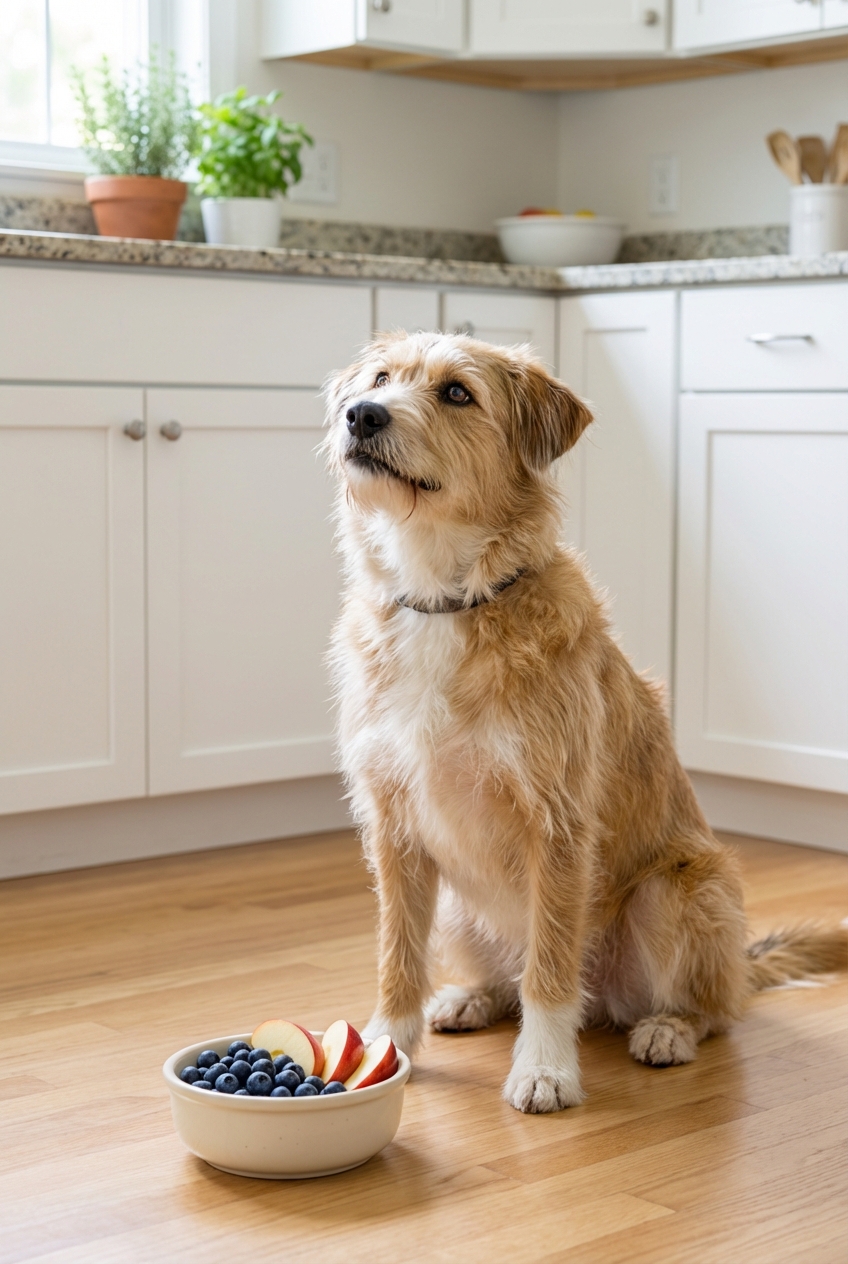
A superstar option. Blueberries are bite-sized for many dogs and provide antioxidants and fiber. Serve fresh or frozen.
Apples
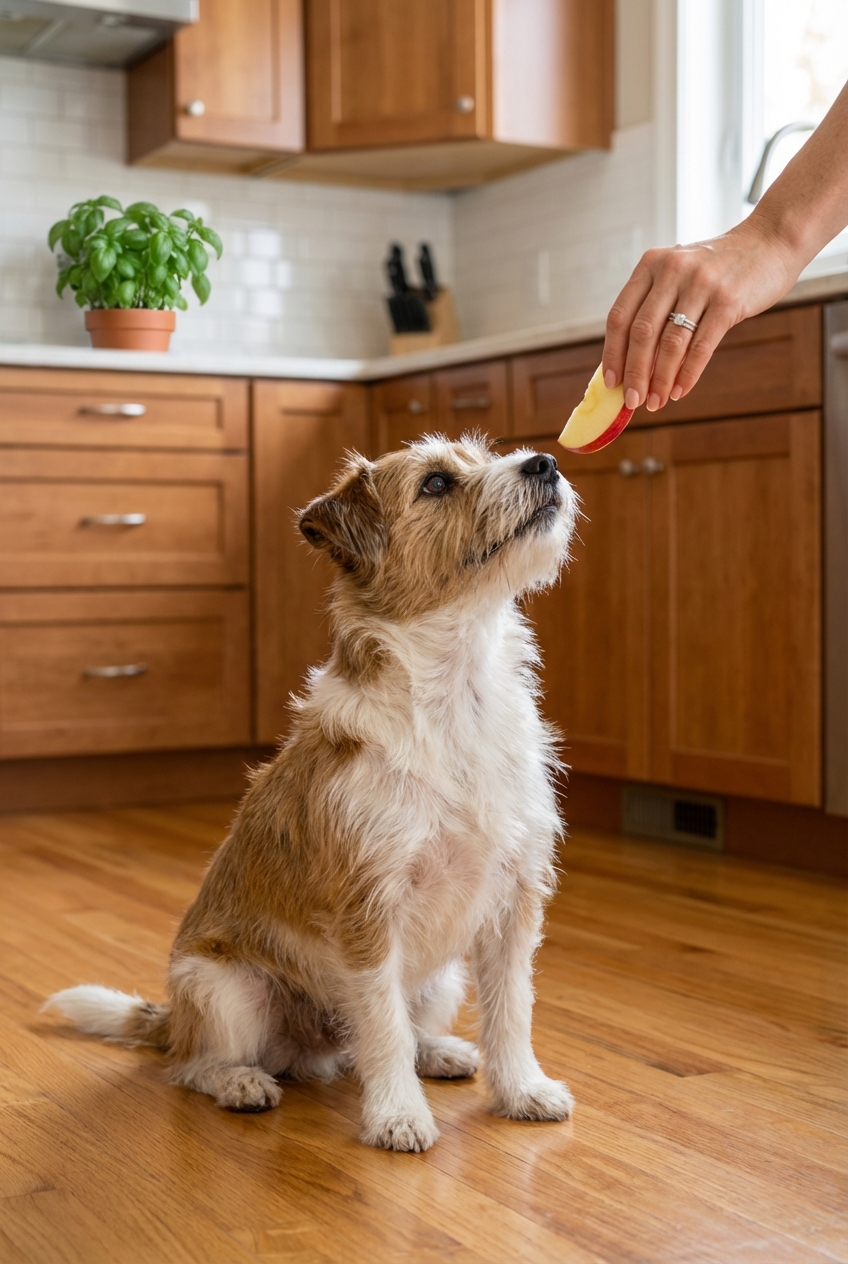
Crunchy, hydrating, and usually a hit. Remove the core and seeds, then slice thinly. Apple seeds contain amygdalin, which can release cyanide when chewed, so it is best to avoid them entirely.
Bananas
Soft and easy to portion. Bananas are higher in sugar than berries, so think of them as an occasional treat. Great for stuffing into a toy or freezing into small bites.
Strawberries
Offer fresh, washed strawberries with the stems removed. Frozen strawberry pieces can be a fun summer treat.
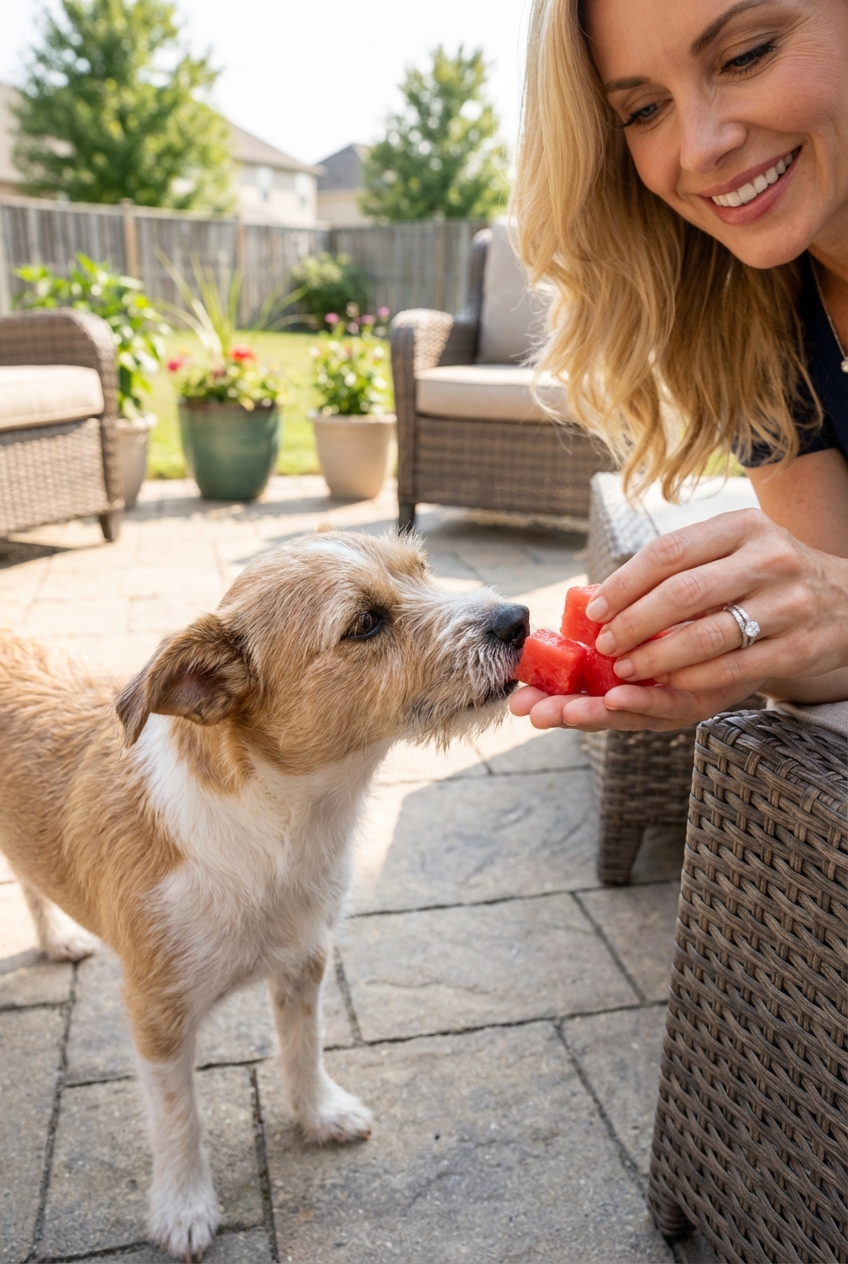
Watermelon
Hydrating and refreshing. Remove the rind and seeds. The rind is a common cause of vomiting or diarrhea and can contribute to intestinal blockage.
Cantaloupe and honeydew
These melons are typically safe in small amounts. Remove rind and seeds. Because melons are sweet, keep portions modest.
Pineapple
Safe in small pieces as an occasional treat. Choose fresh pineapple. Avoid canned pineapple in syrup.
Mango
Soft, fragrant, and usually very tempting for dogs. Remove the pit and skin and serve a small amount.
Peaches and nectarines
Only if you can do them safely. The fruit itself is fine in small amounts, but the pit must be removed because it is a choking hazard and contains cyanogenic compounds.
Oranges and mandarins
Many dogs like them, some do not. They can be a little acidic, so start with one small segment. Remove peel and seeds. Avoid letting dogs chew on peels, which can irritate the stomach, and keep them away from concentrated citrus oils.
Fruits dogs can eat sometimes
These are not “never” fruits, but they come with extra considerations.
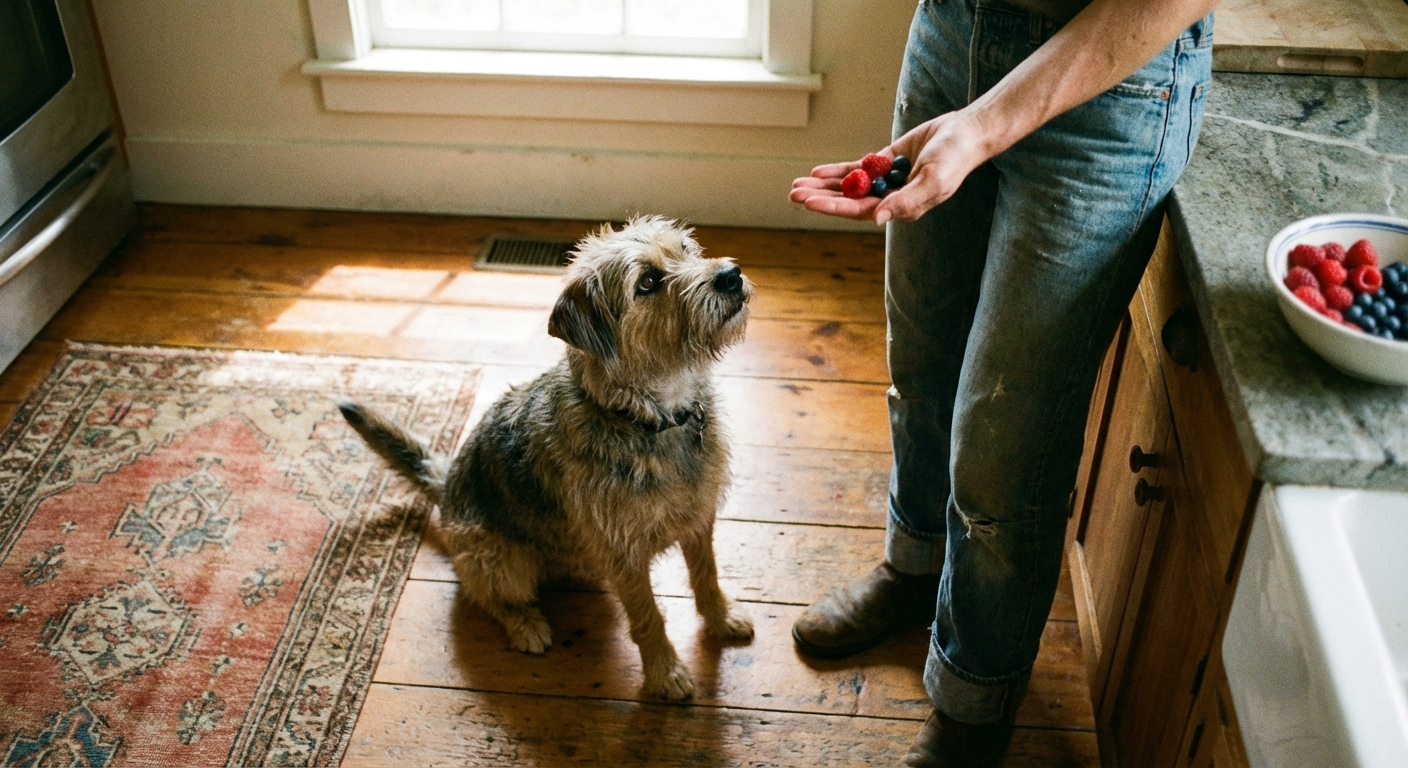
- Raspberries: Fine in small amounts. They contain natural salicylates and can cause stomach upset if overfed.
- Cranberries: Plain fresh or frozen cranberries are generally okay, but many dogs find them very tart. Avoid sweetened dried cranberries.
- Tomatoes: Technically a fruit, but best treated as “use caution.” Ripe tomato flesh in small amounts is usually okay, but green parts (stems, leaves, unripe fruit) contain glycoalkaloids (for example, tomatine) that can upset the GI tract.
- Dried fruit: Concentrated sugar plus sticky texture. If you use it, choose tiny amounts of unsweetened options and watch calories closely. Never feed raisins, currants, or sultanas (they are all dried grape products).
- Star fruit (carambola): Best avoided, especially in dogs with kidney disease, since it has been associated with kidney and neurologic issues in susceptible individuals.
Fruits that are dangerous
These are the ones I want you to remember. When in doubt, skip it and choose a safer fruit.
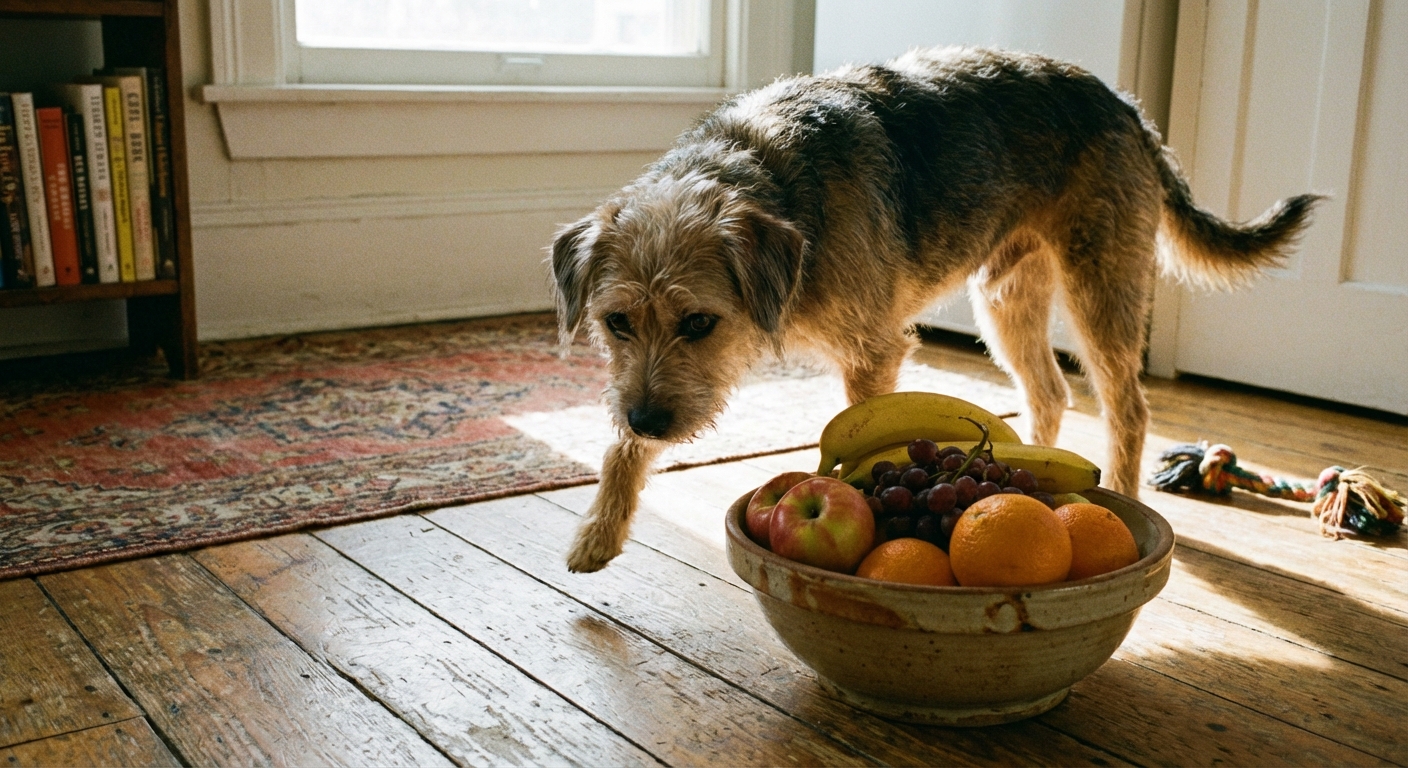
- Grapes and raisins: Do not feed. They can cause acute kidney injury in dogs, and we still cannot predict which dogs will be severely affected or what the toxic dose is.
- Cherries: The flesh is not the biggest issue. The pits, stems, and leaves contain cyanogenic compounds and the pits are a major choking and obstruction risk. Also skip maraschino cherries and other sugary cherry products.
- Avocado: Avocado is high in fat, which can trigger vomiting, diarrhea, and in some dogs may contribute to pancreatitis. Dogs are typically less sensitive to persin than birds and some other species, but reactions vary. The pit and skin are also serious choking and obstruction hazards, so it is safest to avoid.
- Wild berries or unknown fruits: Some are safe, some are not. If you cannot identify it with certainty, do not offer it.
If your dog eats grapes or raisins, treat it as an emergency. Call your veterinarian or a pet poison hotline immediately, even if your dog seems fine.
How much fruit can a dog have?
Portion size depends on your dog’s size, activity level, and health. Here are simple, safe starting points for healthy dogs:
- Toy and small dogs (under 20 lbs): 1 to 2 teaspoons total (for example, 1 to 2 blueberry-sized pieces, or 1 thin apple slice torn into bits).
- Medium dogs (20 to 50 lbs): 1 to 2 tablespoons total (for example, a few berries, or 2 to 3 thin apple slices).
- Large dogs (over 50 lbs): 2 to 4 tablespoons total (for example, a modest scoop of berries, or a few small melon cubes).
If your dog gets loose stool, scale back or pause fruit for a week, then reintroduce in smaller amounts.
Best ways to serve fruit
Simple snack
Washed and cut fruit served plain is the safest approach.
Frozen treats
Freeze blueberries, small banana slices, or seedless watermelon cubes. Frozen treats can slow down fast eaters and add enrichment.
Fruit plus protein
Pair a small amount of fruit with a protein-based snack like plain, unsweetened yogurt (if your dog tolerates dairy) to blunt the sugar load. Important: Always check labels and avoid any yogurt or “sugar-free” products containing xylitol (birch sugar), which can be life-threatening to dogs. Always check calories if weight is a concern.
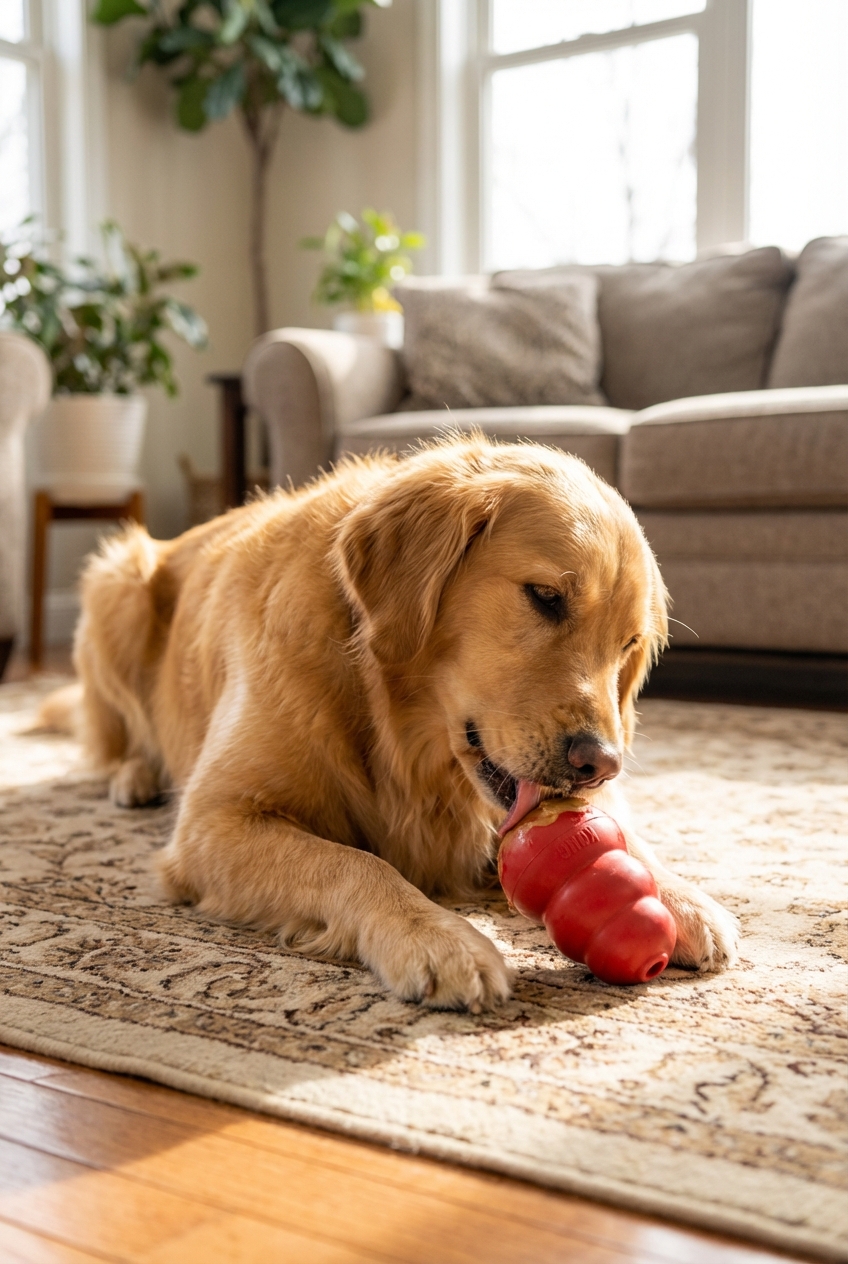
Stuffed toy
Mash a little banana and mix with plain yogurt, then freeze in a food toy for a longer-lasting treat.
Prep checklist
- Wash the fruit
- Remove pits, seeds, rinds, cores, and peels as needed
- Cut into small pieces for your dog’s size
- Introduce slowly and watch stool for 24 hours
When fruit is not a good idea
Talk to your veterinarian before adding fruit if your dog has:
- Diabetes or trouble with blood sugar control
- Pancreatitis history or needs a very low-fat, tightly controlled diet
- Chronic GI issues like inflammatory bowel disease
- Kidney disease, especially if your vet has recommended specific dietary restrictions
- Food allergies or frequent ear and skin flare-ups
Fruit seems “healthy,” but for some dogs, the best treat is simply a measured portion of their regular balanced diet or a vet-approved snack.
Signs your dog did not tolerate a fruit
Stop the fruit and contact your veterinarian if you notice:
- Vomiting, diarrhea, excessive gas, or belly pain
- Itching, facial swelling, hives, or sudden ear irritation
- Choking, repeated gagging, or trouble swallowing
- Lethargy, tremors, or unusual behavior
And if grapes or raisins are involved, do not wait for symptoms. Get help immediately. You can also contact a pet poison service such as ASPCA Animal Poison Control or Pet Poison Helpline for urgent guidance.
Fruit cheat sheet
- Great options: blueberries, apples (no core or seeds), strawberries, watermelon (no rind or seeds), bananas (small amounts)
- Sometimes: pineapple, mango (no pit), peaches and nectarines (no pit), oranges (small amounts)
- Never: grapes, raisins, currants, sultanas
- Best avoided: cherries (pit and plant parts risk), avocado (high fat plus pit hazard), star fruit
If you want, I can help you choose fruit treats based on your dog’s breed mix, age, weight, and any health concerns. A little personalization goes a long way.