Vet-assistant guide to dog-safe fruits and veggies, with simple portion rules, prep tips, and a clear avoid list (grapes/raisins, onions/garlic, pits).
Article
•
Designer Mixes
What Fruits and Vegetables Can Dogs Eat?

Shari Shidate
Designer Mixes contributor
If you have ever looked at your dog watching you chop strawberries or crunch carrots and thought, “Can I give you some?”, you are not alone. Fruits and vegetables can be a fun, healthy add-on for many dogs, but the details matter. Some produce is wonderfully nourishing, and some can be dangerous even in small amounts.
As a veterinary assistant here in Frisco, Texas, I always encourage pet parents to take a simple, steady approach: start with safe options, serve them the right way, and treat produce like a supplement to a balanced diet, not the main course.

Quick rules before you share
- Think “treat,” not “meal.” For most dogs, fruits and veggies should make up a small portion of daily calories. Too much can cause diarrhea, gas, or unwanted weight gain.
- Go slow. Start with 1 to 2 small bites and watch for soft stool, vomiting, itching, or stomach upset over the next 24 to 48 hours.
- Wash well and remove seeds, pits, cores, and rinds. Many choking or obstruction emergencies come from pits, cores, and tough skins, not the flesh itself.
- Plain is best. No butter, oil, salt, seasoning blends, onion powder, or garlic powder.
- Cut to the right size. Bite-sized pieces reduce choking risk, especially for small dogs and “gulper” dogs.
- Double-check anything “sugar-free.” Some sugar-free products contain xylitol, which is highly toxic to dogs.
Best fruits for dogs (safe choices)
These are commonly dog-safe fruits when served in appropriate portions. For dogs with diabetes, a history of pancreatitis, or weight concerns, talk with your veterinarian first because fruit sugar can add up fast.
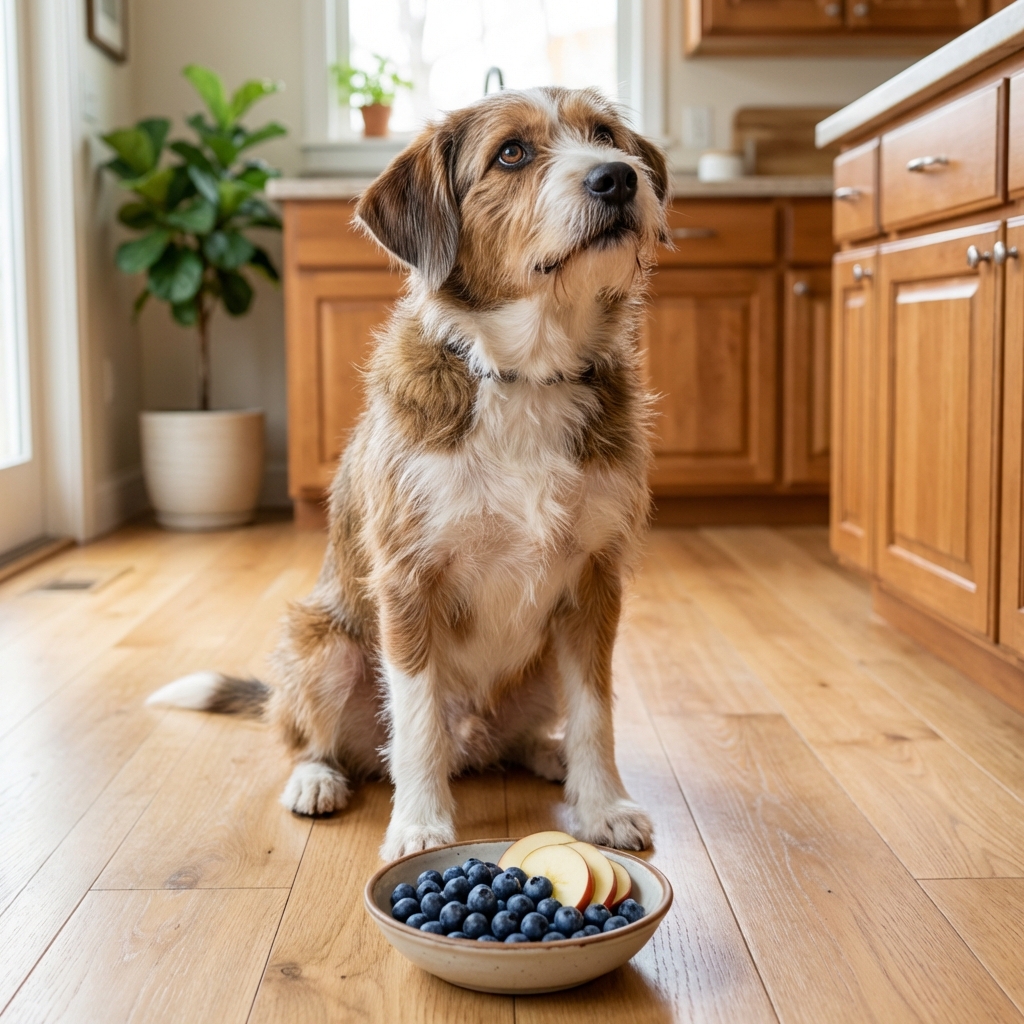
Apples
Crunchy, hydrating, and usually well tolerated. Remove the core and seeds (seeds contain cyanogenic compounds). A small accidental nibble is unlikely to cause toxicity, but it is still best to avoid seeds as a rule.
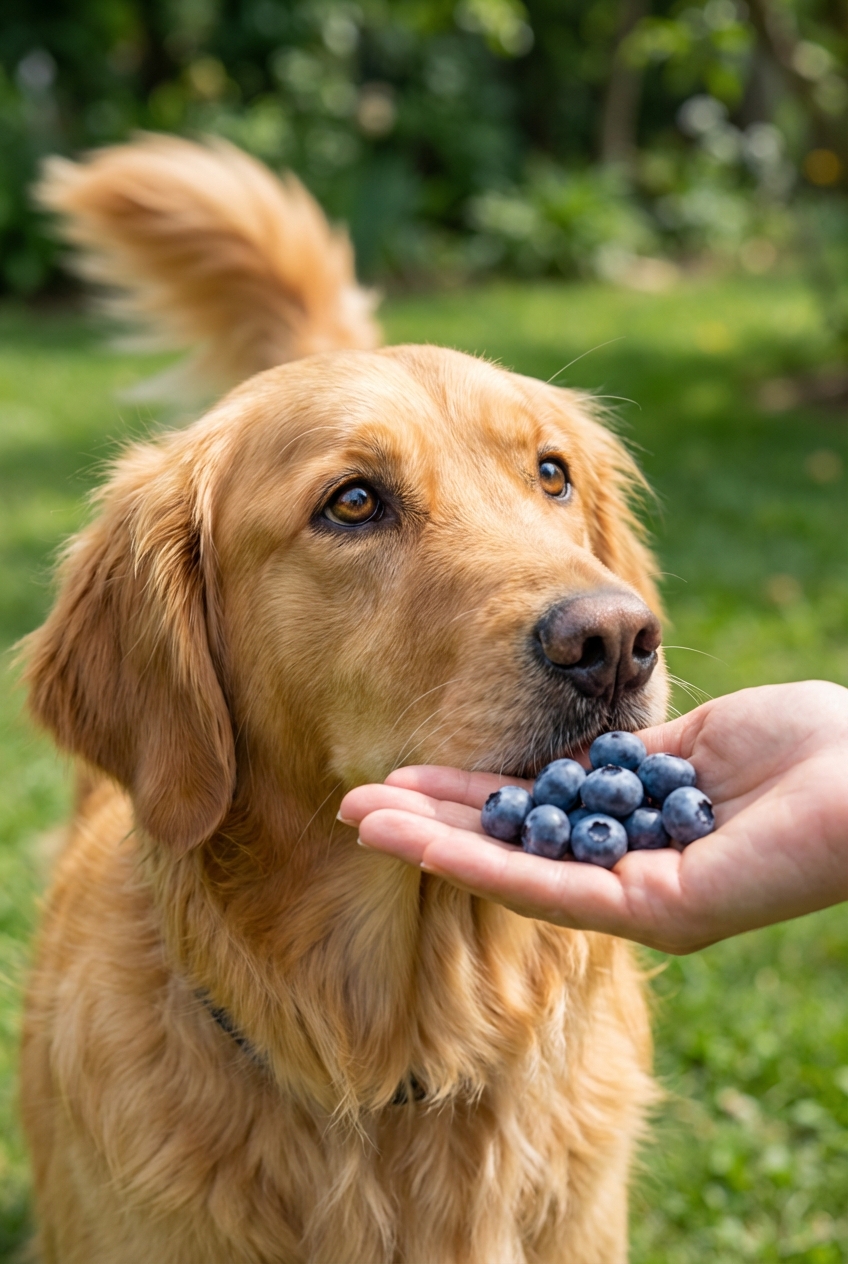
Blueberries
One of my favorite training treats. Small, easy to portion, and packed with helpful plant nutrients. Great fresh or frozen.
Banana
Soft and easy on many stomachs, but higher in sugar than most people realize. Think a few small slices, not half a banana.
Watermelon
Excellent hydration treat in Texas heat. Serve seedless and remove the rind to reduce stomach upset and blockage risk. A few swallowed seeds are usually more of a tummy issue than a toxicity issue, but I still recommend going seedless when you can.
Strawberries
Fun, sweet, and easy to dice. Wash well and offer small pieces. Skip anything dipped in chocolate. Also avoid sugar-free coatings or syrups because they may contain xylitol.
Peaches and pears
The flesh is typically fine in small portions. Pits and seeds are the big hazard due to choking, obstruction, and toxic compounds in pits.
Mango and pineapple
Both can be okay in small amounts. Remove the mango pit and tough skin. With pineapple, stick to small pieces and keep it occasional due to sugar and fiber.
Oranges (small amounts)
A little peeled orange can be fine for some dogs, but citrus can upset sensitive stomachs. Avoid the peel and seeds, and skip it entirely if it triggers reflux or diarrhea.
Seedless cucumber
Technically a fruit, and a wonderfully low-calorie crunchy snack for dogs who love “fresh” foods.
How much fruit is too much?
A practical guideline is to keep fruit as an occasional treat and generally under about 10 percent of what your dog eats for the day. If your dog’s stool gets soft, reduce the amount or pause and reintroduce more slowly.
Best vegetables for dogs (safe choices)
Many vegetables are lower in sugar than fruit and can be easier to use as everyday rewards. Some dogs digest lightly cooked veggies better than raw, especially fibrous options.
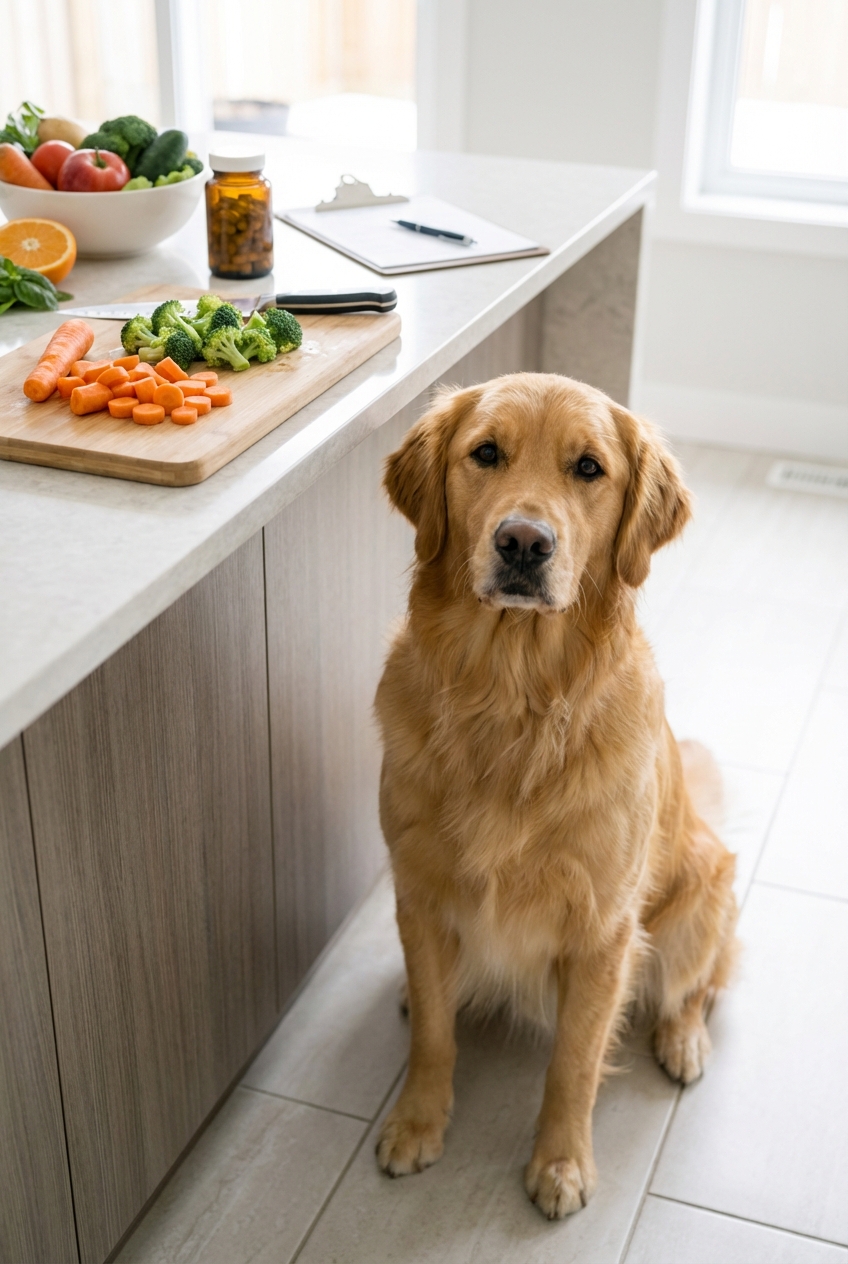
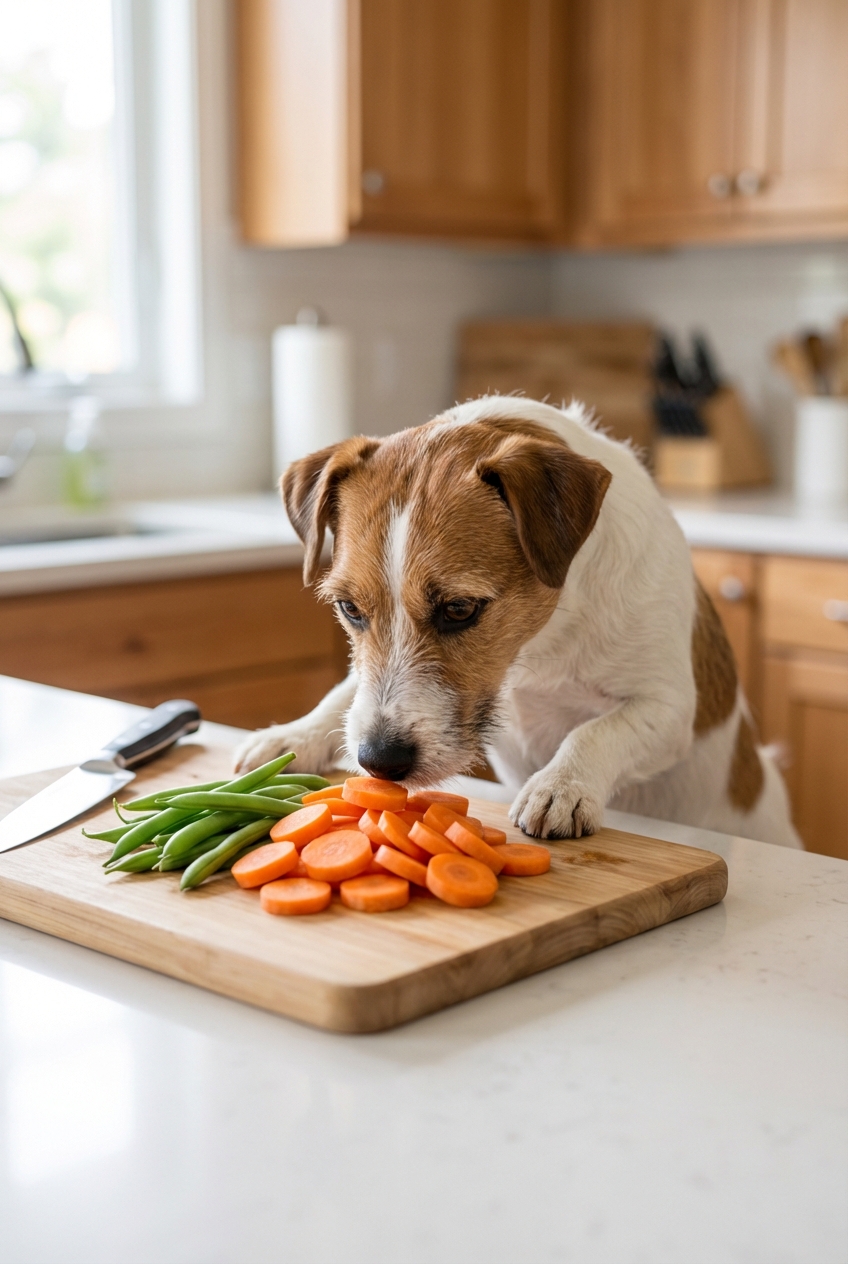
Carrots
Great for crunching and can help satisfy snack cravings. Serve raw sticks only if your dog chews well. Otherwise, offer thin slices or lightly steamed pieces.
Green beans
A classic “healthy add-on” that is filling and lower calorie. Use plain, no-salt beans.
Pumpkin (plain)
May help some dogs with occasional loose stool, but it is not a cure-all and it can worsen diarrhea in certain cases or doses. Use plain canned pumpkin (not pumpkin pie filling). If diarrhea is persistent, severe, or your dog seems unwell, call your veterinarian.
Sweet potato
Cooked sweet potato is a favorite for many dogs. Keep portions moderate because it is starchy, and avoid sugary toppings.
Broccoli and cauliflower
These are nutrient-dense but can cause gas. Offer small portions and consider steaming for easier digestion.
Spinach and kale (small portions)
Leafy greens offer vitamins and fiber. Some dogs do great with lightly cooked greens mixed into meals. If your dog has a history of bladder stones or kidney issues, ask your veterinarian first since certain greens can be higher in oxalates.
Zucchini
Mild, easy to prepare, and typically very well tolerated. Serve lightly cooked or thin raw slices.
Celery and asparagus
Generally okay for many dogs, but fibrous. Chop into small pieces and introduce slowly.
Fruits and vegetables dogs should avoid
These are the big ones I want every dog parent to remember. If your dog gets into any of these, call your veterinarian or a pet poison helpline right away.
- Grapes and raisins: Can cause acute kidney failure in dogs. Even small amounts can be dangerous.
- Onions, garlic, chives, leeks: Can damage red blood cells and lead to anemia. This includes powders in seasonings.
- Avocado: Most issues in dogs are GI upset, plus the pit and skin are serious choking and obstruction hazards. Avocado is also high in fat, which can trigger pancreatitis in susceptible dogs.
- Cherries: Pits are a choking and obstruction risk and contain cyanogenic compounds.
- Unripe green tomatoes and tomato plant parts: Can be toxic. Ripe tomato flesh in tiny amounts is generally less concerning, but I still recommend skipping it to keep things simple.
- Wild mushrooms: Some yard mushrooms are highly toxic. Store-bought mushrooms are typically less risky, but many dogs do not need them and they can still cause stomach upset.
- Corn cobs: The corn itself is not the main issue. The cob can cause life-threatening intestinal blockage.
- Raw potato and green potato skin: Can be harmful. Cooked plain potato is a separate topic, but raw or green potatoes are a no.
If you remember only one thing: grapes and raisins are a hard no for dogs.
How to serve produce safely
Best prep methods
- Fresh and washed: Great for apples (no seeds), berries, cucumber, and thin carrot slices.
- Lightly steamed: Often helpful for broccoli, green beans, cauliflower, spinach, and kale to improve digestibility.
- Pureed: Helpful for picky dogs and for mixing into meals, especially pumpkin and cooked veggies.
- Frozen: Frozen blueberries or small watermelon cubes can be a refreshing summer treat.
Easy portion guide
- Small dogs (under ~20 lb): 1 to 3 bite-sized pieces
- Medium dogs (~20 to 50 lb): 3 to 6 bite-sized pieces
- Large dogs (over ~50 lb): a small handful, cut appropriately
These are general guidelines and “pieces” vary by food. When in doubt, keep produce under about 10 percent of daily calories, and ask your vet if your dog is on a prescription diet.
When to call the vet
Call your veterinarian urgently if you suspect a toxic food, or if you see any of the following:
- Repeated vomiting, vomiting with blood, or vomiting that will not stop
- Diarrhea that is severe, bloody, or lasting more than 24 hours
- Lethargy, weakness, collapse, or trembling
- A swollen or painful belly
- Any signs of choking, repeated gagging, or trouble swallowing
- Concern for a blockage (rind, pit, cob, large chunks, stringy fibers)
- Facial swelling or hives
Signs your dog did not tolerate a new fruit or veggie
Most food reactions are mild, but they are still worth paying attention to.
- Vomiting
- Diarrhea or very soft stool
- Excess gas or stomach pain
- Itchy skin, face rubbing, or paw licking
- Ear irritation or redness (some dogs with sensitivities flare here)
- Swollen face or hives (urgent)
- Any signs of choking or trouble swallowing (urgent)
If symptoms are severe, persistent, or your dog ate a known toxic food, call your veterinarian immediately.
Fun, healthy ways to use fruits and veggies
Stuffed enrichment toy
Mix a spoonful of plain pumpkin with a few blueberries and a little of your dog’s regular food, then freeze inside a toy for a longer-lasting treat.
Crunchy training treats
Try tiny cucumber cubes or blueberries for quick rewards with less calorie load than many packaged treats.
Simple smoothie topper
Blend a small amount of goat milk or plain unsweetened yogurt with strawberries and banana, then pour a tablespoon over food as a special topper. Keep it occasional, especially for dogs prone to stomach upset. Avoid any products labeled sugar-free, since they may contain xylitol.

The bottom line
Dogs can absolutely enjoy fruits and vegetables, and it can be a joyful way to add variety and extra nutrients. The safest approach is to stick with well-known dog-safe options, serve them plain, and introduce new foods slowly. When in doubt, ask your veterinarian because your dog’s individual health history, especially for puppies, seniors, and dogs with pancreatitis, kidney disease, IBD, or prescription diets, should guide food choices.