A vet assistant’s guide to safe homemade dog treats: vet-friendly ingredients, common toxins to avoid, 3 simple recipes, portion guidance, and storage best...
Article
•
Designer Mixes
What Fruit Can My Dog Eat?

Shari Shidate
Designer Mixes contributor
As a veterinary assistant in Frisco, Texas, I hear this question all the time: “What fruit can my dog eat safely?” Fruit can be a wonderful, whole-food add-on for many dogs, but it is not “anything goes.” Some fruits are perfectly dog-friendly, some need prep work, and a few are true emergencies.
Let’s make it simple, practical, and easy to use at home.

Quick reference chart
If you want a fridge-friendly cheat sheet, start here.
| Best choices | OK sometimes | Never |
|---|---|---|
| Apple (no seeds/core), banana, blueberries, strawberries, watermelon (no rind/seeds), cantaloupe, honeydew, pear (no seeds/core) | Pineapple, mango, oranges/tangerines, raspberries/blackberries, peaches/nectarines (no pit), pomegranate (often upsets stomach), coconut (high fat) | Grapes, raisins, currants, fruit products containing these (trail mix, baked goods), cherry pits/stems/leaves, any pits/seeds/cores, xylitol-sweetened fruit products |
How much fruit is too much?
Fruit is a treat, not a meal. Even healthy fruit contains natural sugar and extra fiber, which can cause tummy trouble if you overdo it.
- General treat guideline: keep all treats (including fruit) to no more than 10% of daily calories.
- Small dogs: start with one small bite, then monitor for 24 hours for vomiting, gas, itching, or loose stool.
- Dogs with diabetes, pancreatitis history, obesity, or chronic GI issues: ask your vet before adding fruit regularly.
Easy portion examples (plain fruit):
- Small dog (under 20 lb): 1 to 2 blueberries or 1 small banana coin
- Medium dog (20 to 50 lb): 3 to 6 blueberries or 2 to 3 small apple slices
- Large dog (over 50 lb): a small handful of berries or a few small watermelon cubes
My go-to rule: new fruit equals tiny amount, then increase slowly only if stools stay normal.
Dog-safe fruits
These fruits are commonly well-tolerated when served plain, in small portions, and prepared safely.
Apples
- Why they can help: crunchy texture, water, fiber.
- Serve: slices with core and seeds removed.
- Note: the biggest concern with cores and seeds is choking or blockage. Seeds also contain cyanogenic compounds, but meaningful toxicity typically requires chewing and swallowing a larger amount.
Bananas
- Why they can help: easy on the stomach for many dogs, great training treat texture.
- Serve: small coins. They are higher in sugar, so keep portions modest.
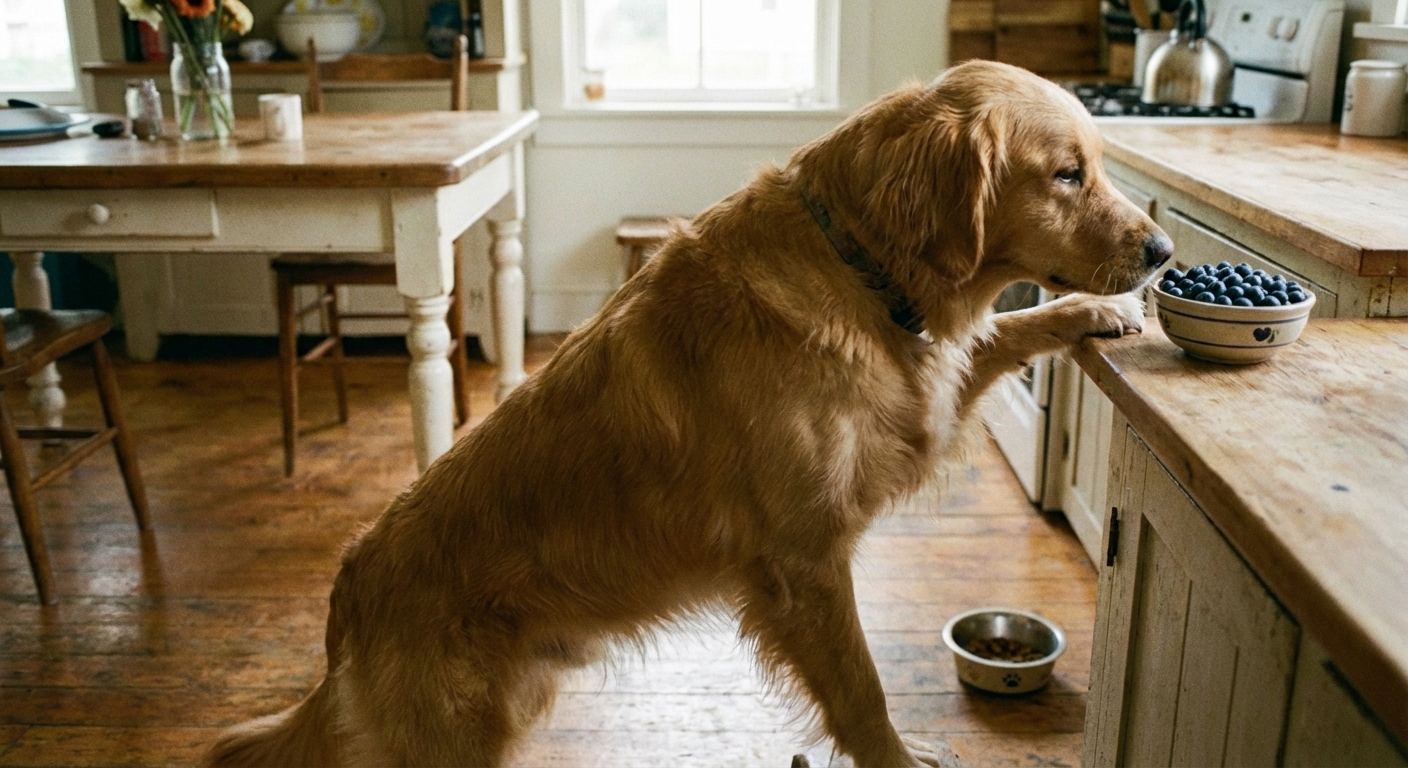
Blueberries
- Why they can help: bite-sized and lower calorie than many packaged treats.
- Serve: fresh or frozen, a few at a time.
Strawberries
- Why they can help: hydrating, fun texture.
- Serve: washed, tops removed, chopped for small dogs.
Watermelon
- Why they can help: hydration during hot Texas summers.
- Serve: seedless pieces with rind removed.
Cantaloupe and honeydew
- Why they can help: water-rich and generally gentle.
- Serve: no rind, small cubes.
Pears
- Why they can help: fiber and moisture.
- Serve: no seeds or core, small slices.
OK sometimes
These are not automatically “bad,” but they come with common pitfalls like choking risk, GI upset, or too much sugar.
Pineapple
- Serve: small chunks, no rind or spiky skin.
- Watch for: loose stool if your dog is sensitive.
- Extra tip: skip the tough core for gulpers. It can be hard to chew and may be a choking risk.
Mango
- Serve: small pieces, pit and skin removed.
- Why caution: rich and sugary.
Oranges and tangerines
- Serve: a few bite-sized segments, no peel.
- Why caution: some dogs get stomach upset from citrus.
Raspberries and blackberries
- Serve: a few berries at a time.
- Why caution: too many can cause diarrhea from extra fiber.
Peaches and nectarines (strict prep)
- Serve: only the flesh, pit removed completely.
- Important: pits are a major choking and blockage risk. They also contain cyanogenic compounds, so do not let your dog chew them.
Pomegranate
- Serve: if you offer it at all, only a small amount of arils.
- Why caution: it is a common trigger for vomiting or diarrhea in dogs.
Coconut
- Serve: very small tastes only.
- Why caution: high fat can cause GI upset and is a poor choice for dogs prone to pancreatitis.
Tomatoes
- Serve: ripe red tomato in tiny amounts is usually the least risky form.
- Avoid: green/unripe tomatoes and the plant parts (stems, leaves), which are more concerning.
Fruits dogs should not eat
This is the “print it and put it on the fridge” section.
Grapes, raisins, and currants
Do not feed. Grapes and raisins can cause acute kidney failure in dogs. The toxic dose is unpredictable and appears idiosyncratic, meaning any amount can be dangerous for some dogs.
Also watch for hidden sources: trail mix, oatmeal cookies, raisin bread, granola bars, fruit snacks with dried grapes, and some cereals.
Cherries (especially pits and plant parts)
Cherry flesh is not the biggest issue, but pits, stems, and leaves can be dangerous. The bigger real-world risk is choking or intestinal blockage from pits. Those parts also contain cyanogenic compounds, so chewing them is not safe.
Avocado
Avocado is not a fruit I recommend as a regular dog treat. Dogs are not the most sensitive species to persin, but avocado can still cause GI upset, and the high fat content can be a problem for dogs prone to pancreatitis.
- Avoid: pit and skin (choking, blockage, irritation risk).
- If a dog gets into it: call your vet if vomiting, diarrhea, or abdominal pain shows up.
Star fruit
Best to avoid. Star fruit is not well-studied in dogs, and there are concerning toxicity reports in people, especially those with kidney disease. When something has unclear safety data, I recommend choosing a better-studied fruit instead.
Seeds, pits, and cores
Apple seeds and stone fruit pits (peach, plum, apricot, cherry) are a double threat: choking or blockage risk, plus cyanogenic compounds if chewed. In day-to-day practice, the blockage risk is often the bigger emergency.
Safe prep
- Wash all fruit to reduce pesticide residue and surface bacteria.
- Remove pits, seeds, stems, cores, and rinds.
- Cut small, especially for small dogs and fast eaters.
- Serve plain: no sugar, syrups, chocolate, or whipped cream.
- Xylitol warning: avoid fruit products sweetened with xylitol (some peanut butters, “sugar-free” snacks, and certain yogurts). Xylitol can be life-threatening to dogs.
- Introduce one fruit at a time so you can spot sensitivities or allergies.

Quick serving ideas
Frozen training treats
Freeze blueberries or tiny banana pieces on a plate, then store in a bag for quick rewards.
Hydration booster
On hot days, offer a few chunks of seedless watermelon as a snack.
Enrichment topper
Add a spoonful of mashed banana or a few berries to a lick mat, then freeze.
When to call the vet
Reach out to your veterinarian or an emergency clinic if your dog eats a risky fruit or shows any of these signs:
- Vomiting or diarrhea that is persistent or severe
- Weakness, tremors, collapse, or unusual lethargy
- Abdominal pain or a bloated, hard belly
- Not eating for more than a day, especially in small dogs
- Possible choking, repeated gagging, or trouble swallowing
If grapes, raisins, or currants are involved, treat it as urgent. Call your vet, an emergency hospital, or a pet poison resource right away. Because the reaction can be unpredictable, any ingestion deserves a prompt consult. Early treatment can be lifesaving.
The bottom line
Fruit can be a healthy, happy add-on when you choose the right options, prep them safely, and keep portions small. If you want a simple starting point, try blueberries, apple slices (no seeds), or a few banana coins. Then watch your dog’s stool and energy, and adjust from there.
Moderation is the magic: a few safe bites go a lot further than a big fruit bowl.