A vet assistant’s guide to foods dogs can’t eat, including chocolate, grapes/raisins, xylitol, alliums, caffeine, bones and more—plus symptoms and what...
Article
•
Designer Mixes
What Foods Make Dogs Sick

Shari Shidate
Designer Mixes contributor
If you have ever watched your dog sniff a dropped snack like it is the greatest treasure on earth, you are not alone. Dogs are curious, fast, and very motivated by food. The tricky part is that some everyday human foods can make dogs seriously sick, even in small amounts.
As a veterinary assistant in Frisco, Texas, I have seen many “it was just one bite” moments turn into an urgent vet visit. The good news is that most of these accidents are preventable, and if you act quickly, outcomes are often much better.
One important note: toxicity often depends on the dose, your dog’s body weight, and your dog’s individual sensitivity. That is why your vet will ask for your dog’s weight and the amount eaten.
Quick safety note
This guide is for general education, not a substitute for veterinary care. If your dog ate a known toxin or is acting unwell, call your veterinarian right away or contact a pet poison hotline.
- ASPCA Animal Poison Control Center: 1-888-426-4435 (fee may apply)
- Pet Poison Helpline: 1-855-764-7661 (fee may apply)
If your dog is having trouble breathing, collapsing, seizing, or has pale gums, go to an emergency vet immediately.
Foods that can be toxic
These are some of the most common culprits I see, along with what they can do in the body and what to watch for.
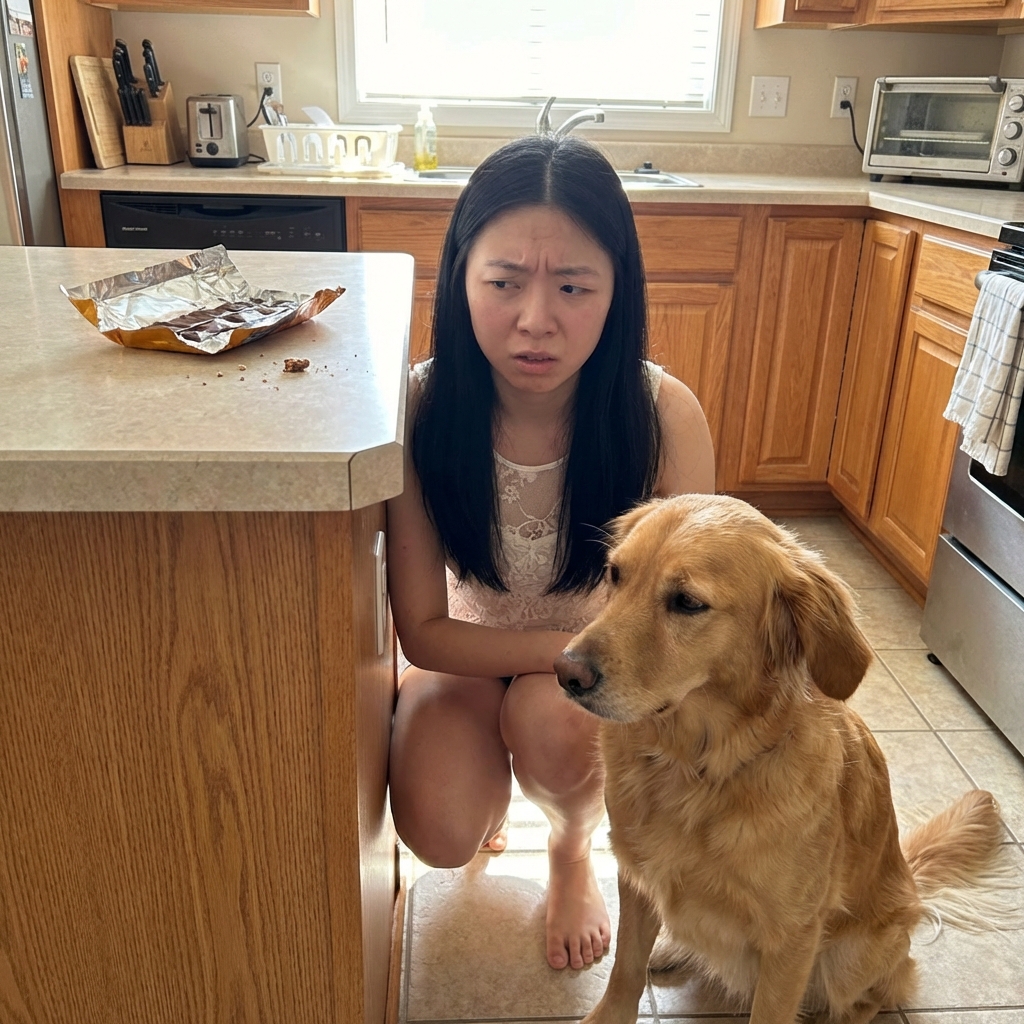
Chocolate (especially dark chocolate and baking chocolate)
Chocolate contains methylxanthines (theobromine and caffeine). Dogs clear these compounds much more slowly than humans.
- Risk: vomiting, diarrhea, restlessness, rapid heart rate, tremors, seizures
- Watch for: panting, agitation, pacing, increased thirst, abnormal heartbeat
Grapes and raisins
These can cause kidney injury in some dogs. The exact toxic component is still not fully understood, and a dog’s sensitivity can be unpredictable, so exposures are typically treated as urgent.
- Risk: vomiting, lethargy, decreased appetite, kidney failure
- Watch for: vomiting within hours, weakness, decreased urination later on
Onions, garlic, chives, and leeks
Allium family foods can damage red blood cells and lead to anemia. The risk increases with larger amounts and repeated exposure, and it can be higher with concentrated forms like onion or garlic powder. Smaller amounts more commonly cause stomach upset.
- Risk: GI upset, anemia
- Watch for: vomiting, diarrhea, weakness, pale gums, fast breathing
Xylitol (birch sugar)
Xylitol is a sugar substitute found in some gums, candies, baked goods, peanut butters, and dental products. It can trigger a dangerous insulin release in dogs. Labels and formulations change, so it is always worth checking ingredients.
- Risk: low blood sugar, seizures, liver injury
- Watch for: sudden weakness, wobbliness, trembling, collapse
Quick clarification: not all sugar alcohols cause the same syndrome. For example, erythritol is not currently known to cause xylitol-like poisoning in dogs, but you should still confirm the specific ingredient on the label.
Alcohol and raw yeast dough
Alcohol is toxic to dogs. Raw yeast dough can expand in the stomach and produce alcohol as it ferments. This can cause a dangerous, bloat-like distension and requires emergency care.
- Risk: severe sedation, low body temperature, low blood sugar, painful stomach distension, alcohol poisoning
- Watch for: disorientation, vomiting, distended belly, extreme lethargy, unproductive retching
Macadamia nuts
Macadamias can cause weakness and neurologic signs. Most dogs recover with supportive care, but it can look scary.
- Risk: weakness, vomiting, tremors, fever
- Watch for: hind-end weakness, wobbliness, shaking
Cooked bones and fatty table scraps
Cooked bones can splinter and damage the mouth, throat, stomach, or intestines. Fatty foods can trigger pancreatitis in susceptible dogs. Also, while some people offer raw bones, they are not risk-free either and can lead to tooth fractures and bacterial exposure.
- Risk: choking, GI blockage or perforation, pancreatitis, dental fractures
- Watch for: repeated vomiting, hunched posture, painful belly, refusal to eat
Very salty foods
Too much salt can cause dehydration and, in severe cases, salt toxicity (hypernatremia). Most severe cases come from higher-dose sources like salt dough, rock salt, large amounts of salt-seasoned foods, or drinking seawater, rather than a single chip.
- Risk: vomiting, diarrhea, excessive thirst, neurologic signs
- Watch for: extreme thirst, confusion, tremors
Caffeine (coffee, energy drinks, tea, some supplements)
Caffeine acts similarly to chocolate toxins and can affect the heart and nervous system.
- Risk: hyperactivity, rapid heart rate, tremors, seizures
- Watch for: agitation, panting, abnormal heartbeat
When it is an emergency
Some signs mean you should stop reading and call a vet immediately.
Red flags
- Repeated vomiting or vomiting with blood
- Bloody diarrhea or black, tarry stool
- Seizures, tremors, collapse, or severe weakness
- Swollen belly, unproductive retching, signs of pain
- Pale gums, blue gums, or trouble breathing
- Inability to keep water down
- Known ingestion of xylitol, grapes or raisins, or a large amount of chocolate
Not every upset stomach is poisoning
Dogs can get mild GI upset from eating something too rich, too fast, or too different than their normal diet. But if symptoms are intense, last more than a day, or your dog is very young, senior, or has health issues, it is safer to check in with your vet sooner.
What to do now
If you think your dog ate something that could make them sick, here is a practical plan you can follow.
Step 1: Remove access
- Take the food away and keep other pets out of the area.
- Look for packaging, wrappers, or missing pills.
- Estimate what might be gone and when it happened.
Step 2: Get the details
- Your dog’s weight
- The exact item eaten (brand and ingredients if possible)
- The amount and time of ingestion
- Any current symptoms
If you can, take a clear photo of the label and ingredients. If you are heading to the clinic, bring the packaging with you, or bring a small sample only if it is safe to do so.
Step 3: Call for guidance
Call your vet or a pet poison hotline before trying home remedies. Some toxins require specific treatment, and timing matters.
Step 4: Avoid DIY fixes
- Do not induce vomiting unless a veterinarian tells you to.
- Do not give hydrogen peroxide, milk, oils, or activated charcoal unless instructed.
- Do not wait for symptoms if you know your dog ate a high-risk toxin.
Inducing vomiting can be dangerous in certain situations, such as if your dog swallowed something sharp, is having neurologic symptoms, or ingested caustic substances.
Step 5: Follow instructions
Your vet may recommend at-home monitoring for mild cases, or they may recommend immediate care such as activated charcoal, bloodwork, IV fluids, or medications.
Hidden sources
Many accidental poisonings come from foods and everyday items people do not realize contain dangerous ingredients.
- Peanut butter: some brands contain xylitol, so check the label
- Protein bars and low-sugar snacks: may contain xylitol or chocolate
- Trail mix: chocolate, raisins, macadamias
- Holiday treats: rum cake, chocolate desserts, raisin breads
- Countertop compost: moldy food can be a big problem
- Purses and countertops: common human meds like ibuprofen or acetaminophen can be extremely dangerous
- Edibles: cannabis products are often combined with chocolate or xylitol sweeteners
Prevention tips
You do not need a perfect house to keep your dog safe. You just need a few reliable habits.
Kitchen and pantry
- Store chocolate, gum, raisins, and baking supplies in high cabinets or containers with latches.
- Use a trash can with a locking lid, especially if you toss bones or fatty scraps.
- Do a quick drop-check after cooking with onions or garlic.
Training
- Teach “leave it” and practice with low-value and high-value foods.
- Reward calm behavior around counters and tables.
- Use baby gates when you cannot supervise.
Visitors
Guests love to share snacks. Consider a simple house rule: “Please do not feed the dog.” Offer dog-safe treats in a jar so people have an easy alternative.
Dog-safe snacks
I am a big believer in replacing risky snacks with easy, dog-friendly options. Here are a few simple favorites:
- Small pieces of cooked chicken or turkey (plain)
- Carrot coins or lightly steamed green beans
- Apple slices (no seeds)
- Blueberries
- Plain pumpkin (not pie filling) mixed into food
- Plain yogurt in small amounts if your dog tolerates dairy
If your dog has a pancreatitis history or a sensitive stomach, keep treats low-fat and introduce new foods slowly.
When to ask about diet
If your dog regularly raids food, has frequent vomiting or diarrhea, or seems hungry all the time, it is worth a deeper conversation. Sometimes the solution is as simple as adjusting meal timing, adding more fiber, addressing anxiety, or checking for underlying issues like parasites or GI disease.
Food should support your dog’s vitality, not create a cycle of stomach upset and emergency calls. A few proactive changes can make a big difference.