Make meals more tempting and nutritious with simple dog food toppers: bone broth, cooked eggs, sardines, pumpkin, and steamed veggies—plus portions, storag...
Article
•
Designer Mixes
What Foods Help Dogs With Behavior?

Shari Shidate
Designer Mixes contributor
As a veterinary assistant here in Frisco, Texas, I hear the same question all the time: “Is my dog’s food affecting their behavior?” And the evidence-based answer is: it can. Food will not replace training, enrichment, and a good vet workup, but nutrition absolutely influences the body systems that drive behavior, including blood sugar, gut health, inflammation, and brain chemistry.
This guide will walk you through what foods are good for dogs when you are working on calmer energy, better focus, and more resilient moods. I will keep it simple, practical, and safe so you can start making changes without turning your kitchen upside down.
First, rule out medical causes
If your dog’s behavior changed suddenly, or you are seeing intense anxiety, irritability, or new aggression, do not assume it is “just diet.” Pain, thyroid issues, GI upset, allergies, cognitive decline, and even ear infections can change behavior.
- Call your veterinarian for a checkup if the change is new, worsening, or unusual for your dog.
- Ask about screening when appropriate: stool testing, basic bloodwork, thyroid testing, and a pain assessment.
- Consider behavior support: a qualified trainer or a veterinary behaviorist can work alongside nutrition changes.
How food can influence behavior
1) Blood sugar stability
Big swings in blood sugar can look like restlessness, frantic energy, and trouble settling. Meals built around quality protein, healthy fats, and fiber tend to keep energy steadier.
2) The gut-brain connection
Your dog’s gut and brain are in constant communication. Digestive upset, imbalanced gut bacteria, or food sensitivities can contribute to discomfort and stress behaviors like licking, pacing, irritability, and poor sleep.
3) Inflammation and brain health
Chronic inflammation may affect mood and cognition. Anti-inflammatory nutrients like omega-3 fatty acids are commonly recommended in veterinary nutrition for skin, joints, and cognitive support, and they can be part of a “calmer-body” plan.
4) Neurotransmitter building blocks
Protein provides amino acids that help the body build neurotransmitters. This does not mean “more protein fixes anxiety,” but balanced, high-quality protein is a solid foundation.
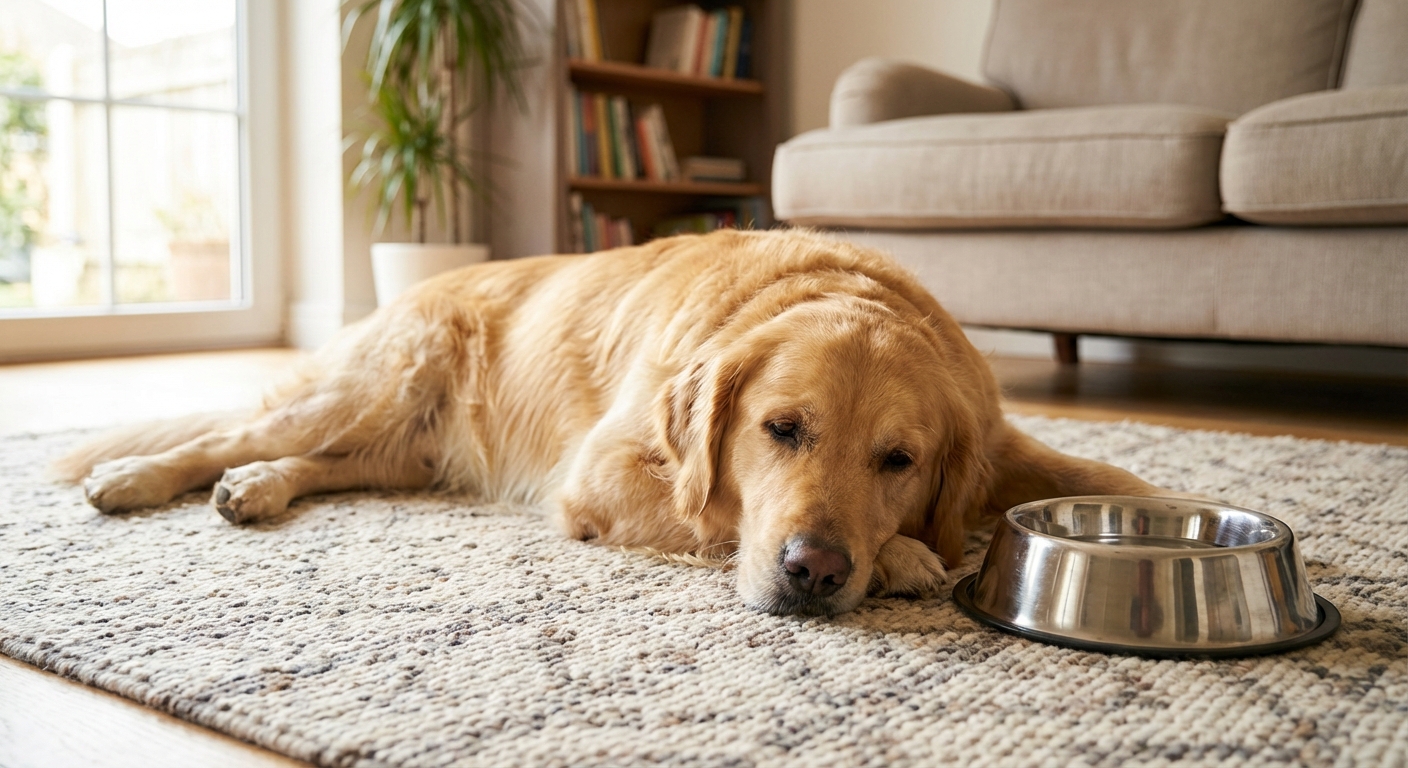
Best foods for calmer energy and better focus
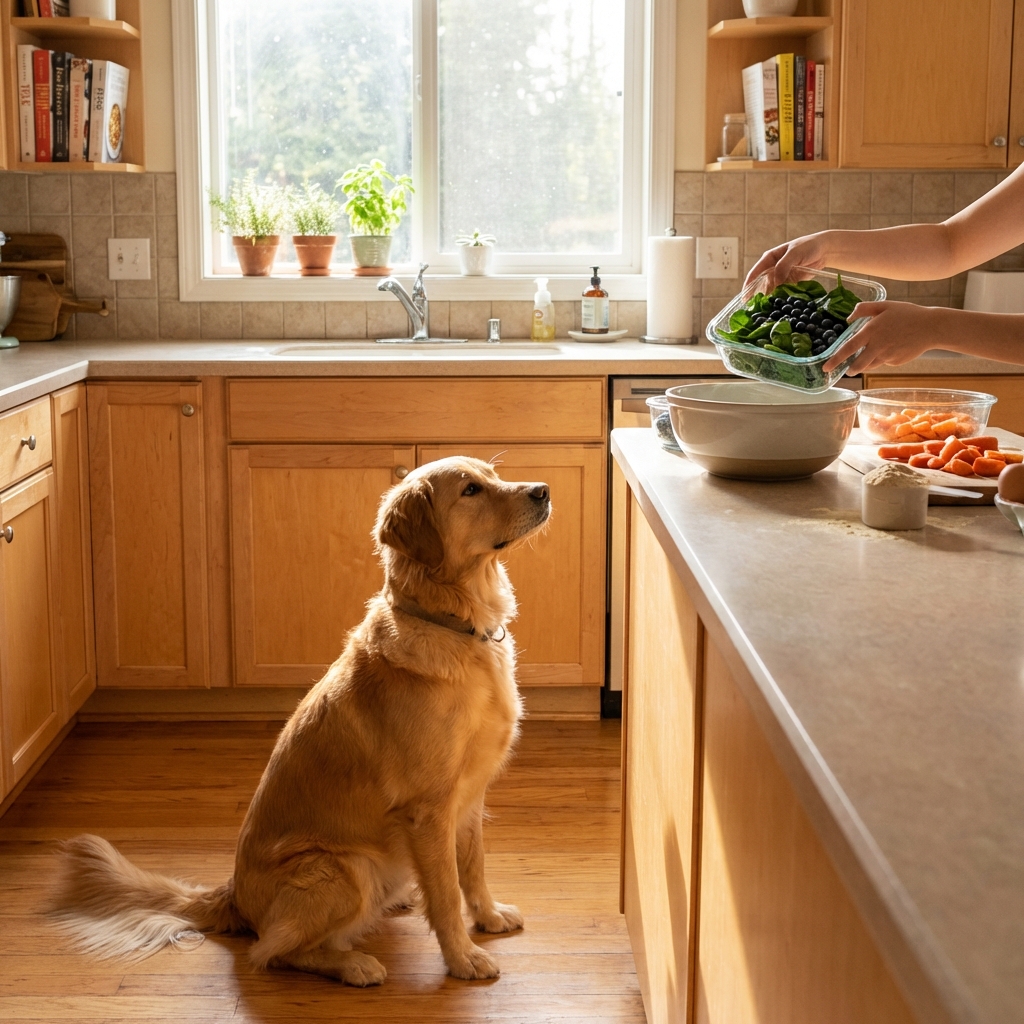
Think of this as your behavior-supportive grocery list. The goal is not perfection. The goal is more whole, minimally processed foods that your dog can actually use.
High-quality proteins (the foundation)
Protein helps with satiety and steady energy, and it supplies amino acids important for the nervous system.
- Turkey (lean, easy for many dogs)
- Chicken (great starter protein, unless your dog is sensitive)
- Eggs (excellent amino acid profile)
- Lean beef (nutrient-dense, often very palatable)
- Sardines or salmon (protein plus omega-3s, watch portions)
Omega-3 rich foods (brain and inflammation support)
Omega-3 fatty acids, especially EPA and DHA, are well-supported in veterinary literature for skin, joint, and cognitive health, and they may support stress resilience as part of a full plan.
- Salmon (cooked, plain)
- Sardines (in water, no added salt, small portions)
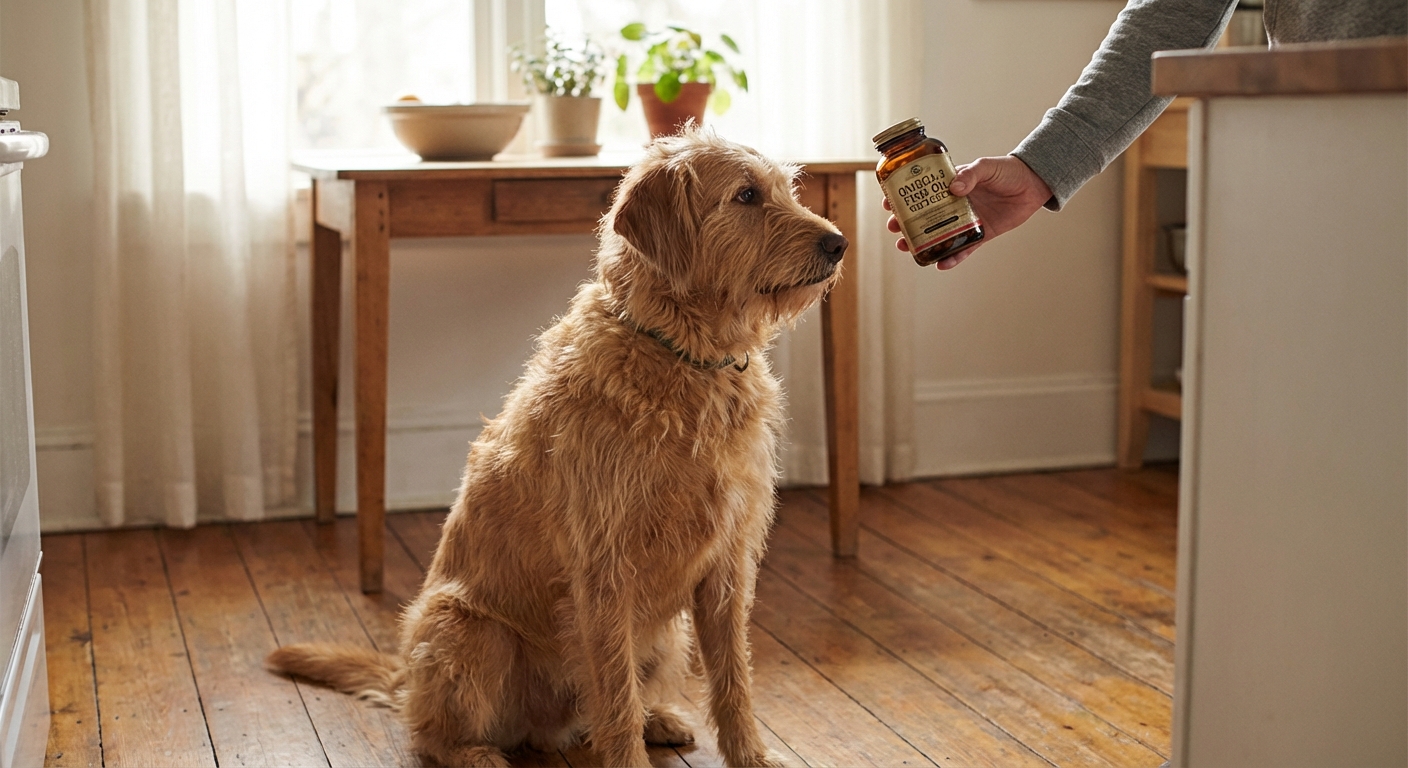
- Fish oil (often easier to dose than fish, ask your vet for dosing)
Fiber-rich vegetables (gut comfort and satiety)
Many dogs do better emotionally when they feel physically better. Gentle, cooked vegetables can support digestion and help your dog feel full without a calorie overload.
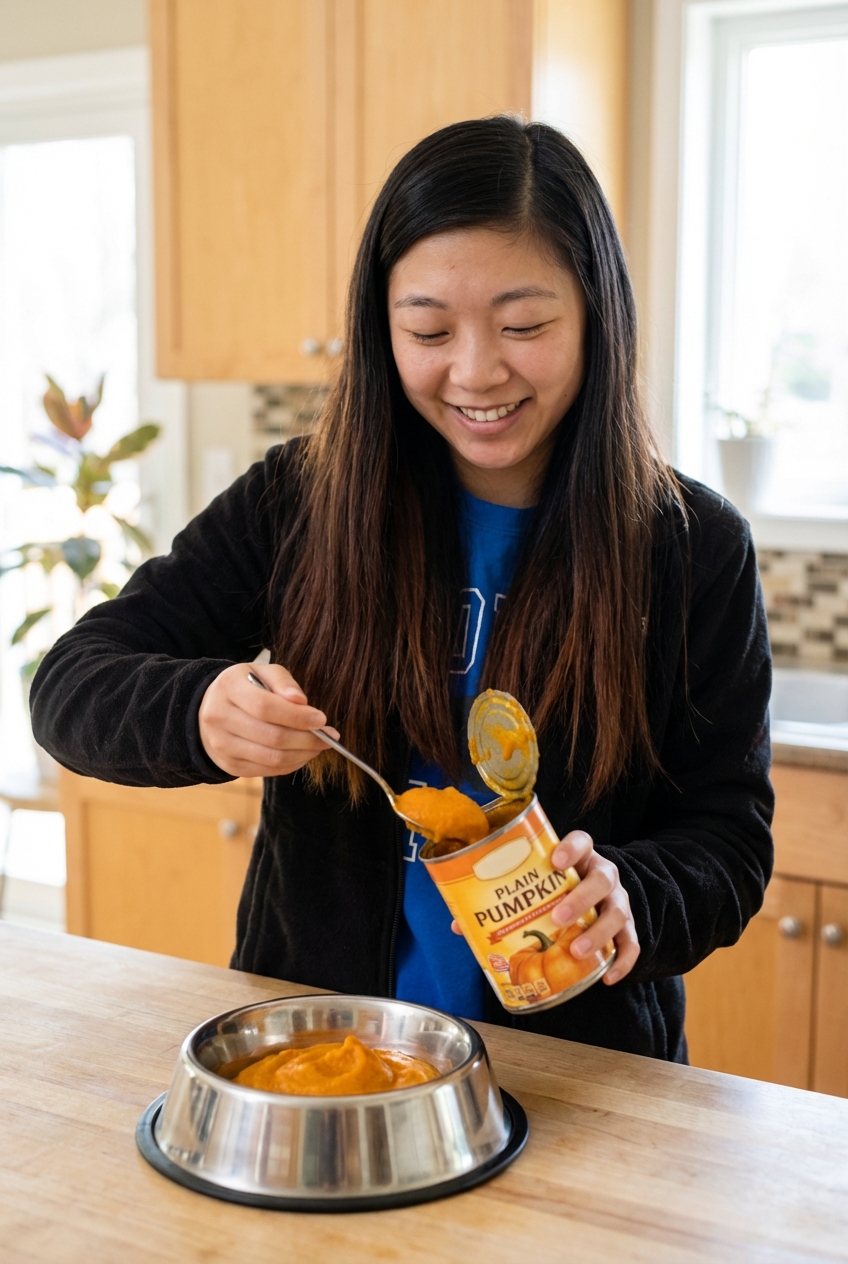
- Pumpkin (plain canned pumpkin, not pie filling, choose no salt added when possible)
- Sweet potato (cooked, mashed, small portions)
- Carrots (steamed or lightly cooked)
- Green beans (cooked, plain, no salt added if canned)
- Spinach or kale (lightly cooked, small amounts)
Slow-burn carbs (for dogs that get “wired”)
Not every dog needs carbs, but some dogs do better with a small amount of slow-digesting carbs that support steady energy.
- Oats (plain, cooked)
- Brown rice (cooked)
- Quinoa (cooked, well-rinsed)
Fermented and probiotic-friendly options (when appropriate)
For some dogs, improving gut health supports calmer behavior because discomfort goes down. But introduce these slowly, and skip them if your dog has pancreatitis history or a very sensitive stomach.
- Plain yogurt (no xylitol, no added sugar)
- Kefir (plain, small amounts)
- Vet-approved probiotics (helpful during stress events or GI transitions)
Foods that can worsen behavior in some dogs
Every dog is different, but these common issues can make it harder for a dog to settle, focus, or feel comfortable.
Ultra-processed, high-carb diets
Some dogs become more “amped up” on foods that are heavy in refined carbs and low in quality protein and fat. Look at the ingredient list and the overall quality of the food.
Too many high-value treats
Training treats are wonderful, but behavior can get noisier when treats become a big percentage of daily calories. A good rule is treats should be about 10 percent or less of daily intake unless your veterinarian advises otherwise.
Common food sensitivities
Itching, ear issues, GI upset, and discomfort can all increase stress behaviors. Common triggers include certain proteins (like chicken or beef in some dogs) and some additives. If you suspect sensitivity, work with your veterinarian on a structured diet trial.
High-fat extras
Greasy table scraps can cause stomach upset or pancreatitis risk in vulnerable dogs, which can absolutely impact behavior.
Behavior-friendly meal building
If you are adding fresh foods to a complete and balanced commercial diet, keep it modest. A safe rule of thumb is that unbalanced toppers and treats should stay at 10 percent or less of total daily calories to avoid throwing off the nutrient balance (including the calcium to phosphorus ratio).
If you want to go above that, do it intentionally with a complete and balanced recipe and guidance from your veterinarian or a board-certified veterinary nutritionist.
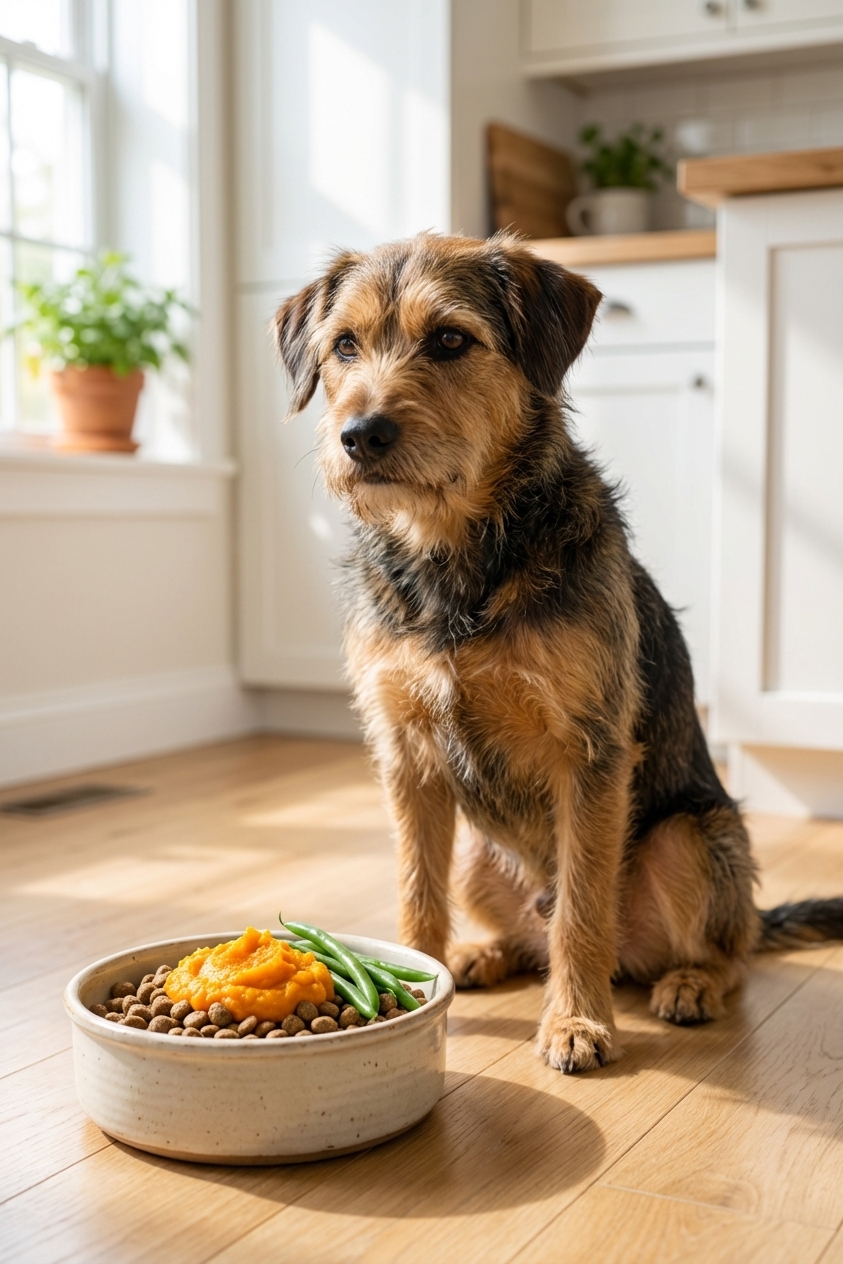
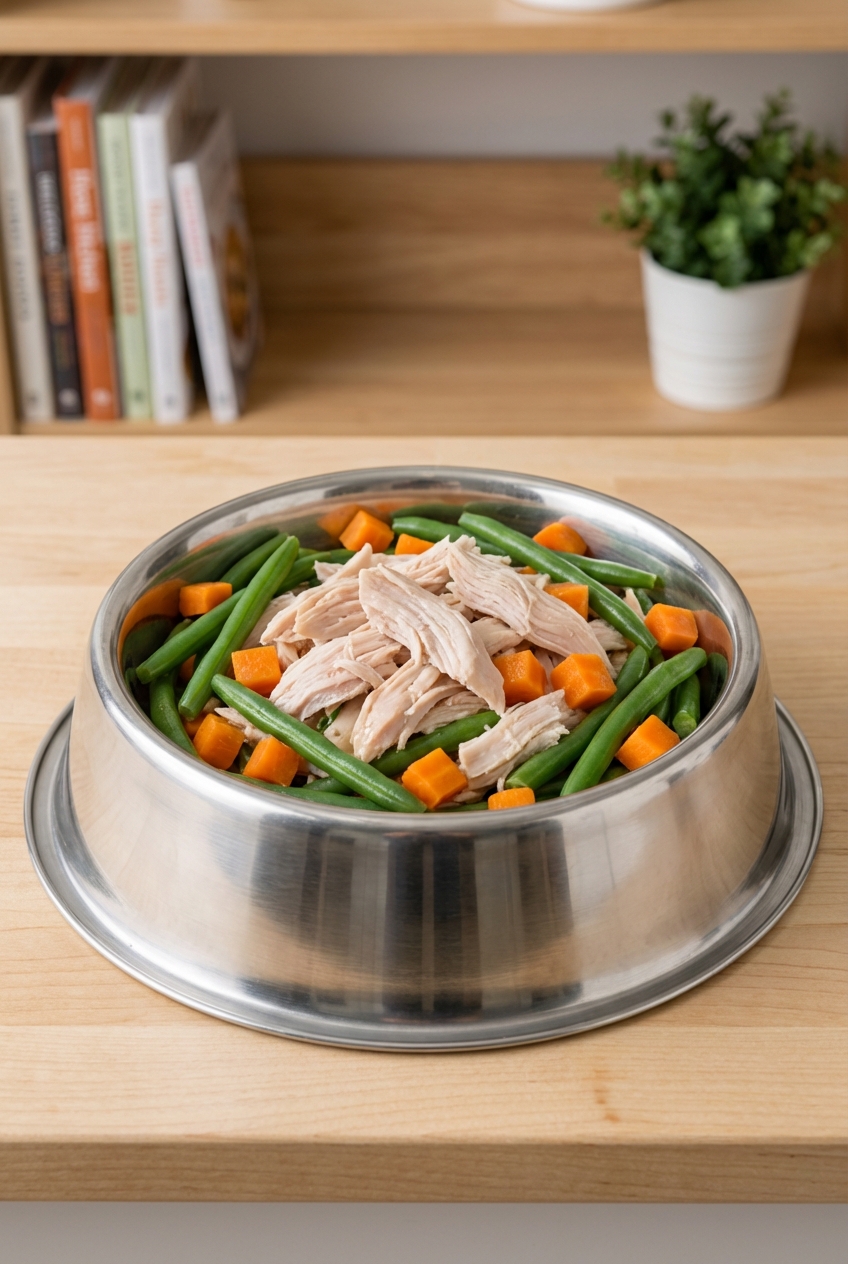
A calm-energy bowl idea (easy starter)
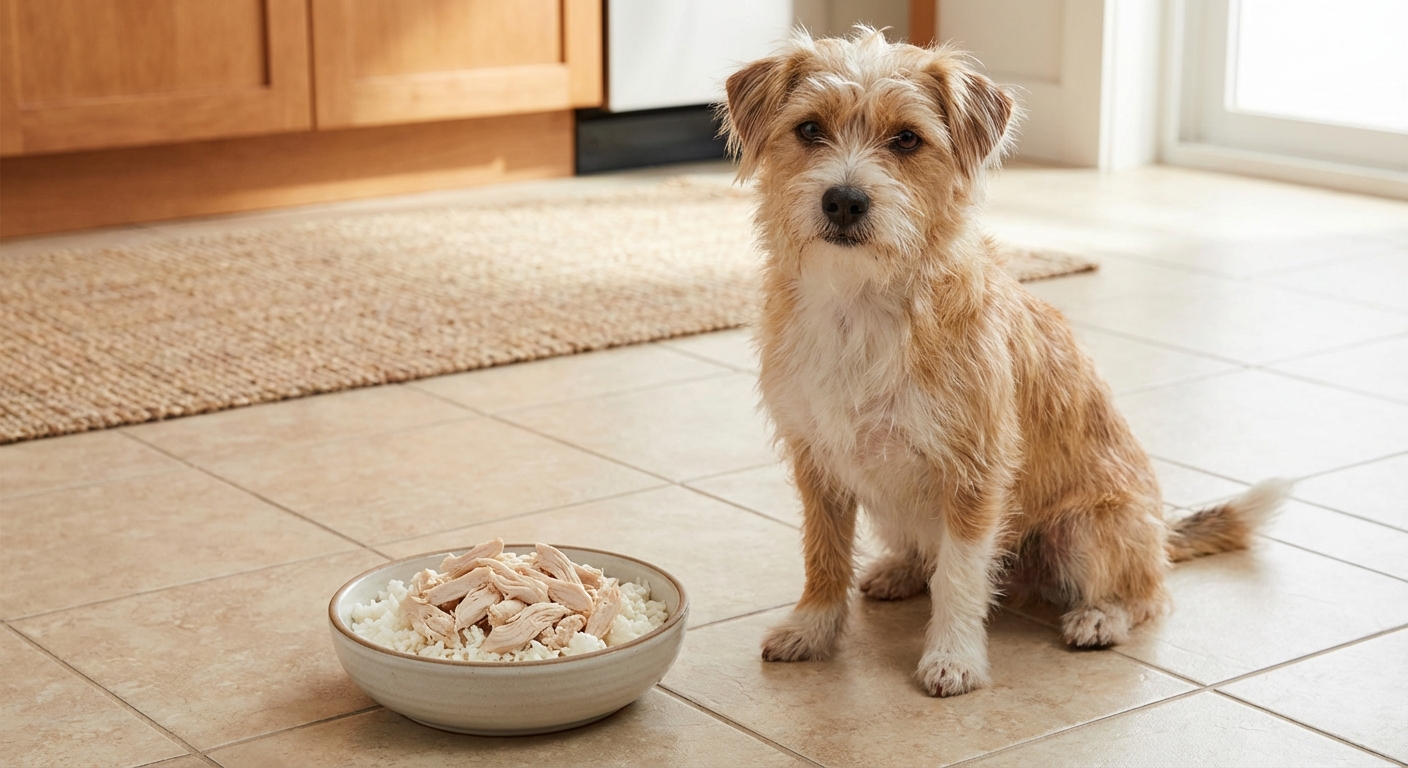
- Cooked turkey or chicken
- Steamed carrots and green beans (no salt added if canned)
- A spoonful of plain pumpkin (no salt added if canned)
- A small portion of cooked oats or brown rice (optional)
A brain-support topper (2 to 3 times per week)
- A small amount of cooked salmon or a few sardines in water (no added salt)
- Mixed into your dog’s regular meal, within the 10 percent rule
Safe transitions that protect the gut
Sudden food changes can cause diarrhea, and a dog with an upset stomach is rarely a calm dog. Transition slowly:
- Days 1 to 3: 25% new, 75% old
- Days 4 to 6: 50% new, 50% old
- Days 7 to 9: 75% new, 25% old
- Days 10 to 14: 100% new
Watch stool quality, itching, gas, and energy. If things go off track, slow down and talk with your vet.
Foods dogs should never eat
If you remember nothing else, remember this: some human foods can be dangerous or deadly for dogs.
- Xylitol (common in sugar-free gum, candy, peanut butter)
- Grapes and raisins
- Onions and garlic (and large amounts of foods made with them)
- Alcohol
- Chocolate
- Macadamia nuts
- Cooked bones (splinter risk)
If you think your dog ate something toxic, contact your veterinarian or a pet poison helpline immediately.
When diet helps most
Food is a powerful foundation, but it works best when paired with the basics:
- Daily enrichment: sniff walks, food puzzles, training games
- Consistent routines: predictable meals, sleep, and potty breaks
- Appropriate exercise: enough to take the edge off, not so much your dog becomes overtired
- Behavior training: reward calm, teach settle, build confidence slowly
If your dog is anxious, reactive, or struggling to calm down, think “whole dog.” The best results usually come from small changes stacked together: better food, better sleep, better enrichment, and support from your veterinary team.
If you want to start today, choose one upgrade: add a spoonful of pumpkin, swap in a higher-quality protein, or ask your vet about a vet-approved omega-3. Small steps truly add up.