Make meals more tempting and nutritious with simple dog food toppers: bone broth, cooked eggs, sardines, pumpkin, and steamed veggies—plus portions, storag...
Article
•
Designer Mixes
What Foods Can Dogs Eat

Shari Shidate
Designer Mixes contributor
As a veterinary assistant here in Frisco, Texas, I hear this question every single week: “What can my dog safely eat?” The good news is that many real, whole foods are dog-friendly and can be a healthy upgrade from heavily processed treats. The key is knowing which foods are safe, how to serve them, and what to avoid.
This overview will help you build a simple, vet-informed “yes list,” understand common hazards, and feel confident making smart choices for your dog.
Before You Share: 5 Rules
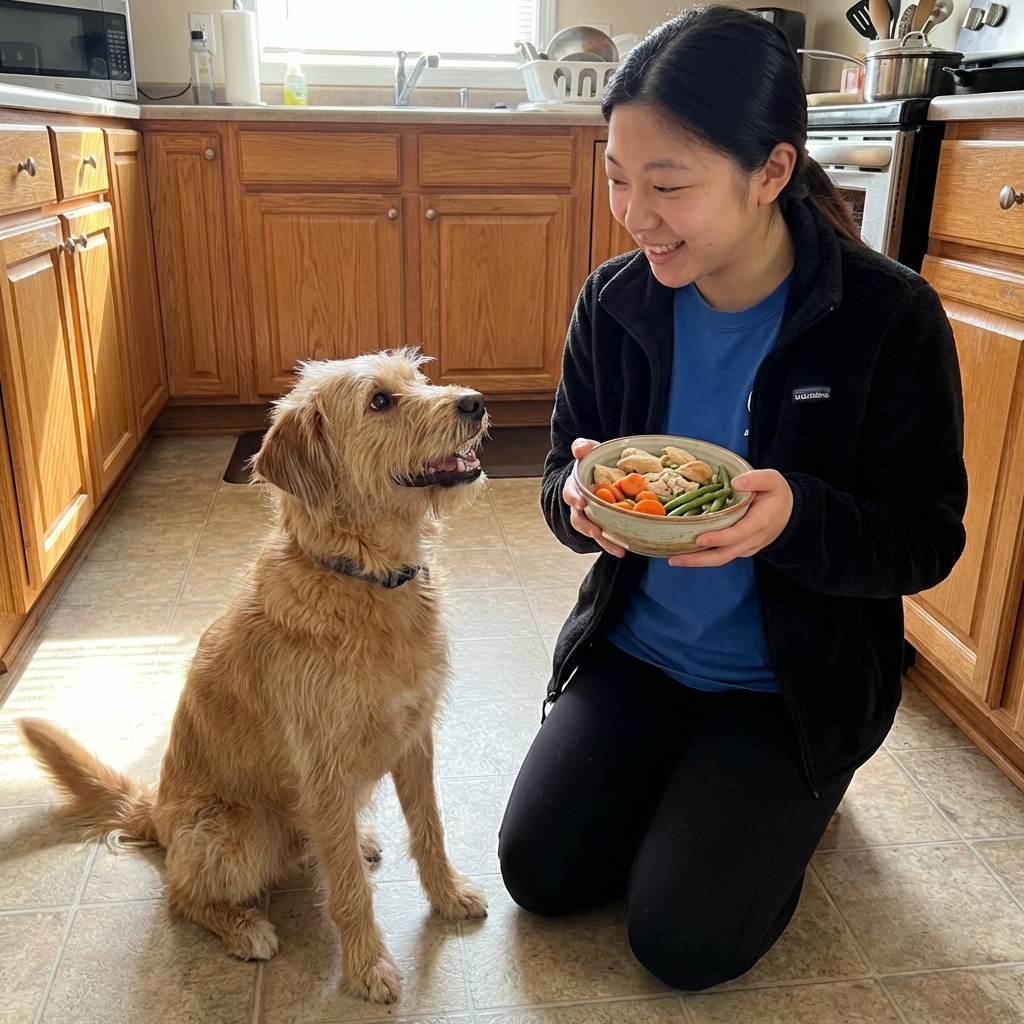
- Introduce new foods slowly. Start with a teaspoon or small bite to avoid stomach upset.
- Plain is best. Skip butter, heavy oils, salt, spicy seasonings, and sauces. That includes onion or garlic powder.
- Cook smart. Many dogs digest cooked vegetables better than raw. Avoid fried foods.
- Watch the extras. Remove pits, seeds, cores, bones, toothpicks, and tough rinds.
- Treats stay treats. Even healthy add-ons should usually be under 10 percent of daily calories unless a veterinarian says otherwise.
Extra important: If your dog has pancreatitis history, kidney disease, diabetes, food allergies, or is on a prescription diet, check with your vet before adding new foods. High fat and high sodium “extras” can backfire fast for some pets.
Dog-Safe Foods (Yes List)
Below are common, generally dog-safe foods when prepared simply and fed in appropriate portions.
Lean proteins
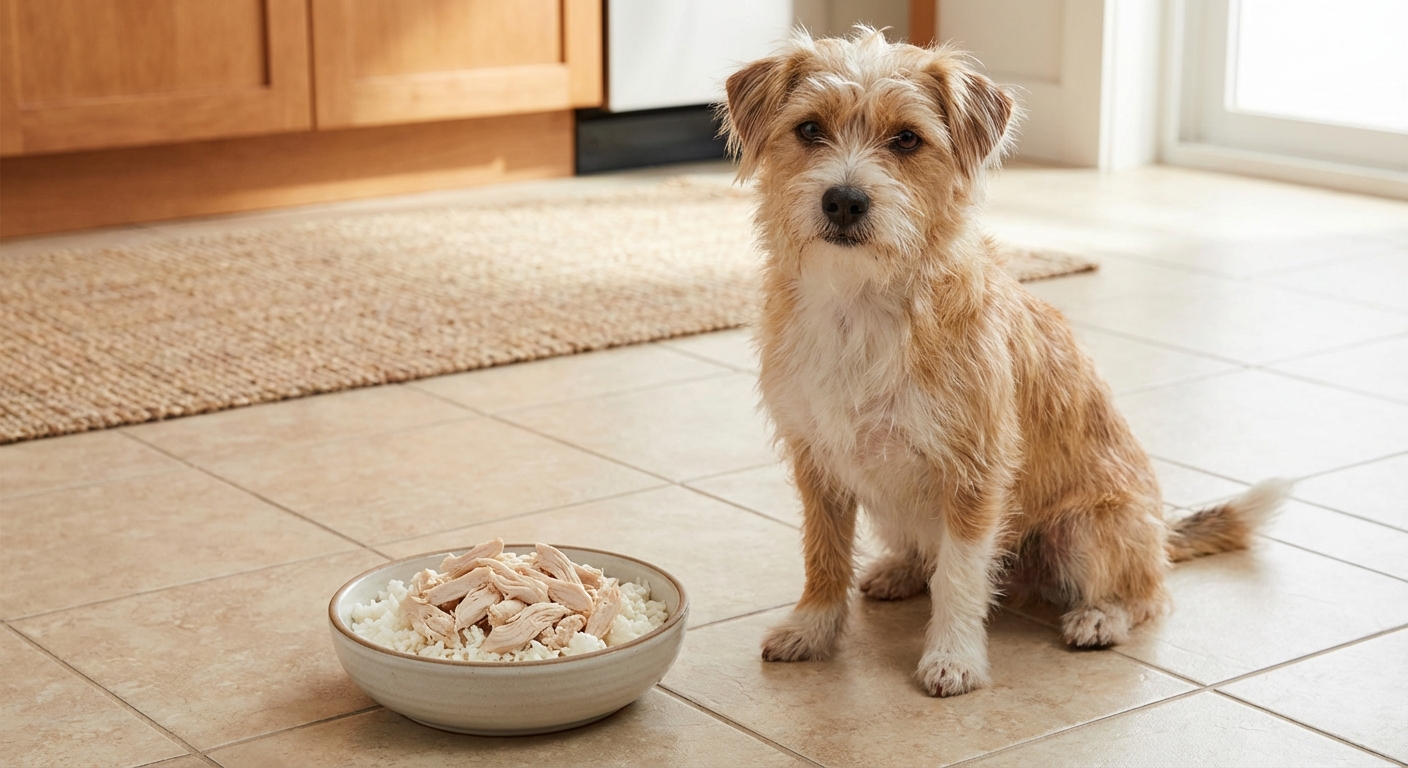
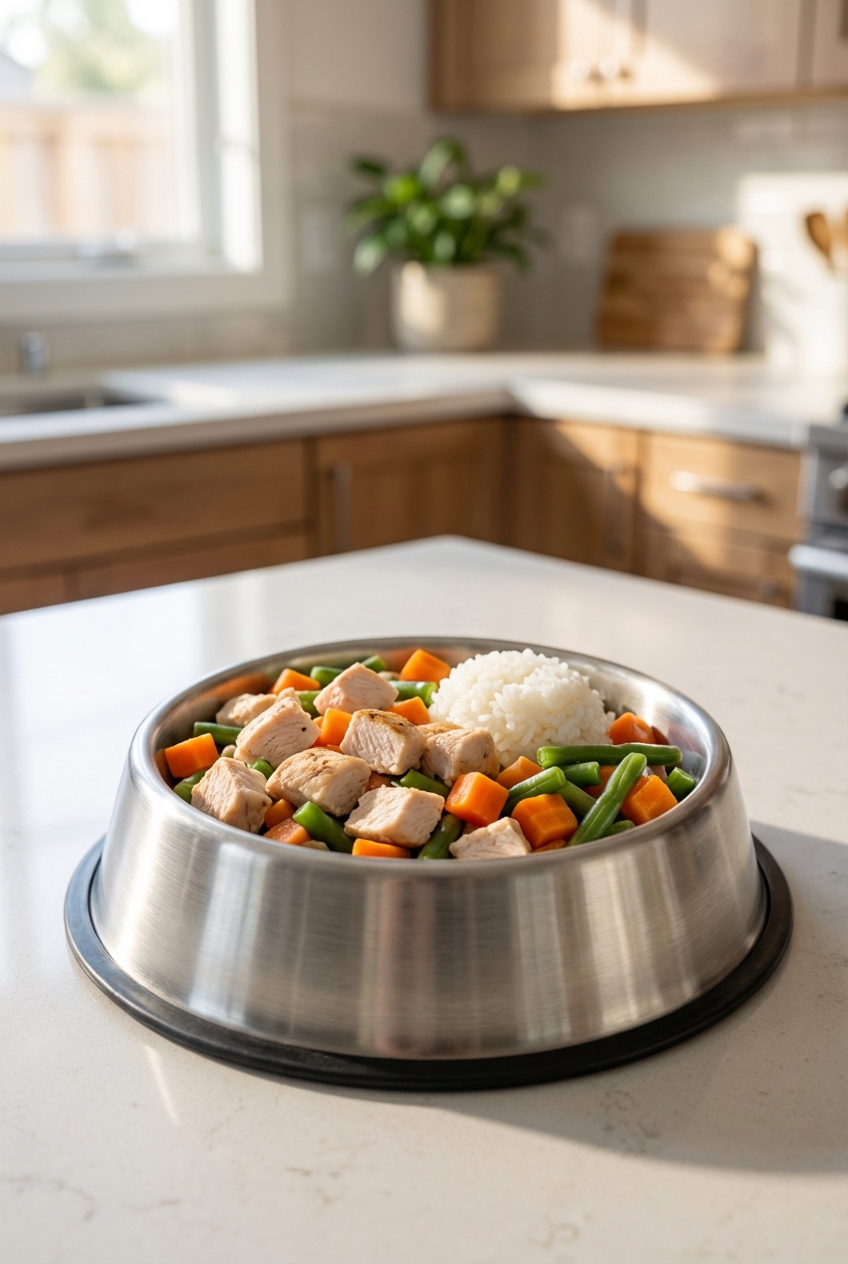
- Chicken, turkey, lean beef, lean pork: Cooked, unseasoned, no bones, no fatty skin. Great as a topper. If your dog is pancreatitis-prone, go extra lean and keep portions small.
- Fish (salmon, sardines): Cooked and deboned. Avoid smoked, heavily seasoned, or sauced fish. If using canned fish, choose water-packed with no salt added, and keep it occasional.
- Eggs: Fully cooked is safest. A simple scrambled egg (no butter, no salt) can be gentle on many stomachs.
Vegetables (often easier cooked)
- Carrots: Crunchy low-cal snack, raw or cooked.
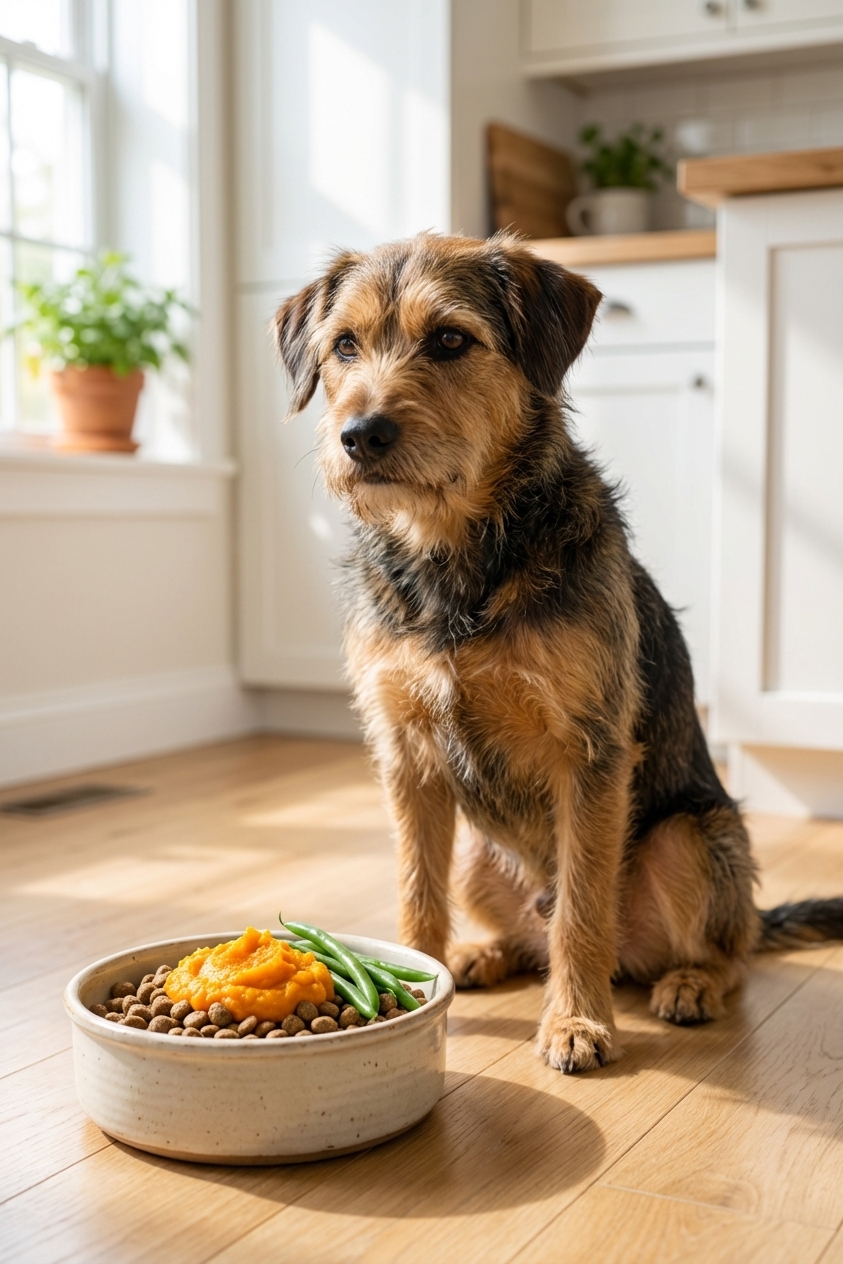
- Green beans: A classic weight-friendly add-on (plain, cooked or thawed).
- Broccoli, cauliflower: Small amounts only, too much can cause gas.
- Sweet potato, pumpkin: Cooked and plain. Helpful for some dogs with mild stool inconsistency.
- Spinach, kale: Small amounts, cooked. If your dog has a history of calcium oxalate urinary stones or other urinary issues, ask your vet first.
Fruits (small portions)
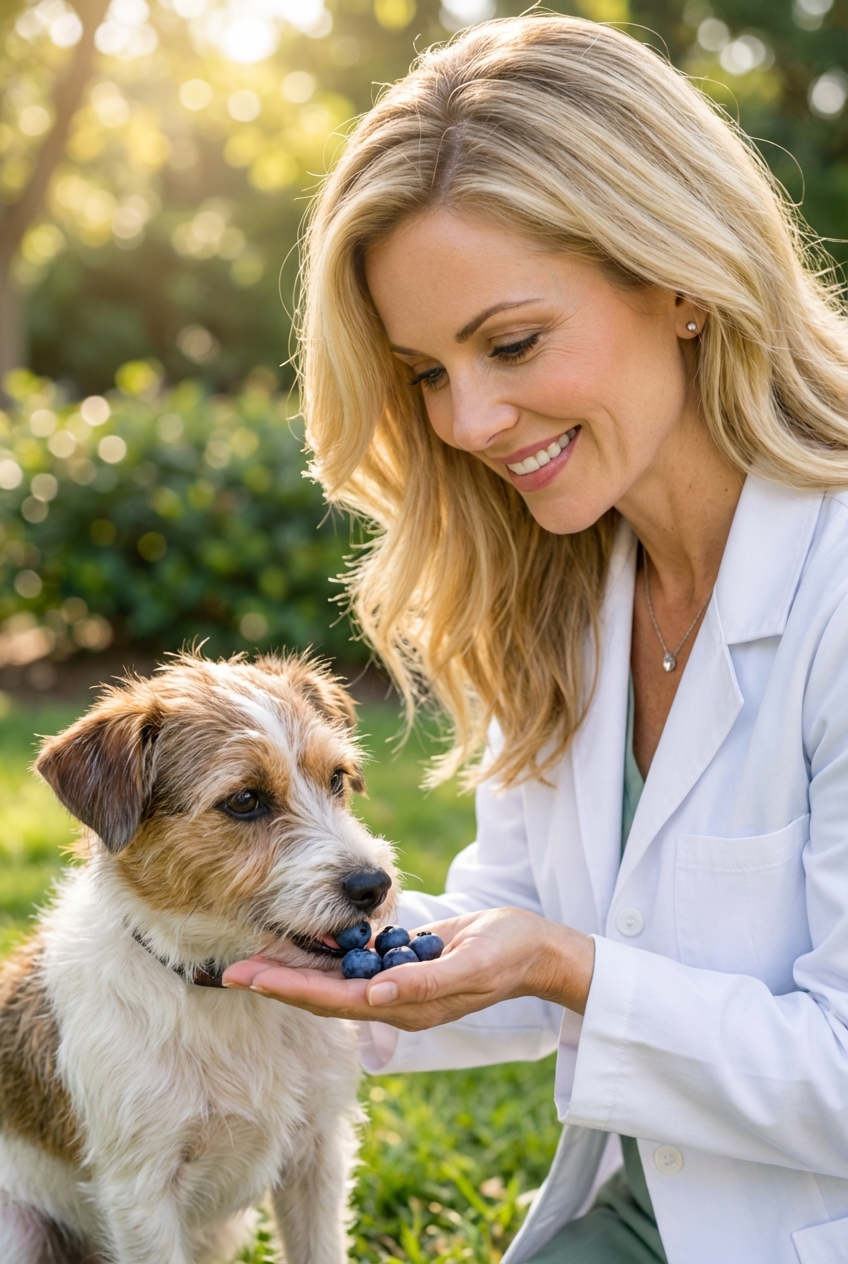
- Blueberries: Easy antioxidant-rich treat.
- Apples: No seeds or core. Crunchy and hydrating.
- Banana: Soft and tasty, but higher in sugar, so keep it small.
- Watermelon: No rind, no seeds. Great in summer.
Carbs and grains
- White or brown rice: Plain, cooked. Commonly used for temporary bland diets.
- Oatmeal: Plain cooked oats can be soothing for some dogs.
- Quinoa: Cooked and plain, a nutrient-dense option in moderation.
Dairy and extras (if tolerated)
- Plain yogurt or kefir: Unsweetened, no xylitol, ideally lower fat.
- Peanut butter: Only if it is xylitol-free, and given sparingly due to calories and fat.
Foods to Never Feed
These are common household foods linked to poisoning, organ damage, or dangerous complications. When in doubt, skip it.
- Xylitol: Found in many sugar-free gums, candies, baked goods, and some peanut butters. Can cause life-threatening low blood sugar and can also cause liver injury.
- Grapes and raisins: Can cause kidney failure in some dogs, even in small amounts.
- Onions, garlic, chives: Can damage red blood cells and contribute to anemia. This includes powders and seasonings.
- Chocolate: Especially dark chocolate and baking chocolate.
- Caffeine: Coffee, energy drinks, caffeine pills, and some teas can be dangerous.
- Alcohol and raw bread dough: Both can be dangerous and cause serious illness.
- Macadamia nuts: Can cause weakness, tremors, and vomiting.
- Moldy foods: Spoiled food and moldy nuts or bread can cause tremors and other serious signs.
- Cooked bones: Splinter risk, can cause choking or intestinal injury.
If your dog gets into any of these, call your veterinarian or a pet poison hotline right away. Time matters.
“Maybe” Foods (Use Care)
These foods are not automatically off-limits, but preparation and portion make all the difference.
- Avocado: Dogs are not usually highly sensitive to persin in the flesh, but avocado is very fatty and can trigger vomiting or diarrhea. The pit and skin are also choking or blockage hazards. When in doubt, skip it.
- Popcorn: Plain air-popped only. Kernels can crack teeth or cause choking.
- Cheese: Many dogs love it, but it is calorie-dense, often salty, and can trigger diarrhea in lactose-sensitive pups. Not a great choice for pancreatitis-prone dogs.
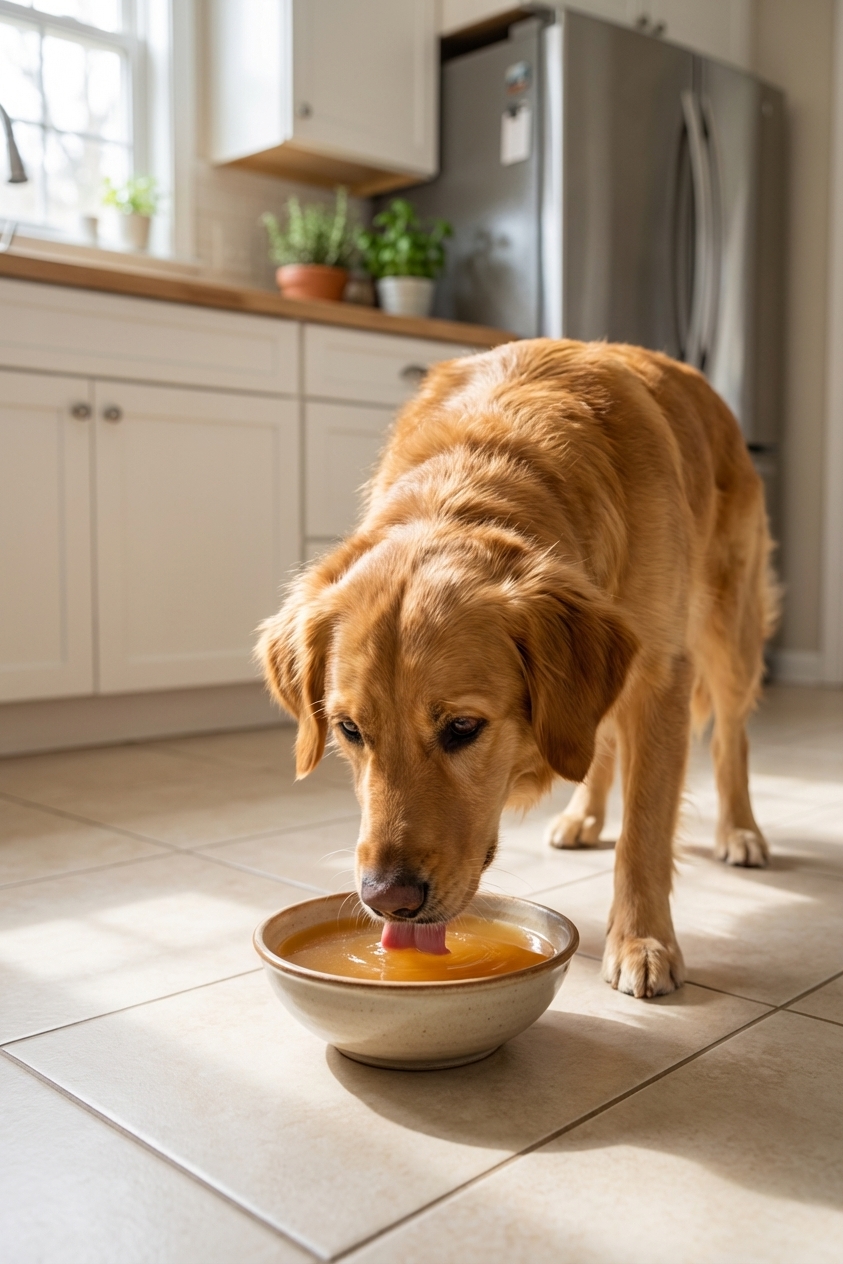
- Broth: Only low-sodium and free of onion and garlic. Many store broths are too salty.
- Raw diets: Not a good fit for many households due to bacterial risk and the chance of nutritional imbalance. Discuss with your vet first.
- Bones in general: Even when not cooked, bones can still cause tooth fractures, choking, and GI obstruction. If you use chew items, choose vet-approved options sized for your dog.
- Processed meats: Deli meats, bacon, and sausage are often high in salt and fat and can upset the stomach.
Portions: How Much?
Most “people foods” go wrong because of portion size, not because the food is inherently unsafe. A Chihuahua and a Great Pyrenees are not playing the same game.
- Tiny dogs: Think pea-sized bites. Start smaller if your dog has a sensitive stomach.
- Medium dogs: Think teaspoon to tablespoon portions, depending on activity and total daily calories.
- Large dogs: Think tablespoon to a few tablespoons, depending on calorie needs.
If you are using fresh foods as more than an occasional treat, it is worth asking your veterinarian about balancing calcium, phosphorus, essential fatty acids, and key vitamins. Long-term, balance matters as much as ingredient quality.
Easy Add-Ons to Try
If you want to improve your dog’s bowl without a full diet overhaul, start small. A little fresh food can add variety and make meals more appealing, but once you push beyond “toppers and treats,” nutrition balance becomes the priority.
- For picky eaters: A spoonful of plain cooked turkey or a small amount of cooked egg.
- For hydration: A splash of warm, low-sodium broth (no onion or garlic).
- For crunchy treat swaps: Carrot sticks or a few blueberries.
- For gentle fiber: Plain pumpkin (not pie filling).
When to Call the Vet
Food reactions are not always dramatic, but they can escalate quickly. Contact your veterinarian if you notice:
- Repeated vomiting or diarrhea
- Swollen face, hives, or intense itching
- Weakness, collapse, tremors, or disorientation
- Bloated abdomen, unproductive retching, or severe restlessness
- Signs of pain, especially after chewing a bone or hard object
If you suspect poisoning: If it is safe, remove access to the substance, save the packaging, and estimate how much was eaten and when. Then call your vet, ASPCA Animal Poison Control (888-426-4435), or Pet Poison Helpline (855-764-7661). Fees may apply.
Your dog’s diet should support good energy, a healthy weight, and comfortable digestion. If any new food takes you in the opposite direction, it is a helpful signal to pause and reassess.
Quick Takeaway
Choose plain, whole foods. Introduce them slowly. Avoid known toxins. Keep portions appropriate. And when you want to go beyond toppers and treats, ask your veterinarian about balancing the diet for long-term health.
References
- ASPCA Animal Poison Control: Toxic and non-toxic plants and common poison guidance
- Pet Poison Helpline: Poisoning prevention and toxin library
- WSAVA: Global Nutrition Guidelines