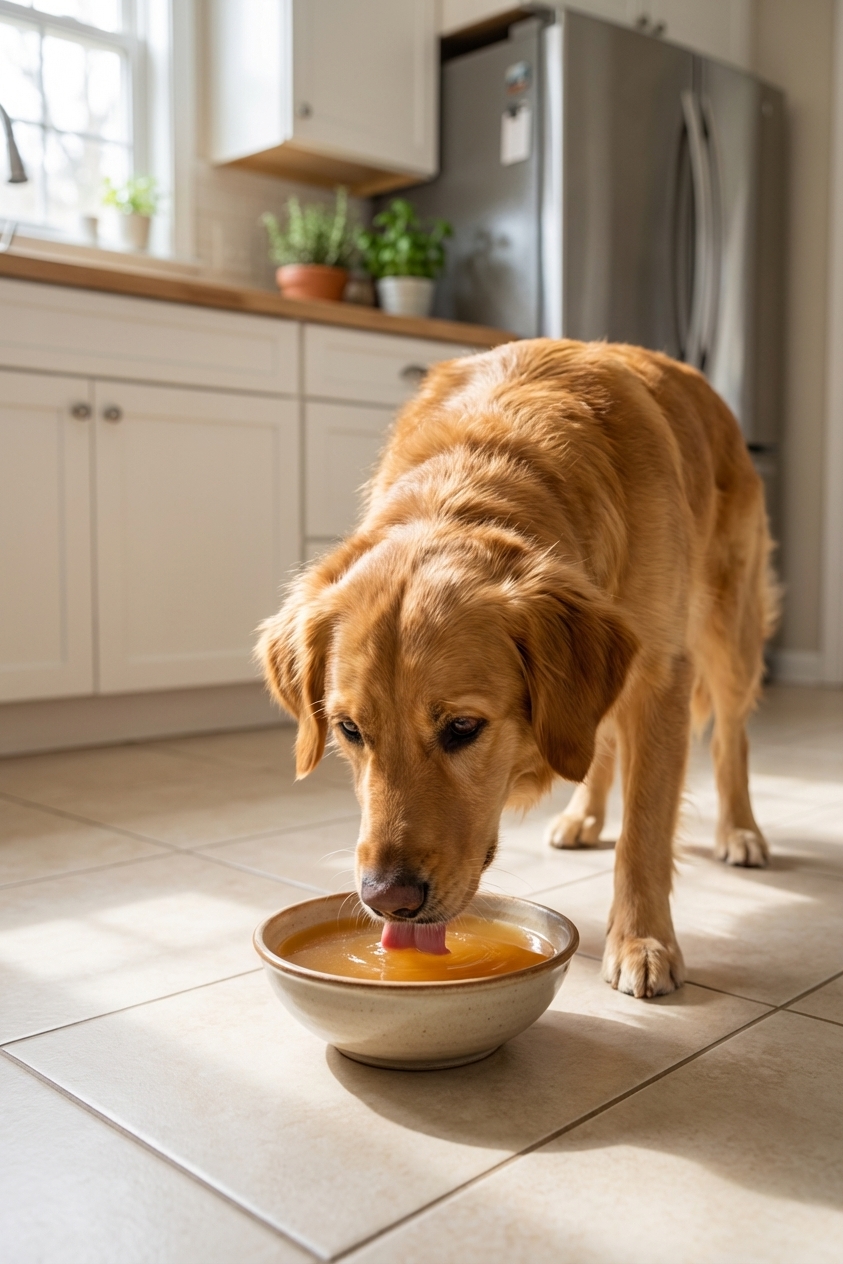
Make meals more tempting and nutritious with simple dog food toppers: bone broth, cooked eggs, sardines, pumpkin, and steamed veggies—plus portions, storag...
Article
•
Designer Mixes
What Food Is Good for Dogs

Shari Shidate
Designer Mixes contributor
If you have ever stared at a pet food label and thought, “I just want to feed my dog well, but why is this so confusing?”, you are not alone. As a veterinary assistant here in Frisco, Texas, I see the difference nutrition can make in real dogs with real lives. The good news is that “good food for dogs” is not a mystery. It is a simple mix of quality protein, the right fats, dog-safe produce, and a plan that fits your household.
Quick note: If your dog is a puppy, pregnant, a senior, or has kidney disease, pancreatitis, food allergies, or heart disease, talk with your veterinarian before changing diets. Those situations often need more precise nutrition.

What “good food” means for dogs
Dogs are omnivores with a strong preference for animal-based nutrition. That means a healthy diet usually centers on complete, digestible protein, includes essential fats, and adds fiber and micronutrients from plant foods.
In everyday terms, good food for dogs should support:
- Lean muscle and healthy weight
- Skin and coat health
- Steady energy without constant hunger
- Good stools and a comfortable gut
- Dental and joint support over time
The core building blocks of a healthy dog diet
1) Protein: the foundation
For most dogs, protein should be the anchor of the meal. Great options include:
- Chicken or turkey
- Lean beef
- Pork (lean cuts)
- Fish like salmon or sardines (excellent for omega-3s)
- Eggs (a highly digestible protein for many dogs)
Tip: Rotate proteins when you can. Variety helps broaden nutrient intake and may reduce the risk of developing sensitivities in some dogs.
2) Fats: energy and skin support
Dogs need fat for energy and to absorb fat-soluble vitamins. The goal is the right kinds and the right amount.
- Omega-3s from fish (or vet-approved fish oil) can support skin, coat, joints, and inflammation balance.
- Moderate animal fats can be fine for most dogs, but dogs with pancreatitis or frequent stomach upset often need a lower-fat plan.
3) Carbs: optional, but often helpful
Carbs are not “bad” for dogs. Many dogs do very well with modest portions of healthy carbs, especially active dogs or dogs that need help maintaining weight.
- Brown rice, white rice (often easier on sensitive stomachs)
- Oats
- Quinoa
- Sweet potato
- Pumpkin (great for stool support in many dogs)
4) Vegetables and fruit: small portions, big benefits
Vegetables add fiber and phytonutrients. Many dogs digest vegetables better when they are lightly cooked, steamed, or pureed.
Dog-friendly veggies (served cooked, plain):
- Carrots
- Green beans
- Broccoli (small amounts)
- Zucchini
- Spinach (small amounts)
- Kale (small amounts)
Fruit can be a treat-size “bonus” (think small portions):
- Blueberries
- Apples (no seeds)
- Banana
- Strawberries
Commercial food vs homemade
There is no single perfect answer, because the best diet is the one that is safe, complete, consistent, and realistic for you. Here are three evidence-based paths that can work well:
Option A: A complete commercial diet
If you choose kibble or canned food, look for diets that are labeled as complete and balanced for your dog’s life stage (growth, adult maintenance, or all life stages). For many families, this is the most practical way to meet nutrient requirements consistently.
Option B: Fresh or gently cooked commercial diets
Some dogs do beautifully on fresh diets that are formulated to be complete and balanced. These can be helpful for picky eaters and dogs with certain sensitivities, but quality varies. Ask your veterinarian if you are unsure.
Option C: Homemade, done thoughtfully
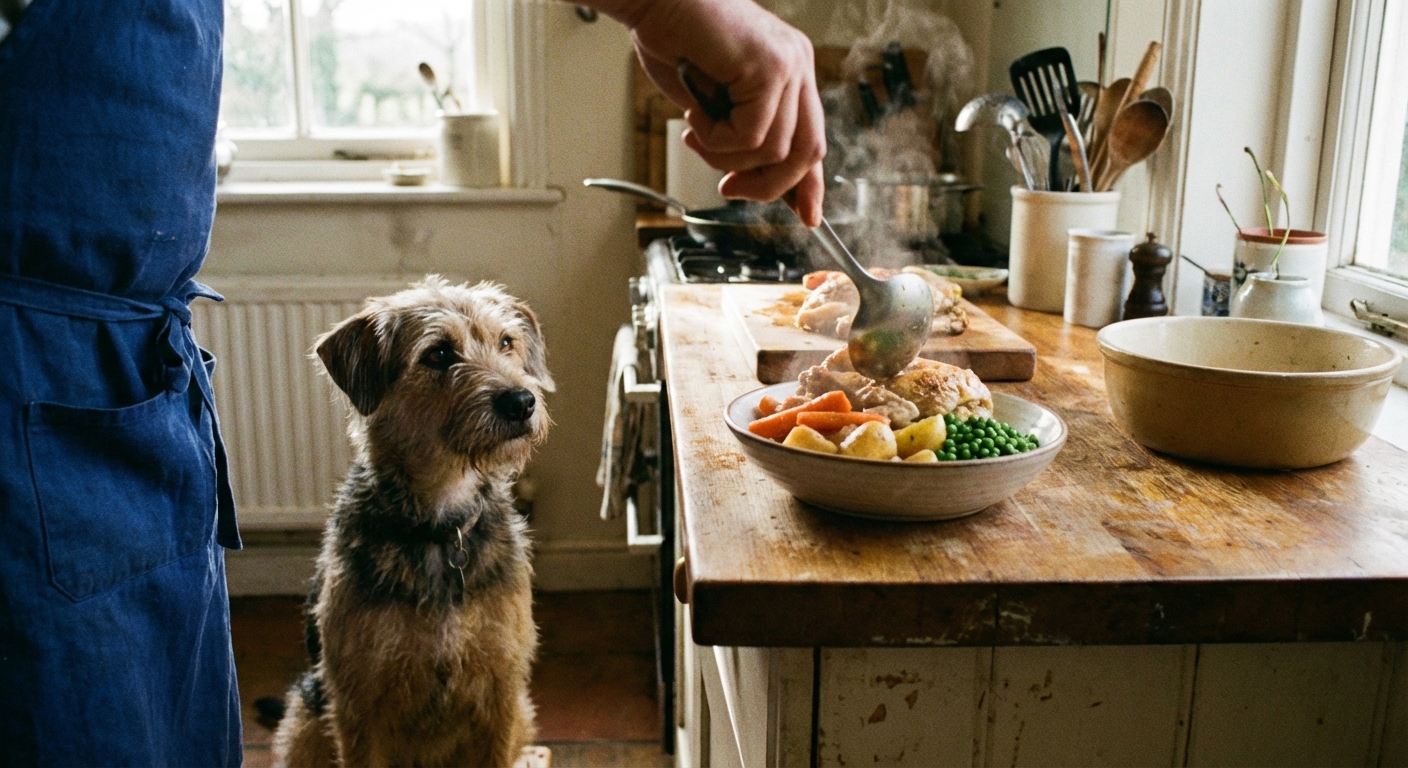
Homemade meals can be wonderful, but the main risk is nutrient imbalance over time, especially calcium, certain trace minerals, and essential fatty acids. If you want to go homemade, consider working with your veterinarian or a board-certified veterinary nutritionist to build a recipe that is complete.
My favorite middle-ground for many families is a slow transition to a “mostly balanced base” approach: keep at least 80 to 90% of your dog’s calories from a complete and balanced diet, then use simple whole-food toppers for the remaining 10 to 20%. If you want a true 50/50 split, make sure both halves are complete and balanced (for example, two balanced commercial diets, or a vet-formulated homemade recipe paired with a balanced commercial food).
Safe whole food toppers
If you are not ready to go fully homemade, toppers are a gentle way to add real-food nutrition without turning your kitchen into a full-time pet cafeteria.
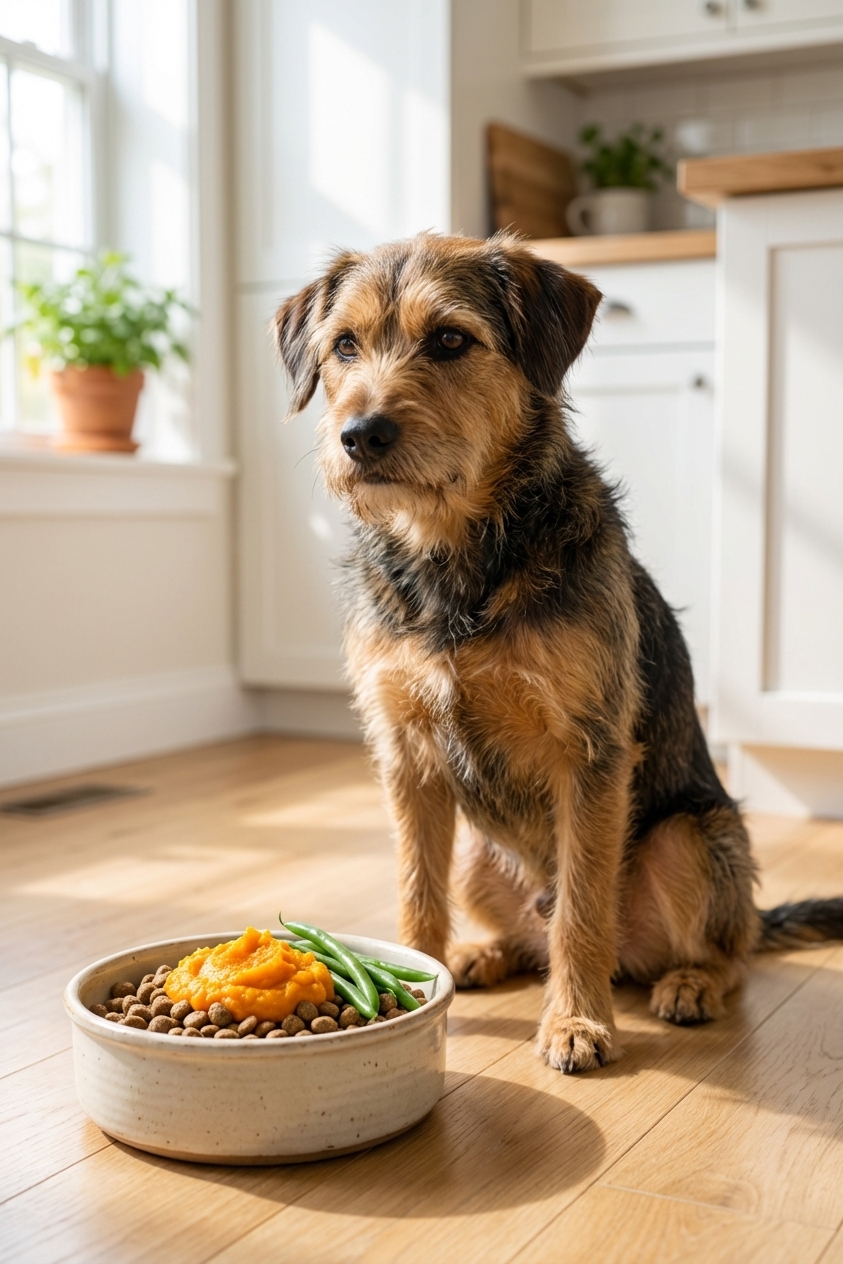
Key point: A topper is not a complete meal. In general, keep unbalanced toppers to about 10 to 20% of your dog’s daily calories unless your veterinarian has you on a balanced homemade plan.
Try adding a small portion of one of these to your dog’s regular food:
- Plain cooked chicken or turkey
- Plain scrambled egg (no butter, no salt)
- Sardines in water (small amounts)
- Plain yogurt or kefir (if your dog tolerates dairy)
- Steamed green beans
- Plain pumpkin
Go slow: Introduce one new food at a time for 3 to 5 days so you can spot what works and what does not.
Foods to avoid
Some foods are toxic to dogs, and others are simply too rich for many digestive systems. Even when a food is “safe,” it can still be too fatty, too salty, or too seasoned to be a good idea.
Toxic to dogs
- Grapes and raisins
- Onions (all forms)
- Garlic (all forms)
- Xylitol (found in many sugar-free gums and some peanut butters)
- Chocolate
- Alcohol
- Macadamia nuts
Use caution
- Very fatty foods (can trigger pancreatitis in susceptible dogs)
- Cooked bones (splinter risk and GI injury risk)
- Excess salt and heavily seasoned foods
If you think your dog ate something toxic, call your veterinarian or a pet poison hotline right away.
How to switch foods safely
Most tummy troubles happen because changes were too fast, not because the food was “bad.” A simple, gentle transition often looks like this:
- Days 1 to 3: 25% new food, 75% old food
- Days 4 to 6: 50% new food, 50% old food
- Days 7 to 9: 75% new food, 25% old food
- Days 10 to 14: 100% new food
Watch the stool. Soft stools mean slow down, reduce the new food amount, or remove the richest ingredient and try again.
Signs your dog is thriving
When a dog’s diet is working, you will usually notice it in the “everyday” details:
- Comfortable digestion and consistent stools
- Clear eyes and good hydration
- Steady energy without restlessness
- Less itching and a shinier coat over time
- A healthy waistline you can see and feel
If your dog is gaining weight, losing weight, itching more, vomiting, or having chronic diarrhea, it is time to talk with your veterinarian. Food is powerful, but it is also only one piece of the health puzzle.
Simple meal ideas
If your vet has cleared your dog for whole foods, here are a couple of simple combos that many dogs love. These are not meant to replace a complete diet unless formulated to be complete and balanced, but they can be helpful toppers or part of a veterinarian-approved plan.
Easy bowl topper
- Cooked chicken
- Steamed carrots
- A spoonful of plain pumpkin
Gentle upset tummy option
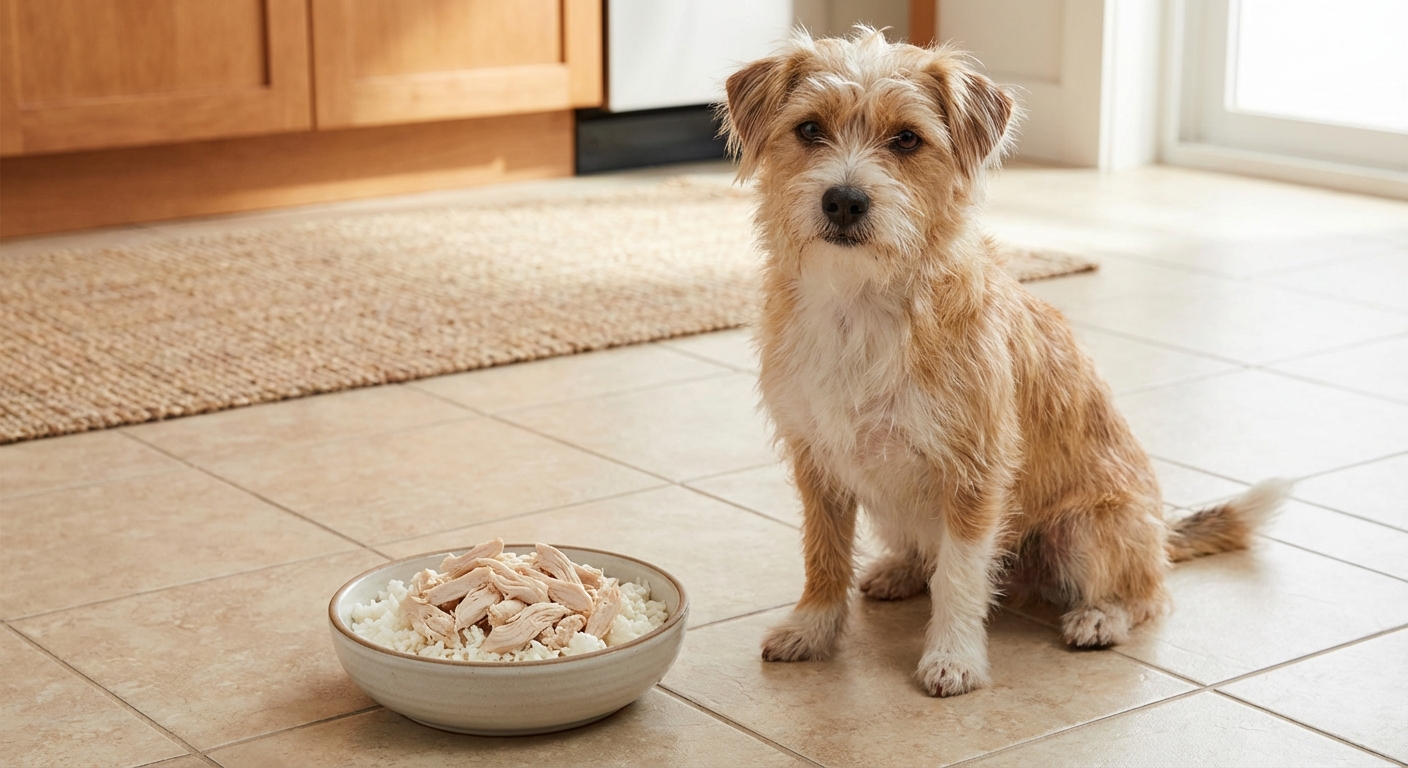
- Cooked white rice
- Boiled, shredded chicken breast
- Optional: a little plain pumpkin
Keep it plain. Skip garlic, garlic powder, onion, onion powder, heavy oils, and salty broths.