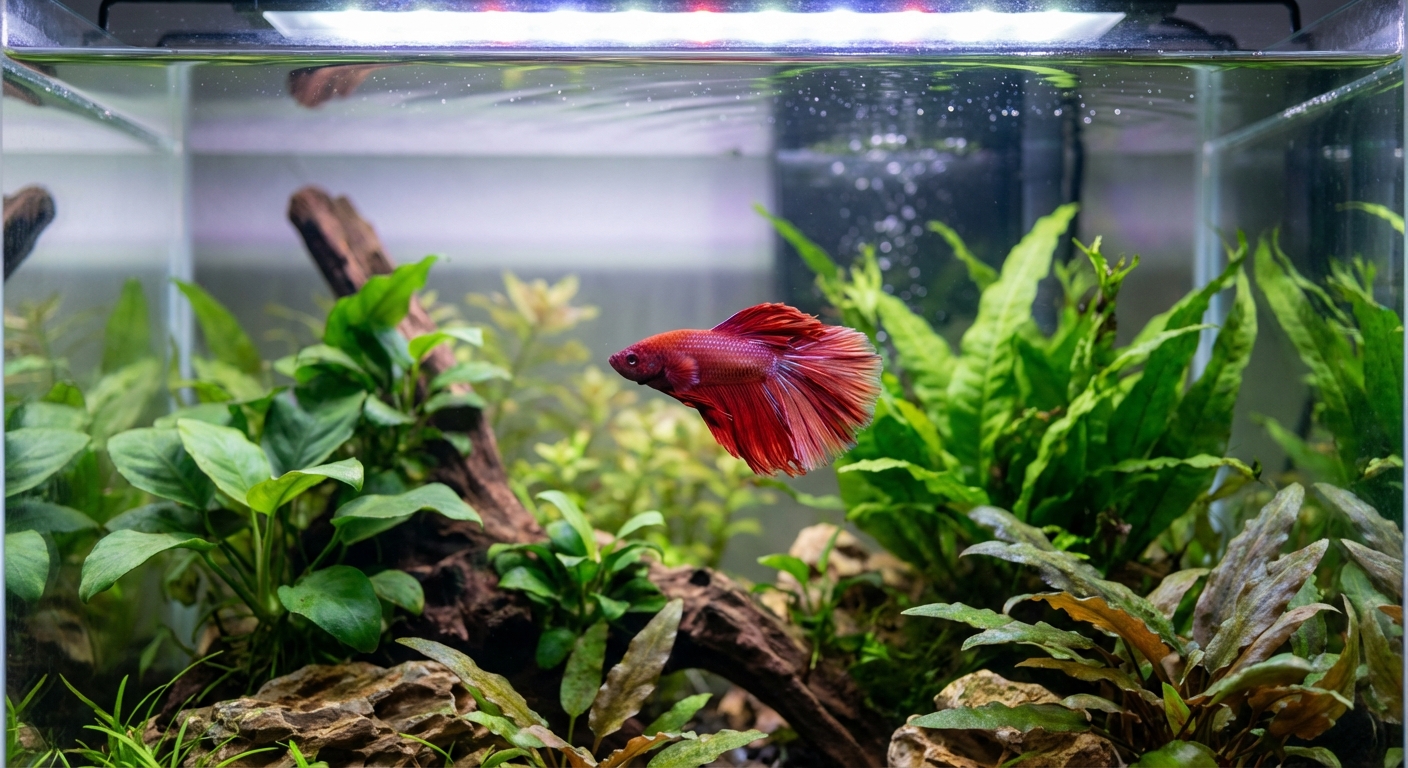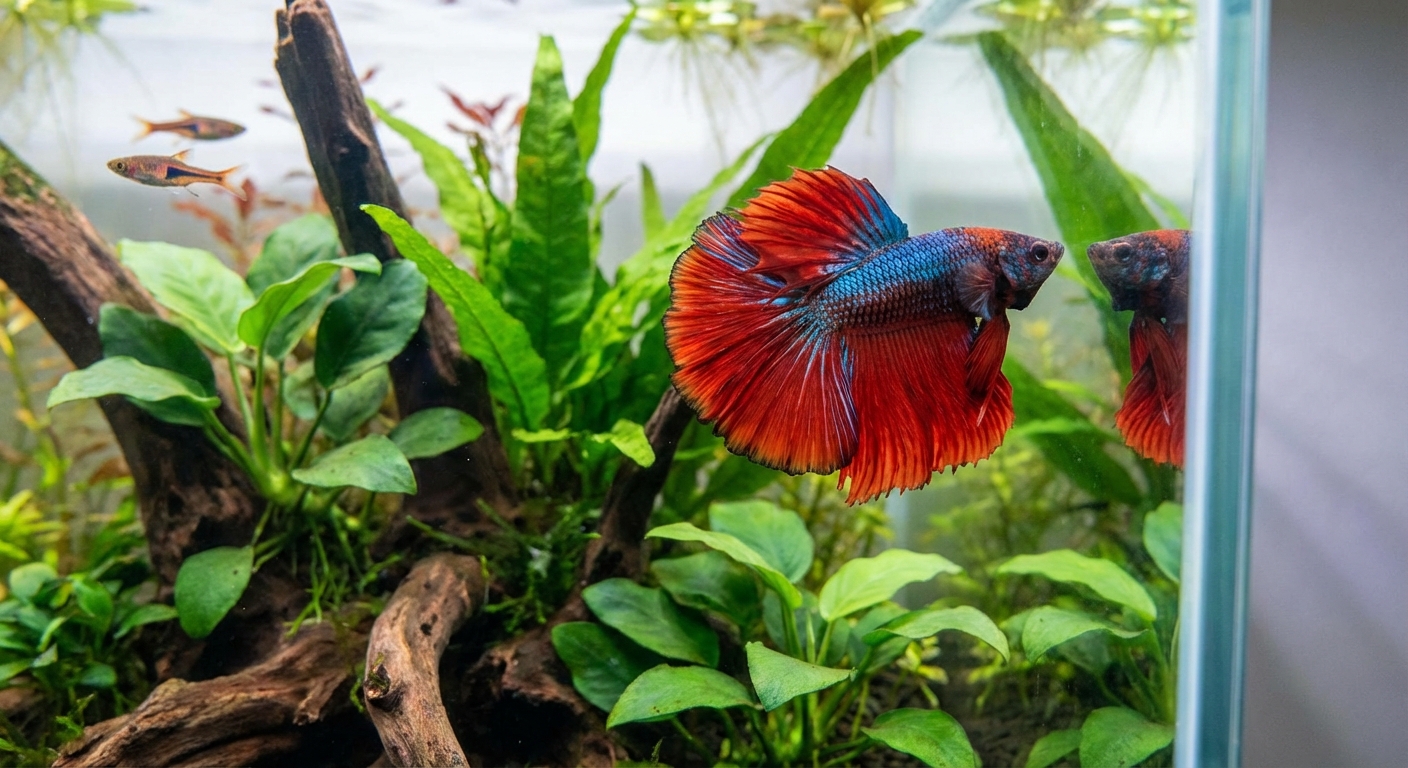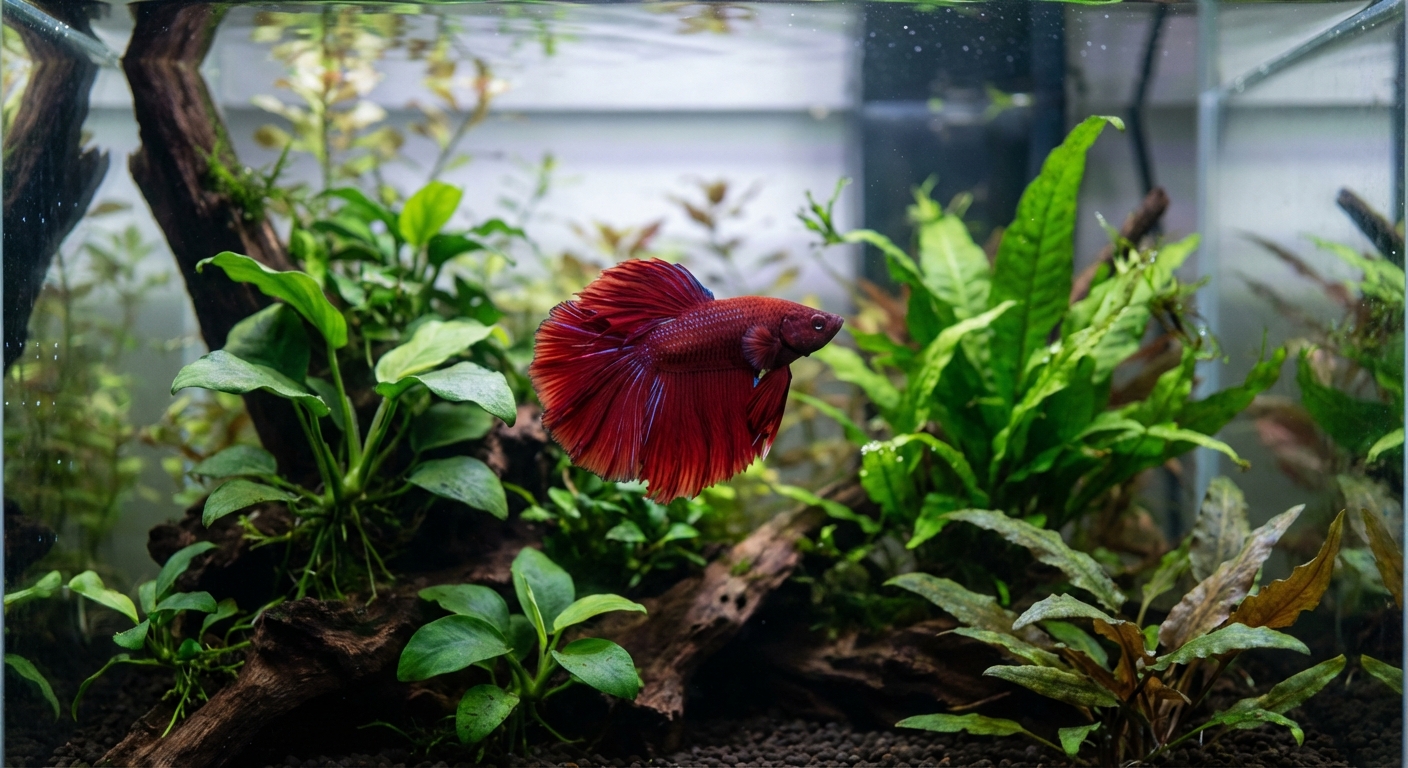
Build a peaceful betta community tank with proven compatible fish and invertebrates. Includes tank size tips, ideal parameters, fish to avoid, and a step-by-...
Article
•
Designer Mixes
What Fish Can Live With a Betta

Shari Shidate
Designer Mixes contributor
As a lifelong pet-lover and a veterinary assistant here in Frisco, Texas, I totally get the appeal of a betta. They are stunning, interactive, and full of personality. But they also come with a big question: What type of fish can live with a betta without turning your aquarium into a stress situation?
Here is the honest truth: bettas can live peacefully with other fish, but only when you match the right species, set up the tank correctly, and watch behavior closely in the first weeks.
Quick note: I am a veterinary assistant, not a veterinarian. This is general, hobby-informed guidance, not medical advice for a specific fish.
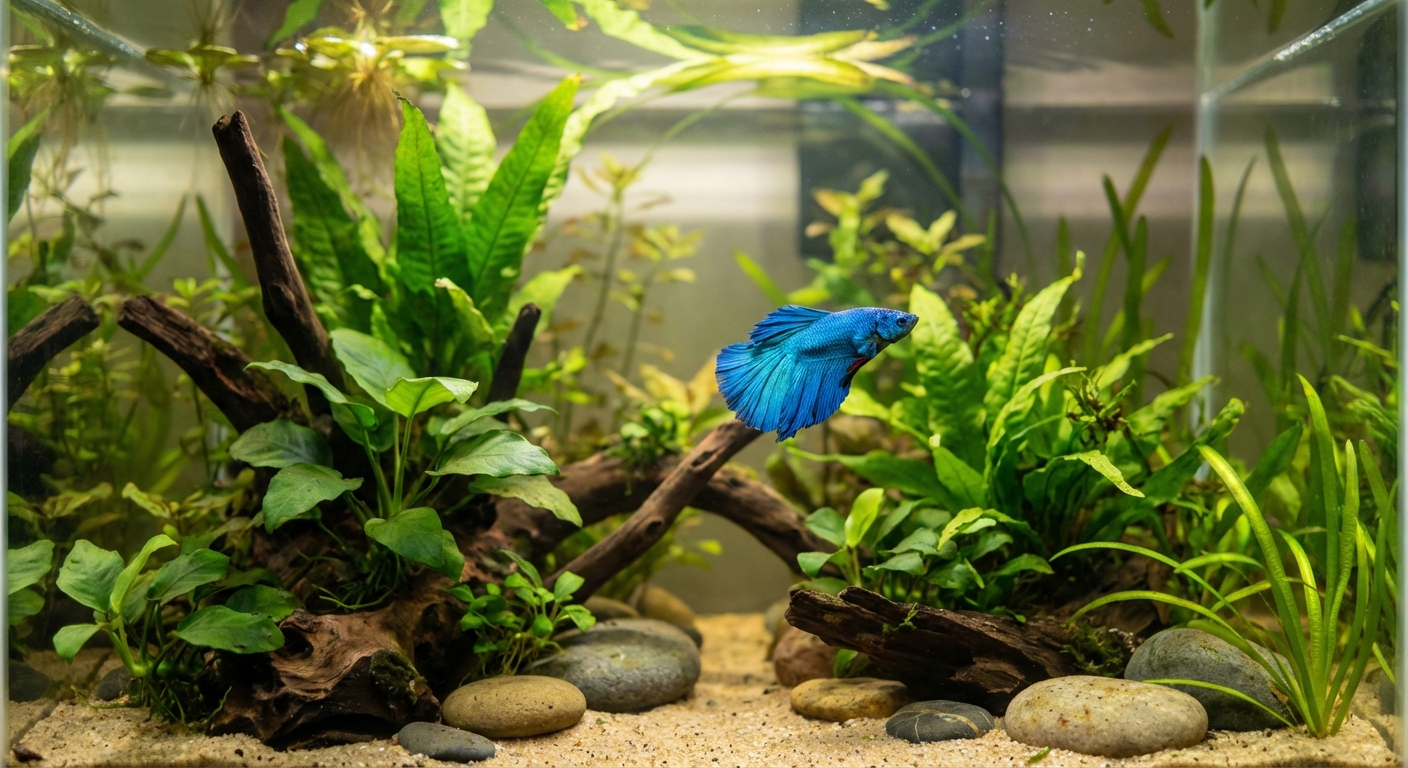
Compatibility is more than the fish
Most “betta community tank” problems happen because of environment, not because bettas are automatically mean. Bettas are territorial, and some individuals are more reactive than others. Your success depends on a few key factors:
- Tank size: 10 gallons can be a minimum for limited, carefully chosen tankmates. For most true community setups, 20+ gallons is safer.
- Footprint and layout: Longer tanks and lots of plants, caves, and line-of-sight breaks reduce chasing and guarding.
- Water and temperature: Bettas do best around 78 to 80°F. Tankmates must tolerate warm water, and you should match species-specific ranges (some fish prefer it slightly cooler).
- Water quality: Aim for ammonia 0, nitrite 0, and a low, stable nitrate level (many keepers target under 20 to 40 ppm). Test more often during the first few weeks after adding fish.
- Filtration and bioload: Avoid overstocking. Stable filtration and a sensible fish load prevent fast parameter swings, especially in smaller tanks.
- Your specific betta: Some are chill. Some are not. You cannot “train” aggression away, but you can manage it with smart choices and a backup plan.
Best tank size for tankmates
If you remember one thing, let it be this: more water equals more peace. A betta can thrive solo in 5 gallons, but that size is usually too tight for tankmates.
- 10 gallons: Betta + one very small, very peaceful option (often non-fish), or a carefully chosen bottom group like pygmy corys in the right setup.
- 15 to 20 gallons: A much safer range for beginner-friendly community options.
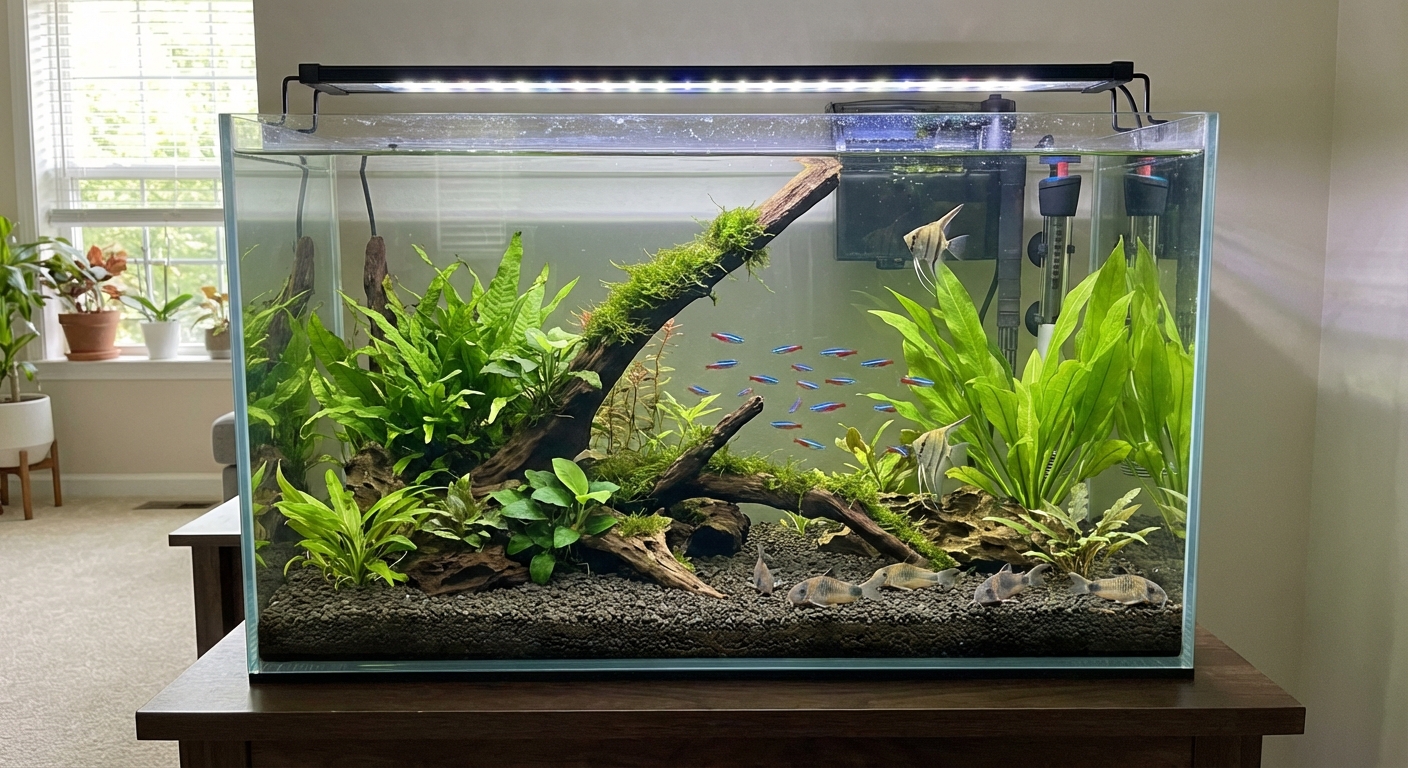
- 20+ gallons: Best for schooling fish, larger bottom groups, and diluting territorial behavior.
Fish that usually do well
These are the species most hobbyists have consistent success with when the tank is sized appropriately and planted well. “Usually” matters here because every betta is an individual. Also keep in mind: long-finned male bettas are often more vulnerable to fin-nipping, while short-finned bettas and many females can be faster and sometimes more assertive.
Corydoras (best in groups)
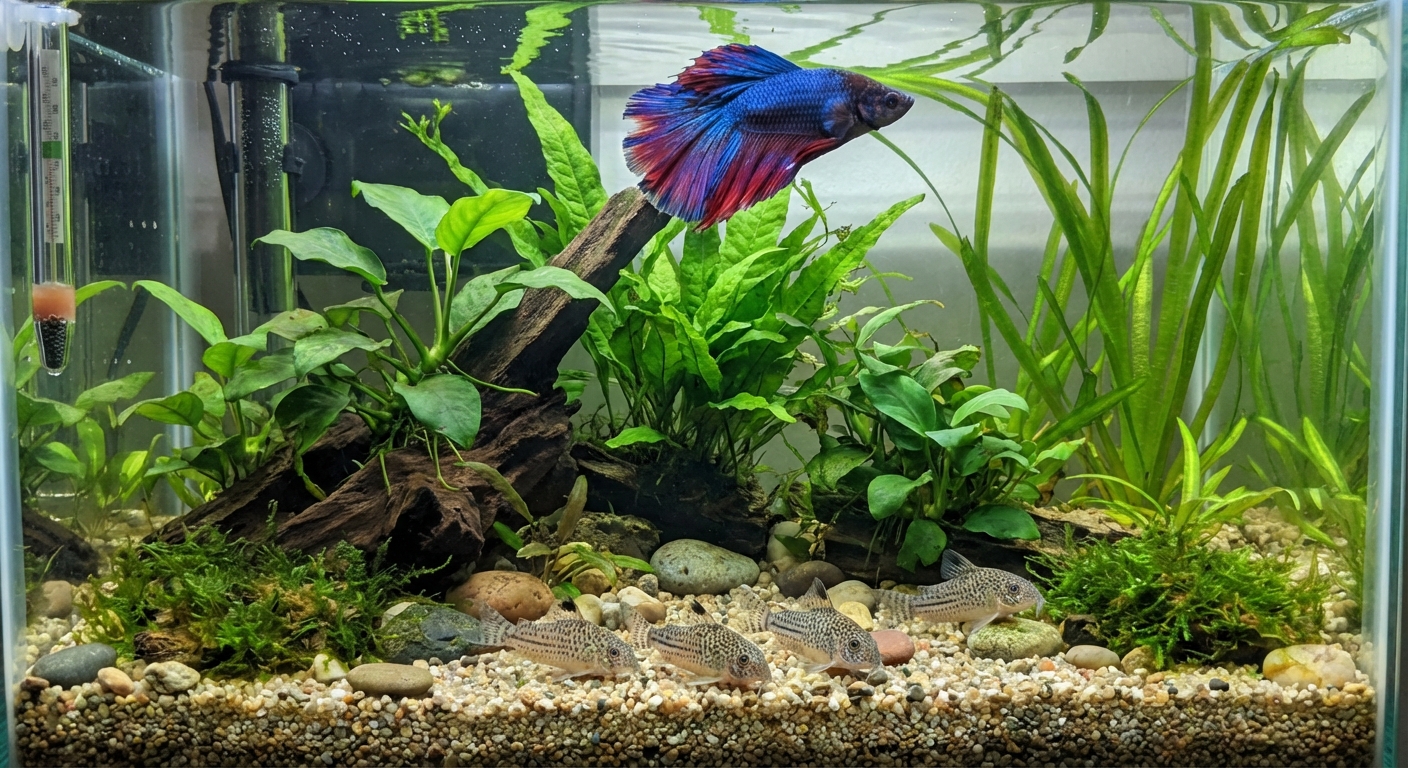
Corydoras are peaceful bottom-dwellers that focus on the substrate, not the betta. They are social and do best in groups of 6 or more.
- Best for smaller tanks: Pygmy corys and habrosus corys are often the safest cory picks when space is limited.
- Panda cory note: Panda corys are awesome, but they do best with more floor space. Many keepers prefer a 20 gallon long style footprint for them.
- Tank notes: Soft sand or smooth gravel helps protect their barbels.
Kuhli loaches
Kuhli loaches are shy, noodle-shaped, and spend most of their time hiding and foraging. They are generally non-confrontational with bettas.
- Keep in groups: 4 to 6+ is better than a single fish.
- Minimum tank: 20 gallons is a common recommendation because they appreciate space, stable parameters, and lots of hiding spots.
Small rasboras (calm schooling fish)
Some rasboras are an excellent match because they are quick enough to avoid conflict but not usually nippy. Their calmer schooling style can reduce drama.
- Good picks: Harlequin rasboras in a 20 gallon, or smaller rasboras in a larger, well-planted setup.
- Keep a school: 6 to 10+ is ideal depending on tank size.
Otocinclus (for experienced keepers)
Otocinclus are gentle algae-eaters that typically ignore bettas. The catch is they are sensitive and do best in stable, established aquariums.
- Tank notes: A mature tank with biofilm and algae helps them thrive. A lot of keepers wait several months before adding them.
- Tank size: 15 to 20 gallons or larger is generally more forgiving because small tanks can swing quickly.
- Group size: 4 to 6+.
- Feeding: They often need supplemental foods like algae wafers and blanched veggies.
Peaceful tetras (use caution)
This is where real-world nuance matters: many tetras are labeled “community fish,” but some are fin-nippers. With bettas, fin-nipping can quickly become a serious welfare issue.
- More likely to work: Ember tetras in a well-sized, well-planted tank.
- Use caution: Neon tetras can work in some setups but can also nip, especially in smaller tanks or if the school is too small.
- Minimum tank: 20 gallons helps schooling fish spread out and reduces stress.
Non-fish tankmates
If you love the idea of a “busy” tank but want to lower the risk of fin damage or fighting, consider non-fish tankmates that occupy different zones.
Nerite snails
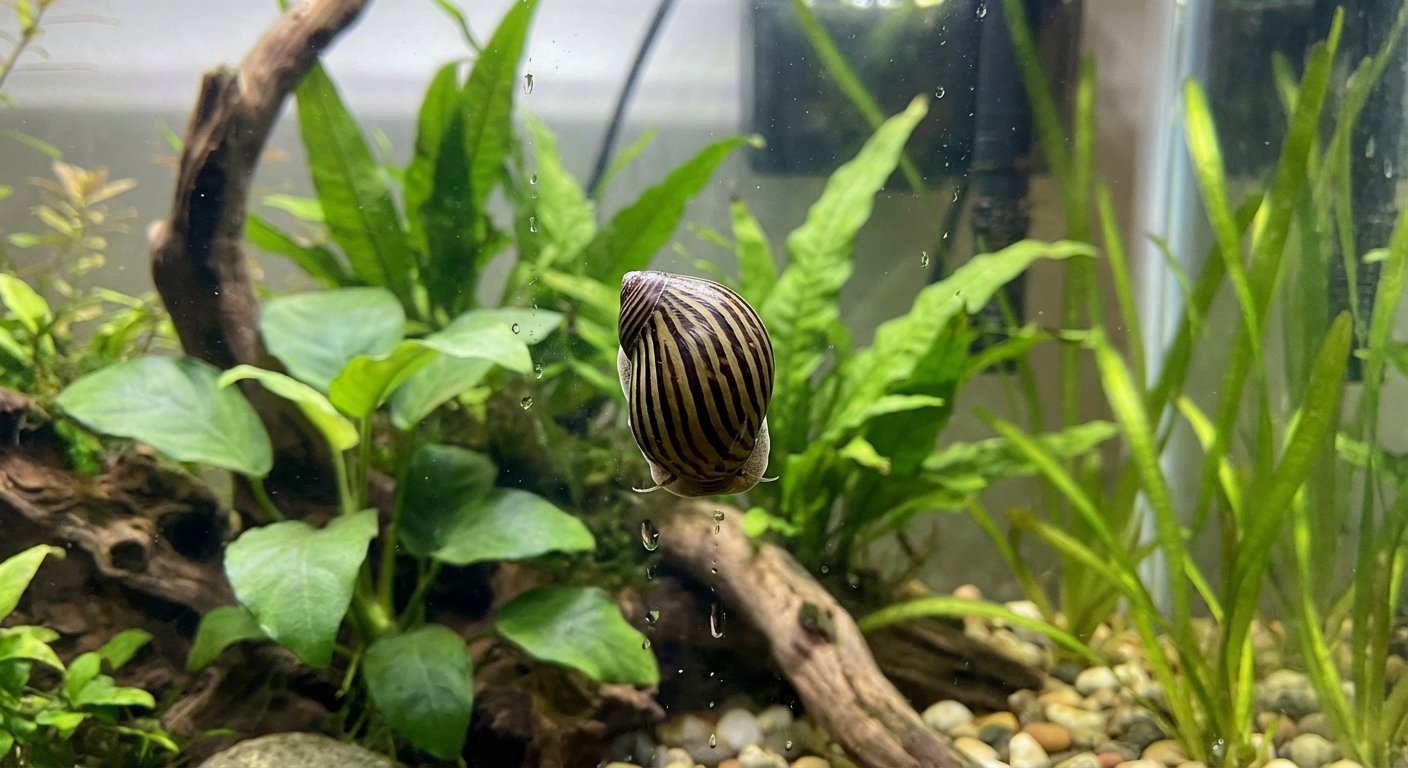
Nerites are popular because they help with algae and they will not successfully reproduce in freshwater. You may still see eggs, but they will not hatch in a typical freshwater tank. Some bettas may harass them, but many ignore them.
Shrimp (depends on your betta)
Many bettas will hunt shrimp, especially smaller ones. If you want to try:
- Start with plenty of dense plants and hiding places.
- Consider larger shrimp varieties, but know there are no guarantees.
Fish to avoid
These are the combinations that most commonly end in stress, torn fins, injuries, or chronic chasing.
- Fin-nippers: Serpae tetras, black skirt tetras, and many “busy” tetra species.
- Guppies and fancy-tailed fish: Their flowing tails can trigger betta aggression.
- Other bettas: Male bettas should not be housed together. “Sororities” (female groups) are advanced and often fail without very specific conditions.
- Gouramis: They are relatives of bettas and can trigger territorial conflict.
- Goldfish: Temperature, waste load, and husbandry needs do not match.
- Cichlids and aggressive species: Too much competition and risk of injury.
How to add tankmates
Slow and steady wins here. A rushed introduction is one of the fastest ways to create ongoing aggression.
- Start with an established tank: Stable parameters and a cycled filter matter. “Cycled” means your beneficial bacteria are established so the tank can process fish waste without ammonia or nitrite spikes.
- Quarantine new fish when you can: A short quarantine period helps reduce the risk of bringing home parasites or infections.
- Add tankmates first (when possible): Then introduce the betta last so the whole tank does not feel like “his territory.”
- Rearrange decor: If the betta is already in the tank, changing the layout can reduce territorial behavior.
- Keep lights low on day one: Lower stimulation helps everyone settle.
- Watch the first 72 hours closely: Occasional curiosity is normal. Repeated chasing, biting, cornering, or stress hiding is not.
- Have a backup plan: A spare tank or divider can prevent injury if your betta says “nope.”
Red flags early on
Some bettas are simply not community fish. If you see these patterns, it is okay to abandon the community plan and keep your betta solo:
- Constant flaring at tankmates or the glass for long periods
- Hunting behavior (stalking and striking repeatedly)
- Relentless chasing that does not taper off after the first day or two
- Tankmates hiding all the time or refusing food
Stress signs to take seriously
In my experience, I always encourage pet parents to watch behavior first. Stress can contribute to poorer resilience over time and may set the stage for illness in sensitive fish.
- Clamped fins or a sudden “shut down” posture
- Hiding constantly or refusing to come out for food
- Rapid breathing at the surface or nonstop gill flaring
- Torn fins or bite marks
- Loss of appetite for more than a day or two after the tank is settled
If you see these, separate the fish and reassess stocking, tank size, temperature range, and layout. Peaceful cohabitation is the goal, not forcing it.
Quick cheat sheet
If you want the simplest starting point, this is a gentle place to begin:
- 10 to 15 gallons: Betta + nerite snail, or betta + 6 pygmy or habrosus corydoras (good filtration, lots of cover, and careful stocking)
- 15 to 20 gallons (mature tank): Betta + 4 to 6 otocinclus (only if the tank is stable and you are prepared to supplement their diet)
- 20 gallons: Betta + a school of peaceful rasboras + a cory group (choose a cory species that fits the footprint and temperature)
There is no magic compatibility list. The real key is peaceful species, enough space, stable water quality, and being willing to adjust based on your betta’s personality.
Ethics and care
Betta community tanks can be wonderful when done thoughtfully. If you are ever unsure, it is completely okay to keep your betta as a pampered solo fish in a beautifully planted tank. Solo does not mean boring. It often means less stress and better long-term health.
If your fish are showing signs of illness or ongoing stress, check water parameters promptly (especially ammonia and nitrite) and consider consulting a fish-savvy veterinarian or an experienced aquatic professional.