A veterinary assistant’s guide to cat diarrhea: common causes, small vs. large bowel clues, safe home steps, what not to do, and when to call urgent care.
Article
•
Designer Mixes
What Does It Mean When Your Cat Has Diarrhea?

Shari Shidate
Designer Mixes contributor
As a veterinary assistant, I know how alarming it is to find diarrhea in the litter box, especially when your cat seems “mostly fine” otherwise. The good news is that many cases are mild and short-lived. The not-so-good news is that diarrhea can quickly lead to dehydration, and it can also be a sign of parasites, infection, or an underlying condition that needs veterinary care.
Let’s walk through what diarrhea can mean, what you can do at home, and when it is time to contact your veterinarian.
What counts as diarrhea in cats?
Diarrhea is stool that is softer than normal, unformed, or watery. It can happen once, or it can repeat multiple times a day. Some cats also strain, have increased urgency, or pass mucus or blood.
Quick note: Sometimes what looks like diarrhea is actually constipation with liquid stool leaking around a hard stool (overflow). This is more common in older cats. If your cat is straining, producing very little stool, or seems uncomfortable, call your vet.
Acute vs. chronic
- Acute diarrhea starts suddenly and typically lasts hours to days, and by definition is usually considered less than about 2 weeks.
- Chronic diarrhea lasts longer than 2 to 3 weeks, or it keeps coming back.
That timeline matters because chronic diarrhea is more likely to involve diet intolerance, inflammatory bowel disease, hyperthyroidism, or other medical conditions that need a diagnosis and long-term plan.
Common reasons cats get diarrhea
There is no single cause, but these are the most common ones we see in clinics.
Diet changes and food intolerance
Cats have sensitive GI tracts. A sudden switch in food, new treats, flavored medications, table scraps, rich foods, or scavenging can trigger diarrhea.
- New food introduced too quickly
- Milk or dairy (many adult cats are lactose intolerant)
- Fatty foods and people food
- Food intolerance or allergy (sometimes accompanied by vomiting or itchy skin)
Stress
Stress may change gut motility and the balance of bacteria in the digestive tract. Common triggers include moving, boarding, new pets, visitors, schedule changes, and even loud construction.
Parasites
Intestinal parasites are common, and they can occur even in indoor cats. Giardia, coccidia, roundworms, and hookworms can cause diarrhea and sometimes weight loss.
Infections
Viral or bacterial infections can cause diarrhea, sometimes with vomiting, fever, or lethargy. Kittens and unvaccinated cats are at higher risk for severe illness.
Antibiotics and medications
Some medications can irritate the GI tract or disrupt healthy gut bacteria. If diarrhea began soon after starting a medication, tell your veterinarian.
Underlying medical problems
If diarrhea is persistent, recurring, or paired with weight loss, increased thirst, or appetite changes, your vet may consider conditions like:
- Inflammatory bowel disease (IBD)
- Pancreatitis
- Hyperthyroidism (especially in older cats)
- Exocrine pancreatic insufficiency (less common in cats)
- GI obstruction or foreign material ingestion
- Certain cancers affecting the GI tract (more likely in seniors)
Clues in the litter box
When you call your vet, they will often ask about the appearance and frequency. A few practical clues can help narrow things down.
Large intestine signs (colitis)
- Small amounts of stool passed frequently
- Straining
- Mucus
- Bright red blood (often from irritation near the end of the colon)
Small intestine signs
- Larger volumes of watery stool
- Weight loss may be present
- Less straining than colitis
- Dark, tarry stool can indicate digested blood and needs prompt veterinary attention

When it is an emergency
Some situations need same-day veterinary care because cats can dehydrate quickly and they tend to hide illness.
- Kittens with diarrhea, even if they seem active
- Diarrhea lasting more than 24 to 48 hours in an adult cat, or sooner if it is worsening
- Repeated vomiting or your cat cannot keep water down
- Blood in the stool (especially large amounts or dark, tarry stool)
- Lethargy, weakness, collapse, or not acting like themselves
- Signs of dehydration such as tacky gums, sunken eyes, or very low energy
- Suspected toxin exposure (plants, human meds, pesticides, essential oils)
- Possible foreign object ingestion (string, ribbon, toys)
- Pre-existing illness like kidney disease, diabetes, or hyperthyroidism
If you are unsure, it is always okay to call your veterinarian and describe what you are seeing. Quick guidance can save you a lot of worry and can protect your cat from getting worse.
What you can do at home
If your adult cat is bright, alert, drinking, and only has mild diarrhea, you may be able to support them at home while you monitor closely.
1) Hydration comes first
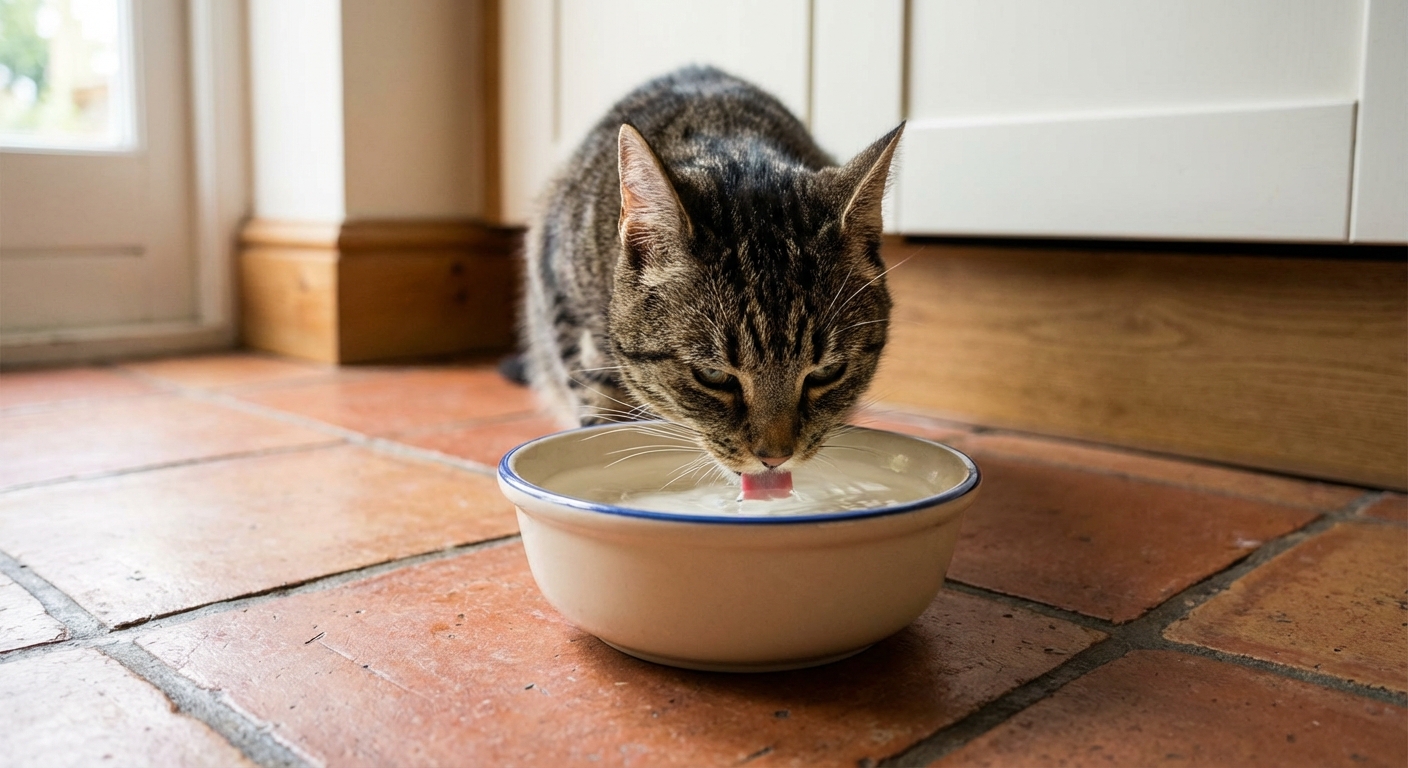
- Make fresh water easy to access in multiple locations.
- Consider a cat water fountain if your cat drinks better from moving water.
- Offer wet food to increase fluid intake.
2) Pause new foods and treats
Go back to the diet your cat was doing well on, and stop all treats and table foods for now.
3) Ask your vet about a bland diet
For some cats, a short-term, veterinarian-approved bland diet can help settle the GI tract. Many vets prefer a prescription gastrointestinal diet because it is designed to be gentle and nutritionally complete. If you are considering home bland options, ask your vet first, especially if your cat has other health issues.
Avoid fasting your cat unless your veterinarian specifically tells you to. Fasting is not usually recommended for cats, and in some cats it can create additional problems.
4) Do not use human anti-diarrheal medications
Medications like loperamide can be dangerous for cats and can mask symptoms that your veterinarian needs to evaluate. Always check before giving anything.
5) Hygiene and monitoring
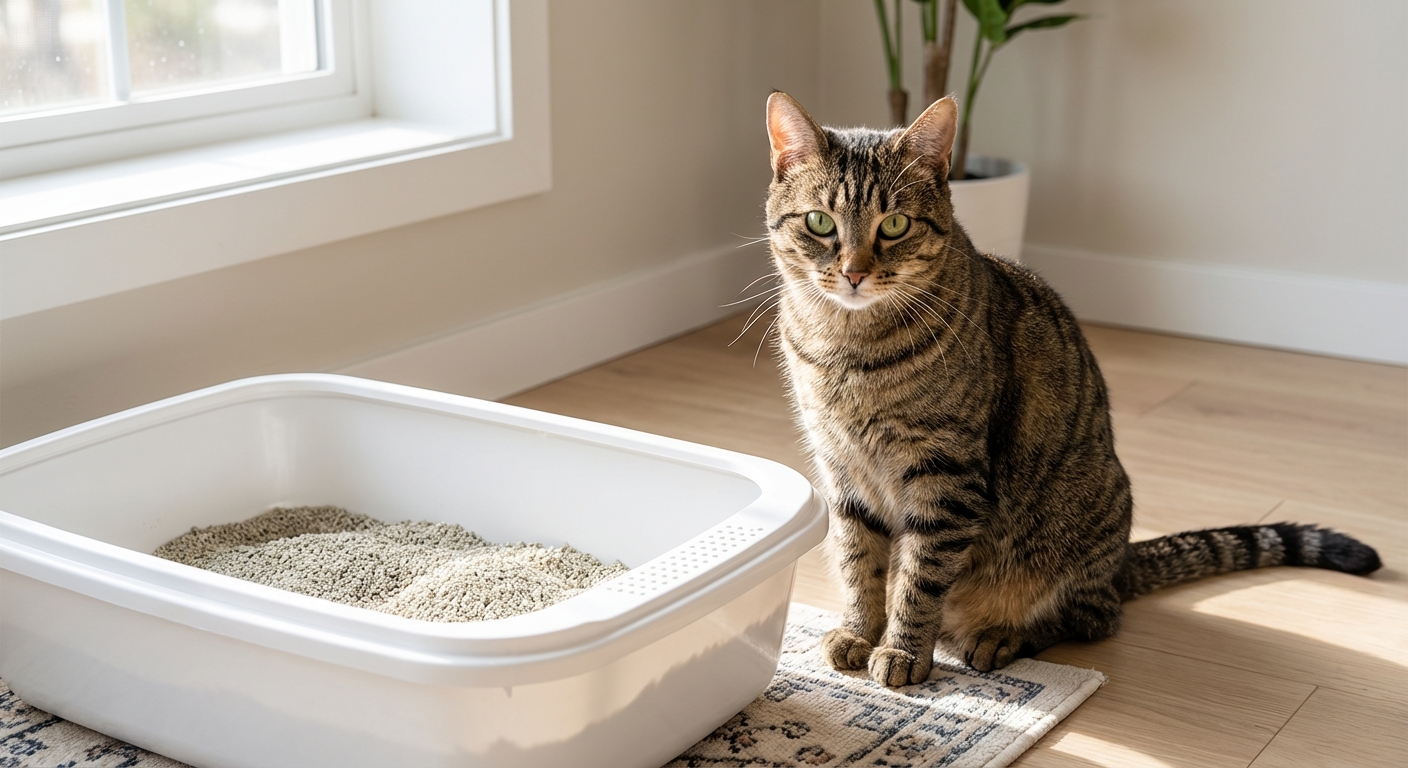
- Clean the box daily and scoop promptly.
- Wash your hands after scooping and clean any soiled surfaces. Some causes of diarrhea can be contagious to other pets, and a few (like Giardia) can affect people.
- If you have multiple cats, try to identify who is having diarrhea. If possible, give the sick cat their own litter box for easier tracking.
- Take a photo of the stool if it helps you describe it to the vet.
What your veterinarian may recommend
In clinic, the goal is to protect hydration, treat the cause, and keep the gut comfortable.
Common diagnostics
- Fecal testing for parasites (sometimes repeated tests are needed)
- Bloodwork to assess dehydration, infection, organ function, thyroid status
- Diet trials for suspected food intolerance
- Imaging like X-rays or ultrasound if obstruction or disease is suspected
Common treatments
- Fluids (subcutaneous or IV) if dehydration is a concern
- Deworming (often done even while awaiting results, depending on history)
- Probiotics formulated for cats
- Prescription GI diets for a short period or longer
- Targeted medications if a bacterial infection, dysbiosis, inflammation, or other conditions are suspected or diagnosed
Stool sample tips
If you are heading to the clinic, bringing a fresh stool sample can be very helpful (when you can safely collect one).
- Collect a small amount of stool in a clean, sealed container or a zip-top bag.
- Label it with the date and time.
- Refrigerate it if you cannot bring it right away.
- Try to get it to your vet within 24 hours.
If your cat’s stool is very watery, your veterinary team can tell you the best way to collect a sample.
How to help prevent diarrhea
Not every episode is preventable, but these habits can dramatically reduce how often it happens.
- Transition foods slowly over 7 to 10 days whenever possible.
- Keep treats simple and limit rich foods.
- Stay current on parasite prevention recommended by your veterinarian.
- Reduce stress with routine, safe hiding spots, and gradual introductions to change.
- Schedule wellness checks, especially for senior cats, so subtle GI changes are caught early.
The bottom line: one messy litter box can be “just an upset tummy” or an early warning sign. Your best tools are observation, hydration support, good hygiene, and knowing when to contact your vet.
Quick checklist for your vet
If you call or visit, having these details ready can help your vet make faster, better decisions.
- How long the diarrhea has been happening
- How often your cat is going
- Any vomiting, appetite changes, or lethargy
- Any blood, mucus, or very dark stool
- Diet changes, new treats, or possible toxin exposure
- Any recent boarding, new pets, or stressful events
- Current medications and supplements
- Whether other pets in the home have symptoms