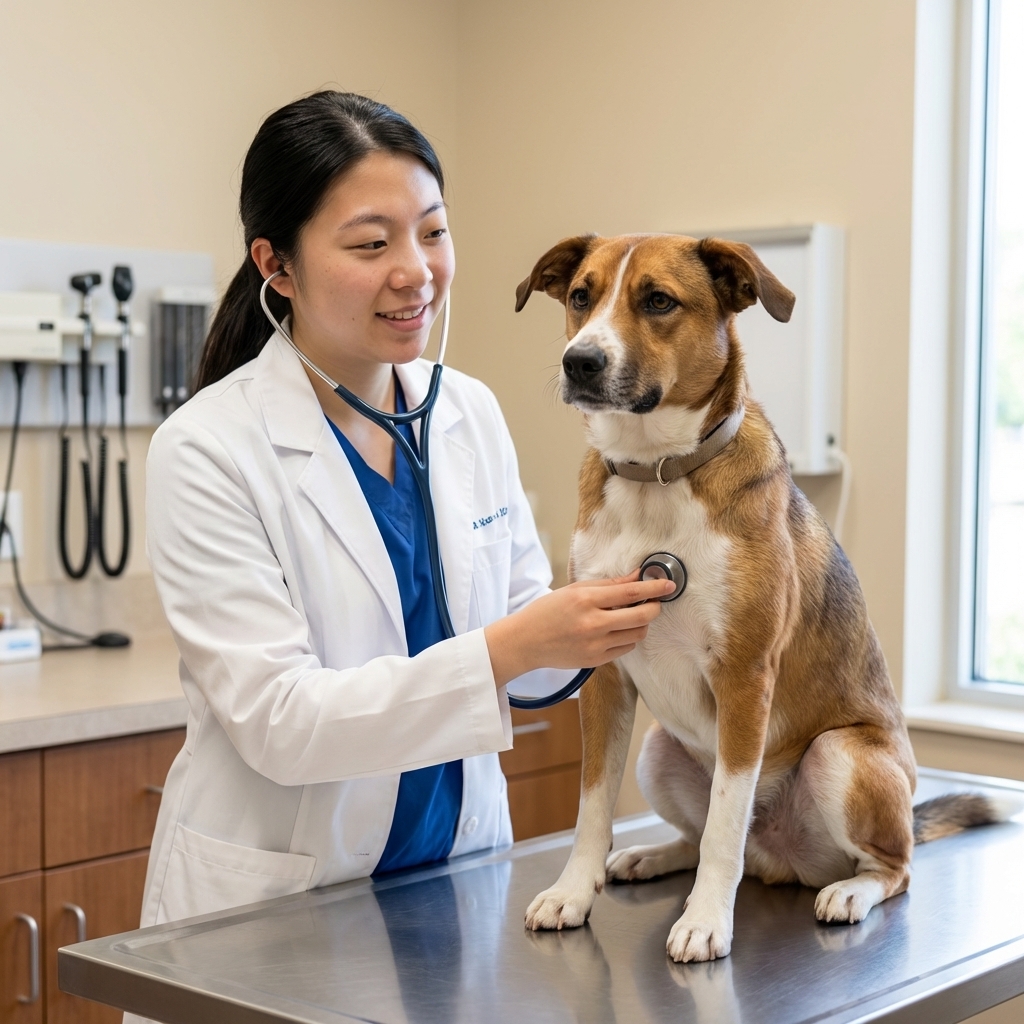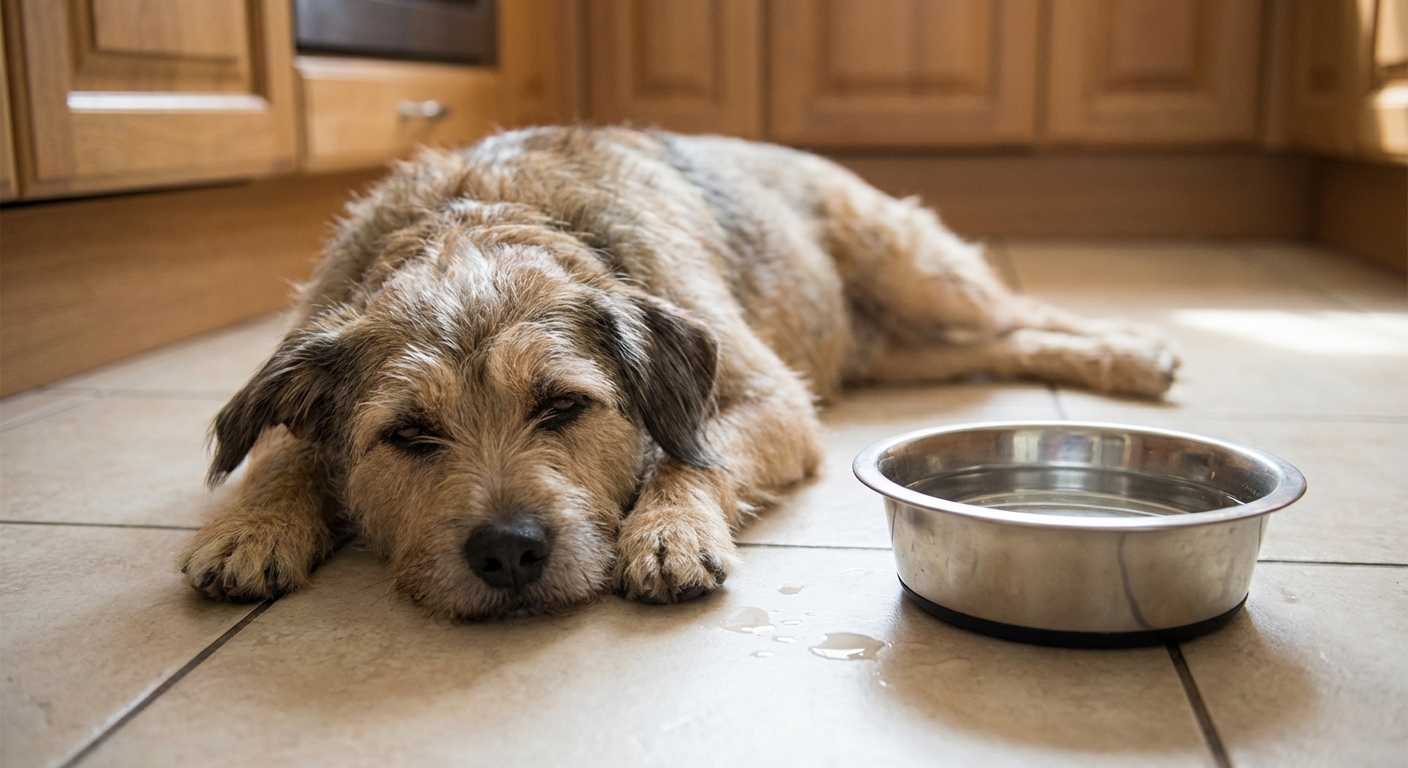
Vomiting or diarrhea can be scary. Learn common causes, vet red flags, and safe at-home steps like hydration and bland meals—plus what not to do and when t...
Article
•
Designer Mixes
What Does Cerenia Do for Dogs?

Shari Shidate
Designer Mixes contributor
If your dog gets carsick, vomits with stress, or struggles with nausea after surgery, your veterinarian may mention a medication called Cerenia. As a veterinary assistant here in Frisco, Texas, I have seen how much relief it can bring when it is used the right way for the right reason.
This guide walks you through what Cerenia does for dogs, when it is typically used, what to watch for, and how to support your pup at home. My goal is to help you feel informed and confident when you are talking with your vet.
What Cerenia is and what it does
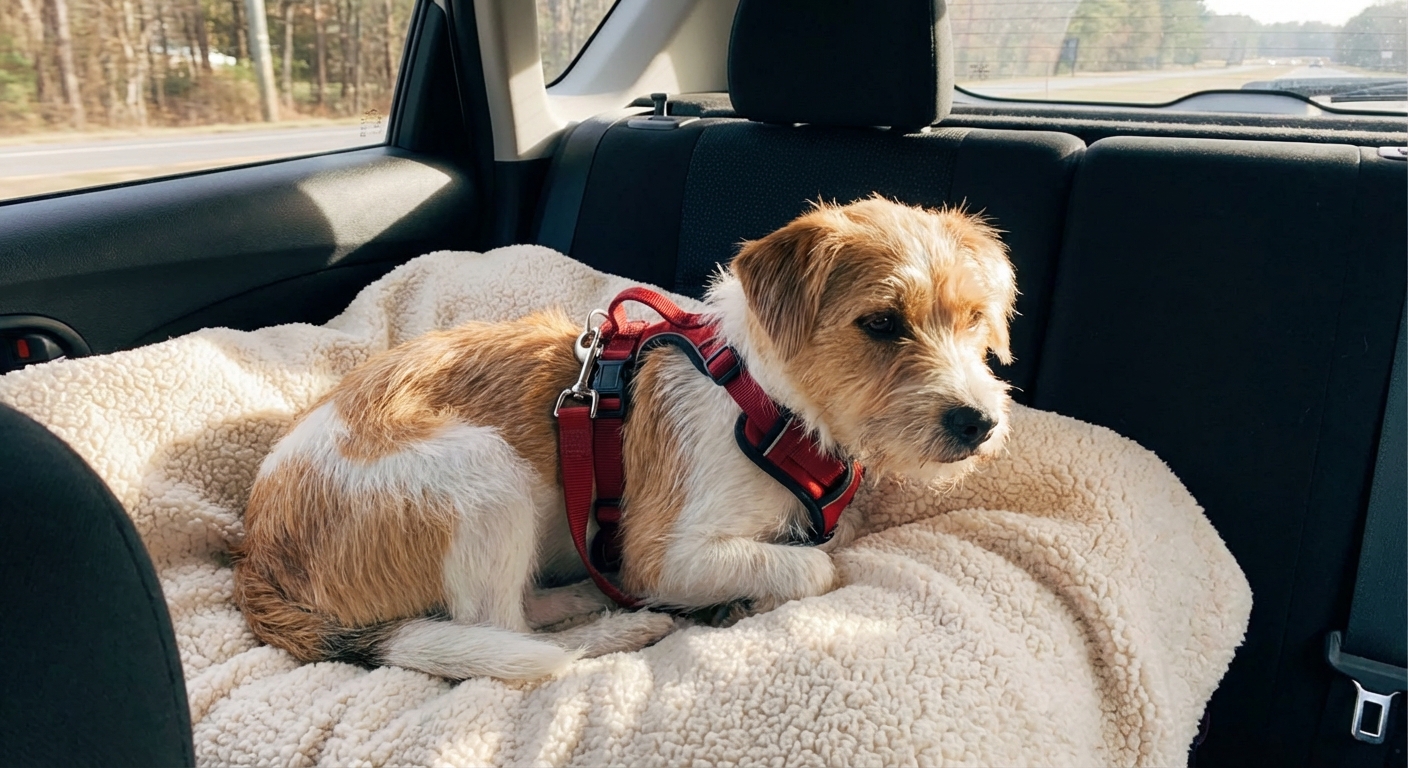
Cerenia is the brand name for maropitant citrate, a prescription anti-nausea and anti-vomiting medication for dogs. It works by blocking a chemical messenger in the body called substance P at NK1 receptors. That matters because substance P plays a central role in triggering vomiting in the brain and in the gut.
In simple terms, Cerenia helps turn down the nausea and vomiting signal so your dog can feel more comfortable and keep food and water down.
Common reasons vets prescribe Cerenia
Cerenia is most often used for two big situations:
- Motion sickness (car sickness): drooling, lip licking, whining, vomiting during travel.
- Vomiting from many causes: stomach upset, dietary indiscretion, supportive care for pancreatitis, nausea related to kidney or liver disease, and nausea related to certain medications.
It is also commonly used in veterinary hospitals to help reduce vomiting around anesthesia, especially in the perioperative period.
How fast it works and how long it lasts
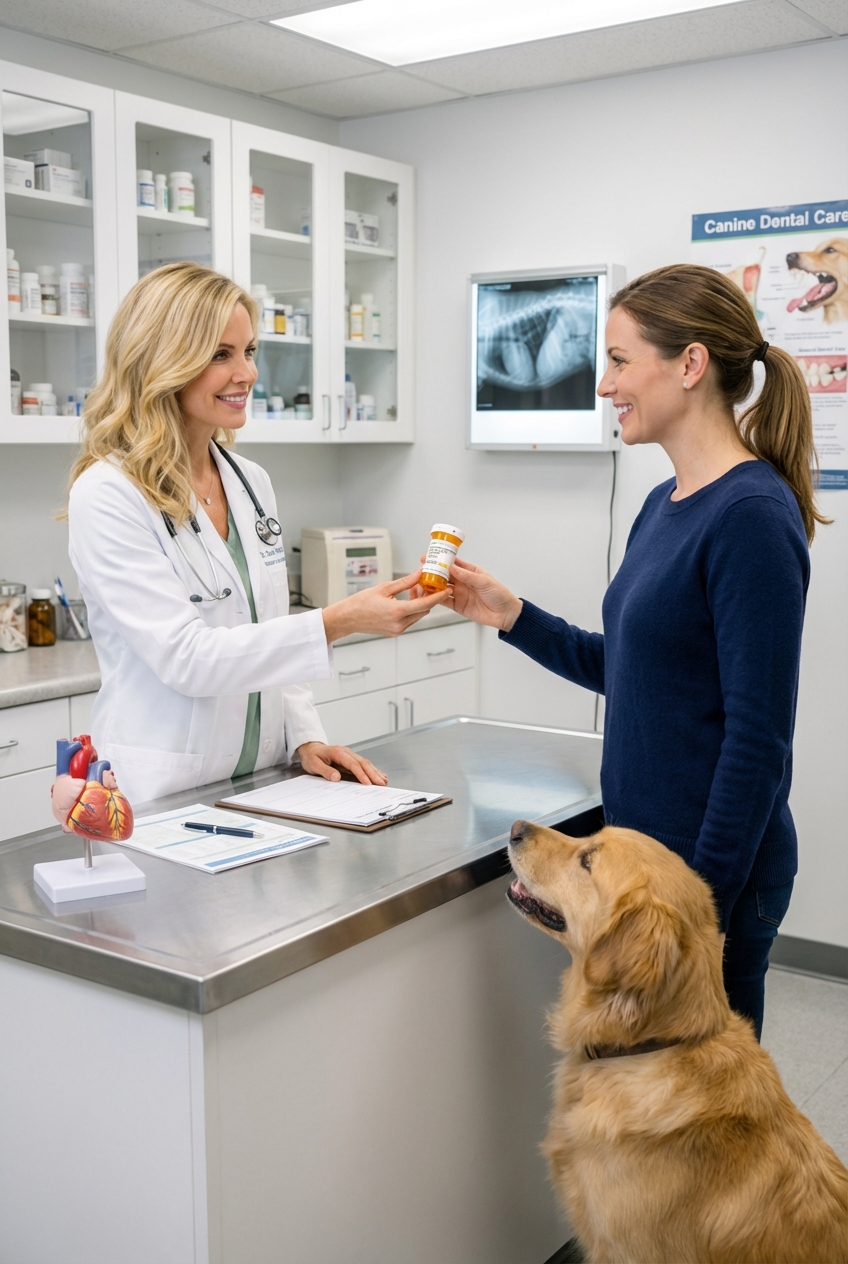
Timing varies by your dog and why it is being used, but many dogs get noticeable relief within a few hours. For motion sickness, vets often recommend giving it about 1 to 2 hours before travel so it is on board before the car ride begins.
In many cases, Cerenia is dosed once daily. Always follow your veterinarian’s instructions for timing and duration, since the plan can differ for travel versus active vomiting.
Tablets vs injection
Tablets
Tablets are typically used for at-home management, including motion sickness prevention and ongoing nausea control when appropriate.
Injection
The injectable form is commonly used in the clinic or hospital, especially when a dog is actively vomiting and cannot keep oral medication down.
Your veterinarian chooses the form based on what your dog needs that day and what is safest for their condition.
How to give Cerenia tablets
A helpful tip: In some dogs, Cerenia tablets can cause vomiting if given on a completely empty stomach due to local stomach irritation. Many vets recommend giving the tablet with a small amount of food, like a treat or a small bite of something tasty, unless your veterinarian specifically tells you to dose it differently.
If your vet is using Cerenia specifically for motion sickness, they may give you more specific instructions on meal timing for travel days. Follow their plan even if it differs from what a friend did for their dog, because the details can matter.
Motion sickness vs vomiting dose
This is important and easy to miss: the dose for motion sickness is significantly higher than the dose commonly used for acute vomiting.
That means a leftover tablet from a past stomach bug episode may not be the right dose for car sickness, and it could lead to disappointment or delayed care. Please ask your veterinarian for the correct travel plan rather than guessing.
Side effects and what to watch for
Many dogs do very well on Cerenia, but no medication is completely side-effect free. Possible side effects can include:
- Lethargy or sleepiness
- Decreased appetite
- Drooling (can happen with nausea itself, and some dogs also drool after tablets)
- Diarrhea or soft stool in some dogs
- Pain or stinging at the injection site with the injectable form
Call your veterinarian promptly if vomiting continues, your dog cannot keep water down, you see blood in vomit or stool, your dog seems unusually weak, or you are worried something bigger is going on.
Important safety notes
- Cerenia stops vomiting, but it does not cure the cause. Vomiting can be a sign of pancreatitis, intestinal obstruction, toxin exposure, Addison’s disease, kidney issues, and more. If your dog is vomiting repeatedly or seems painful, do not rely on leftovers from an old prescription.
- Vomiting can be a warning sign you should not mask. If your dog could have a foreign body, bloat, severe abdominal pain, or another urgent issue, your vet may recommend an exam and diagnostics before focusing on nausea control.
- Age and weight matter. Cerenia has different age cutoffs depending on whether it is tablets or injection and whether it is being used for motion sickness versus other vomiting. Dosing is weight-based and should come directly from your vet.
- Use extra caution with liver disease. Cerenia is metabolized in the liver, so your vet may adjust the plan if liver function is a concern.
- Tell your vet about all medications and supplements. This includes flea and tick products, calming chews, CBD, and any human medications that might have been given. Drug interactions are not common, but your veterinarian still needs the full list to make the safest choice.
If vomiting is suddenly severe, includes blood, comes with a swollen belly, intense lethargy, pale gums, collapse, or repeated retching with little coming up, seek emergency care right away.
What if a dose is missed or vomited?
If you forget a dose, or your dog vomits soon after getting Cerenia, call your veterinary clinic for guidance. Whether you should re-dose depends on the timing, the reason you are using it, and how your dog is doing overall.
How to help at home
When nausea shows up, medication is only one piece of the comfort puzzle. Here are vet-approved supportive steps that are commonly recommended, but always confirm with your veterinarian for your dog’s specific case:
1) Consider a dietary pause (only if your vet advises)
Some dogs benefit from a short break from food before reintroducing a bland diet. Other dogs do better with small, early meals instead of fasting. This is not one-size-fits-all, especially for small breeds, puppies, and dogs with certain medical conditions.
2) Offer small, frequent meals
Once your vet gives the green light to feed, small meals can be easier on the stomach than one large meal.
3) Keep hydration front and center
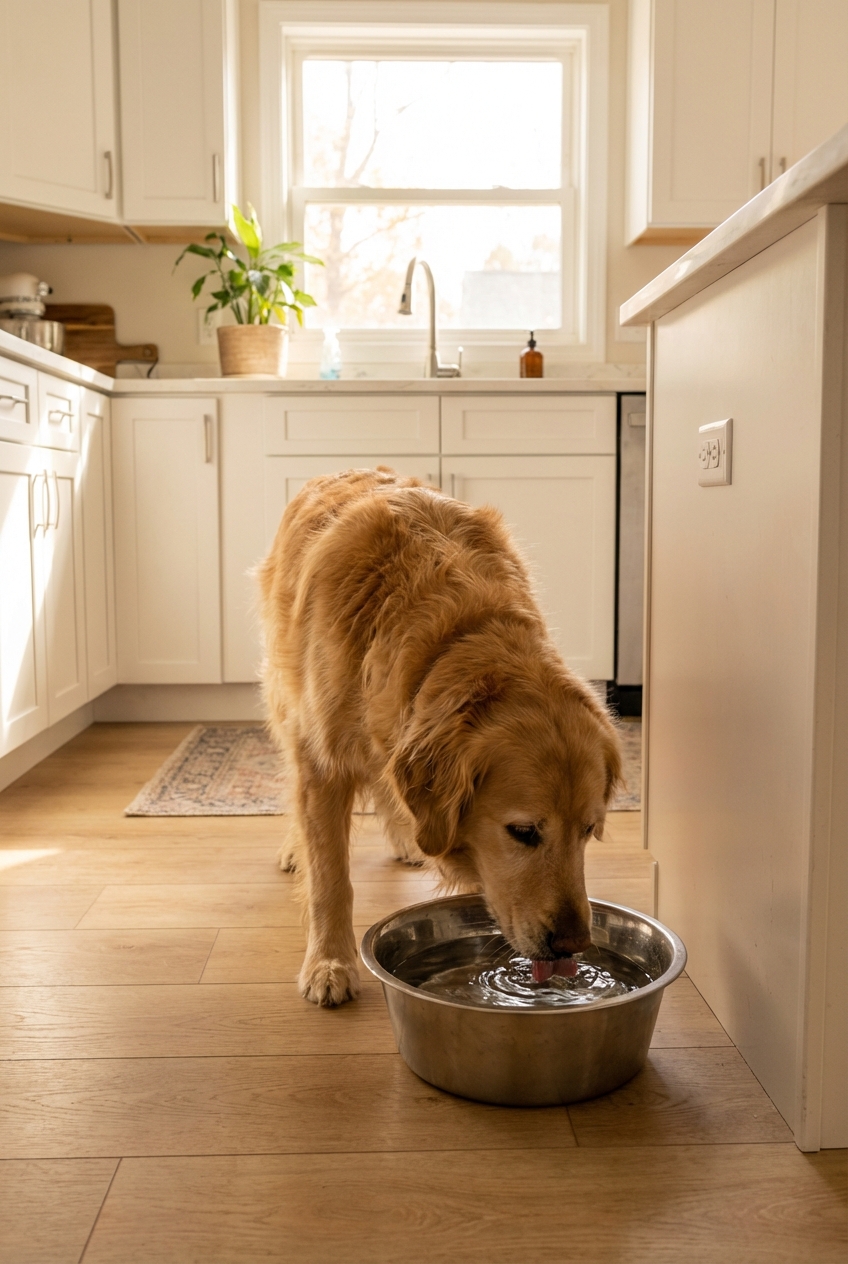
Dehydration is a major risk with vomiting. Cerenia can help reduce fluid loss from vomiting, but it does not replace fluids. If your dog will not drink, ask your vet whether oral electrolyte solutions, ice chips, or subcutaneous fluids are appropriate.
4) For car sickness: pair meds with smart travel habits
- Keep the car cool and well ventilated.
- Use a crash-tested harness or secured carrier to reduce stress and sliding.
- Try short, positive rides that do not end at the vet.
- Ask your vet whether a light snack or an empty stomach is better for your dog’s situation.
Questions to ask your vet
- What do you think is the most likely cause of my dog’s vomiting or nausea?
- Is Cerenia being used for motion sickness, active vomiting, or perioperative nausea and vomiting prevention?
- How should I give it, with or without food?
- What side effects should I watch for with my dog’s age and health history?
- When should I stop home care and come back in or go to emergency?
When Cerenia might not be enough
Sometimes vomiting is the body’s warning light, not a simple tummy bug. Your veterinarian may recommend diagnostics like fecal testing, bloodwork, X-rays, ultrasound, or a pancreatitis test if symptoms are persistent or severe.
And that is a good thing. It is not extra. It is how we keep dogs safe when the cause could be serious.
Bottom line
Cerenia can be a very effective, evidence-based tool to help dogs with nausea and vomiting, including motion sickness. Used under veterinary guidance, it can improve comfort, reduce fluid loss from vomiting, and help your dog get back to normal faster.
If your dog is vomiting repeatedly, acting painful, or seems off, please do not wait it out. The sooner your vet can identify the cause, the better the outcome tends to be.