Spot the most common signs of worms in cats, what you may see in stool, how infections happen, and the safest next steps—fecal testing, deworming, and prev...
Article
•
Designer Mixes
What Do Worms Do to Cats?

Shari Shidate
Designer Mixes contributor
As a veterinary assistant here in Frisco, Texas, I hear this question all the time: What do worms actually do to cats? The short answer is that intestinal parasites steal nutrients, irritate the gut, and can cause everything from mild digestive upset to serious illness. The good news is that most worm problems are treatable, and prevention is very doable once you know what to watch for.
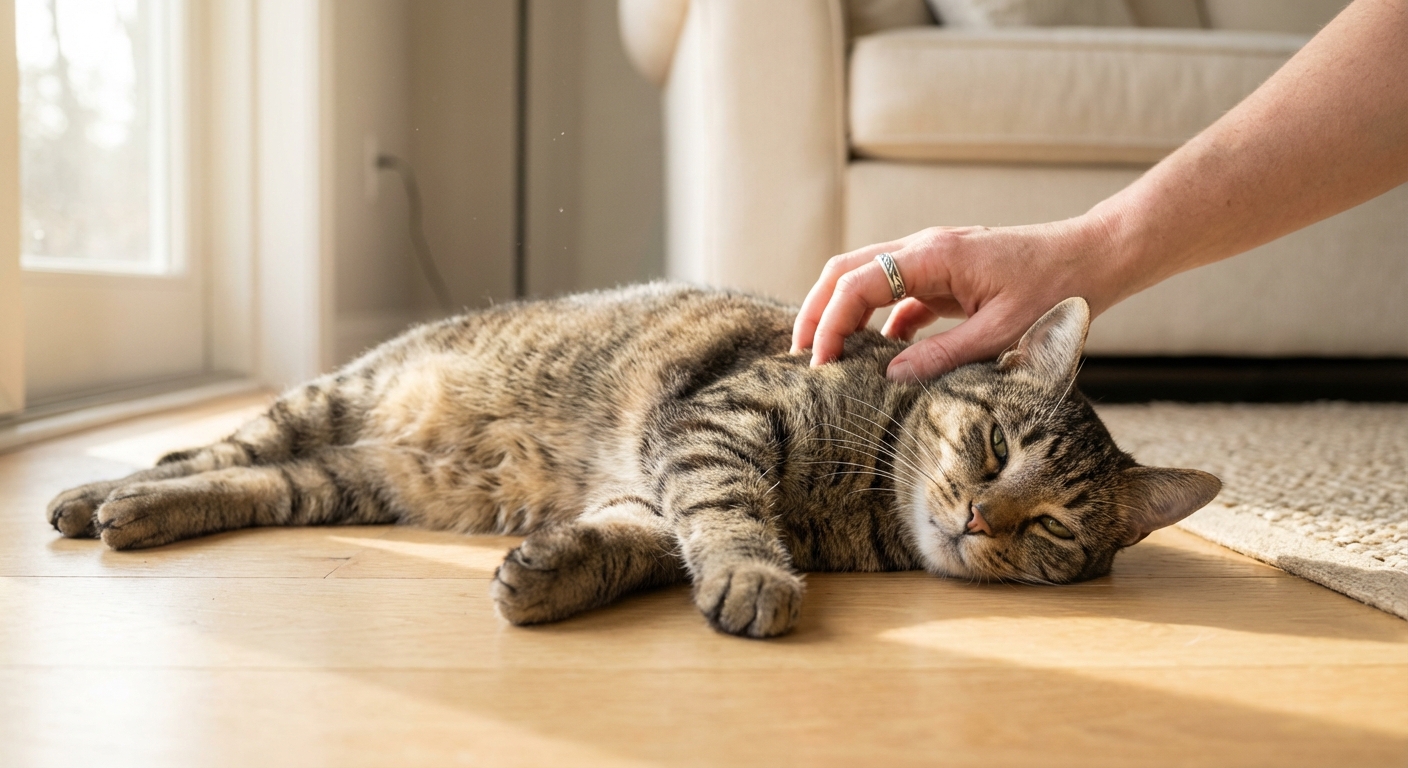
What worms do inside your cat’s body
Different worms behave differently, but most of them affect the digestive system first. They can:
- Steal calories and nutrients, which can lead to weight loss or poor growth in kittens.
- Inflame the intestines, causing vomiting, diarrhea, gas, belly pain, and changes in litter box habits.
- Trigger anemia (especially hookworms), which means your cat may feel weak or tired because they are losing blood or iron.
- Cause a pot-bellied appearance in kittens due to intestinal irritation and gas.
- Migrate through the body in some cases. For example, roundworm larvae can move through tissues before settling in the gut, which is one reason parasite control matters even when symptoms are mild.
Even when a cat looks “mostly fine,” worms can quietly keep the immune system busy and make the coat look dull, worsen skin issues, or contribute to chronic digestive sensitivity.
Common cat worms and what they do
Roundworms
Roundworms are extremely common, especially in kittens. They live in the intestines and feed off what your cat eats. Heavy infections can cause a round belly, vomiting, diarrhea, and slow growth. Kittens can pick them up early through nursing from their mother and from contaminated environments, so early deworming and routine fecal checks are a big deal.
Hookworms
Hookworms attach to the intestinal lining and can cause blood loss. This can lead to anemia, pale gums, weakness, and dark, tarry stool. Hookworms are smaller than roundworms but can be more dangerous, especially for kittens.
Tapeworms
Tapeworms often come from swallowing fleas during grooming. They usually cause milder signs, but you might notice “rice-like” segments near the tail or in the litter box. Some cats get an itchy rear end and scoot or overgroom.
Whipworms (rare)
Whipworms are uncommon in cats and can be region-dependent. When they do occur, they may contribute to chronic large-bowel diarrhea and weight loss, but many cats with long-term diarrhea have other causes, so testing is important.
Signs your cat may have worms
Some cats have obvious symptoms. Others do not. Watch for:
- Vomiting (sometimes you may see worms)
- Diarrhea or soft stool
- Weight loss or failure to gain weight
- Pot-bellied look in kittens
- Dull coat, low energy
- Increased appetite or reduced appetite or finicky eating
- “Rice grains” near the anus or on bedding (tapeworm segments)
- Scooting or excessive licking under the tail
- Pale gums (possible anemia, urgent)
Important: These signs also overlap with food intolerance, inflammatory bowel disease, viral or bacterial infections, and other parasites. That is why testing matters.
How cats get worms
Cats pick up parasites in very normal ways:
- Fleas (tapeworms)
- Hunting rodents, birds, lizards, or eating raw prey (multiple parasites)
- Shared environments like soil, litter boxes, multi-cat homes, shelters
- From mother to kittens, especially through nursing and early environmental exposure
- Contact with contaminated feces on paws or fur, then grooming
Even indoor-only cats can get worms, especially if fleas sneak in or if they live with a dog that goes outdoors.
Not worms, but often confused with worms
In clinic, we also see other intestinal parasites that owners may call “worms,” even though they are not worms. Two common examples are Giardia and coccidia. They can cause diarrhea (sometimes with mucus), gassiness, and weight loss, and they require different medications than typical dewormers. This is another reason a fecal test is so helpful.
Why worms are a human health concern too
Some intestinal parasites can spread to people. This is not meant to scare you, only to help you protect your household. In most cases, transmission is through contact with contaminated environments (like soil or litter), not from casual petting.
- Roundworms can cause disease in people if eggs are accidentally swallowed (risk is higher with contaminated soil and poor hand hygiene).
- Hookworms can sometimes affect skin in people after contact with contaminated soil.
Practical prevention is simple: scoop litter daily, wash hands after litter box duty, keep kids out of the litter area, and stay consistent with vet-recommended parasite control.
Diagnosis: why a fecal test is worth it
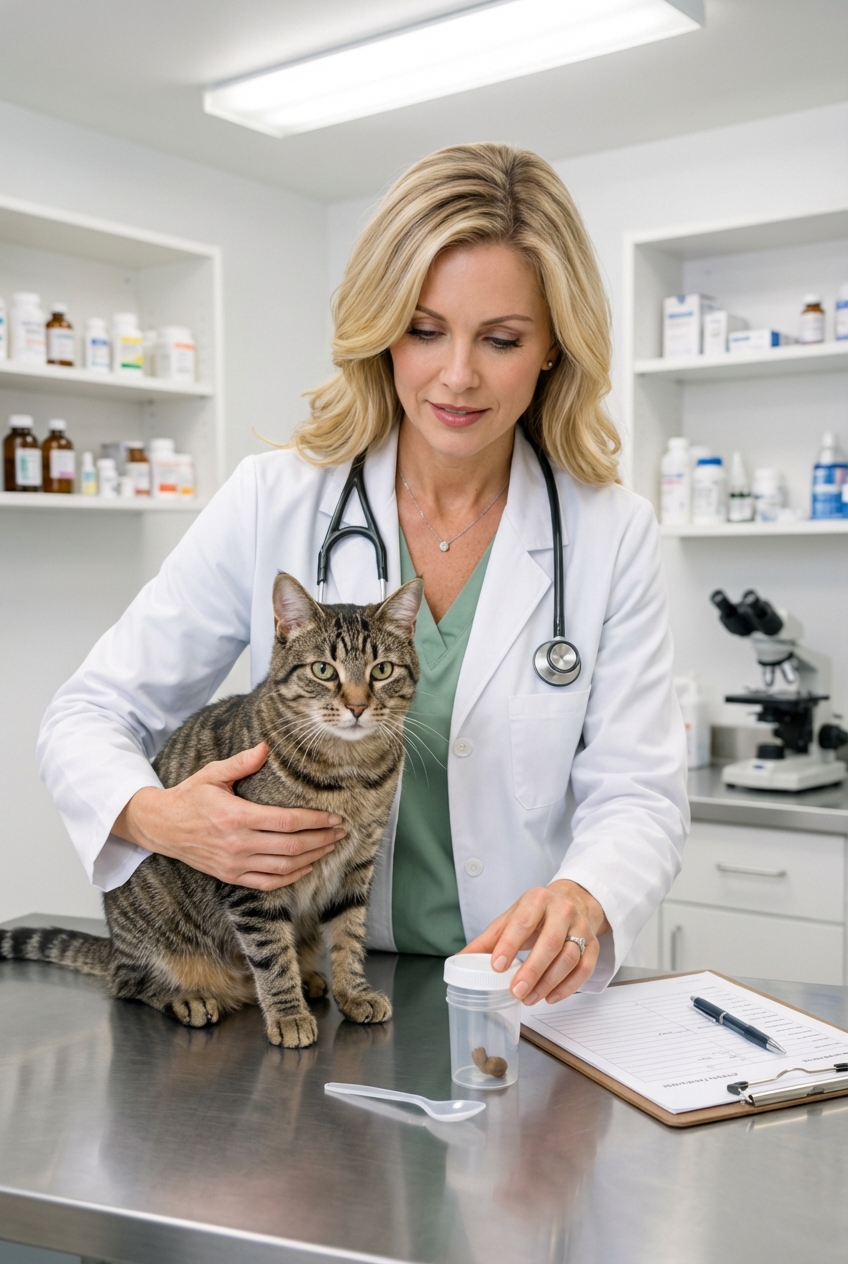
In clinic, we commonly recommend a fecal exam because:
- Not all worms are visible in poop.
- Some infections shed eggs intermittently, so a single sample may miss it.
- The right medication depends on the parasite.
If your cat has ongoing diarrhea, weight loss, or repeated vomiting, ask your veterinarian if a fecal test (sometimes repeated) is appropriate.
Treatment: what actually works
Over-the-counter products can be risky because they may not treat the right parasite, may be underdosed, or may not be safe for kittens or cats with other health issues.
Two important safety notes:
- Do not use dog dewormers on cats unless your veterinarian specifically tells you to. Some products and doses that are fine for dogs can be dangerous for cats.
- Follow your vet’s dosing schedule. More is not better with dewormers.
Veterinary treatment typically includes:
- Targeted dewormers based on parasite type and your cat’s weight
- Repeat dosing is often needed because many dewormers kill adult worms but may not eliminate every immature stage in one round
- Flea control if tapeworms are involved
- Supportive care for dehydration, diarrhea, or anemia if needed
If you have multiple pets, your vet may recommend treating more than one animal and cleaning up the environment to stop the cycle.
For prevention, ask your veterinarian about monthly preventives. Many prescription parasite preventives can help reduce risk from some intestinal worms (and sometimes heartworm), but the best choice depends on your cat’s age, lifestyle, and local parasite risks.
Care tips at home (what you can do today)
1) Clean smart
- Scoop the litter box daily and dispose of waste promptly.
- Wash hands after handling litter and before preparing food.
- Wash pet bedding regularly if you suspect tapeworm segments.
2) Control fleas consistently
If you remember one prevention tip, make it this: effective flea control prevents many tapeworm cases. Ask your veterinarian which flea prevention is safest for your cat’s age and lifestyle.
3) Reduce hunting and scavenging
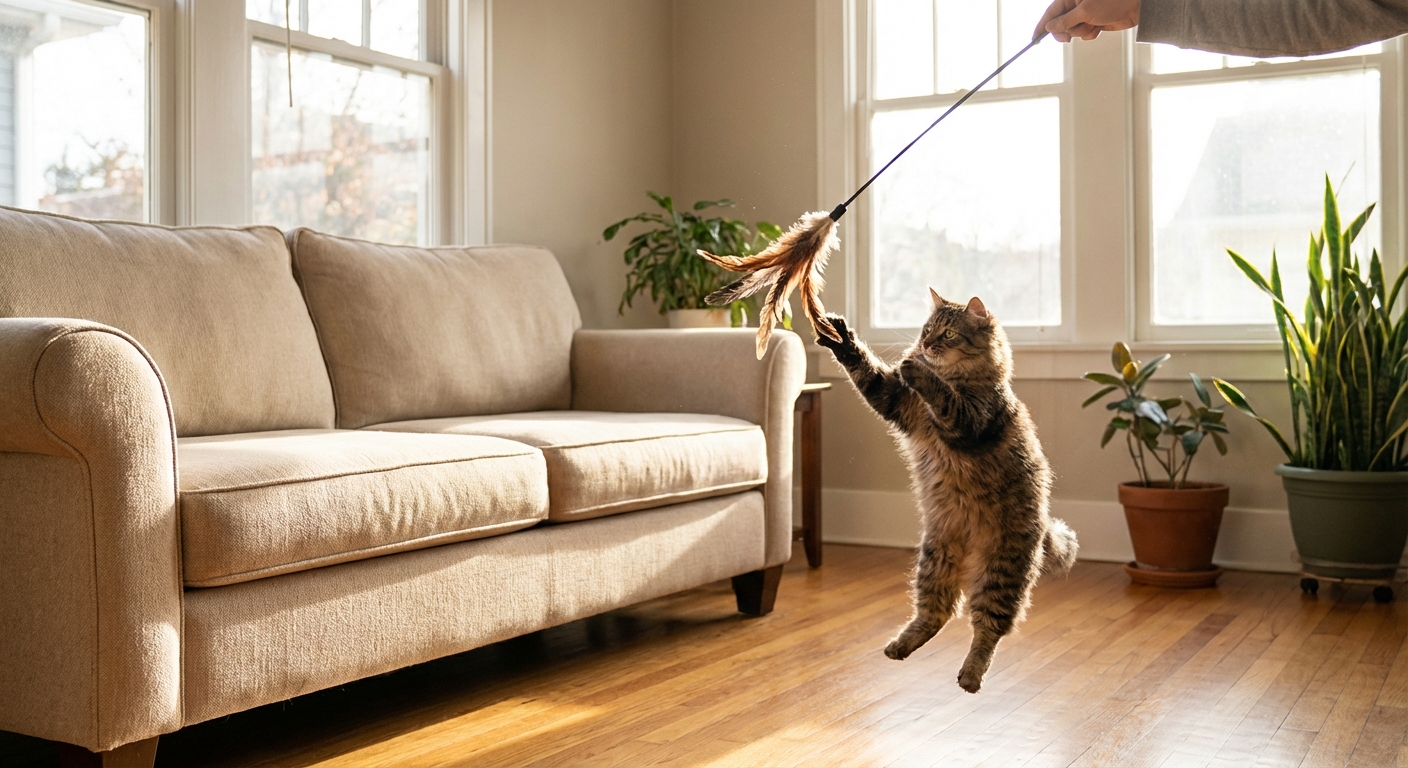
If your cat hunts, parasite exposure goes up. Indoor enrichment, play, and puzzle feeders can help satisfy that predatory drive without the parasite risk.
4) Keep a simple “poop diary”
It sounds funny, but it is helpful. Track stool consistency, frequency, and any vomiting for 7 to 10 days. Also note mucus, blood, straining, or accidents outside the box. Patterns help your veterinarian make faster, better decisions.
Training tips that support prevention
Parasite prevention is not only medicine. It is also routine and behavior. A few small training habits can make a big difference.
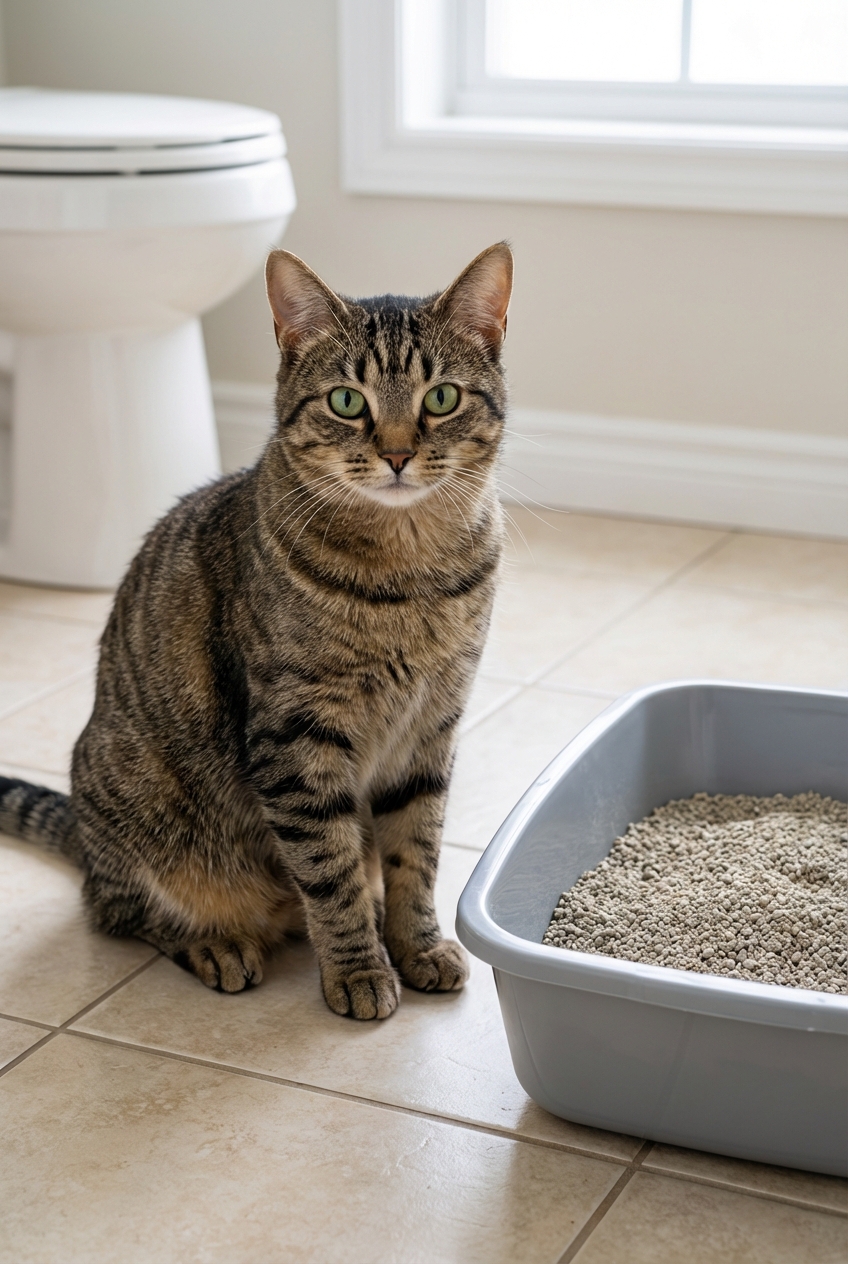
Litter box habits
- Train yourself to scoop at the same time each day. Consistency helps you notice changes quickly.
- If your cat has diarrhea, add an extra box temporarily. This reduces accidents and stress.
Carrier comfort
If your cat only sees the carrier when something is wrong, vet visits become a wrestling match. Keep the carrier out with a soft blanket, toss treats inside, and do a few calm practice sessions each week.
Cooperative care for medication
Many dewormers are flavored, but some cats still resist. Pair medication time with a high-value reward, keep your movements slow, and ask your vet if a topical option is available when giving pills is too stressful.
When to call the vet quickly
Please contact your veterinarian promptly if you notice:
- Pale gums, weakness, or collapse
- Bloody stool or black, tarry stool
- Repeated vomiting or vomiting with lethargy
- Not eating for 24 hours (or less for kittens)
- Severe diarrhea, especially in kittens
- A distended, painful abdomen
Kittens can dehydrate fast, and heavy parasite loads can become serious quickly. Getting help early is always kinder and usually cheaper.
The bottom line
Worms can cause anything from mild digestive upset to dangerous anemia, and they can spread through fleas, hunting, and contaminated environments. With fecal testing, the right dewormer, and consistent prevention, most cats bounce back beautifully.
If you are unsure, start with a fecal test and a conversation with your veterinarian. A clear diagnosis makes everything else easier.