A practical guide to hamster care: choose the right enclosure and wheel, provide deep bedding and enrichment, feed a balanced diet, build trust with gentle h...
Article
•
Designer Mixes
What Do Hamsters Like to Eat

Shari Shidate
Designer Mixes contributor
Quick answer: what do hamsters like to eat?
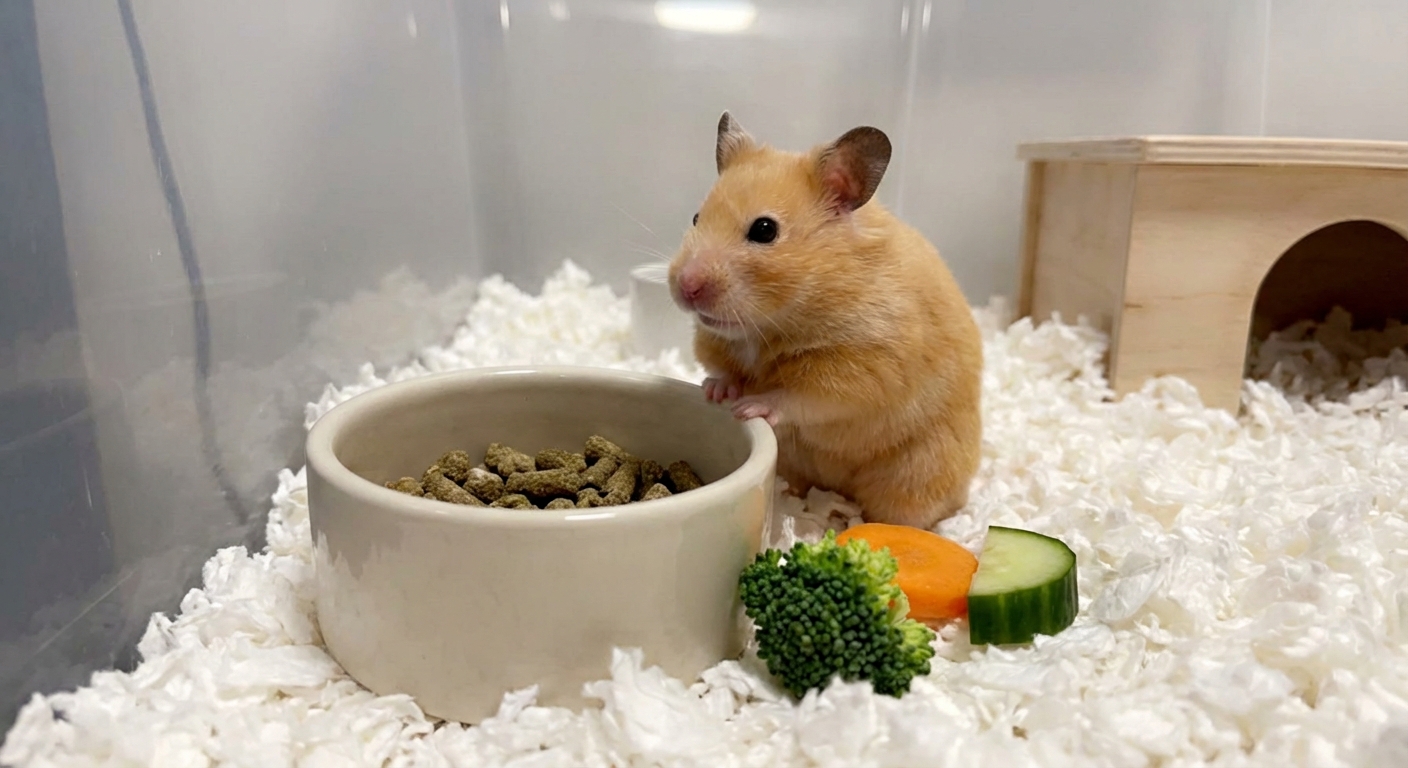
Hamsters love variety, but their bodies do best with a steady, balanced base diet. In most homes, the healthiest routine looks like this: a high-quality lab block or fortified pellet as the daily staple, plus small servings of fresh vegetables most days, and tiny portions of fruit or treats only once in a while. Many hamsters also enjoy a measured amount of a species-appropriate seed mix for enrichment, but seeds and nuts are calorie-dense, so keep them in the “treat” category.
I always remind families: a hamster’s diet is small, so little imbalances add up fast. With a few simple rules, you can keep meals interesting and still support a healthy weight, teeth, and digestion.
Hamster diet basics
1) The foundation: a lab block or fortified pellet
A lab-block style pellet helps prevent picky eating. With seed mixes, many hamsters eat the tastiest bits first and leave the vitamins behind. Look for a staple food that is:
- Fortified (vitamins and minerals included)
- Fresh (smells clean, not stale or oily)
- Made for hamsters (dwarf formulas are often lower in sugar and fat, but the brand quality matters most)
Dry food tip: Store food in an airtight container, check the expiration date, and discard anything that smells rancid or looks oily.
2) Daily add-ons: vegetables (small portions)
Vegetables provide fiber and phytonutrients, and many hamsters genuinely enjoy them. Offer very small amounts, and remove leftovers within a few hours to prevent spoilage.
Prep matters: Wash all produce well under running water and serve it plain (no butter, salt, seasoning, or sauces). Avoid canned or seasoned vegetables.
Go slow: Introduce new foods one at a time, in tiny portions. If you notice soft stool, pause fresh foods for a day or two and restart more gradually.
3) Treats: seeds, nuts, and fruit
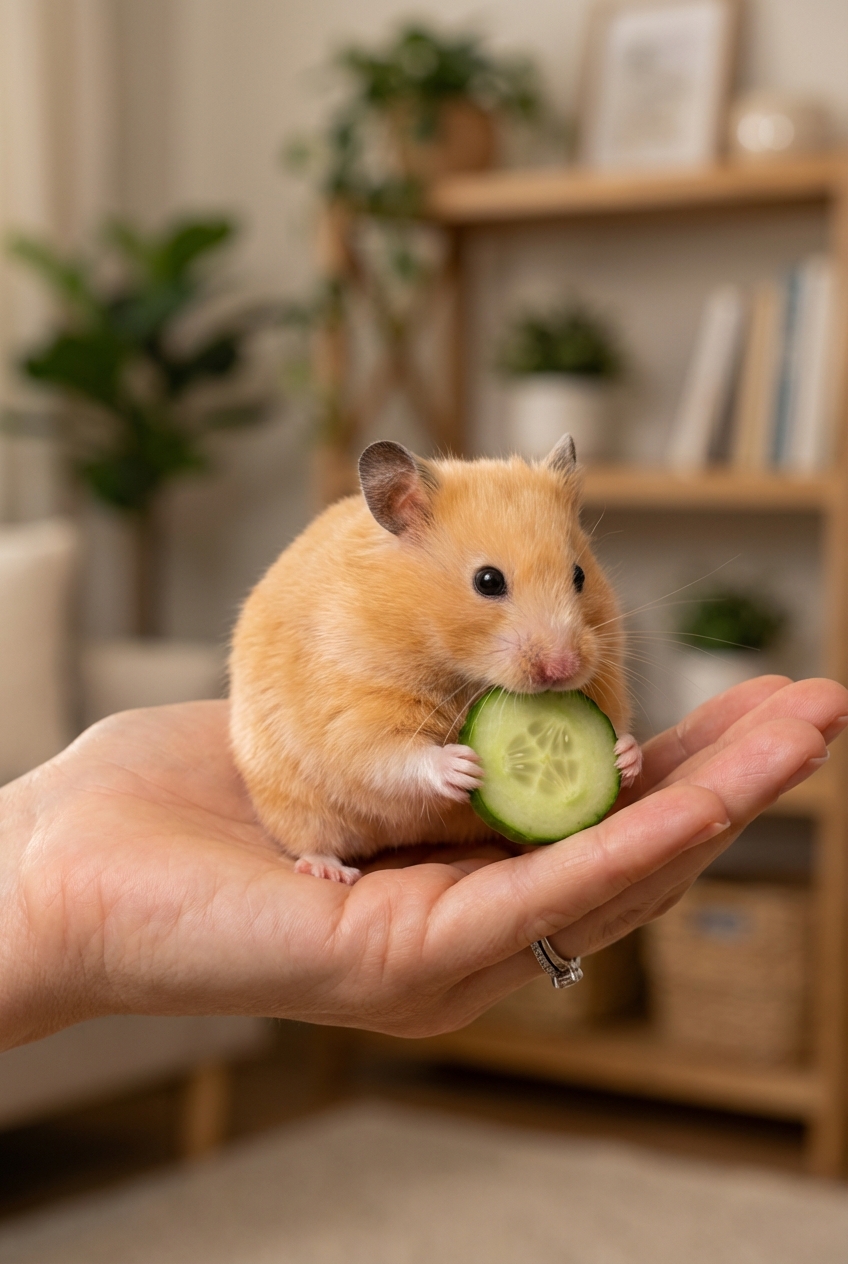
Hamsters often adore sunflower seeds, pumpkin seeds, and nuts. They also tend to like sweet fruit, but it is easy to overdo sugar and calories. Think of treats as training rewards or enrichment, not a second meal.
Common pitfall: Skip most sugary commercial treats like yogurt drops, honey sticks, and colorful “treat mix” blends. They are often too sweet or fatty for regular use.
How much should you feed?
Exact needs vary by species, age, activity, brand calorie density, and whether your hamster hoards food (most do). Use these as gentle starting points, then adjust based on body condition and how much food is consistently left over.
- Syrian hamsters: about 1 to 2 tablespoons of staple pellets per day, plus 1 to 2 teaspoons of veggies
- Dwarf hamsters (Campbell’s, Winter White, Robo): about 1 to 2 teaspoons of staple pellets per day, plus about 1 teaspoon of veggies
Hoarding tip: Hamsters stash food. Instead of refilling the bowl automatically, check the nest area (without destroying it) to see if food is piling up. If it is, reduce portion size slightly.
Best foods hamsters usually enjoy
Vegetables (go-to options)
Start with one vegetable at a time so you can spot any soft stool or tummy upset.
- Romaine lettuce (not iceberg)
- Cucumber
- Broccoli florets (small amounts)
- Bell pepper
- Zucchini
- Green beans
- Carrot (small amounts because it is sweeter)
- Fresh herbs like cilantro or parsley (small portions)
Fruits (small, occasional)
- Blueberries
- Strawberry (a small piece)
- Apple (no seeds)
- Pear
- Banana (very small piece)
If you have a Campbell’s dwarf or a dwarf hybrid, be extra conservative with fruit due to a higher tendency toward diabetes in those lines. For other dwarf species, fruit is still best kept minimal.
Proteins (small portions)
Hamsters are omnivores. In the wild, they eat plant material plus insects and other protein sources.
- Plain cooked egg (a pea-sized bit)
- Plain cooked chicken (tiny shred, unseasoned)
- Mealworms (store-bought, meant for pets)
- Plain tofu (small cube)
Keep proteins unseasoned and offer only a little at a time to avoid digestive upset and messy food storage.
Foods to avoid (important)
Some foods are unsafe, and others are simply too risky for such a tiny digestive system.
- Chocolate, caffeine, alcohol
- Onion, garlic, chives, leeks
- Grapes and raisins (best avoided)
- Citrus fruits (orange, lemon, lime, grapefruit can upset digestion due to acidity)
- Apple seeds and fruit pits (contain compounds that can be harmful)
- Raw beans and raw potatoes
- Sticky foods like peanut butter blobs (choking risk). If used at all, offer the thinnest smear only.
- Sugary or salty human snacks (chips, cookies, candy)
- Spicy or seasoned foods
- Moldy, wet, or spoiled produce
If your hamster accidentally eats something questionable, call an exotics veterinarian for guidance as soon as you can.
Feeding schedule that works
Hamsters are often most active at dusk and nighttime. A simple routine:
- Evening: offer measured pellets or lab block and a small portion of vegetables
- 2 to 3 times per week: add a tiny protein item
- 1 to 2 times per week: offer a very small treat (seed, nut piece, or fruit)
Remove fresh food leftovers within a few hours so it does not spoil in the enclosure or get hoarded and mold.
Water: bottle or bowl?
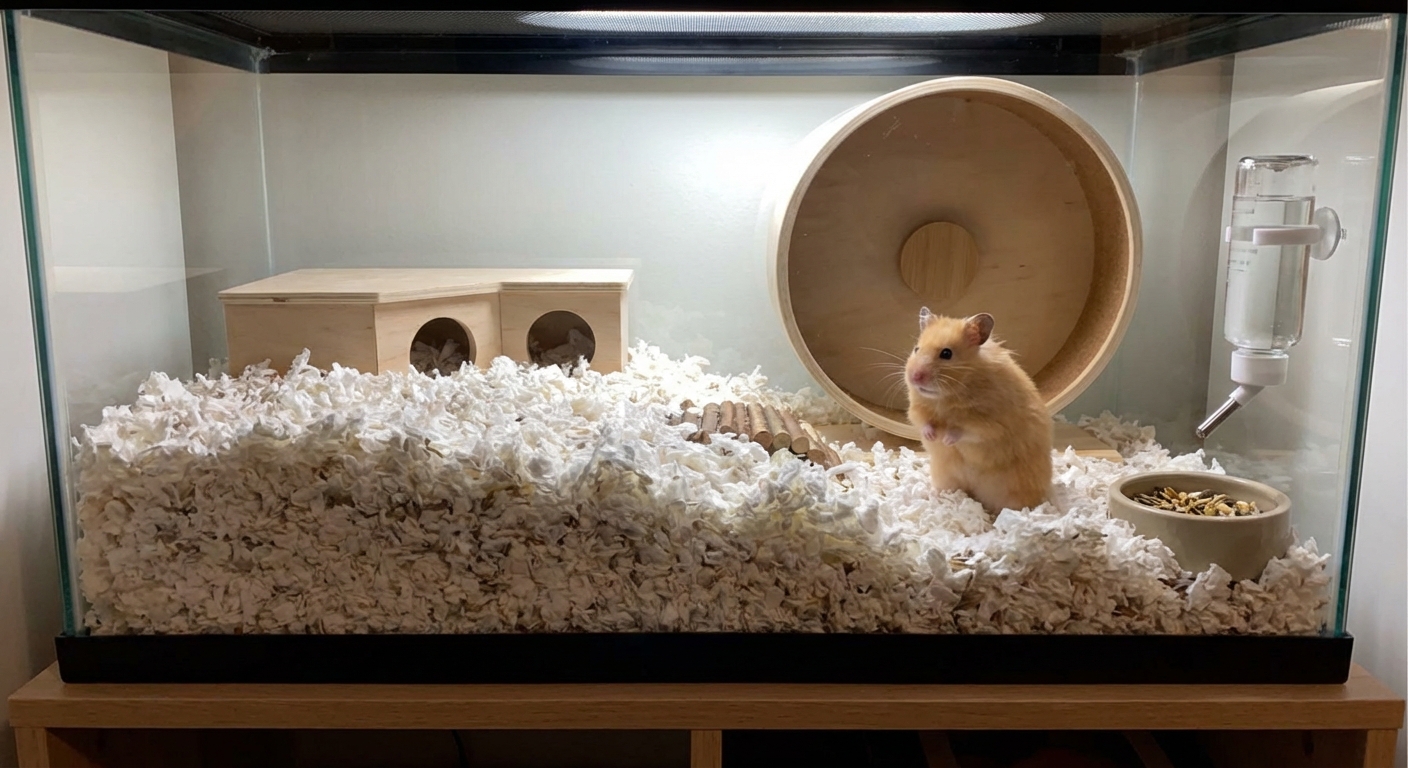
Clean water matters as much as food. Many hamsters do well with a water bottle, while some drink better from a shallow ceramic bowl. Either is fine if it is kept clean.
- Change water daily.
- Wash bottles and bowls regularly to prevent biofilm buildup.
- Make sure bottle spouts work and are positioned at a comfortable height.

Chewing and dental health
Hamster teeth grow continuously. Food texture helps, but most hamsters also need safe chew options.
- Untreated wooden chews made for small pets
- Applewood sticks meant for pets
- Cardboard tubes (plain, no glue or ink-heavy coatings)
If you notice drooling, pawing at the mouth, weight loss, or trouble eating, schedule an exotics vet visit. Dental issues can become serious quickly.
Signs the diet needs a change
- Soft stool or diarrhea: reduce fresh foods, especially watery veggies and fruit, and consult a vet if it persists
- Weight gain: cut back on seeds, nuts, and sugary treats; measure the staple diet
- Dull coat or low energy: review staple food quality, ensure protein is appropriate, and confirm water access
- Food stashes growing moldy: offer smaller portions of fresh foods and check stash areas gently
Simple sample menu
Here is a simple week rhythm you can repeat, adjusting portion sizes to your hamster’s species, brand, and appetite:
- Most nights: staple pellets or lab block + cucumber or romaine
- 2 nights per week: staple + broccoli + a tiny piece of cooked egg
- 1 night per week: staple + zucchini + one sunflower seed or a blueberry
Keep it steady, keep portions small, and rotate veggies for variety.
When to talk to a vet
Contact an exotics veterinarian if you see any of these: not eating for 12 to 24 hours, sudden weight loss, diarrhea, wet tail symptoms (lethargy with a wet, dirty rear end), blood in stool, or signs of pain while chewing. Early care makes a huge difference with small animals.