Spot the most common signs of worms in cats, what you may see in stool, how infections happen, and the safest next steps—fecal testing, deworming, and prev...
Article
•
Designer Mixes
What Do Cat Worms Look Like?

Shari Shidate
Designer Mixes contributor
If you have ever scooped the litter box and noticed something that looks like rice, spaghetti, or tiny sesame seeds, it is completely normal to feel alarmed. As a veterinary assistant, I can tell you this is one of the most common reasons people call the clinic. The good news is that many intestinal parasites in cats are treatable, but the right treatment depends on the type of parasite, and you cannot always identify what is going on just by what you see.
This guide will help you recognize what cat worms commonly look like, what else to watch for, and when to call your veterinarian.
First, a quick safety note
Some cat parasites can affect people. The biggest risks are usually from accidentally ingesting parasite eggs (such as roundworms) or skin contact with larvae (such as hookworms). Good hygiene dramatically lowers risk, but it is smart to be extra careful around children, pregnant individuals, older adults, and anyone with a weakened immune system.
If you suspect worms:
- Wear gloves when cleaning the litter box.
- Wash hands well after handling litter, soil, or feces.
- Keep kids away from the litter box area.
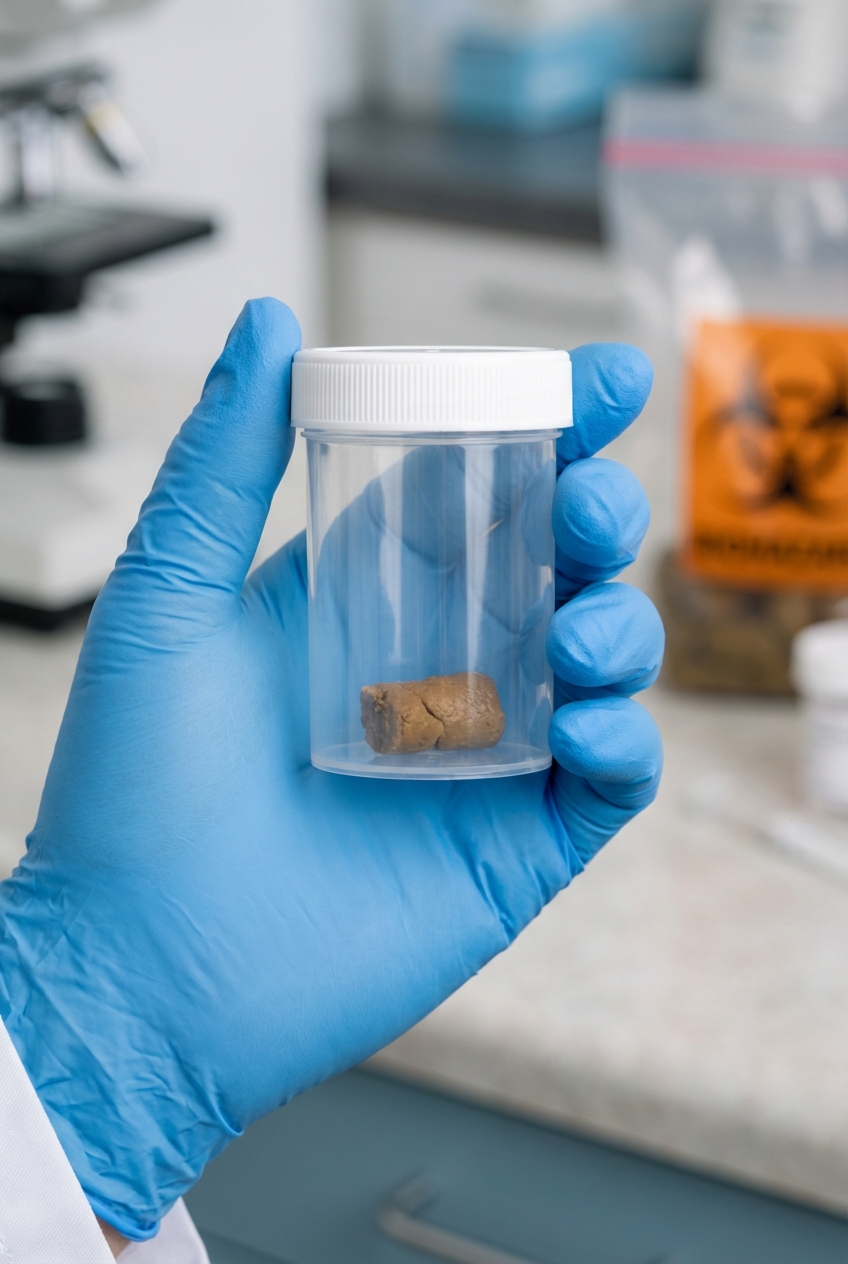
- Bring a fresh stool sample to your veterinarian if requested.
Sample tip: Ideally bring stool that is less than 12 hours old, collected in a clean container or sealed bag.
Also, avoid giving leftover dewormer, “multi-pet” medications, or home remedies without guidance. Different parasites require different medications, and dosing is very specific for cats.
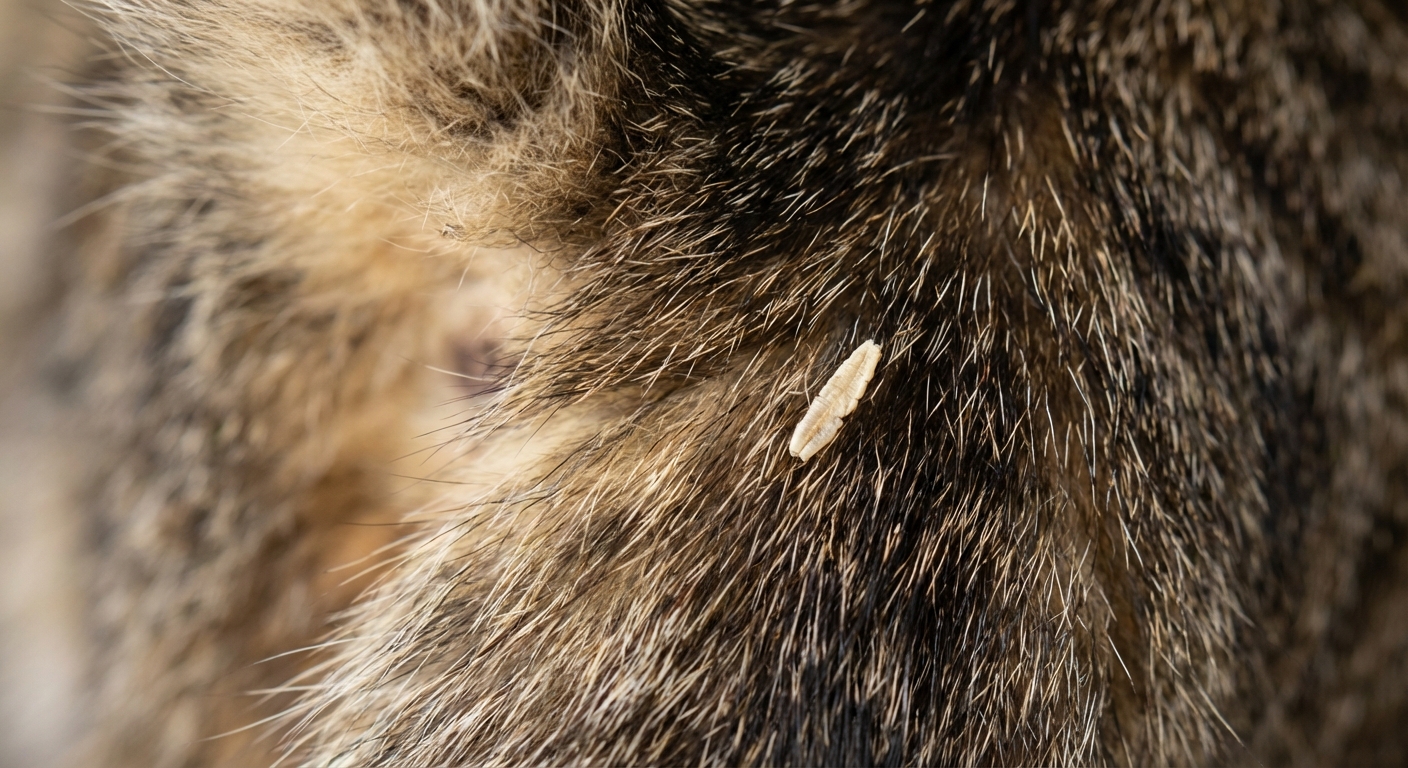
Tapeworms: the “rice grain” worm
What they look like: Tapeworm segments often look like small grains of rice or sesame seeds. They may be white to pale yellow and can appear:
- On the surface of stool
- Stuck to fur around the anus or tail
- On bedding where your cat sleeps
Fresh segments can wiggle slightly. Once dried, they look more like hard, crusty little grains.
What it usually means: Cats most commonly get the tapeworm Dipylidium caninum from swallowing an infected flea during grooming. So if you see “rice,” you should think tapeworm plus flea control . Less commonly, cats can get other tapeworm species from hunting and eating infected prey (like rodents). Either way, your vet can help confirm the cause and choose the right treatment.
Roundworms: the “spaghetti” worm
What they look like: Roundworms are often described as spaghetti-like. They can be several inches long, cream to white, and may be seen:
- In stool
- In vomit (this is common enough that we see it in clinics)
If a cat vomits up a live roundworm, it may still move.
What it usually means: Kittens can acquire roundworms from their mother, and cats can also pick them up from the environment or by eating infected prey. Roundworms matter because they can cause a pot-bellied appearance in kittens and they are a zoonotic concern for people.
Hookworms: often not visible
What they look like: Hookworms are small and thin, and most owners do not see them in stool. They attach to the intestinal lining and feed on blood.
How they are usually found: Hookworms are typically diagnosed with a fecal test at the vet, not by visual inspection at home.
Clues at home: Because hookworms can cause blood loss, warning signs can include:
- Diarrhea
- Dark or tarry stool (this can have multiple causes)
- Weight loss
- Pale gums
- Low energy, especially in kittens
If you suspect blood in stool or your cat seems weak, call your veterinarian promptly.
Whipworms: rare in cats
What they look like: Whipworms are thin with a thicker “handle” end, like a whip. The important thing to know is that whipworms are rare in cats (and can be region-dependent). They are discussed much more often in dogs, and they are rarely spotted by the naked eye.
How they are found: Like hookworms, whipworms are usually identified through a fecal test.
“Worms” that are not worms
This part matters because I have seen many well-meaning owners panic over things that are irritating but not parasites.
Maggots or fly larvae
If stool sits out (for example, in an outdoor area), flies can lay eggs. Maggots are usually a sign the stool was exposed for a while, not necessarily that your cat has intestinal worms.
Mucus strands
Intestinal inflammation can cause stringy mucus in stool that can look worm-like.
Hair, grass, or string
Cats can pass hair and plant material that resembles thin worms.
If you are unsure, take a clear photo and bring a fresh sample to your vet. A fecal test can prevent guesswork.
Not all parasites are worms
It is also worth knowing that some common intestinal parasites are not worms at all, such as Giardia and coccidia. These can cause diarrhea, gas, or messy stools without anything obvious to the naked eye. So if your cat has ongoing diarrhea even when you do not see worms, a fecal test is still a good idea.
Symptoms that often go with parasites
Some cats have parasites and act totally normal. Others show signs, especially kittens or cats with heavy parasite loads.
- Diarrhea or soft stool
- Vomiting
- Weight loss or poor weight gain
- Pot-bellied appearance in kittens
- Increased appetite or decreased appetite
- Dull coat
- Scooting or licking at the rear (especially with tapeworm segments)
When to contact your veterinarian
Call your veterinarian if:
- You see rice-like segments or spaghetti-like worms in stool or vomit
- Your cat is a kitten, pregnant, or seems unwell
- There is blood in stool, black stool, or ongoing diarrhea
- Your cat is losing weight or seems lethargic
- You used an over-the-counter product and symptoms persist
Most clinics will recommend a fecal test because many parasite eggs are microscopic. Even if you “see worms,” testing can help confirm the type and check for additional parasites at the same time.
What to bring to the vet
- A fresh stool sample (or ask your clinic what they prefer)
- A clear photo of what you saw (if possible)
- The name and date of your cat’s flea prevention
- Any dewormers or other medications you have already given (including the box or label)
- Whether your cat goes outdoors or hunts
What treatment usually involves
Treatment depends on the parasite, your cat’s age and weight, and whether there is a flea problem.
- Tapeworms: Typically require a specific dewormer, plus consistent flea control to prevent reinfection.
- Roundworms and hookworms: Treated with targeted dewormers, often repeated on a schedule (especially for kittens).
- Household plan: Your vet may recommend treating other pets, cleaning bedding, and keeping litter boxes very clean during treatment.
Please do not use dog dewormers for cats unless your veterinarian explicitly prescribes them. Some ingredients are unsafe for cats. The same goes for home remedies and random over-the-counter combinations. If you are not sure what you have, a fecal test and the right prescription are the safest route.
Prevention: simple steps that help
- Year-round parasite prevention: Ask your vet which product fits your cat’s lifestyle.
- Flea control: Essential for preventing tapeworm reinfection.
- Litter box hygiene: Scoop daily, wash boxes regularly, and avoid letting stool sit.
- Limit hunting: Rodents can carry parasites.
- Regular fecal testing: Especially for kittens, new rescues, and multi-cat homes.
Trust your instincts. If something looks off in the litter box, you are not overreacting. A quick call to your veterinarian and a simple fecal test can bring peace of mind and help your cat feel better fast.