Recurring yeast infections in dogs often have a root cause. Learn the most common triggers—especially allergies and moisture—plus symptoms, diagnosis, an...
Article
•
Designer Mixes
What Causes Yeast Infections in Dogs

Shari Shidate
Designer Mixes contributor
Yeast infections in dogs are common, frustrating, and very treatable. In most cases, we are talking about yeast dermatitis (skin) or yeast otitis externa (outer ear), not rare systemic yeast disease. But they tend to come back when we only treat the symptoms and never address the “why.” As a veterinary assistant in Frisco, Texas, I see this pattern all the time: a dog gets itchy, the ears have a strong, musty odor that people often describe as “corn chips,” the paws turn rusty-brown from licking, and everyone is exhausted.
Let’s walk through what actually causes yeast overgrowth, what makes some dogs more prone than others, and the smart, evidence-based steps you can take at home while partnering with your veterinarian.
First, what is “yeast” in dogs?
Most canine yeast dermatitis and ear infections involve Malassezia, a yeast that normally lives on the skin and in the ears. In small amounts, it is part of a healthy ecosystem. Trouble starts when the skin barrier is inflamed or oily, an area stays warm and damp, or underlying inflammation and immune dysregulation are present. Then yeast can multiply quickly and trigger intense itching and a noticeable odor. (Important: odor is a clue, not a diagnosis.)
Yeast problems usually show up in a few classic places:
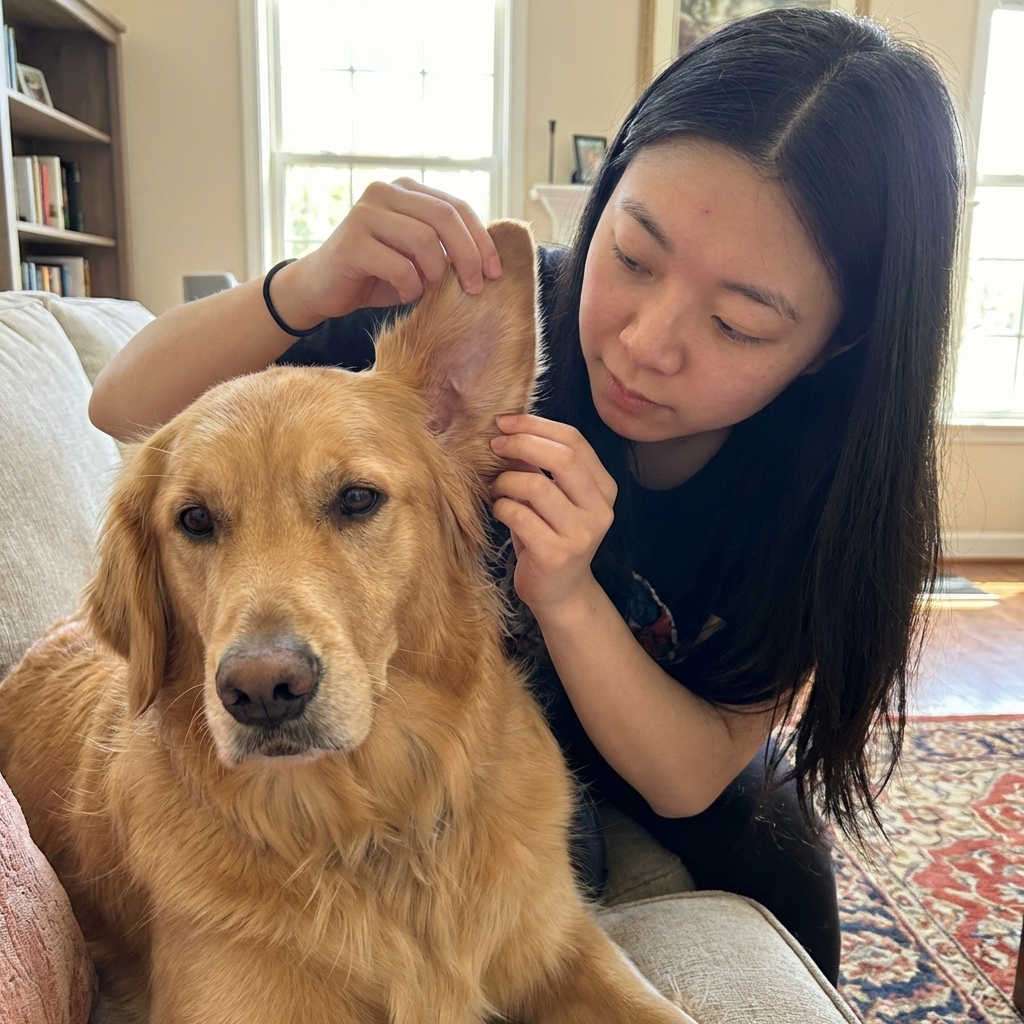
- Ears: brown or waxy discharge, head shaking, odor
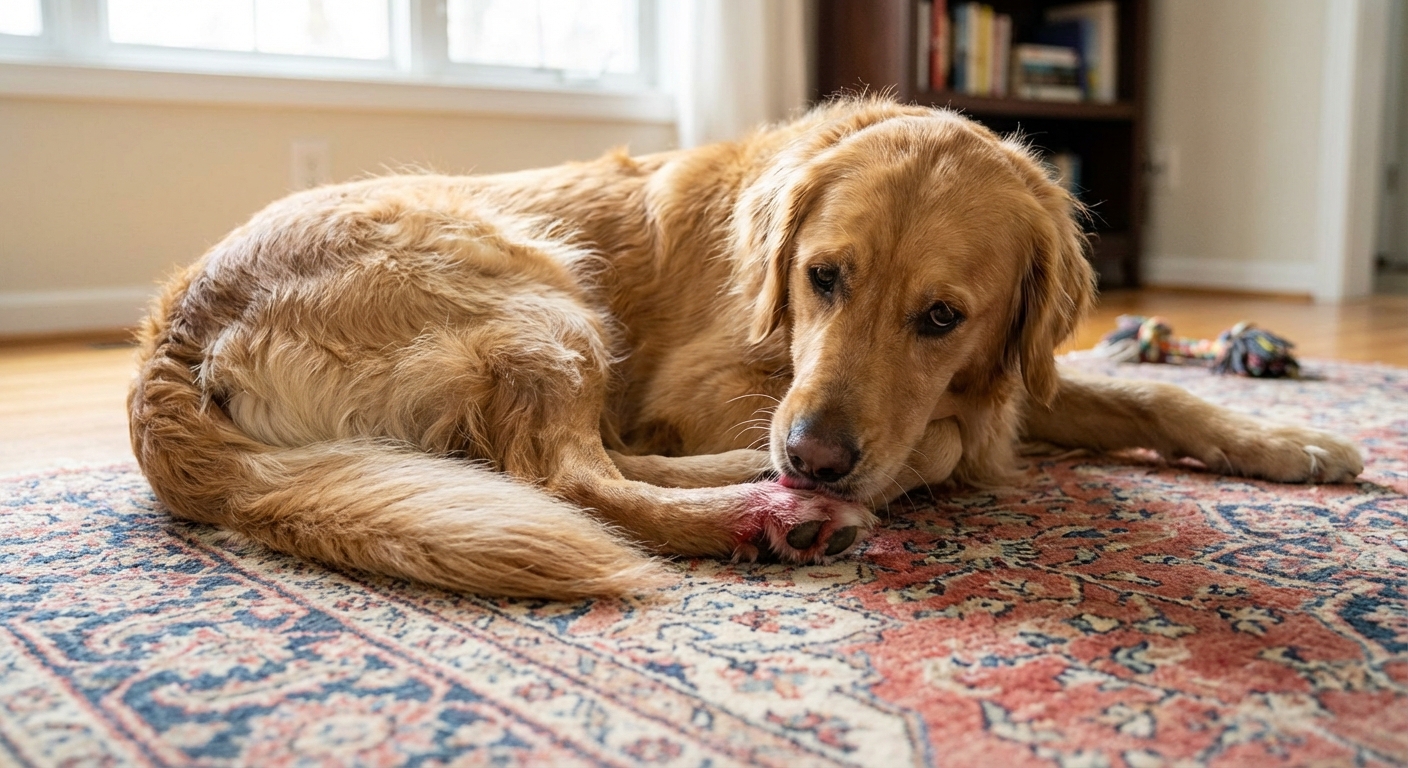
- Paws: licking, redness between toes, staining
- Skin folds: armpits, groin, lips, neck folds
- Underside: belly and inner thighs, especially in allergy dogs
Common causes of yeast infections in dogs
1) Allergies (the biggest driver)
Allergies create inflammation, and inflammation changes the skin environment in a way yeast loves. Many recurrent yeast cases are actually allergy cases first.
- Environmental allergies (pollens, dust mites, molds) often cause seasonal flare-ups, then can progress to year-round symptoms.
- Food allergies (adverse food reactions) can contribute, but in most itchy dogs they are less common than environmental triggers. A classic pattern is chronic itch plus recurrent ear infections, and symptoms are often non-seasonal.
If your dog’s yeast keeps returning, ask your vet about an allergy workup. Treating the underlying allergy often reduces yeast dramatically.
2) Moisture and trapped humidity
Yeast thrives in warm, moist areas. Anything that keeps skin damp can tip the balance:
- Swimming and frequent baths, especially if ears and paws are not fully dried
- Rainy weather and wet paws
- Skin folds that stay moist
- Dogs with thick coats that hold humidity close to the skin
3) Oily skin and barrier damage
Yeast feeds on skin oils. Some dogs naturally produce more oil (seborrhea) or have flaky, inflamed skin that weakens the barrier. Once that protective layer is compromised, yeast and bacteria gain the advantage.
4) Hormonal or metabolic disease
When yeast is frequent or severe, we have to consider medical conditions that change skin health and immune function, including:
- Hypothyroidism
- Cushing’s disease (hyperadrenocorticism)
- Diabetes
These are not the most common causes, but they are important. If your dog is gaining weight, drinking more, panting, losing hair, or getting repeated infections, it is worth asking your veterinarian about lab work.
5) Antibiotics and skin flora shifts
Antibiotics are sometimes necessary, but they do not treat yeast. In some dogs, antibiotics may contribute to yeast overgrowth by altering the normal bacterial populations that compete with yeast, especially if allergies or skin inflammation are already present. If yeast flares after a course of antibiotics, tell your veterinarian so they can adjust the plan.
6) Certain breeds and body types
Some dogs are simply more prone due to ear shape, coat, and skin folds. For example:
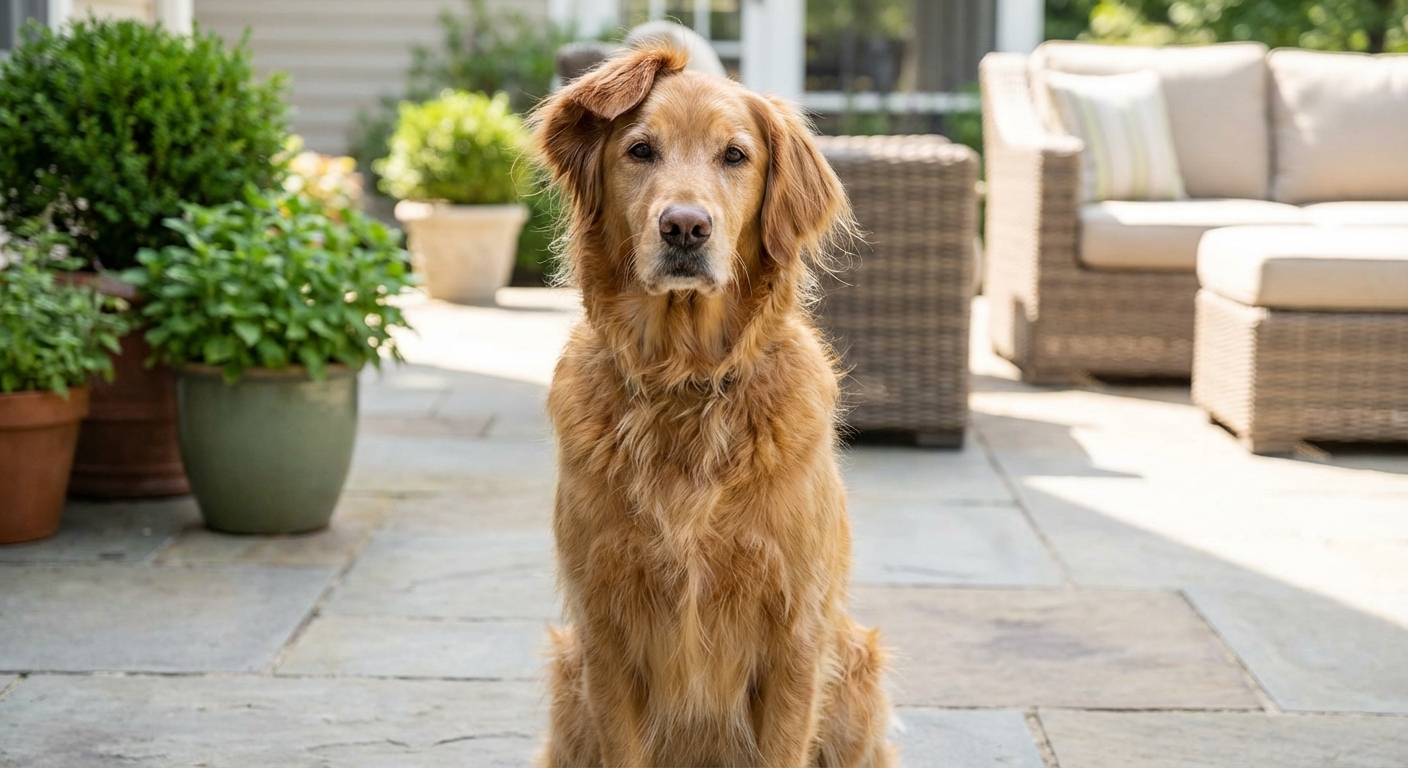
- Floppy-eared dogs often trap moisture and heat in the ear canal.
- Wrinkly breeds can get yeast in folds.
- Allergy-prone mixes (including many doodle-type coats) may have chronic inflammation that fuels recurring yeast.
Signs and odor
Yeast is often described as smelling like corn chips or musty bread, but odor alone is not diagnostic. Symptoms can include:
- Persistent itching, rubbing face on carpet
- Rear-end licking, or occasional scooting if the area is irritated (scooting can also point to anal gland issues)
- Red, thickened, darkened skin (especially in chronic cases)
- Greasy coat or dandruff-like flakes
- Brown staining on paws or around the mouth from licking
- Recurrent ear debris and head shaking
Bacteria often join the party. Mixed bacterial and yeast infections are common, so guessing and treating only yeast can miss half the problem.
Also worth knowing: other problems can look like “yeast” at home, including fleas, scabies, demodex, contact dermatitis, bacterial pyoderma, and (for scooting) anal gland irritation. And when you see thickened or darkened skin, that is usually a sign of chronic inflammation that needs a longer-term plan, not just a quick fix.
How vets confirm yeast
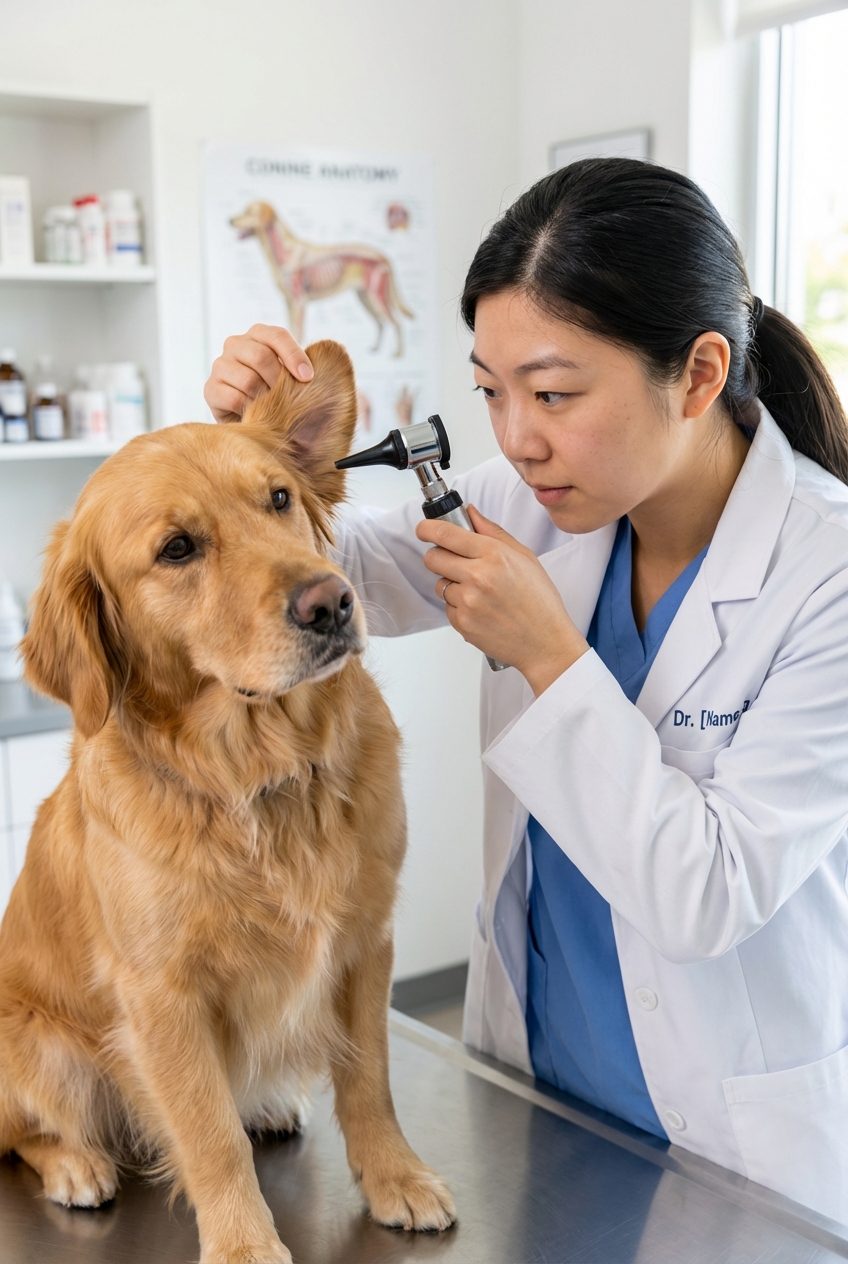
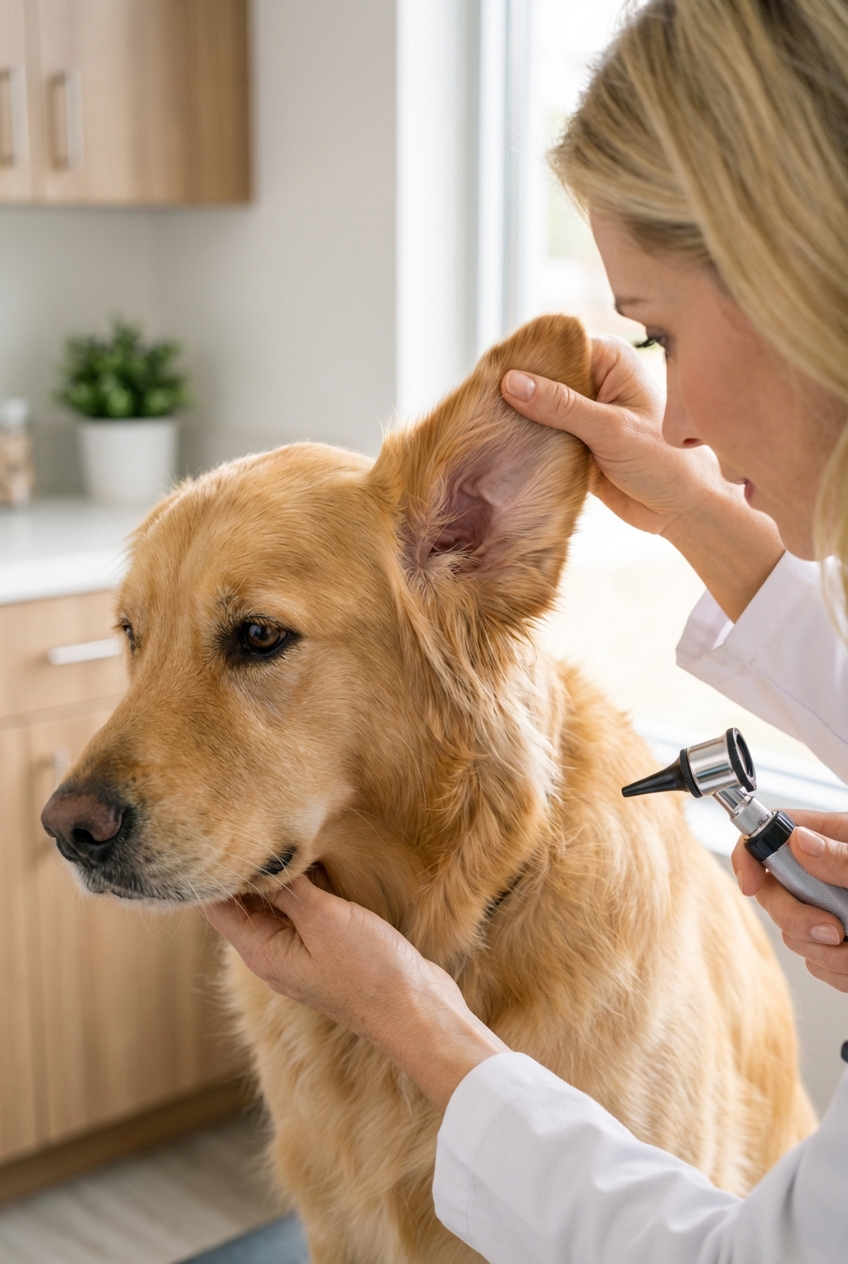
The fastest way to stop the cycle is to confirm what is actually there. In clinic, your veterinarian may do cytology, which means gently sampling the ear debris or skin surface and looking under a microscope. Malassezia often has a classic “peanut” or “footprint” appearance. Cytology also shows whether bacteria (and what type) are present, which helps your vet choose the right medication.
Preventing yeast from coming back
Dry the problem areas every time
If your dog swims or gets bathed often, drying is not optional. Focus on:
- Ears: dry the outer ear gently; follow your vet’s ear-cleaning instructions for inside the canal
- Paws: dry between toes
- Skin folds: pat dry, especially around lips and neck folds
Use the right shampoo or wipes
For dogs with confirmed yeast, veterinarians often recommend antifungal products such as miconazole or ketoconazole, sometimes combined with chlorhexidine for mixed infections. These products work best when:
- You follow label and vet directions for contact time (commonly 5 to 10 minutes)
- You stick to a consistent schedule for a few weeks, not just one bath
For paws and folds, antifungal wipes can be a practical option between baths.
Ear care for prone dogs
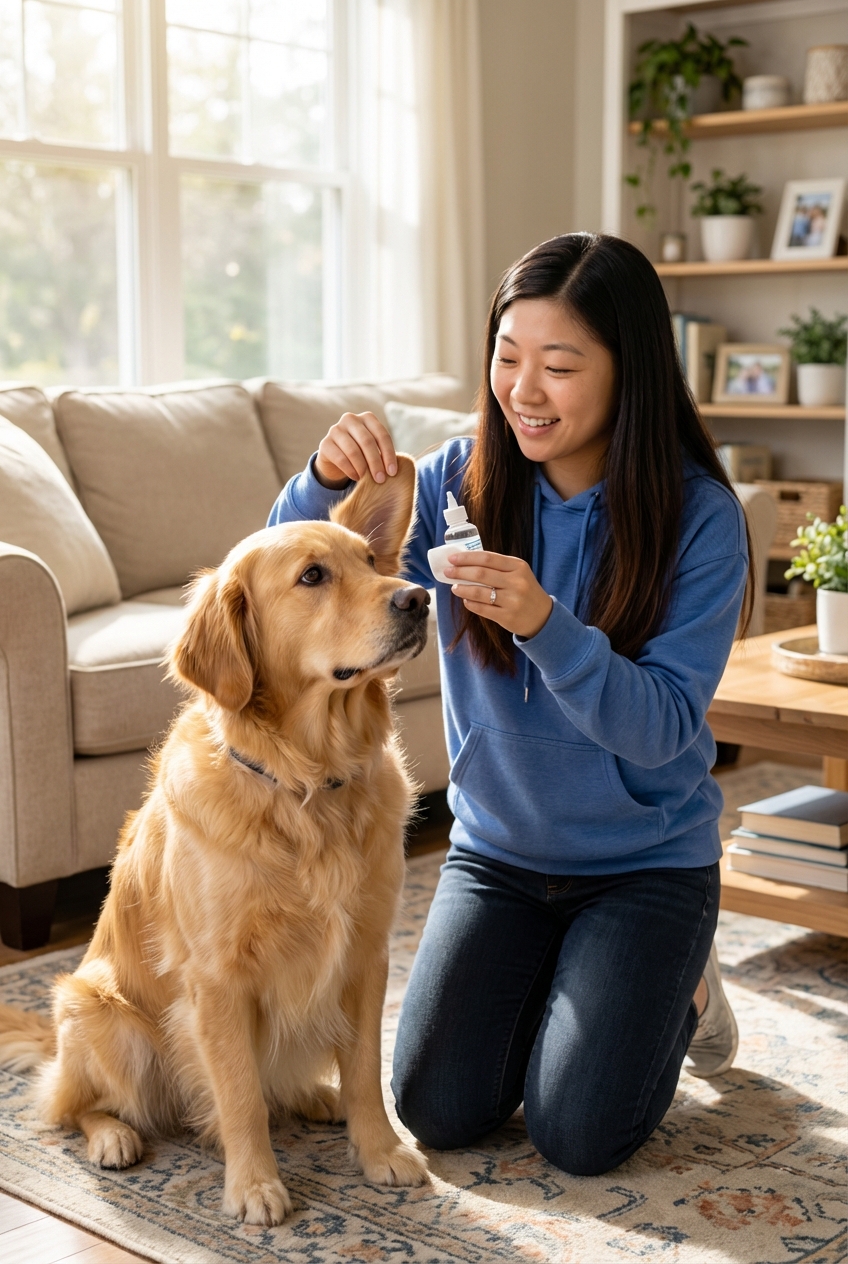
Many “yeast dogs” also become “ear dogs.” Ask your veterinarian which ear cleaner is appropriate, how often to use it, and whether an after-swim drying routine makes sense for your dog. Overcleaning can irritate the ear canal, so it is best to follow a plan rather than doing it randomly.
Address allergies with your vet
When allergies are driving inflammation, you often need a long-term strategy such as:
- Prescription itch control medications
- Allergy testing and immunotherapy (typically injections, and in some cases sublingual drops, depending on availability and your vet or dermatologist)
- Consistent flea control (fleas are a major itch trigger even when you never see them)
- A true diet trial if food allergy is suspected
The goal is calm skin. Calm skin is much less welcoming to yeast.
Support skin health with nutrition
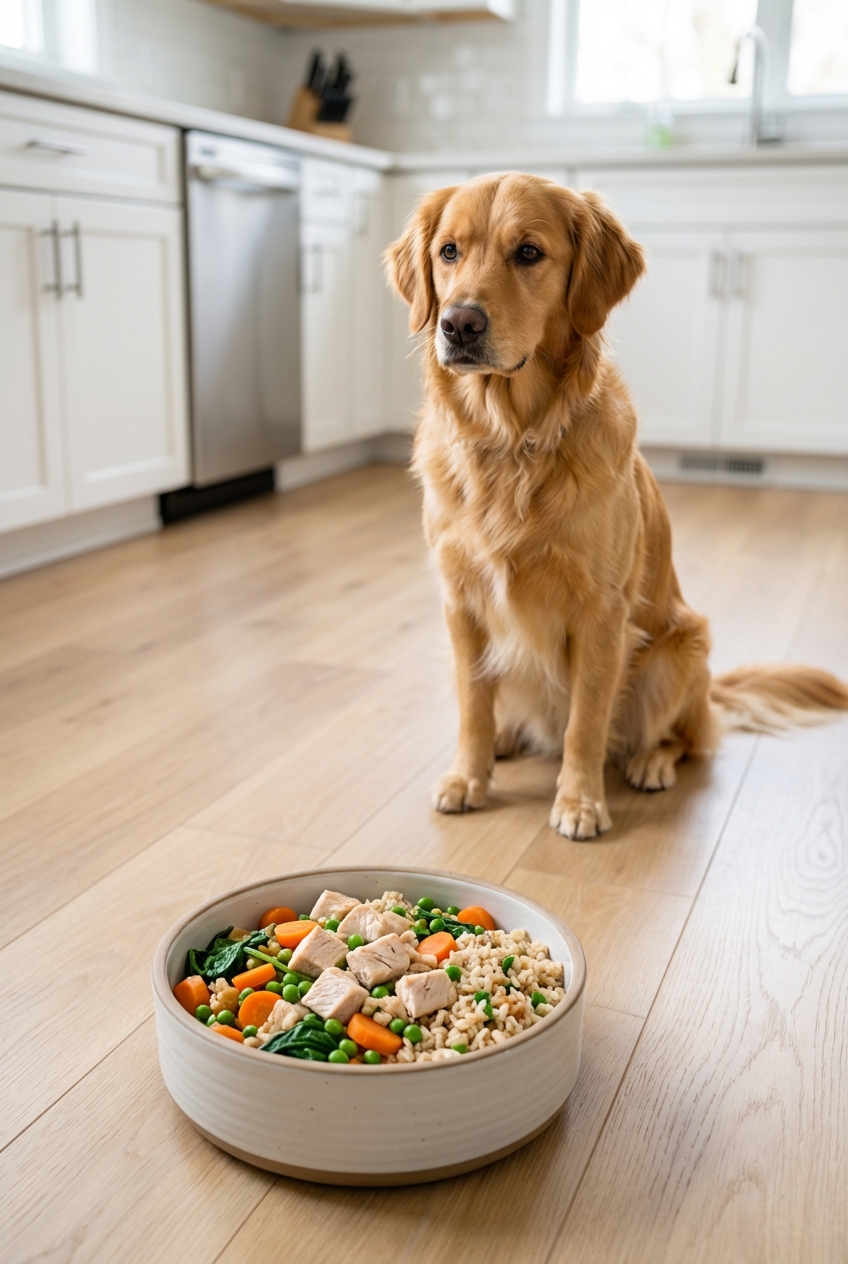
A balanced diet supports the skin barrier. For many dogs, adding veterinarian-approved omega-3 fatty acids (EPA and DHA) can reduce inflammation and improve skin quality over time.
If you are exploring homemade or fresh foods, do it thoughtfully. A diet that is not nutritionally balanced can create other problems. If homemade is your path, work with your vet or a board-certified veterinary nutritionist to make sure the recipe meets your dog’s needs.
Home safety notes
- Avoid human creams, essential oils, vinegar, or peroxide on your dog’s skin or in the ears unless your veterinarian tells you to. Some products irritate skin, worsen inflammation, or can be unsafe in ears.
- Do not use Q-tips in the ear canal. They can push debris deeper and risk injury. Stick to vet-approved cleaning techniques.
- If an ear is painful, swollen, bleeding, or your dog will not let you touch it, skip home cleaning and call your vet.
When to see the vet
It is time to schedule a veterinary visit if:
- This is your dog’s first suspected yeast infection
- Symptoms keep returning within weeks of treatment
- The ears are painful, swollen, bleeding, or smell extremely strong
- Your dog seems lethargic, has a fever, or the skin is oozing
In clinic, your veterinarian may recommend quick tests that make treatment much more accurate:
- Cytology to confirm yeast, bacteria, or both
- Ear swab and possibly culture in stubborn cases
- Skin scraping if mites are a possibility
- Bloodwork if hormonal disease is suspected
Topicals are great for many dogs, but some recurrent or severe cases need prescription ear medications and sometimes oral antifungals (vet-directed, with appropriate monitoring). The right plan depends on what your vet sees on cytology and on your dog’s overall health.
If yeast keeps coming back, it is usually a clue. Finding the trigger is often the real “treatment.”
Quick home checklist
- Dry ears, paws, and folds after baths, rain, and swims
- Follow a vet-approved ear cleaning routine if your dog is prone
- Use antifungal shampoos or wipes as directed, and finish the full course
- Stay consistent with flea prevention
- Ask your vet about allergy control if itching is frequent
- Discuss omega-3s and diet support for skin barrier health
- Get cytology if infections are recurring, so you treat the correct organism
Final thoughts
Yeast infections can feel never-ending, but you are not failing your dog. Yeast is opportunistic, and once we reduce inflammation and moisture, it loses its advantage. The most powerful approach is a two-part plan: treat the current infection effectively, then prevent the next one by addressing the underlying cause.
If you want, tell me where your dog’s yeast shows up most (ears, paws, belly, or folds) and whether it is seasonal. That pattern can offer helpful clues to bring to your veterinarian.